How to Count Calories in Cafes and Restaurants: Your Ultimate Guide
Updated Aug 21, 20263 min read7 views
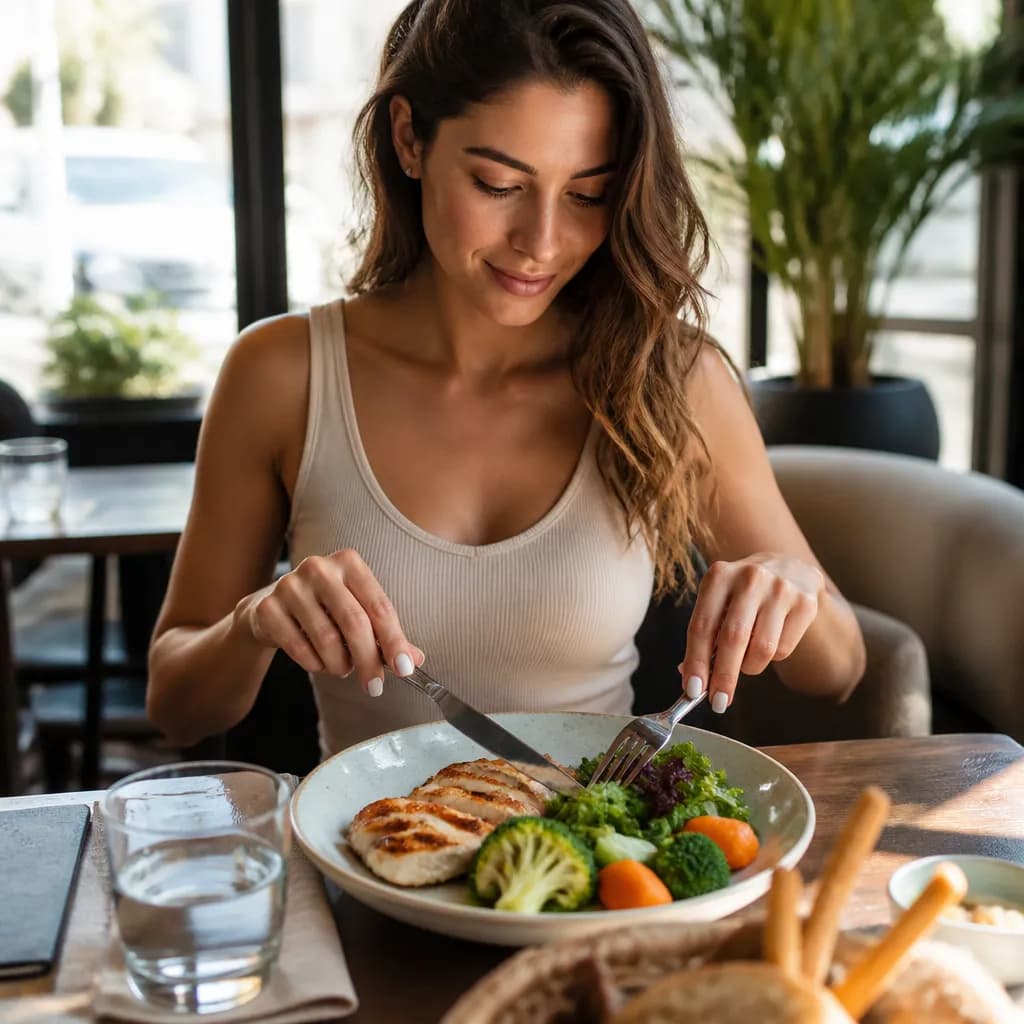
Eating out at cafes and restaurants can often feel like a minefield when you're trying to stick to a healthy eating plan. With enticing menus and the temptation of rich, calorie-laden dishes, how can you count calories and stay on track? This guide will equip you with the tools and techniques to help you enjoy dining out while keeping your nutritional goals in check.
Understanding Restaurant Menus
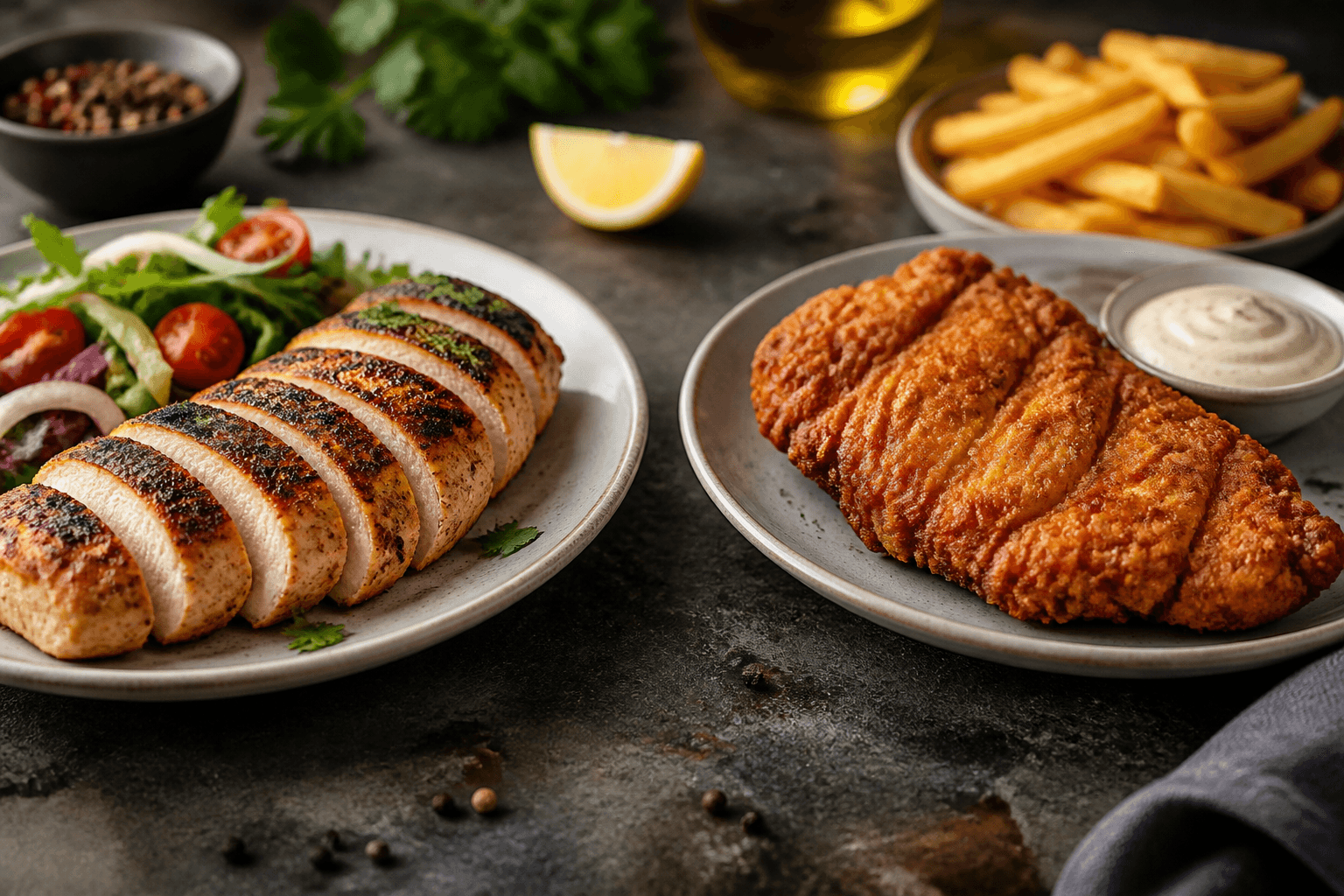
Restaurant menus can be overwhelming. Many establishments do not offer calorie counts, but there are ways to make informed choices. Start by filtering out heavy starters like nachos or fried calamari, and opt for salads, soups, or grilled items where possible. Look for descriptors like "grilled," "baked," or "steamed," which generally indicate healthier cooking methods compared to "fried" or "creamy."
Use a Calorie-Counting App
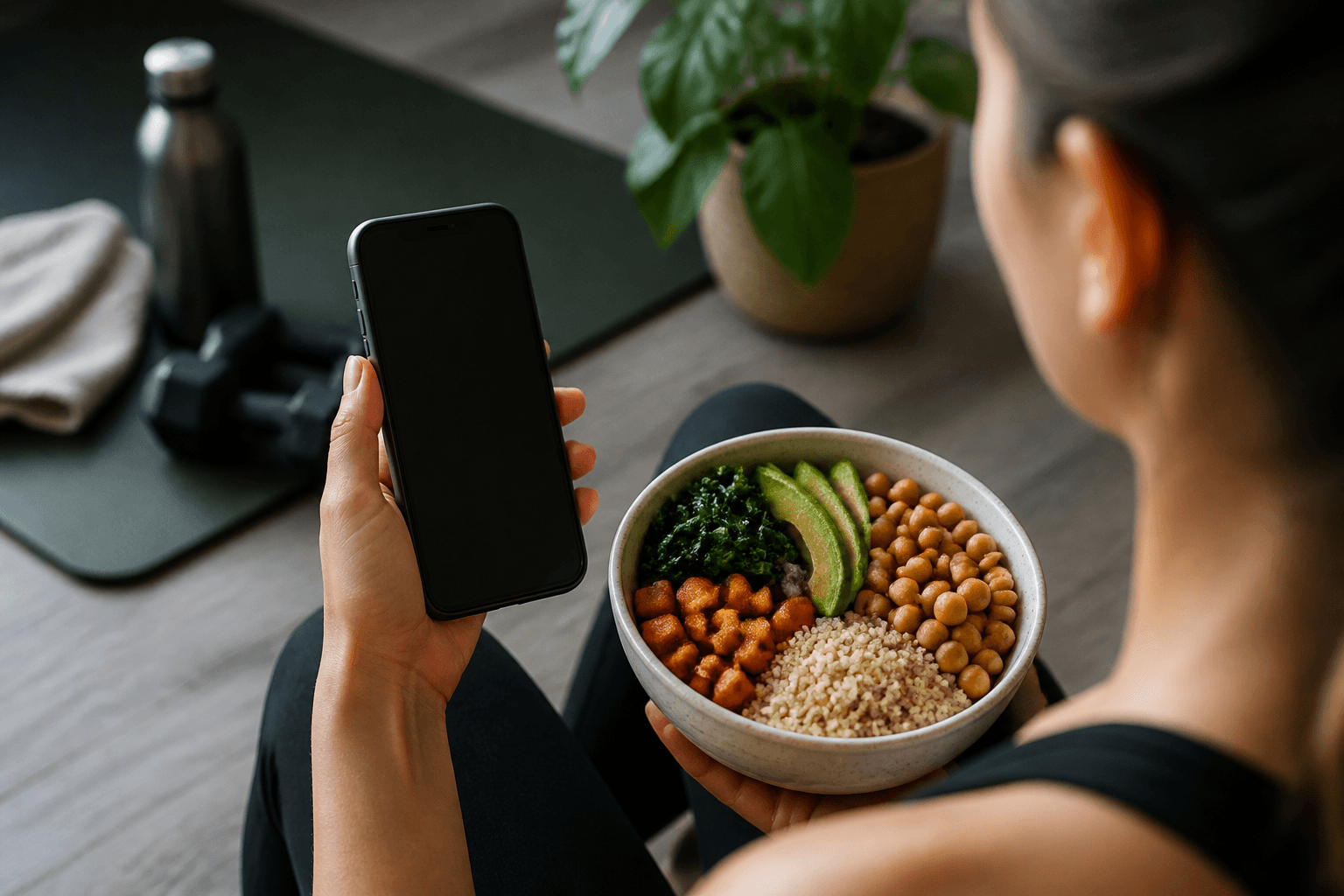
One of the easiest ways to keep track of calories is to use a calorie-counting app. Popular options include MyFitnessPal, Lose It!, and Cronometer. Many of these apps have extensive databases of foods, including those from popular chain restaurants. You can search for specific dishes or even use the barcode scanner to find products quickly.
Estimate Portion Sizes
If calorie info isn’t available, estimating portion sizes is a practical approach. Here are some quick visual guidelines:
- Protein: A portion of chicken or fish should be about the size of your palm.
- Carbs: A serving of rice or pasta should be roughly the size of a cupped hand.
- Fats: A teaspoon of butter or oil is approximately the size of your thumb.
This estimation can give you a rough idea of the calorie content. For instance, a grilled chicken breast (around 3 oz) may contain 140-165 calories, while a serving of fried chicken can rack up anywhere from 300 to 500 calories.
Ask Questions
Don’t hesitate to ask your server about the preparation methods. Questions to consider:
- Is this dish grilled, baked, or fried?
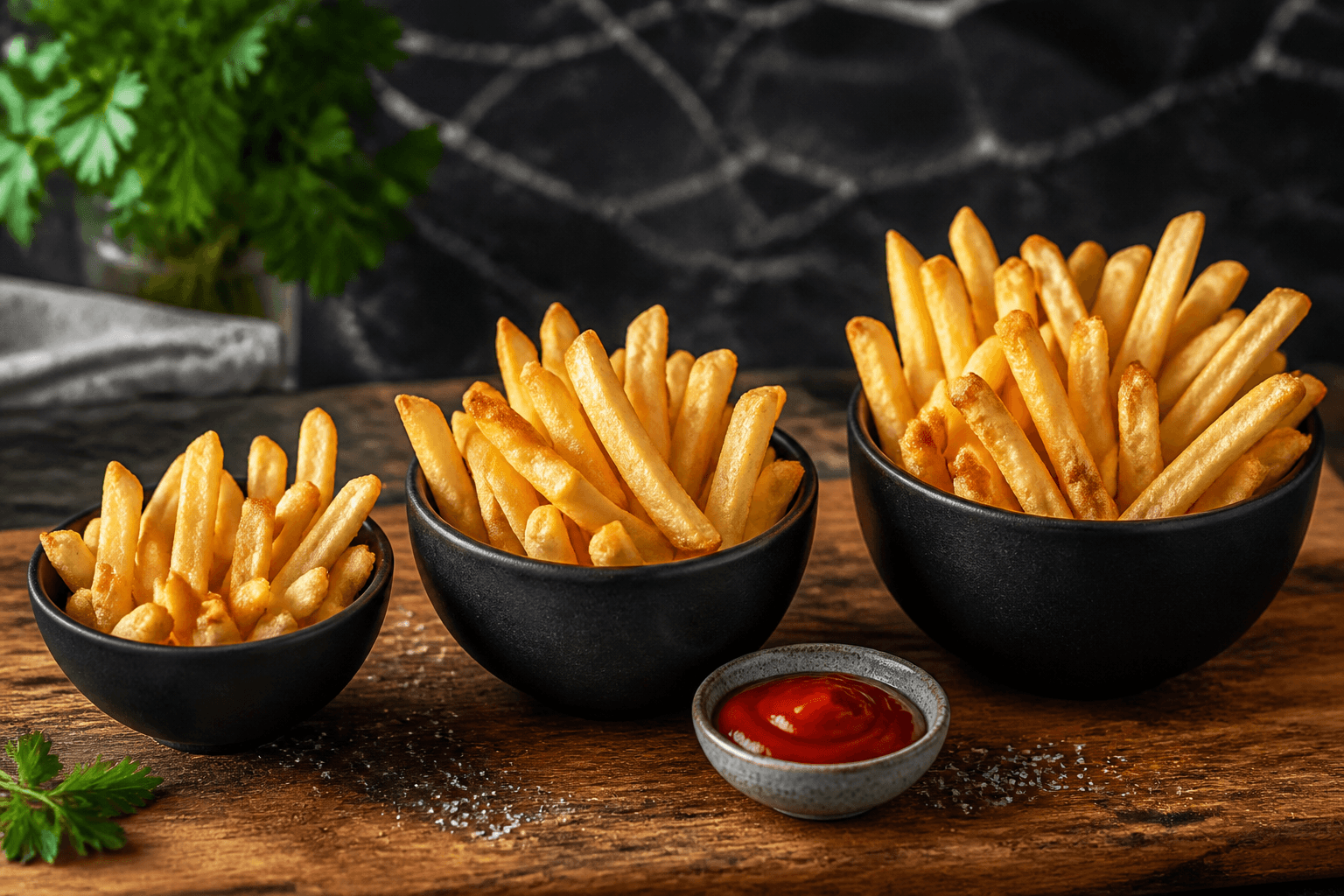
- Can I substitute a side salad instead of fries?
- Are there dressings or sauces on the side?
By asking these questions, you can make better choices and control your calorie intake. Plus, many restaurants are more than happy to accommodate special requests.
Track Your Meals Afterward
Logging your meals after dining out is critical. Even if you cannot get exact calorie counts, checking similar dishes in your trusted app can provide a ballpark figure. For example, if you had grilled salmon with a side of steamed broccoli, you might find similar entries in the app that show the calorie range.
Example Dishes and Their Caloric Content
Here’s a quick comparison of popular restaurant dishes:
| Dish | Calories (Approx.) | Protein (g) | Carbs (g) | Fats (g) |
|---|---|---|---|---|
| Grilled Chicken Salad | 350 | 30 | 15 | 18 |
| Fried Chicken Sandwich | 800 | 40 | 50 | 40 |
| Veggie Pizza (1 slice) | 285 | 10 | 30 | 14 |
| Caesar Salad (with dressing) | 600 | 20 | 15 | 45 |
As you can see, similar components can have vastly different caloric loads, so always look for the healthier option.
Conclusion
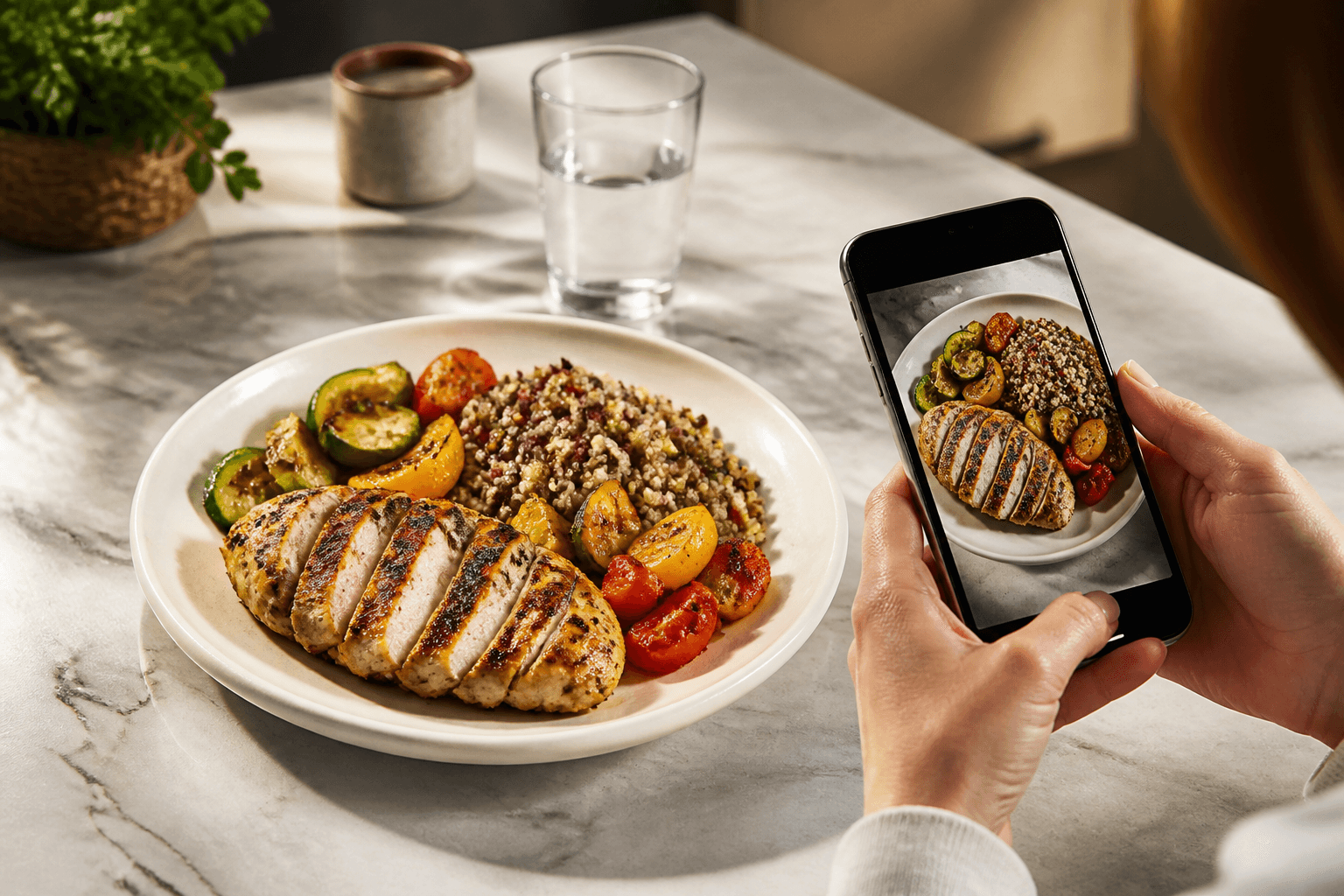
Dining in cafes and restaurants doesn't have to derail your nutrition plans. By being proactive—leveraging apps, estimating portions, and asking the right questions—you can enjoy your meals while keeping an eye on your goals. Remember to log your meals afterward for accurate tracking and don’t forget to enjoy yourself! If you want an easy way to monitor your calorie intake, consider using an app where you can upload food photos for calorie and macronutrient analysis. This way, you can focus on enjoying your food rather than stressing over numbers. Happy dining!
Cal AI Editorial Team
Practical guides on nutrition, calorie tracking, meal planning, and building healthier habits with Cal AI.
Editorial policyRelated articles
- Cal AI
The scan got the dish wrong: how to fix grams and calories in Cal AI in 20 seconds
Fix a wrong Cal AI scan by choosing the closest recognition variant, correcting grams, and editing calories when the portion still looks off.
Oct 26, 20266 min read
- french fries
Calories in French Fries: Small, Medium and Large Portions
French fries are 312 kcal per 100 g, and a standard 117 g serving is 365 kcal. Use grams, not size names, when the portion looks unclear.
Oct 23, 20266 min read
- Cal AI
How to Cancel Cal AI Subscription on iPhone and Android
Cancel Cal AI through Apple or Google Play, not inside the app. Follow the exact menu paths and see what cancellation means for history and scans.
Oct 20, 20265 min read1 views
- chicken breast
Calories in Chicken Breast: 100 g, One Breast, Grilled vs Fried
Chicken breast has 165 kcal per 100 g cooked. See one-breast calories, grilled and fried adjustments, and how to log it accurately.
Oct 17, 20266 min read1 views
- rice
White Rice vs Brown Rice: Calories, Protein, and Which to Pick
Brown rice is slightly lower in calories than white rice, but the gap is small. Compare cooked portions, macros, and which one fits your goal at meals.
Oct 14, 20266 min read2 views
- calorie calculator
How many calories do you need a day? Mifflin-St Jeor with worked examples
Use Mifflin-St Jeor to estimate daily calories from weight, height, age, and activity, with worked examples and portion checks.
Oct 11, 20268 min read