Sustainable Weight Loss Explained: Your Guide to Long-Term Success
Sustainable weight loss is a term that often gets thrown around in the context of diet trends and fitness regimes. However, its true meaning transcends quick fixes and fleeting diets. It refers to a holistic approach to weight management that focuses on long-lasting, healthy habits rather than temporary changes.
Understanding Sustainable Weight Loss
At its core, sustainable weight loss aims to help individuals achieve and maintain a healthy weight over time. It considers factors like nutrition, physical activity, and mental well-being, pointing to the necessity of adopting a lifestyle rather than adhering to short-term measures.
The key principles of sustainable weight loss include:
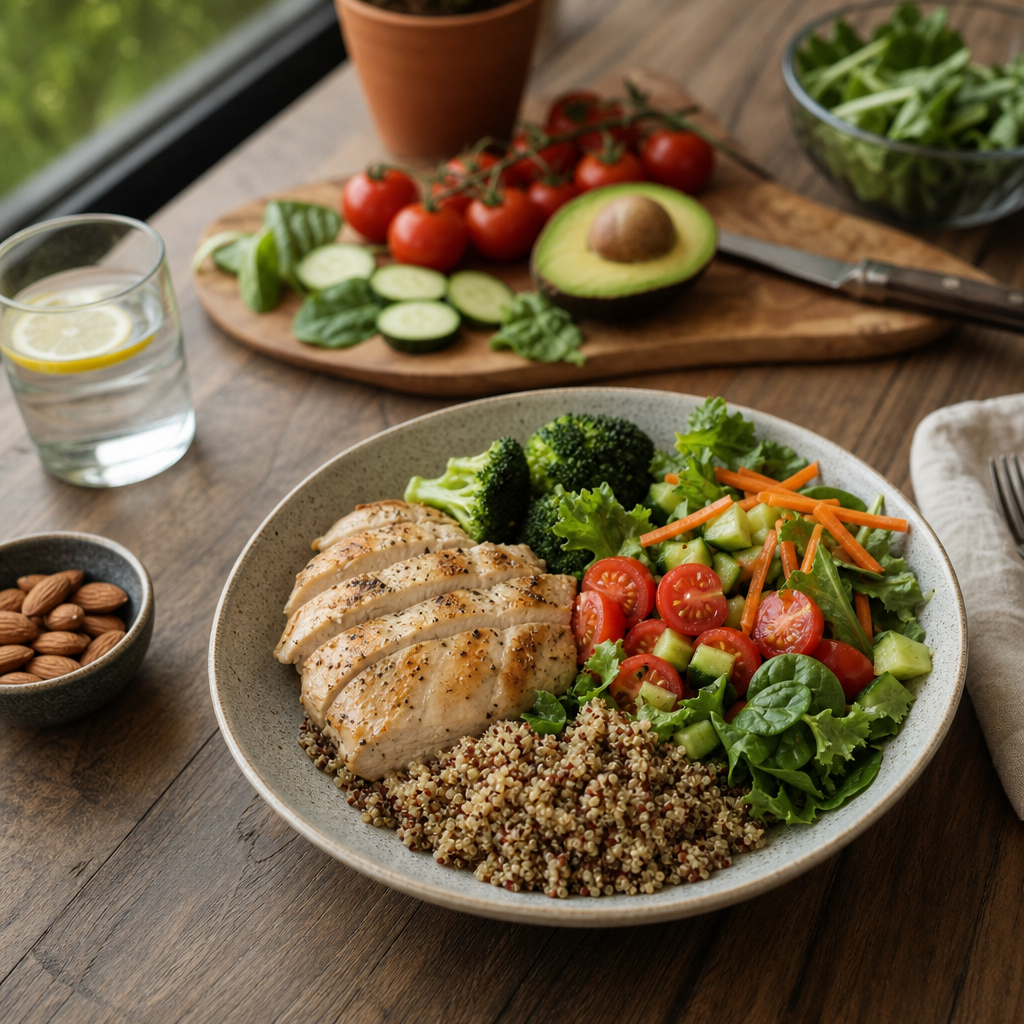
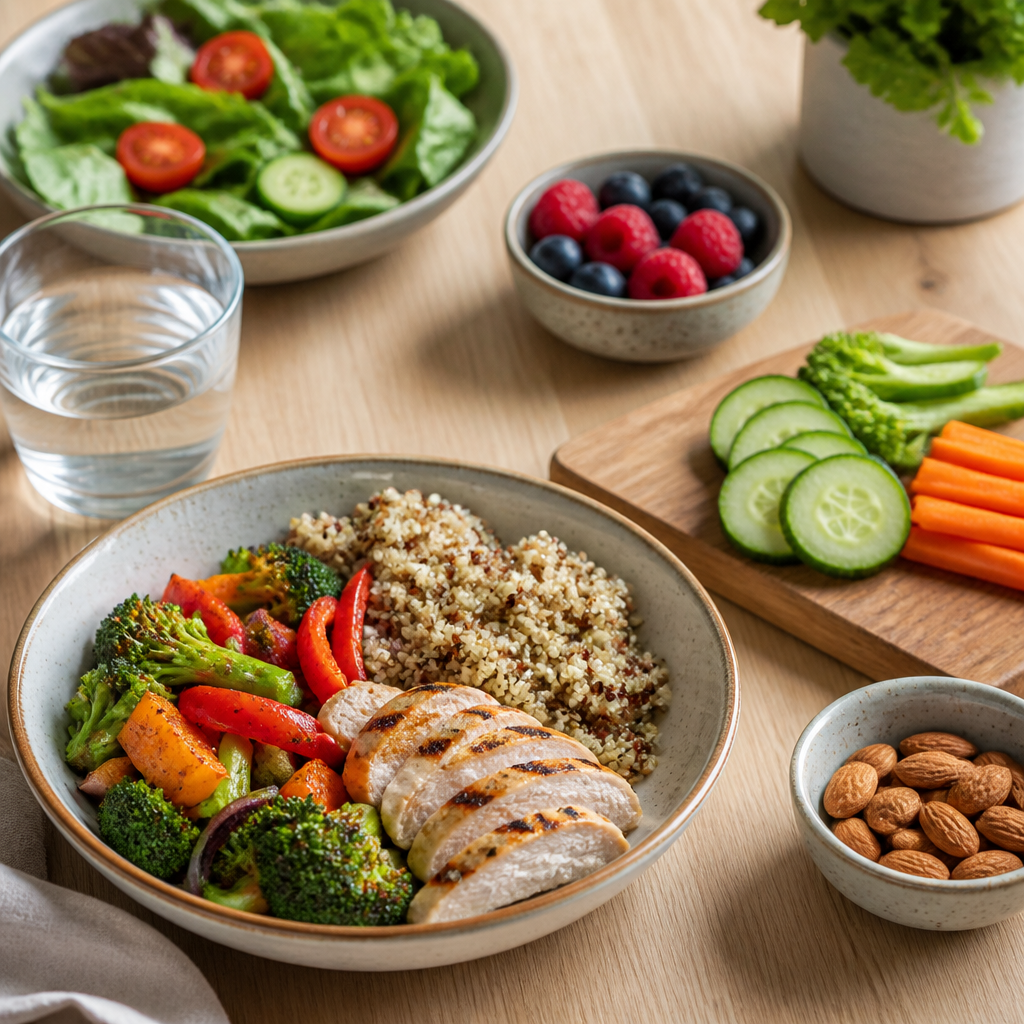
Nutrition Over Restriction: Instead of cutting entire food groups or drastically reducing calorie intake, sustainable weight loss encourages a balanced approach to nutrition. Focus on incorporating a variety of whole foods, such as fruits, vegetables, lean proteins, and whole grains. Making mindful choices helps you stay satisfied while maintaining your goal weight.
Regular Physical Activity: Exercise plays a crucial role in sustainable weight loss. Finding activities that you enjoy will ensure you stay active consistently. Whether it’s jogging, dancing, swimming, or yoga, regular movement supports weight management and improves your general well-being.
Mindset and Behavioral Changes: A shift in how you think about food and body image is essential for sustainable weight loss. Instead of viewing workouts and healthy eating as tasks, try to embrace them as integral parts of your lifestyle. This shift can significantly affect your long-term success.
Realistic Goals: Setting achievable and measurable goals is critical. Aim for slow, gradual weight loss — about 1 to 2 pounds per week is considered healthy. This pace is more likely to lead to lasting changes than attempting to lose weight at a faster rate.
How to Incorporate These Principles
If you're ready to embrace sustainable weight loss, here are practical steps you can begin implementing:
Assess Your Current Habits: Take some time to evaluate your current eating habits and activity levels. Write down what you typically eat, how often you exercise, and identify areas for improvement.
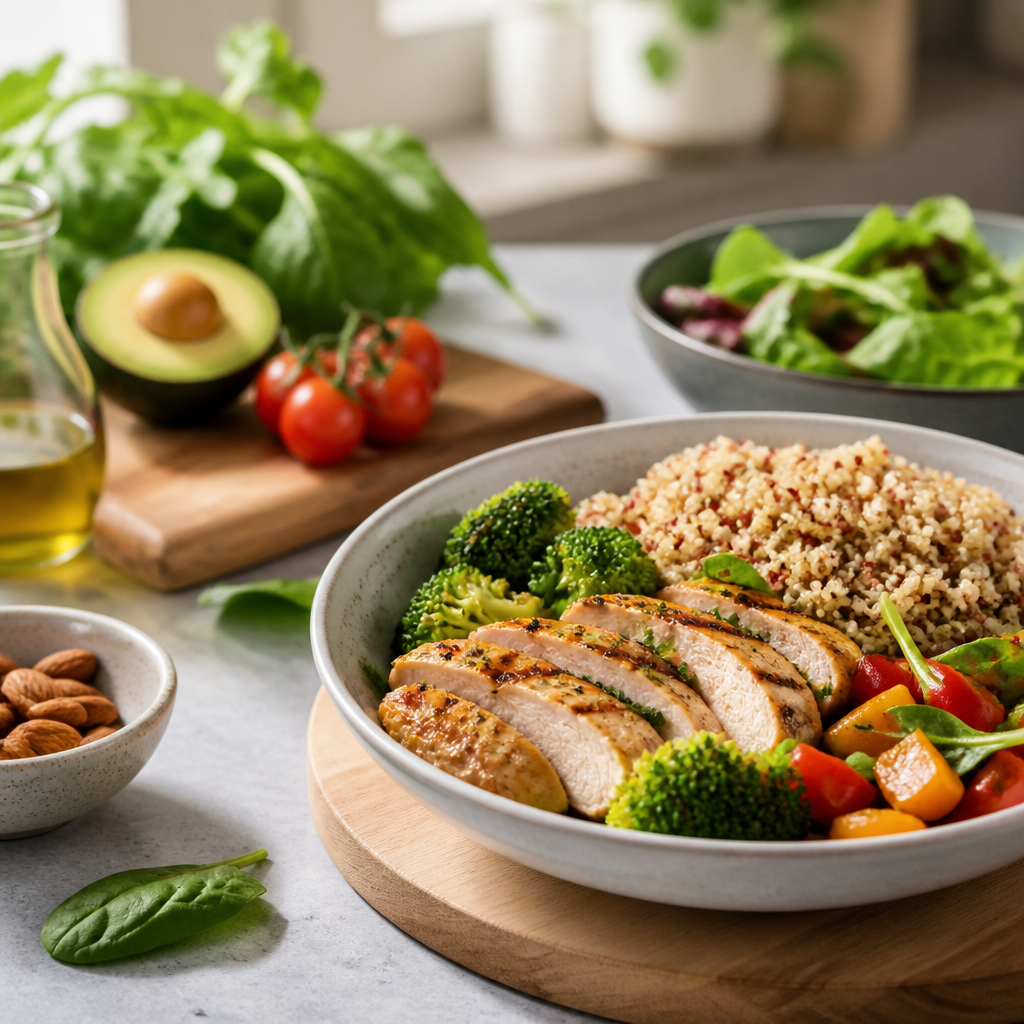
Plan Your Meals: Meal prepping can save time and help you make healthier choices during the week. Focus on creating balanced meals that include a source of protein, carbohydrates, and healthy fats.
Develop a Workout Routine: Find a physical activity you enjoy and set a schedule for it. This might mean going for walks on your lunch break, joining a local sports team, or taking up a new workout class.
Practice Mindfulness: Learn to listen to your body’s hunger and fullness cues, and consider keeping a food journal to track your progress and reflect on your eating habits.
FAQs about Sustainable Weight Loss
Q: How long does it take to see results with sustainable weight loss?
A: Results will vary by individual, but expect to see gradual changes over a few weeks to months, depending on your efforts.
Q: Do I need to give up my favorite foods?
A: Not at all! Sustainable weight loss is about moderation. You can still enjoy your favorite treats in reasonable portions.
Q: What if I hit a weight loss plateau?
A: Plateaus are normal. Reassess your diet and exercise routine and consider making small adjustments to push through.
Conclusion
Embracing sustainable weight loss is not just a fad or a phase; it’s a lifestyle choice that promotes health and overall well-being. By focusing on long-term habits instead of quick fixes, you set yourself on a path toward lasting success.
Ready to take control of your eating habits? Try our AI photo analysis tool to discover the calories and nutritional breakdown of your meals. Let’s make every bite count on your journey to sustainable weight loss!
Cal AI
Track meals faster with Cal AI
Scan food, estimate calories, and keep your nutrition log moving without typing every ingredient.
Get the appAuthor
Cal AI Editorial Team
Practical guides on nutrition, calorie tracking, meal planning, and building healthier habits with Cal AI.
Related articles
 The Most Filling Vegetables for Weight Loss
 Discover the Vegetables With the Fewest Calories: Your Guide to Guilt-Free Eating
 The Best Vegetables for a Calorie Deficit
 Why Strict Diets Don't Work: Understanding the Pitfalls of Extreme Restrictions
 The Best Weight Management Strategies: Proven Tactics for Success
 How to Keep a Weight Journal: Tips for Accountability and Progress Tracking
 How to Lose Weight Without Stress: Embrace a Balanced Approach
 Common Macro Tracking Mistakes: Avoid These Pitfalls for Better Results
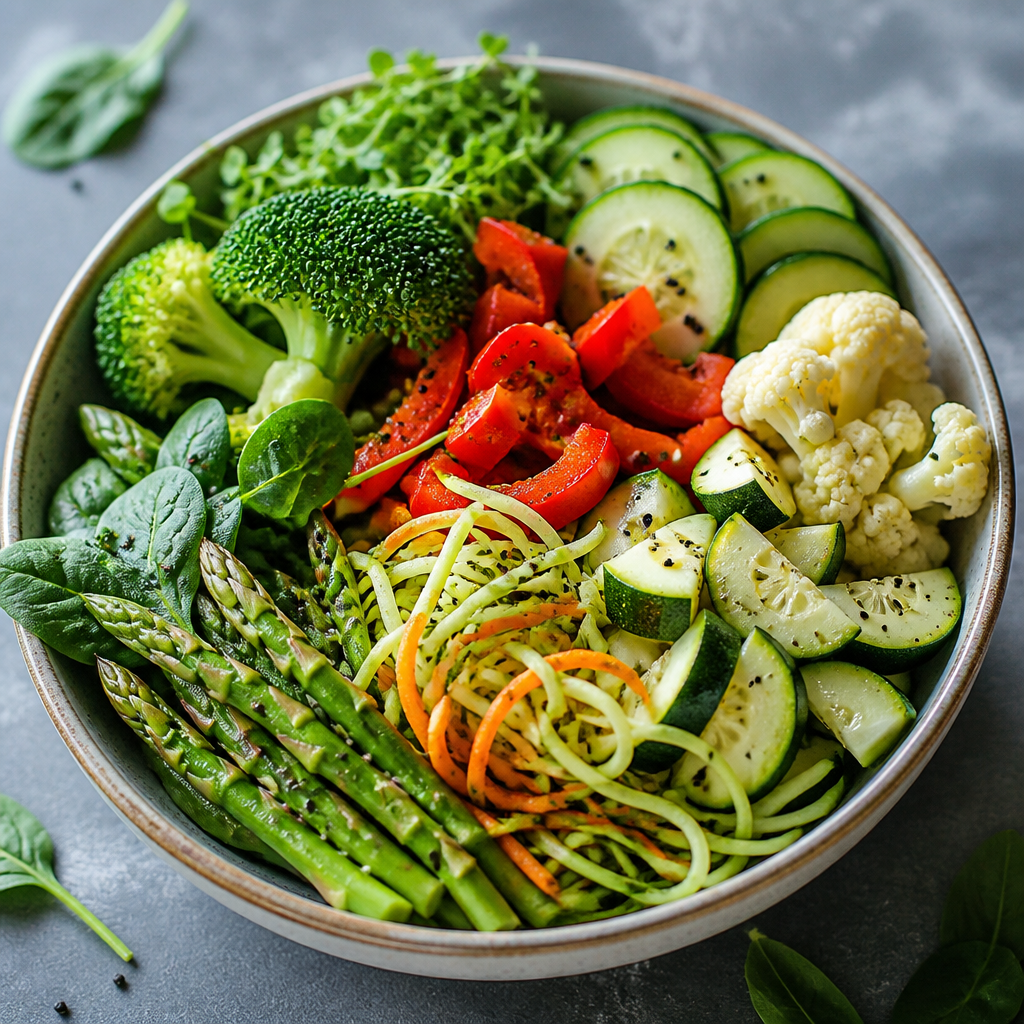 The Best Low-Calorie, Low-Carb Vegetables for Your Healthy Diet
 How to Control Your Weight With Calorie Tracking
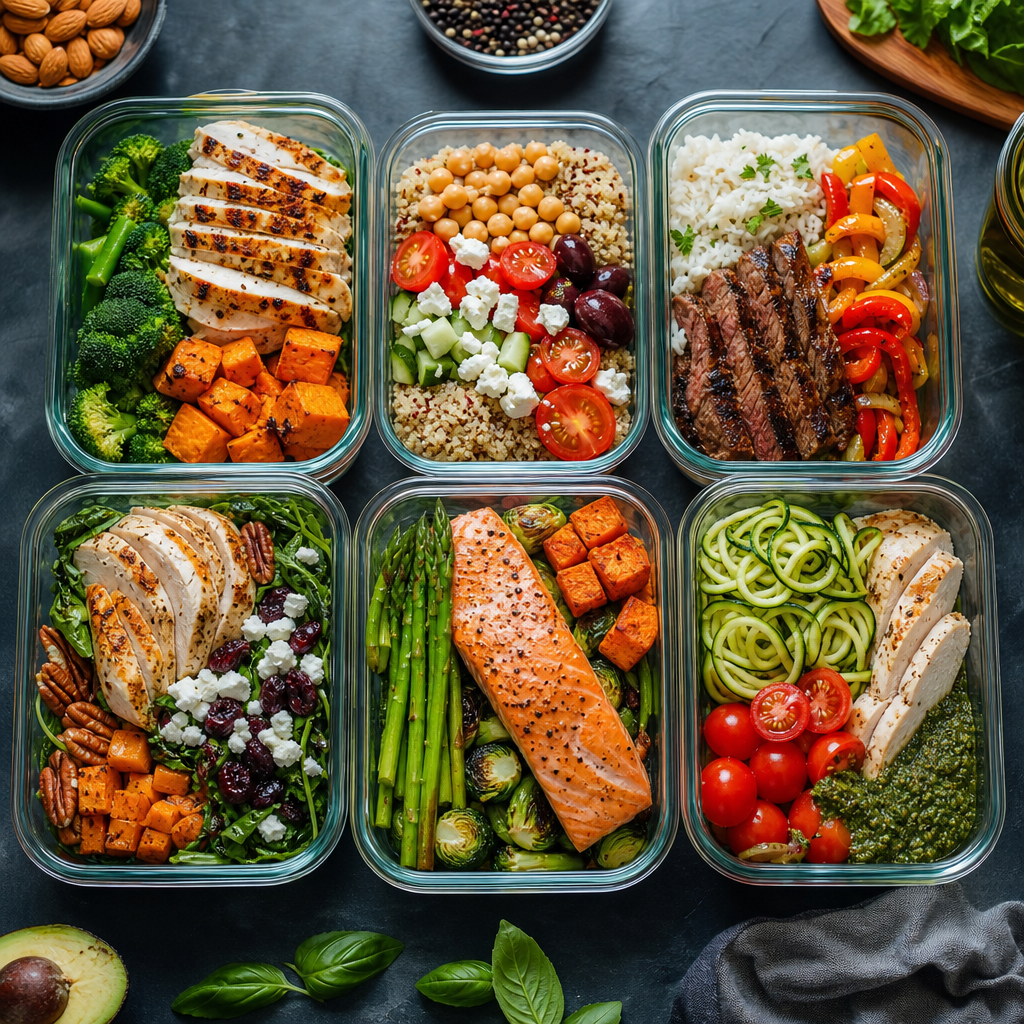 How to Build a Macro-Based Meal Plan: Your Ultimate Guide to Meal Prepping
 How to Track Macros Automatically: A Tech-Savvy Guide
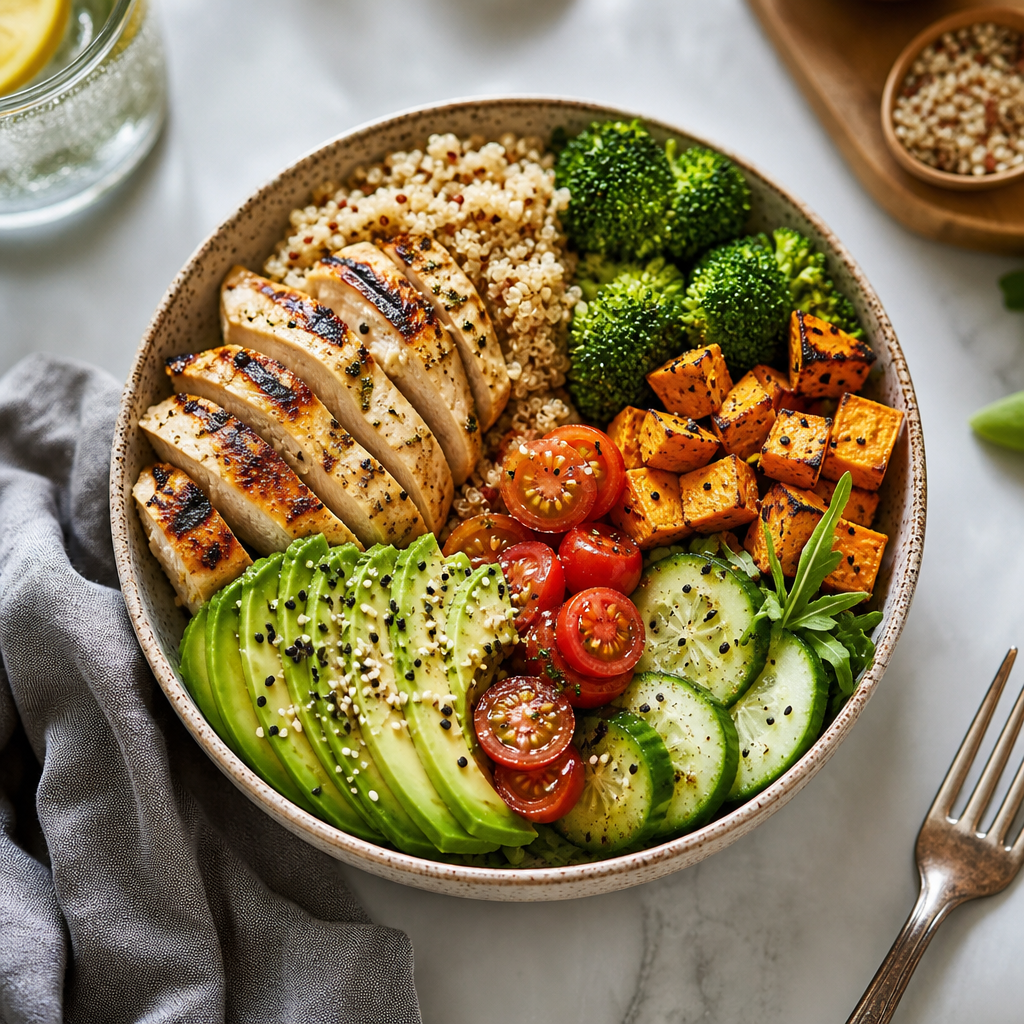 Macro Tracking for Beginners: Your Ultimate Guide to Nutritional Success
 How Many Calories Are in an Orange?
 Which Vegetables Keep You Full the Longest?
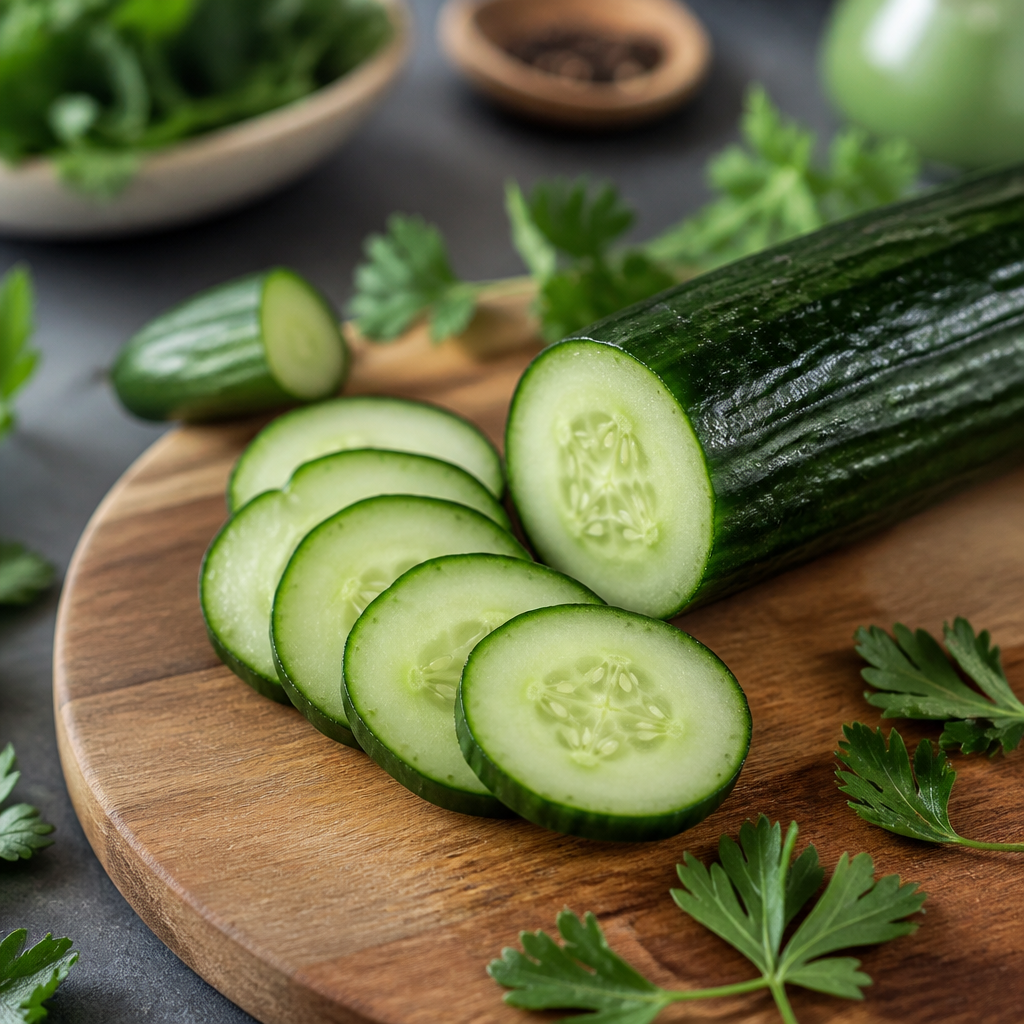 How Many Calories Are in a Cucumber? Unveiling the Secrets of This Superfood
 How Many Calories Are in a Banana?
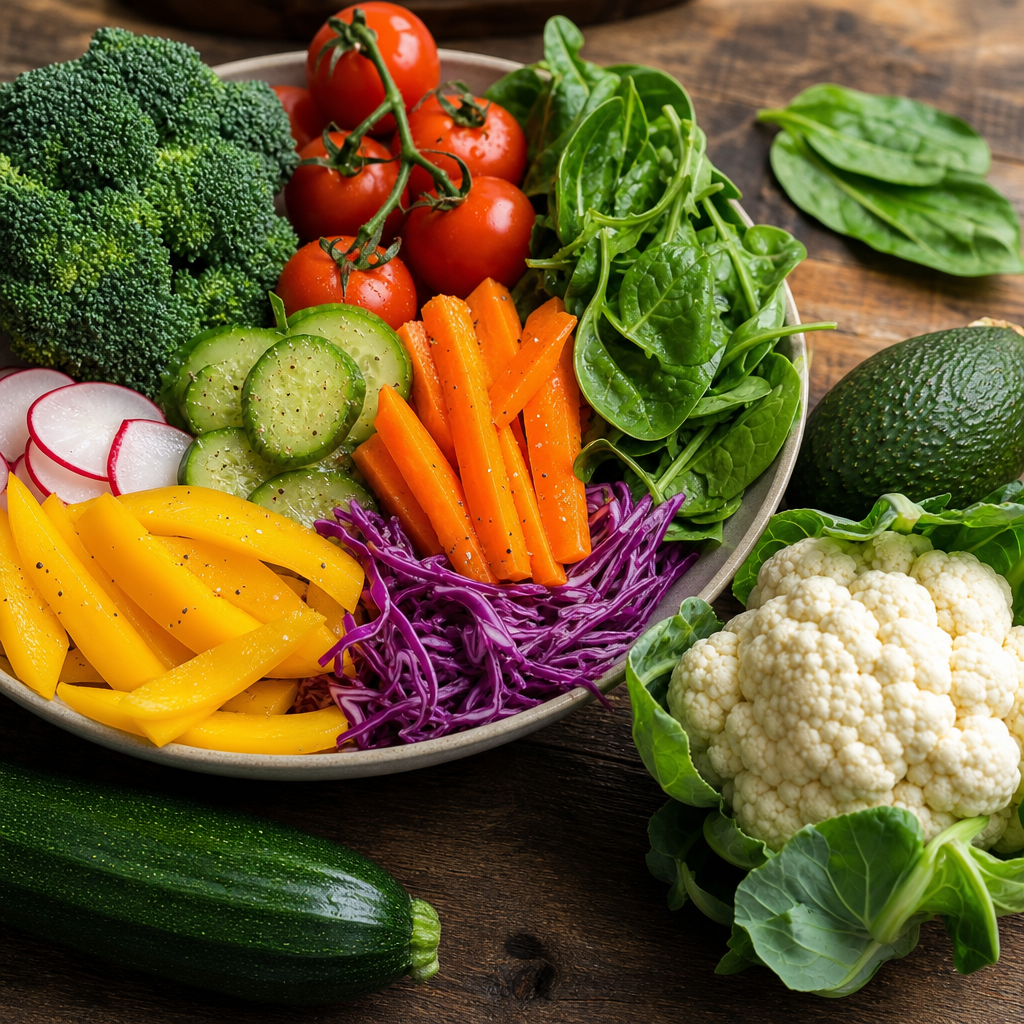 The Healthiest Vegetables for Weight Loss: Your Ultimate Guide
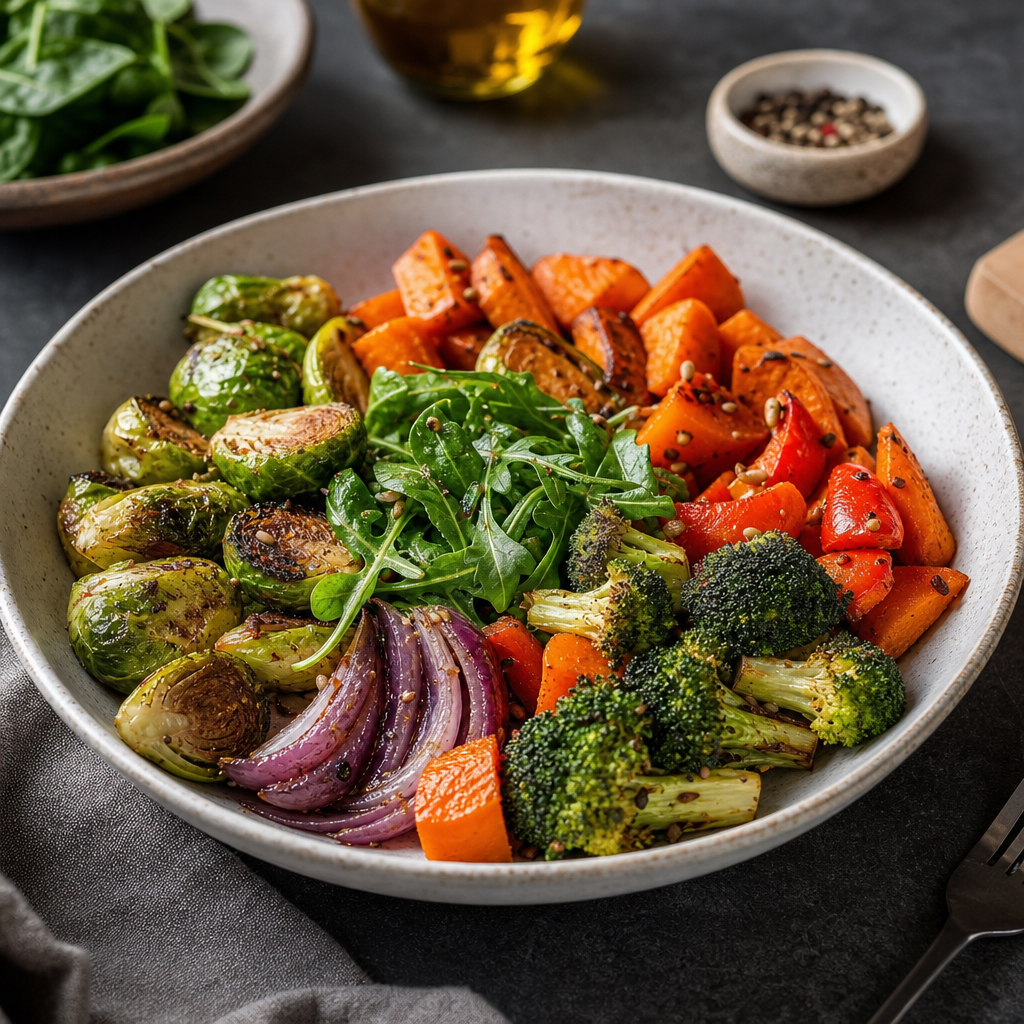 The Best Vegetables for Dinner: Nourishing Your Body While Losing Weight
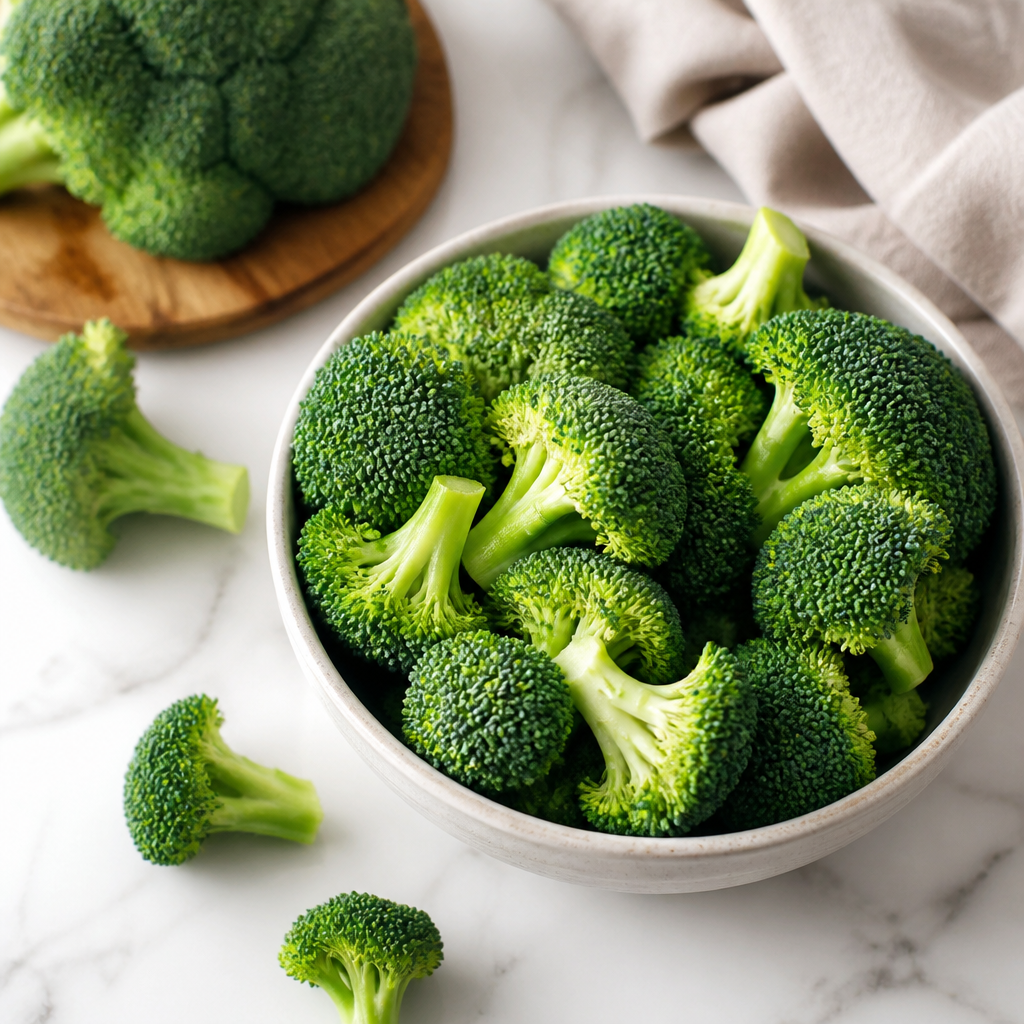 How Many Calories Are in Broccoli? An In-Depth Look
 How Many Calories Are in a Potato? Unpacking the Nutritional Value
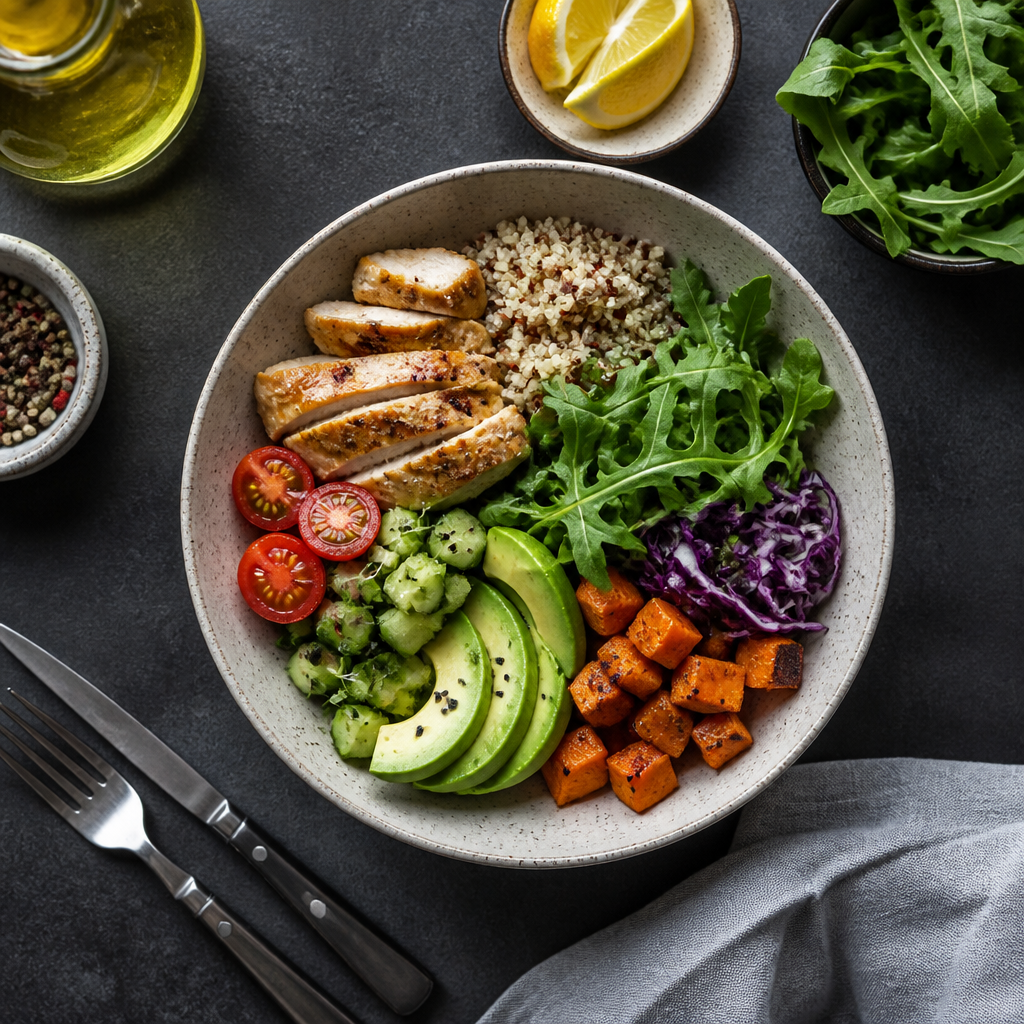 How to Estimate Calorie Counts Visually: A Guide for Impromptu Dieters
 Как считать калории в ресторане: Практическое руководство
 Формула Харриса-Бенедикта простыми словами
 Главные ошибки подсчета калорий
 Как считать калории без весов: Практическое руководство для диетчиков
 Почему вес не уходит при дефиците калорий: ключевые причины и решения
 Сколько калорий нужно есть в день: Определяем ваши потребности в ежедневном потреблении калорий
 Формула подсчета калорий: Ключ к успешному управлению весом
 Почему подсчет калорий эффективнее диет