Which Vegetables Keep You Full the Longest?
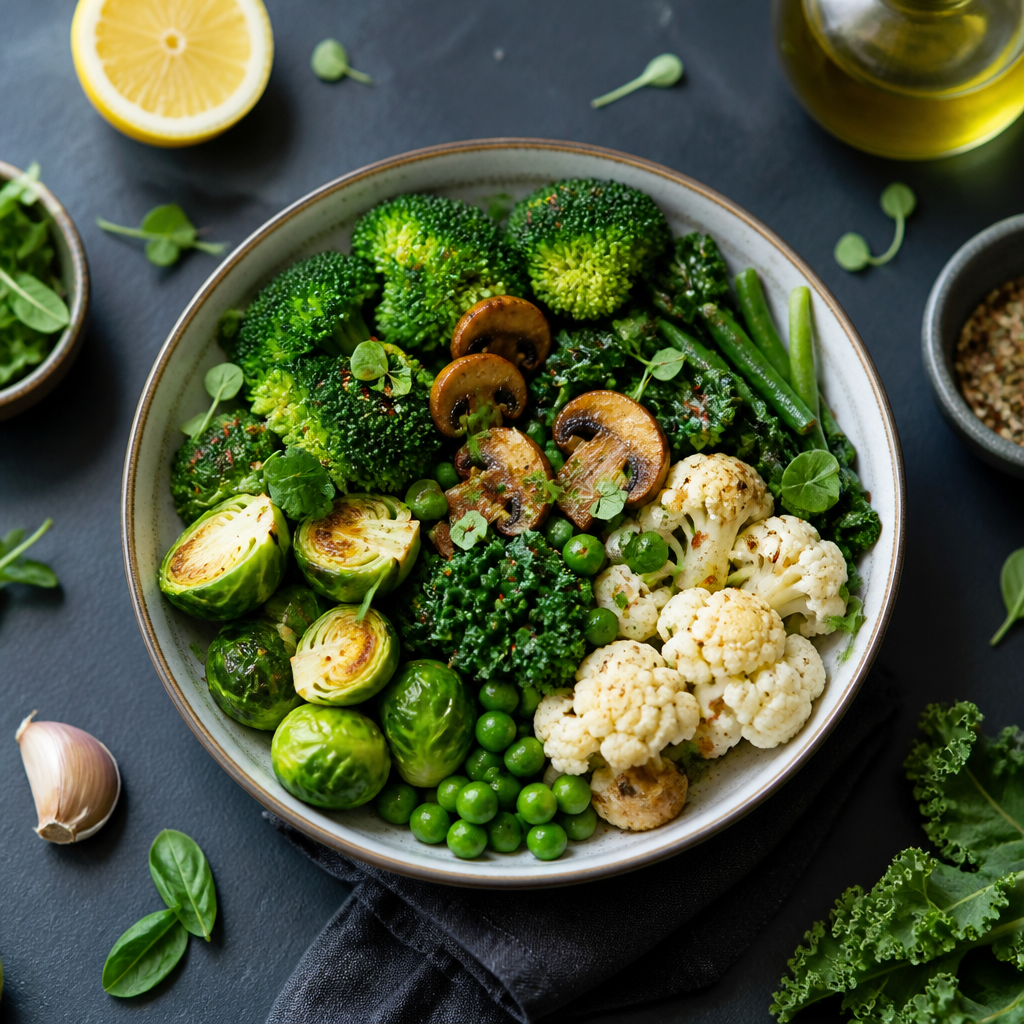
When it comes to weight management, one of the key strategies is to find foods that keep you feeling full without packing on the calories. While many think of proteins and fats in this context, vegetables can also play a crucial role. In this article, we’ll explore which vegetables keep you full the longest and how you can incorporate them into your meals.
Understanding Satiety
Satiety, or the feeling of fullness, is influenced by several factors including fiber content, water content, and nutritional density. Vegetables are typically low in calories, yet high in volume, which can help you feel satisfied without overindulging. Incorporating more veggies into your diet is a smart strategy for anyone looking to manage their weight.
Top Veggies for Satiety
Here are some of the best vegetables that are known to keep you full longer:
Broccoli
- Calories: 55 per cup (cooked)
- Fiber Content: 5 grams
- Rich in fiber and nutrients, broccoli is great for promoting fullness.
Cauliflower
- Calories: 25 per cup (raw)
- Fiber Content: 2 grams
- This cruciferous vegetable is low in calories but high in fiber, making it a satisfying addition to many dishes.
Spinach
- Calories: 7 per cup (raw)
- Fiber Content: 1 gram
- Spinach is packed with water and fiber, contributing to a feeling of fullness with minimal calories.
Zucchini
- Calories: 20 per cup (raw)
- Fiber Content: 1 gram
- A versatile vegetable that adds bulk to meals without many calories.
Carrots
- Calories: 52 per cup (raw)
- Fiber Content: 5 grams
- Crunchy and sweet, carrots are satisfying to eat and help curb cravings.
Bell Peppers
- Calories: 24 per cup (raw)
- Fiber Content: 1 gram
- Their high water content can help fill you up while they add flavor and color to your meals.
How to Incorporate More Vegetables
Add Them to Every Meal: Start your breakfast with a veggie omelet or toss spinach into your smoothie. For lunch and dinner, fill half your plate with veggies.
Snack on Veggies: Keep raw vegetables handy for snacking. Consider carrots, cucumbers, and bell peppers with hummus or yogurt dip.
Try Vegetable-Based Recipes: Explore new recipes like zucchini noodles or cauliflower rice as alternatives to traditional options.
Experiment with Cooking Methods: Roasting, steaming, or stir-frying can enhance the flavor and texture of vegetables, making them more appealing.
Frequently Asked Questions
Q: Can I eat too many vegetables?
A: While vegetables are low in calories, it is essential to maintain a balanced diet. Focus on variety to ensure you get all necessary nutrients.
Q: What’s the best way to prepare vegetables for maximum satiety?
A: Cooking methods such as steaming or roasting can enhance the flavor and make them more enjoyable, encouraging larger portions without guilt.
In conclusion, vegetables not only provide essential nutrients but also help keep you full longer, which is vital for effective weight management. Adding these high-fiber, low-calorie veggies to your meals can significantly impact your satiety levels.
To help you on your journey, consider using our app: upload a photo of your meal, and our AI will analyze the calories and macronutrients, guiding you to maintain a balanced diet effortlessly!
Cal AI
Track meals faster with Cal AI
Scan food, estimate calories, and keep your nutrition log moving without typing every ingredient.
Get the appAuthor
Cal AI Editorial Team
Practical guides on nutrition, calorie tracking, meal planning, and building healthier habits with Cal AI.
Related articles
 The Most Filling Vegetables for Weight Loss
 Discover the Vegetables With the Fewest Calories: Your Guide to Guilt-Free Eating
 The Best Vegetables for a Calorie Deficit
 Why Strict Diets Don't Work: Understanding the Pitfalls of Extreme Restrictions
 The Best Weight Management Strategies: Proven Tactics for Success
 How to Keep a Weight Journal: Tips for Accountability and Progress Tracking
 How to Lose Weight Without Stress: Embrace a Balanced Approach
 Common Macro Tracking Mistakes: Avoid These Pitfalls for Better Results
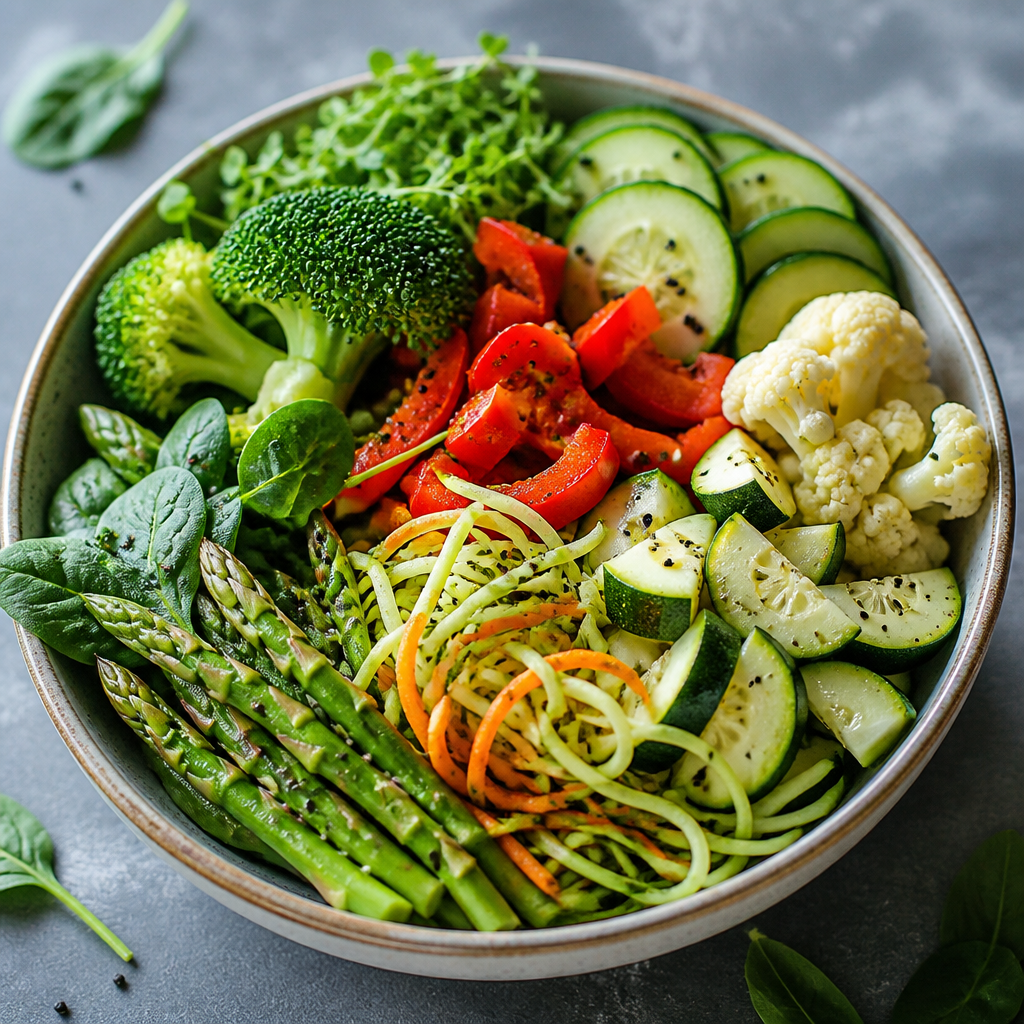 The Best Low-Calorie, Low-Carb Vegetables for Your Healthy Diet
 Sustainable Weight Loss Explained: Your Guide to Long-Term Success
 How to Control Your Weight With Calorie Tracking
 How to Build a Macro-Based Meal Plan: Your Ultimate Guide to Meal Prepping
 How to Track Macros Automatically: A Tech-Savvy Guide
 Macro Tracking for Beginners: Your Ultimate Guide to Nutritional Success
 How Many Calories Are in an Orange?
 How Many Calories Are in a Cucumber? Unveiling the Secrets of This Superfood
 How Many Calories Are in a Banana?
 The Healthiest Vegetables for Weight Loss: Your Ultimate Guide
 The Best Vegetables for Dinner: Nourishing Your Body While Losing Weight
 How Many Calories Are in Broccoli? An In-Depth Look
 How Many Calories Are in a Potato? Unpacking the Nutritional Value
 How to Estimate Calorie Counts Visually: A Guide for Impromptu Dieters
 Как считать калории в ресторане: Практическое руководство
 Формула Харриса-Бенедикта простыми словами
 Главные ошибки подсчета калорий
 Как считать калории без весов: Практическое руководство для диетчиков
 Почему вес не уходит при дефиците калорий: ключевые причины и решения
 Сколько калорий нужно есть в день: Определяем ваши потребности в ежедневном потреблении калорий
 Формула подсчета калорий: Ключ к успешному управлению весом
 Почему подсчет калорий эффективнее диет