Macro Tracking for Beginners: Your Ultimate Guide to Nutritional Success
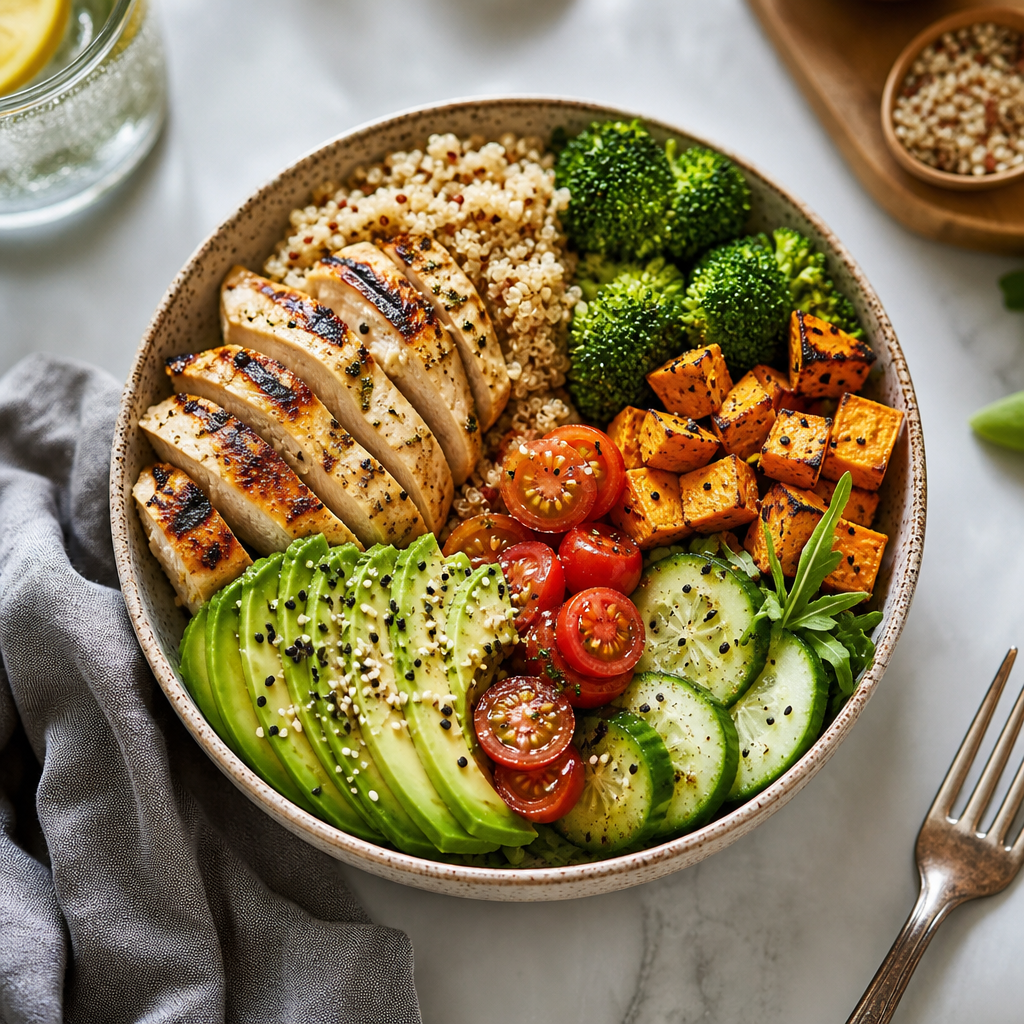
If you've recently decided to take control of your nutrition and embrace a healthier lifestyle, you're in the right place! One powerful way to achieve your health goals is through macro tracking. In this guide, we’ll break down the basics of macro tracking and provide you with the tools to get started.
What are Macros?
Macros, short for macronutrients, are the nutrients that provide us with energy. There are three main types of macronutrients that our bodies need:
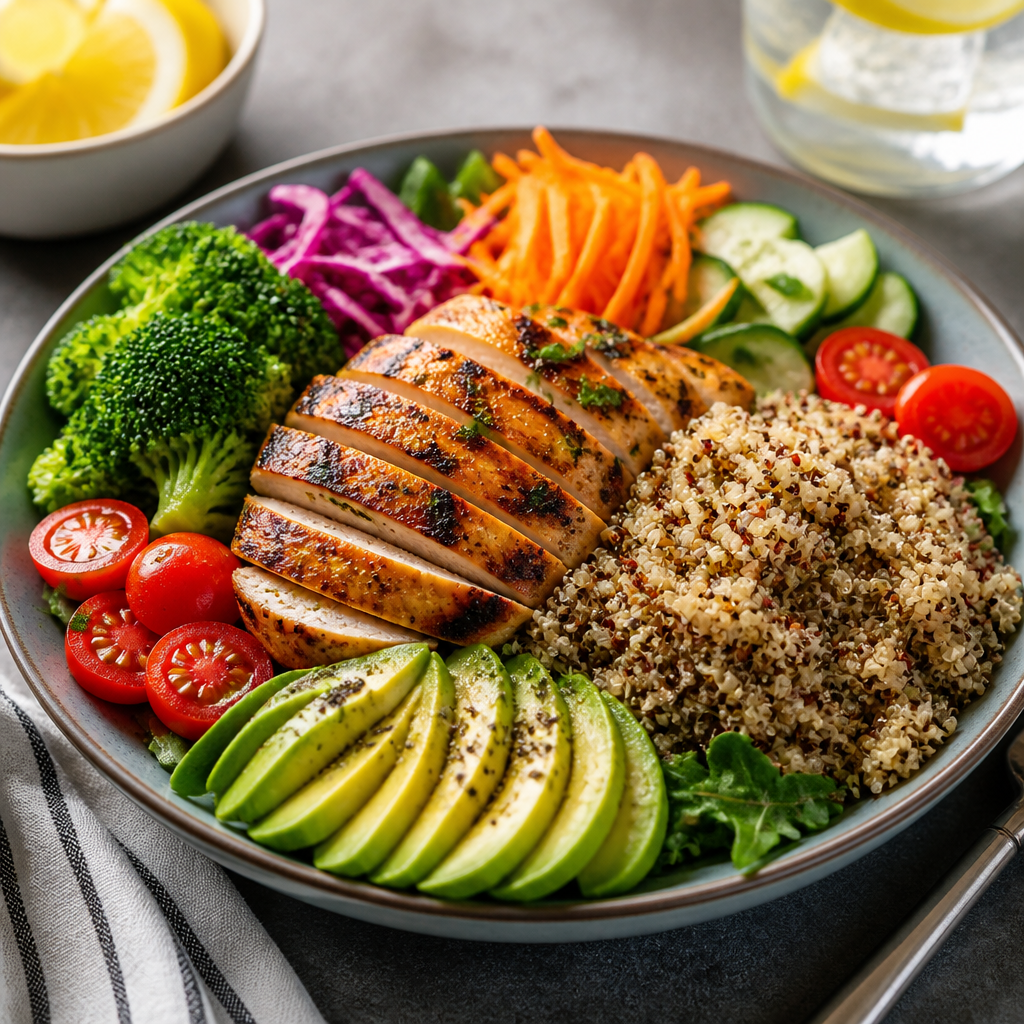
- Proteins: Essential for building and repairing tissues, proteins are made up of amino acids. Good sources include chicken, fish, eggs, and legumes.
- Fats: Important for hormone production and nutrient absorption, fats can be found in oils, nuts, seeds, and avocados.
- Carbohydrates: The body's preferred source of energy, carbohydrates can be divided into simple and complex carbs, found in foods like fruits, vegetables, and whole grains.
When tracking macros, the focus is typically on balancing these three categories to meet your personal goals, whether that's weight loss, muscle gain, or maintenance.
Why Track Macros?
When you track your macros, you gain a better understanding of what you’re consuming. This knowledge empowers you to make informed food choices and can lead to more sustainable results. Additionally, macro tracking allows for flexibility, meaning you can still enjoy your favorite foods—just in moderation.
Getting Started with Macro Tracking
Calculate Your Macro Goals: Before you start tracking, determine how many grams of each macronutrient you should eat each day. Various online calculators can help you estimate your daily energy expenditure based on factors like your age, weight, activity level, and goals.
Choose a Tracking Method: There are plenty of apps available, such as MyFitnessPal or Cronometer, that simplify the tracking process. These tools allow you to input your food and automatically calculate the macronutrient content.
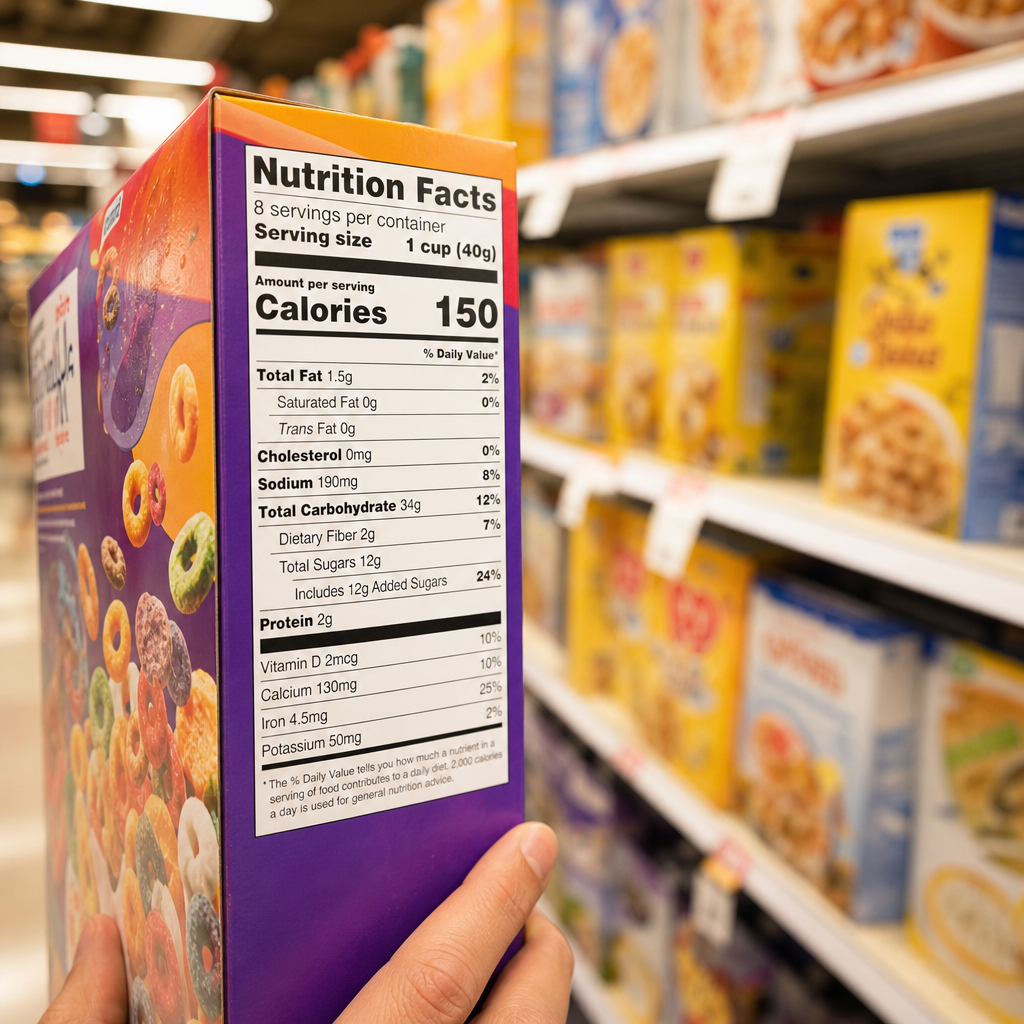
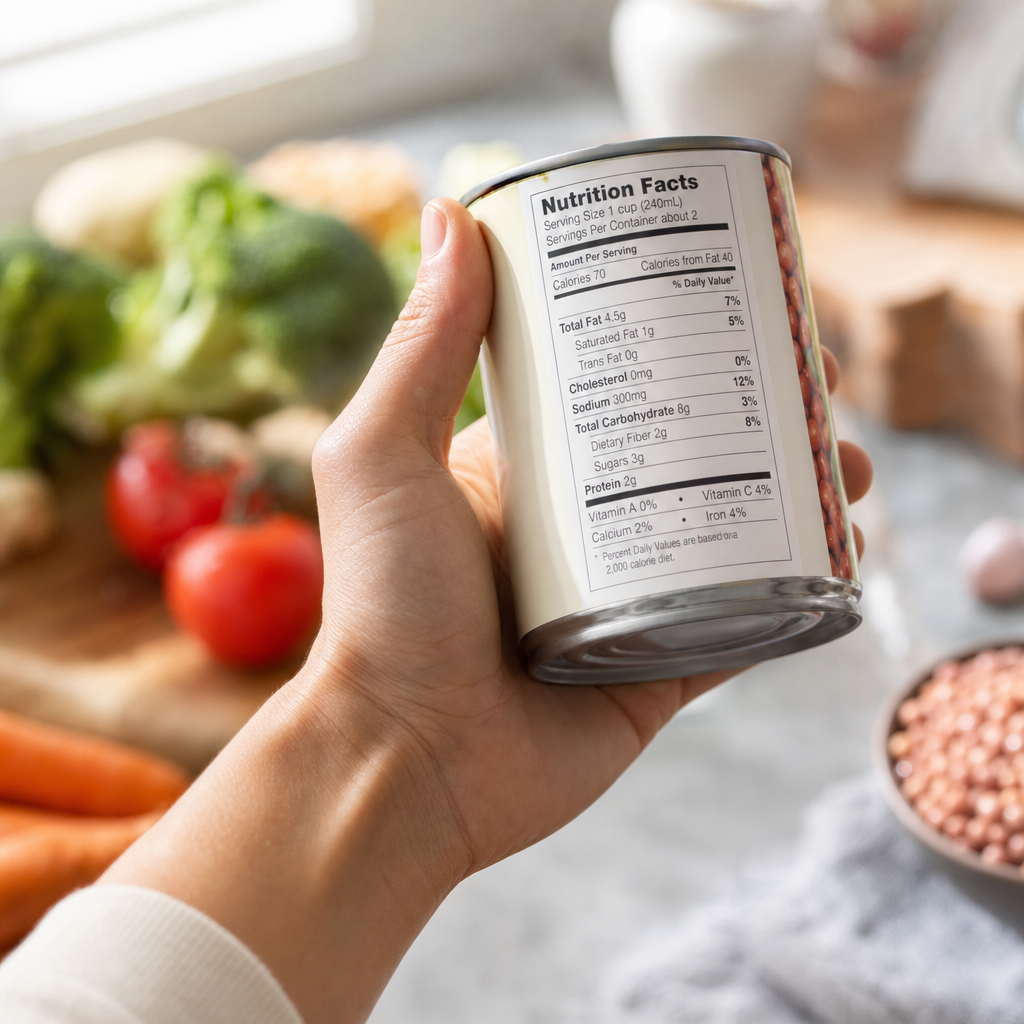
Read Labels: Learning how to read nutrition labels is crucial. This will help you identify how many grams of protein, fats, and carbohydrates are in the foods you consume.
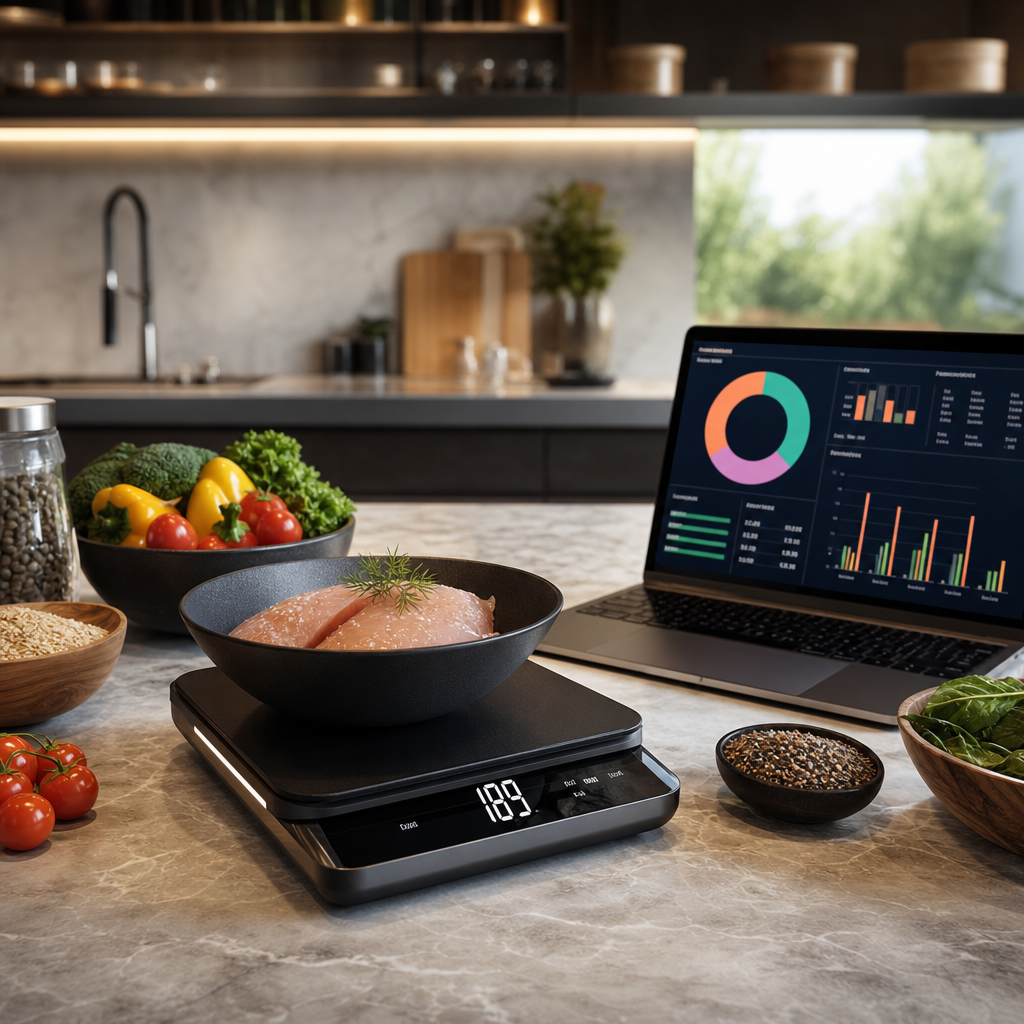
Weigh Your Food: If you want to be precise in your tracking, investing in a kitchen scale can be a game-changer. Weighing your food ensures that you’re getting accurate measurements.
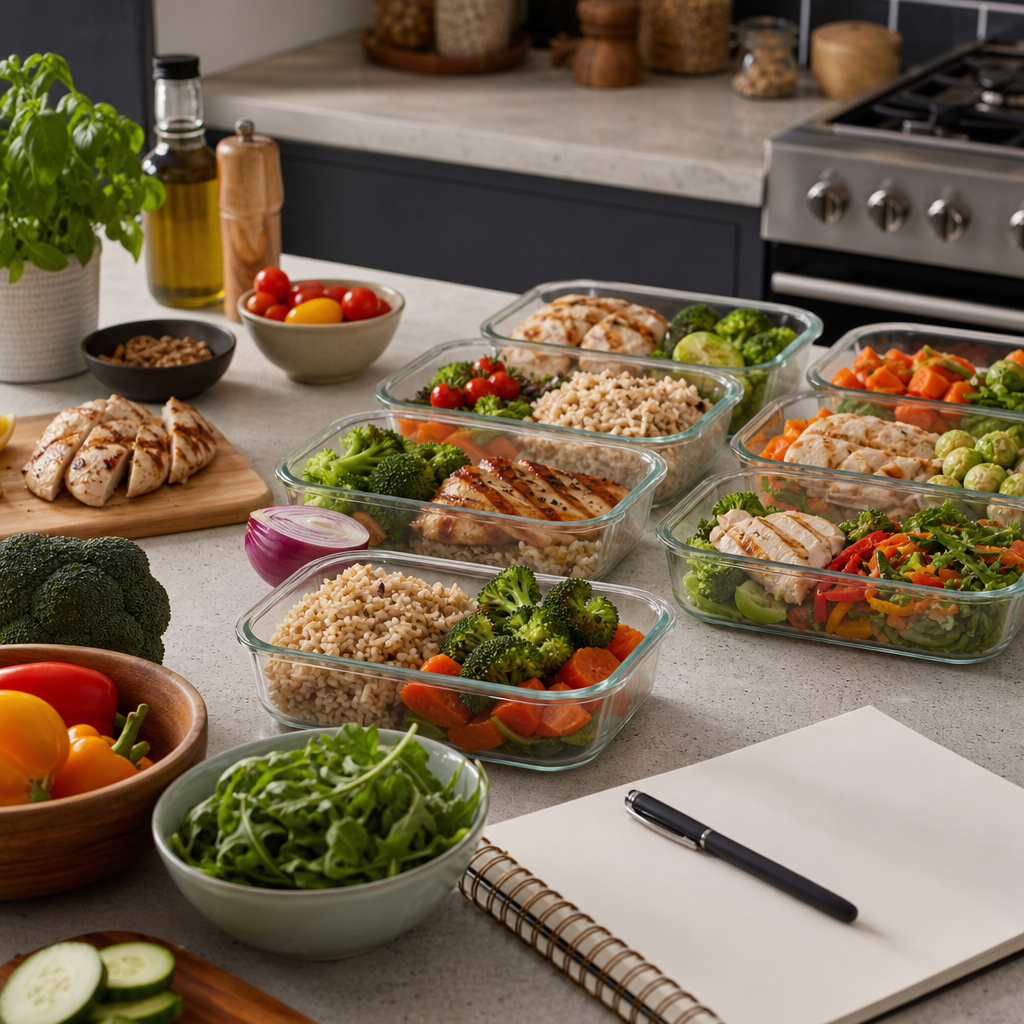
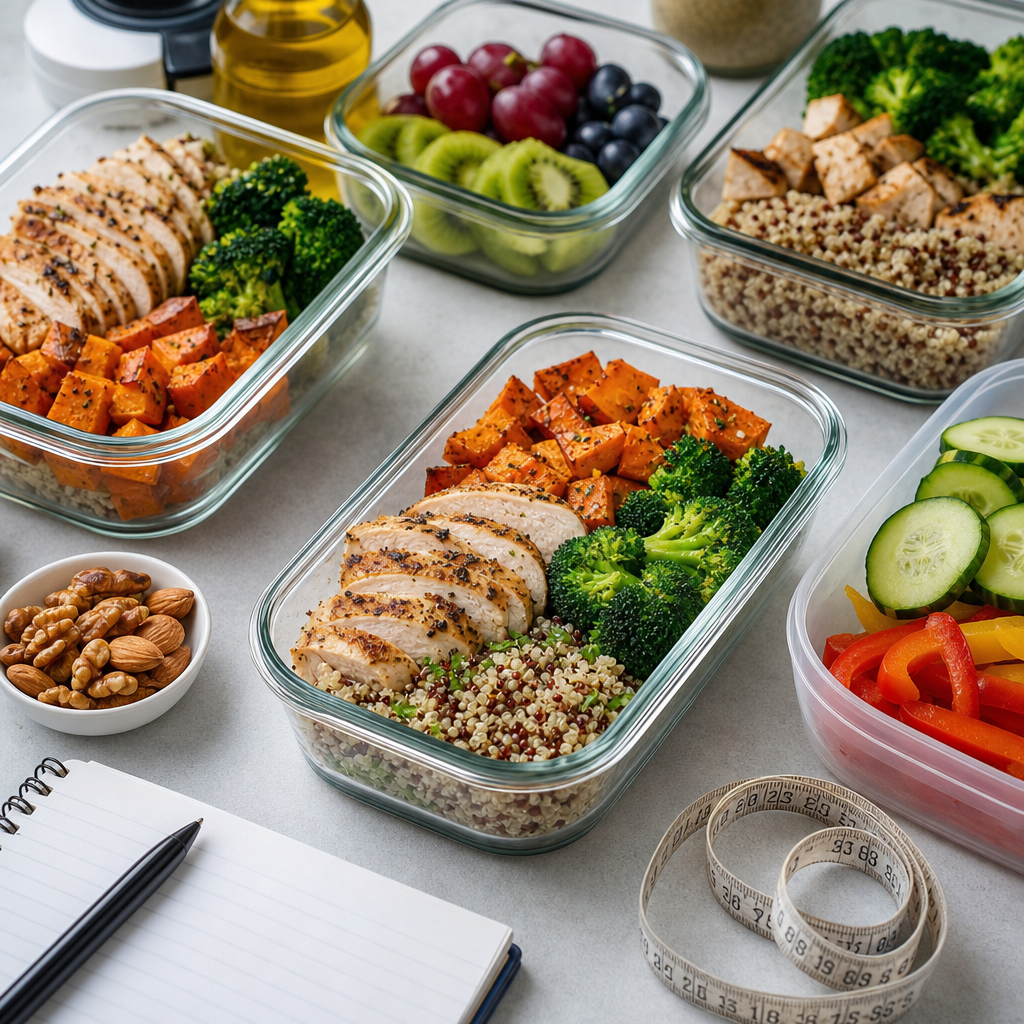
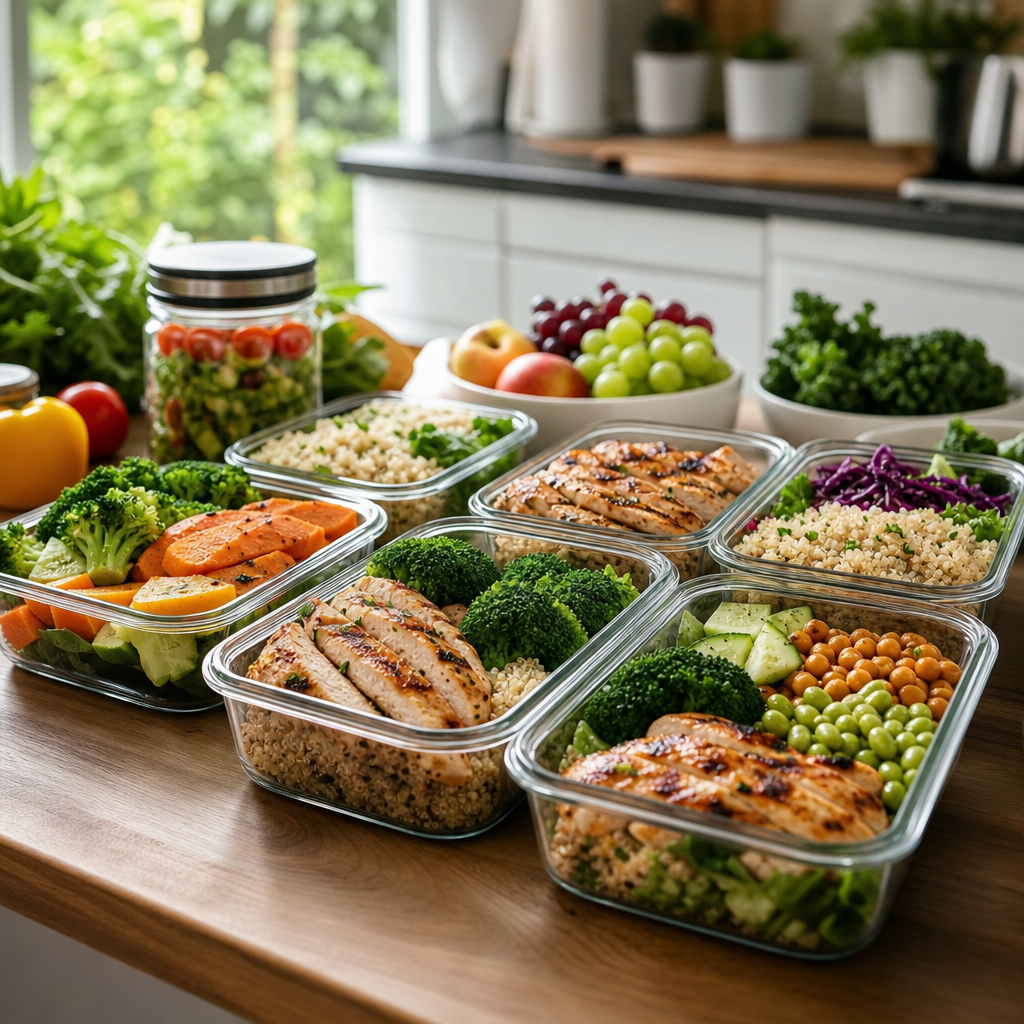
Meal Prep: Preparing your meals in advance can help you stay on track with your macro goals. Portioning out your meals allows you to see exactly how much of each macro you're getting.
Example of a Daily Macro Breakdown
To give you an idea, let’s consider a sample macro breakdown:
- Total Daily Calories: 2,000
- Protein Goal: 150g (600 calories)
- Fat Goal: 70g (630 calories)
- Carbohydrate Goal: 200g (800 calories)
Common Mistakes to Avoid
- Focusing Solely on One Macro: Balance is key. Don’t neglect any of the macronutrients.
- Forgetting Micronutrients: While macros are important, don’t overlook vitamins and minerals that your body also needs.
- Analysis Paralysis: Don’t get too caught up in the numbers. It's all about finding a balance that works for you.
Conclusion
Macro tracking can seem daunting at first, but with practice and patience, you’ll find it to be a useful tool in your nutrition arsenal. Start small, and gradually incorporate it into your routine. Remember, the goal is progress, not perfection!
Are you ready to take your nutrition to the next level? Download our app to upload photos of your meals, and let our AI assess the calories and macronutrients, making it easier for you to track your progress!
Share this article
Cal AI
Track meals faster with Cal AI
Scan food, estimate calories, and keep your nutrition log moving without typing every ingredient.
Author
Cal AI Editorial Team
Practical guides on nutrition, calorie tracking, meal planning, and building healthier habits with Cal AI.
Editorial policyRelated articles
 Do You Have to Pay for Cal AI? Understanding the Payment StructureDiscover whether Cal AI requires a payment and the features associated with its cost. Explore options that cater to diverse nutrition needs.
 Signs of Dehydration You Should KnowLearn to recognize the key signs of dehydration to maintain optimal health and prevent hunger-related issues.
 Cal AI Review: Your Ultimate Nutrition TrackerDiscover how Cal AI revolutionizes calorie counting and meal tracking with its advanced features. Our comprehensive review covers usability, effectiveness, and more.
 What Is a Smart Calorie Tracker?Explore the world of smart calorie trackers, options available, and how they can enhance your nutrition tracking and wellness journey.
 Best Apps for Counting Calories From PhotosDiscover the top apps that help you easily count calories from pictures of your food. Support your health goals with technology that fits your lifestyle.
 What Are Macros? A Beginner's Guide to Understanding MacronutrientsDive into the world of macronutrients. Learn about carbs, proteins, and fats and how they contribute to a balanced diet.
 How to Read Food Labels: Your Ultimate Guide to Making Informed ChoicesLearn how to effectively read food labels to make informed dietary choices and enhance your health with our comprehensive guide.
 How to Cook Meals for the Entire Week: A Comprehensive GuideStreamline your cooking process with these effective tips and strategies for preparing meals for the entire week.
 Mastering Meal Prep for Effective Calorie TrackingDiscover how meal prep can streamline your calorie tracking journey while delivering delicious, nutritious meals.
 How to Choose Healthier Foods Using LabelsUnlock the secrets of food labels with effective strategies to make healthier food choices and improve your nutrition.
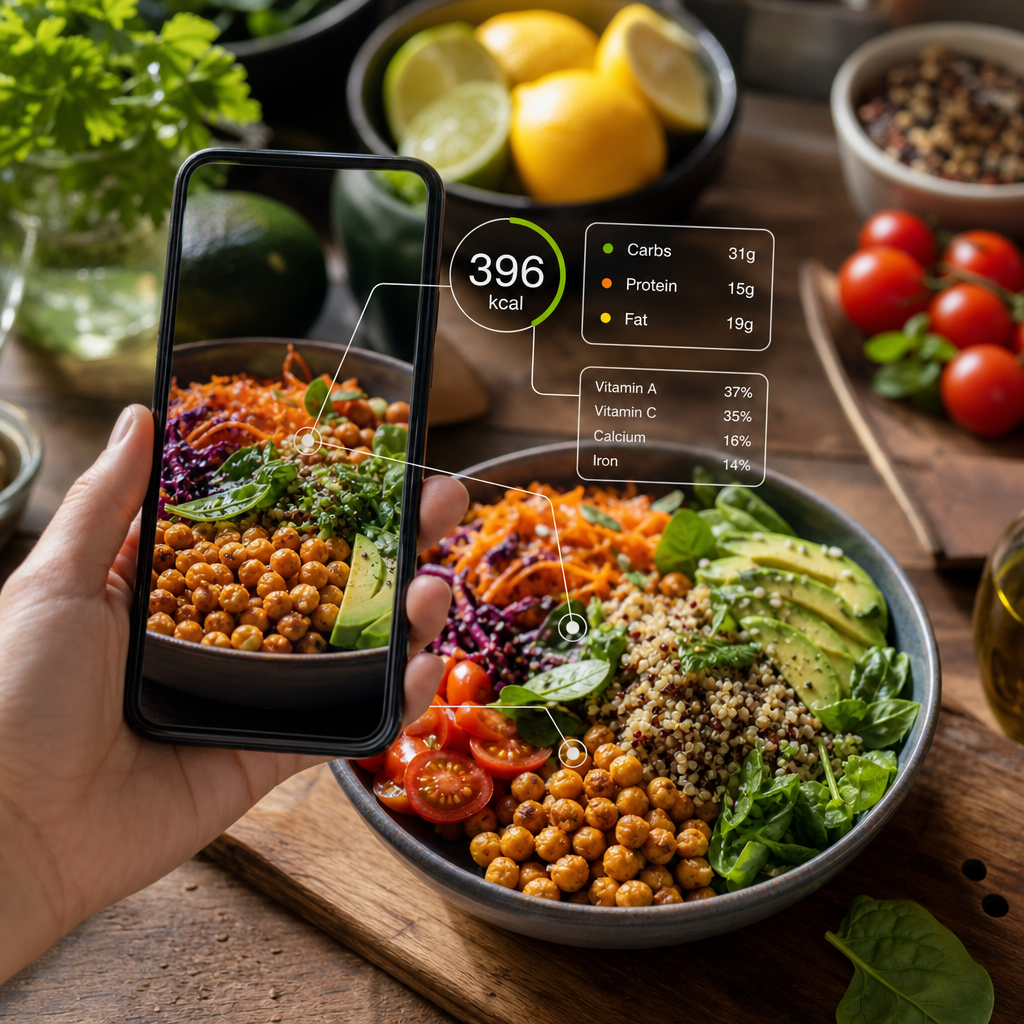 How AI Food Recognition Works: Transforming Food Photos into Actionable InsightsExplore the mechanics of AI food recognition and how it turns food images into nutritional data for better health management.
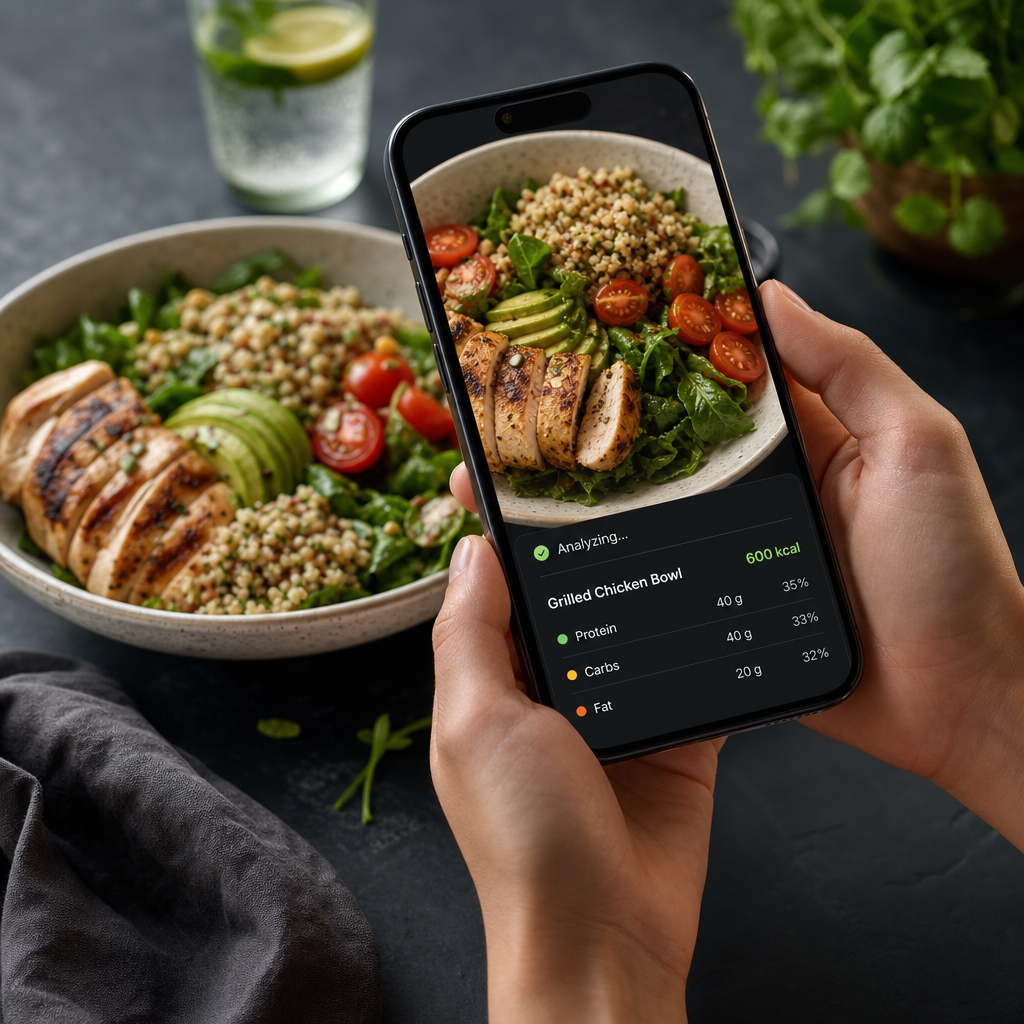 How Does Cal AI Work? A Breakdown of Functionality and TechnologyDiscover the technology and functionality behind Cal AI, the innovative app that helps track your nutrition goals effortlessly.
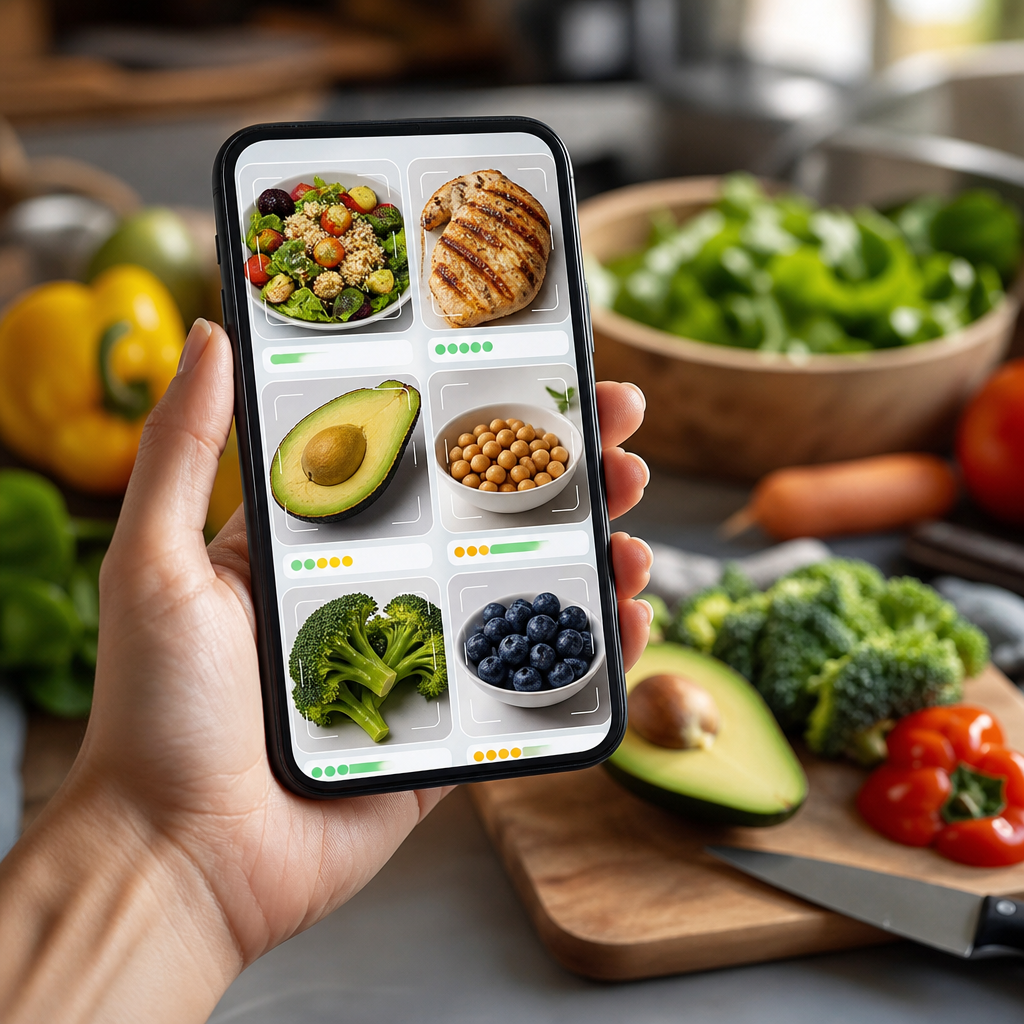 How AI Recognizes Food: The Technology Behind the MagicDiscover the intricate processes that allow AI to recognize food items in images, from deep learning models to real-world applications.
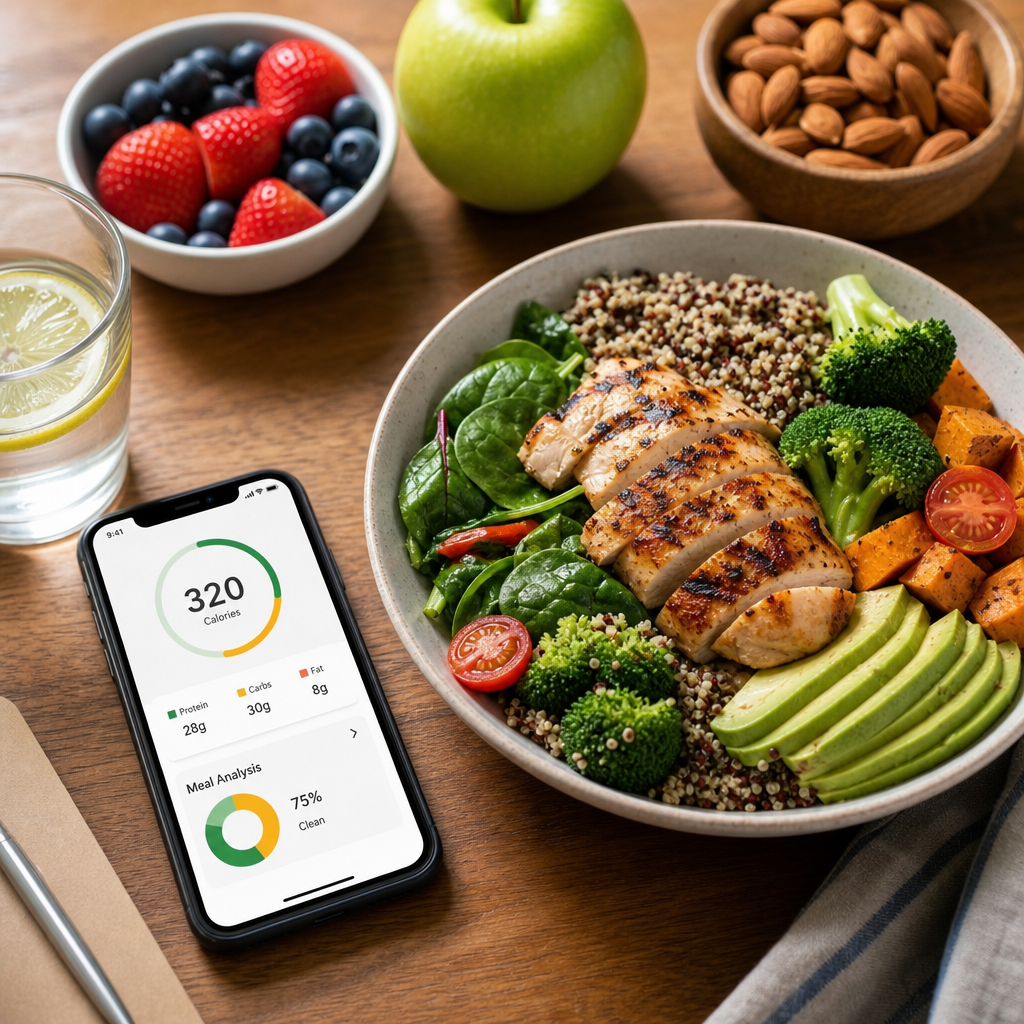 Unlocking Your Weight Loss Journey with AI Calorie TrackersDiscover how AI calorie trackers can significantly aid your weight loss journey through personalized insights and real-time analysis.
 How AI Automatically Tracks Calories: A Game Changer for Busy LifestylesDiscover how AI-driven technologies simplify calorie tracking, making healthy eating easier for busy individuals.
 AI Calorie Tracker for Muscle Gain: Maximizing Your Gains with PrecisionDiscover how AI calorie trackers can revolutionize your muscle gain journey by ensuring accurate caloric surplus tracking.
 Best AI Nutrition Apps: Transform Your Dietary HabitsExplore the top AI-powered nutrition apps designed to enhance your dietary choices, making it easier than ever to achieve your health goals.
 How to Count Calories From a Food Photo: A Step-by-Step GuideDiscover how to accurately count calories using food photos with modern mobile apps and technology for your dieting journey. Learn more now!
 Can You Lose Weight With an AI Calorie Tracker?Explore how AI calorie trackers can enhance your weight loss journey by providing precise data, personalized insights, and meal tracking features.
 Utilizing an AI Food Scanner for Effective Weight LossExplore how an AI food scanner can revolutionize your weight loss journey by efficiently tracking caloric intake and nutritional content.
 How AI Calculates Protein, Fat, and CarbsDive into how AI calculates nutrition by analyzing food images to assess macronutrient distribution for better meal planning and nutritional insights.
 The Ultimate Weekly Meal Prep Guide for Busy Professionals and FamiliesTransform your weekly meal prep with this comprehensive guide. Save time, eat healthier, and enjoy delicious prepared meals all week long.
 How Many Calories Are in Ice Cream?Discover the calories in various ice cream flavors and explore healthier alternatives that satisfy your sweet tooth without sacrificing your diet.
 Can Dehydration Cause Hunger? Understanding the ConnectionDehydration may mimic feelings of hunger, leading to unhealthy eating habits. Learn how hydration impacts appetite and how to maintain optimal nutrition.
 Food Photos to Calories: How It WorksDiscover how innovative technology translates your food photos into accurate calorie estimates, making healthy eating easier and more effective.
 Common Food Label Reading Mistakes to Avoid for Better Dietary ChoicesLearn how to decode food labels with confidence by avoiding these common mistakes. Make healthier choices with the right information.
 Batch Cooking for Weight Loss: A Smart Strategy to Manage PortionsDiscover how batch cooking can streamline your meal prep, help manage portions, and support your weight loss journey effectively.
 How Accurate Is AI Food Analysis?Explore the precision of AI in food analysis and its implications for nutritionists, researchers, and data enthusiasts in understanding caloric and nutritional content.
 Real Stories: Cal AI User Reviews and ExperiencesDive into authentic Cal AI user reviews showcasing personal journeys in nutrition tracking and health management.
 How Many Calories Are in a Carrot? A Deep Dive into NutritionDiscover the calorie content of carrots, their health benefits, and creative serving suggestions for a nutritious diet.