Common Macro Tracking Mistakes: Avoid These Pitfalls for Better Results
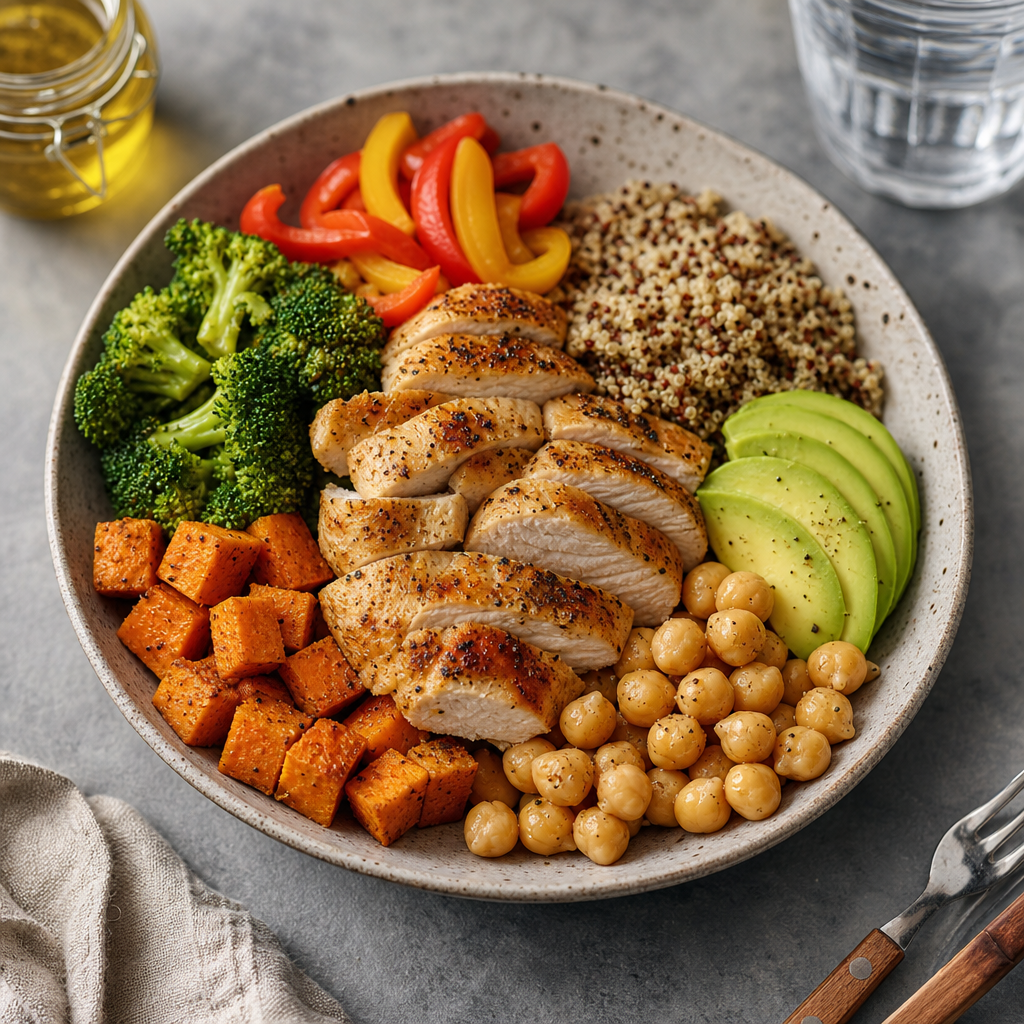
Tracking macros can be an incredibly effective way to reach your health and fitness goals. However, as a new macro tracker, it's easy to fall into certain traps that can hinder your progress. In this article, we’ll explore common macro tracking mistakes and offer tips on how to avoid them to ensure you’re on the right path.
1. Not Weighing Food Accurately
One of the biggest mistakes people make when tracking macros is not weighing their food correctly. Many individuals tend to overestimate or underestimate portion sizes, leading to imprecise tracking. To get started on the right foot, invest in a digital kitchen scale. Weighing your food is critical for accuracy, especially with items like nuts, fruits, and grains that have a high caloric density. Remember, one cup of almonds can vary vastly depending on how tightly they're packed.
2. Ignoring Label Information
When tracking macros, it's crucial to read nutrition labels carefully. A common oversight is overlooking serving sizes or nutrition information. For instance, a snack might seem low in calories at first glance, but that could be for a misleadingly small serving. Pay attention not just to calories, but also to the breakdown of proteins, fats, and carbohydrates. If you're not sure how to properly interpret these labels, consider using apps that scan barcodes and automatically pull up the data.
3. Neglecting Liquid Calories
Liquid calories can sneak up on you! Many new trackers forget to account for drinks like smoothies, juices, or even certain coffees. These can contain a significant amount of calories and throw off your daily macro calculations. Keep a log of everything you consume, including beverages, to ensure a complete and accurate count. Water is always the best choice, but if you indulge in sodas or alcohol, factor those into your macros.
4. Overcomplicating Foods
Some people complicate their macro tracking by trying to account for every ingredient in a dish. While precision is important, estimating macros for complex meals can lead to confusion and inaccuracy. In these cases, round up or down to the nearest generic equivalent. For example, if you enjoy a homemade stir-fry, look up the average macros for similar dishes instead of calculating every individual item.
5. Not Adjusting Macros Periodically
Your needs will change as your body adapts or as you progress towards specific fitness goals. A mistake many new macro trackers make is sticking rigidly to their initial macro ratios. Periodically reassess your calorie and macronutrient needs based on changes in weight, activity levels, and goals. If you're not seeing results over time, it may be worth adjusting your macros.
6. Relying Solely on Apps
While macro tracking apps can be a great resource, it's important not to rely on them entirely. Many users input incorrect information, and apps can sometimes have database errors. Always verify the information you see in these apps with credible sources. Double-checking gives you confidence that your tracking is as accurate as possible.
Conclusion
Avoiding these common macro tracking mistakes can pave the way for a more effective and enjoyable journey toward your health goals. Embrace the learning curve, stay flexible, and remember that achieving your fitness objectives takes time and patience.
Call to Action
Ready to take control of your nutrition? Try our app that allows you to upload photos of your meals, and our AI will calculate the calories and macros for you, making meal tracking a breeze! Say goodbye to the guesswork and hello to a healthier you!
Cal AI
Track meals faster with Cal AI
Scan food, estimate calories, and keep your nutrition log moving without typing every ingredient.
Get the appAuthor
Cal AI Editorial Team
Practical guides on nutrition, calorie tracking, meal planning, and building healthier habits with Cal AI.
Related articles
 Zero-Calorie Vegetables: Myth or Reality?
 Why Weight Control Starts With Nutrition
 The Most Filling Vegetables for Weight Loss
 Discover the Vegetables With the Fewest Calories: Your Guide to Guilt-Free Eating
 The Best Vegetables for a Calorie Deficit
 Why Strict Diets Don't Work: Understanding the Pitfalls of Extreme Restrictions
 The Best Weight Management Strategies: Proven Tactics for Success
 How to Keep a Weight Journal: Tips for Accountability and Progress Tracking
 How to Lose Weight Without Stress: Embrace a Balanced Approach
 The Best Low-Calorie, Low-Carb Vegetables for Your Healthy Diet
 Sustainable Weight Loss Explained: Your Guide to Long-Term Success
 How to Control Your Weight With Calorie Tracking
 How to Build a Macro-Based Meal Plan: Your Ultimate Guide to Meal Prepping
 How to Track Macros Automatically: A Tech-Savvy Guide
 Macro Tracking for Beginners: Your Ultimate Guide to Nutritional Success
 How Many Calories Are in an Orange?
 Which Vegetables Keep You Full the Longest?
 How Many Calories Are in a Cucumber? Unveiling the Secrets of This Superfood
 How Many Calories Are in a Banana?
 The Healthiest Vegetables for Weight Loss: Your Ultimate Guide
 The Best Vegetables for Dinner: Nourishing Your Body While Losing Weight
 How Many Calories Are in Broccoli? An In-Depth Look
 How Many Calories Are in a Potato? Unpacking the Nutritional Value
 How to Estimate Calorie Counts Visually: A Guide for Impromptu Dieters
 Как считать калории в ресторане: Практическое руководство
 Формула Харриса-Бенедикта простыми словами
 Главные ошибки подсчета калорий
 Как считать калории без весов: Практическое руководство для диетчиков
 Почему вес не уходит при дефиците калорий: ключевые причины и решения
 Сколько калорий нужно есть в день: Определяем ваши потребности в ежедневном потреблении калорий