How to Control Your Weight With Calorie Tracking

In today's fast-paced world, managing your weight can feel like a daunting task. However, embracing calorie tracking can be a game-changer in your weight control journey. By keeping a close eye on what you eat, you can make informed decisions that align with your health goals. Let’s dive into how you can effectively use calorie tracking for weight management.
What is Calorie Tracking?
Calorie tracking involves monitoring your daily calorie intake to ensure it aligns with your weight goals. Whether you want to shed pounds, maintain, or even gain weight, knowing how many calories you consume is crucial. By understanding your caloric needs—often defined by factors such as age, sex, weight, and activity level—you can create a personalized plan that works for you.
Why is Calorie Tracking Important for Weight Control?
Calorie tracking provides transparency about your eating habits. It shines a light on those hidden calories that can derail your diet. Furthermore, it can help you foster a better relationship with food by encouraging mindful eating. By assessing the calories in different foods, you can make healthier choices that ultimately lead to sustainable weight management.
How to Get Started with Calorie Tracking
Choose a Tracking Method: You can use apps like MyFitnessPal, Cronometer, or even a simple journal. What's important is consistency.
Learn to Read Labels: Become familiar with nutritional labels. Understanding portion sizes and calorie counts will help you make smarter choices.
Set Realistic Goals: Based on your lifestyle and health objectives, determine a reasonable caloric intake. Aim for a deficit if you're looking to lose weight, or a surplus if you're trying to gain.
Be Mindful of Everything You Eat: Don’t forget to track all meals, snacks, and beverages—calories can add up quickly!
Tips for Effective Calorie Tracking
- Plan Your Meals: Creating a meal plan for the week can simplify tracking and ensure you're making nutritious choices.
- Portion Control: Invest in a kitchen scale to weigh your food. This helps in accurately measuring portions, making it easier to hit your calorie targets.
- Track Your Progress: Regularly review your food logs to identify patterns. You may discover which foods provide the most calories or where you might be overeating.
- Stay Flexible: Life can be unpredictable. If you exceed your calorie count on one day, don’t be too hard on yourself. Just get back on track the next day.
Examples of Caloric Values and Macronutrients
To provide a clearer understanding, here are a few common foods with their average caloric content:
Food Item Calories Protein (g) Carbs (g) Fat (g) Grilled Chicken (3 oz) 142 27 0 3 Brown Rice (1 cup) 218 5 45 1.5 Avocado (1 medium) 240 3 12 22 Spinach (1 cup, raw) 7 1 1 0.1FAQs About Calorie Tracking
Q: Is calorie tracking necessary for weight loss?
A: While it aids greatly in maintaining accountability, it isn't the only method. It can be beneficial, especially for beginners.
Q: How do I track calories when eating out?
A: Many restaurants provide nutritional information online or in their menus. Apps can also help estimate calories.
Q: Will tracking calories become obsessive?
A: Like any tool, it's all about balance. If you find it becoming stressful, consider taking a break or simplifying your methods.
Conclusion
Calorie tracking is a powerful tool for those seeking effective weight management. By taking the time to understand and monitor your intake, you can make informed choices that support your overall health. Remember, consistency is key.
Ready to take control of your weight through calorie tracking? Try out our app, where you can upload photos of your meals, and let AI determine the calories and macronutrients, assisting you in your journey towards better nutrition and weight management.
Cal AI
Track meals faster with Cal AI
Scan food, estimate calories, and keep your nutrition log moving without typing every ingredient.
Get the appAuthor
Cal AI Editorial Team
Practical guides on nutrition, calorie tracking, meal planning, and building healthier habits with Cal AI.
Related articles
 Zero-Calorie Vegetables: Myth or Reality?
 Why Weight Control Starts With Nutrition
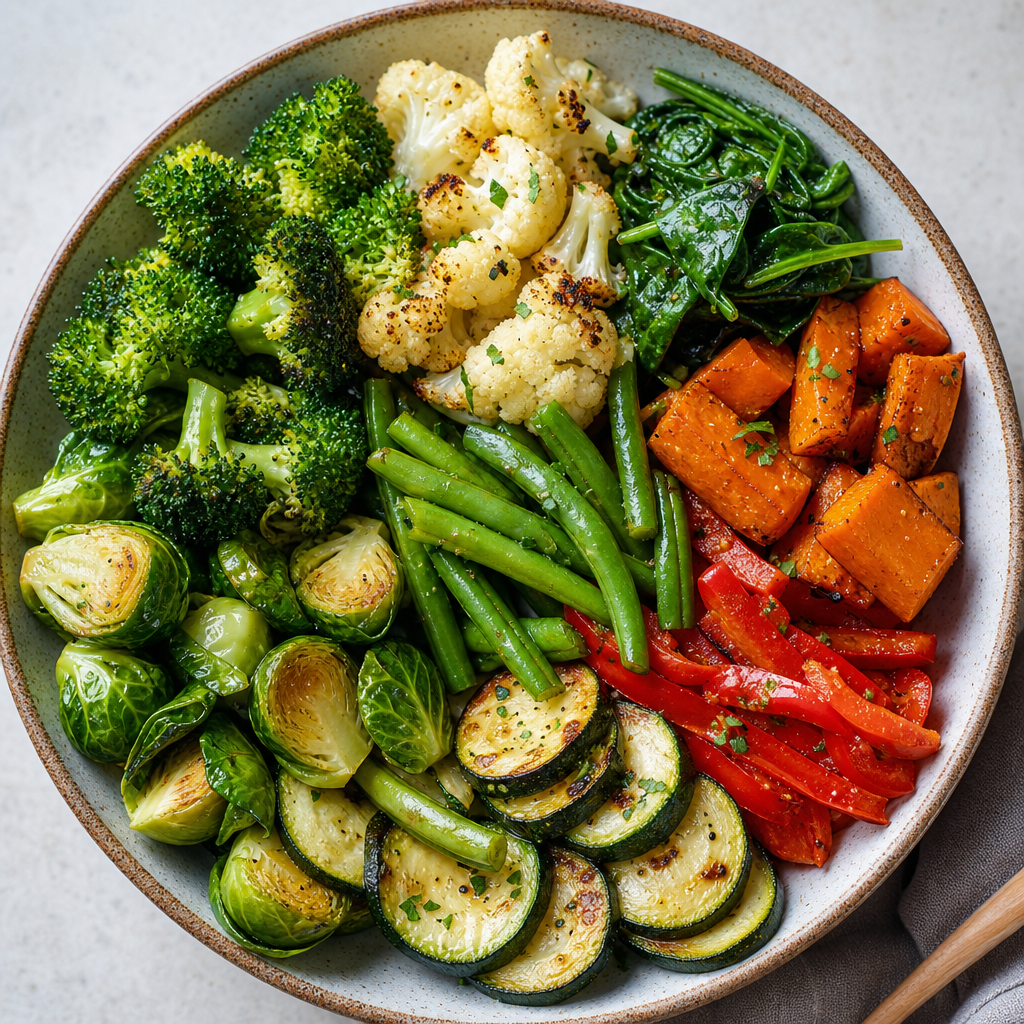 The Most Filling Vegetables for Weight Loss
 Discover the Vegetables With the Fewest Calories: Your Guide to Guilt-Free Eating
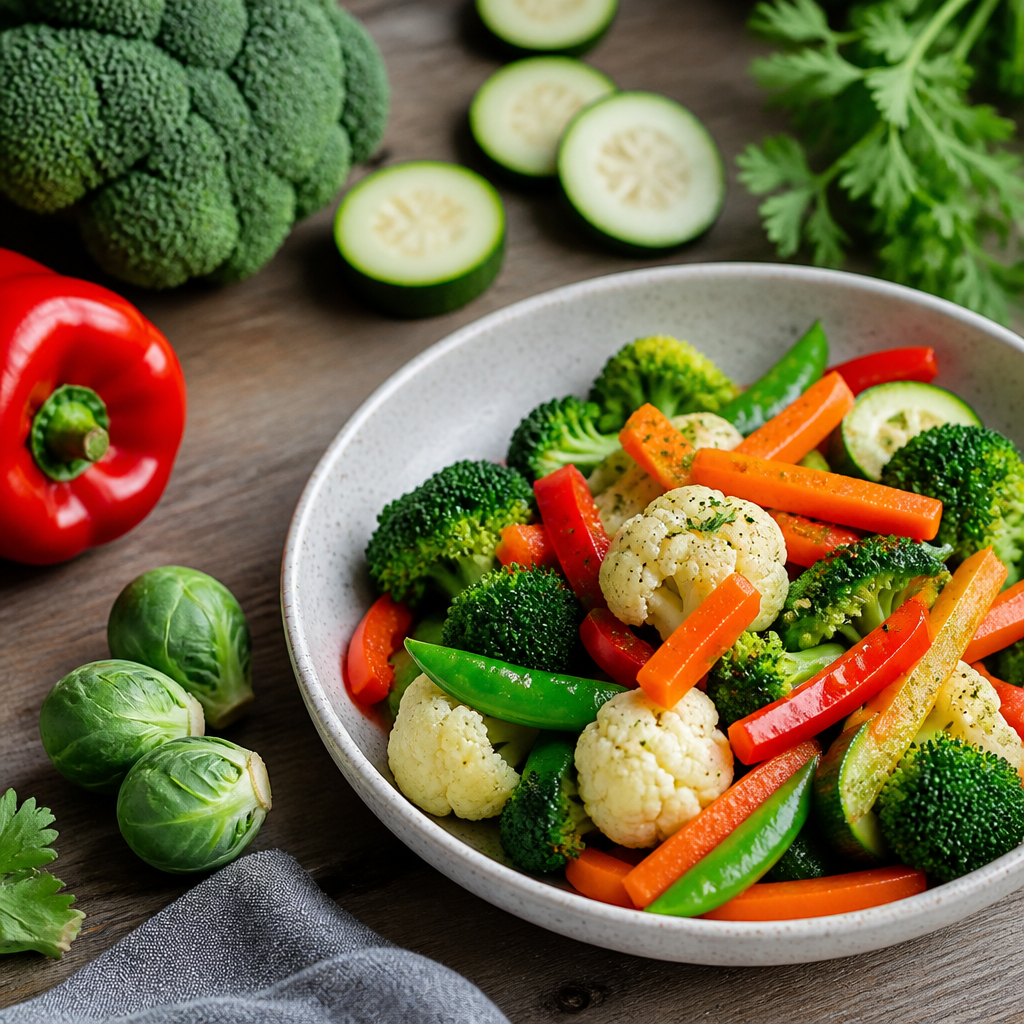 The Best Vegetables for a Calorie Deficit
 Why Strict Diets Don't Work: Understanding the Pitfalls of Extreme Restrictions
 The Best Weight Management Strategies: Proven Tactics for Success
 How to Keep a Weight Journal: Tips for Accountability and Progress Tracking
 How to Lose Weight Without Stress: Embrace a Balanced Approach
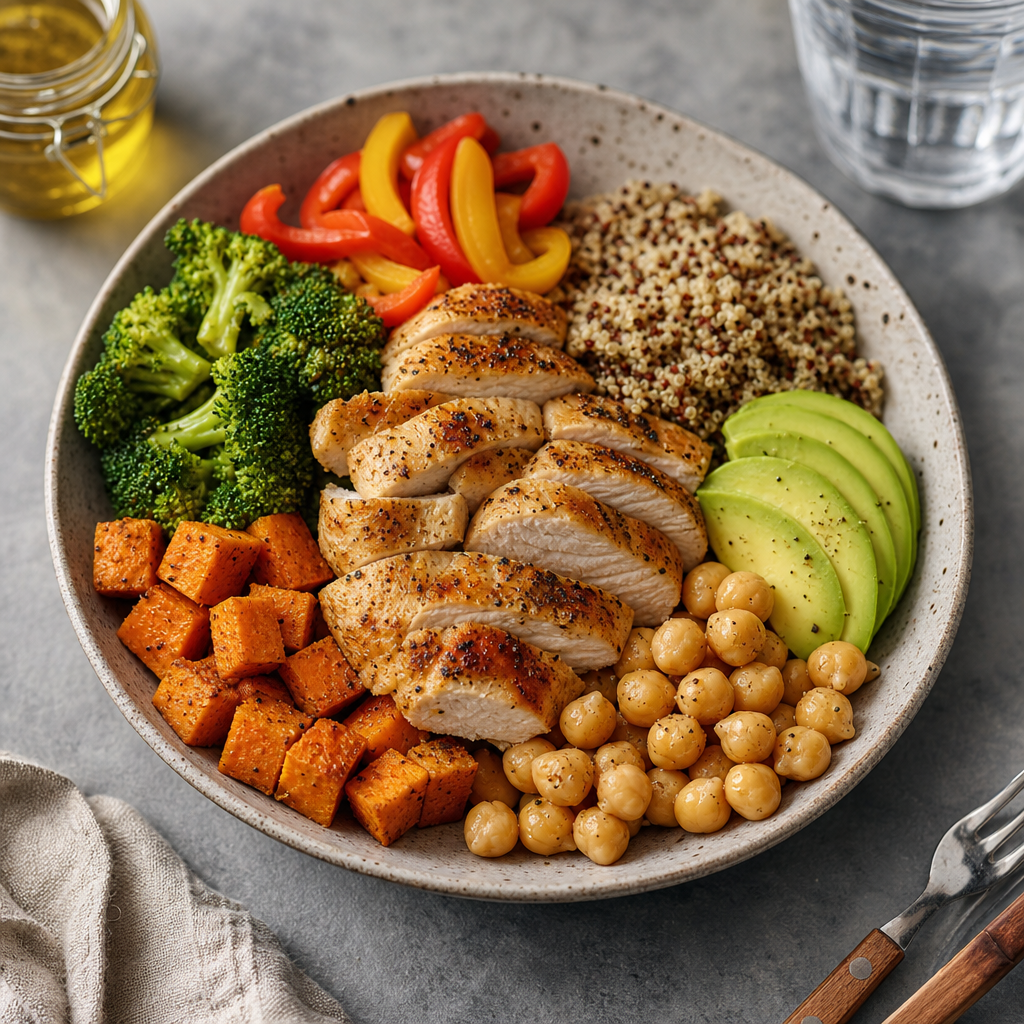 Common Macro Tracking Mistakes: Avoid These Pitfalls for Better Results
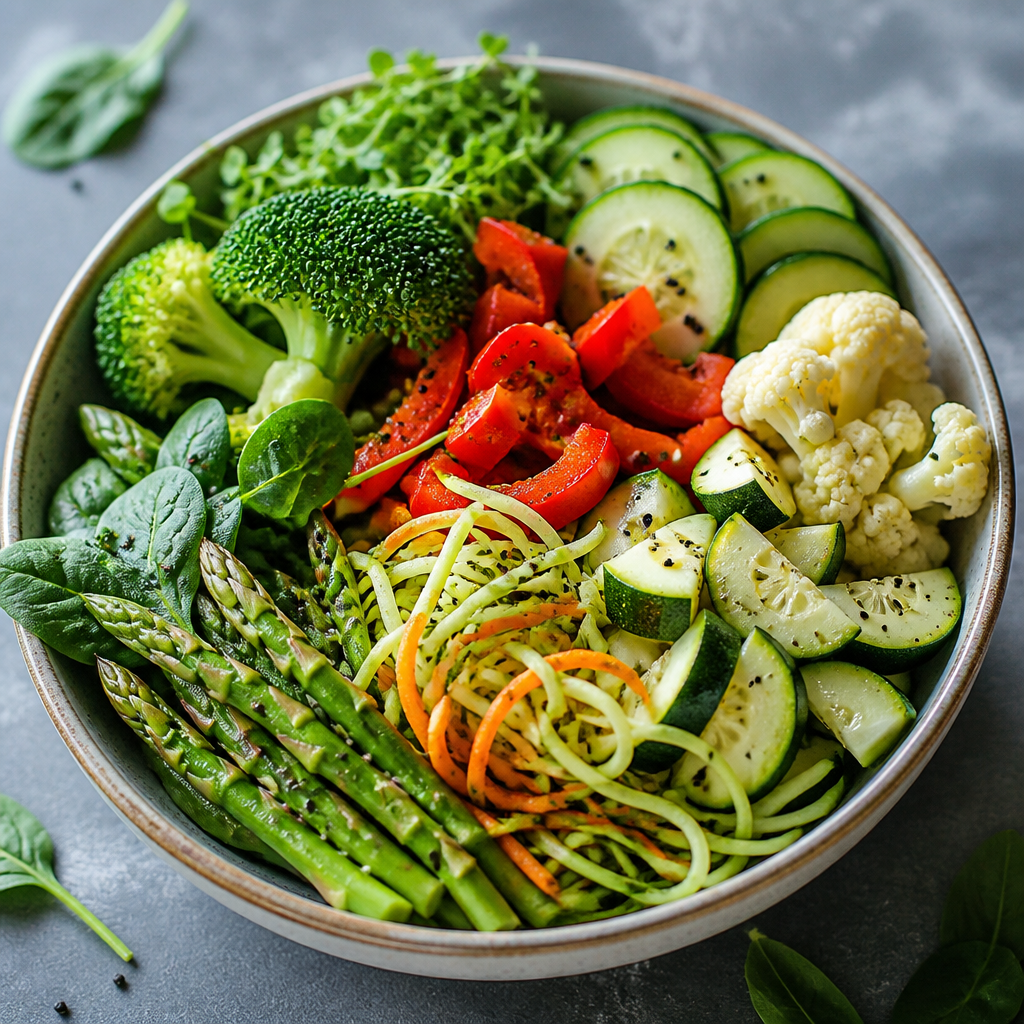 The Best Low-Calorie, Low-Carb Vegetables for Your Healthy Diet
 Sustainable Weight Loss Explained: Your Guide to Long-Term Success
 How to Build a Macro-Based Meal Plan: Your Ultimate Guide to Meal Prepping
 How to Track Macros Automatically: A Tech-Savvy Guide
 Macro Tracking for Beginners: Your Ultimate Guide to Nutritional Success
 How Many Calories Are in an Orange?
 Which Vegetables Keep You Full the Longest?
 How Many Calories Are in a Cucumber? Unveiling the Secrets of This Superfood
 How Many Calories Are in a Banana?
 The Healthiest Vegetables for Weight Loss: Your Ultimate Guide
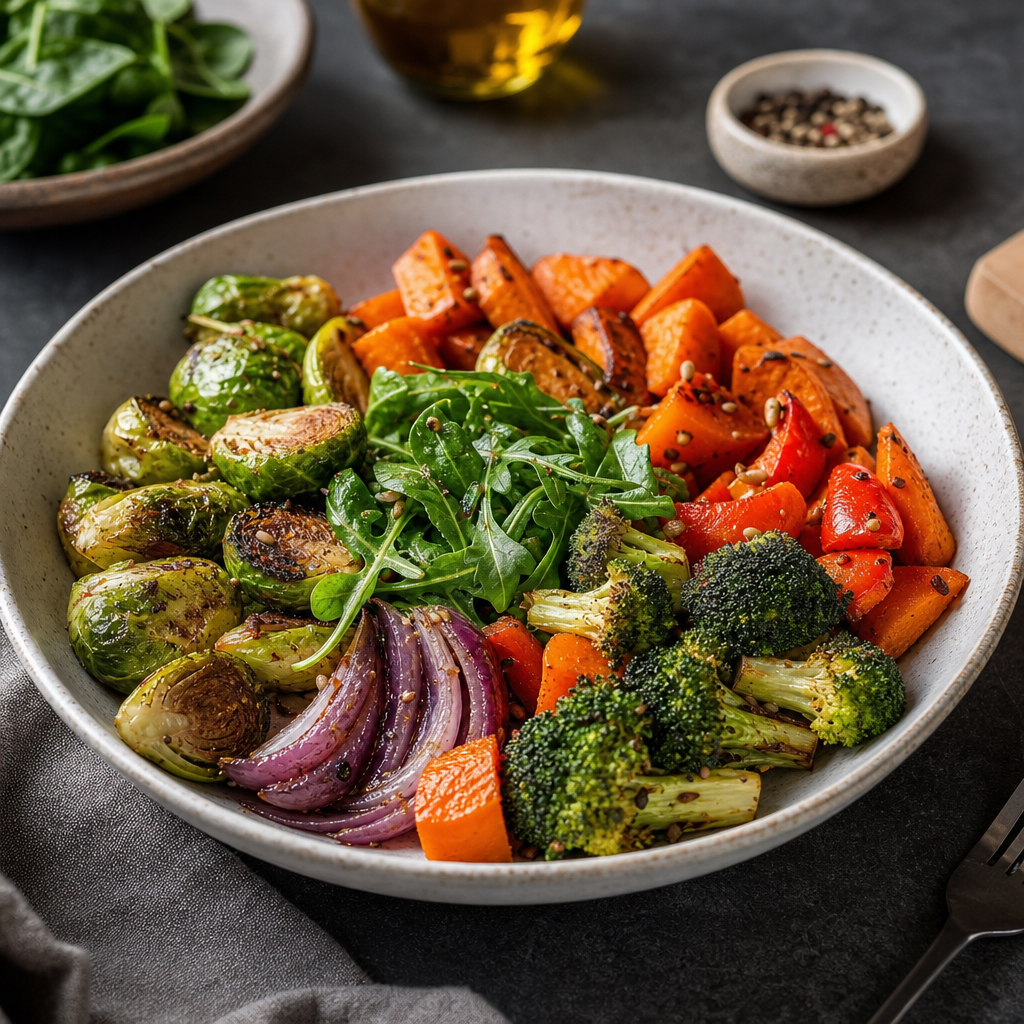 The Best Vegetables for Dinner: Nourishing Your Body While Losing Weight
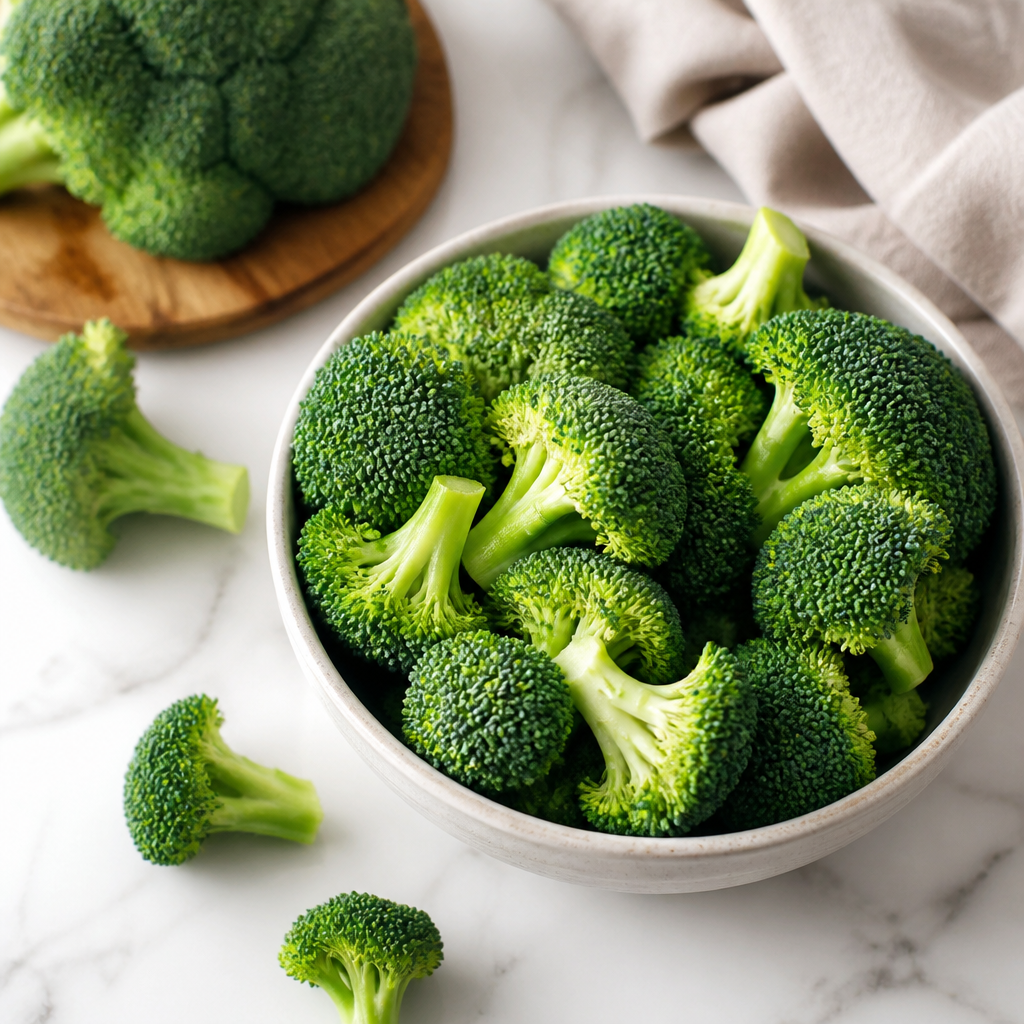 How Many Calories Are in Broccoli? An In-Depth Look
 How Many Calories Are in a Potato? Unpacking the Nutritional Value
 How to Estimate Calorie Counts Visually: A Guide for Impromptu Dieters
 Как считать калории в ресторане: Практическое руководство
 Формула Харриса-Бенедикта простыми словами
 Главные ошибки подсчета калорий
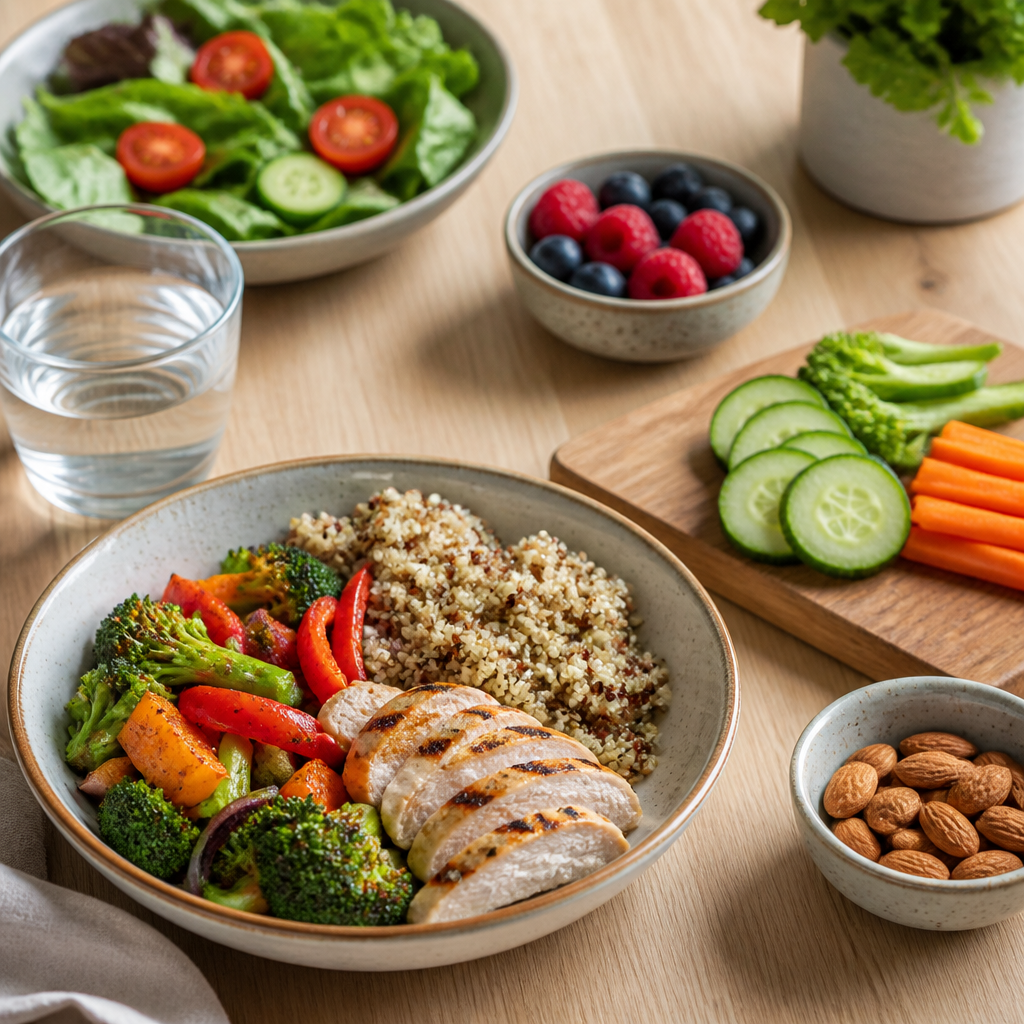 Как считать калории без весов: Практическое руководство для диетчиков
 Почему вес не уходит при дефиците калорий: ключевые причины и решения
 Сколько калорий нужно есть в день: Определяем ваши потребности в ежедневном потреблении калорий