Simple Strategies to Achieve Your Protein Goals without Overcomplicating
Updated Jul 28, 20263 min read5 views
In the world of nutrition, protein often takes the spotlight. It's essential for muscle repair, immune function, and overall health. However, many people find themselves overwhelmed, trying to hit the right protein goals without complicating their lives. The good news? There are straightforward strategies that can help you meet your protein requirements without losing your mind in the process.
Understanding Protein Needs
First things first, how much protein do you actually need? The recommended daily allowance (RDA) for protein varies depending on your age, sex, and activity level. For most people, a common guideline is to aim for about 0.36 grams of protein per pound of body weight (0.8 grams per kilogram). For those engaged in regular exercise or strength training, the requirement may increase to about 1.2 to 2.0 grams per kilogram.
Keep It Simple
Focus on High-Protein Foods: Stock your pantry and fridge with high-protein staples. Foods like chicken, turkey, fish, eggs, dairy products, beans, lentils, quinoa, and tofu are excellent sources. By incorporating these into your meals, you can easily boost your protein intake without excessive effort.
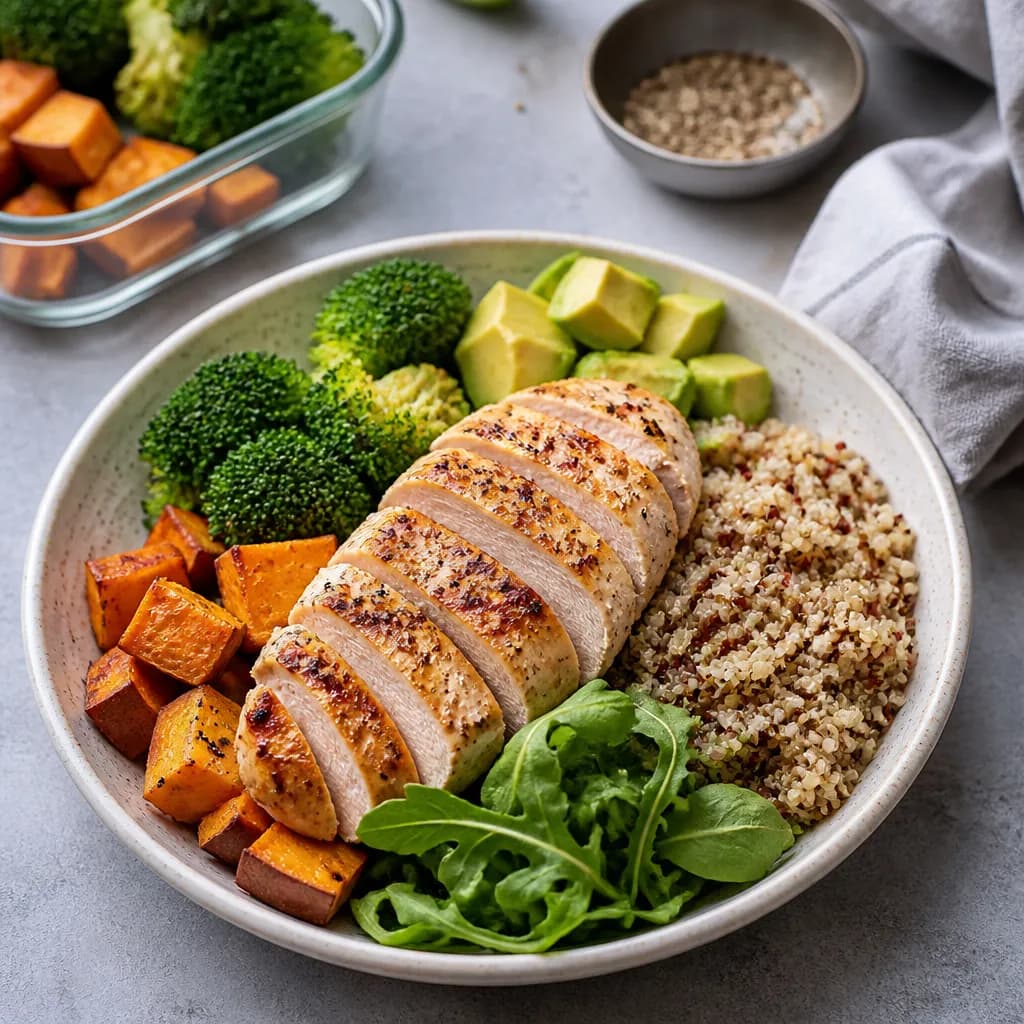
Meal Prep: Preparing meals in advance is a game-changer. Cook a batch of grilled chicken or lentils at the start of the week. This allows you to quickly add a protein source to salads, wraps, or grain bowls without having to cook every day.
Incorporate Protein into Snacks: Snacks are an easy overlooked opportunity to increase protein intake. Consider options like Greek yogurt with fruit, cottage cheese, or a handful of nuts.
Sample Meal Ideas
Here are a few practical meal ideas to meet your protein goals:
- Breakfast: Scrambled eggs with spinach and feta, or a smoothie with protein powder, spinach, and almond milk.
- Lunch: Grilled chicken salad topped with chickpeas, or a turkey wrap with hummus and veggies.
- Dinner: Baked salmon with quinoa and steamed broccoli, or stir-fried tofu with mixed vegetables and brown rice.
Mind Your Portions
To avoid overcomplicating your meals, aim for proper portion sizes instead of counting every single gram of protein. A palm-sized portion of protein is a good visual reference. For instance:
- Chicken breast (4-6 oz)
- Fish (4-6 oz)
- Tofu (1 cup)
- Legumes (1 cup)
FAQs about Protein Intake
Q: Can I get enough protein from plants?
A: Absolutely! Plant-based sources like lentils, beans, quinoa, nuts, and seeds can provide adequate protein alongside essential nutrients.
Q: Is more protein always better?
A: While protein is essential, excess intake won’t provide additional benefits and can waste your money. Focus on meeting your needs rather than exceeding them.
Q: What about protein supplements?
A: Supplements can be convenient but should not replace whole food sources. Use them to fill gaps if necessary.
Final Tips
Consistency is key to reaching your protein goals without overthinking. Use the strategies mentioned above to make protein a natural part of your meals and snacks. The focus should be on enjoying food and maintaining a balance in your diet rather than stressing over numbers.
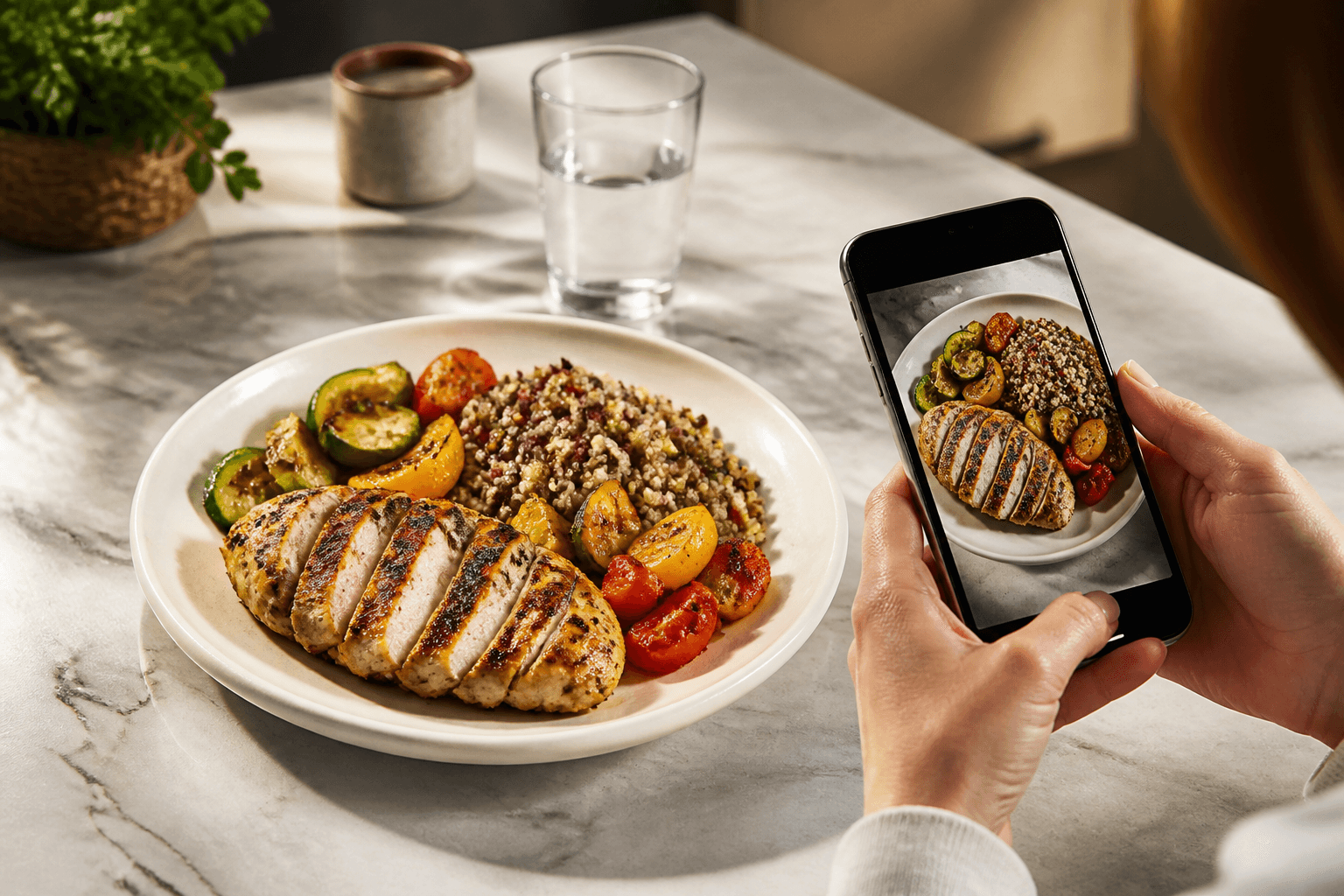
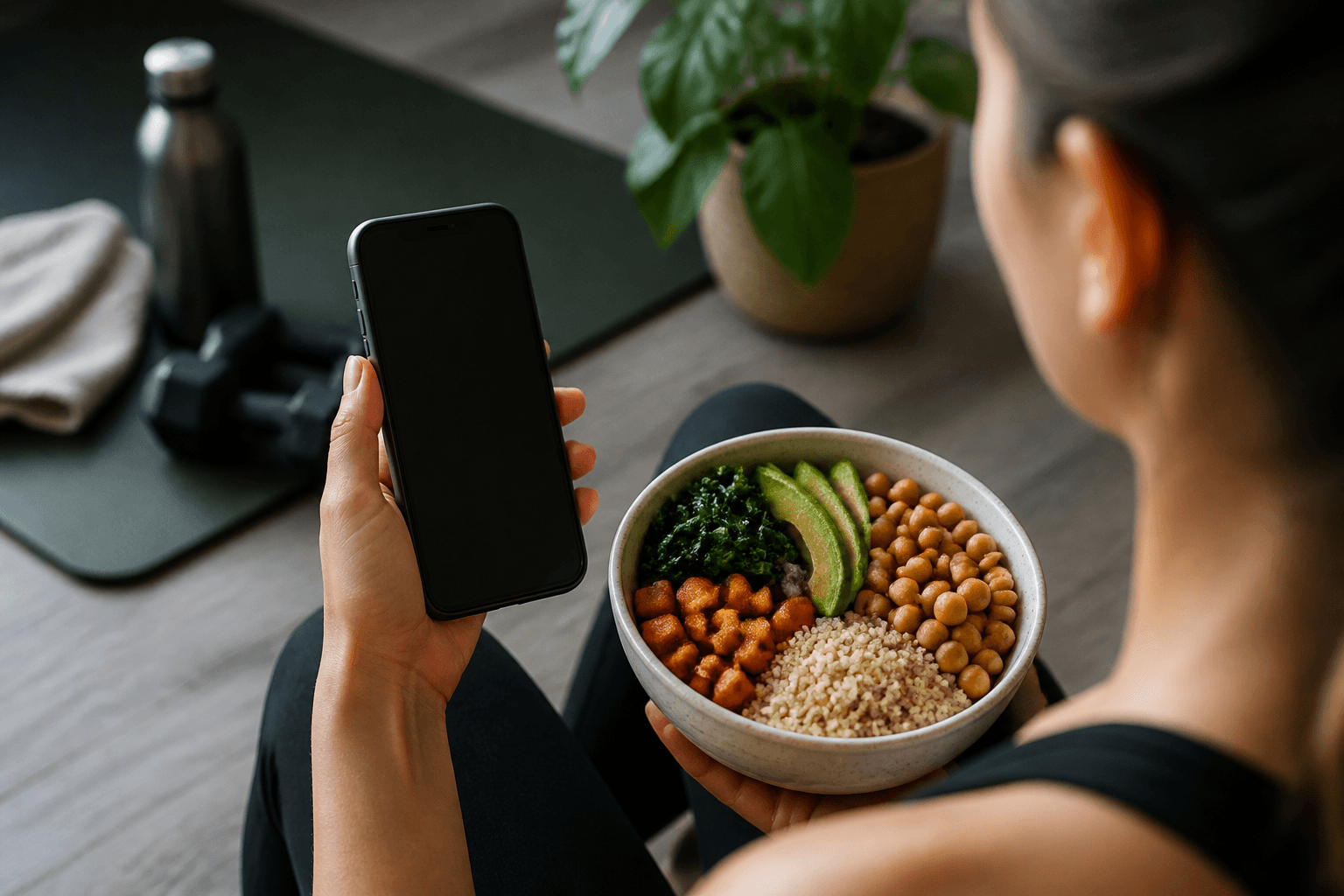
Ready to make protein counting even easier? Download our app to upload photos of your meals and let our AI analyze the protein content. It’s time to simplify your journey to better nutrition!
Cal AI Editorial Team
Practical guides on nutrition, calorie tracking, meal planning, and building healthier habits with Cal AI.
Editorial policyRelated articles
- Cal AI
The scan got the dish wrong: how to fix grams and calories in Cal AI in 20 seconds
Fix a wrong Cal AI scan by choosing the closest recognition variant, correcting grams, and editing calories when the portion still looks off.
Oct 26, 20266 min read
- french fries
Calories in French Fries: Small, Medium and Large Portions
French fries are 312 kcal per 100 g, and a standard 117 g serving is 365 kcal. Use grams, not size names, when the portion looks unclear.
Oct 23, 20266 min read
- Cal AI
How to Cancel Cal AI Subscription on iPhone and Android
Cancel Cal AI through Apple or Google Play, not inside the app. Follow the exact menu paths and see what cancellation means for history and scans.
Oct 20, 20265 min read1 views
- chicken breast
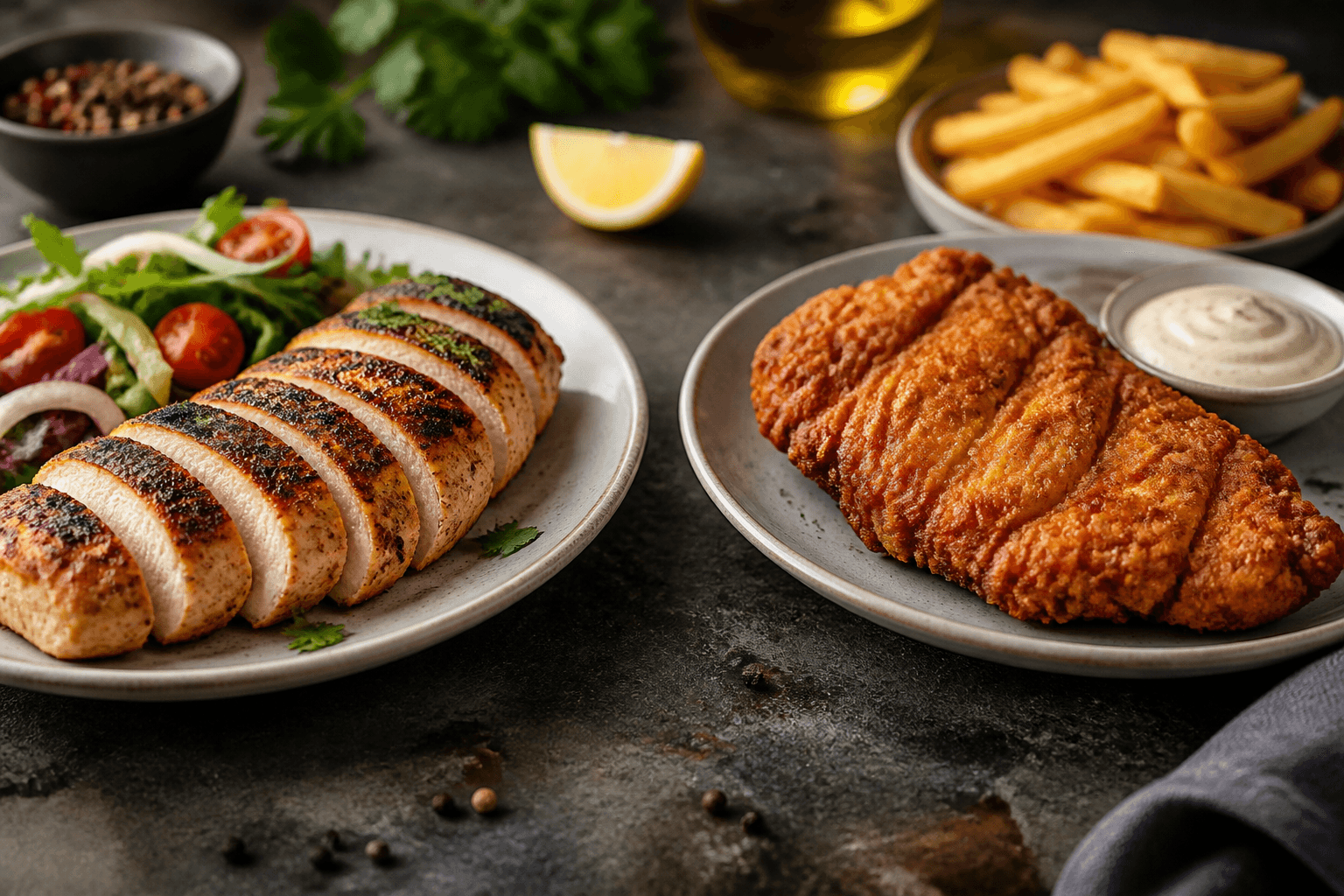
Calories in Chicken Breast: 100 g, One Breast, Grilled vs Fried
Chicken breast has 165 kcal per 100 g cooked. See one-breast calories, grilled and fried adjustments, and how to log it accurately.
Oct 17, 20266 min read1 views
- rice
White Rice vs Brown Rice: Calories, Protein, and Which to Pick
Brown rice is slightly lower in calories than white rice, but the gap is small. Compare cooked portions, macros, and which one fits your goal at meals.
Oct 14, 20266 min read2 views
- calorie calculator
How many calories do you need a day? Mifflin-St Jeor with worked examples
Use Mifflin-St Jeor to estimate daily calories from weight, height, age, and activity, with worked examples and portion checks.
Oct 11, 20268 min read