Zero-Calorie Vegetables: Myth or Reality?
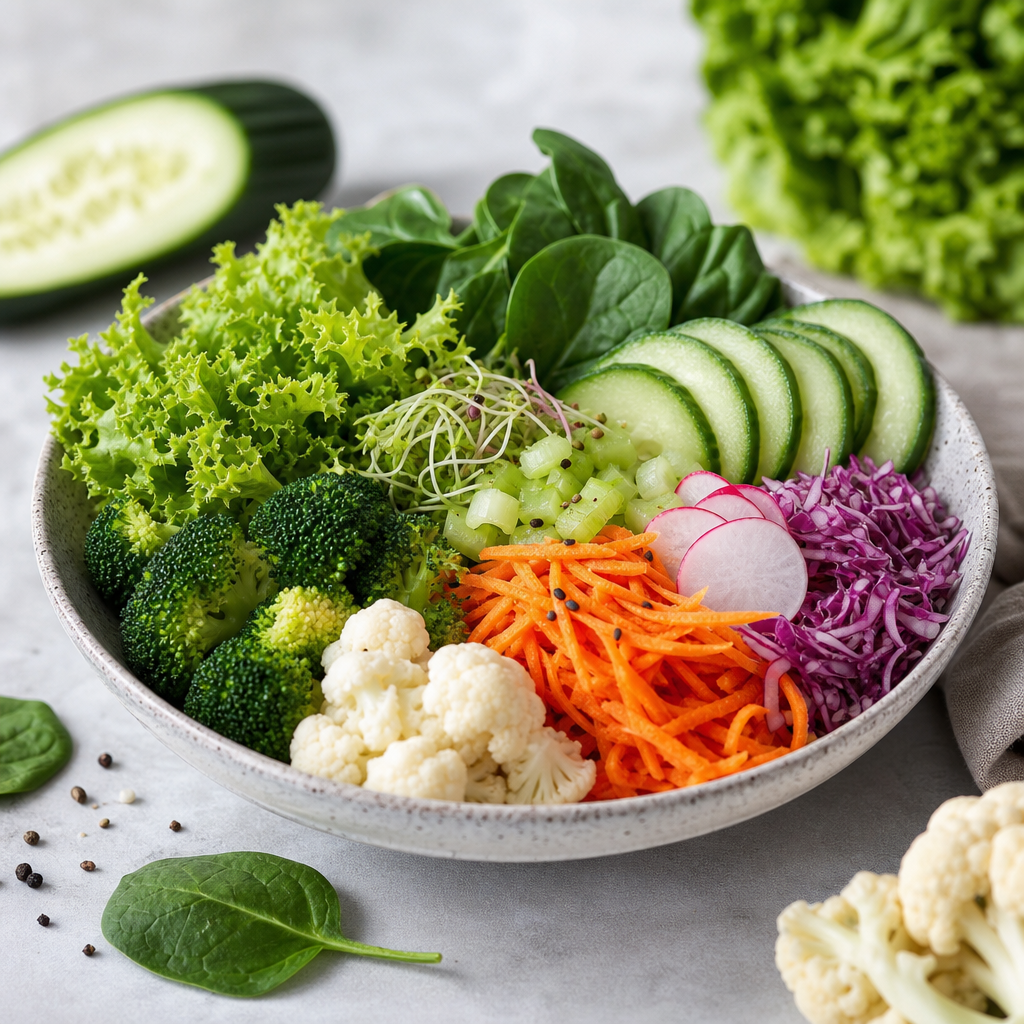
If you’ve ever heard about zero-calorie vegetables, you might be wondering: are they a miracle solution for weight loss, or just another diet myth? Let’s take a closer look at what zero-calorie vegetables really are, their nutritional value, and how they can be incorporated into a balanced diet.
What Are Zero-Calorie Vegetables?
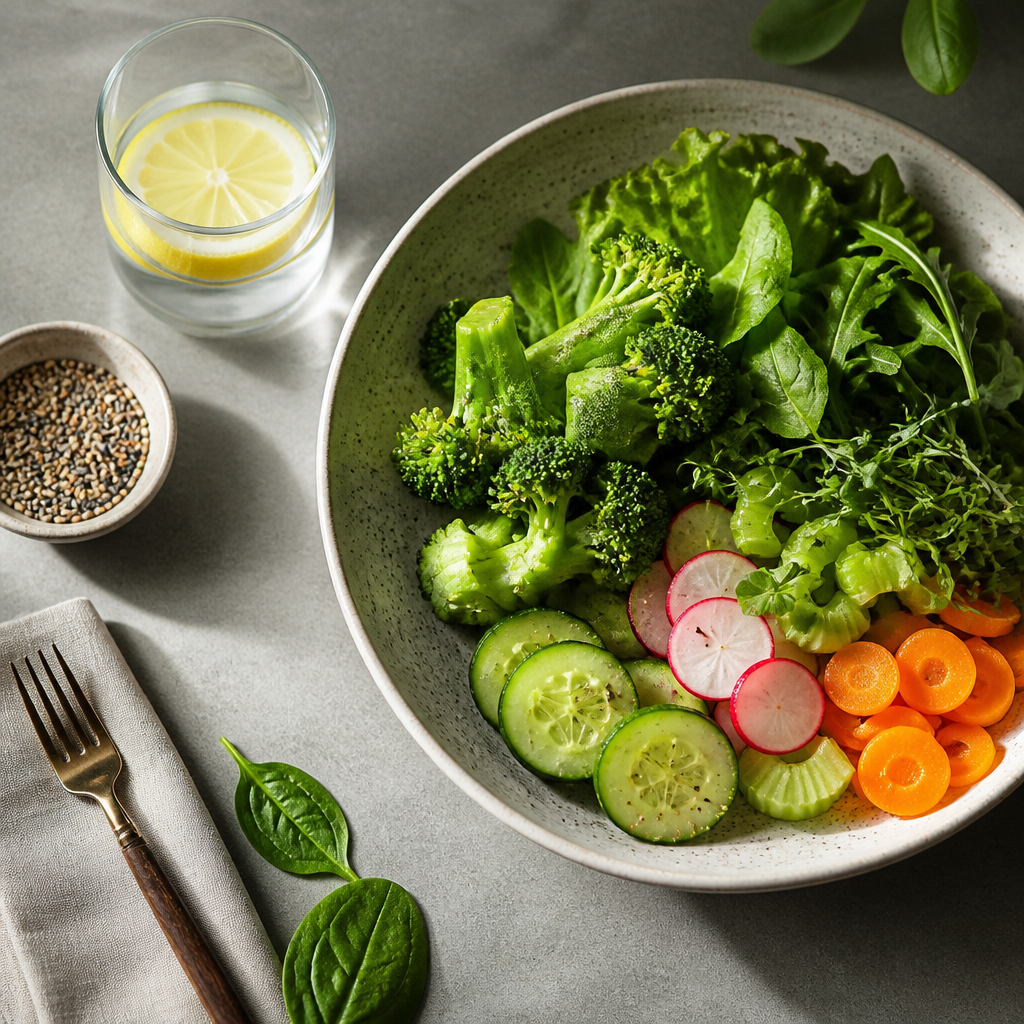
The term "zero-calorie vegetables" generally refers to foods that are extremely low in calories—meaning they provide so few calories that they can be considered negligible in the context of a diet. Commonly cited examples include celery, cucumber, spinach, and lettuce. The idea behind these vegetables is that they require more energy to digest than they provide, effectively placing them in the "negative calorie" category.
The Science Behind the Myth
While the concept of consuming more calories in digestion than the food provides is appealing, it is largely a myth. All foods, including vegetables, contain some caloric content, albeit minimal in the case of certain types. For instance, while celery has only about 16 calories per 100 grams, it certainly contains calories.
Nutritional Breakdown
To understand why these vegetables are still a valuable addition to your diet, let’s look at their nutritional profiles. Consider these popular "zero-calorie" vegetables:
Celery (16 calories per 100g): Rich in water (about 95%), fiber, and vitamin K, celery supports digestion and hydration.
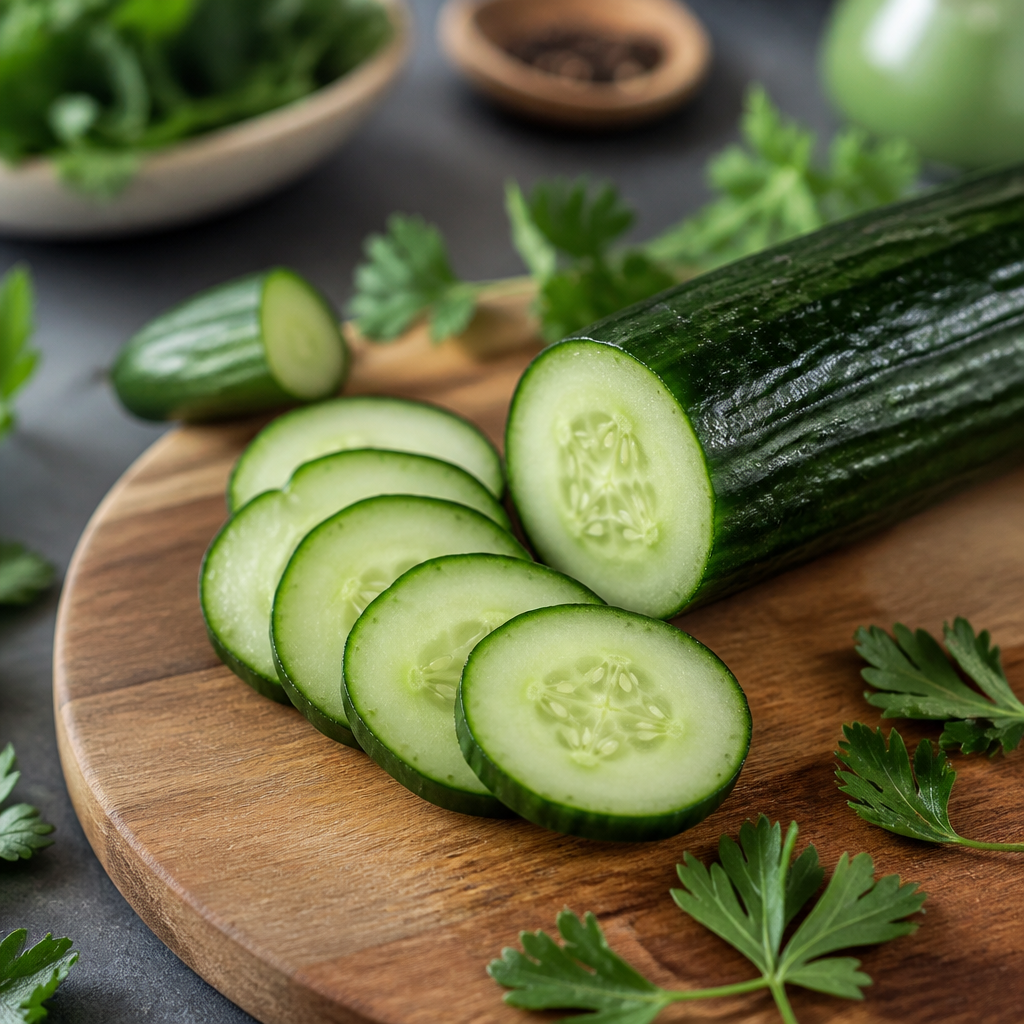
Cucumber (16 calories per 100g): Hydrating and refreshing, cucumbers provide antioxidants and can be a great low-calorie snack.
Lettuce (5 calories per 100g): Low in calories and high in water, lettuce is a staple for salads and adds volume without many calories.
Radishes (16 calories per 100g): These crunchy roots are low in calories and provide vitamin C and potassium.
How to Incorporate Them into Your Diet
Even if they aren't truly "zero-calorie," these vegetables have their place in a healthy eating plan. Here are some practical ways to enjoy them:
- Salads: Use a base of lettuce, spinach, and cucumber for a refreshing salad loaded with vitamins.
- Snacks: Keep sliced celery and carrots on hand for healthy snacking; pair them with hummus or guacamole for added flavor and nutrients.
- Soups: Make a hearty vegetable soup using a variety of these low-calorie veggies to fill up without the calories.
- Smoothies: Blend in kale or spinach for a nutrient-dense drink without significantly increasing caloric intake.
Conclusion
So, while zero-calorie vegetables in the strictest sense may not exist, their extremely low-calorie counterparts can be incredibly beneficial for those looking to manage their weight. They not only add volume to meals but also provide essential vitamins and minerals. Incorporate these vegetables into your diet for their nutritional benefits and enjoy guilt-free eating!
Ready to Take Control of Your Nutrition?
Curious about how many calories and nutrients are in your favorite meals? Download our app to upload a photo of your food! Let our powerful AI analyze it and give you instant data on calories, macronutrients (BJU), and more. Start your journey to better health today!
Cal AI
Track meals faster with Cal AI
Scan food, estimate calories, and keep your nutrition log moving without typing every ingredient.
Get the appAuthor
Cal AI Editorial Team
Practical guides on nutrition, calorie tracking, meal planning, and building healthier habits with Cal AI.
Related articles
 The Lowest-Calorie Vegetables Ranked: Your Guide to Guilt-Free Eating
 Why Weight Control Starts With Nutrition
 The Most Filling Vegetables for Weight Loss
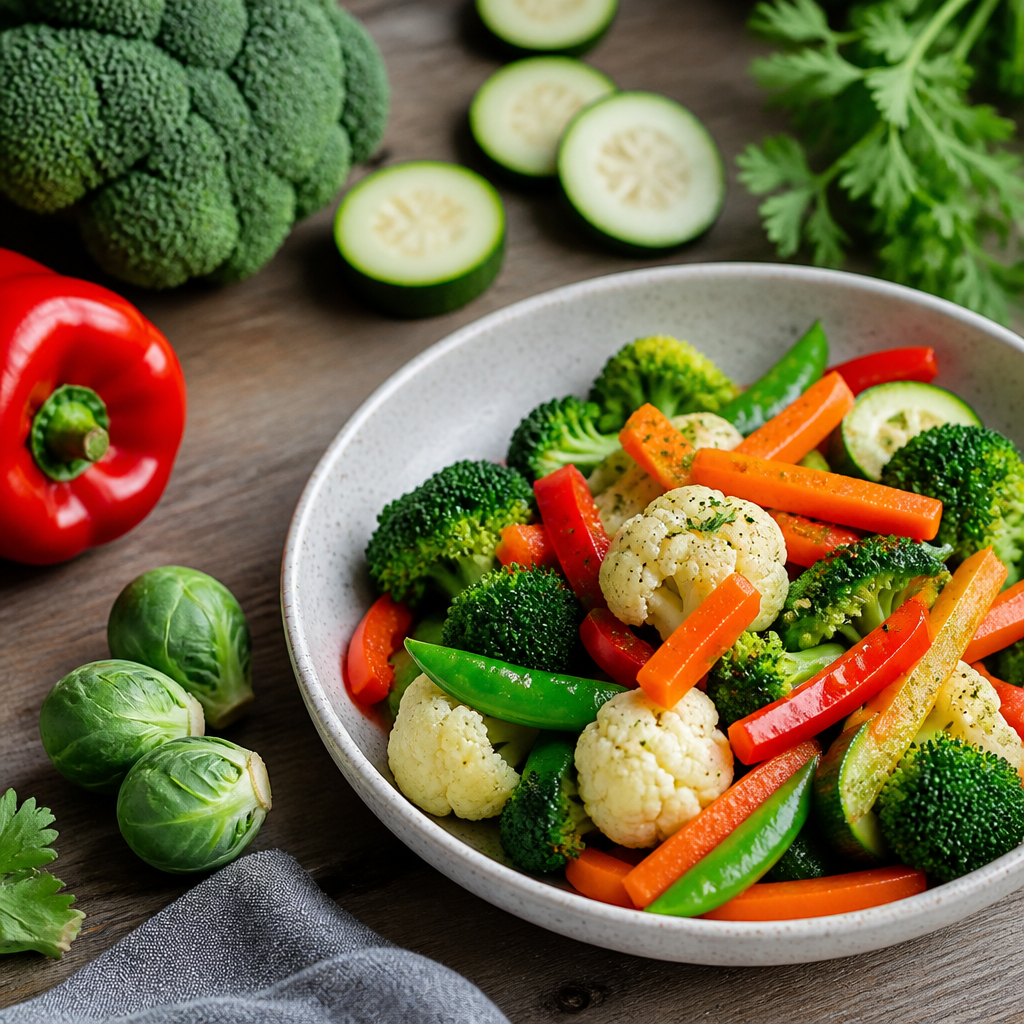
 Discover the Vegetables With the Fewest Calories: Your Guide to Guilt-Free Eating
 The Best Vegetables for a Calorie Deficit
 Why Strict Diets Don't Work: Understanding the Pitfalls of Extreme Restrictions
 The Best Weight Management Strategies: Proven Tactics for Success
 How to Keep a Weight Journal: Tips for Accountability and Progress Tracking
 How to Lose Weight Without Stress: Embrace a Balanced Approach
 Common Macro Tracking Mistakes: Avoid These Pitfalls for Better Results
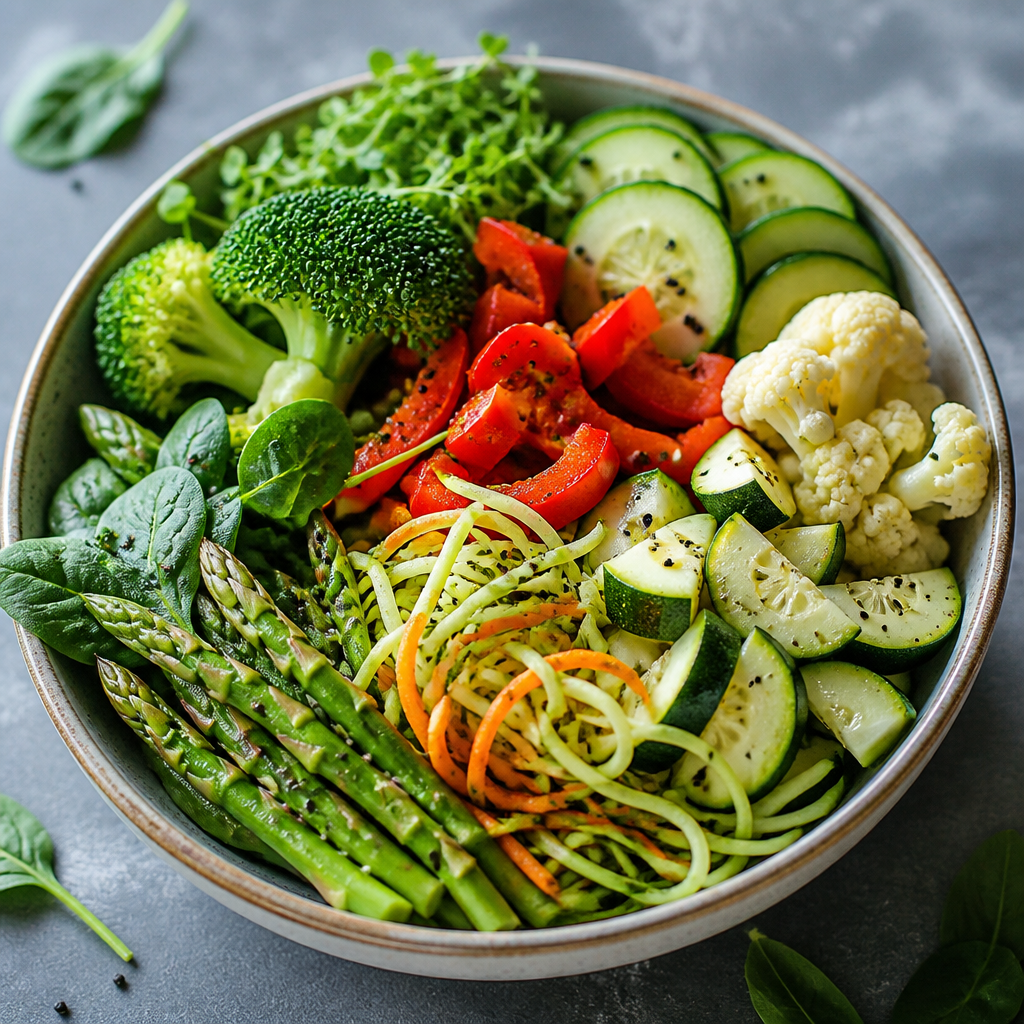 The Best Low-Calorie, Low-Carb Vegetables for Your Healthy Diet
 Sustainable Weight Loss Explained: Your Guide to Long-Term Success
 How to Control Your Weight With Calorie Tracking
 How to Build a Macro-Based Meal Plan: Your Ultimate Guide to Meal Prepping
 How to Track Macros Automatically: A Tech-Savvy Guide
 Macro Tracking for Beginners: Your Ultimate Guide to Nutritional Success
 How Many Calories Are in an Orange?
 Which Vegetables Keep You Full the Longest?
 How Many Calories Are in a Cucumber? Unveiling the Secrets of This Superfood
 How Many Calories Are in a Banana?
 The Healthiest Vegetables for Weight Loss: Your Ultimate Guide
 The Best Vegetables for Dinner: Nourishing Your Body While Losing Weight
 How Many Calories Are in Broccoli? An In-Depth Look
 How Many Calories Are in a Potato? Unpacking the Nutritional Value
 How to Estimate Calorie Counts Visually: A Guide for Impromptu Dieters
 Как считать калории в ресторане: Практическое руководство
 Формула Харриса-Бенедикта простыми словами
 Главные ошибки подсчета калорий
 Как считать калории без весов: Практическое руководство для диетчиков
 Почему вес не уходит при дефиците калорий: ключевые причины и решения