How to Calculate Macros for Weight Loss: Your Ultimate Guide
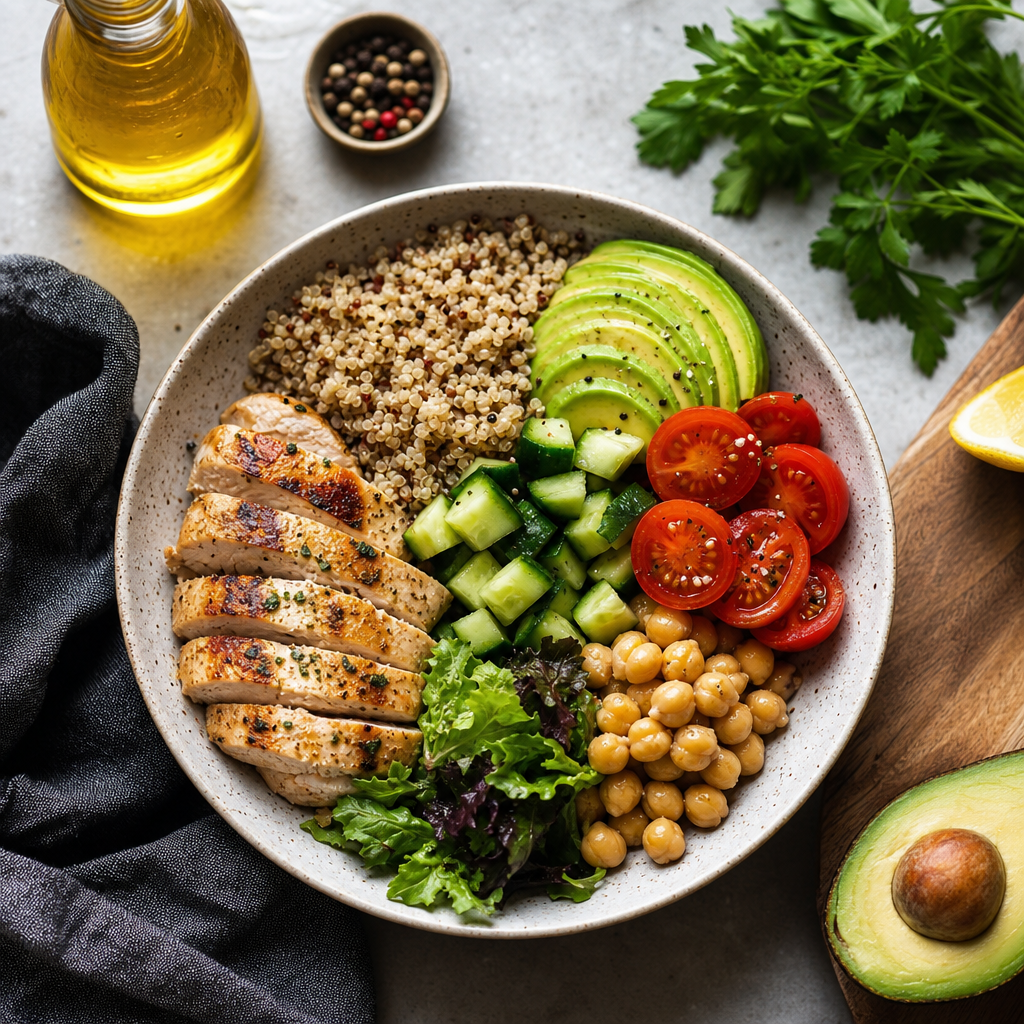
When it comes to losing weight, understanding how to calculate macros is often a game changer. Instead of obsessing over calorie counts alone, focusing on your macronutrient distribution—proteins, fats, and carbohydrates—can lead to more sustainable results.
What Are Macros?
Macros, short for macronutrients, are the nutrients that provide us with energy: protein, fat, and carbohydrates. Each plays a crucial role in our body:
- Proteins help repair and build tissues, making them vital for muscle recovery.
- Fats provide essential fatty acids and support cellular function.
- Carbohydrates are the body’s primary energy source.
Why Calculate Macros for Weight Loss?
Calculating your macros for weight loss helps ensure you’re getting the right balance of nutrients necessary for losing fat while maintaining muscle mass. This approach can lead to better satiety and less likelihood of nutritional deficiencies during your weight loss journey.
Steps to Calculate Your Macros
Determine Your Daily Caloric Needs: First, you need to know how many calories you should consume daily to lose weight. This can be calculated using the Harris-Benedict equation or using various online calculators. Generally, a deficit of 500 calories will result in about 1 pound of weight loss per week.
Set Your Macro Ratios: While individual needs can vary, a common starting point for weight loss could be:
- 40% Carbohydrates
- 30% Protein
- 30% Fat
Calculate Your Macronutrients: Once you have your total daily calories and your macro percentages, you can calculate your specific macronutrient needs.
- Protein: 1 gram of protein = 4 calories
- Carbohydrates: 1 gram of carbohydrates = 4 calories
- Fats: 1 gram of fat = 9 calories
For a daily intake of 2000 calories, your macros would be calculated as:
- Protein: 2000 * 0.30 = 600 calories / 4 = 150 grams
- Carbohydrates: 2000 * 0.40 = 800 calories / 4 = 200 grams
- Fat: 2000 * 0.30 = 600 calories / 9 = 67 grams
Track Your Intake: Use a food diary app or a simple spreadsheet to log what you eat. Many apps (like MyFitnessPal) can help you track your macros easily, providing instant feedback.
Adjust as Needed: As you progress, you may need to adjust your caloric intake and macros based on your weight loss results, activity level, and any changes in your fitness goals.
Example of a Daily Meal Plan
- Breakfast: Scrambled eggs (2) with spinach and avocado
- Snack: Greek yogurt with a handful of berries
- Lunch: Grilled chicken breast with quinoa and broccoli
- Snack: Hummus with carrot sticks
- Dinner: Salmon with sweet potato and asparagus
Troubleshooting Common Issues
- Hitting a Plateau: If your weight loss stalls, consider revisiting your macro ratios or caloric intake.
- Nutritional Deficiency: Ensure that your meals are balanced and rich in micronutrients by incorporating a variety of whole foods.
FAQs
What if I’m active? Adjust your macro ratios to increase carbohydrates for energy if you’re engaging in regular high-intensity training.
Can I have treats? Absolutely! Moderation is key. Fit your occasional treats into your macros rather than eliminating them entirely.
Call to Action
Ready to take control of your nutrition? Try our app to upload photos of your meals! Our AI will help you determine the calories and macronutrient breakdown, making it easier for you to stay on track with your weight loss goals.
Share this article
Cal AI
Track meals faster with Cal AI
Scan food, estimate calories, and keep your nutrition log moving without typing every ingredient.
Author
Cal AI Editorial Team
Practical guides on nutrition, calorie tracking, meal planning, and building healthier habits with Cal AI.
Editorial policyRelated articles
 Cal AI Free vs Premium: Which Version Fits Your Budget and Goals?A clear breakdown of Cal AI free vs premium, including features, limits, and real-life use cases so you can decide if the upgrade is worth it.
 How Many Calories Are in Pasta? A Comprehensive Guide for Pasta Lovers and Dieters
 How Many Calories Are in an Iced Latte? Your Guide to Summer Coffee Indulgence
 How Many Calories Are in Coca-Cola Zero?
 How Many Calories Are in an Energy Drink?
 How Many Calories Are in Shawarma?
 How Many Calories Are in a Latte? A Deep Dive into Your Favorite Coffee Treat
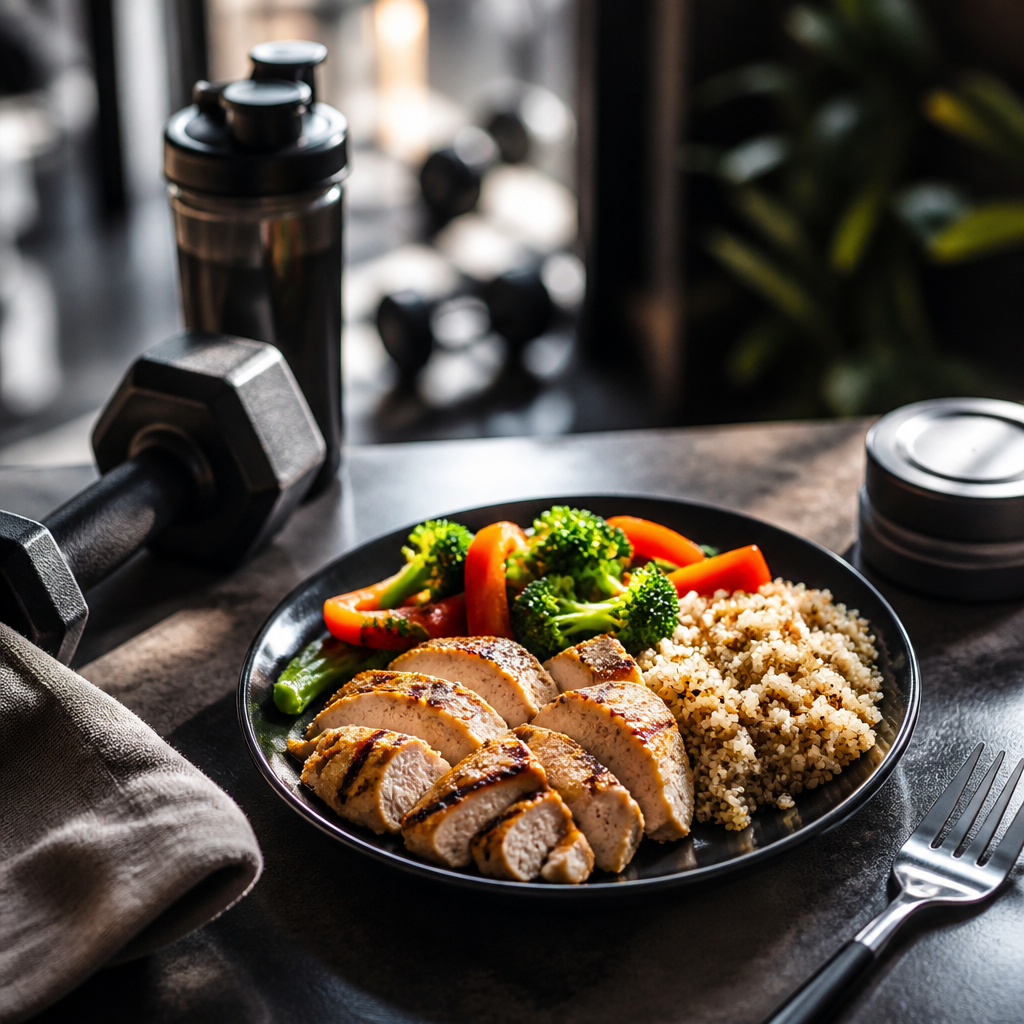 Maximize Your Gains: How Cal AI Supports Muscle Growth
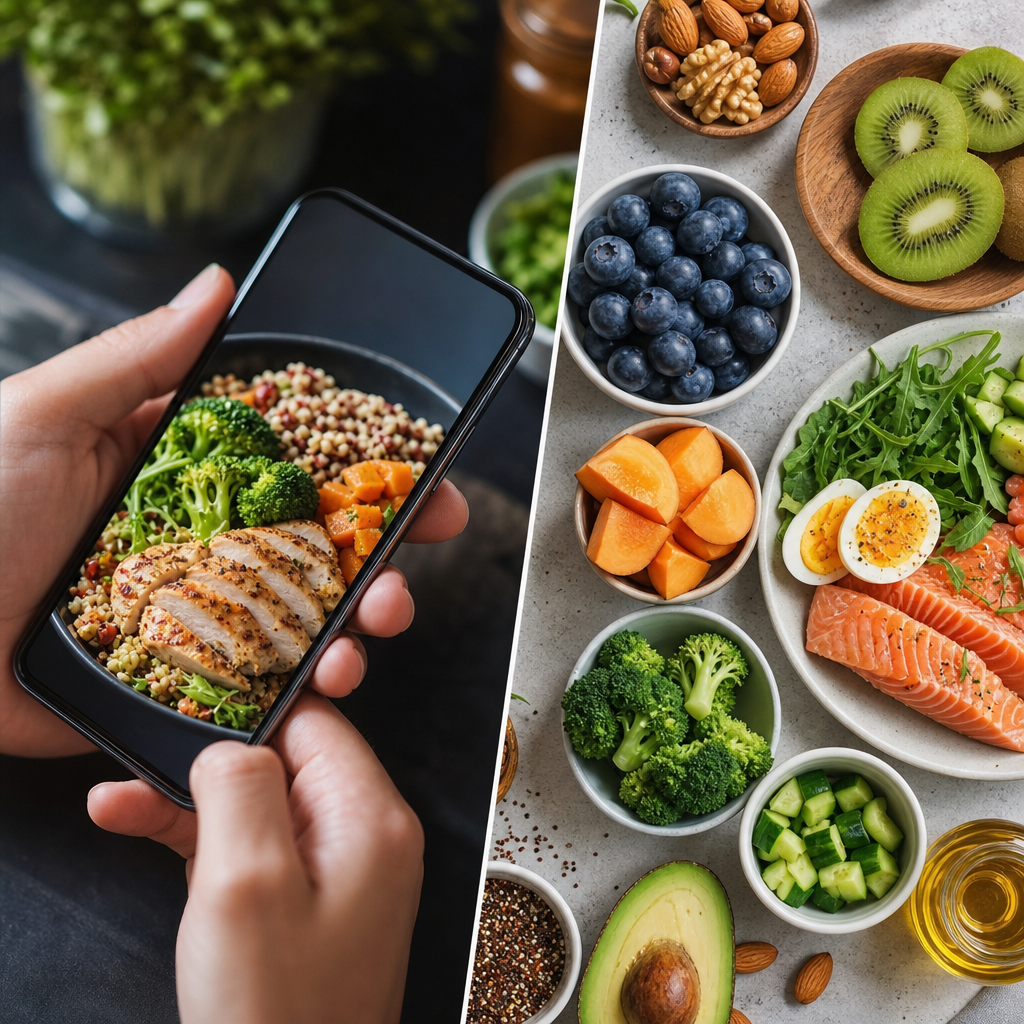 Cal AI vs FatSecret: Which Nutrition Tracking App Reigns Supreme?
 How Much Does Cal AI Cost? Understanding the Pricing Structure
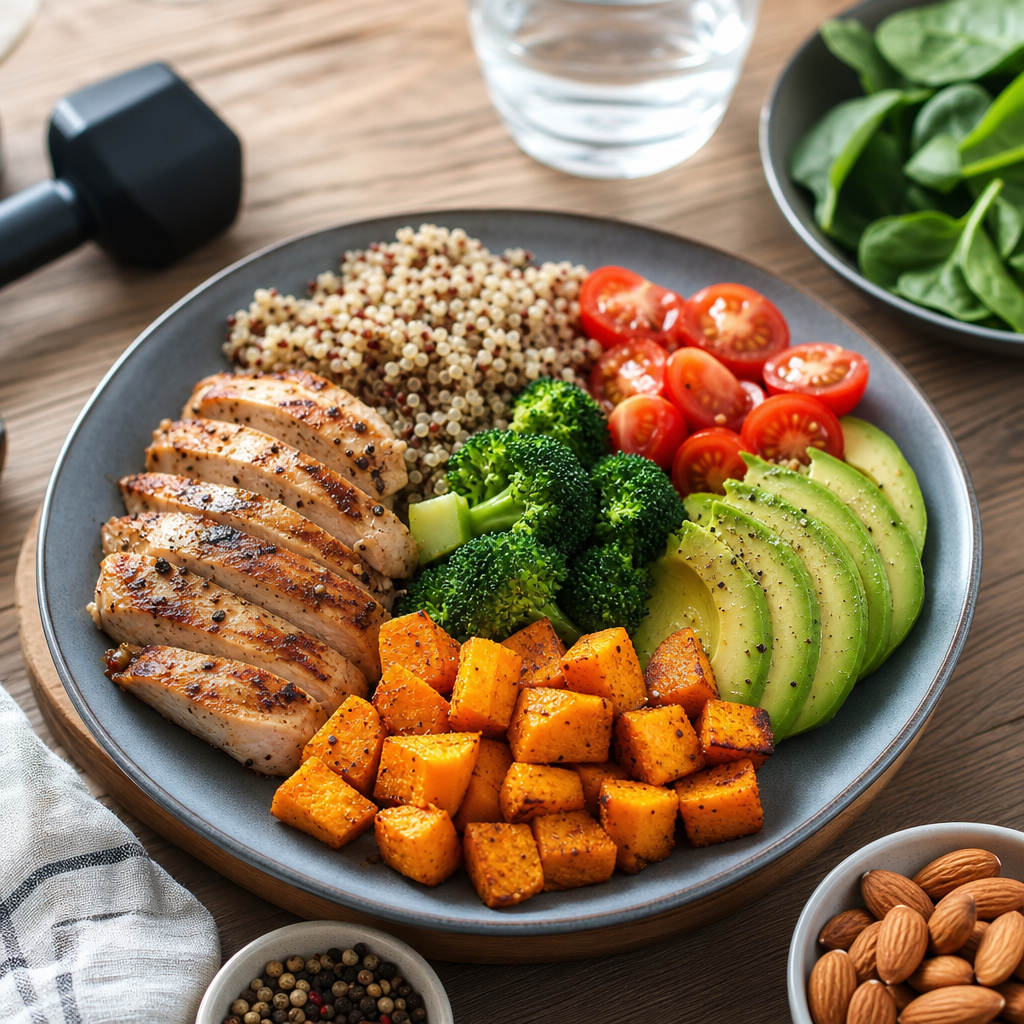 How to Count Macronutrients: Your Essential Guide to Diet Management
 How Artificial Intelligence Helps You Lose Weight
 Cal AI Calorie Counter Review: A Comprehensive Analysis of Its Functionality
 Is the Cal AI App Free? Everything You Need to Know
 Is Cal AI Free? Exploring Costs and Features
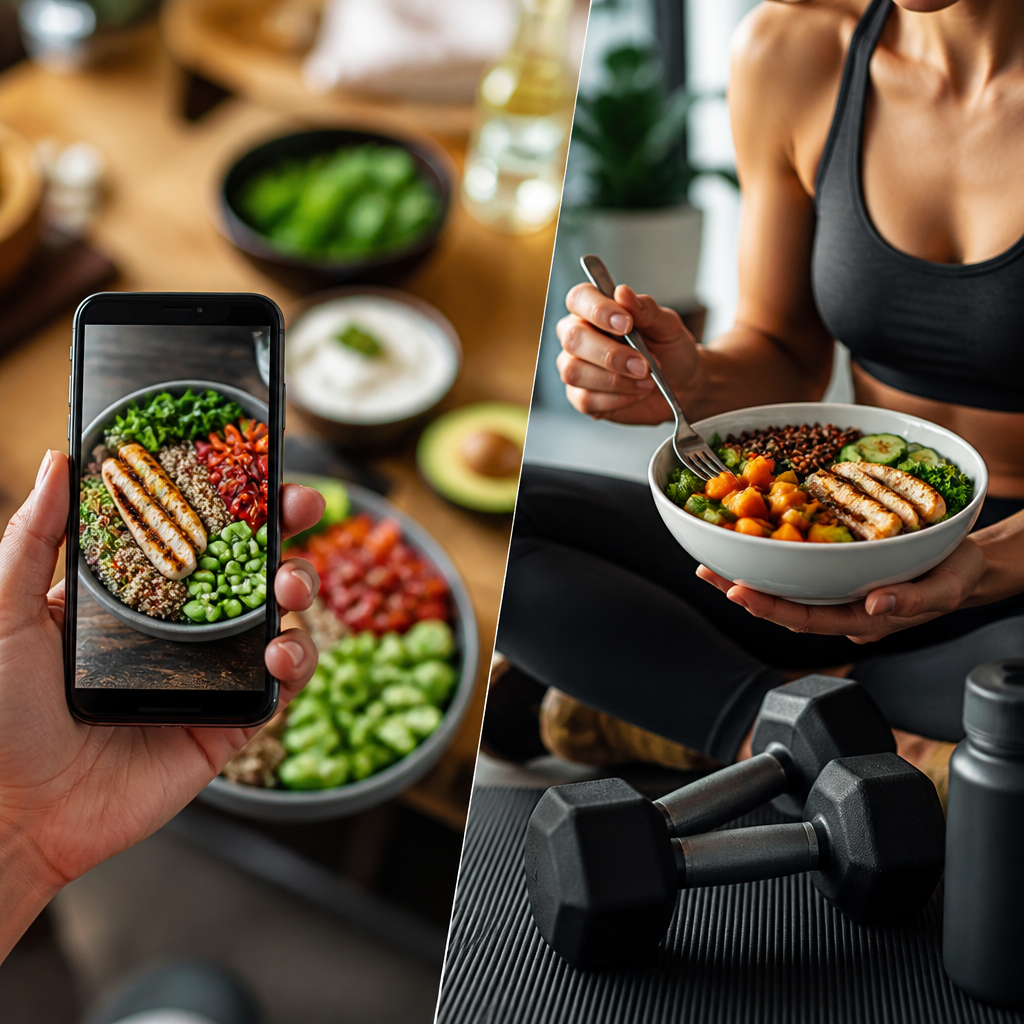 Cal AI vs Yazio: Which Nutrition App Reigns Supreme for Fitness Enthusiasts?
 How Does Cal AI Calculate Calories?
 Top 25 Vegetables for Weight Loss
 Why Your Weight Stopped Changing: Understanding Weight Maintenance Issues
 Which Vegetables Help You Lose Weight?
 How to Track Weight Changes Correctly
 How Many Carbs Do You Need Per Day? A Practical Guide to Daily Carb Requirements
 The Lowest-Calorie Vegetables Ranked: Your Guide to Guilt-Free Eating
 Zero-Calorie Vegetables: Myth or Reality?
 Why Weight Control Starts With Nutrition
 The Most Filling Vegetables for Weight Loss
 Discover the Vegetables With the Fewest Calories: Your Guide to Guilt-Free Eating
 The Best Vegetables for a Calorie Deficit
 Why Strict Diets Don't Work: Understanding the Pitfalls of Extreme Restrictions
 The Best Weight Management Strategies: Proven Tactics for Success