How Does Cal AI Calculate Calories?

In today’s fast-paced world, maintaining a healthy diet can be a daunting task, especially for those who rely on technology to help guide their choices. Enter Cal AI, an innovative tool designed to simplify the calorie tracking process by analyzing food photos. But how does it precisely calculate calories? Let’s dive into the fascinating methodology behind Cal AI's calorie calculation.
Understanding Cal AI's Technology
Cal AI employs advanced image recognition technology, often coupled with machine learning algorithms, to identify various food items within an image. But it doesn’t stop at mere identification. The system goes the extra mile by analyzing the portion size, cooking methods, and even the nutritional makeup of the detected foods.
The Calculation Methodology
Image Analysis: When you upload a photo of your meal, Cal AI first processes the image through its convolutional neural networks (CNNs). This technology enables the AI to recognize different foods based on countless training images it has previously learned from.
Food Recognition: Once the image is processed, Cal AI identifies individual food items using a vast database of ingredients and meals. This database includes thousands of different foods, capturing everything from complex dishes to simple fruits and vegetables.
Portion Estimation: One of the key challenges in calorie calculation is estimating portion sizes accurately. Cal AI uses size recognition techniques to estimate the volume or weight of the food based on comparative analysis with known object sizes in the photo. This feature is crucial since calorie counts can vary dramatically based on how much of a food you consume.
Nutritional Database Integration: Following food identification and portion sizing, the AI accesses a comprehensive nutritional database. It cross-references the identified foods with information regarding their calories, macronutrients (proteins, fats, carbohydrates), vitamins, and minerals.
Caloric Calculation: After gathering all the required data, Cal AI calculates the total caloric content of your meal by aggregating the values of each identified food item and adjusting it by the estimated portion size. This final calculation gives you a clear overview of your meal's calorie content.
Practical Benefits of Using Cal AI
For tech-savvy users, Cal AI is not just a calorie counter; it's a personal nutritionist in your pocket. Here are some benefits you can enjoy:
- Quick Insights: Within seconds, you can receive detailed nutrition information and calorie estimations, allowing for informed eating decisions.
- Ease of Use: Its user-friendly interface makes uploading meals straightforward, even for those not deeply familiar with tracking their nutritional intake.
- Personalized Tracking: As you use Cal AI, it learns your eating habits and can provide tailored suggestions based on your historical data.
Final Thoughts
Cal AI is revolutionizing the way we track our food intake through advanced technology and innovative methodologies. By interpreting food photos and calculating calories accurately, it simplifies the path to healthier eating without the fuss of manual tracking.
Are you ready to take the guesswork out of your meals? Download the Cal AI app today, upload a photo of your food, and let our AI do the heavy lifting by determining calories and macronutrients for you!
Share this article
Cal AI
Track meals faster with Cal AI
Scan food, estimate calories, and keep your nutrition log moving without typing every ingredient.
Author
Cal AI Editorial Team
Practical guides on nutrition, calorie tracking, meal planning, and building healthier habits with Cal AI.
Editorial policyRelated articles
 How Many Calories Are in an Energy Drink?
 How Many Calories Are in Shawarma?
 How Many Calories Are in a Latte? A Deep Dive into Your Favorite Coffee Treat
 Maximize Your Gains: How Cal AI Supports Muscle Growth
 Cal AI vs FatSecret: Which Nutrition Tracking App Reigns Supreme?
 How Much Does Cal AI Cost? Understanding the Pricing Structure
 How to Count Macronutrients: Your Essential Guide to Diet Management
 How Artificial Intelligence Helps You Lose Weight
 Cal AI Calorie Counter Review: A Comprehensive Analysis of Its Functionality
 Is the Cal AI App Free? Everything You Need to Know
 Is Cal AI Free? Exploring Costs and Features
 How to Calculate Macros for Weight Loss: Your Ultimate Guide
 Cal AI vs Yazio: Which Nutrition App Reigns Supreme for Fitness Enthusiasts?
 Top 25 Vegetables for Weight Loss
 Why Your Weight Stopped Changing: Understanding Weight Maintenance Issues
 Which Vegetables Help You Lose Weight?
 How to Track Weight Changes Correctly
 How Many Carbs Do You Need Per Day? A Practical Guide to Daily Carb Requirements
 The Lowest-Calorie Vegetables Ranked: Your Guide to Guilt-Free Eating
 Zero-Calorie Vegetables: Myth or Reality?
 Why Weight Control Starts With Nutrition
 The Most Filling Vegetables for Weight Loss
 Discover the Vegetables With the Fewest Calories: Your Guide to Guilt-Free Eating
 The Best Vegetables for a Calorie Deficit
 Why Strict Diets Don't Work: Understanding the Pitfalls of Extreme Restrictions
 The Best Weight Management Strategies: Proven Tactics for Success
 How to Keep a Weight Journal: Tips for Accountability and Progress Tracking
 How to Lose Weight Without Stress: Embrace a Balanced Approach
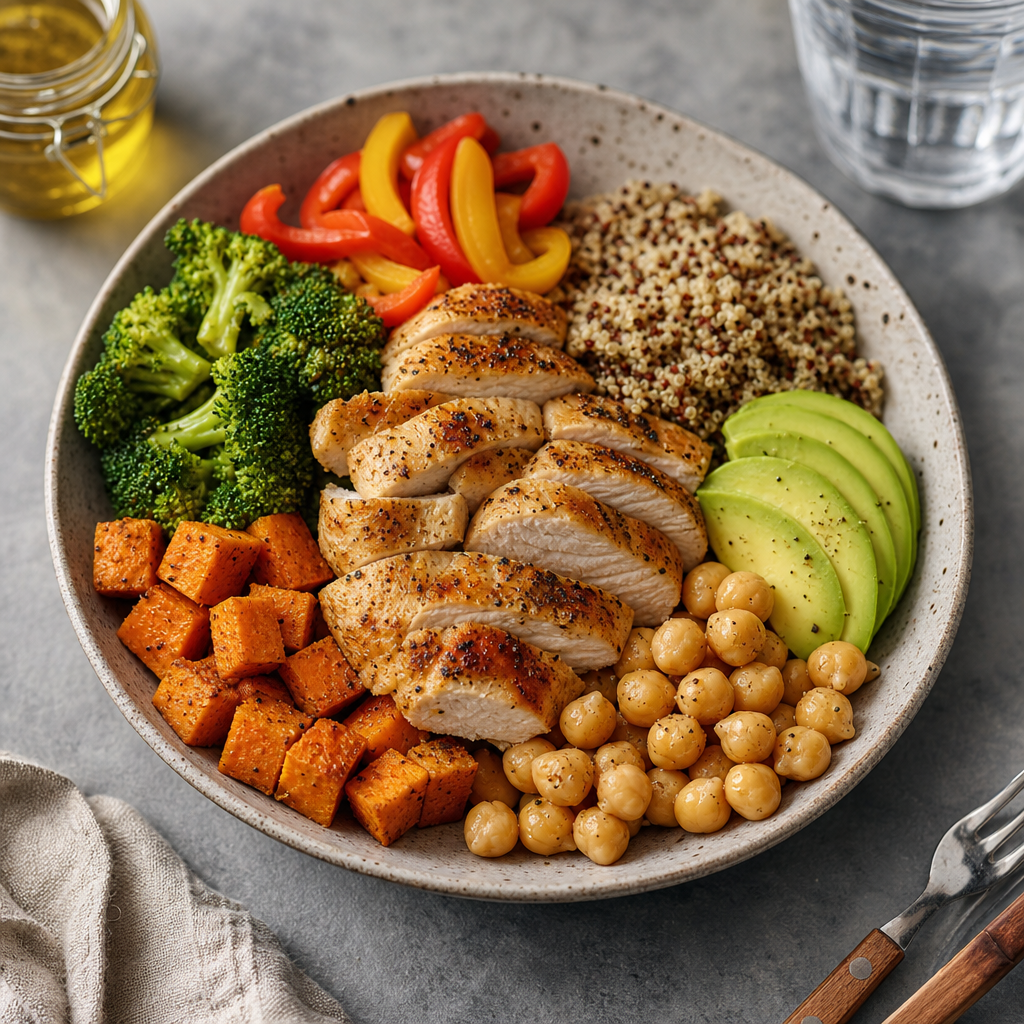 Common Macro Tracking Mistakes: Avoid These Pitfalls for Better Results
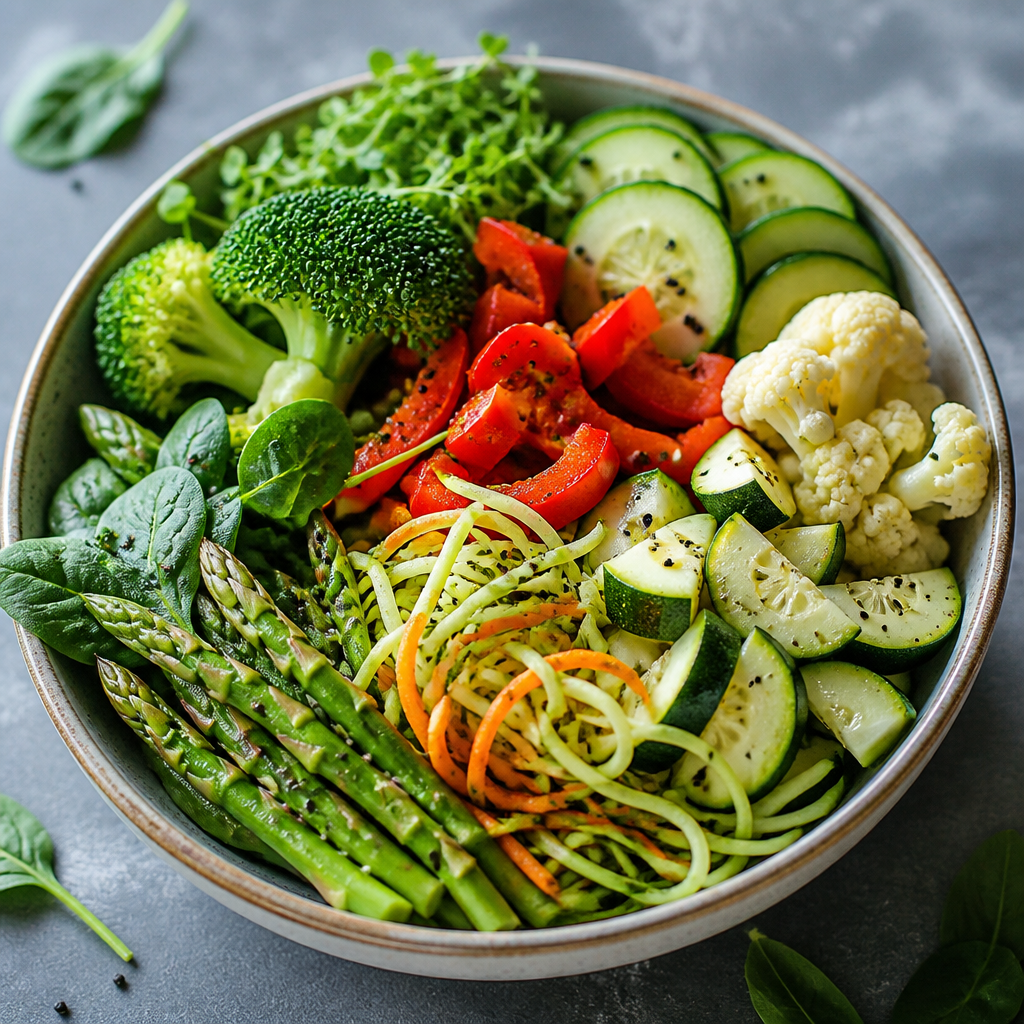 The Best Low-Calorie, Low-Carb Vegetables for Your Healthy Diet