How Many Calories Are in Cheese? A Practical Guide for Cheese Lovers
Wondering how many calories are in cheese? This guide breaks down calories in cheese by type, serving size, and fat content so you can choose smarter portions without giving up flavor.
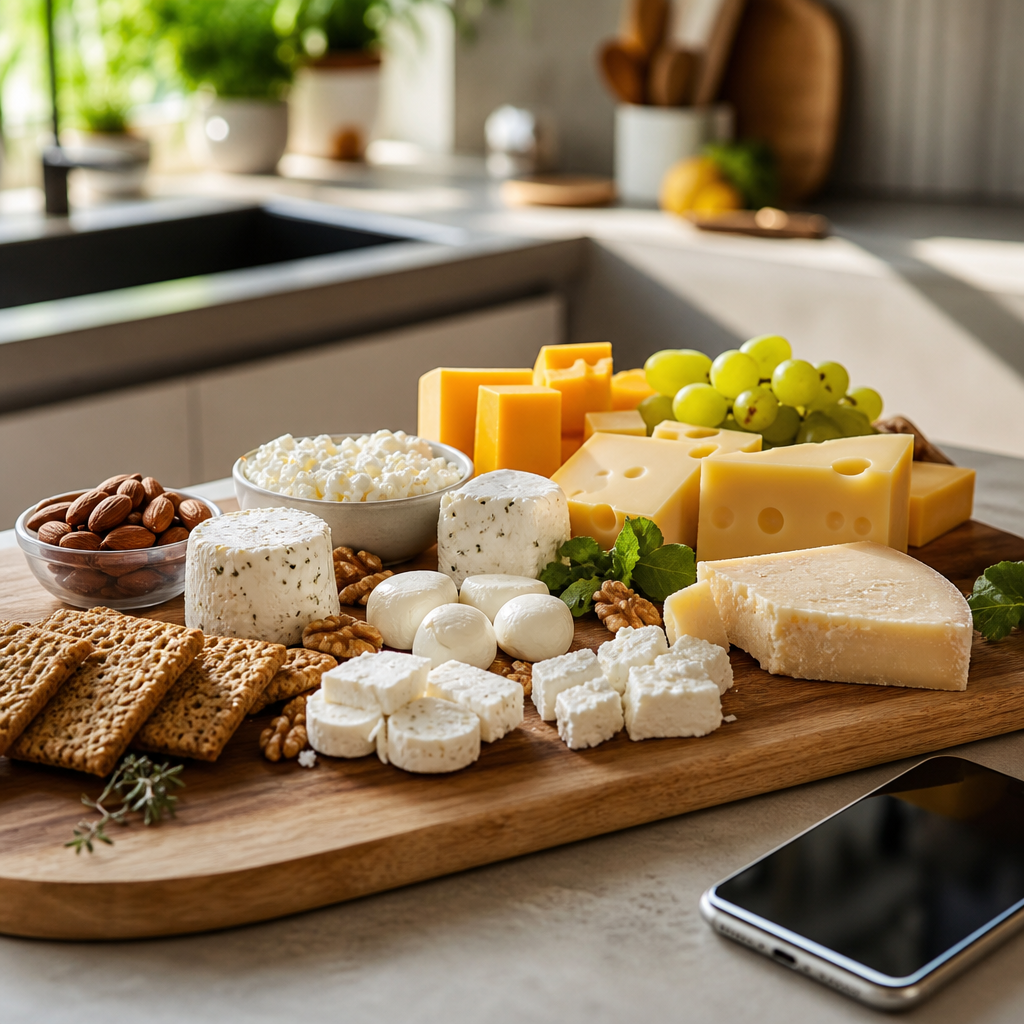
Calories in Cheese Depend More on Type Than on Taste
If you love cheese, the first thing to know is that the calories in cheese can vary a lot from one variety to another. A creamy soft cheese, a firm aged cheese, and a light fresh cheese may all look similar on a plate, but their calorie counts can be very different. That’s why it helps to think in terms of serving size, moisture content, and fat level rather than just the label “cheese.”
As a rule, cheeses with more water tend to be lower in calories per ounce, while drier, aged cheeses are more calorie-dense. That’s also why a small sprinkle of parmesan can carry a similar calorie load to a much larger piece of mozzarella. If you’re tracking food for weight loss or fitness, this difference matters more than most people expect. For a broader look at tracking portions, see our calorie counting guide and high-protein foods list.
Cheese Calorie Breakdown by Common Variety
Here’s a practical calorie snapshot for common cheeses using a typical 1-ounce serving unless noted otherwise. These numbers are close enough for everyday planning and meal logging, though brands and fat levels can shift the totals slightly:
- Cheddar: about 115 calories, 7 g protein, 9 g fat
- Mozzarella: about 85 calories, 6 g protein, 6 g fat
- Swiss: about 110 calories, 8 g protein, 8 g fat
- Feta: about 75 calories, 4 g protein, 6 g fat
- Parmesan: about 110 calories, 10 g protein, 7 g fat
- Goat cheese: about 100 calories, 5 g protein, 8 g fat
- Cream cheese: about 100 calories, 2 g protein, 10 g fat
- Cottage cheese, low-fat, 1/2 cup: about 90 calories, 12 g protein, 2 g fat
This table shows why cheese can be a smart protein add-on or a stealth calorie source. Parmesan looks small on pasta, but just 2 tablespoons can add around 40 to 45 calories. On the other hand, 1 ounce of mozzarella gives you a satisfying melt for fewer calories than many harder cheeses, making it a useful choice for sandwiches, omelets, and homemade pizzas.
Which Cheeses Fit Best into Weight Loss Goals?
If your goal is fat loss, the best cheese is usually the one that gives you the most satisfaction for the fewest calories. That often means choosing cheeses with strong flavor and using smaller amounts, or picking lower-calorie, higher-protein options. Cottage cheese, part-skim mozzarella, and fresh goat cheese can be especially useful because they provide texture and flavor without pushing calories too high.
A simple comparison makes this clearer. If you use 2 ounces of cheddar on a sandwich, you’re looking at roughly 230 calories. Swap that for 2 ounces of part-skim mozzarella and you may save around 60 calories while still getting a solid cheesy layer. Over a week, that kind of swap can matter: saving 60 calories a day equals about 420 calories per week, which adds up when paired with consistent exercise and balanced meals. If you’re interested in food swaps, also check low-calorie snacks and meal prep ideas.
Serving Size Matters More Than Most People Think
Cheese is easy to overeat because the portions are small and the flavor is strong. A “little handful” of shredded cheese can quickly turn into 1/3 cup or more, which may be closer to 120 to 150 calories depending on the type. If you’re not measuring, it’s easy to underestimate the calories in cheese by a wide margin.
Here are a few realistic serving examples to make tracking easier:
- 1 slice of cheddar on a burger: about 70 to 80 calories
- 1 string cheese stick: about 70 to 80 calories
- 1/4 cup shredded mozzarella: about 80 calories
- 2 tablespoons crumbled feta: about 50 calories
- 1 tablespoon grated parmesan: about 20 calories
- 2 tablespoons cream cheese: about 100 calories
If you want to stay in a calorie deficit without feeling deprived, use cheese like a seasoning instead of the main event. A small amount can boost flavor in eggs, salads, roasted vegetables, and wraps, while still keeping the meal under control. That approach works especially well for people balancing calorie tracking with muscle-building meals, since cheese can contribute useful protein and fat without requiring huge portions.
Best Cheese Choices by Goal: Protein, Satiety, or Lower Calories
Different cheeses shine for different goals. If you want more protein, parmesan, Swiss, and cottage cheese are strong options. If you want lower calories for bigger portions, part-skim mozzarella and reduced-fat cheeses often work well. If your priority is intense flavor with a smaller amount, aged cheeses like sharp cheddar or parmesan can help you feel satisfied faster.
Think about what role cheese plays in your meal. On a salad, a salty feta crumble may be enough to make the whole bowl more enjoyable. In a breakfast wrap, a slice of Swiss can add richness without overwhelming the dish. For an afternoon snack, cottage cheese with fruit gives you a more filling protein boost than a cheese-only snack would. The smartest choice is usually the one that supports your overall meal instead of just adding calories for habit.
Real-World Meal Examples and Calorie Math
Let’s put the calories in cheese into a real meal context. Imagine a turkey sandwich with two slices of whole-grain bread, 4 ounces of turkey, lettuce, tomato, mustard, and 1 slice of cheddar. That cheese slice adds roughly 70 to 80 calories. If you swap cheddar for reduced-fat mozzarella, you might save about 20 to 30 calories, but the bigger benefit could be lower saturated fat and a slightly lighter meal.
Now compare two pasta finishes. One bowl gets 1/4 cup of parmesan, which can add around 80 to 90 calories. Another gets 2 tablespoons of parmesan plus extra herbs and lemon juice, landing closer to 40 to 50 calories. The second bowl is still cheesy and satisfying, but with less calorie impact. Small changes like that are ideal when your goal is to enjoy cheese while keeping daily intake realistic.
How to Enjoy Cheese Without Losing Track of Calories
The best cheese strategy is not avoidance; it’s portion awareness. Pre-portion slices, use a kitchen scale when possible, and buy individually wrapped sticks or single-serve cups when convenience helps you stay consistent. If you shred your own cheese, you’ll also get a more accurate sense of how much you’re actually using.
A few simple habits make a big difference:
- Choose stronger cheeses in smaller amounts
- Pair cheese with high-fiber foods like vegetables, fruit, or whole grains
- Use cheese to add flavor, not as the only source of satisfaction
- Track restaurant meals carefully, since cheese portions are often larger than expected
- Balance richer cheeses with lean proteins and lighter sides
If you’re trying to improve nutrition while still eating foods you enjoy, cheese can absolutely fit. The key is matching the cheese to the meal, the serving size to the goal, and the flavor to the portion. That’s the easiest way to keep calories under control without turning every plate into a compromise.
Frequently Asked Questions
What cheese has the lowest calories?
Among common cheeses, part-skim mozzarella, feta, and cottage cheese are often lower in calories per serving than cheddar, cream cheese, or many aged cheeses.
Is cheese good for weight loss?
Cheese can fit into weight loss if portions are controlled. It provides protein and satisfaction, but calorie-dense cheeses should be measured carefully.
How many calories are in 1 slice of cheese?
A typical slice of cheddar or Swiss has about 70 to 80 calories, though thin slices and reduced-fat versions may be lower.
Is shredded cheese higher in calories than sliced cheese?
Not by itself, but shredded cheese is easier to overpour. A loose 1/4 cup may contain more calories than you think if it’s not measured.
Want to track the calories in cheese and every other meal in seconds? With Cal AI, you can take a photo of food, instantly estimate calories, view protein, carbs, and fat, analyze meals with AI, and track your nutrition goals more easily.
Share this article
Cal AI
Track meals faster with Cal AI
Scan food, estimate calories, and keep your nutrition log moving without typing every ingredient.
Author
Cal AI Editorial Team
Practical guides on nutrition, calorie tracking, meal planning, and building healthier habits with Cal AI.
Editorial policyFrequently asked questions
What cheese has the lowest calories?
Among common cheeses, part-skim mozzarella, feta, and cottage cheese are often lower in calories per serving than cheddar, cream cheese, or many aged cheeses.
Is cheese good for weight loss?
Cheese can fit into weight loss if portions are controlled. It provides protein and satisfaction, but calorie-dense cheeses should be measured carefully.
How many calories are in 1 slice of cheese?
A typical slice of cheddar or Swiss has about 70 to 80 calories, though thin slices and reduced-fat versions may be lower.
Is shredded cheese higher in calories than sliced cheese?
Not by itself, but shredded cheese is easier to overpour. A loose 1/4 cup may contain more calories than you think if it’s not measured.
Related articles
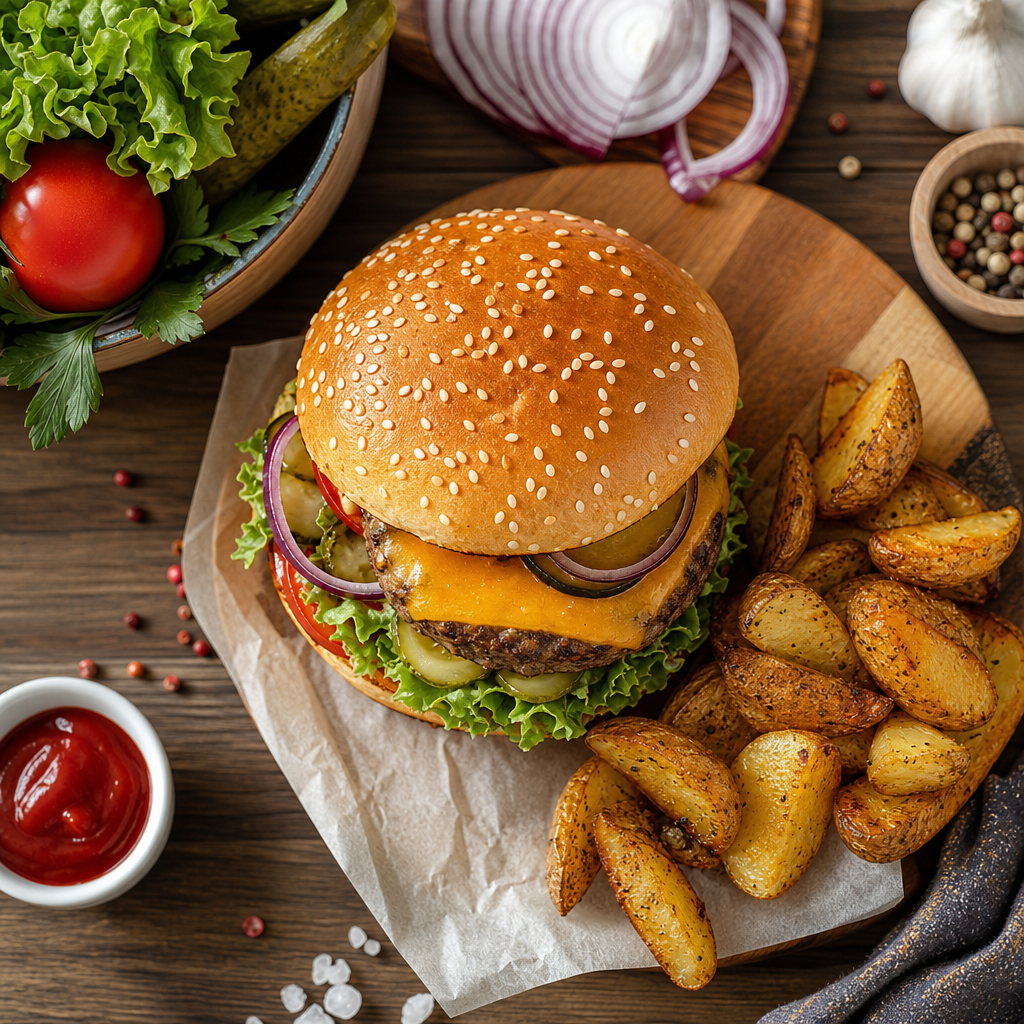 How Many Calories Are in a Burger? A Practical Guide to calories in burger CountsBurger calories can swing wildly depending on patty size, cheese, sauces, and bun choice. Learn the typical calories in burger meals and how to estimate them fast.
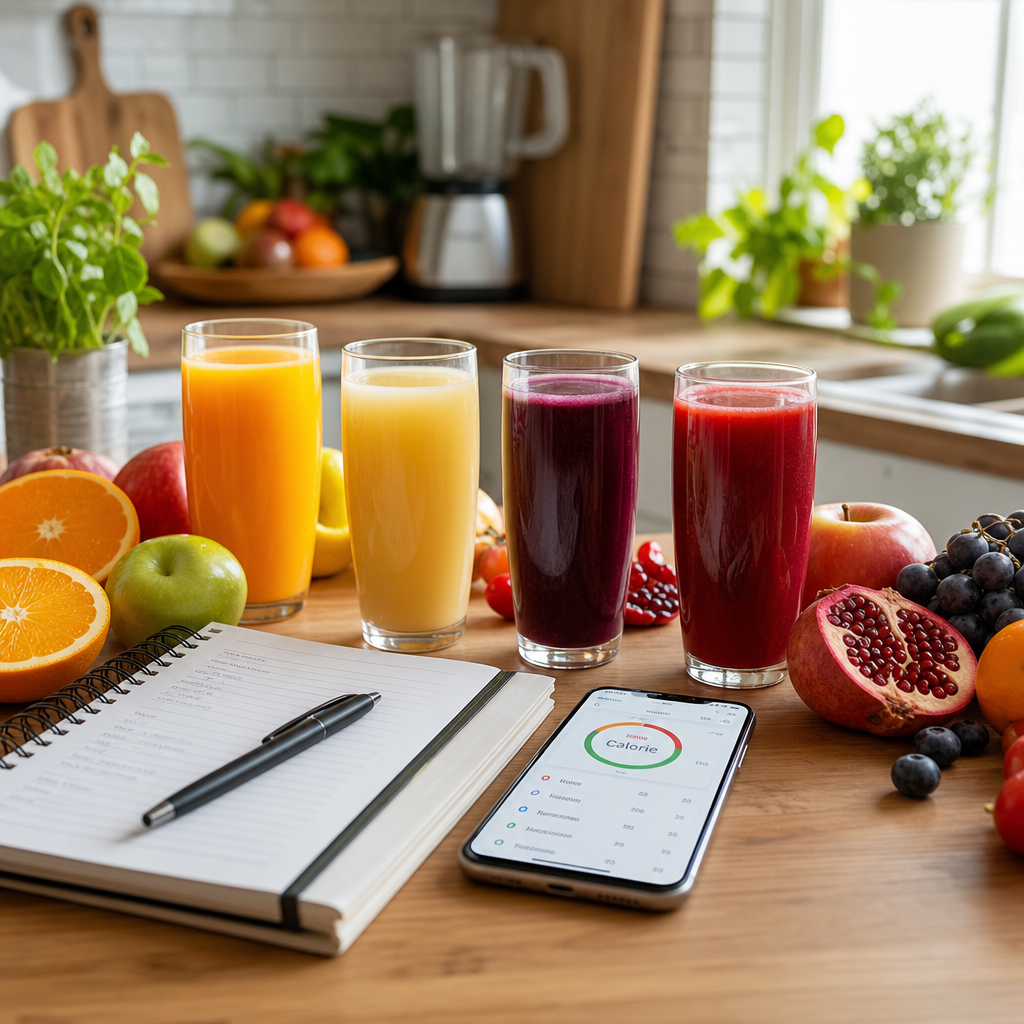 How Many Calories Are in Juice? A Practical Guide to Calories in JuiceJuice can look healthy, but the calorie count changes fast depending on the fruit, serving size, and whether sugar has been added. Here’s how to compare popular juices and make smarter choices.
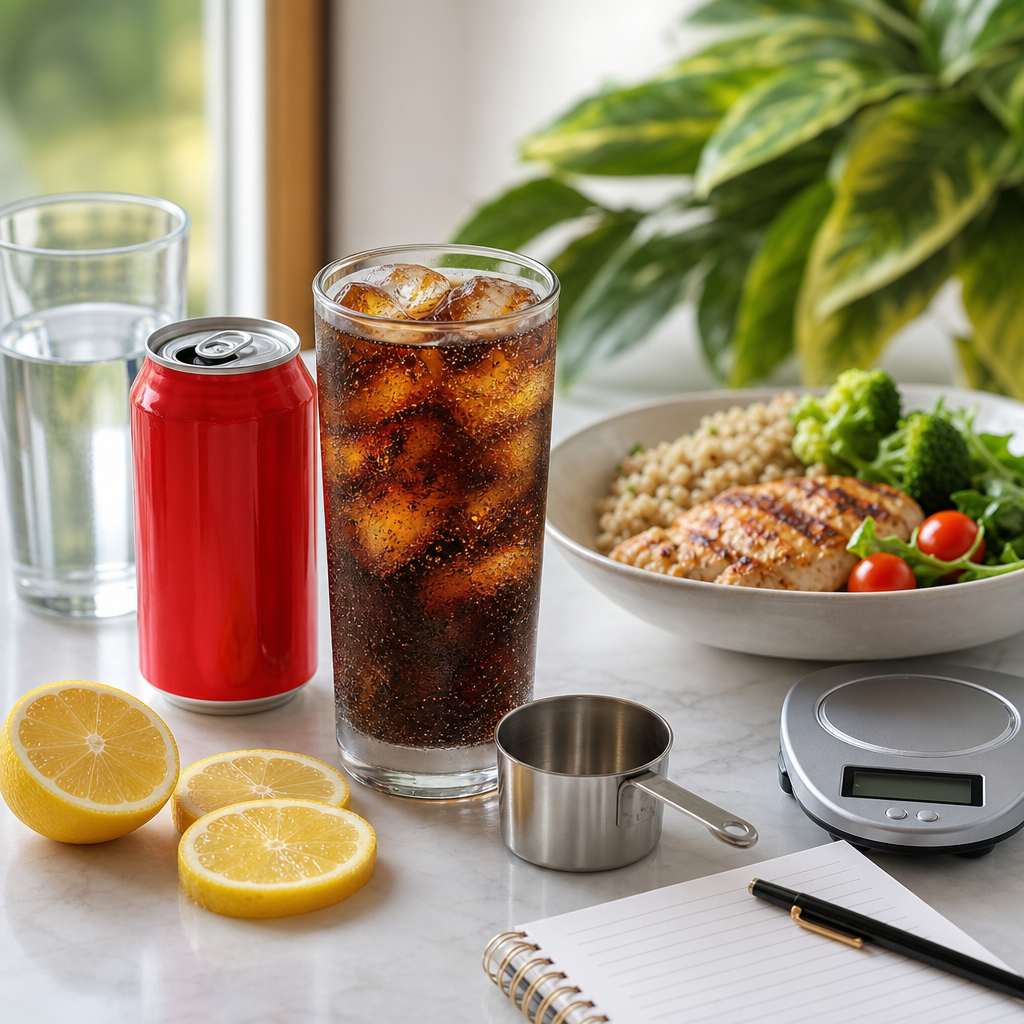 How Many Calories Are in Coca-Cola? A Practical Guide to Calories in Coca-ColaCoca-Cola’s calorie count is easy to underestimate, especially when portions get larger. Here’s a clear breakdown of calories in Coca-Cola, plus sugar, serving sizes, and better ways to fit soda into your day.
 Cal AI Free vs Premium: Which Version Fits Your Budget and Goals?A clear breakdown of Cal AI free vs premium, including features, limits, and real-life use cases so you can decide if the upgrade is worth it.