The Lowest-Calorie Vegetables Ranked: Your Guide to Guilt-Free Eating
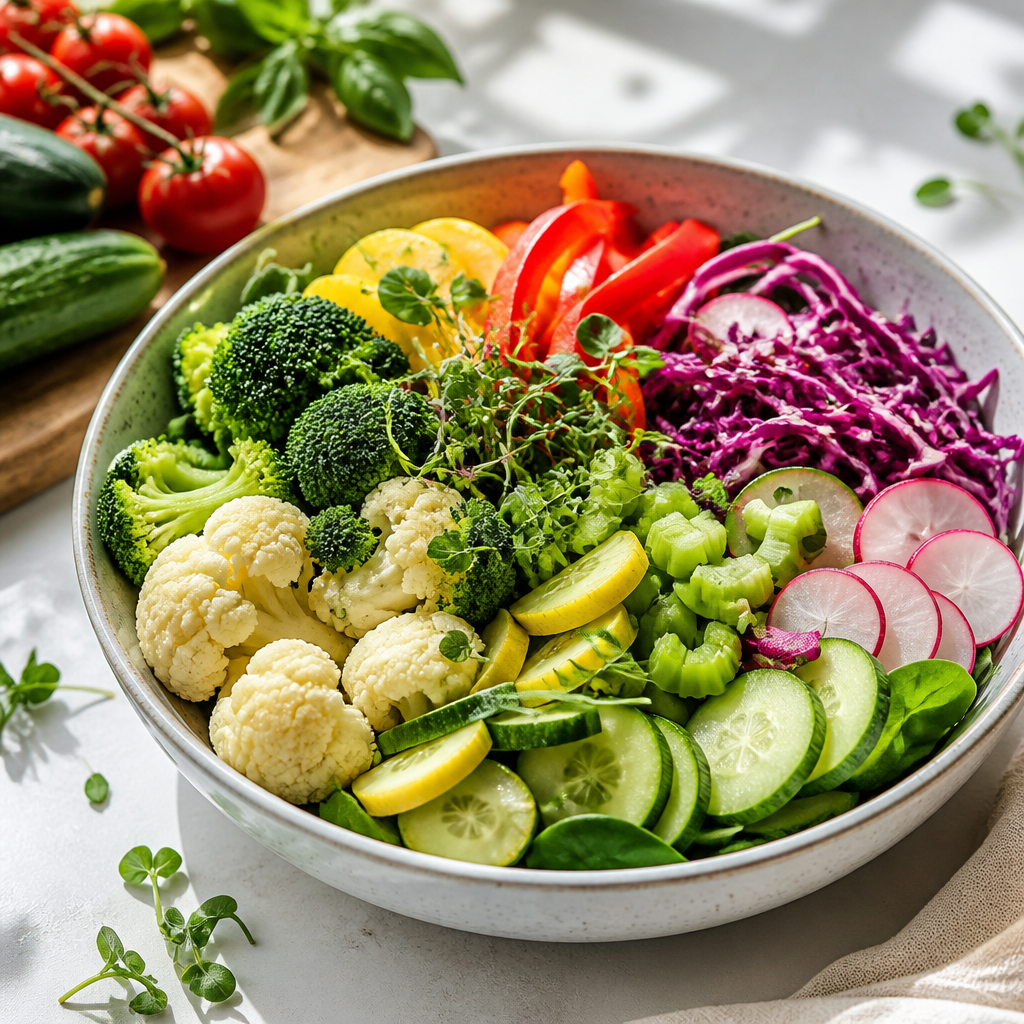
When it comes to maintaining a healthy diet, managing calorie intake is crucial, especially for those looking to lose weight or simply eat better. Vegetables are a cornerstone of any balanced diet, offering essential nutrients with relatively low calories. But which vegetables should be your go-to choices when it comes to counting calories? In this article, we'll rank the lowest-calorie vegetables, helping you make informed decisions for your meals.
Ranking of the Lowest-Calorie Vegetables
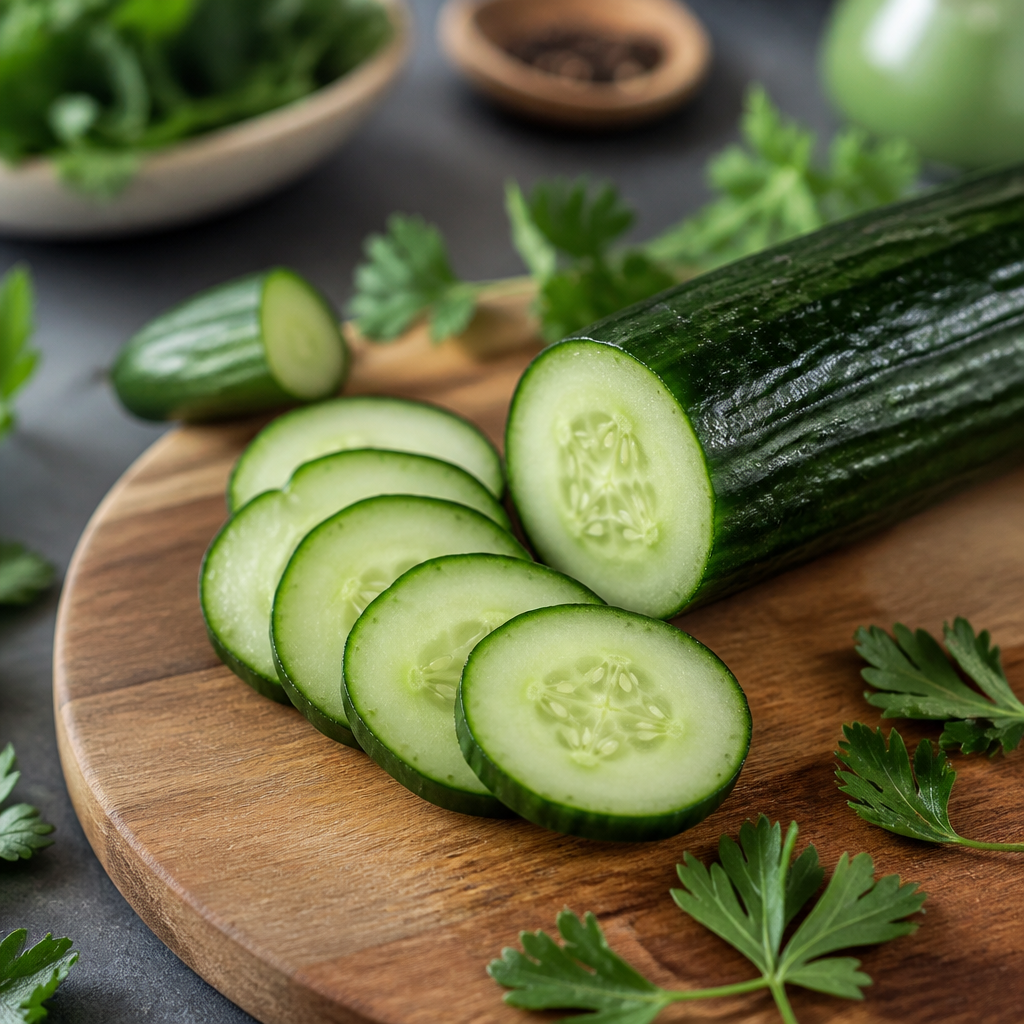
Cucumber (16 calories per 100g) Crunchy and hydrating, cucumbers are perfect for salads or snacking. You can enjoy them raw or pickled without worrying about calorie intake.
Lettuce (15 calories per 100g) A salad staple, lettuce is low in calories and high in vitamins. Opt for varieties like romaine or iceberg to keep things fresh.
Celery (16 calories per 100g) Known for its high water content, celery is great for dipping in hummus or adding to soups for an extra crunch without the calories.
Radishes (16 calories per 100g) These peppery little bites can spice up your salads and provide a great source of antioxidants.
Spinach (23 calories per 100g) Packed with iron and other nutrients, spinach is perfect cooked or raw and can easily be added to smoothies, omelets, or salads.
Zucchini (17 calories per 100g) This versatile vegetable can be spiralized into noodles or grilled, making it a fantastic low-calorie substitute for pasta.
Tomatoes (18 calories per 100g) Juicy and flavorful, tomatoes not only enhance the taste of your dishes but also offer a good amount of vitamins C and K.
Asparagus (20 calories per 100g) Whether steamed, roasted, or grilled, asparagus is a delicious way to add nutrients to your meals without adding many calories.
Bell Peppers (20 calories per 100g) They come in various colors and add a sweet crunch to any dish. Bell peppers are a great source of vitamin C, too!
Cauliflower (25 calories per 100g) This versatile vegetable can be used to make low-carb alternatives like cauliflower rice, making it a popular choice for those on a diet.
Benefits of Low-Calorie Vegetables
Incorporating low-calorie vegetables into your diet brings a multitude of benefits. They are not only nutrient-dense but also provide fiber, which can help keep you feeling full longer. Moreover, filling your plate with these veggies leaves less room for high-calorie foods, making it easier to stick to weight management goals.
How to Use Low-Calorie Vegetables in Your Meals
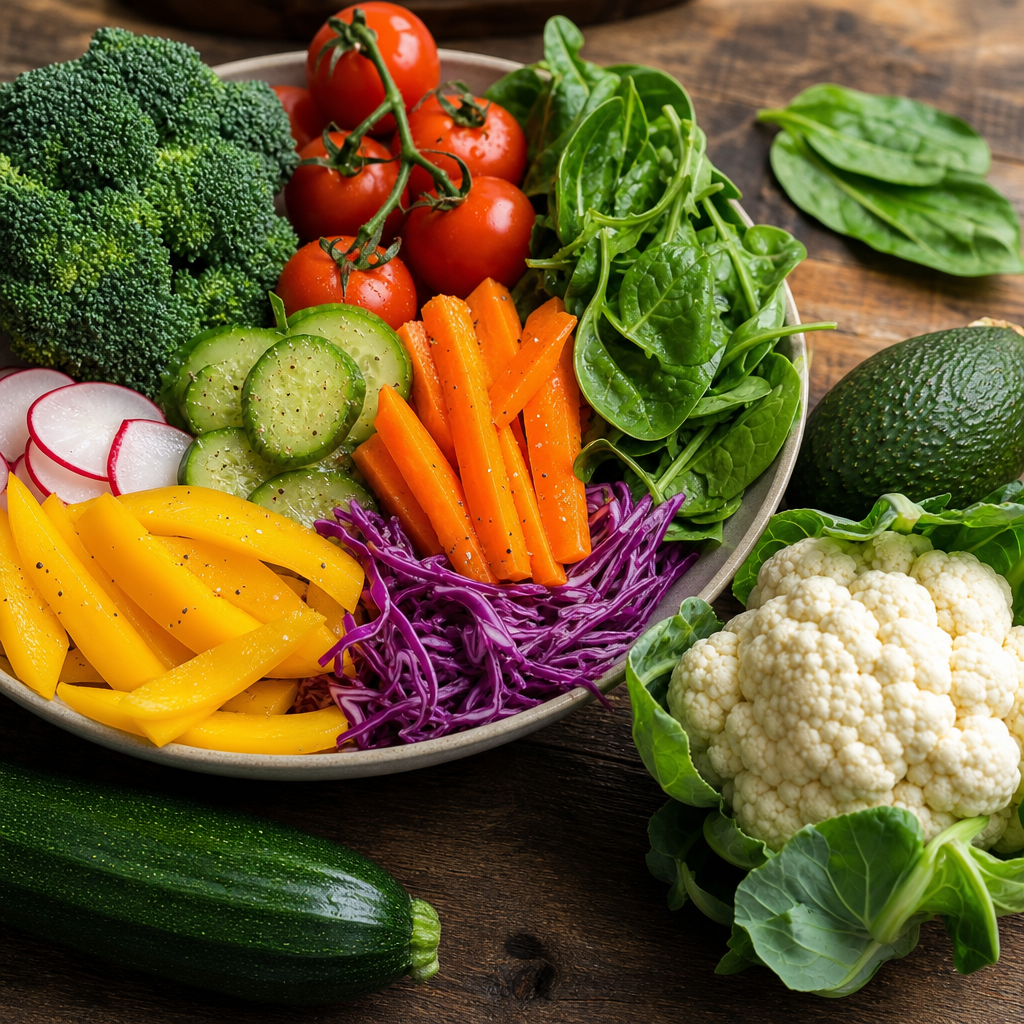
- Salads: Create vibrant salads with a mix of lettuce, cucumber, bell peppers, and tomatoes.
- Soups and Stews: Add celery, radishes, and spinach to enrich your soups without cranking up the calorie count.
- Snacks: Keep sliced cucumbers, bell peppers, and carrot sticks on hand for healthy snacking.
- Substitutes: Replace higher-calorie foods with zucchini noodles or cauliflower rice for your favorite dishes.
In conclusion, integrating the lowest-calorie vegetables into your diet is an efficient way to eat healthily without compromising on flavor. Don't forget, it's all about balance and making mindful choices.
Ready to Take Control of Your Nutrition?
With the power of technology at your fingertips, tracking your nutrition has never been easier. Download our app now to upload photos of your meals, and our AI will help you determine the calories and macronutrients. Take the first step towards a healthier you today!
Cal AI
Track meals faster with Cal AI
Scan food, estimate calories, and keep your nutrition log moving without typing every ingredient.
Get the appAuthor
Cal AI Editorial Team
Practical guides on nutrition, calorie tracking, meal planning, and building healthier habits with Cal AI.
Related articles
 Zero-Calorie Vegetables: Myth or Reality?
 Why Weight Control Starts With Nutrition
 The Most Filling Vegetables for Weight Loss
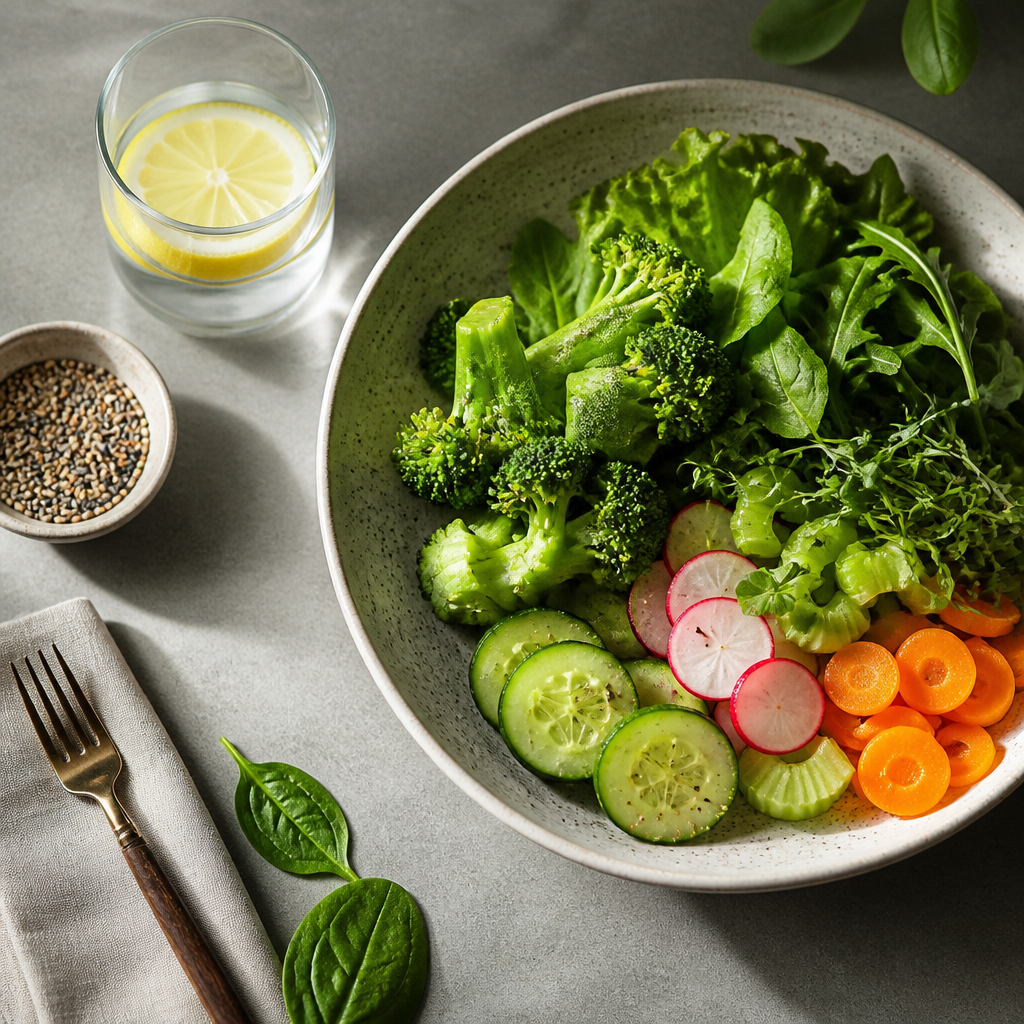 Discover the Vegetables With the Fewest Calories: Your Guide to Guilt-Free Eating
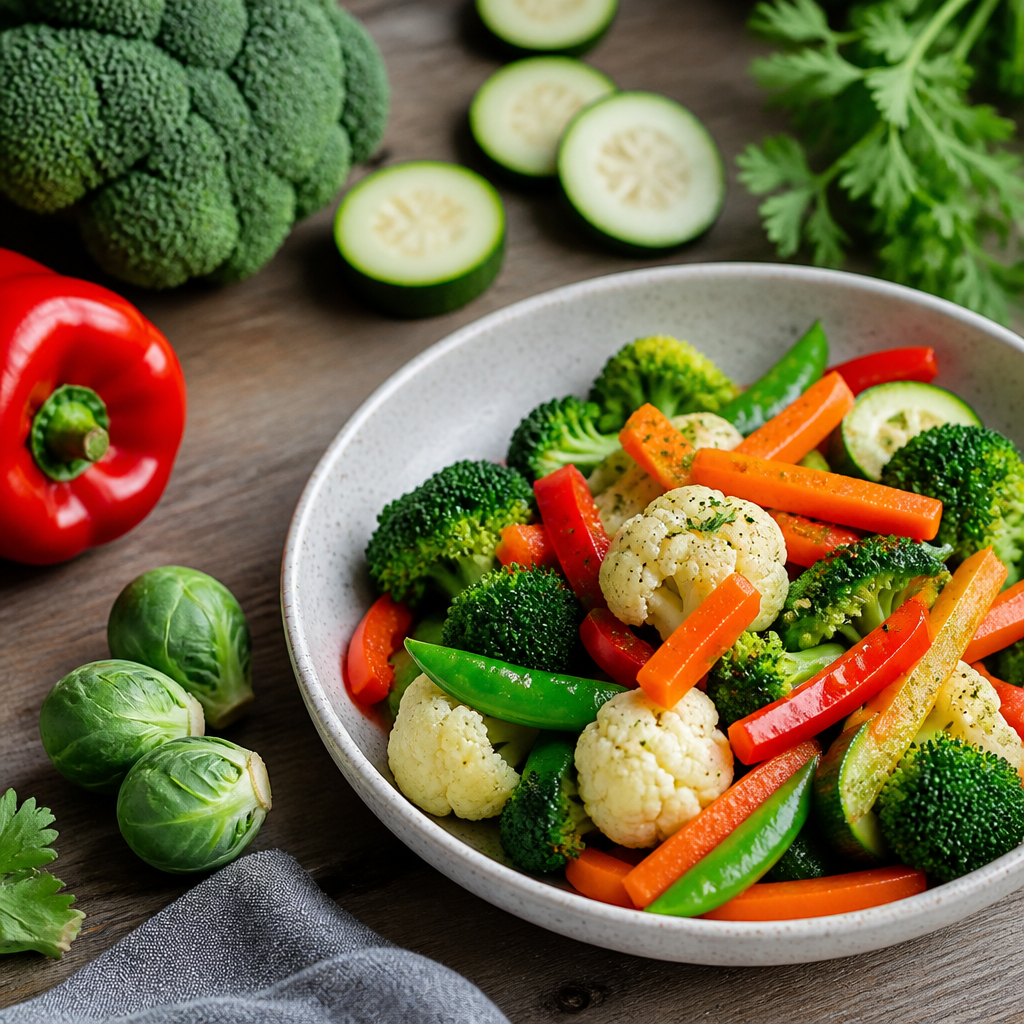 The Best Vegetables for a Calorie Deficit
 Why Strict Diets Don't Work: Understanding the Pitfalls of Extreme Restrictions
 The Best Weight Management Strategies: Proven Tactics for Success
 How to Keep a Weight Journal: Tips for Accountability and Progress Tracking
 How to Lose Weight Without Stress: Embrace a Balanced Approach
 Common Macro Tracking Mistakes: Avoid These Pitfalls for Better Results
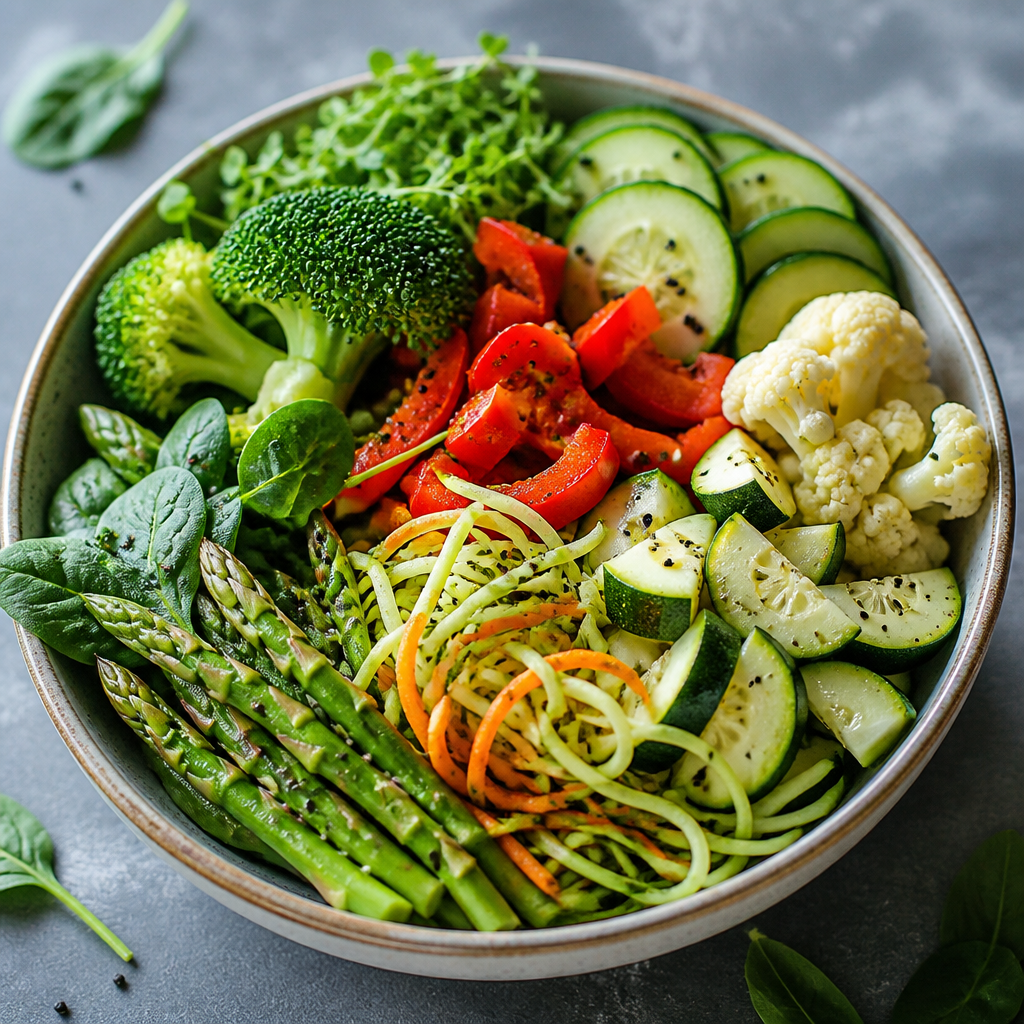 The Best Low-Calorie, Low-Carb Vegetables for Your Healthy Diet
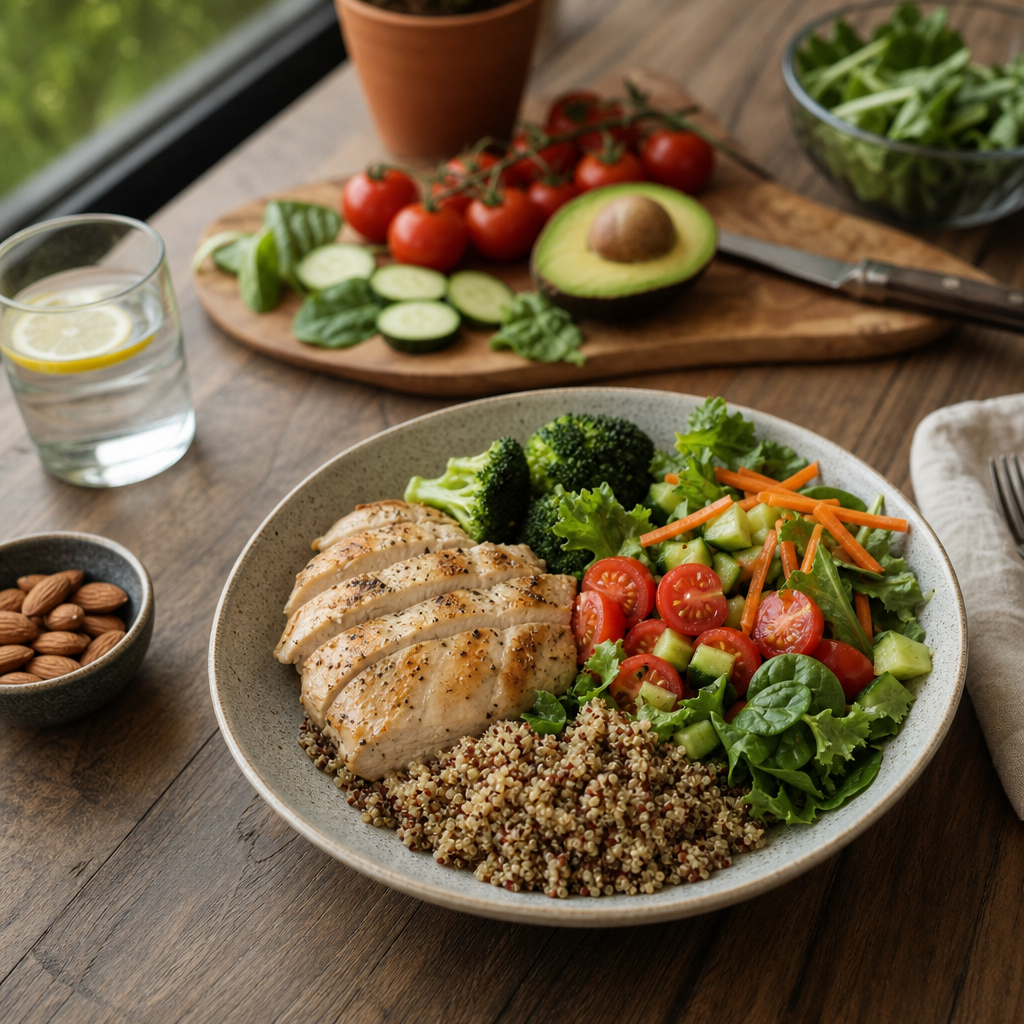 Sustainable Weight Loss Explained: Your Guide to Long-Term Success
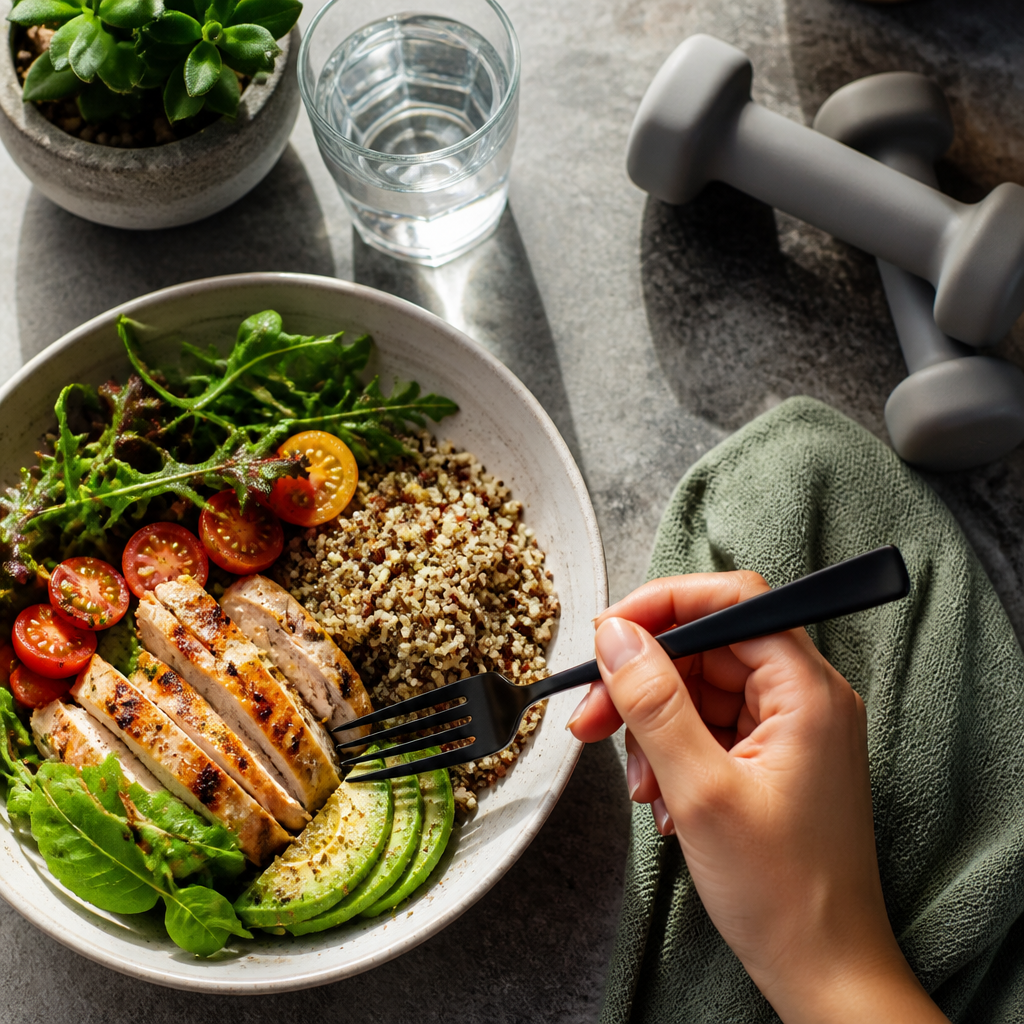 How to Control Your Weight With Calorie Tracking
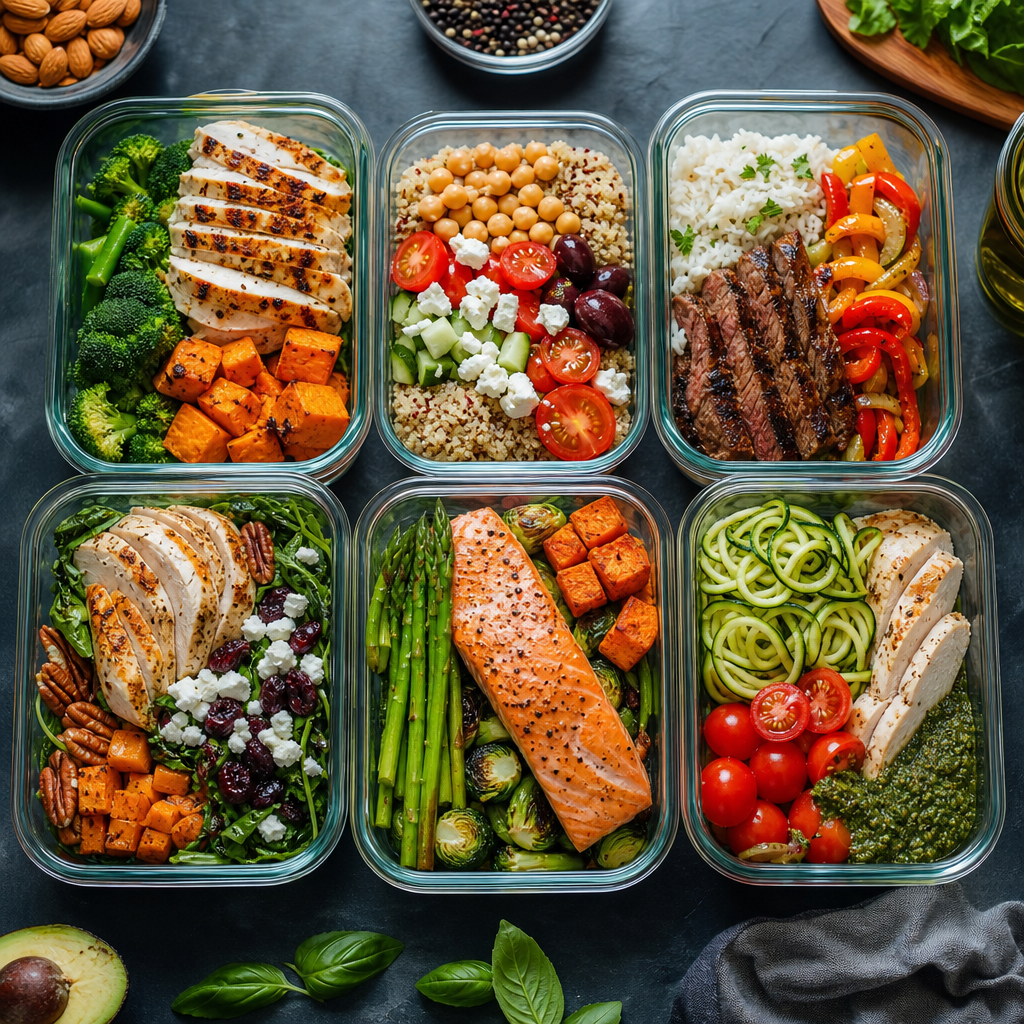 How to Build a Macro-Based Meal Plan: Your Ultimate Guide to Meal Prepping
 How to Track Macros Automatically: A Tech-Savvy Guide
 Macro Tracking for Beginners: Your Ultimate Guide to Nutritional Success
 How Many Calories Are in an Orange?
 Which Vegetables Keep You Full the Longest?
 How Many Calories Are in a Cucumber? Unveiling the Secrets of This Superfood
 How Many Calories Are in a Banana?
 The Healthiest Vegetables for Weight Loss: Your Ultimate Guide
 The Best Vegetables for Dinner: Nourishing Your Body While Losing Weight
 How Many Calories Are in Broccoli? An In-Depth Look
 How Many Calories Are in a Potato? Unpacking the Nutritional Value
 How to Estimate Calorie Counts Visually: A Guide for Impromptu Dieters
 Как считать калории в ресторане: Практическое руководство
 Формула Харриса-Бенедикта простыми словами
 Главные ошибки подсчета калорий
 Как считать калории без весов: Практическое руководство для диетчиков
 Почему вес не уходит при дефиците калорий: ключевые причины и решения