Why Your Weight Stopped Changing: Understanding Weight Maintenance Issues

Experiencing a weight loss plateau can be frustrating and discouraging. You've been working hard, perhaps tracking your calories, hitting the gym, or sticking to a diet, yet the scale just won't budge. Understanding the factors behind weight maintenance issues can help you identify why your weight has stopped changing and guide you back on the path to your goals.
What Is a Weight Plateau?
A weight plateau is a period during which your body weight remains stable despite efforts to lose weight. This phenomenon can happen to anyone on a weight loss journey, regardless of diet or fitness regimen. Scientific research indicates that these plateaus often occur after losing 5-10% of your initial body weight, as your body adapts to your new lifestyle and chemical changes take place.
Common Reasons for Weight Plateaus
Metabolic Adaptation: As you lose weight, your basal metabolic rate (BMR) may decrease. A lower BMR means your body is burning fewer calories at rest, making it more challenging to continue losing weight. This natural adaptation can slow progress significantly.
Increased Caloric Intake: It's easy to underestimate the number of calories you consume. As time goes on, you might inadvertently begin to eat more, whether through larger portions or snacking more often. Keeping a food diary can help you stay mindful of your intake and make adjustments if necessary.
Muscle Gain: If you’ve been strength training during your weight loss journey, you may be gaining muscle while losing fat. Muscle weighs more than fat, meaning the scale may not reflect changes in your body composition. Measuring your progress through different metrics, like body measurements or how your clothes fit, can provide a more holistic view of your progress.
Changes in Activity Level: With time and routine, your body might become more efficient at exercise, resulting in fewer calories burned. To combat this, try switching up your routine or increasing your intensity with interval training or different types of physical activities.
Stress and Sleep: High stress levels and lack of sleep can lead to hormonal changes that affect appetite and metabolism. Cortisol, the stress hormone, can promote fat storage and hunger. Implementing stress-reduction techniques such as yoga, meditation, or adequate sleep can improve your weight-loss efforts.
Overcoming Weight Loss Plateaus
To get past a weight loss plateau, consider the following strategies:
- Reassess Your Caloric Needs: As your weight decreases, your caloric needs change. Use a calorie calculator to adjust your daily goals based on your new weight.
- Revamp Your Exercise Routine: Incorporate different types of workouts to engage various muscle groups and keep your body guessing. Mixing cardio with strength training can enhance fat loss and prevent adaptation.
- Practice Mindful Eating: Slow down and savor your meals. Paying attention to portion sizes and hunger cues can prevent overeating.
- Prioritize Recovery: Implementing rest days in your workout schedule allows your body to recover and can enhance performance, leading to better results.
Conclusion
Understanding weight maintenance issues is key to overcoming weight loss plateaus. By reassessing your diet and exercise regimen, as well as considering external factors like stress and sleep, you can tackle the underlying causes of stagnation in your weight loss journey. Remember, consistency is vital, and sometimes all it takes is a little tweak to get back on track.
Want to take control of your nutrition even more? Try our app to upload photos of your meals. Our AI analyzes your food, determining the calories and macronutrients (protein, fat, carbohydrates) you consume, making it easier for you to monitor your diet. Start conquering those plateaus today!
Share this article
Cal AI
Track meals faster with Cal AI
Scan food, estimate calories, and keep your nutrition log moving without typing every ingredient.
Author
Cal AI Editorial Team
Practical guides on nutrition, calorie tracking, meal planning, and building healthier habits with Cal AI.
Editorial policyRelated articles
 Do You Have to Pay for Cal AI? Understanding the Payment StructureDiscover whether Cal AI requires a payment and the features associated with its cost. Explore options that cater to diverse nutrition needs.
 Signs of Dehydration You Should KnowLearn to recognize the key signs of dehydration to maintain optimal health and prevent hunger-related issues.
 Cal AI Review: Your Ultimate Nutrition TrackerDiscover how Cal AI revolutionizes calorie counting and meal tracking with its advanced features. Our comprehensive review covers usability, effectiveness, and more.
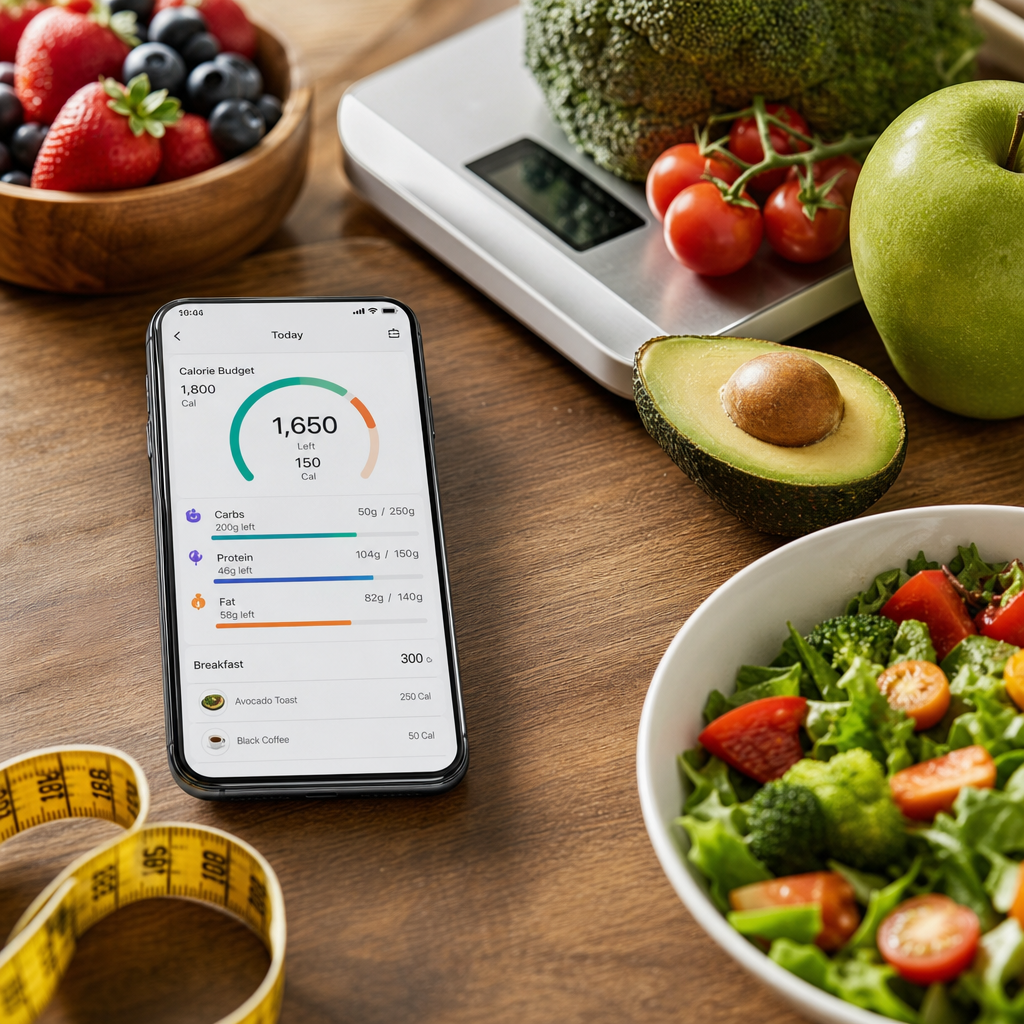 What Is a Smart Calorie Tracker?Explore the world of smart calorie trackers, options available, and how they can enhance your nutrition tracking and wellness journey.
 Best Apps for Counting Calories From PhotosDiscover the top apps that help you easily count calories from pictures of your food. Support your health goals with technology that fits your lifestyle.
 What Are Macros? A Beginner's Guide to Understanding MacronutrientsDive into the world of macronutrients. Learn about carbs, proteins, and fats and how they contribute to a balanced diet.
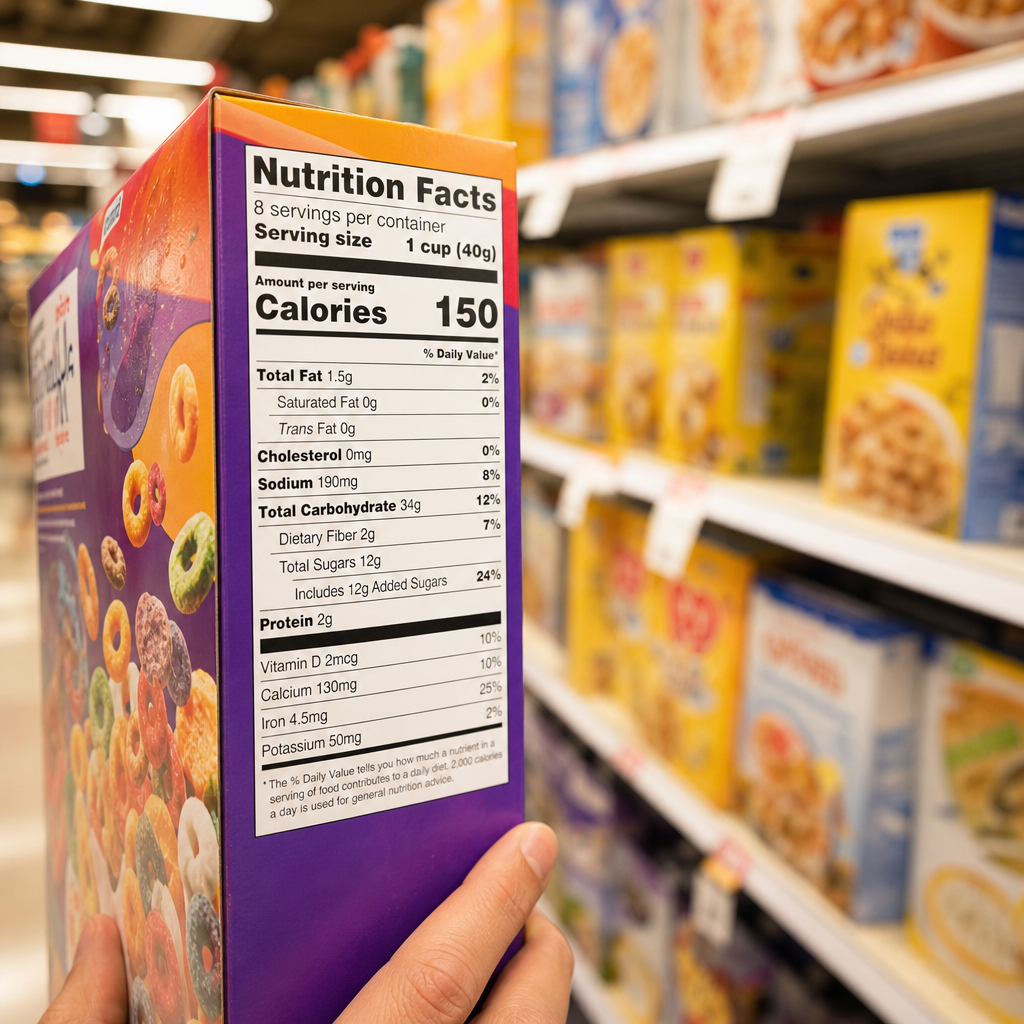 How to Read Food Labels: Your Ultimate Guide to Making Informed ChoicesLearn how to effectively read food labels to make informed dietary choices and enhance your health with our comprehensive guide.
 How to Cook Meals for the Entire Week: A Comprehensive GuideStreamline your cooking process with these effective tips and strategies for preparing meals for the entire week.
 Mastering Meal Prep for Effective Calorie TrackingDiscover how meal prep can streamline your calorie tracking journey while delivering delicious, nutritious meals.
 How to Choose Healthier Foods Using LabelsUnlock the secrets of food labels with effective strategies to make healthier food choices and improve your nutrition.
 How AI Food Recognition Works: Transforming Food Photos into Actionable InsightsExplore the mechanics of AI food recognition and how it turns food images into nutritional data for better health management.
 How Does Cal AI Work? A Breakdown of Functionality and TechnologyDiscover the technology and functionality behind Cal AI, the innovative app that helps track your nutrition goals effortlessly.
 How AI Recognizes Food: The Technology Behind the MagicDiscover the intricate processes that allow AI to recognize food items in images, from deep learning models to real-world applications.
 Unlocking Your Weight Loss Journey with AI Calorie TrackersDiscover how AI calorie trackers can significantly aid your weight loss journey through personalized insights and real-time analysis.
 How AI Automatically Tracks Calories: A Game Changer for Busy LifestylesDiscover how AI-driven technologies simplify calorie tracking, making healthy eating easier for busy individuals.
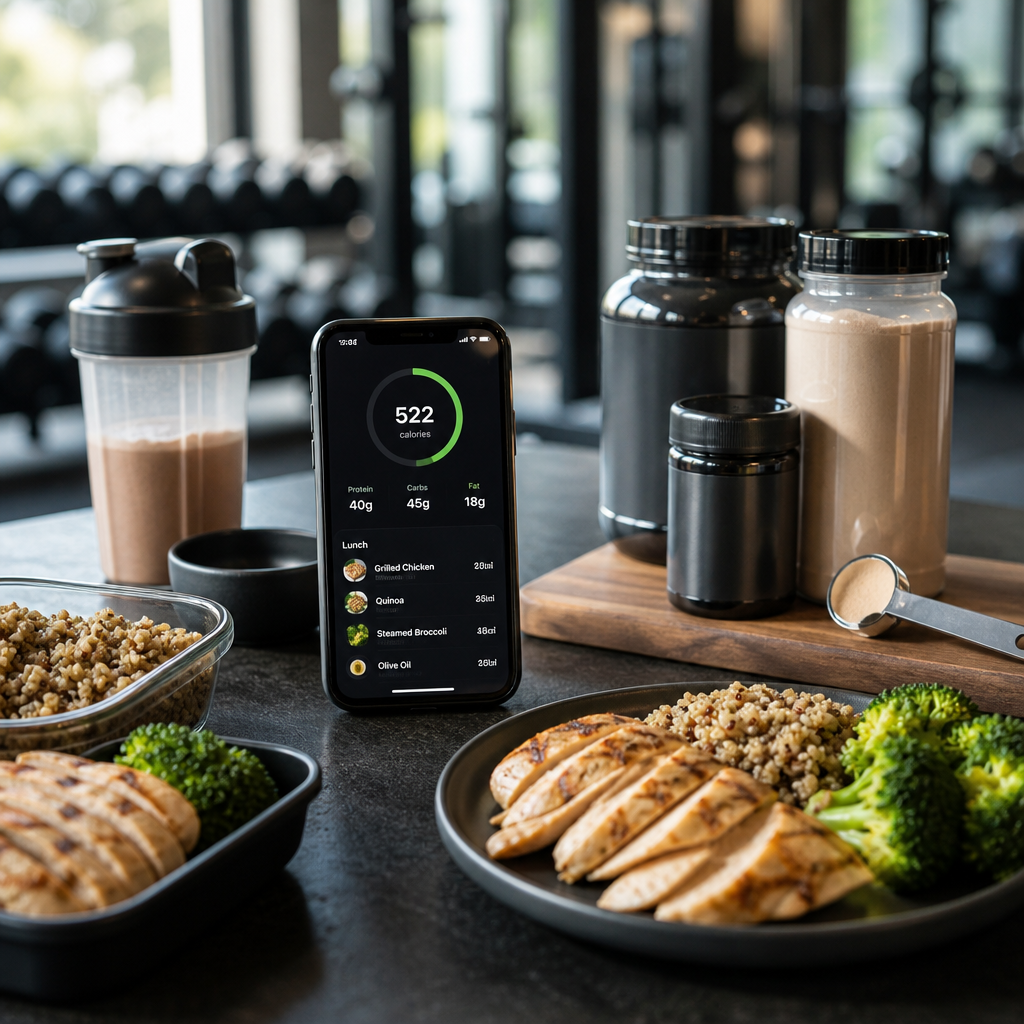 AI Calorie Tracker for Muscle Gain: Maximizing Your Gains with PrecisionDiscover how AI calorie trackers can revolutionize your muscle gain journey by ensuring accurate caloric surplus tracking.
 Best AI Nutrition Apps: Transform Your Dietary HabitsExplore the top AI-powered nutrition apps designed to enhance your dietary choices, making it easier than ever to achieve your health goals.
 How to Count Calories From a Food Photo: A Step-by-Step GuideDiscover how to accurately count calories using food photos with modern mobile apps and technology for your dieting journey. Learn more now!
 Can You Lose Weight With an AI Calorie Tracker?Explore how AI calorie trackers can enhance your weight loss journey by providing precise data, personalized insights, and meal tracking features.
 Utilizing an AI Food Scanner for Effective Weight LossExplore how an AI food scanner can revolutionize your weight loss journey by efficiently tracking caloric intake and nutritional content.
 How AI Calculates Protein, Fat, and CarbsDive into how AI calculates nutrition by analyzing food images to assess macronutrient distribution for better meal planning and nutritional insights.
 The Ultimate Weekly Meal Prep Guide for Busy Professionals and FamiliesTransform your weekly meal prep with this comprehensive guide. Save time, eat healthier, and enjoy delicious prepared meals all week long.
 How Many Calories Are in Ice Cream?Discover the calories in various ice cream flavors and explore healthier alternatives that satisfy your sweet tooth without sacrificing your diet.
 Can Dehydration Cause Hunger? Understanding the ConnectionDehydration may mimic feelings of hunger, leading to unhealthy eating habits. Learn how hydration impacts appetite and how to maintain optimal nutrition.
 Food Photos to Calories: How It WorksDiscover how innovative technology translates your food photos into accurate calorie estimates, making healthy eating easier and more effective.
 Common Food Label Reading Mistakes to Avoid for Better Dietary ChoicesLearn how to decode food labels with confidence by avoiding these common mistakes. Make healthier choices with the right information.
 Batch Cooking for Weight Loss: A Smart Strategy to Manage PortionsDiscover how batch cooking can streamline your meal prep, help manage portions, and support your weight loss journey effectively.
 How Accurate Is AI Food Analysis?Explore the precision of AI in food analysis and its implications for nutritionists, researchers, and data enthusiasts in understanding caloric and nutritional content.
 Real Stories: Cal AI User Reviews and ExperiencesDive into authentic Cal AI user reviews showcasing personal journeys in nutrition tracking and health management.
 How Many Calories Are in a Carrot? A Deep Dive into NutritionDiscover the calorie content of carrots, their health benefits, and creative serving suggestions for a nutritious diet.