Hydration and Appetite Cues: Understanding Your Body's Signals
Updated Sep 29, 20263 min read16 views

Hydration is often overlooked when it comes to appetite regulation and overall health. Many people associate thirst with drinking water, but the signals our bodies send can be much more complex. In this article, we'll explore the connection between hydration and appetite cues, and how you can use this knowledge to improve your eating habits.
When we think about appetite, we usually focus on factors like hunger hormones, cravings, and the types of food we surround ourselves with. However, the body’s hydration status plays a crucial role in influencing our appetite. Some studies suggest that even mild dehydration can lead to increased feelings of hunger or food cravings.
How Hydration Affects Appetite Signals
The hypothalamus, the area of the brain responsible for regulating hunger and thirst, gets confused between hunger and thirst signals. Often, when you're dehydrated, this confusion can result in feelings of hunger when your body actually needs water. This phenomenon can lead to unnecessary snacking and overeating.
Research indicates that drinking water before meals can help control appetite. In one study, participants who consumed approximately 500ml of water prior to their meals reduced their caloric intake by about 13% compared to those who did not drink water. This simple act not only fills your stomach but can also temporarily suppress hunger, allowing you to better manage portion sizes.
Tips to Stay Hydrated and Control Your Appetite
Start Your Day with Water: Make it a habit to drink a glass of water first thing in the morning. It helps kickstart your metabolism and can curb appetite as you begin your day.
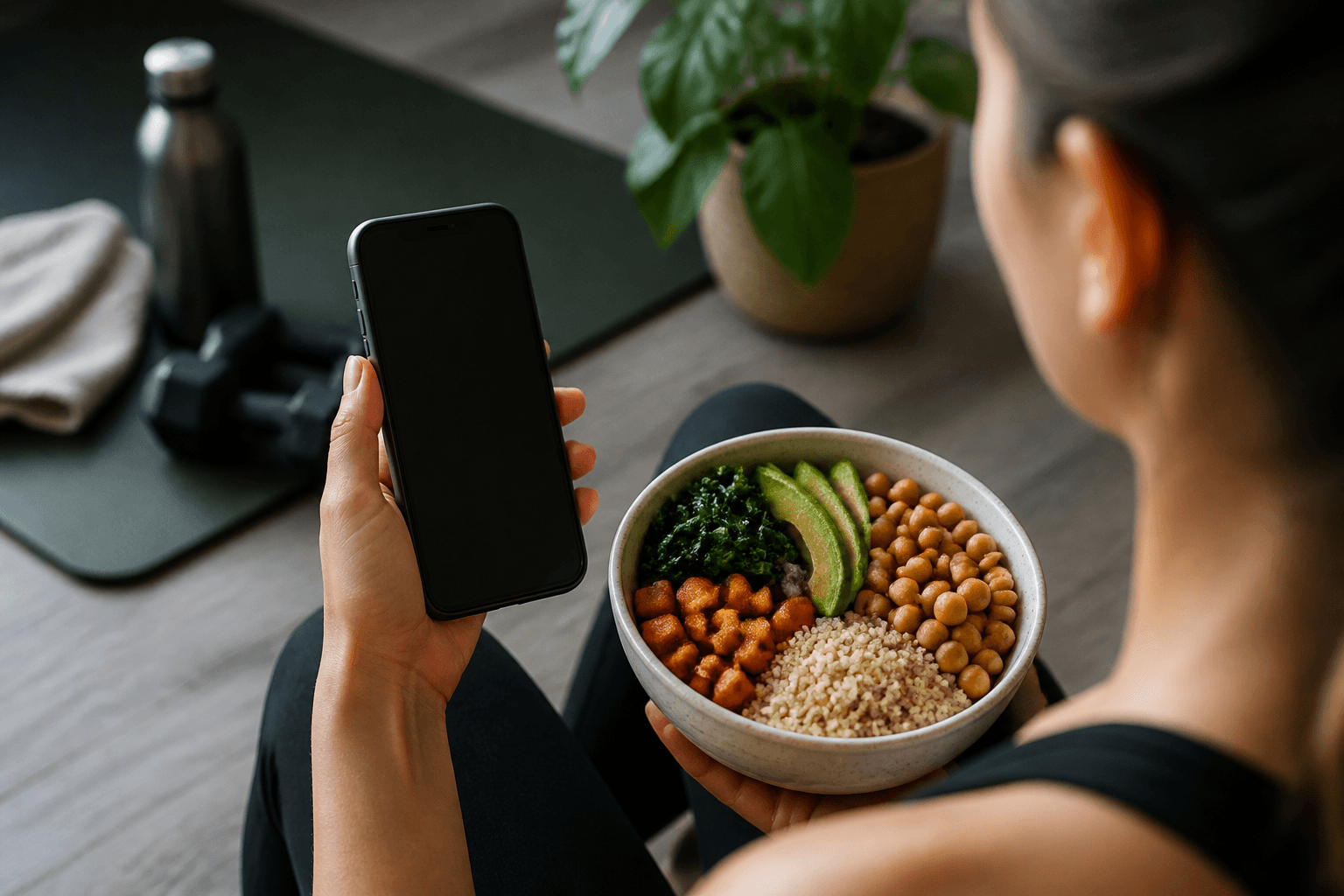
Use a Water Tracker: Use apps or reminders to track your daily water intake. Knowing how much you've consumed can motivate you to stay hydrated throughout the day.
Flavor Your Water: If plain water feels boring, consider infusing it with fruits like lemon, cucumber, or berries. This can make drinking water more enjoyable and encourage you to sip throughout the day.
Listen to Your Body: Pay attention to your body’s cues. Instead of immediately reaching for food when you feel hungry, drink a glass of water first. After 20 minutes, reassess your hunger level; you may find the craving has subsided.
Hydrating Foods: Incorporate hydrating fruits and vegetables into your meals. Foods like watermelon, cucumbers, and oranges not only add nutrients but also contribute to your overall fluid intake.
Conclusion
Staying hydrated is essential for maintaining a healthy appetite. By understanding the interconnection between hydration and hunger, you can take proactive steps to manage your eating habits effectively.
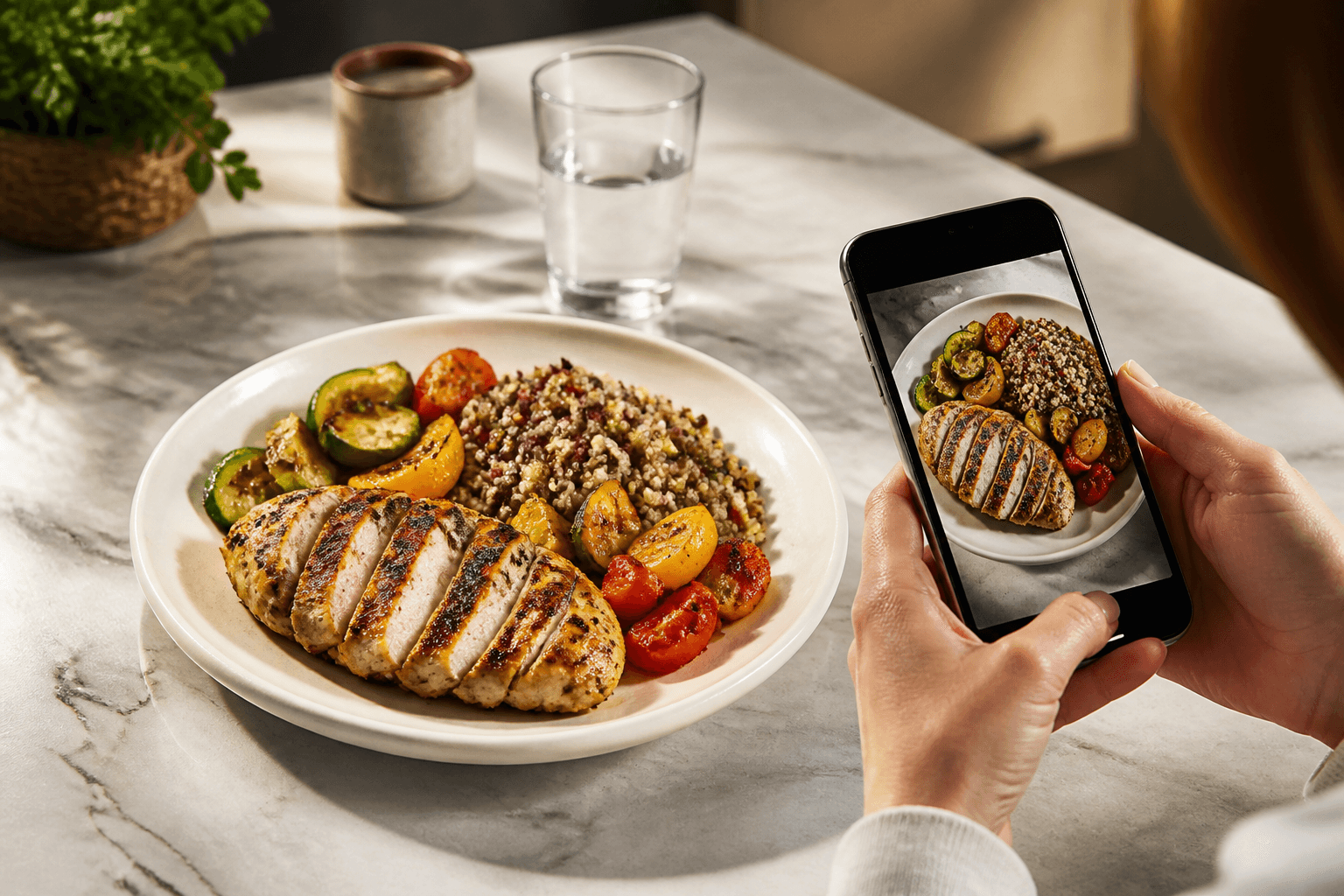
To further enhance your health journey, consider using technology to support your efforts. With our app, you can easily upload photos of your meals and let AI analyze the calorie content and macronutrient breakdown. This way, you can keep track of your hydration and nutrition seamlessly.
Incorporate these hydration strategies into your everyday life, and watch how they influence your appetite and overall well-being!
Cal AI Editorial Team
Practical guides on nutrition, calorie tracking, meal planning, and building healthier habits with Cal AI.
Editorial policyRelated articles
- Cal AI
The scan got the dish wrong: how to fix grams and calories in Cal AI in 20 seconds
Fix a wrong Cal AI scan by choosing the closest recognition variant, correcting grams, and editing calories when the portion still looks off.
Oct 26, 20266 min read
- french fries
Calories in French Fries: Small, Medium and Large Portions
French fries are 312 kcal per 100 g, and a standard 117 g serving is 365 kcal. Use grams, not size names, when the portion looks unclear.
Oct 23, 20266 min read
- Cal AI
How to Cancel Cal AI Subscription on iPhone and Android
Cancel Cal AI through Apple or Google Play, not inside the app. Follow the exact menu paths and see what cancellation means for history and scans.
Oct 20, 20265 min read1 views
- chicken breast
Calories in Chicken Breast: 100 g, One Breast, Grilled vs Fried
Chicken breast has 165 kcal per 100 g cooked. See one-breast calories, grilled and fried adjustments, and how to log it accurately.
Oct 17, 20266 min read1 views
- rice
White Rice vs Brown Rice: Calories, Protein, and Which to Pick
Brown rice is slightly lower in calories than white rice, but the gap is small. Compare cooked portions, macros, and which one fits your goal at meals.
Oct 14, 20266 min read2 views
- calorie calculator
How many calories do you need a day? Mifflin-St Jeor with worked examples
Use Mifflin-St Jeor to estimate daily calories from weight, height, age, and activity, with worked examples and portion checks.
Oct 11, 20268 min read