How to Count Calories Correctly to Lose Weight

Counting calories is a fundamental practice for anyone looking to lose weight. Although it may seem daunting at first, mastering this skill can make a significant difference in achieving your weight loss goals. In this guide, we’ll explore practical steps for counting calories effectively, understanding macronutrients, and how to make this process enjoyable.
Understand Your Caloric Needs
Before you start counting calories, you need to know how many calories your body requires to maintain its current weight. This number can vary significantly based on several factors, including age, gender, weight, height, and activity level. To get started, you can use a Total Daily Energy Expenditure (TDEE) calculator available online. This tool estimates your caloric needs based on the information you provide.
Once you have this number, subtract 500 to 1000 calories per day to create a calorie deficit that will allow you to lose 1-2 pounds a week, a safe and sustainable rate of weight loss.
Utilize a Calorie Counting Method
There are multiple ways to count calories successfully, including:
- Apps: Applications like MyFitnessPal, Lose It!, or Cronometer can simplify the process by allowing you to scan barcodes or search for food items in their databases.
- Food Diaries: Manual tracking involves keeping a notebook where you write down everything you eat, including portion sizes. While time-consuming, this method can enhance mindfulness around food choices.
- Visual Estimation: If you prefer a more relaxed approach, learn to estimate portions visually, using references like a fist for vegetables or the size of a palm for protein.
Understand Macronutrients: Protein, Carbs, and Fats
While tracking total calories is essential, understanding macronutrients—protein, fats, and carbohydrates—is equally important. A balanced diet consisting of 25-30% protein, 45-65% carbs, and 20-35% fats can help you maintain energy and lose weight effectively. Here’s a quick breakdown of each:
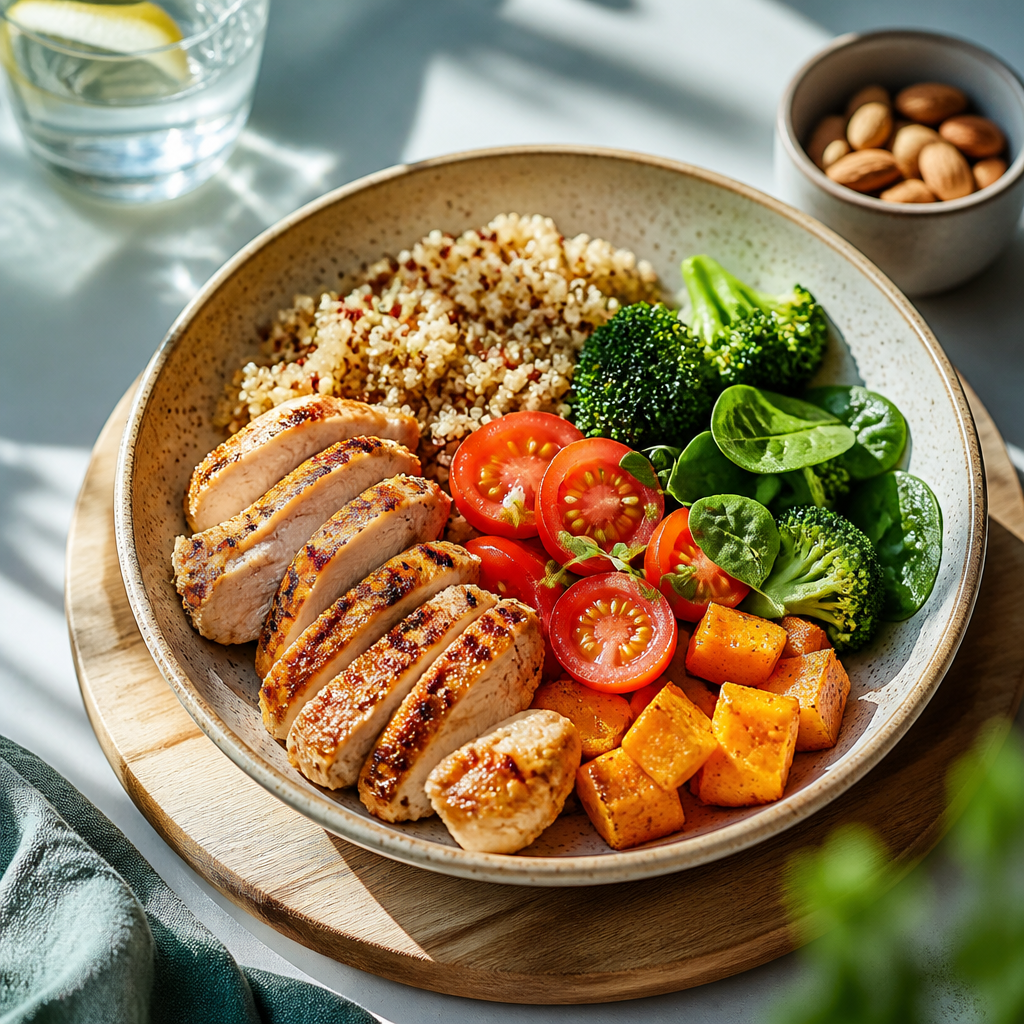
- Protein: Supports muscle building and repair. Aim for foods like chicken breast, fish, beans, and legumes.
- Carbohydrates: Your body’s primary energy source. Opt for whole grains, fruits, and vegetables.
- Fats: Necessary for hormonal balance and nutrient absorption. Choose healthy fats from avocados, nuts, and olive oil.
Understanding these macronutrient ratios can help you build satisfying meals that keep you full while supporting weight loss.
Track Consistently for Accuracy
Stay consistent with your tracking to get an accurate picture of your daily intake. A common mistake is underestimating portion sizes or forgetting to log snacks. Consider using a kitchen scale to weigh food portions to ensure accuracy. Over time, you’ll develop a better understanding of what serving sizes look like.
Make It Enjoyable
Counting calories doesn’t have to feel like a chore. Choose foods you enjoy and try experimenting with new recipes. Plan your meals ahead and include healthy snacks to avoid feelings of deprivation.
FAQs
1. How do I deal with dining out? When eating out, look up menu items in advance if possible or choose simpler dishes with lesser ingredients to estimate calories more easily.
2. Is it necessary to count calories forever? Not necessarily. While counting can provide you with valuable insights and habits, the ultimate goal is to develop a healthy relationship with food and intuitive eating skills.
Conclusion
Counting calories to lose weight requires some upfront effort, but it can become a valuable tool in your weight loss journey. Stay consistent, make it fun, and remember that progress takes time. Ready to take your calorie counting to the next level? Try our app where you can upload a photo of your meal for instant calorie and macronutrient analysis. Together, let’s make your weight loss journey a successful one!
Cal AI
Track meals faster with Cal AI
Scan food, estimate calories, and keep your nutrition log moving without typing every ingredient.
Get the appAuthor
Cal AI Editorial Team
Practical guides on nutrition, calorie tracking, meal planning, and building healthier habits with Cal AI.
Related articles
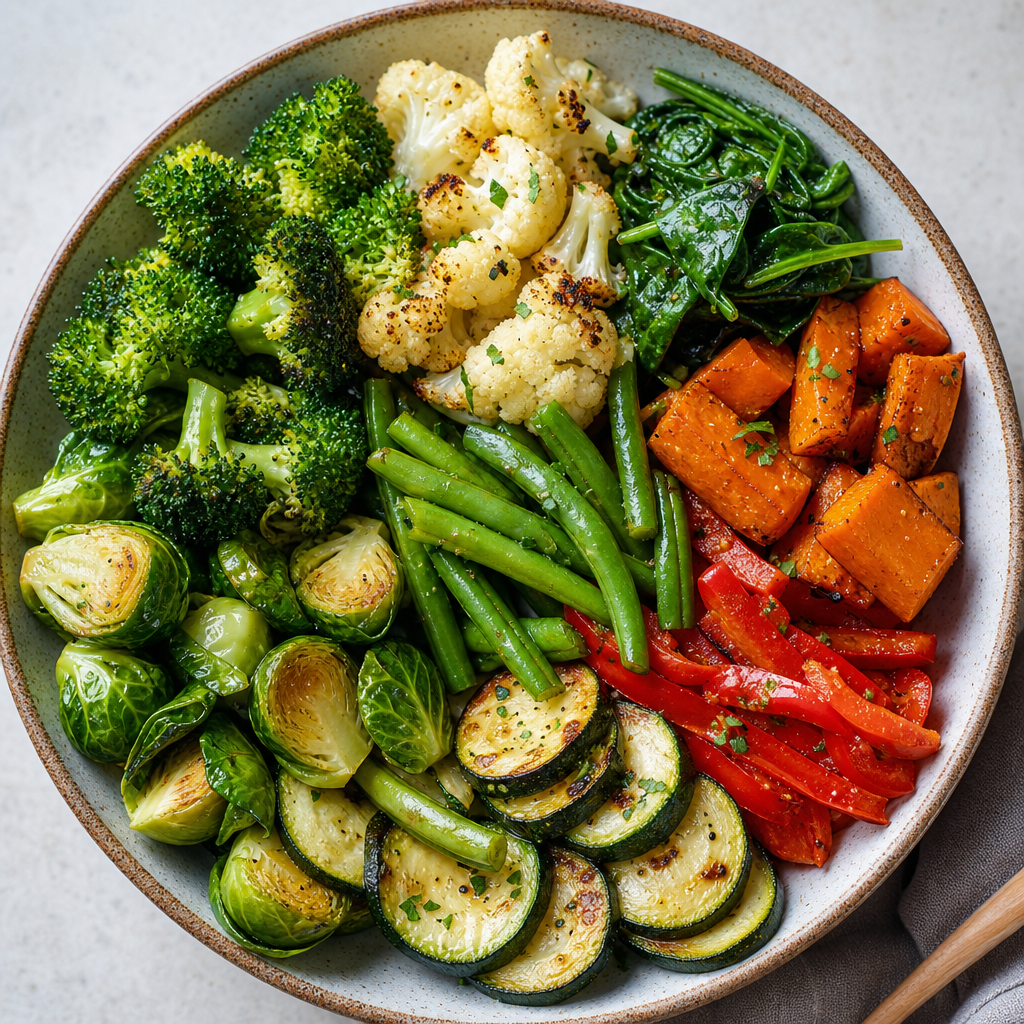 The Most Filling Vegetables for Weight Loss
 Discover the Vegetables With the Fewest Calories: Your Guide to Guilt-Free Eating
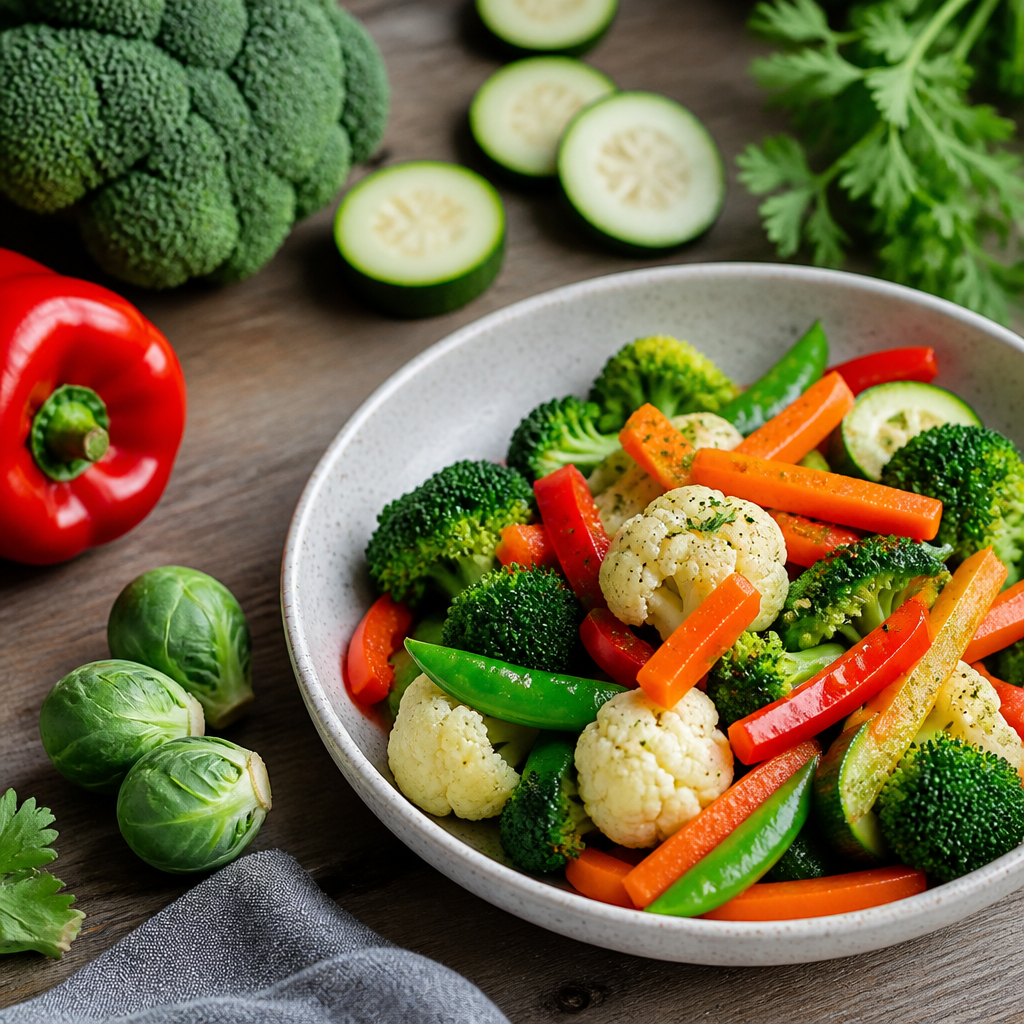 The Best Vegetables for a Calorie Deficit
 Why Strict Diets Don't Work: Understanding the Pitfalls of Extreme Restrictions
 The Best Weight Management Strategies: Proven Tactics for Success
 How to Keep a Weight Journal: Tips for Accountability and Progress Tracking
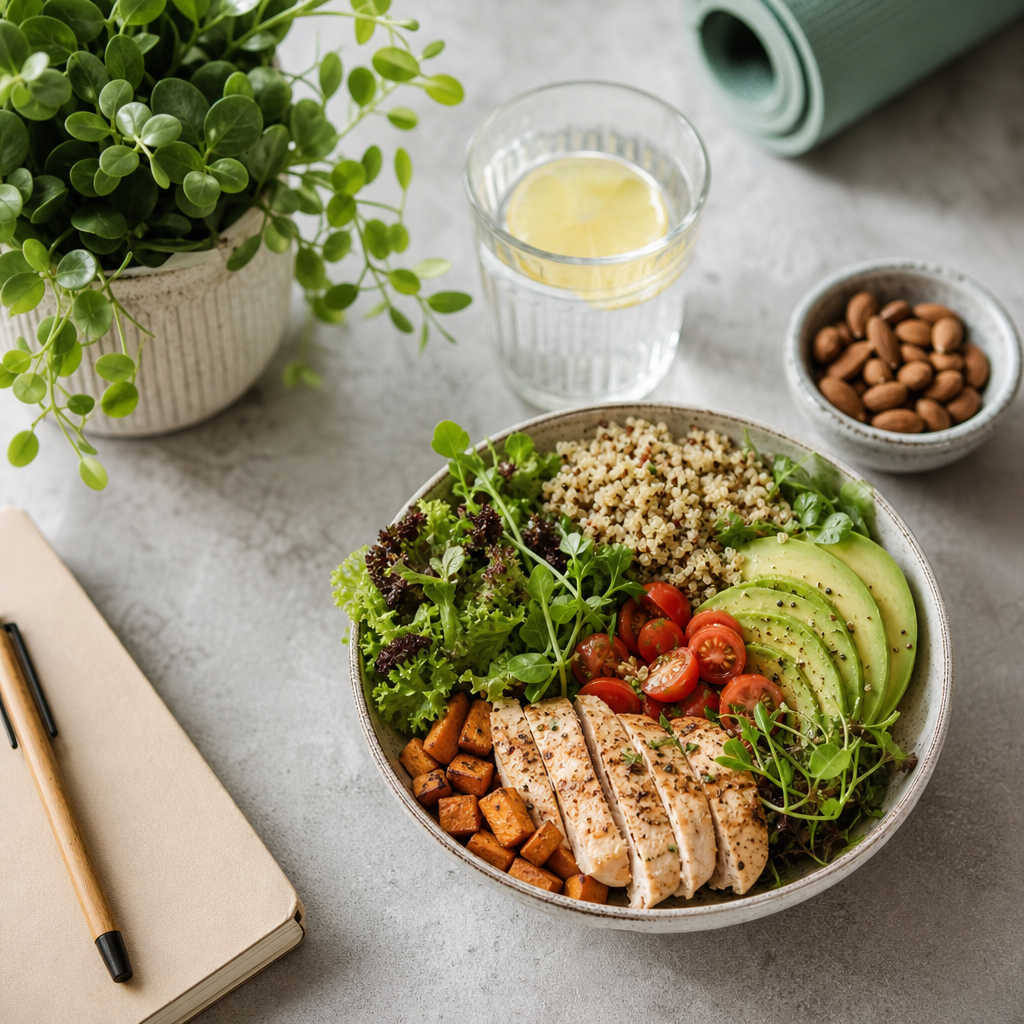 How to Lose Weight Without Stress: Embrace a Balanced Approach
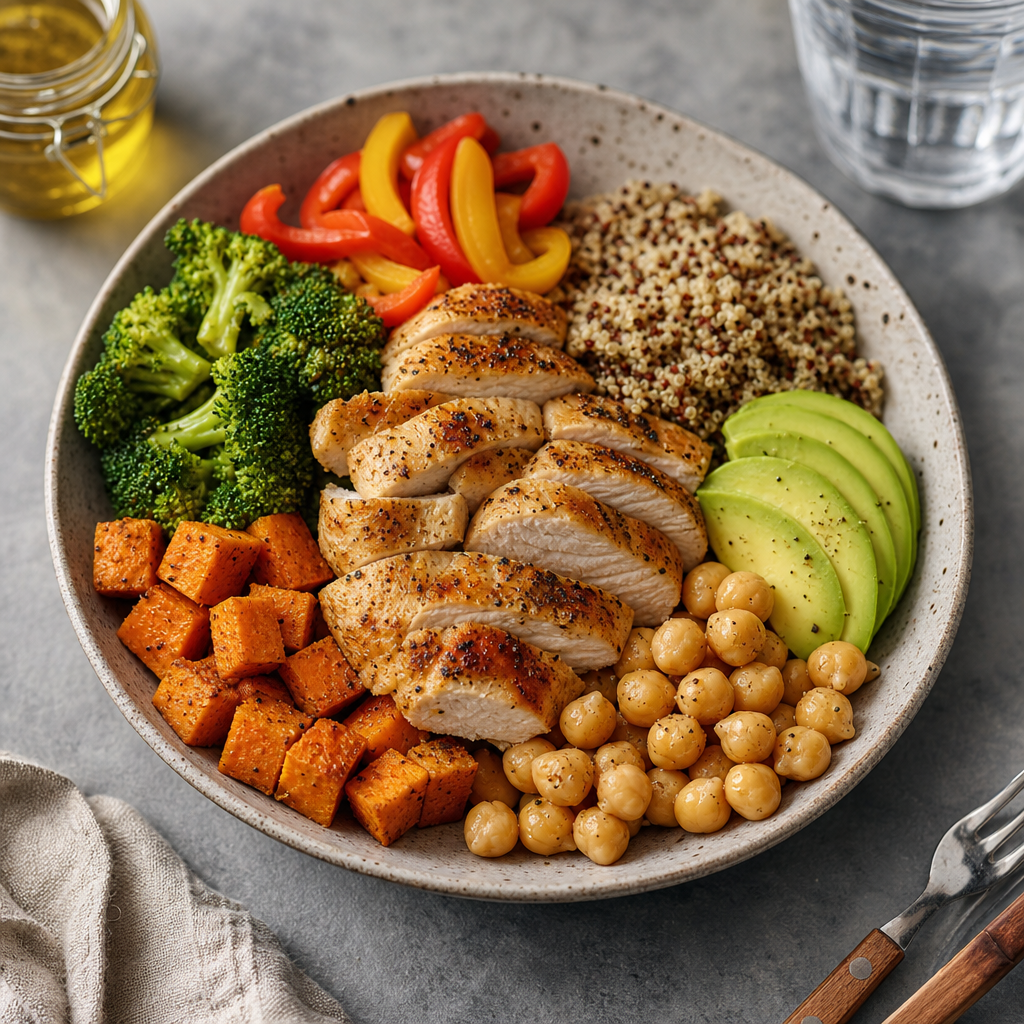 Common Macro Tracking Mistakes: Avoid These Pitfalls for Better Results
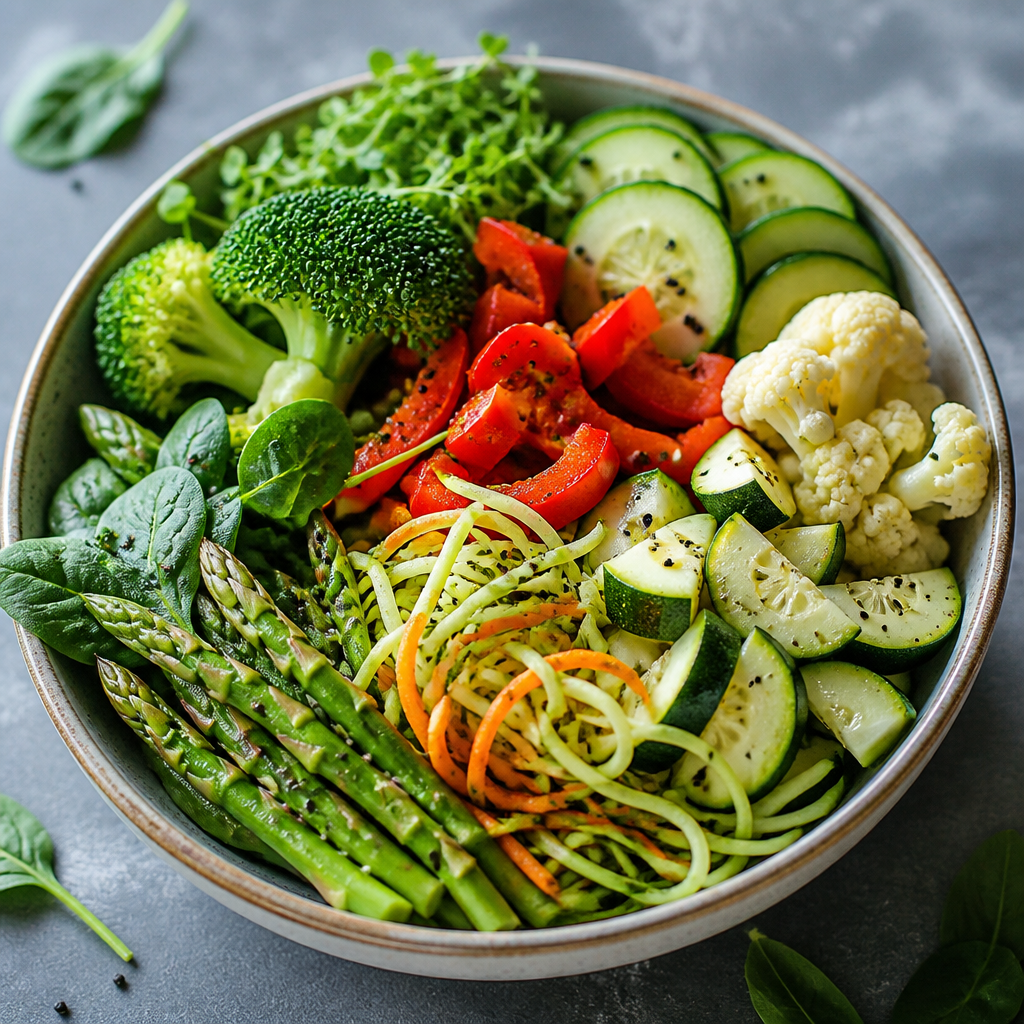 The Best Low-Calorie, Low-Carb Vegetables for Your Healthy Diet
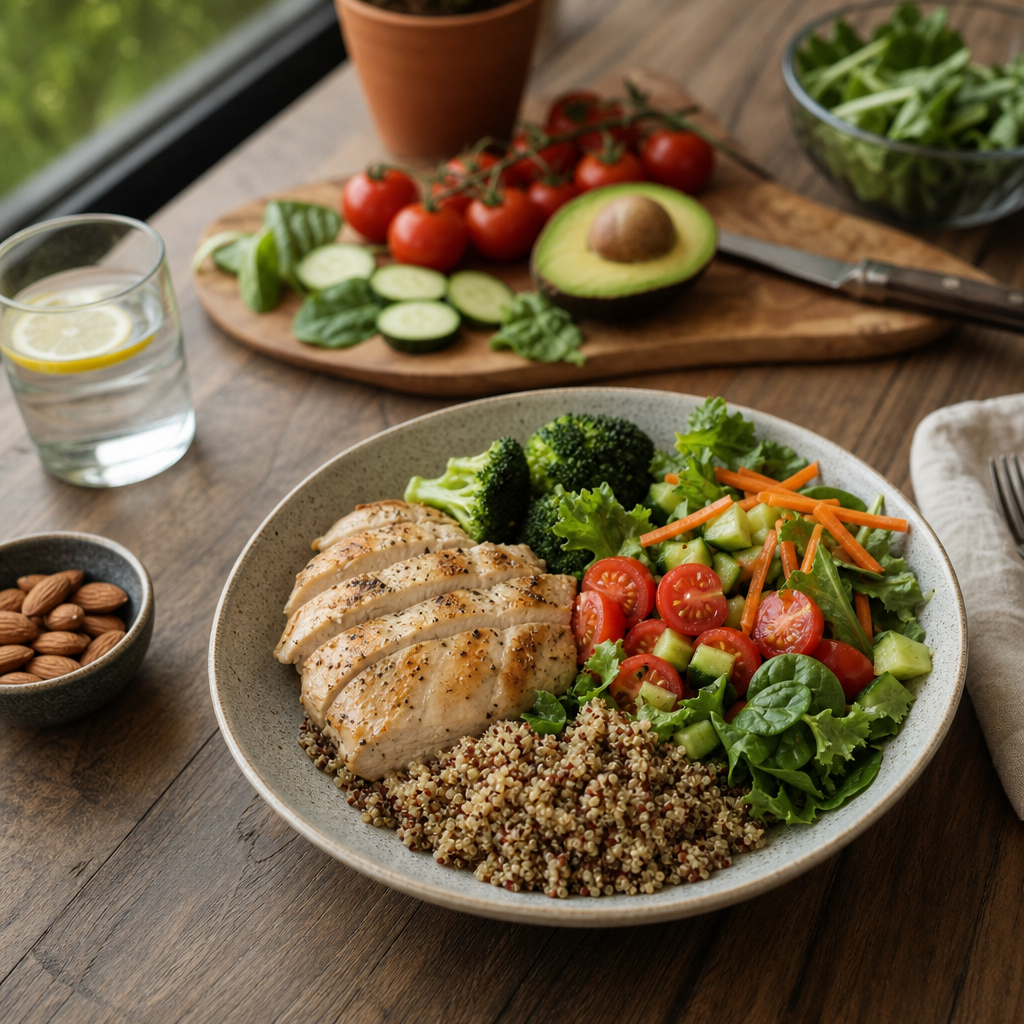 Sustainable Weight Loss Explained: Your Guide to Long-Term Success
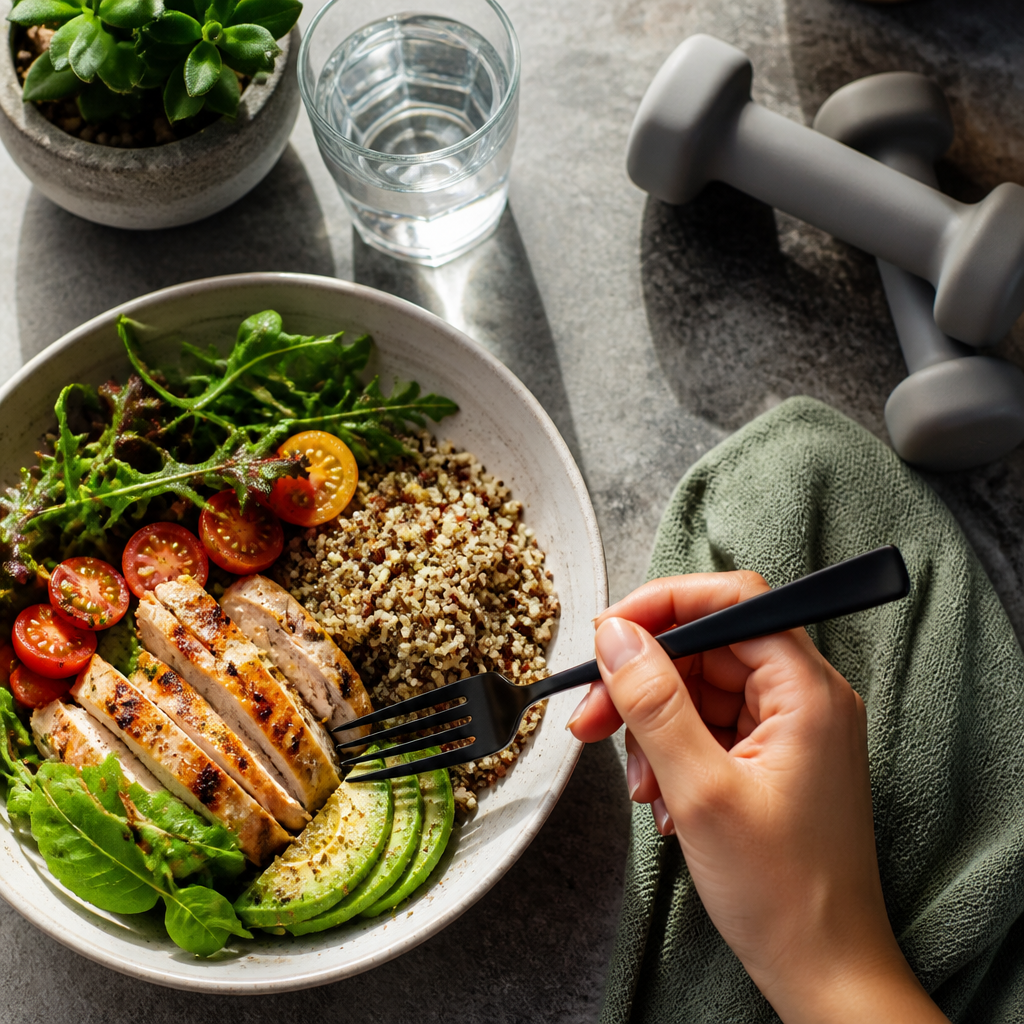 How to Control Your Weight With Calorie Tracking
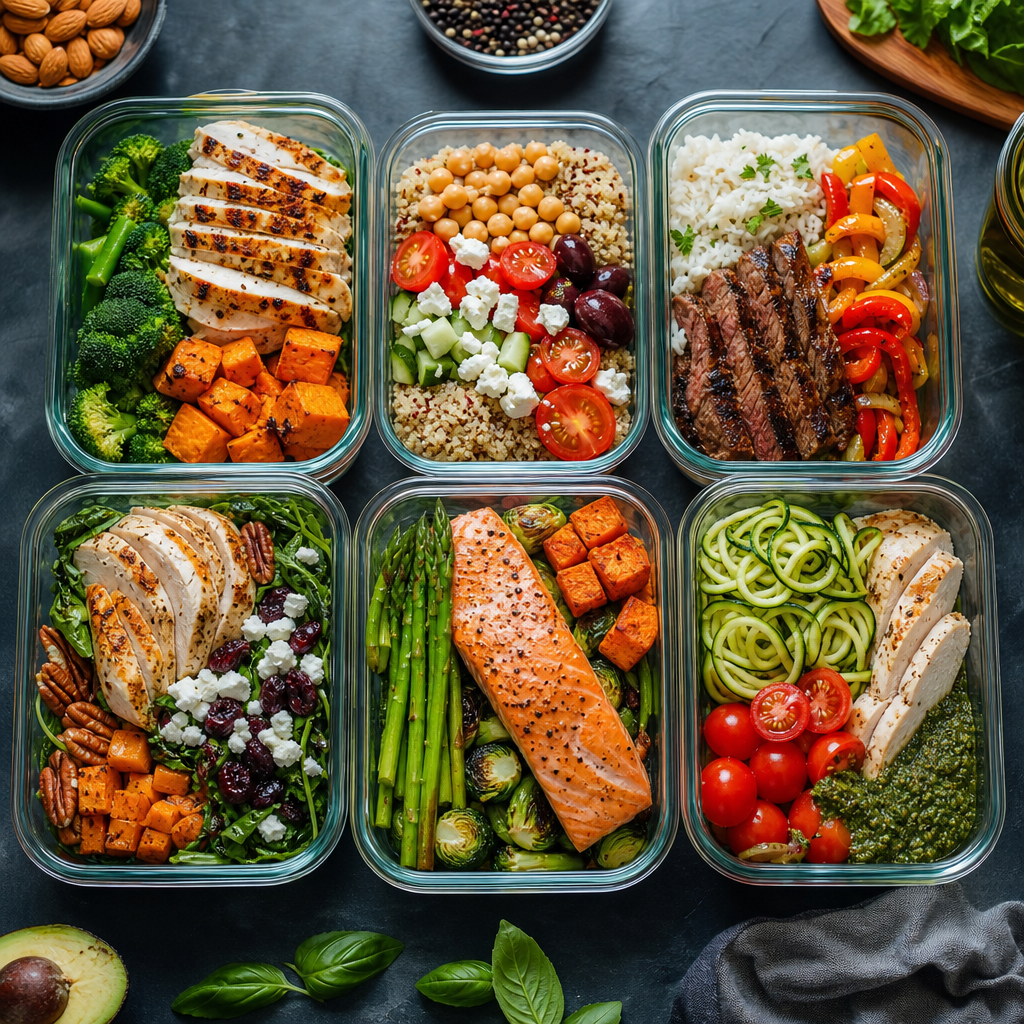 How to Build a Macro-Based Meal Plan: Your Ultimate Guide to Meal Prepping
 How to Track Macros Automatically: A Tech-Savvy Guide
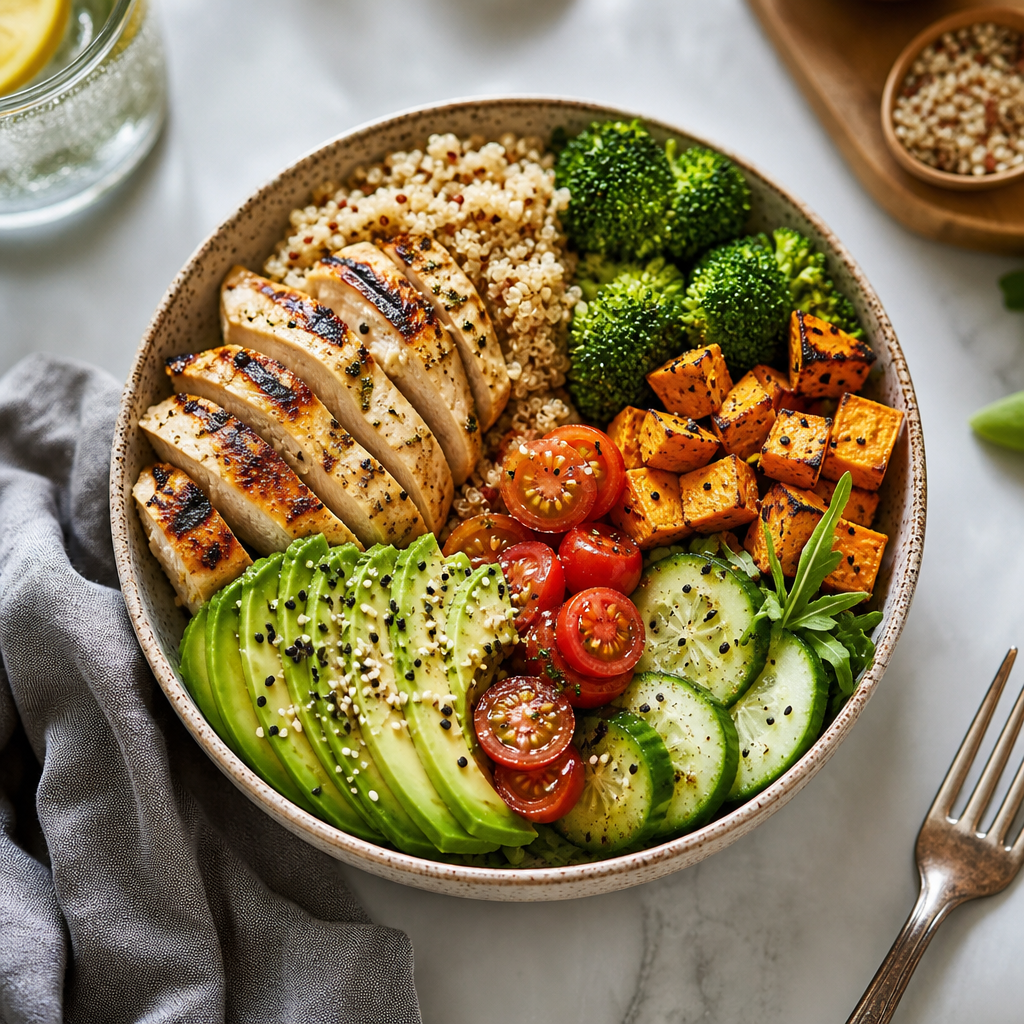 Macro Tracking for Beginners: Your Ultimate Guide to Nutritional Success
 How Many Calories Are in an Orange?
 Which Vegetables Keep You Full the Longest?
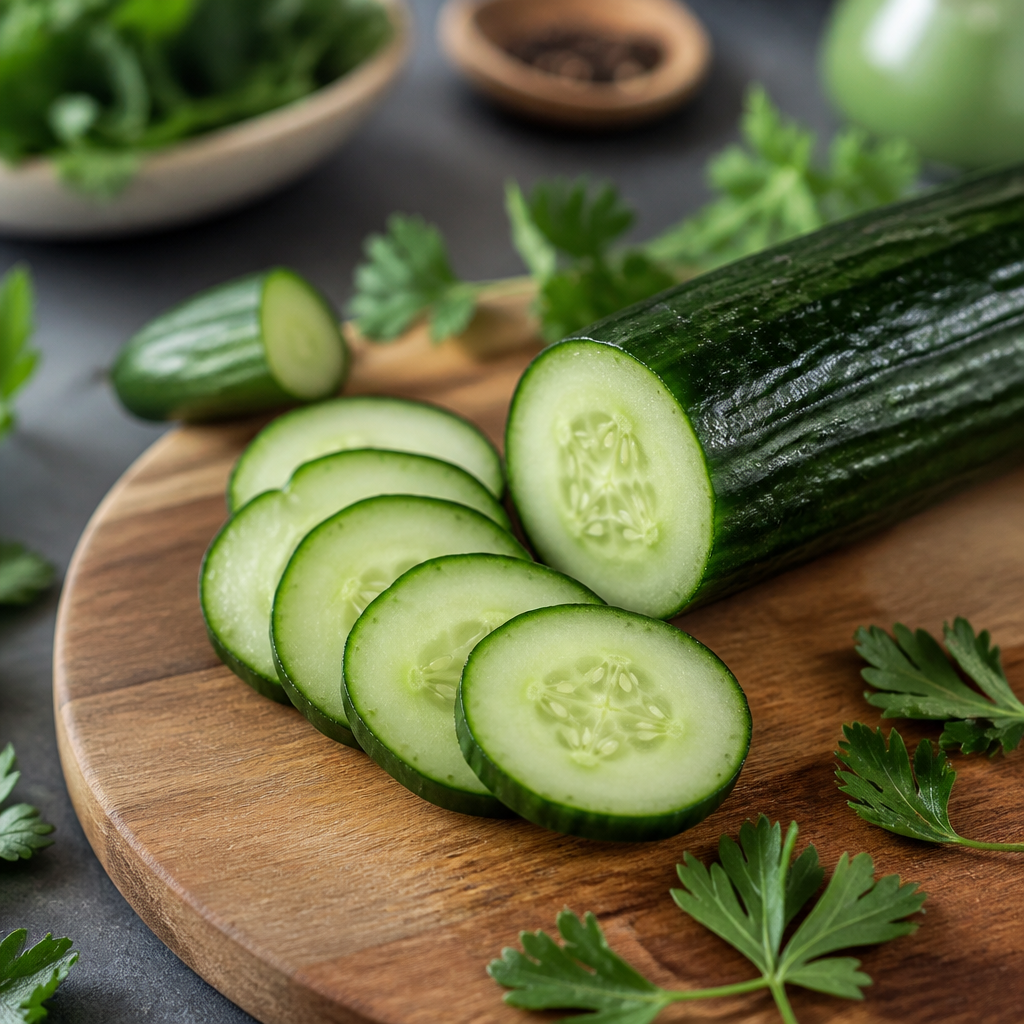 How Many Calories Are in a Cucumber? Unveiling the Secrets of This Superfood
 How Many Calories Are in a Banana?
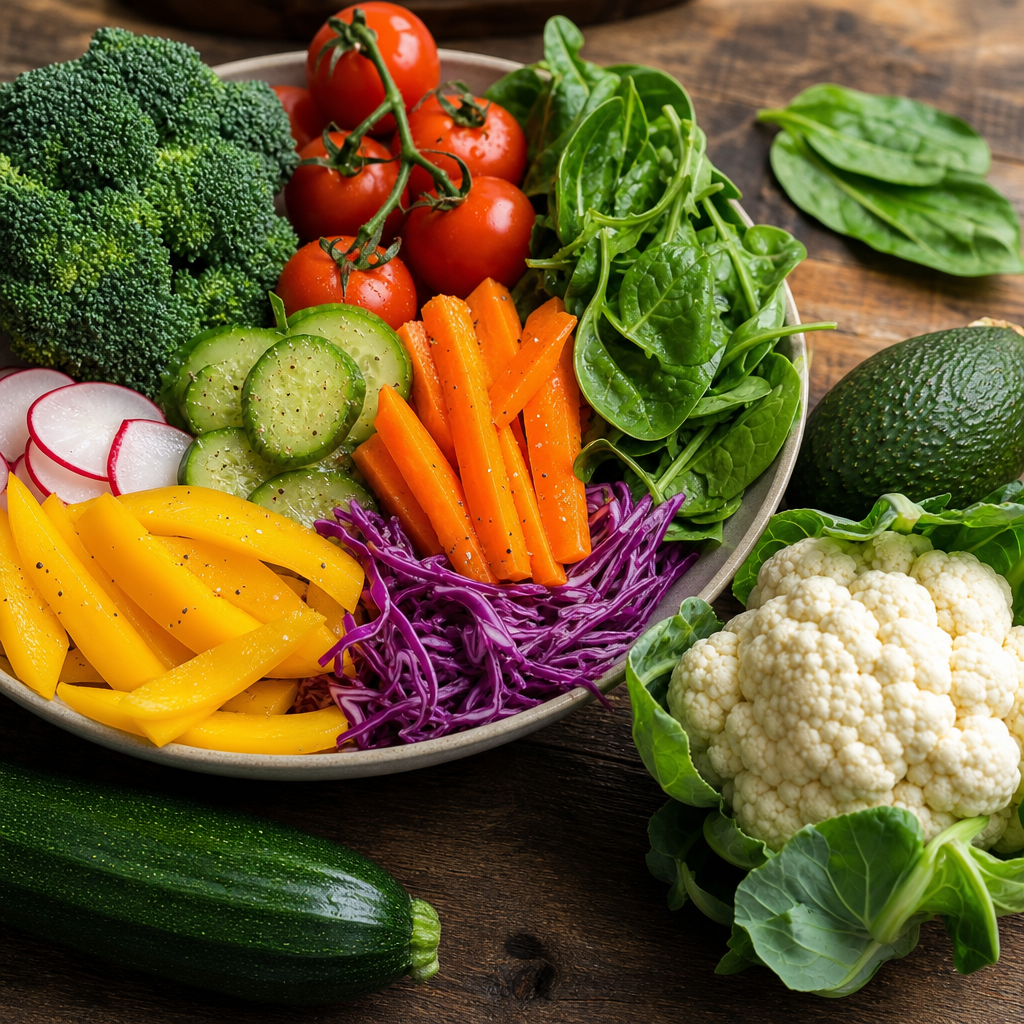 The Healthiest Vegetables for Weight Loss: Your Ultimate Guide
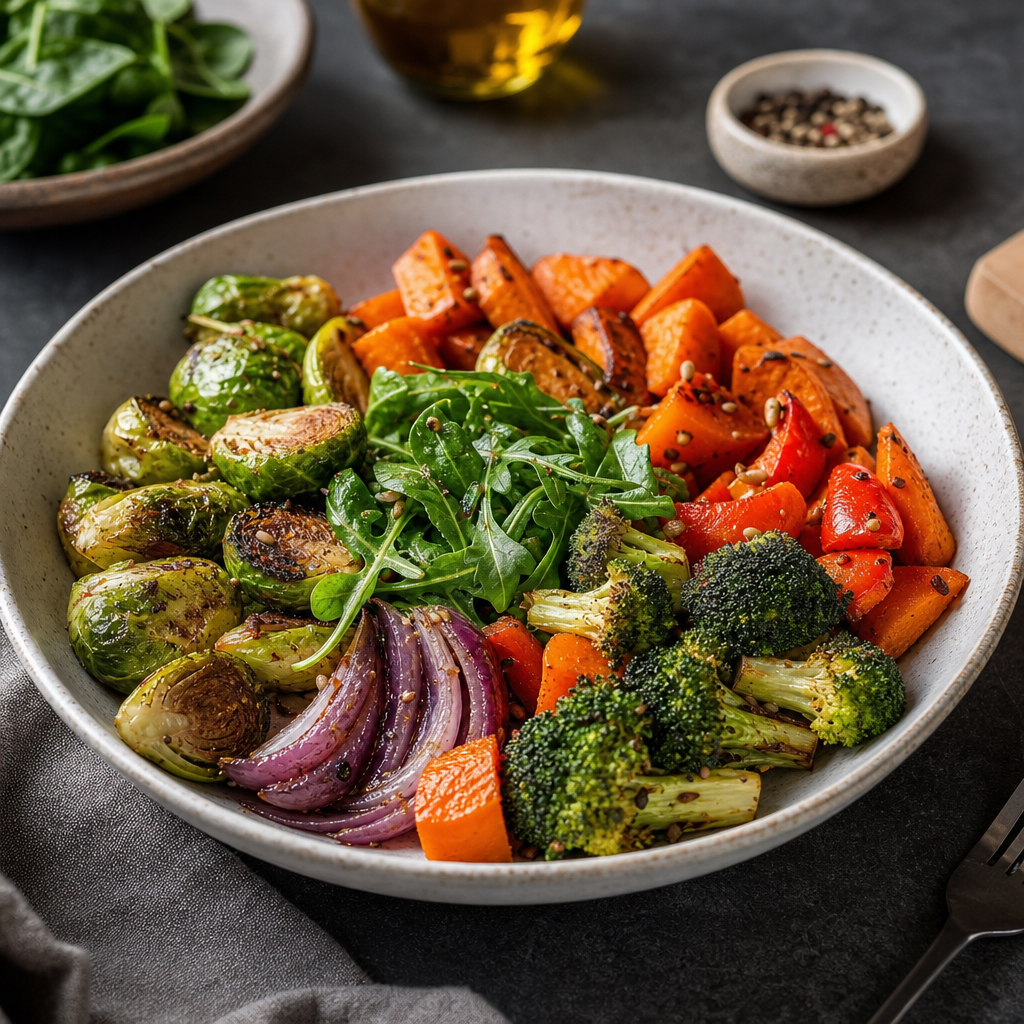 The Best Vegetables for Dinner: Nourishing Your Body While Losing Weight
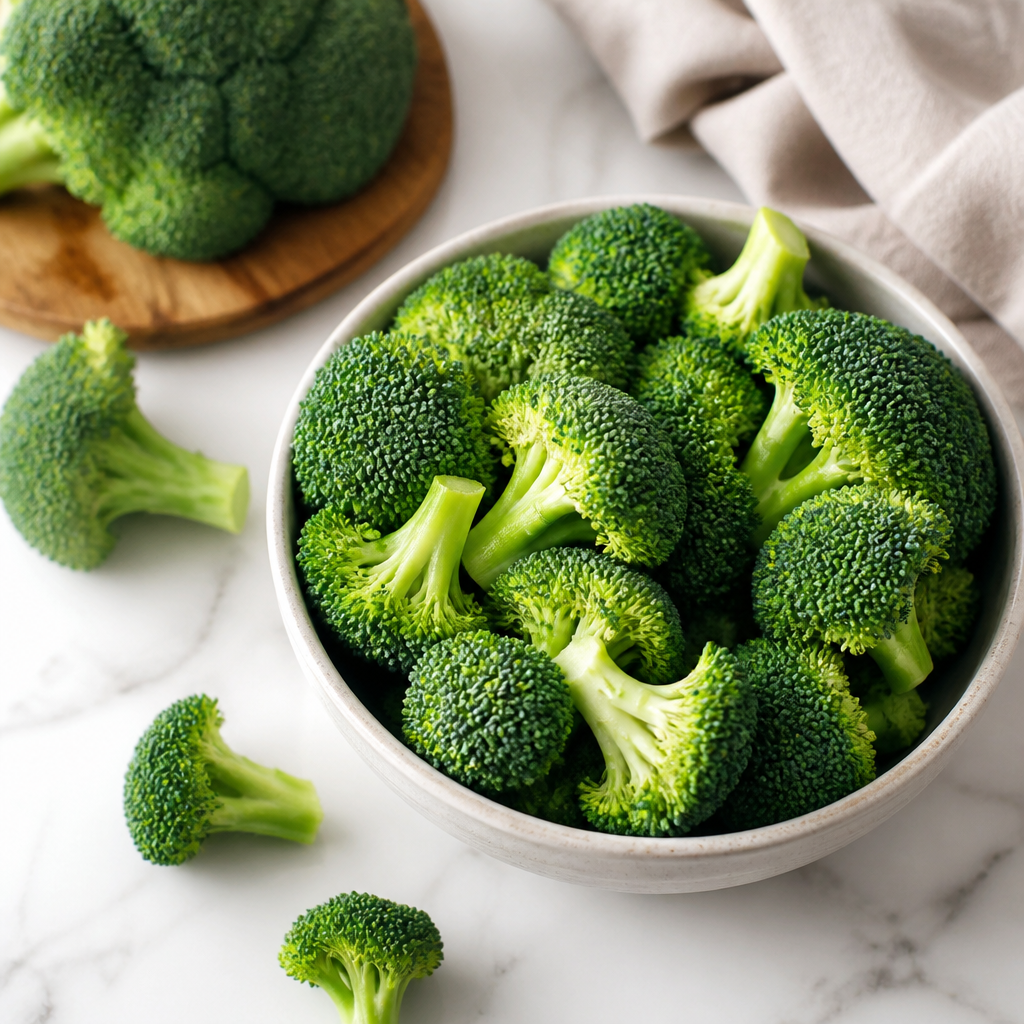 How Many Calories Are in Broccoli? An In-Depth Look
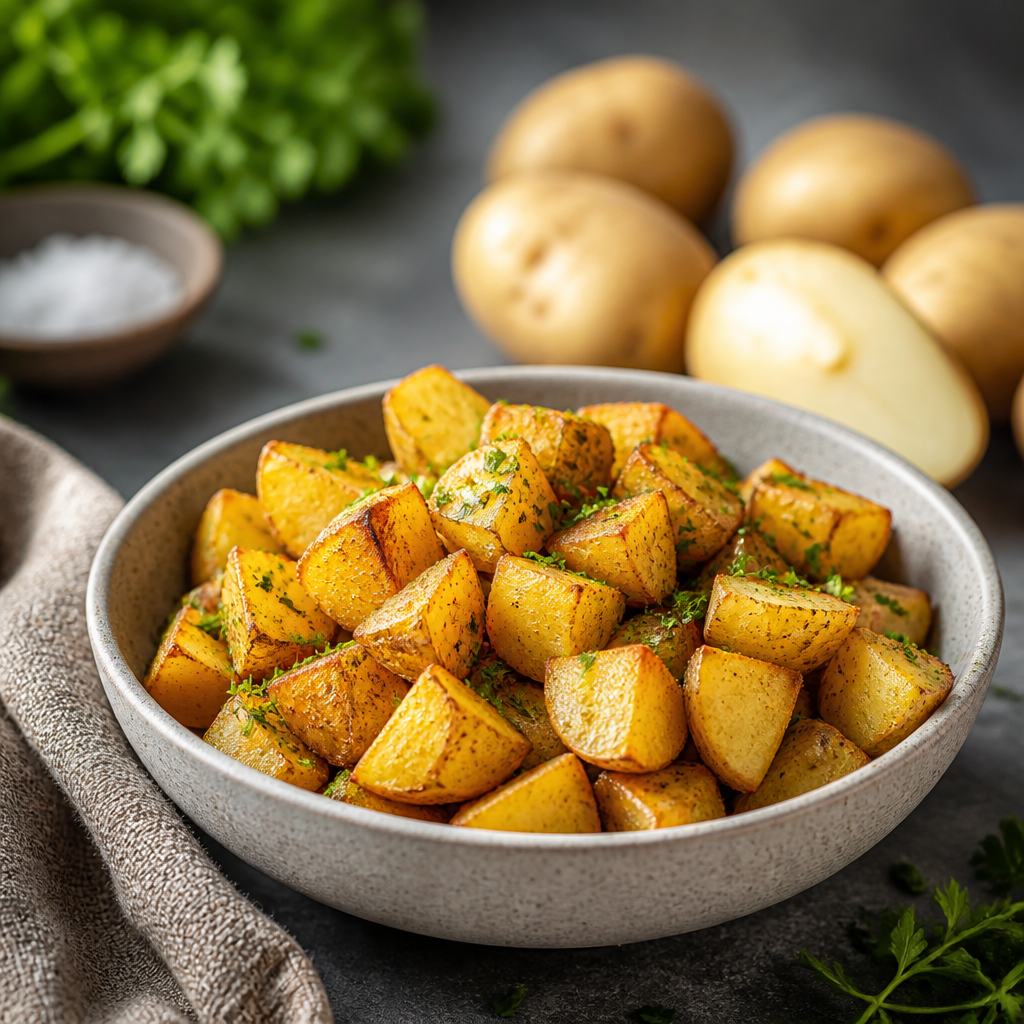 How Many Calories Are in a Potato? Unpacking the Nutritional Value
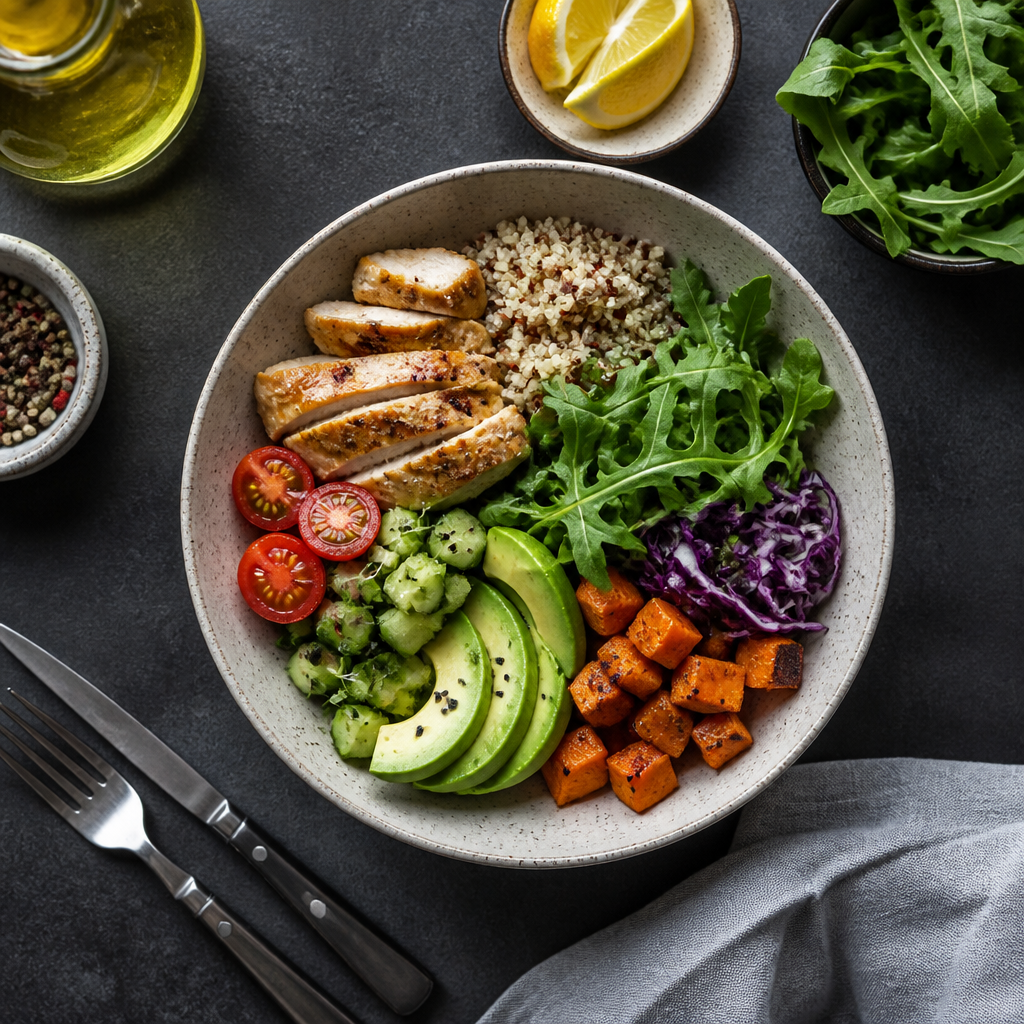 How to Estimate Calorie Counts Visually: A Guide for Impromptu Dieters
 Как считать калории в ресторане: Практическое руководство
 Формула Харриса-Бенедикта простыми словами
 Главные ошибки подсчета калорий
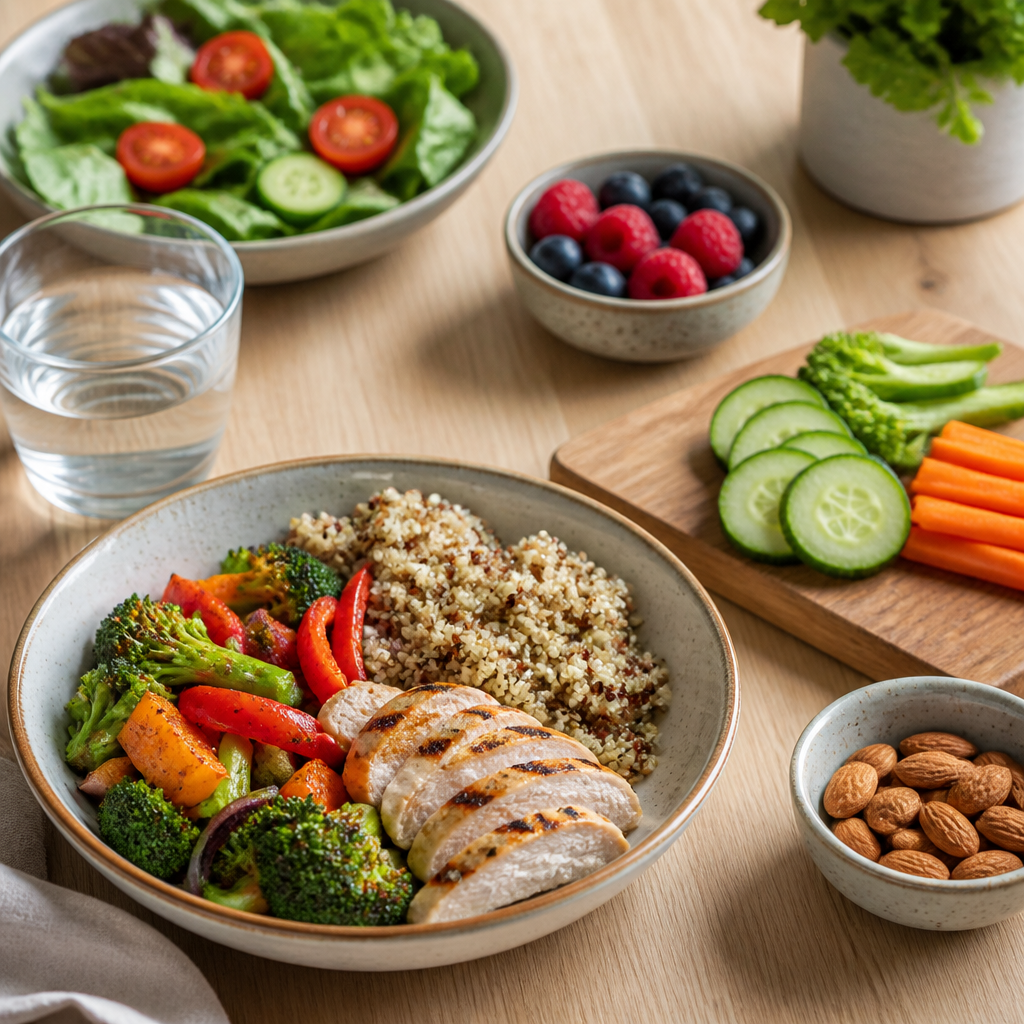 Как считать калории без весов: Практическое руководство для диетчиков
 Почему вес не уходит при дефиците калорий: ключевые причины и решения
 Сколько калорий нужно есть в день: Определяем ваши потребности в ежедневном потреблении калорий
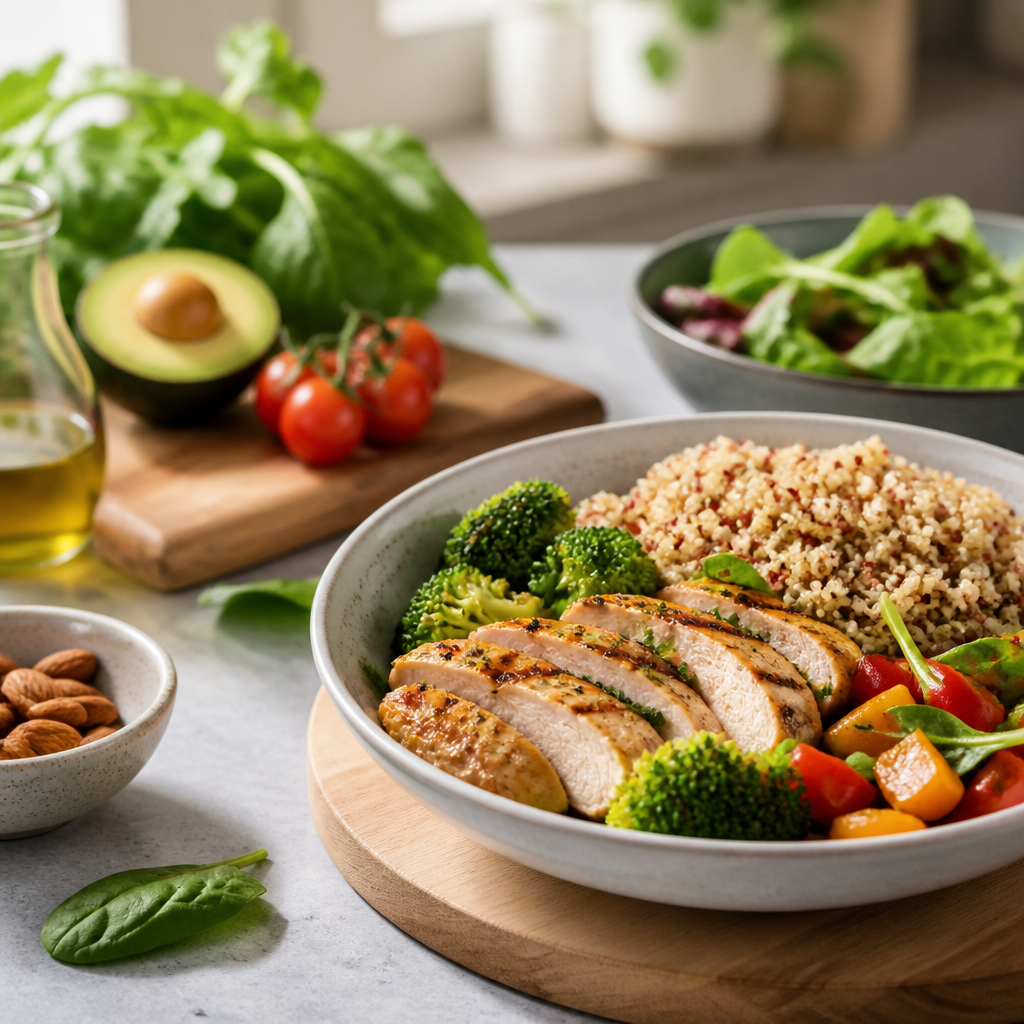 Формула подсчета калорий: Ключ к успешному управлению весом