Calorie Counting for Weight Loss: The Ultimate Guide
Updated Sep 22, 20263 min read10 views
Calorie counting has become a popular method for individuals aiming to lose weight effectively. While it may sound tedious at first, understanding how to track your caloric intake brings many benefits. In this comprehensive guide, we will explore everything you need to know about counting calories for weight loss, including its advantages, practical tips, and common pitfalls to avoid.
What Is Calorie Counting?
Calorie counting involves tracking the number of calories you consume daily to manage your weight. A calorie is a unit of energy, and for weight loss, you need to consume fewer calories than your body expends. The basic concept is rooted in the law of thermodynamics: when you consume fewer calories than you burn, your body will begin to use stored energy (fat) for fuel.
Why Count Calories?
- Awareness: Tracking your intake increases your awareness of portion sizes and calorie-rich foods.
- Customization: You can adjust your diet according to your specific weight loss goals.
- Motivation: Seeing your progress can motivate you to stay committed.
- Accountability: Keeping a food diary can hold you accountable for your eating habits.
Getting Started: Tools You’ll Need
To effectively count calories, you’ll need some tools:
- Food Diary or App: Consider using apps like MyFitnessPal or Lose It! to easily log your meals and snacks.
- Digital Scale: Weighing your food can give you a more accurate understanding of portion sizes.
- Calorie Reference Guides: These can help you quickly find the caloric content of various foods.
How to Calculate Your Daily Caloric Needs
- Determine Your Basal Metabolic Rate (BMR): This is the number of calories your body needs at rest. You can calculate it using formulas like the Mifflin-St Jeor equation.
- Factor in Activity Level: Multiply your BMR by an activity factor (sedentary, lightly active, moderately active, very active) to estimate your Total Daily Energy Expenditure (TDEE).
Calculating TDEE will help you understand how many calories you need to maintain your current weight, which serves as a foundation for your weight loss plan.
Tips for Successful Calorie Counting
- Start Small: Begin with a modest calorie deficit of 250 to 500 calories per day to avoid feeling deprived.
- Focus on Nutrient-Dense Foods: Opt for whole, minimally processed foods that are rich in nutrients but lower in calories, such as fruits, vegetables, lean proteins, and whole grains.
- Meal Prep: Preparing meals in advance can make it easier to stick to your calorie goals.
- Stay Consistent: Aim to track your food intake consistently for accurate results.
Common Mistakes to Avoid
- Neglecting Liquid Calories: Be mindful of beverages like soda, alcohol, and high-calorie coffee drinks, which can add up quickly.
- Overestimating Exercise Calories Burned: It's easy to overestimate how many calories you burn during workouts. Rely on your calorie tracker instead.
- Not Adjusting Intake: As you lose weight, your caloric needs change. Make sure to recalibrate your intake regularly.
Conclusion
Calorie counting can be a straightforward and effective strategy for weight loss when done correctly. By understanding your caloric needs, employing the right tools, and adhering to practical tips, you can create sustainable habits that lead to successful weight management.
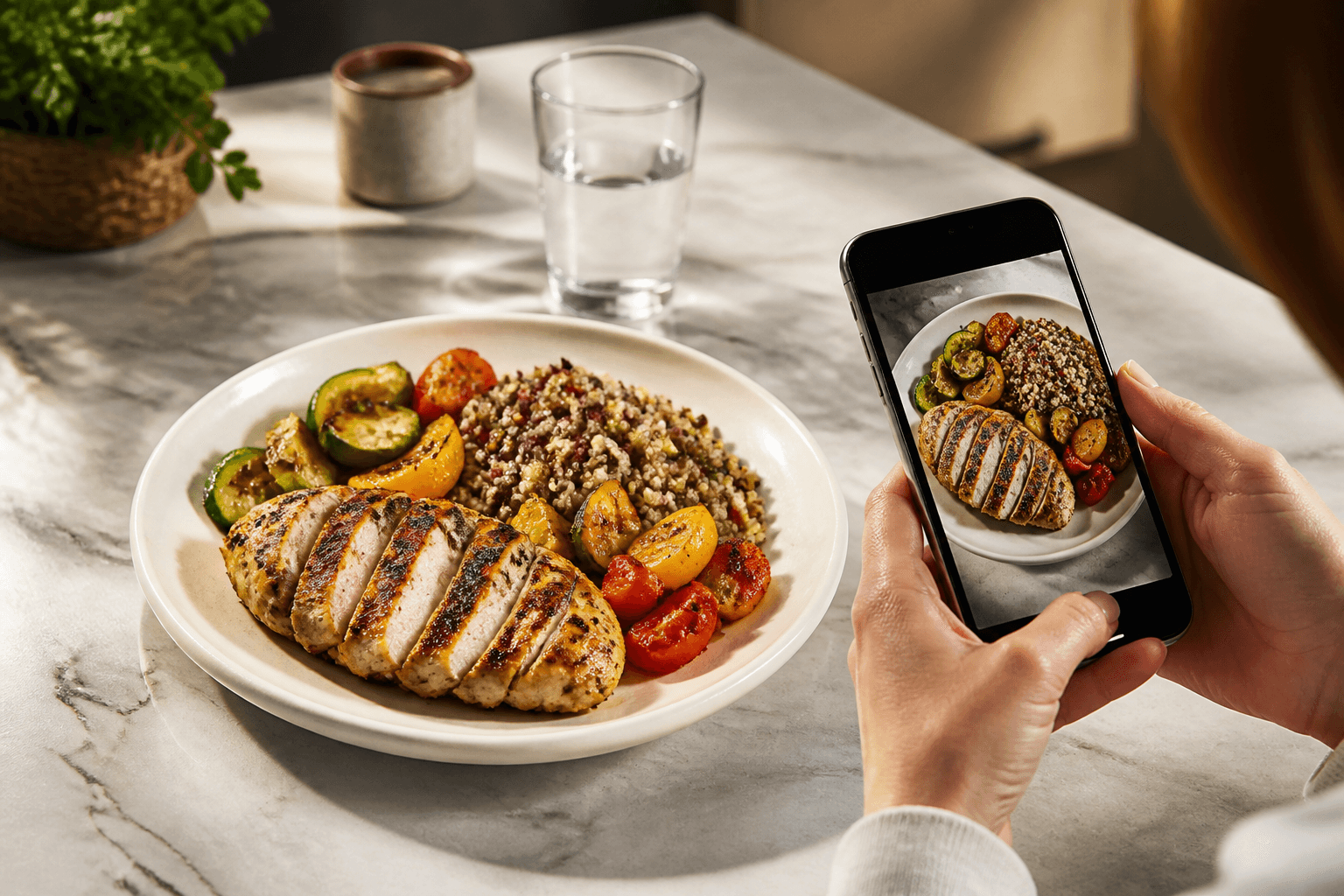
Ready to take your weight loss journey to the next level? Upload a photo of your meal to our app, and let our AI calculate the calories and macronutrients for you. Start taking control of your nutrition today!
Cal AI Editorial Team
Practical guides on nutrition, calorie tracking, meal planning, and building healthier habits with Cal AI.
Editorial policyRelated articles
- Cal AI
The scan got the dish wrong: how to fix grams and calories in Cal AI in 20 seconds
Fix a wrong Cal AI scan by choosing the closest recognition variant, correcting grams, and editing calories when the portion still looks off.
Oct 26, 20266 min read
- french fries
Calories in French Fries: Small, Medium and Large Portions
French fries are 312 kcal per 100 g, and a standard 117 g serving is 365 kcal. Use grams, not size names, when the portion looks unclear.
Oct 23, 20266 min read
- Cal AI
How to Cancel Cal AI Subscription on iPhone and Android
Cancel Cal AI through Apple or Google Play, not inside the app. Follow the exact menu paths and see what cancellation means for history and scans.
Oct 20, 20265 min read1 views
- chicken breast
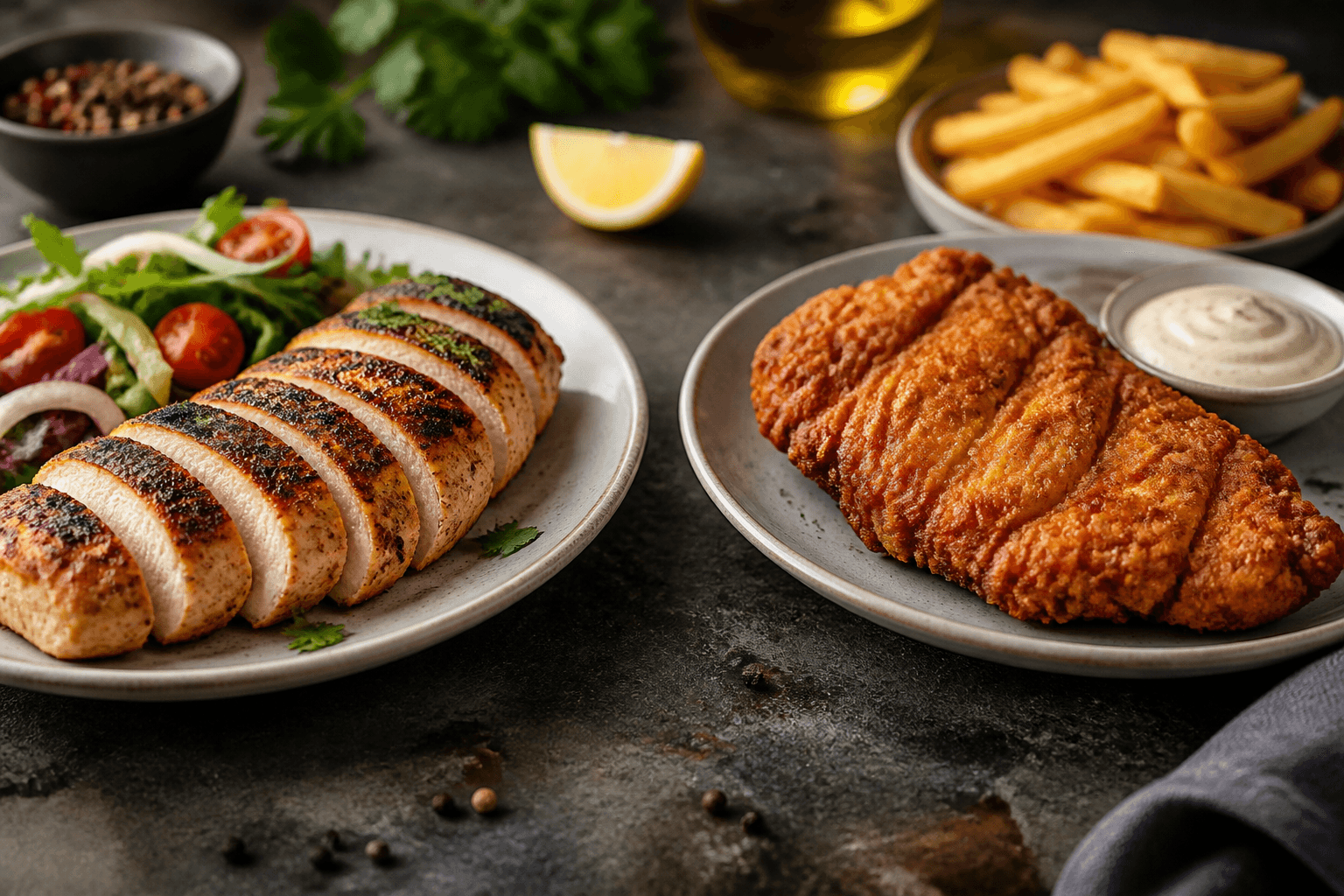
Calories in Chicken Breast: 100 g, One Breast, Grilled vs Fried
Chicken breast has 165 kcal per 100 g cooked. See one-breast calories, grilled and fried adjustments, and how to log it accurately.
Oct 17, 20266 min read1 views
- rice
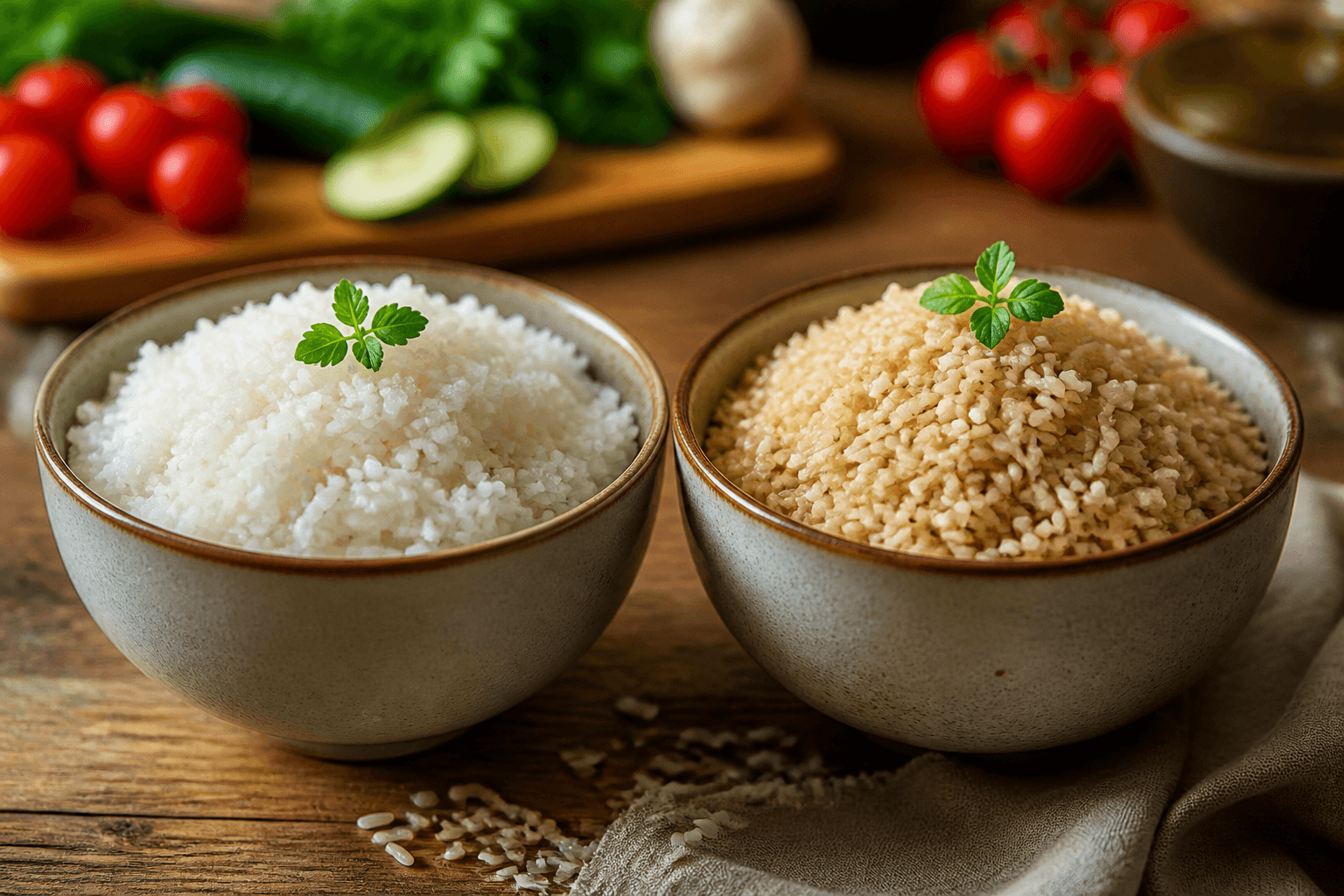
White Rice vs Brown Rice: Calories, Protein, and Which to Pick
Brown rice is slightly lower in calories than white rice, but the gap is small. Compare cooked portions, macros, and which one fits your goal at meals.
Oct 14, 20266 min read2 views
- calorie calculator
How many calories do you need a day? Mifflin-St Jeor with worked examples
Use Mifflin-St Jeor to estimate daily calories from weight, height, age, and activity, with worked examples and portion checks.
Oct 11, 20268 min read