What Are Macros? A Beginner's Guide to Understanding Macronutrients
Dive into the world of macronutrients. Learn about carbs, proteins, and fats and how they contribute to a balanced diet.
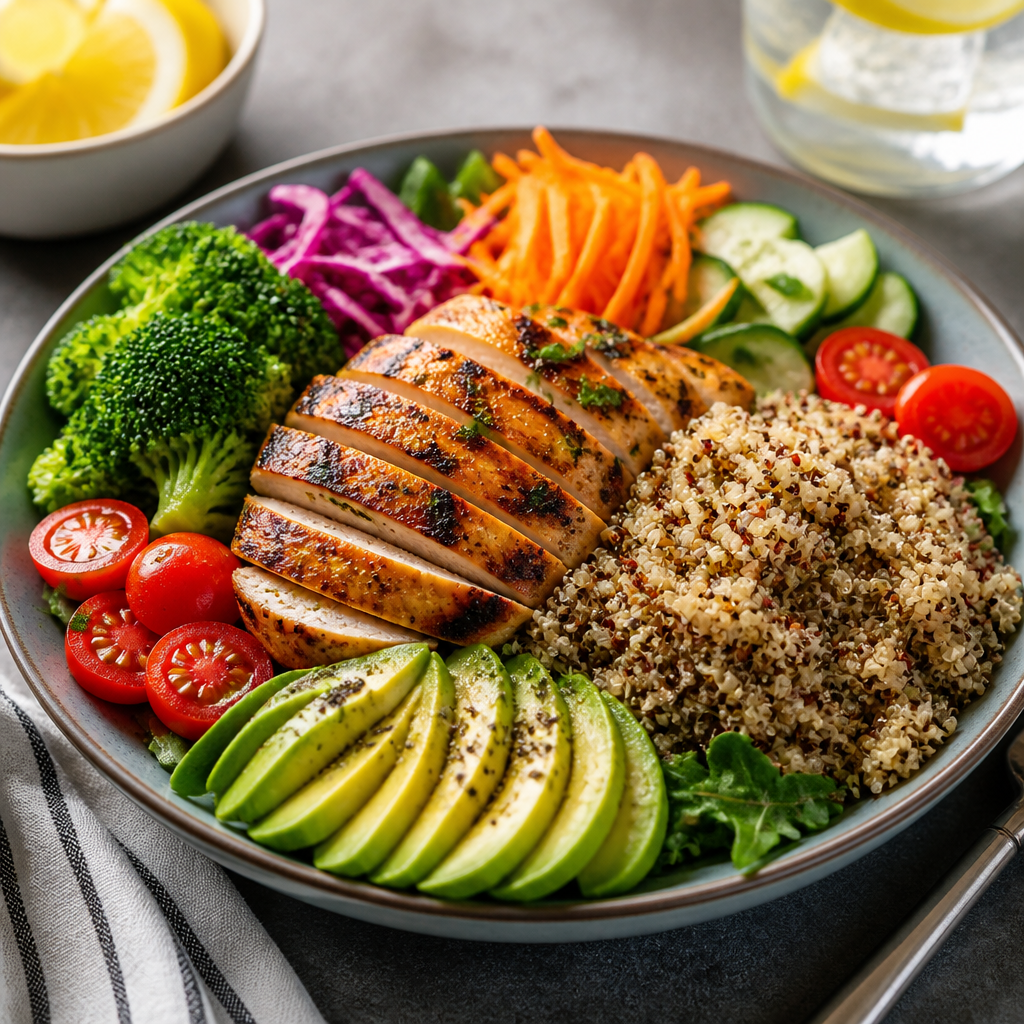
Defining Macronutrients
Macronutrients, often referred to simply as 'macros', are the nutrients required by our bodies in larger amounts to provide energy and support growth, development, and everyday functions. The three primary types of macronutrients are carbohydrates, proteins, and fats. Each of these plays a distinct role in maintaining health and should be balanced in a healthy diet.
Understanding macros is crucial for anyone looking to improve their diet or achieve health-related goals, whether that’s weight loss, muscle gain, or simply feeling more energetic. Each macronutrient has a specific function and affects your body in different ways, which makes grasping their role fundamental to making nutritious food choices.
Carbohydrates: Your Body's Main Energy Source
Carbohydrates are the body's preferred source of energy and should make up the largest percentage of your macronutrient intake. Available in simple forms like sugars (fruits, honey) and complex forms like fiber and starches (whole grains, vegetables), carbohydrates break down into glucose, which fuels the brain and muscles during physical activity.
For example, consider a meal that includes a cup of cooked brown rice (approximately 218 calories, 45g of carbs) and roasted broccoli. This combination not only provides energy through carbs but also important nutrients and fiber, promoting digestive health. In general, it’s recommended that 45-65% of your total daily calories come from carbohydrates.
Understanding Protein: Building Blocks of Muscles
Proteins are vital for the growth, repair, and maintenance of tissues. Each protein is made up of smaller units called amino acids, some of which are considered essential, meaning your body cannot produce them on its own and must obtain them from food.
Foods high in protein include meat, dairy, legumes, and nuts. A popular protein-rich meal could consist of a grilled chicken breast (around 165 calories, 31g of protein) served with quinoa and steamed spinach. Generally, adults should aim for 10-35% of their daily caloric intake to come from protein, depending on their activity level and health goals.
Fats: Essential for Hormonal Health and Nutrient Absorption
Fats are often misunderstood but are an essential component of a healthy diet. While they are calorie-dense (providing 9 calories per gram compared to 4 calories per gram for proteins and carbs), they serve numerous vital functions, including absorbing vitamins A, D, E, and K, and providing essential fatty acids that the body cannot produce.
Examples of healthy fat sources include avocados, olive oil, nuts, and fatty fish. For instance, a tablespoon of olive oil packs around 119 calories and 14 grams of fat. When planning your meals, it’s smart to include a 20-35% caloric intake from fats—prioritizing unsaturated fats over saturated ones for heart health.
How to Calculate Your Macro Needs
Calculating your macro needs involves understanding your total daily energy expenditure (TDEE) and adjusting macronutrient ratios based on your health objectives. A simple way to estimate your TDEE is to use the formula for basal metabolic rate (BMR) combined with your activity level. BMR can be estimated through various online calculators based on your age, weight, height, and gender.
Once you have your TDEE, you can decide how many calories you want to allocate to each macronutrient. For example, if your TDEE is 2,000 calories and you choose a ratio of 50% carbs, 20% protein, and 30% fats, your daily macro breakdown would be:
- Carbs: 1,000 calories (250g)
- Protein: 400 calories (100g)
- Fats: 600 calories (67g). Understanding this balance is key to editing your diet effectively.
Tips for Balancing Macros in Your Diet
To effectively manage your macronutrient intake, consider these practical tips:
- Prepare balanced meals by including a source of protein, carbohydrate, and healthy fat in each meal to reach your macro goals easily.
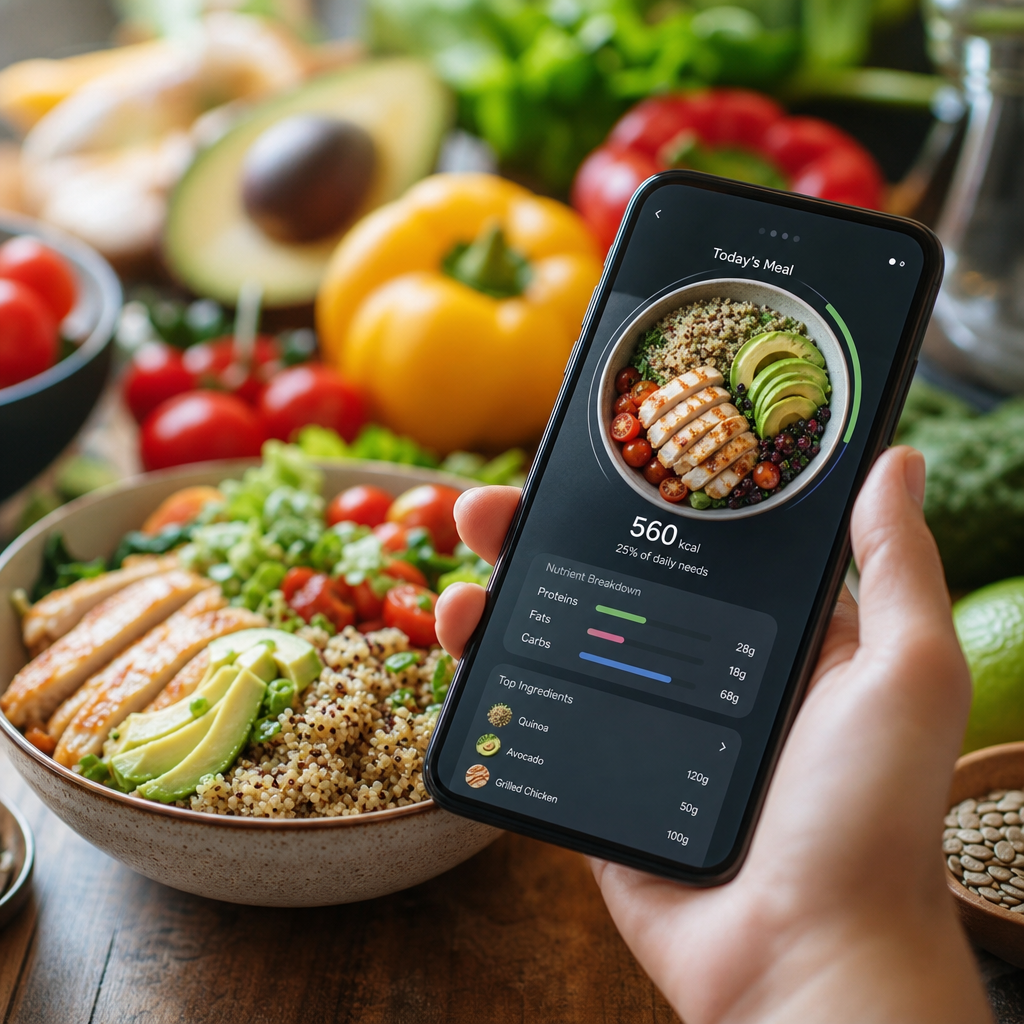
- Track your food intake using apps or journals to ensure you stay within your macro targets and don’t exceed caloric limits.
- Experiment with meal prep to ensure you always have your preferred macros ready, aiding in decision-making, especially on busy days.
Another helpful strategy is to focus on whole foods. Incorporating fruits, vegetables, whole grains, and lean proteins while limiting processed foods can naturally balance your macros and improve your overall nutrition without much effort.
Common Myths About Macronutrients
Despite their necessity, misconceptions about macronutrients abound. One common myth is that all fats are bad; however, healthy fats are crucial for satiety and nutrient absorption. Balance and moderation are key.
Another myth is that eating carbs leads to weight gain. In reality, it’s excessive caloric intake—regardless of the source—that contributes to weight gain. Carbohydrates can be part of a healthy diet, especially when chosen wisely, containing fiber-rich options that help control hunger.
Frequently Asked Questions
What are macronutrients?
Macronutrients are nutrients required in large amounts for energy and bodily functions. The three main types are carbohydrates, proteins, and fats.
How do I balance my macros?
To balance your macros, calculate your total daily energy expenditure (TDEE) and then allocate percentages of that for carbs, proteins, and fats based on your health goals.
Do I need to track my macros?
Tracking macros can help ensure you meet your nutritional needs and support your dietary goals, but it is not necessary for everyone.
What are some examples of macro-rich foods?
Examples include sweet potatoes and brown rice for carbs, chicken and beans for protein, and avocado and olive oil for fats.
Can I eat carbs and still lose weight?
Yes, you can eat carbohydrates and lose weight. Focus on whole, complex carbs and balance your overall caloric intake to ensure weight loss.
Ready to take control of your nutrition? With Cal AI, you can take a photo of your food, instantly estimate calories, view protein, carbs, and fats, and analyze your meals right from your smartphone. Simplify your meal tracking and reach your nutrition goals easier!
Share this article
Cal AI
Track meals faster with Cal AI
Scan food, estimate calories, and keep your nutrition log moving without typing every ingredient.
Author
Cal AI Editorial Team
Practical guides on nutrition, calorie tracking, meal planning, and building healthier habits with Cal AI.
Editorial policyFrequently asked questions
What are macronutrients?
Macronutrients are nutrients required in large amounts for energy and bodily functions. The three main types are carbohydrates, proteins, and fats.
How do I balance my macros?
To balance your macros, calculate your total daily energy expenditure (TDEE) and then allocate percentages of that for carbs, proteins, and fats based on your health goals.
Do I need to track my macros?
Tracking macros can help ensure you meet your nutritional needs and support your dietary goals, but it is not necessary for everyone.
What are some examples of macro-rich foods?
Examples include sweet potatoes and brown rice for carbs, chicken and beans for protein, and avocado and olive oil for fats.
Can I eat carbs and still lose weight?
Yes, you can eat carbohydrates and lose weight. Focus on whole, complex carbs and balance your overall caloric intake to ensure weight loss.
Related articles
 Signs of Dehydration You Should KnowLearn to recognize the key signs of dehydration to maintain optimal health and prevent hunger-related issues.
 What Is a Smart Calorie Tracker?Explore the world of smart calorie trackers, options available, and how they can enhance your nutrition tracking and wellness journey.
 Best Apps for Counting Calories From PhotosDiscover the top apps that help you easily count calories from pictures of your food. Support your health goals with technology that fits your lifestyle.
 How to Read Food Labels: Your Ultimate Guide to Making Informed ChoicesLearn how to effectively read food labels to make informed dietary choices and enhance your health with our comprehensive guide.
 How to Cook Meals for the Entire Week: A Comprehensive GuideStreamline your cooking process with these effective tips and strategies for preparing meals for the entire week.
 Mastering Meal Prep for Effective Calorie TrackingDiscover how meal prep can streamline your calorie tracking journey while delivering delicious, nutritious meals.
 How to Choose Healthier Foods Using LabelsUnlock the secrets of food labels with effective strategies to make healthier food choices and improve your nutrition.
 How AI Food Recognition Works: Transforming Food Photos into Actionable InsightsExplore the mechanics of AI food recognition and how it turns food images into nutritional data for better health management.
 Unlocking Your Weight Loss Journey with AI Calorie TrackersDiscover how AI calorie trackers can significantly aid your weight loss journey through personalized insights and real-time analysis.
 How AI Automatically Tracks Calories: A Game Changer for Busy LifestylesDiscover how AI-driven technologies simplify calorie tracking, making healthy eating easier for busy individuals.
 AI Calorie Tracker for Muscle Gain: Maximizing Your Gains with PrecisionDiscover how AI calorie trackers can revolutionize your muscle gain journey by ensuring accurate caloric surplus tracking.
 Best AI Nutrition Apps: Transform Your Dietary HabitsExplore the top AI-powered nutrition apps designed to enhance your dietary choices, making it easier than ever to achieve your health goals.
 How to Count Calories From a Food Photo: A Step-by-Step GuideDiscover how to accurately count calories using food photos with modern mobile apps and technology for your dieting journey. Learn more now!
 Can You Lose Weight With an AI Calorie Tracker?Explore how AI calorie trackers can enhance your weight loss journey by providing precise data, personalized insights, and meal tracking features.
 Utilizing an AI Food Scanner for Effective Weight LossExplore how an AI food scanner can revolutionize your weight loss journey by efficiently tracking caloric intake and nutritional content.
 How AI Calculates Protein, Fat, and CarbsDive into how AI calculates nutrition by analyzing food images to assess macronutrient distribution for better meal planning and nutritional insights.
 The Ultimate Weekly Meal Prep Guide for Busy Professionals and FamiliesTransform your weekly meal prep with this comprehensive guide. Save time, eat healthier, and enjoy delicious prepared meals all week long.
 How Many Calories Are in Ice Cream?Discover the calories in various ice cream flavors and explore healthier alternatives that satisfy your sweet tooth without sacrificing your diet.
 Common Food Label Reading Mistakes to Avoid for Better Dietary ChoicesLearn how to decode food labels with confidence by avoiding these common mistakes. Make healthier choices with the right information.
 Batch Cooking for Weight Loss: A Smart Strategy to Manage PortionsDiscover how batch cooking can streamline your meal prep, help manage portions, and support your weight loss journey effectively.
 Can AI Identify Ingredients From a Photo? An In-Depth LookDiscover how AI technology accurately identifies food ingredients from images, transforming cooking and nutrition analysis for enthusiasts and professionals alike.
 How Many Calories Are in a Tomato? A Comprehensive BreakdownDiscover the calorie content of tomatoes, their nutritional benefits, and how to incorporate them into your diet for optimal health.
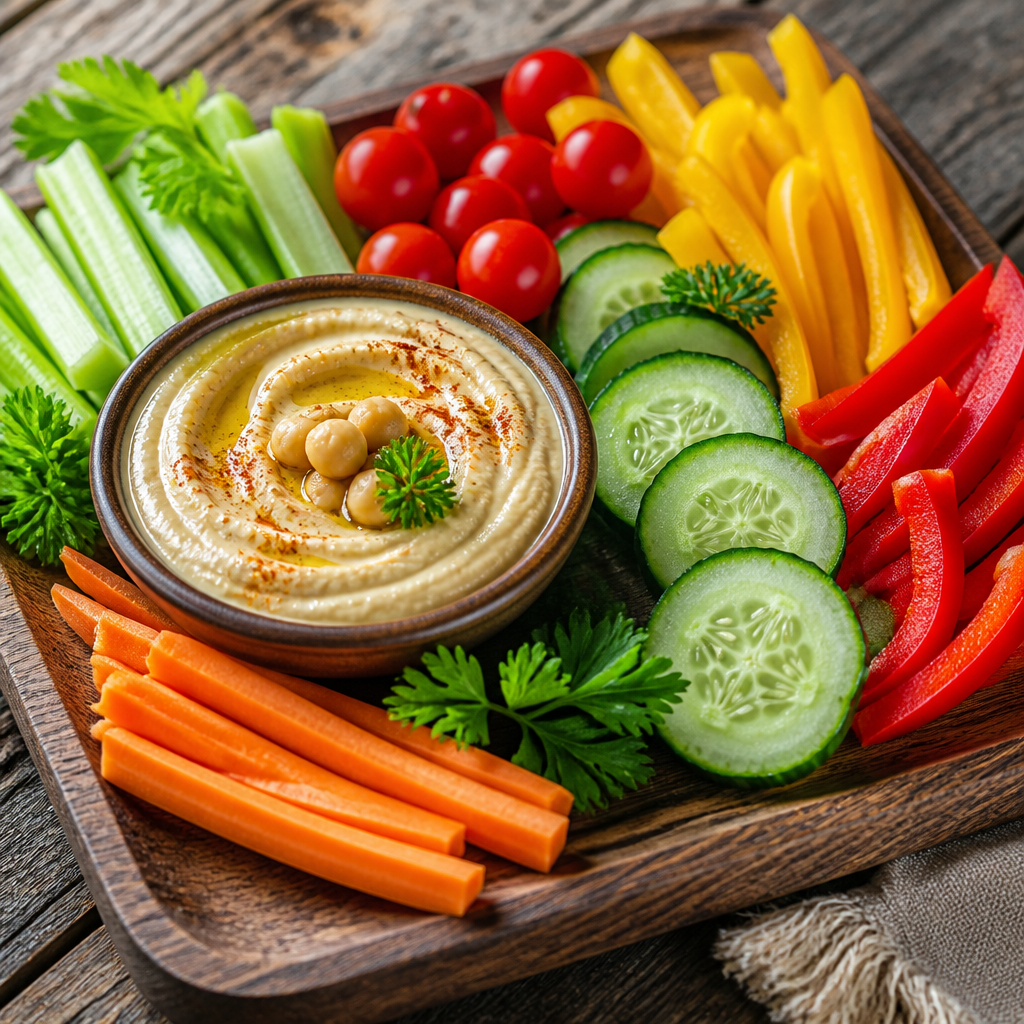 Crunching Numbers: The Best Low-Calorie Vegetables for SnackingExplore a variety of nutritious, low-calorie vegetables perfect for satisfying snacks while keeping your health goals in check.
 Why Hydration Matters in a Calorie DeficitDiscover the crucial role hydration plays in your weight loss journey, especially when operating in a calorie deficit.
 How to Calculate Macros for Muscle GainLearn effective strategies for calculating your macronutrients to support muscle growth and achieve your fitness goals.
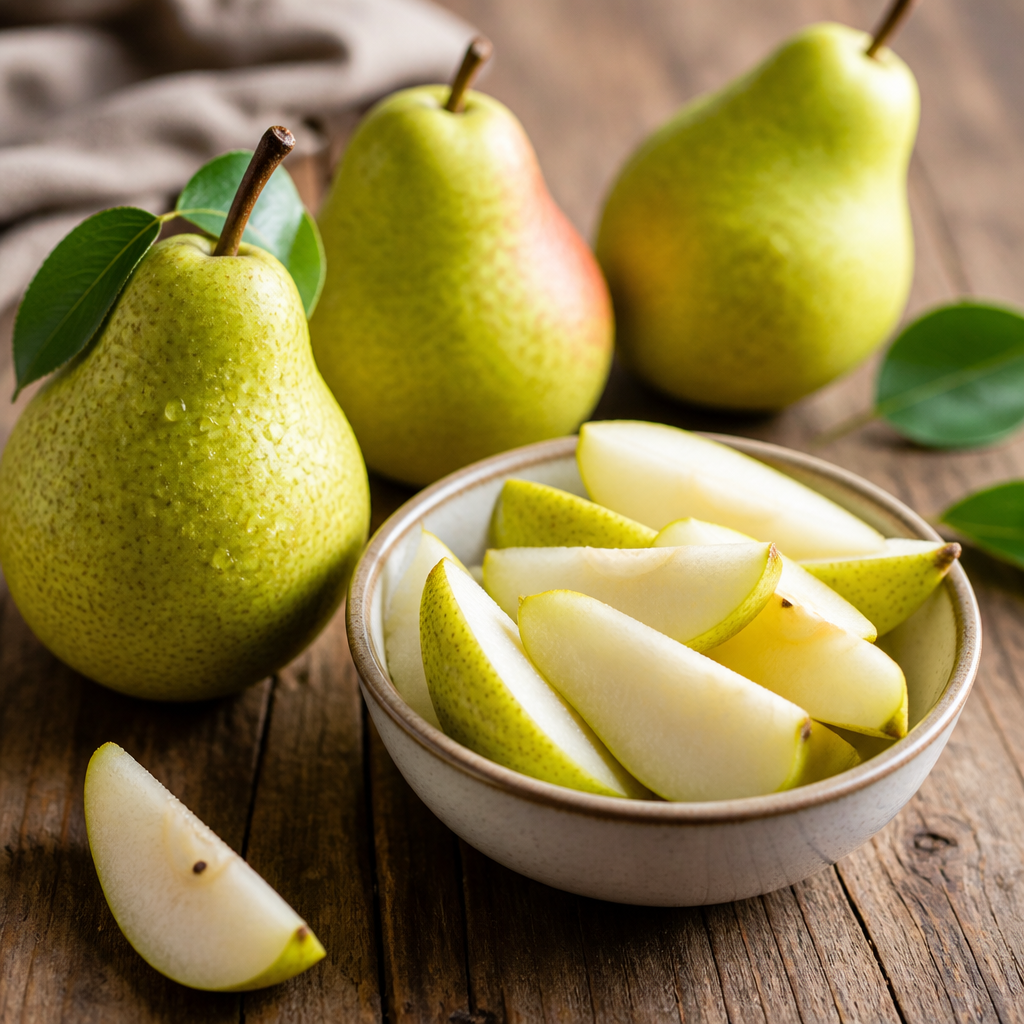 How Many Calories Are in a Pear?Explore the nutritional breakdown and health benefits of pears, an underrated fruit full of flavor and low in calories.
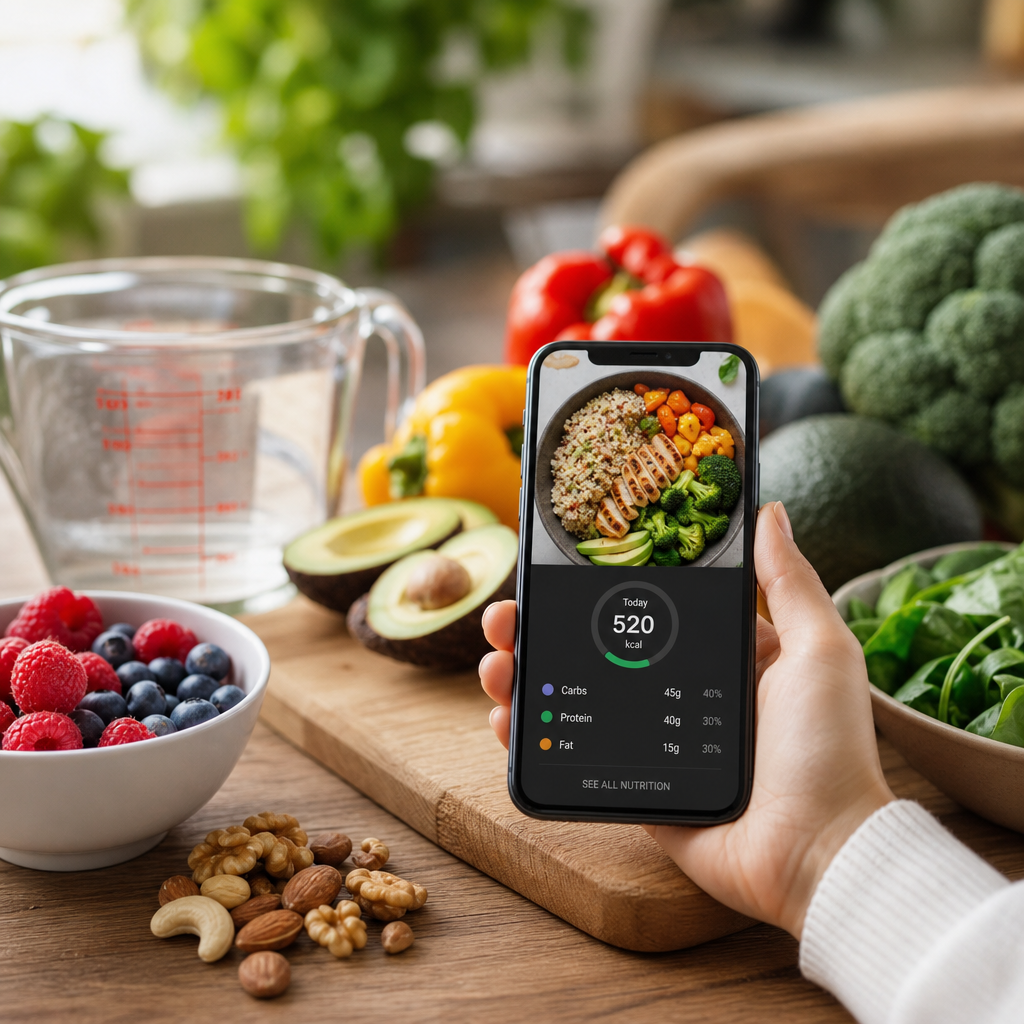 Discover the Best AI Calorie Tracker Apps for Your DietExplore the top AI-powered calorie tracker apps that can help you manage your diet and reach your health goals effectively.
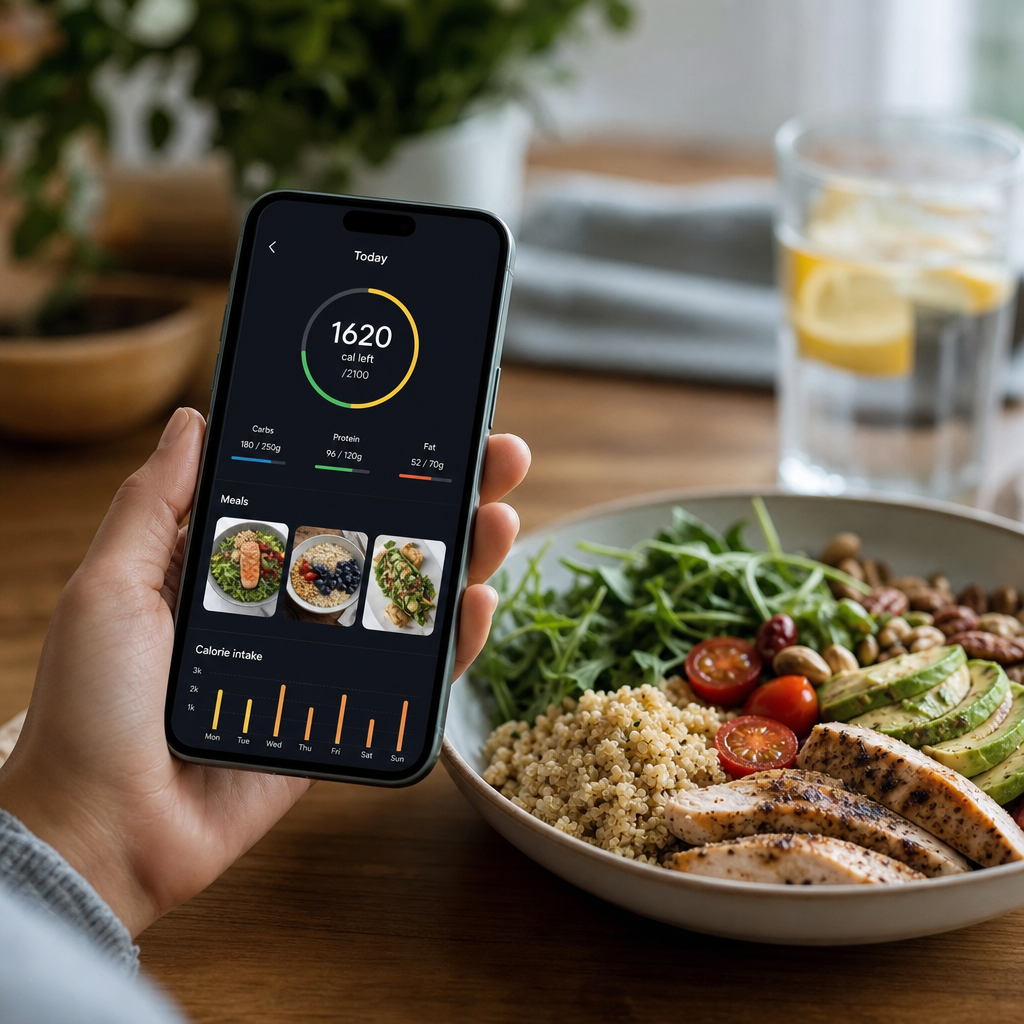 AI Calorie Counter: Comprehensive Review of the Top AppsDiscover our in-depth review of popular AI calorie counter apps, evaluating their features, usability, and effectiveness to help you track your nutrition effortlessly.
 How AI Calorie Counting Works: Unpacking the Technology Behind the AlgorithmDiscover how AI calorie counting apps utilize advanced technology to help you track nutrition and achieve your fitness goals.
 How Much Water Should You Drink for Weight Loss?Learn the optimal water intake for weight loss, its benefits, and practical tips to stay hydrated in your weight loss journey.