AI Calorie Tracker for Muscle Gain: Maximizing Your Gains with Precision
Discover how AI calorie trackers can revolutionize your muscle gain journey by ensuring accurate caloric surplus tracking.
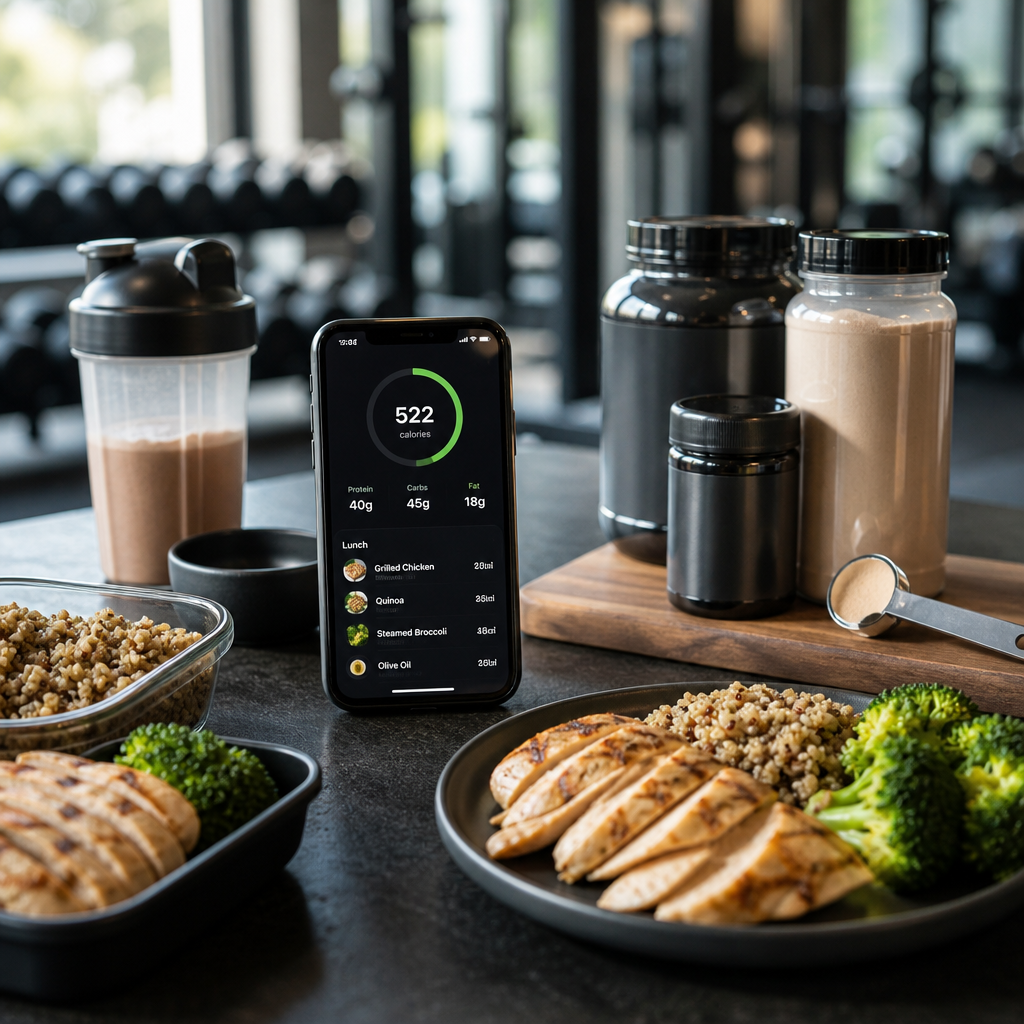
Understanding Caloric Surplus for Muscle Gain
To build muscle, you must consume more calories than your body burns, a concept known as caloric surplus. This surplus provides the necessary energy and nutrients for muscle repair and growth after workouts. Typically, aiming for a surplus of 250 to 500 calories per day is effective for lean muscle gain, which can vary based on individual metabolism, activity level, and fitness goals.
Bodybuilders and athletes often find it challenging to strike the right balance between eating enough to gain muscle while avoiding excessive fat gain. Miscalculating caloric intake can lead to either insufficient muscle recovery or unwanted fat accumulation. This is where AI calorie trackers come into play, offering precise measurements and analytics to support informed eating decisions.
How AI Calorie Trackers Work
AI calorie trackers leverage advanced algorithms and machine learning to analyze user input, daily activity levels, and specific fitness goals. By calculating the total daily energy expenditure (TDEE) and suggested caloric surplus, these tools become personalized meal-planning assistants.
A good AI calorie tracker, such as Cal AI, allows users to input their details, including age, weight, activity level, and muscle gain goals. Following this, it provides tailored recommendations on total caloric intake and macronutrient distribution, including proteins, fats, and carbohydrates, essential for effective muscle growth. For instance, if your goal is to gain 1 pound of muscle per week, a consistent caloric surplus of approximately 3,500 calories over the week translates to a daily surplus of 500 calories.
Benefits of Using an AI Calorie Tracker for Muscle Gain
The integration of AI technology into calorie tracking brings several key benefits for those focused on muscle gain:
- Precision: No more guesswork. AI helps you track your intake accurately, which is crucial when aiming for that optimal caloric surplus.
- Customization: These tools adjust recommendations based on your progress, continuously optimizing your caloric and macronutrient suggestions.
- Ease of Use: With features like barcode scanning and meal visualization, tracking your food becomes quick and effortless.
- Data Analysis: Users get detailed insights into their eating habits, identifying gaps and opportunities to improve nutrient intake effectively.
Using a platform like Cal AI, you can simply take a photo of your meals to get instant calorie and macronutrient breakdowns, streamlining your nutritional tracking without the tedious logging process.
Setting Realistic Muscle Gain Goals
Before you embark on your muscle gain journey, clarity around your goals is essential. Setting feasible targets can prevent discouragement and enable sustained progress. As a general guideline, aim for approximately 1 to 2 pounds of muscle gain per month for most individuals. This rate ensures muscle growth while minimizing fat gain, which can often occur with overly aggressive caloric surplus strategies.
Using an AI calorie tracker simplifies this by allowing users to adjust their goals dynamically. Suppose you see an increase in body fat percentages due to an excessive caloric surplus. In that case, you can easily recalibrate your intake to achieve a more balanced approach towards gaining muscle without unwanted bulk.
Meal Planning and Grocery Shopping with AI Trackers
AI calorie trackers transform how you plan meals and do grocery shopping for muscle gain. By outlining your daily caloric needs and macronutrient breakdown, you can create meal plans that fit your lifestyle and preferences. This planning ensures you get adequate protein sources, such as lean meats, legumes, and dairy, while also incorporating healthy fats and carbohydrates for sustainable energy.
Consider this example: If your goal is to consume 2,500 calories per day, your tracker might suggest a meal breakdown of 40% carbs, 30% protein, and 30% fat. This translates to:
- Carbohydrates: 250 grams (1,000 calories)
- Proteins: 188 grams (750 calories)
- Fats: 83 grams (750 calories) With this structured approach, grocery lists can be generated based on your meal plans, ensuring you purchase everything needed to meet your caloric and macronutrient goals effectively.
Tracking Progress and Adjusting Your Strategy
Regularly monitoring your progress is vital in your muscle gain journey. AI calorie trackers usually include features that allow you to log body measurements and adjust your caloric needs based on your changing body composition. For example, if you notice an increase in muscle mass, your TDEE will likely rise, requiring you to tweak your caloric intake to maintain the appropriate surplus for continued gains.
Real-time data insights enable informed adjustments to your nutrition strategy, allowing you to adapt quickly as your body changes. This dynamic response helps keep you on track and ensures that you are meeting your muscle gain objectives effectively.
Common Mistakes to Avoid While Using AI Trackers
Even with the sophistication of AI calorie trackers, certain mistakes can jeopardize your muscle gain efforts:
- Ignoring Weight Changes: Regularly assess your weight and body composition. If weight is stagnating, re-evaluate your calorie intake and physical activity level.
- Neglecting Macro Ratios: While hitting calorie goals is crucial, neglecting macros can hinder muscle recovery and growth. Make sure to adjust your macronutrient goals as needed!
- Overcompensating on Non-Training Days: Many individuals mistakenly think they can eat freely on rest days. It’s important to maintain a controlled caloric intake even when not training to ensure consistent results. By being mindful of these pitfalls, users of AI calorie trackers can more effectively navigate their muscle gain journey.
Frequently Asked Questions
How accurate are AI calorie trackers for muscle gain?
AI calorie trackers are designed to provide accurate caloric estimates based on personalized data and continual adjustments, offering precise monitoring for effective muscle gain.
Can I use an AI calorie tracker for bulking and cutting phases?
Absolutely! AI calorie trackers can be set to accommodate changes in goals, making it easy to switch between muscle gain (bulking) and fat loss (cutting) strategies.
How often should I track my progress with an AI calorie tracker?
It's advisable to monitor your progress weekly or bi-weekly, adjusting your caloric intake as needed based on weight changes and muscle development.
Are there specific foods recommended for muscle gain?
Yes, focusing on nutrient-dense foods like lean meats, fish, eggs, dairy, whole grains, and legumes is beneficial for muscle gain, alongside healthy fats from nuts and avocados.
Can an AI calorie tracker help with meal prep ideas?
Definitely! AI calorie trackers often suggest meal ideas based on your caloric and macro needs, streamlining meal prep and grocery shopping.
Ready to maximize your muscle gains? Try Cal AI today! Take a photo of your meals to instantly estimate calories, view protein, carbs, and fat content, and analyze meals with AI to track your nutrition goals effortlessly.
Share this article
Cal AI
Track meals faster with Cal AI
Scan food, estimate calories, and keep your nutrition log moving without typing every ingredient.
Author
Cal AI Editorial Team
Practical guides on nutrition, calorie tracking, meal planning, and building healthier habits with Cal AI.
Editorial policyFrequently asked questions
How accurate are AI calorie trackers for muscle gain?
AI calorie trackers are designed to provide accurate caloric estimates based on personalized data and continual adjustments, offering precise monitoring for effective muscle gain.
Can I use an AI calorie tracker for bulking and cutting phases?
Absolutely! AI calorie trackers can be set to accommodate changes in goals, making it easy to switch between muscle gain (bulking) and fat loss (cutting) strategies.
How often should I track my progress with an AI calorie tracker?
It's advisable to monitor your progress weekly or bi-weekly, adjusting your caloric intake as needed based on weight changes and muscle development.
Are there specific foods recommended for muscle gain?
Yes, focusing on nutrient-dense foods like lean meats, fish, eggs, dairy, whole grains, and legumes is beneficial for muscle gain, alongside healthy fats from nuts and avocados.
Can an AI calorie tracker help with meal prep ideas?
Definitely! AI calorie trackers often suggest meal ideas based on your caloric and macro needs, streamlining meal prep and grocery shopping.
Related articles
 Signs of Dehydration You Should KnowLearn to recognize the key signs of dehydration to maintain optimal health and prevent hunger-related issues.
 What Is a Smart Calorie Tracker?Explore the world of smart calorie trackers, options available, and how they can enhance your nutrition tracking and wellness journey.
 Best Apps for Counting Calories From PhotosDiscover the top apps that help you easily count calories from pictures of your food. Support your health goals with technology that fits your lifestyle.
 What Are Macros? A Beginner's Guide to Understanding MacronutrientsDive into the world of macronutrients. Learn about carbs, proteins, and fats and how they contribute to a balanced diet.
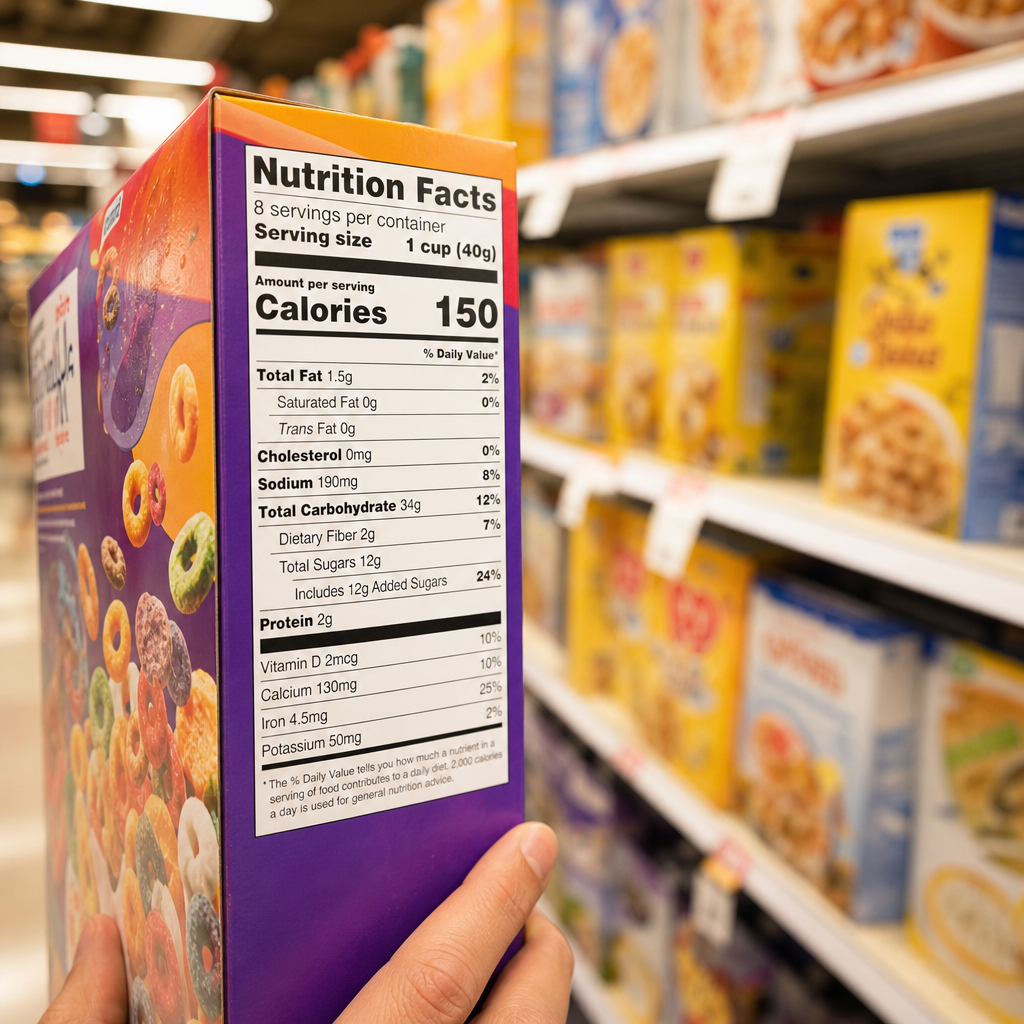 How to Read Food Labels: Your Ultimate Guide to Making Informed ChoicesLearn how to effectively read food labels to make informed dietary choices and enhance your health with our comprehensive guide.
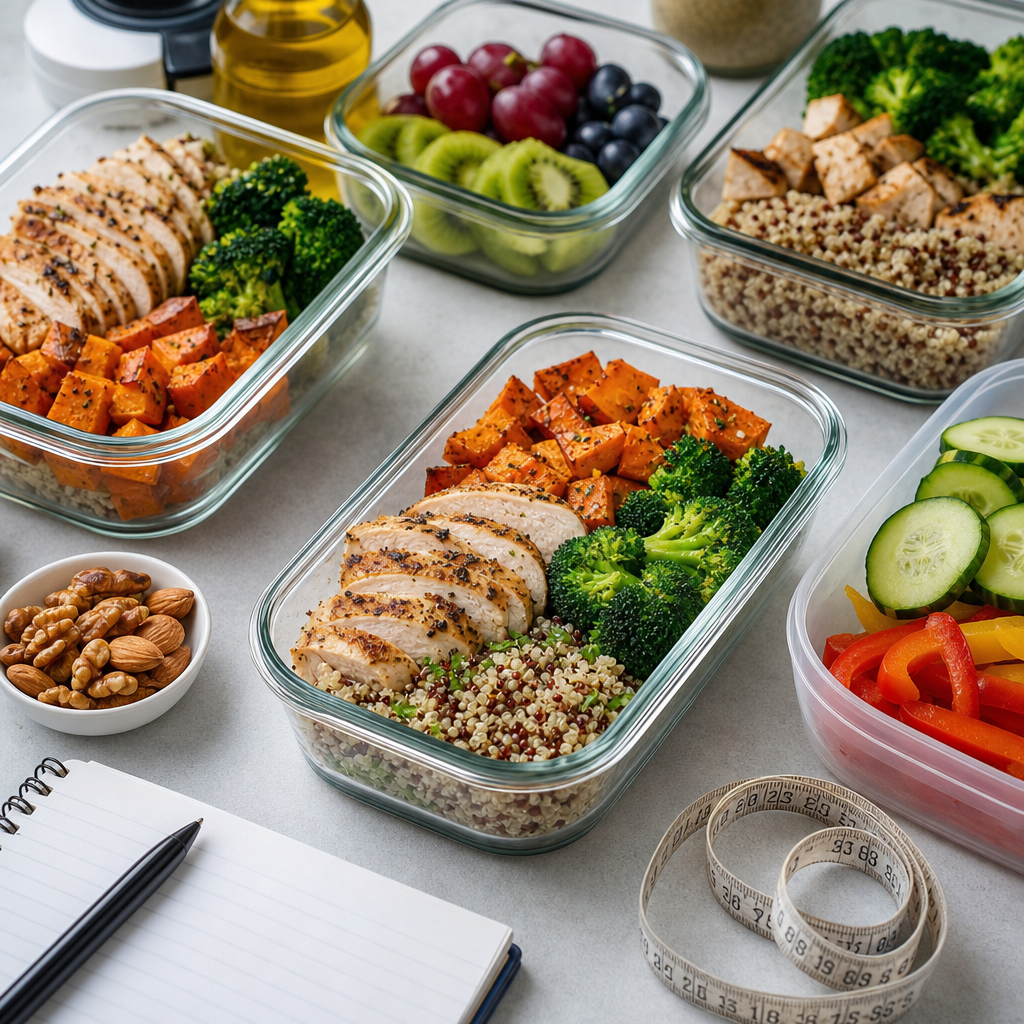 Mastering Meal Prep for Effective Calorie TrackingDiscover how meal prep can streamline your calorie tracking journey while delivering delicious, nutritious meals.
 How to Choose Healthier Foods Using LabelsUnlock the secrets of food labels with effective strategies to make healthier food choices and improve your nutrition.
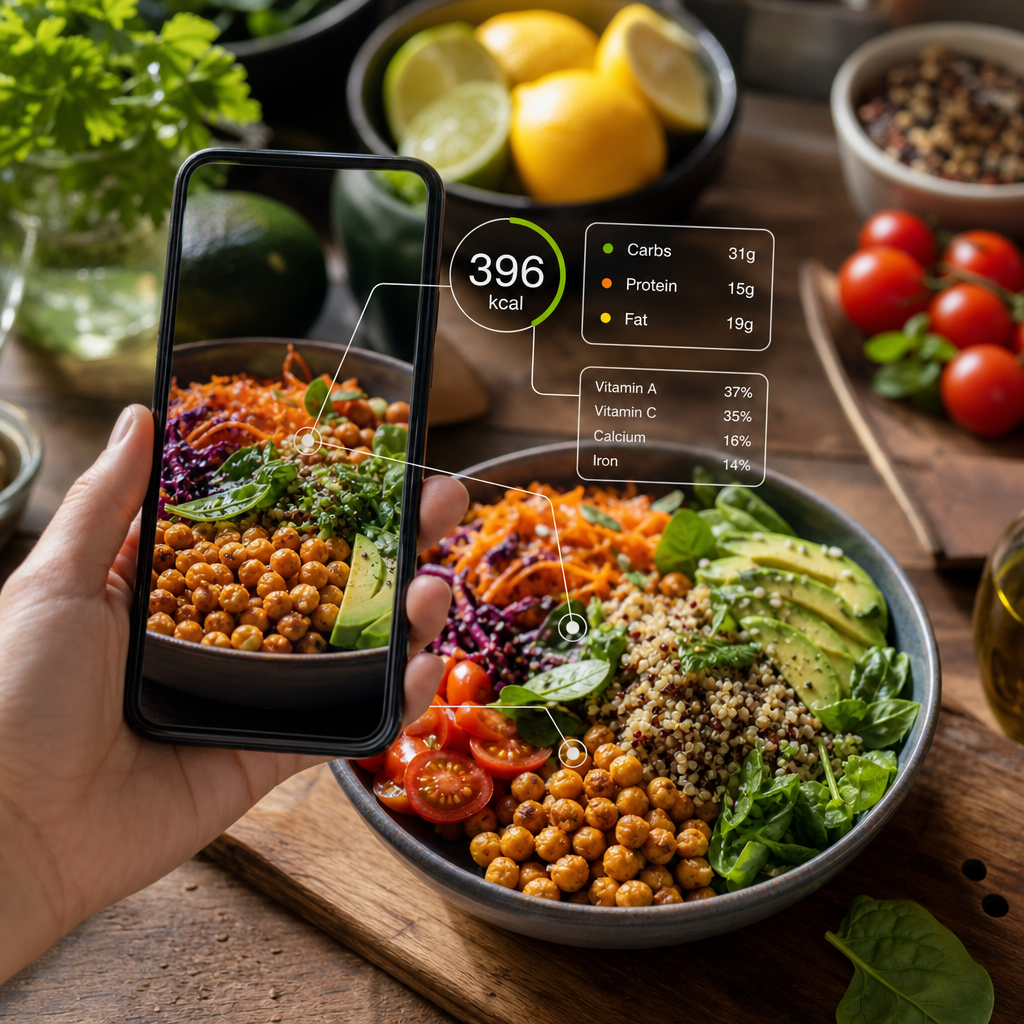 How AI Food Recognition Works: Transforming Food Photos into Actionable InsightsExplore the mechanics of AI food recognition and how it turns food images into nutritional data for better health management.
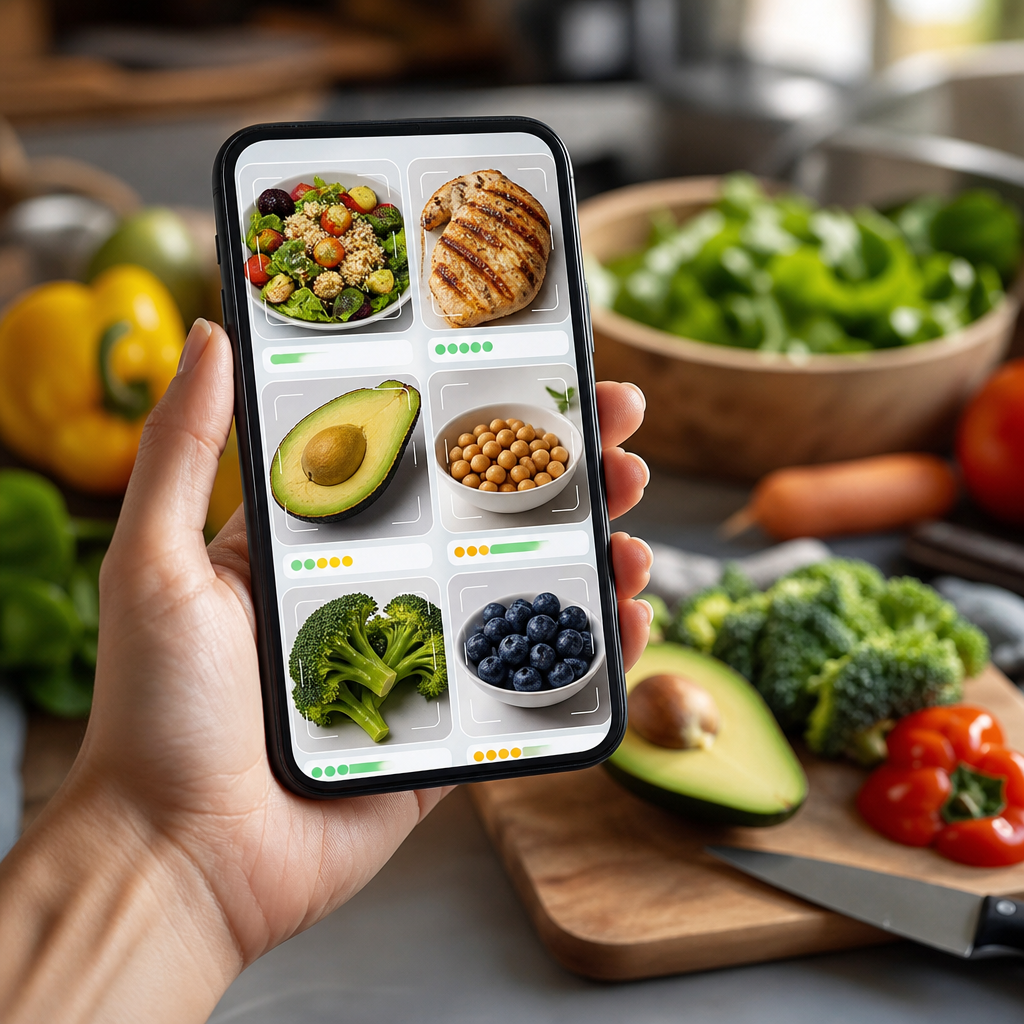 How AI Recognizes Food: The Technology Behind the MagicDiscover the intricate processes that allow AI to recognize food items in images, from deep learning models to real-world applications.
 Unlocking Your Weight Loss Journey with AI Calorie TrackersDiscover how AI calorie trackers can significantly aid your weight loss journey through personalized insights and real-time analysis.
 How AI Automatically Tracks Calories: A Game Changer for Busy LifestylesDiscover how AI-driven technologies simplify calorie tracking, making healthy eating easier for busy individuals.
 Best AI Nutrition Apps: Transform Your Dietary HabitsExplore the top AI-powered nutrition apps designed to enhance your dietary choices, making it easier than ever to achieve your health goals.
 Can You Lose Weight With an AI Calorie Tracker?Explore how AI calorie trackers can enhance your weight loss journey by providing precise data, personalized insights, and meal tracking features.
 Utilizing an AI Food Scanner for Effective Weight LossExplore how an AI food scanner can revolutionize your weight loss journey by efficiently tracking caloric intake and nutritional content.
 How AI Calculates Protein, Fat, and CarbsDive into how AI calculates nutrition by analyzing food images to assess macronutrient distribution for better meal planning and nutritional insights.
 The Ultimate Weekly Meal Prep Guide for Busy Professionals and FamiliesTransform your weekly meal prep with this comprehensive guide. Save time, eat healthier, and enjoy delicious prepared meals all week long.
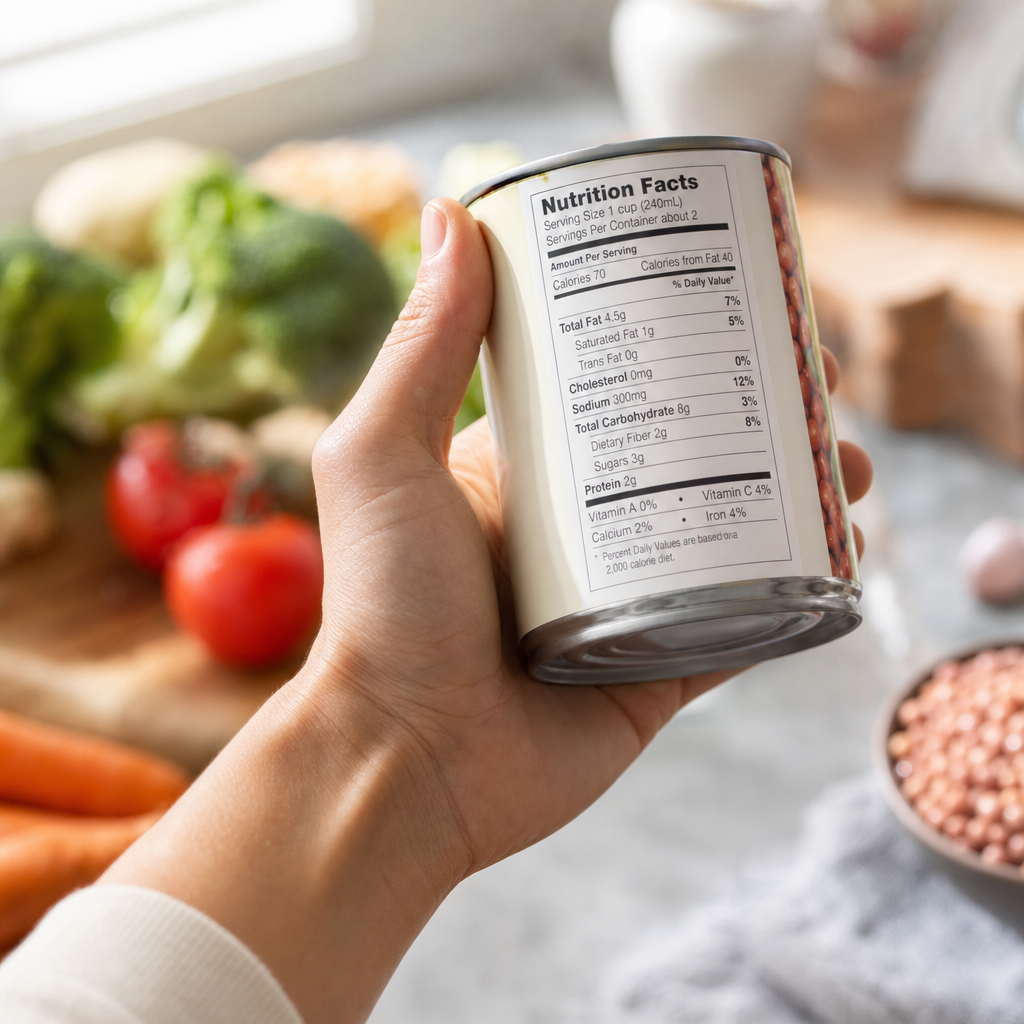 Common Food Label Reading Mistakes to Avoid for Better Dietary ChoicesLearn how to decode food labels with confidence by avoiding these common mistakes. Make healthier choices with the right information.
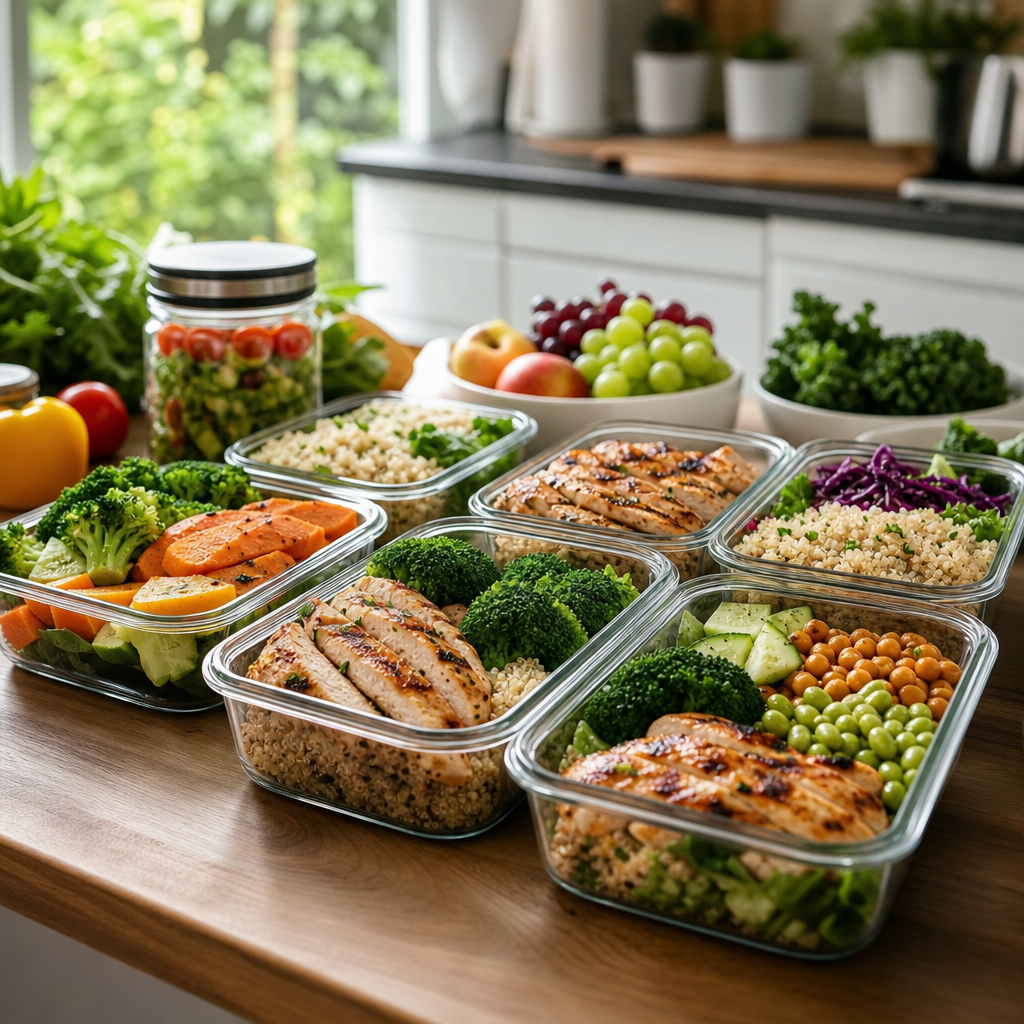 Batch Cooking for Weight Loss: A Smart Strategy to Manage PortionsDiscover how batch cooking can streamline your meal prep, help manage portions, and support your weight loss journey effectively.
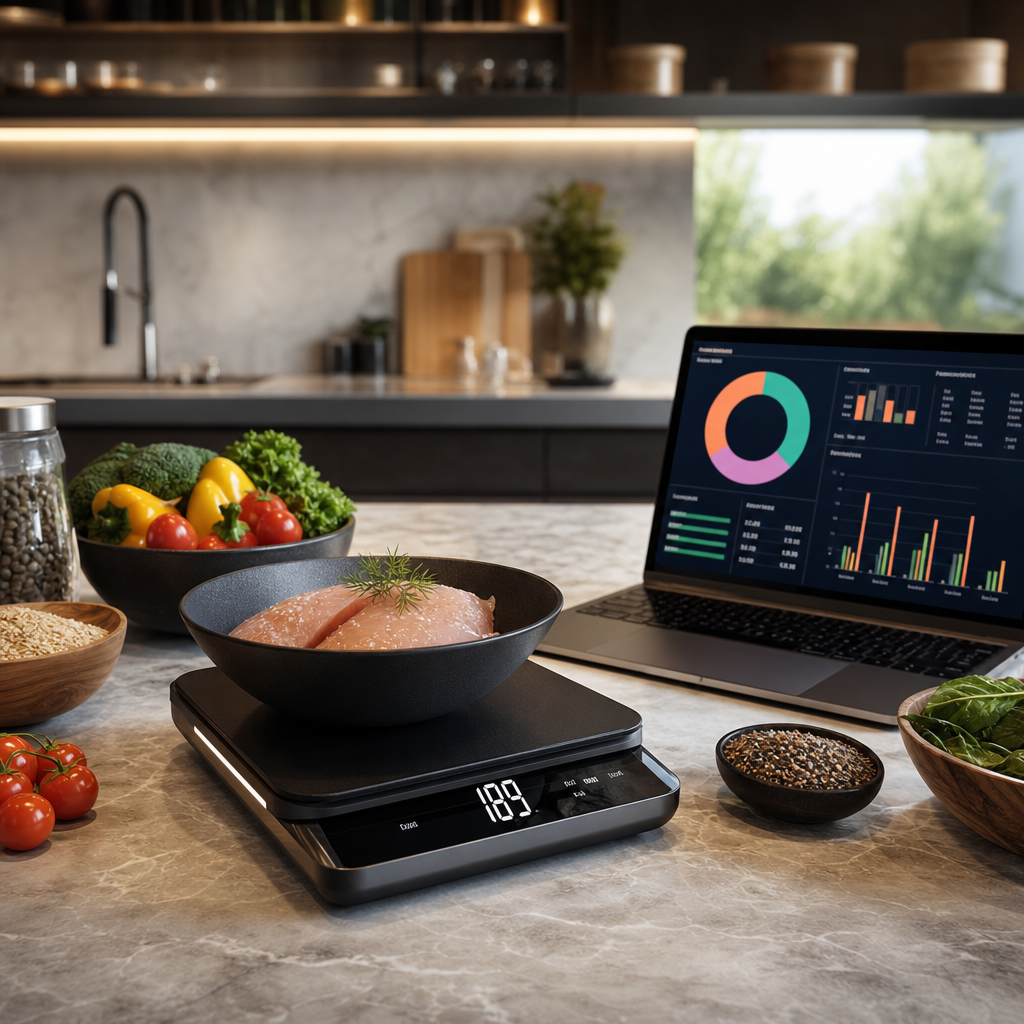 How Accurate Is AI Food Analysis?Explore the precision of AI in food analysis and its implications for nutritionists, researchers, and data enthusiasts in understanding caloric and nutritional content.
 Can AI Identify Ingredients From a Photo? An In-Depth LookDiscover how AI technology accurately identifies food ingredients from images, transforming cooking and nutrition analysis for enthusiasts and professionals alike.
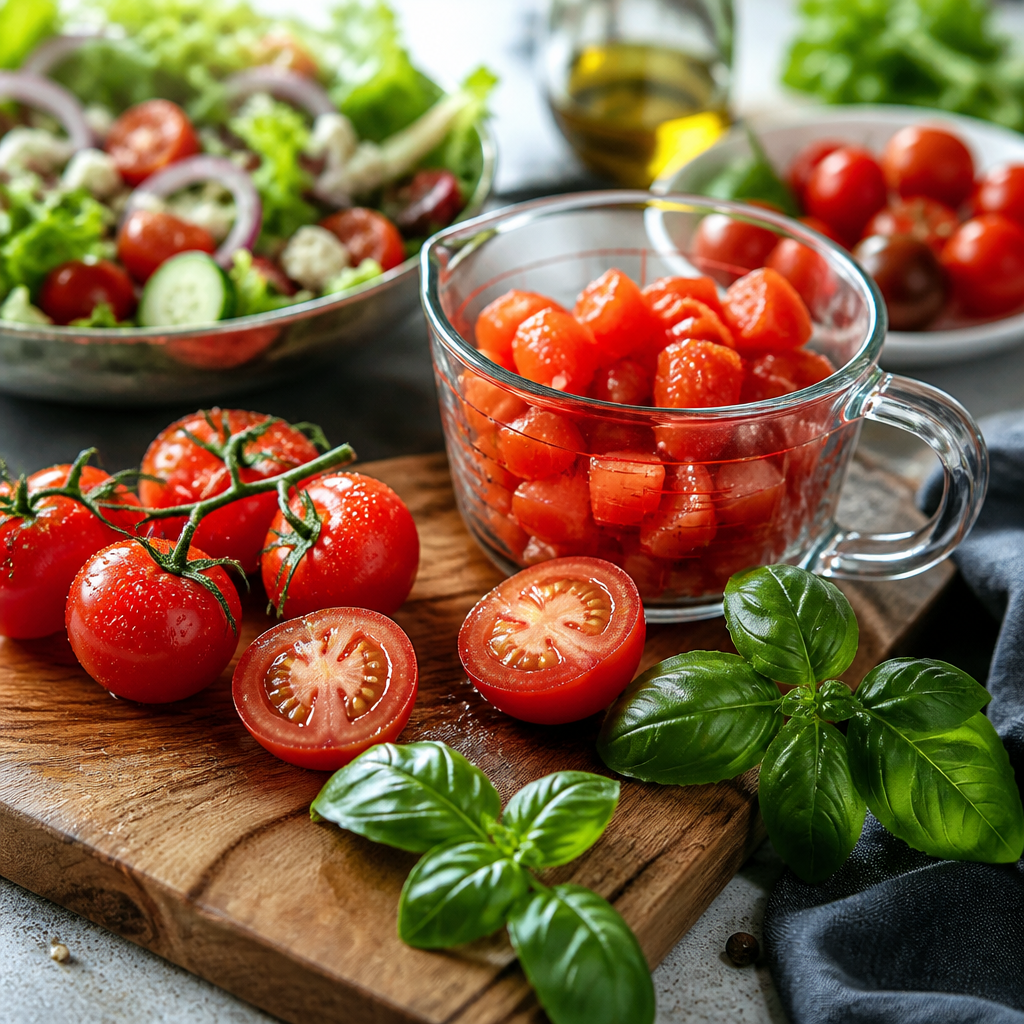 How Many Calories Are in a Tomato? A Comprehensive BreakdownDiscover the calorie content of tomatoes, their nutritional benefits, and how to incorporate them into your diet for optimal health.
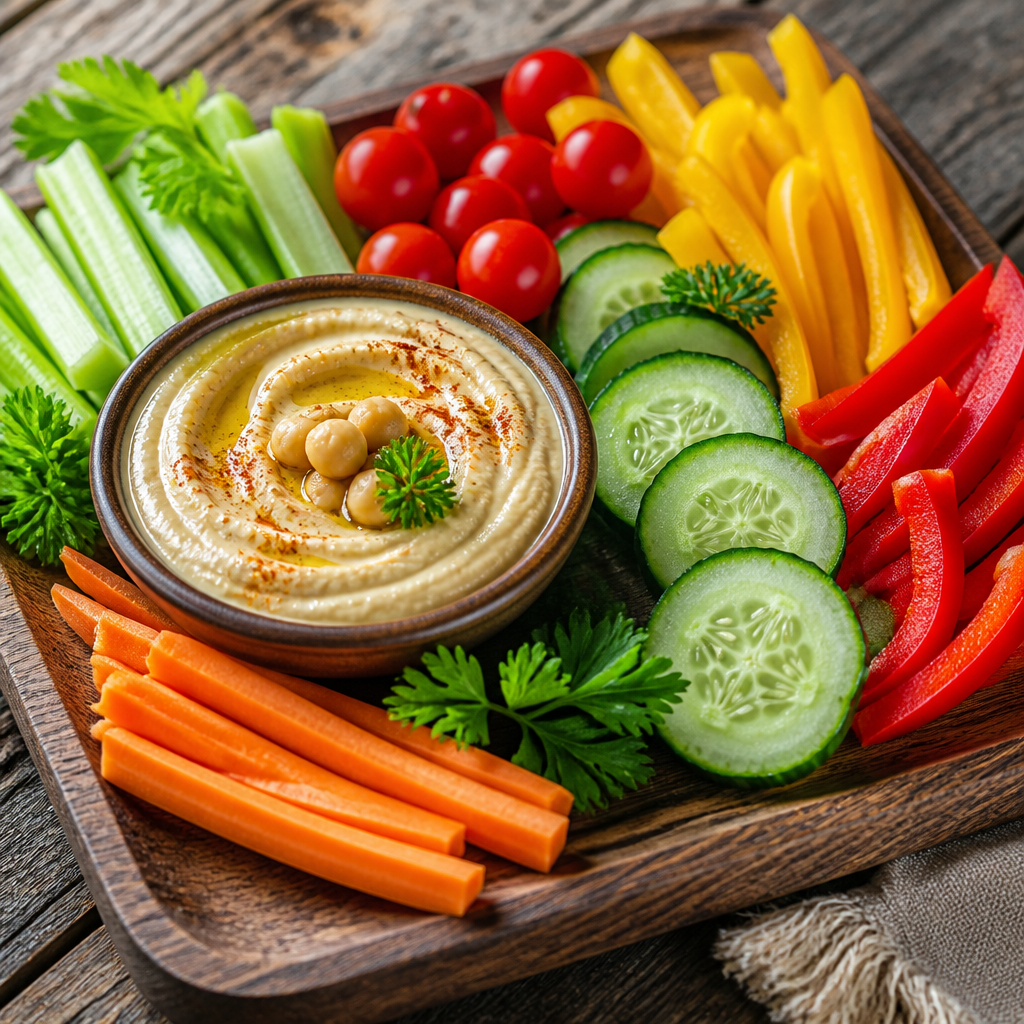 Crunching Numbers: The Best Low-Calorie Vegetables for SnackingExplore a variety of nutritious, low-calorie vegetables perfect for satisfying snacks while keeping your health goals in check.
 Why Hydration Matters in a Calorie DeficitDiscover the crucial role hydration plays in your weight loss journey, especially when operating in a calorie deficit.
 How to Calculate Macros for Muscle GainLearn effective strategies for calculating your macronutrients to support muscle growth and achieve your fitness goals.
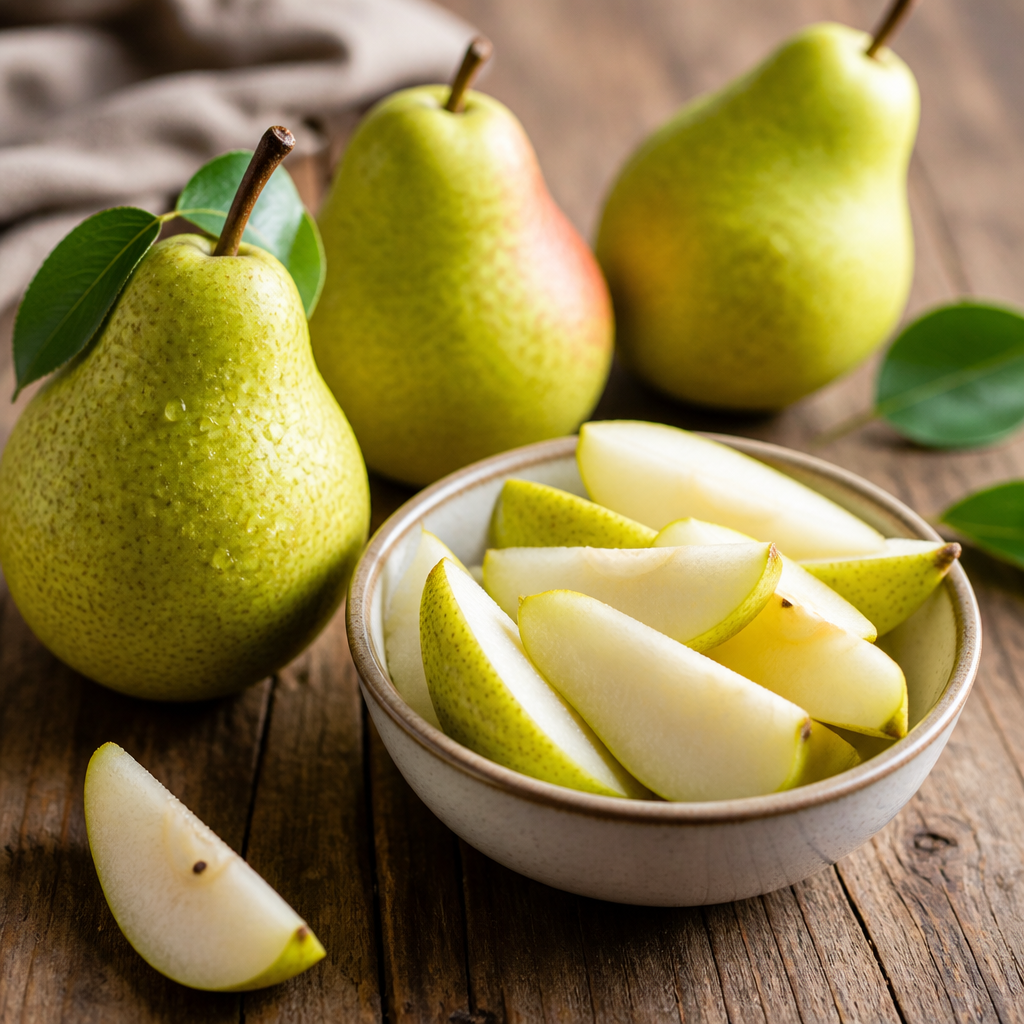 How Many Calories Are in a Pear?Explore the nutritional breakdown and health benefits of pears, an underrated fruit full of flavor and low in calories.
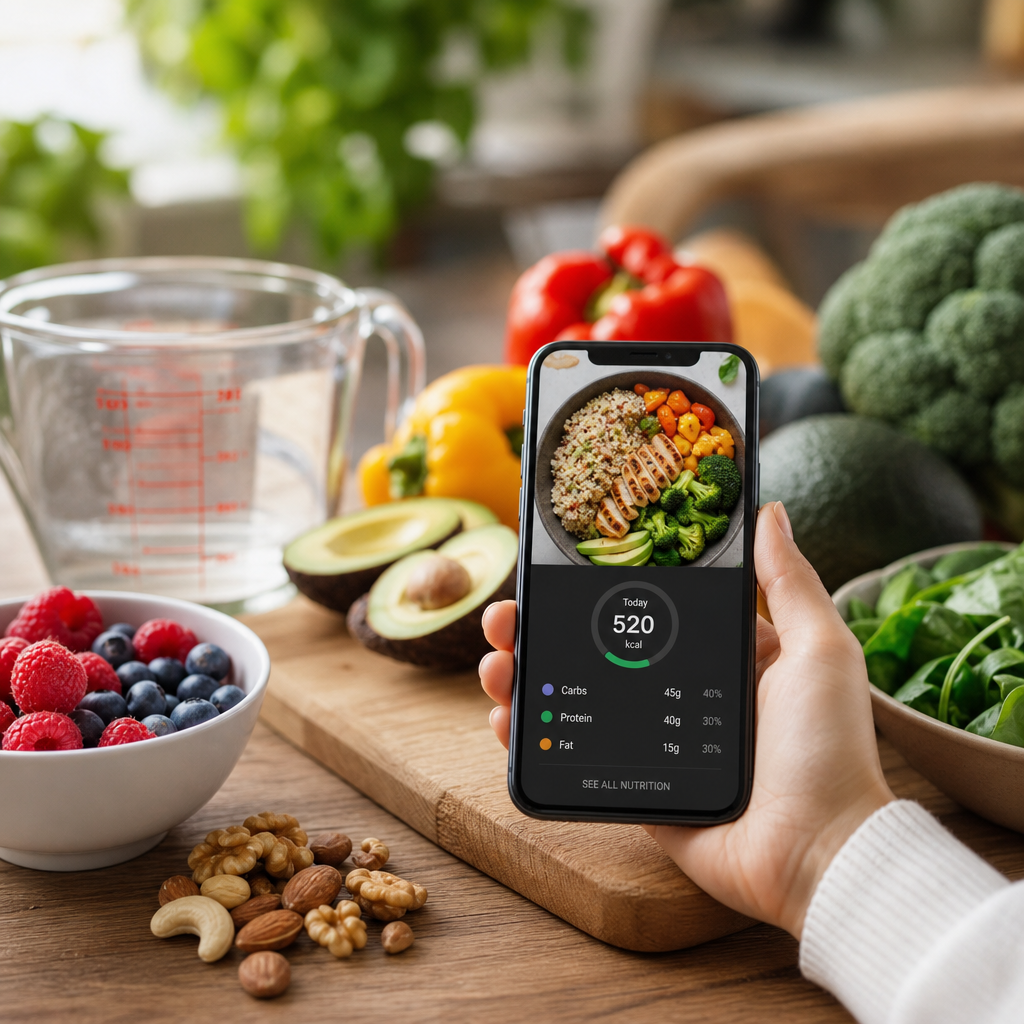 Discover the Best AI Calorie Tracker Apps for Your DietExplore the top AI-powered calorie tracker apps that can help you manage your diet and reach your health goals effectively.
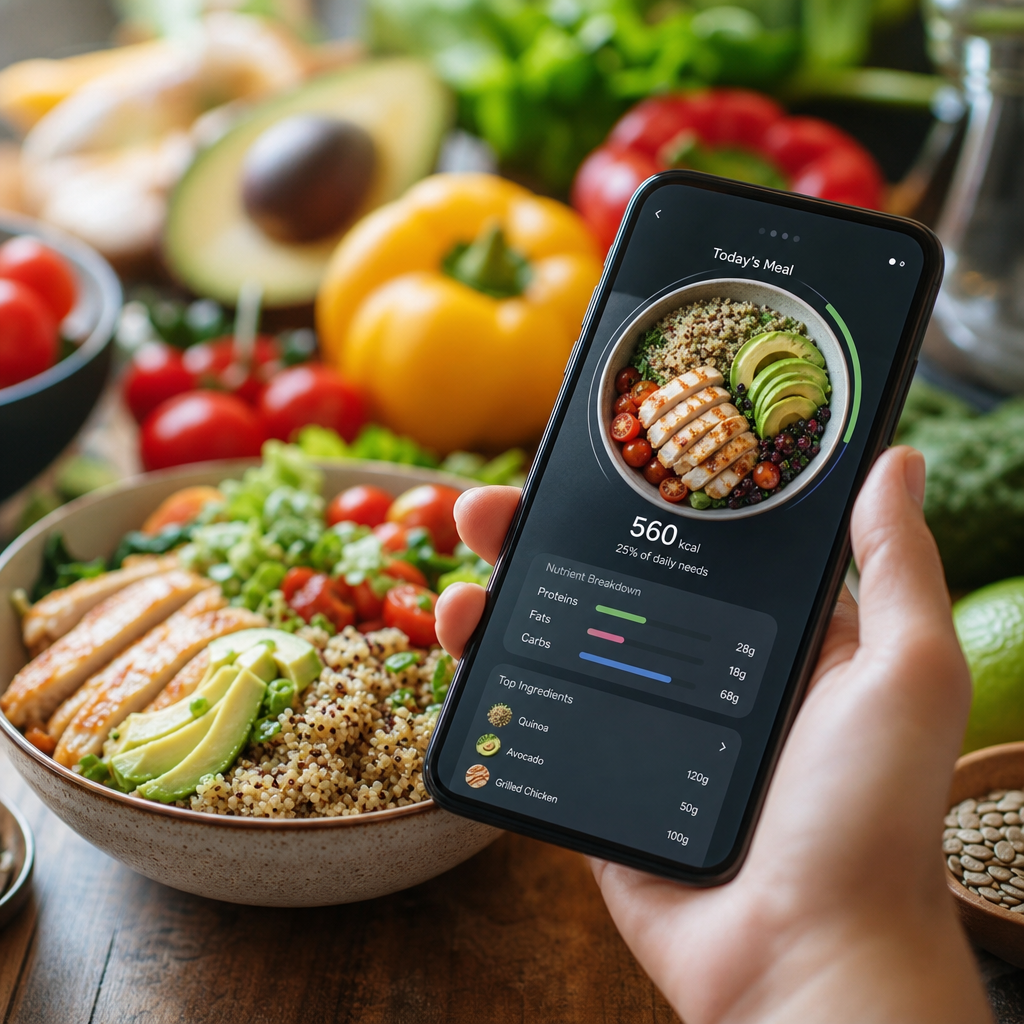 How AI Calorie Counting Works: Unpacking the Technology Behind the AlgorithmDiscover how AI calorie counting apps utilize advanced technology to help you track nutrition and achieve your fitness goals.
 How Much Water Should You Drink for Weight Loss?Learn the optimal water intake for weight loss, its benefits, and practical tips to stay hydrated in your weight loss journey.
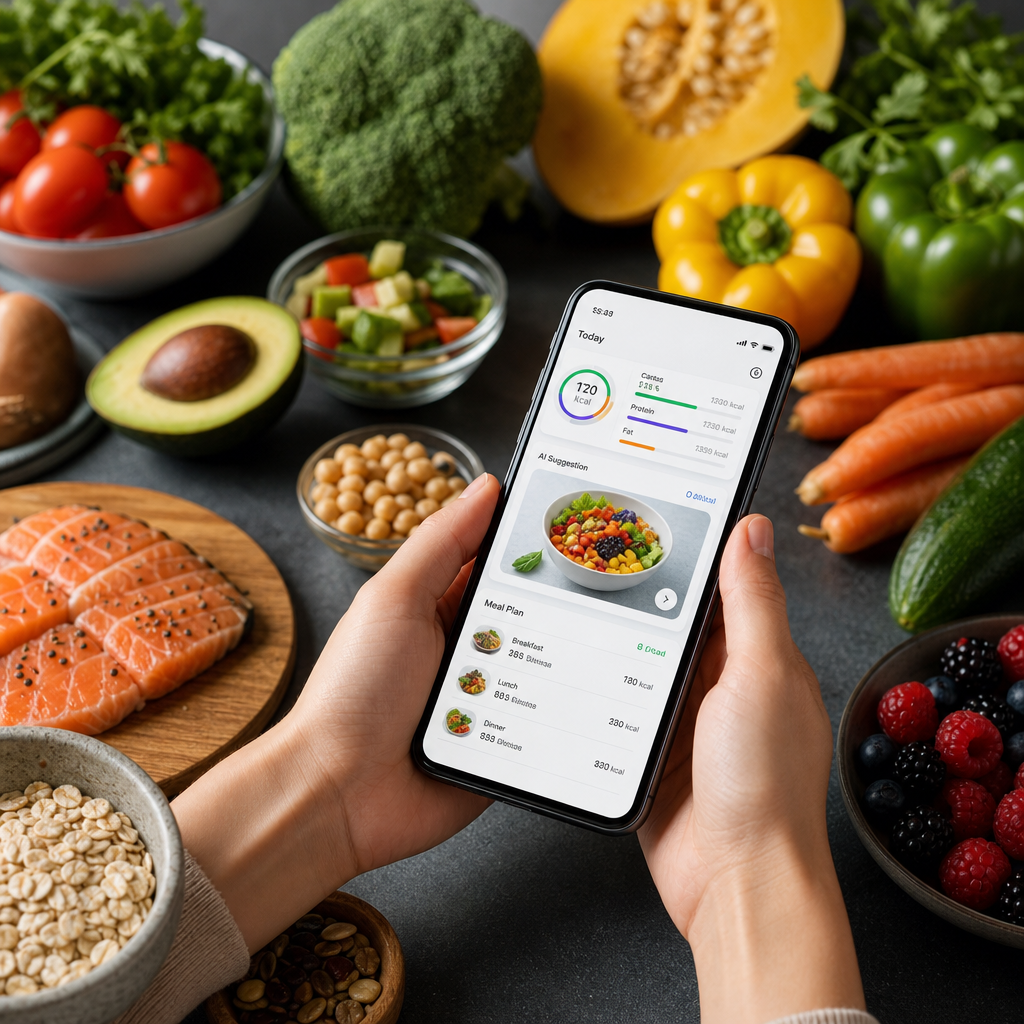 The Future of AI Nutrition Apps: Innovations in Dietary ManagementExplore how AI nutrition apps are transforming dietary management with personalized insights, meal planning, and automated tracking.
 How Many Calories Are in Pizza? A Comprehensive GuideDiscover the calorie counts for different pizza types and toppings. Make informed choices while enjoying your favorite slice!