Unlocking Your Weight Loss Journey with AI Calorie Trackers
Discover how AI calorie trackers can significantly aid your weight loss journey through personalized insights and real-time analysis.
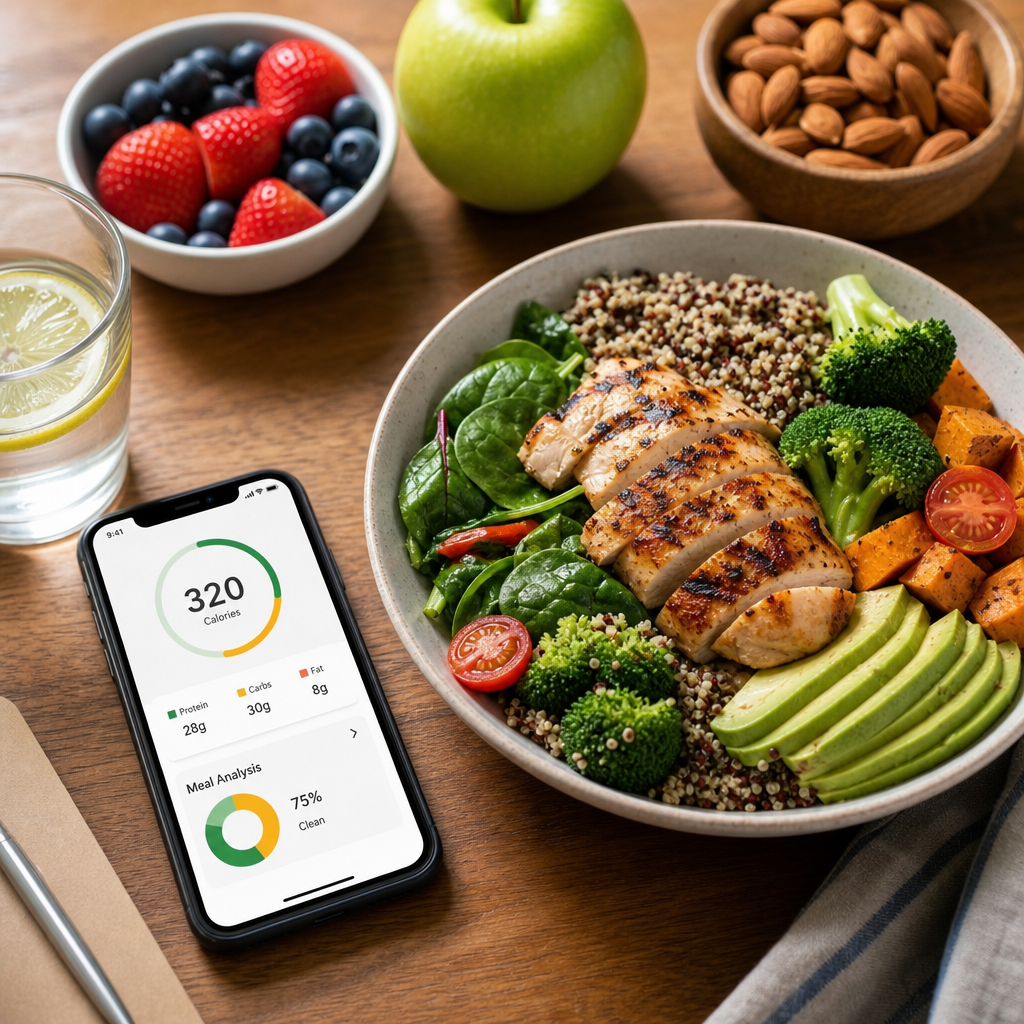
Understanding AI Calorie Trackers
AI calorie trackers use sophisticated algorithms to analyze food, estimate calorie counts, and track your daily intake. These tools take advantage of machine learning technologies to learn from your eating habits and preferences, providing a tailored experience to guide you in your weight loss journey. Unlike traditional calorie counters, which often require manual input, AI trackers can analyze food images or utilize integrated databases to quickly provide nutritional information.
With features like barcode scanning, meal suggestion generators, and personalized recommendations, AI calorie trackers not only make it easier to log your meals but also enhance your awareness of what you consume. They can effortlessly integrate with other health apps as well, continuously learning from your habits to provide actionable insights.
The Benefits of Using AI Calorie Trackers for Weight Loss
AI calorie trackers provide several advantages that can simplify your weight loss efforts. Here are some key benefits:
Personalized Recommendations: Based on your activity level, metabolic rate, and dietary preferences, AI trackers can suggest optimum calorie intake and meals that align with your weight loss goals.
Real-Time Tracking: With real-time updates and alerts, you can monitor your calorie intake throughout the day. This immediacy helps reinforce positive changes as you are continually reminded of your progress.
Comprehensive Insights: Most AI calorie trackers offer detailed breakdowns of macronutrients, helping you understand not just how many calories you're consuming, but also which nutrients are contributing to your diet.
Behavioral Insights: Advanced algorithms analyze patterns in your eating behavior, potentially uncovering habits that might be hindering your progress!
How to Choose the Right AI Calorie Tracker
Choosing the right AI calorie tracker can make a difference in your weight loss success. Here are some factors to consider:
User Interface: Opt for an app that feels intuitive and user-friendly; you will be more likely to stick with it if you enjoy using it.
Integration Capabilities: Ensure that the app can connect to other health platforms (like Fitbit or Apple Health) to consolidate your health data.
Features: Look for features such as grocery list creation, meal planning, or reminders. Some might even include recipe suggestions based on your dietary preferences.
Community Support: Some apps offer a social aspect, allowing users to join health communities, participate in challenges, or find accountability partners. This can provide extra motivation on your weight loss journey.
Integrating AI Trackers into Your Daily Routine
Integrating an AI calorie tracker into your everyday life doesn’t have to be daunting. Here are practical steps to ensure success:
Set Realistic Goals: Start by defining clear, achievable weight loss goals. For instance, aim to lose 1-2 pounds per week, which requires a calorie deficit of around 500-1000 calories per day.
Log Your Meals Early: At your first meal of the day, utilize the app to log your breakfast. This creates a habit, making it easier to continue logging meals throughout the day. The AI can suggest alternatives based on previous meals or successful combinations.
Celebrate Small Wins: Use the app to monitor your progress not just in weight but also in consistency. Reward yourself for milestones, both big and small, to maintain motivation.
Adjust as Necessary: As your body changes, your calorie needs may also shift. Regularly check in with your AI tracker and adjust your goals to reflect changes in your activity levels or weight.
AI Calorie Trackers: Success Stories
Many users have found immense success with AI calorie trackers. For example, a user might begin their journey at 220 pounds with a goal of reaching 180 pounds. By consistently logging their meals using an AI tracker, they could discover specific patterns—perhaps they tend to overindulge during weekends. With this knowledge, they could create strategies to manage their weekend eating, leading to an average weight loss of two pounds per week.
Another success story could involve a user who struggled with lunchtime food choices. With their AI tracker, they learned about lower-calorie meal options while still enjoying satisfying flavors. By replacing their usual high-calorie lunch with a smart salad and lean protein recommendation from the app, they cut 300 calories from their daily intake without feeling deprived.
Common Misconceptions About AI Calorie Trackers
Despite their many benefits, several misconceptions surround AI calorie trackers that can hinder individuals from using them effectively:
'I Have to Manually Log Everything': While manual logging is an option, many AI trackers offer barcode scanning and photo analysis, making the process quick and straightforward.
'They Only Focus on Calories': AI calorie trackers do a lot more than just count calories; they consider macronutrient balance, meal timing, and even hydration levels.
'They're Only for Tech-Savvy Users': Most AI calorie trackers are designed to be user-friendly, with countless tutorials available to assist anyone in getting started.
The Future of Weight Loss with AI Technology
The integration of AI in nutrition and calorie tracking is still evolving. Expect more advanced features that can analyze food composition at a molecular level and tailor dietary needs in real-time. Imagine an AI tracker that adjusts your meal suggestions based on your hormonal fluctuations, activity levels, or even your mood!
With the advent of hard science and intimate AI networking, weight loss strategies could soon be smarter and more personalized than ever before. Consider this: AI can potentially track your emotional state and suggest comfort foods in appropriate portion sizes, reducing instances of binge eating without sacrificing emotional health!
Frequently Asked Questions
How accurate are AI calorie trackers?
AI calorie trackers can provide a high level of accuracy, especially when using food scanning features. However, accuracy may vary based on food types and portion sizes, making it crucial to stay mindful of entries.
Can AI calorie trackers replace nutritionists?
While AI calorie trackers offer valuable insights and dietary recommendations, they are not a substitute for personalized advice from a qualified nutritionist, especially for individuals with specific dietary needs or medical conditions.
What features should I look for in an AI calorie tracker?
Look for features such as barcode scanning, meal logging with photos, macronutrient breakdowns, integration with fitness trackers, and community support features to enhance motivation.
How can I make the most out of my AI calorie tracker?
Set realistic goals, log meals consistently, engage with community features for support, and adjust food choices and habits based on the feedback from the tracker.
What’s the best way to stay motivated with an AI calorie tracker?
Celebrate small wins, take part in challenges, and connect with friends or community features within the app for communal support to keep you motivated.
Ready to streamline your weight loss journey? Try Cal AI today! Snap a photo of your meals and instantly estimate calories, view protein, carbs, and fat, and analyze meals with AI. Achieve your nutrition goals more effortlessly!
Share this article
Cal AI
Track meals faster with Cal AI
Scan food, estimate calories, and keep your nutrition log moving without typing every ingredient.
Author
Cal AI Editorial Team
Practical guides on nutrition, calorie tracking, meal planning, and building healthier habits with Cal AI.
Editorial policyFrequently asked questions
How accurate are AI calorie trackers?
AI calorie trackers can provide a high level of accuracy, especially when using food scanning features. However, accuracy may vary based on food types and portion sizes, making it crucial to stay mindful of entries.
Can AI calorie trackers replace nutritionists?
While AI calorie trackers offer valuable insights and dietary recommendations, they are not a substitute for personalized advice from a qualified nutritionist, especially for individuals with specific dietary needs or medical conditions.
What features should I look for in an AI calorie tracker?
Look for features such as barcode scanning, meal logging with photos, macronutrient breakdowns, integration with fitness trackers, and community support features to enhance motivation.
How can I make the most out of my AI calorie tracker?
Set realistic goals, log meals consistently, engage with community features for support, and adjust food choices and habits based on the feedback from the tracker.
What’s the best way to stay motivated with an AI calorie tracker?
Celebrate small wins, take part in challenges, and connect with friends or community features within the app for communal support to keep you motivated.
Related articles
 Signs of Dehydration You Should KnowLearn to recognize the key signs of dehydration to maintain optimal health and prevent hunger-related issues.
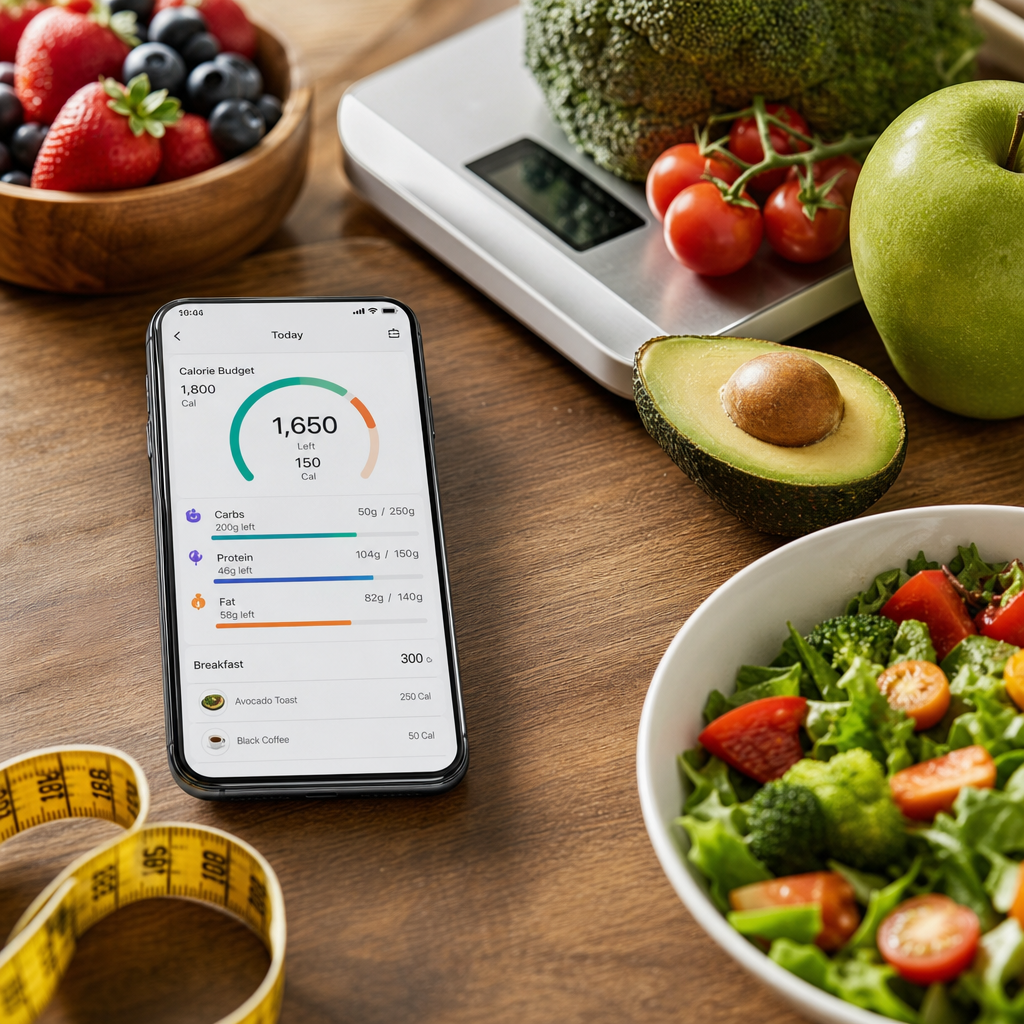 What Is a Smart Calorie Tracker?Explore the world of smart calorie trackers, options available, and how they can enhance your nutrition tracking and wellness journey.
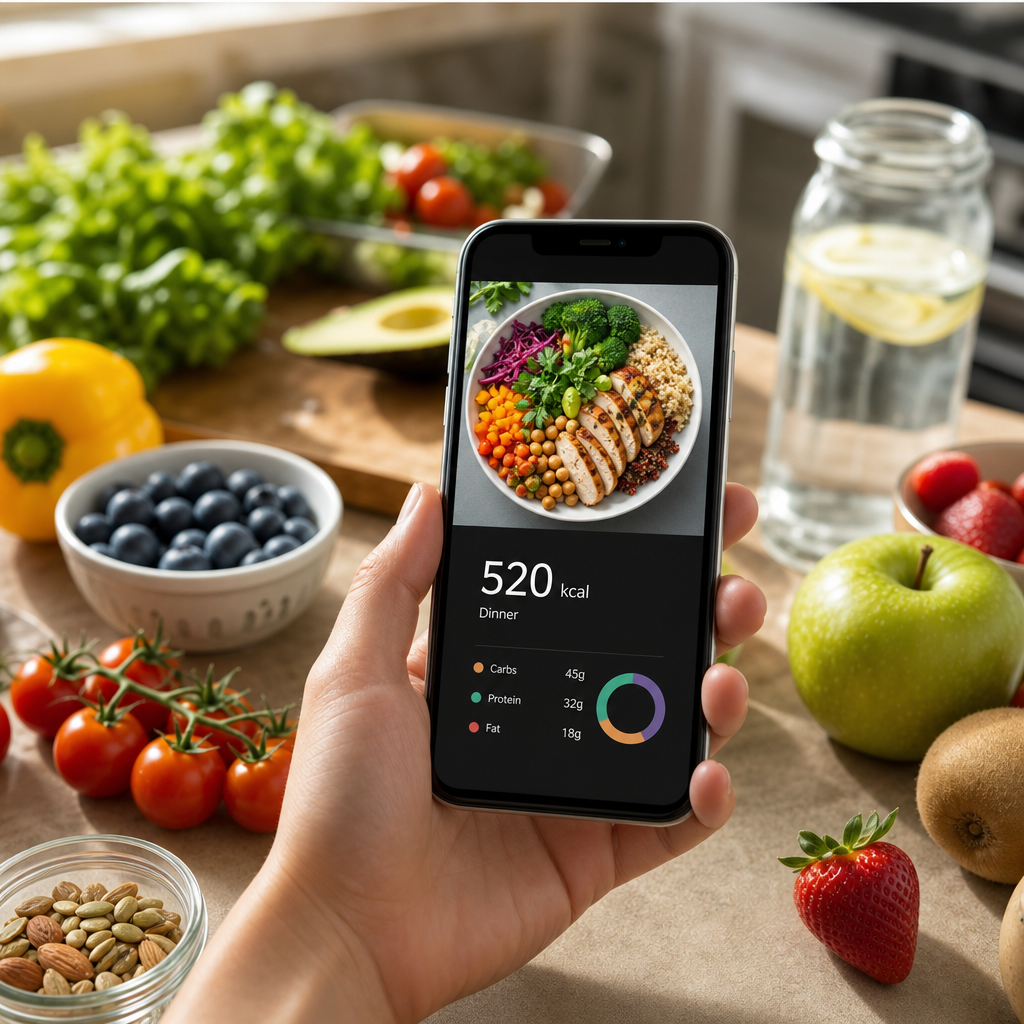 Best Apps for Counting Calories From PhotosDiscover the top apps that help you easily count calories from pictures of your food. Support your health goals with technology that fits your lifestyle.
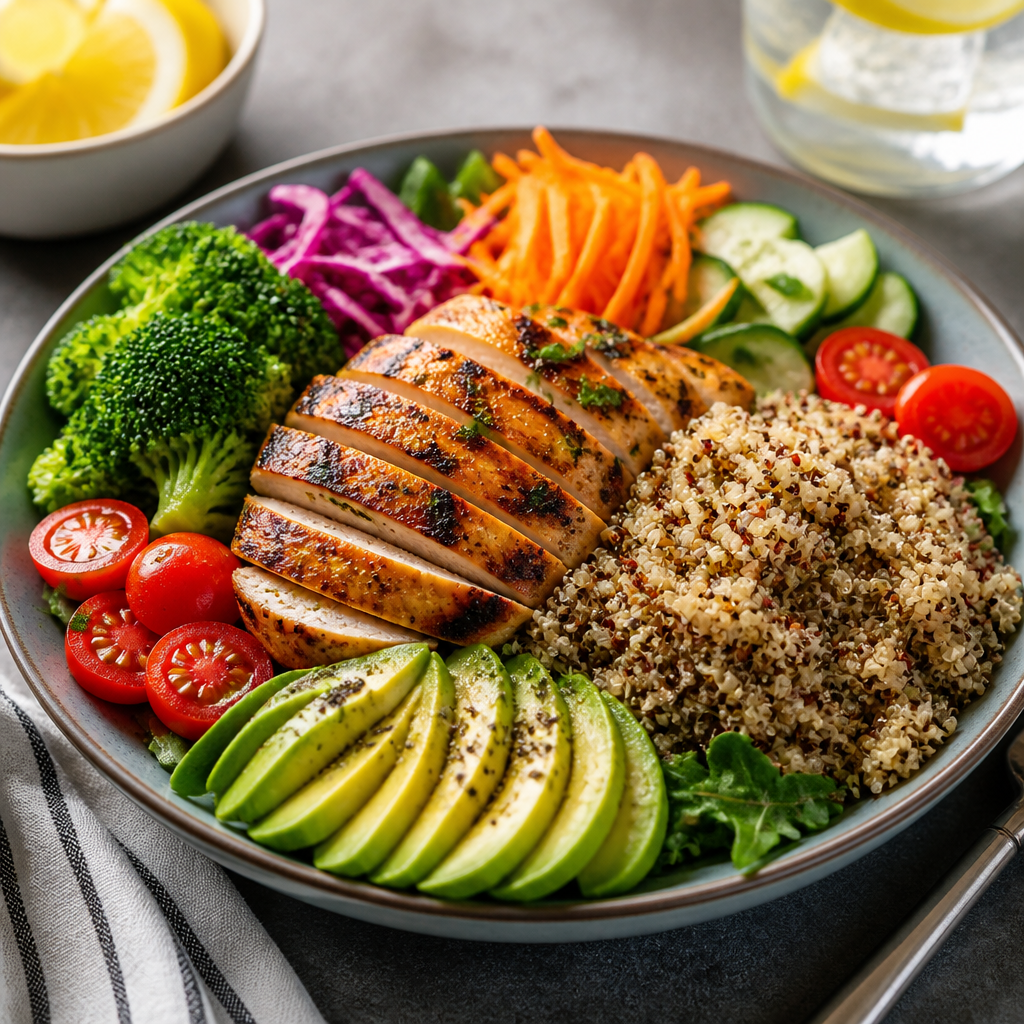 What Are Macros? A Beginner's Guide to Understanding MacronutrientsDive into the world of macronutrients. Learn about carbs, proteins, and fats and how they contribute to a balanced diet.
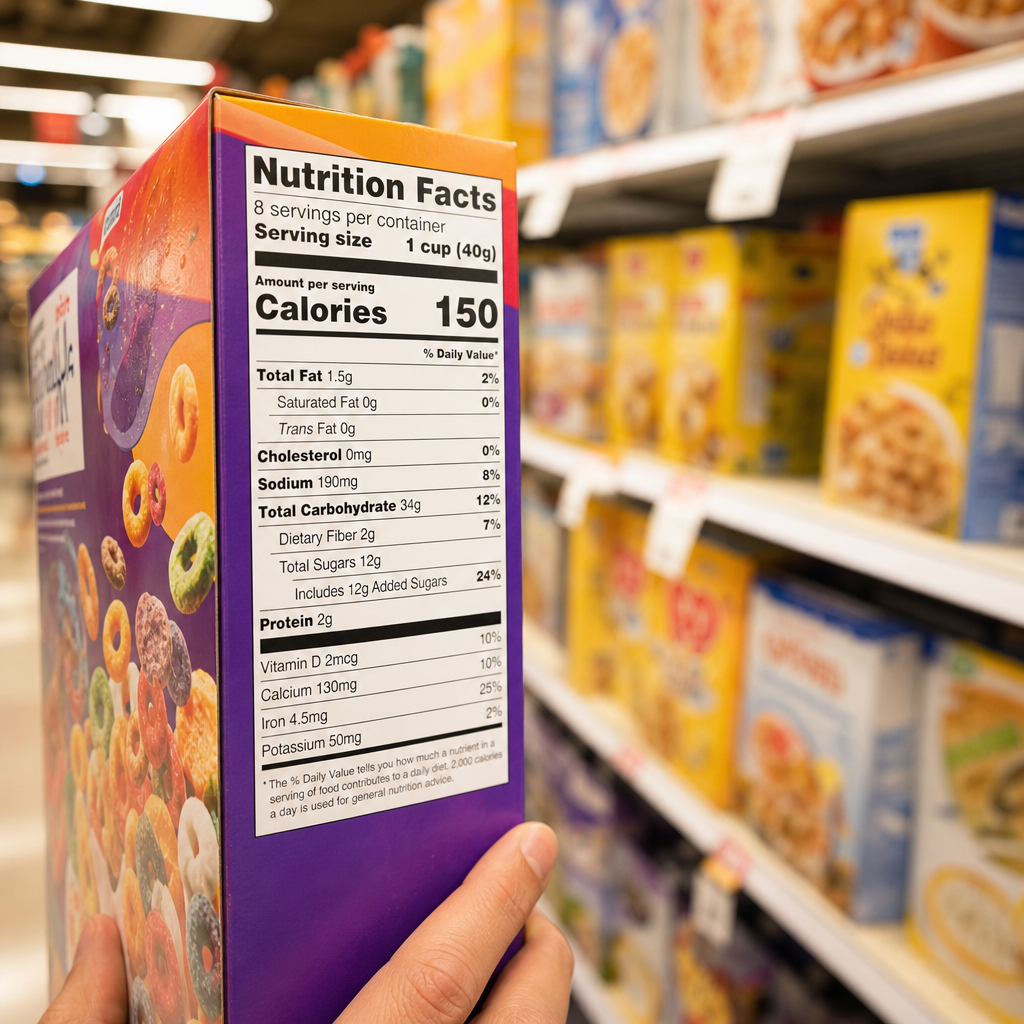 How to Read Food Labels: Your Ultimate Guide to Making Informed ChoicesLearn how to effectively read food labels to make informed dietary choices and enhance your health with our comprehensive guide.
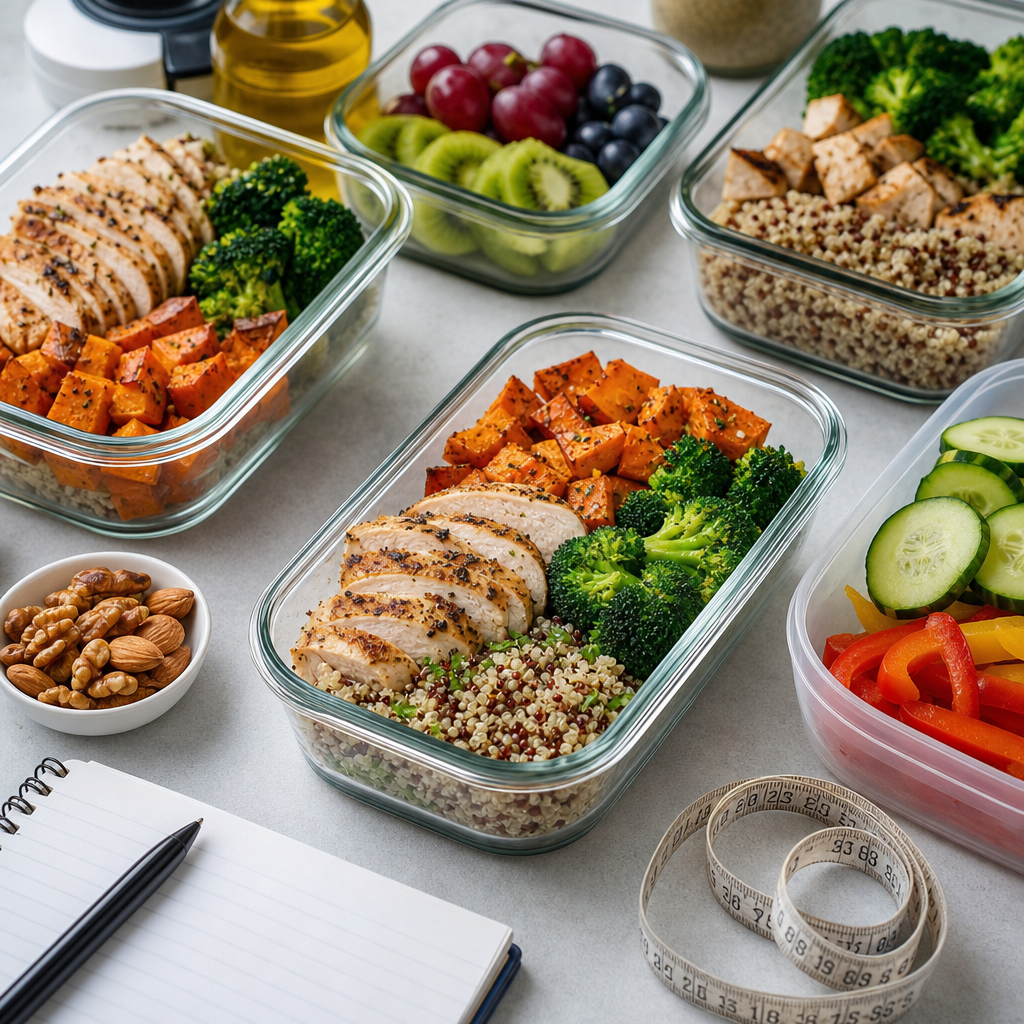 Mastering Meal Prep for Effective Calorie TrackingDiscover how meal prep can streamline your calorie tracking journey while delivering delicious, nutritious meals.
 How to Choose Healthier Foods Using LabelsUnlock the secrets of food labels with effective strategies to make healthier food choices and improve your nutrition.
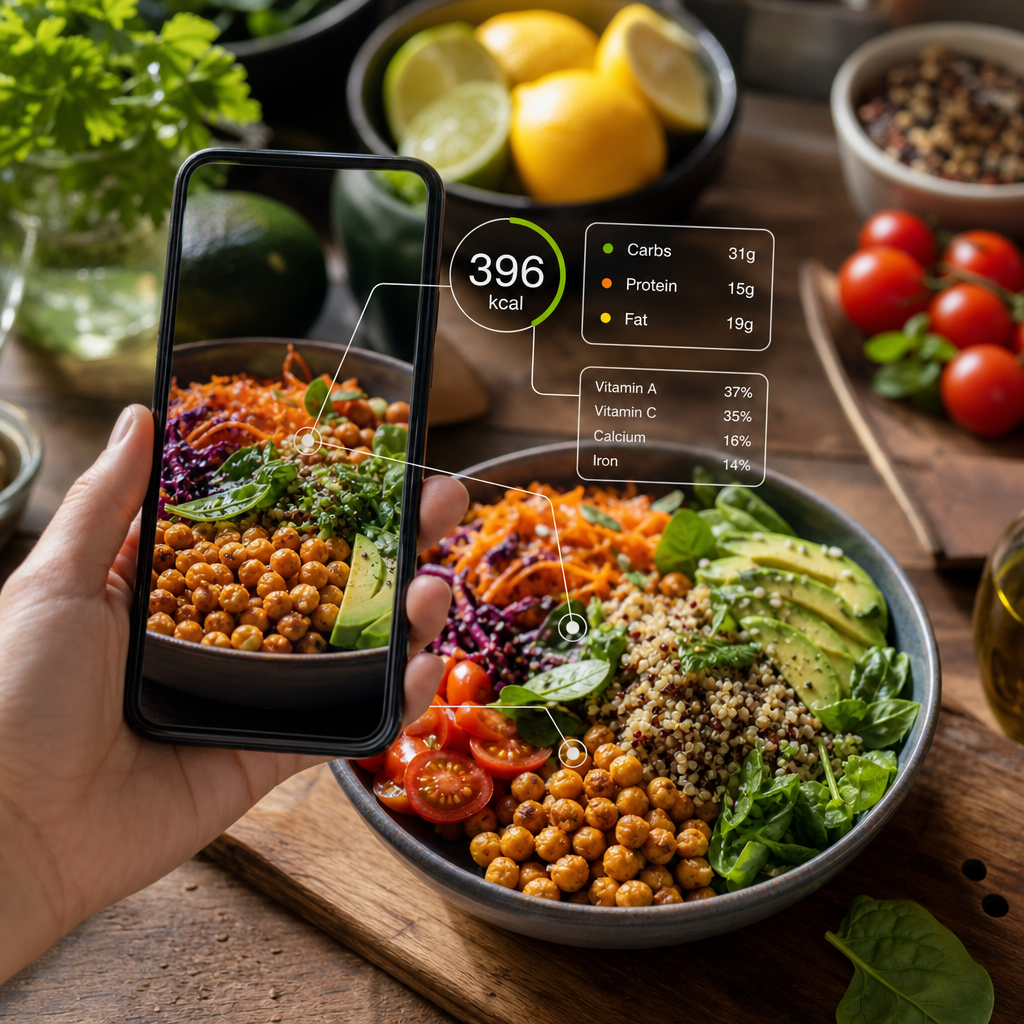 How AI Food Recognition Works: Transforming Food Photos into Actionable InsightsExplore the mechanics of AI food recognition and how it turns food images into nutritional data for better health management.
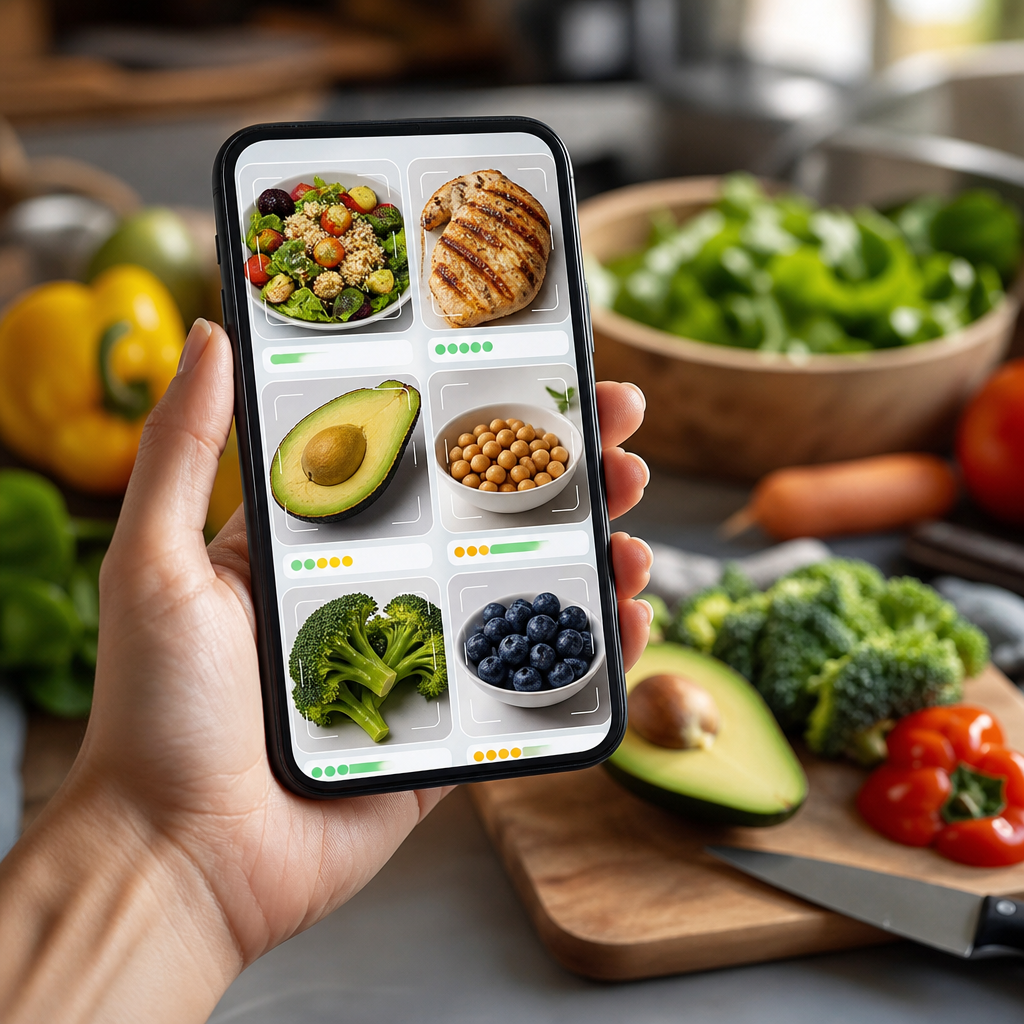 How AI Recognizes Food: The Technology Behind the MagicDiscover the intricate processes that allow AI to recognize food items in images, from deep learning models to real-world applications.
 How AI Automatically Tracks Calories: A Game Changer for Busy LifestylesDiscover how AI-driven technologies simplify calorie tracking, making healthy eating easier for busy individuals.
 AI Calorie Tracker for Muscle Gain: Maximizing Your Gains with PrecisionDiscover how AI calorie trackers can revolutionize your muscle gain journey by ensuring accurate caloric surplus tracking.
 Best AI Nutrition Apps: Transform Your Dietary HabitsExplore the top AI-powered nutrition apps designed to enhance your dietary choices, making it easier than ever to achieve your health goals.
 Can You Lose Weight With an AI Calorie Tracker?Explore how AI calorie trackers can enhance your weight loss journey by providing precise data, personalized insights, and meal tracking features.
 Utilizing an AI Food Scanner for Effective Weight LossExplore how an AI food scanner can revolutionize your weight loss journey by efficiently tracking caloric intake and nutritional content.
 How AI Calculates Protein, Fat, and CarbsDive into how AI calculates nutrition by analyzing food images to assess macronutrient distribution for better meal planning and nutritional insights.
 The Ultimate Weekly Meal Prep Guide for Busy Professionals and FamiliesTransform your weekly meal prep with this comprehensive guide. Save time, eat healthier, and enjoy delicious prepared meals all week long.
 How Many Calories Are in Ice Cream?Discover the calories in various ice cream flavors and explore healthier alternatives that satisfy your sweet tooth without sacrificing your diet.
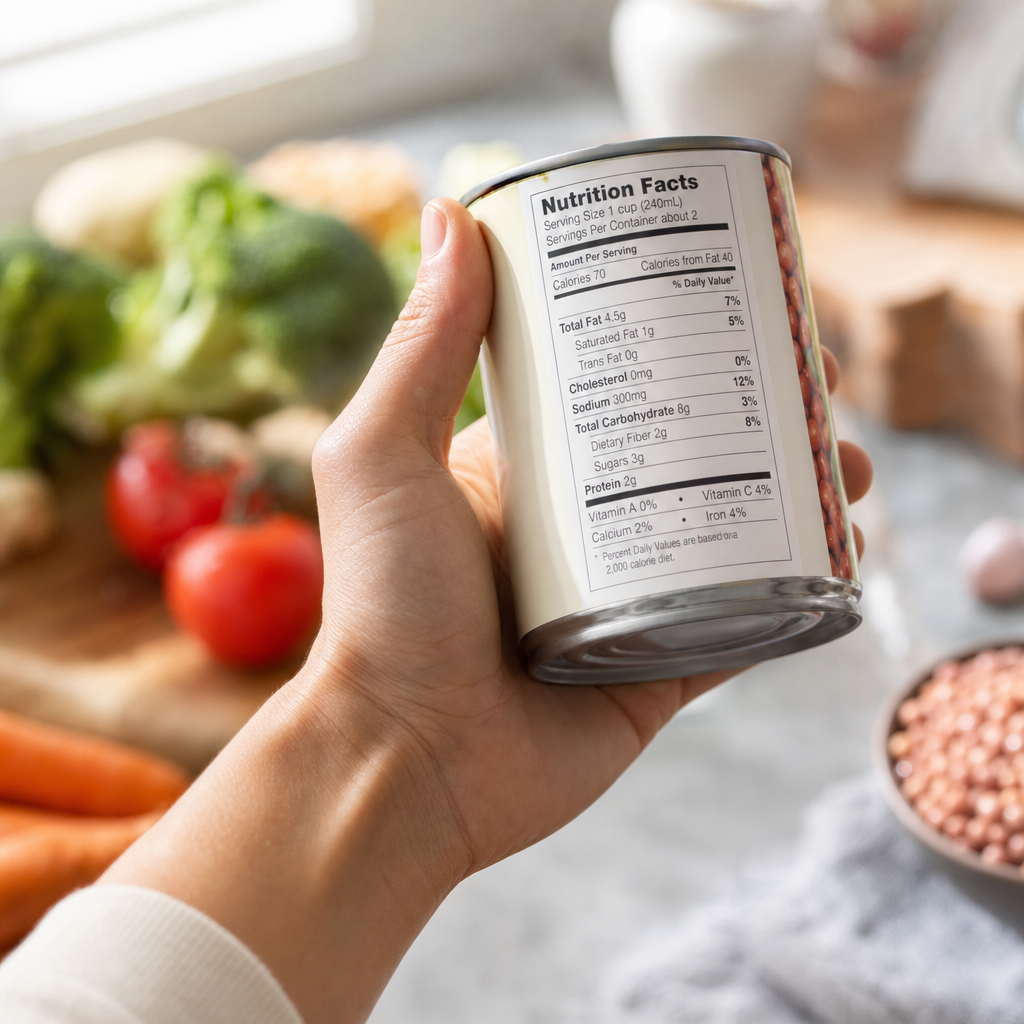 Common Food Label Reading Mistakes to Avoid for Better Dietary ChoicesLearn how to decode food labels with confidence by avoiding these common mistakes. Make healthier choices with the right information.
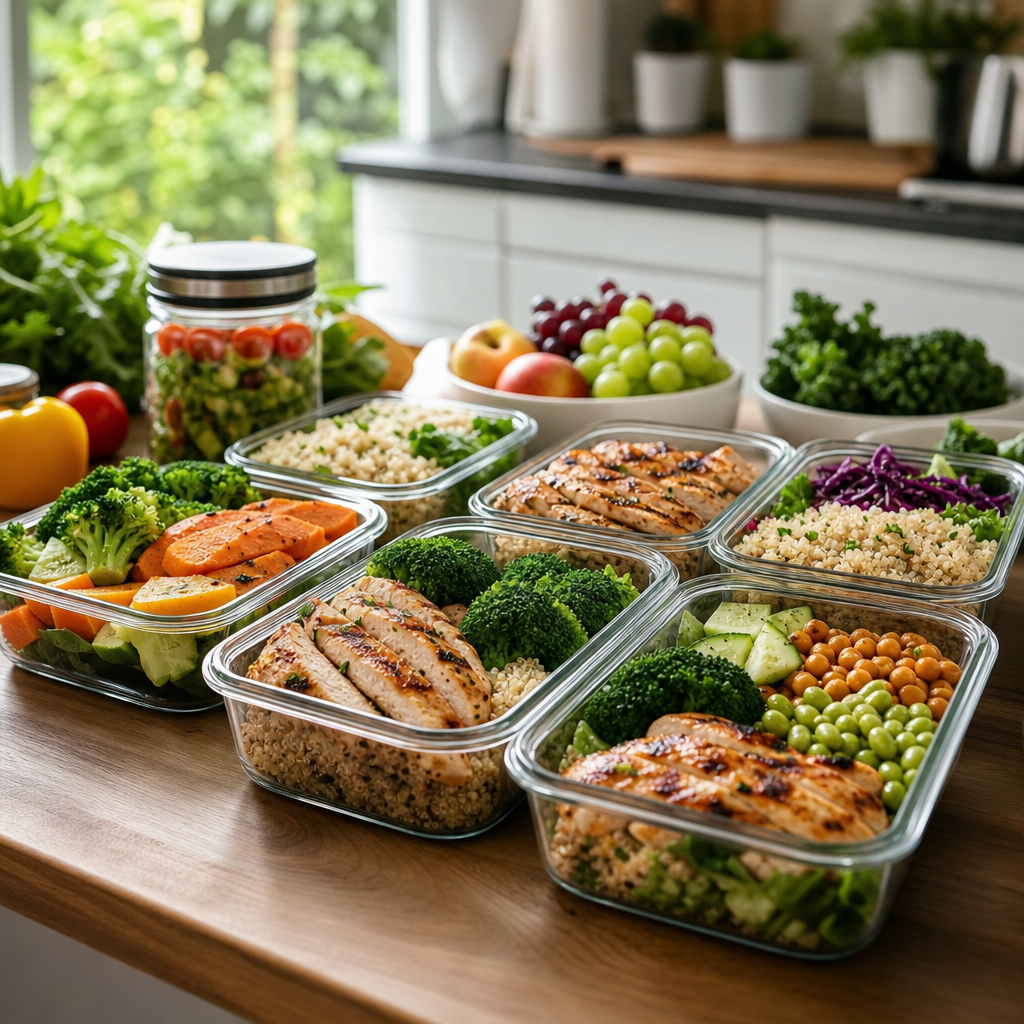 Batch Cooking for Weight Loss: A Smart Strategy to Manage PortionsDiscover how batch cooking can streamline your meal prep, help manage portions, and support your weight loss journey effectively.
 How Accurate Is AI Food Analysis?Explore the precision of AI in food analysis and its implications for nutritionists, researchers, and data enthusiasts in understanding caloric and nutritional content.
 Can AI Identify Ingredients From a Photo? An In-Depth LookDiscover how AI technology accurately identifies food ingredients from images, transforming cooking and nutrition analysis for enthusiasts and professionals alike.
 How Many Calories Are in a Tomato? A Comprehensive BreakdownDiscover the calorie content of tomatoes, their nutritional benefits, and how to incorporate them into your diet for optimal health.
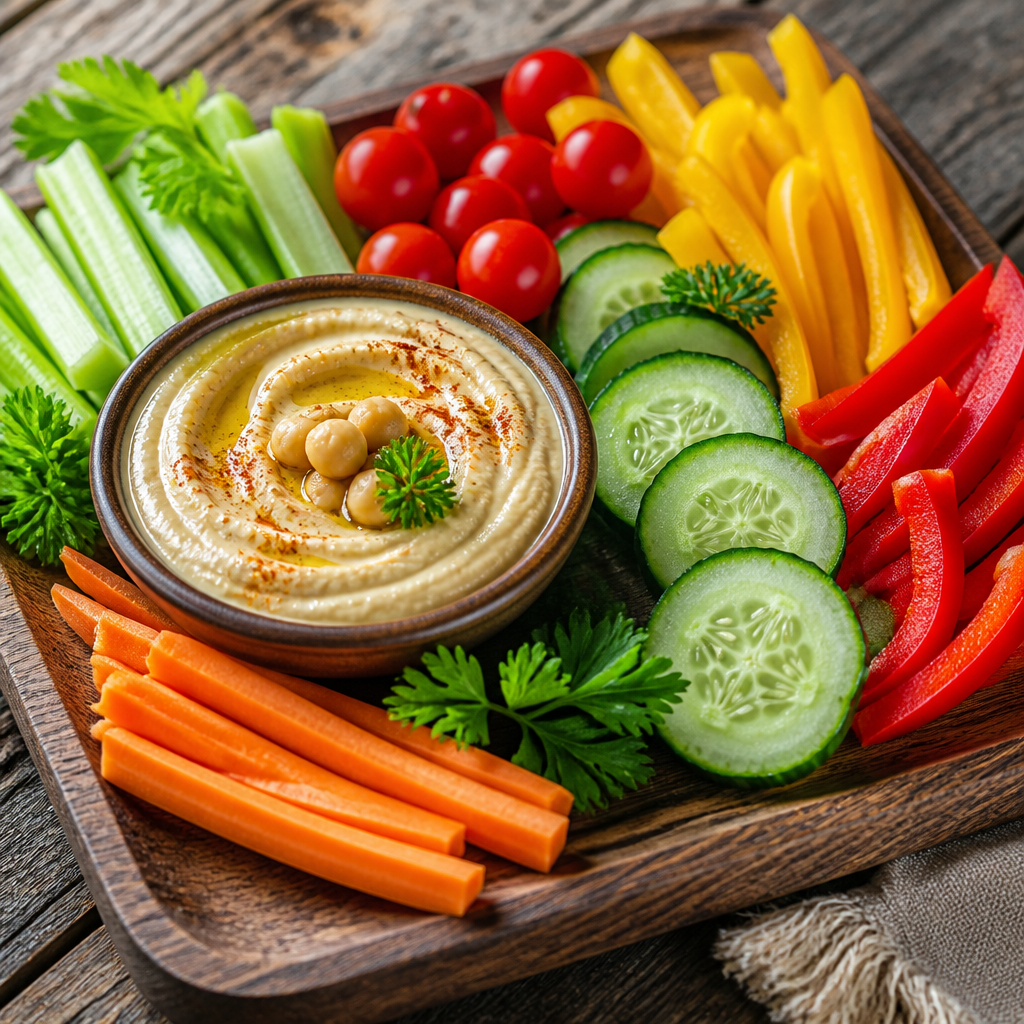 Crunching Numbers: The Best Low-Calorie Vegetables for SnackingExplore a variety of nutritious, low-calorie vegetables perfect for satisfying snacks while keeping your health goals in check.
 Why Hydration Matters in a Calorie DeficitDiscover the crucial role hydration plays in your weight loss journey, especially when operating in a calorie deficit.
 How to Calculate Macros for Muscle GainLearn effective strategies for calculating your macronutrients to support muscle growth and achieve your fitness goals.
 How Many Calories Are in a Pear?Explore the nutritional breakdown and health benefits of pears, an underrated fruit full of flavor and low in calories.
 Discover the Best AI Calorie Tracker Apps for Your DietExplore the top AI-powered calorie tracker apps that can help you manage your diet and reach your health goals effectively.
 AI Calorie Counter: Comprehensive Review of the Top AppsDiscover our in-depth review of popular AI calorie counter apps, evaluating their features, usability, and effectiveness to help you track your nutrition effortlessly.
 How AI Calorie Counting Works: Unpacking the Technology Behind the AlgorithmDiscover how AI calorie counting apps utilize advanced technology to help you track nutrition and achieve your fitness goals.
 How Much Water Should You Drink for Weight Loss?Learn the optimal water intake for weight loss, its benefits, and practical tips to stay hydrated in your weight loss journey.