Batch Cooking for Weight Loss: A Smart Strategy to Manage Portions
Discover how batch cooking can streamline your meal prep, help manage portions, and support your weight loss journey effectively.
What is Batch Cooking?
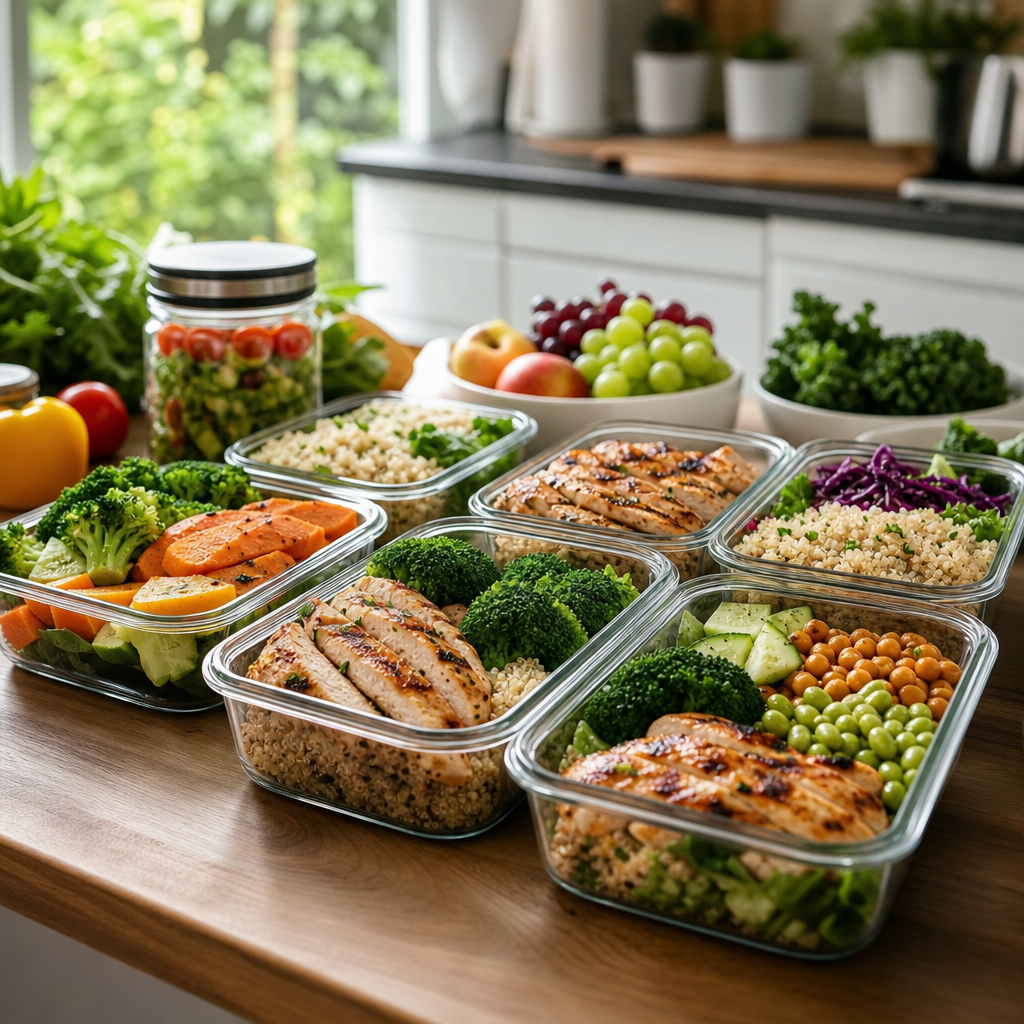
Batch cooking involves preparing large quantities of meals or components at once, allowing you to save time and energy throughout the week. This method is especially beneficial for individuals aiming for weight loss, as it encourages portion control and prevents last-minute unhealthy eating decisions. With batch cooking, you can cook your favorite meals or components—like grains, proteins, or vegetables—on a designated day, separating them into serving sizes that you can easily access later.
Not only does this save time during busy weekdays, but it also helps in managing caloric intake. For instance, cooking a large batch of brown rice can be stored in individual portions to be combined with lean protein and vegetables for a balanced meal. This kind of preparation is essential for sticking to a diet plan, as it allows you to have healthy options available without the temptation of fast food or takeout.
The Weight Loss Benefits of Batch Cooking
Batch cooking can play a critical role in your weight loss journey. By having healthy meals readily available, it becomes easier to avoid high-calorie snacks or impulsive eating. Here are some key benefits:
Portion Control: Preparing meals in advance allows you to control your serving sizes effectively, which is crucial for weight loss. It reduces the likelihood of overeating since each serving is pre-measured.
Nutrient Optimization: You can plan your meals to ensure you’re including a variety of nutrients. This can help you maintain energy levels while adhering to a calorie deficit.
Reduced Stress: Knowing you have healthy meals ready to go reduces the daily stress of meal planning and cooking, which can sometimes lead to unhealthy choices.
How to Start Batch Cooking for Weight Loss
To embark on your batch cooking journey, it’s essential to strategize effectively. Start with a meal plan for the week, focusing on balanced meals that include lean protein, whole grains, healthy fats, and plenty of fruits and vegetables. Here’s how to get started:
Choose Your Recipes: Select recipes that store and reheat well. Consider one-pot meals, casseroles, or soups that pack flavor and nutrition. For example, a vegetable chili or a chicken stir-fry with brown rice can be delicious and filling while remaining low in calories.
Make a Grocery List: Based on your meal plan, create a grocery list to ensure you have all ingredients on hand. Stick to whole, unprocessed foods as much as possible, like fresh produce, lean meats, beans, and whole grains.
Designate Cooking Day: Set aside a day when you can dedicate a few hours to cooking and preparing meals. A Sunday afternoon often works well for many people.
Examples of Batch Cooking Meals
Here are some delicious examples of meals you can batch cook that are not only satisfying but also supportive of your weight loss goals:
Overnight Oats: Prepare several jars of overnight oats for breakfast. Combine rolled oats, Greek yogurt, almond milk, and your favorite fruits. Each jar can be a balanced breakfast at approximately 300 calories per serving.
Quinoa Bowls: Cook a large batch of quinoa, then top individual portions with veggies, chickpeas, and a light vinaigrette for a filling lunch. Each bowl can be around 400 calories, dependent on portion sizes.
Roasted Chicken and Veggies: Roast a few chicken breasts with seasonal vegetables in olive oil. This meal is rich in protein and fiber, perfect for dinner. Each serving can be approximately 500-600 calories.
Storage and Reheating Tips
Once your meals are prepared, proper storage is key to keeping them fresh. Use airtight containers to separate meals for the week. Label them with dates and contents to keep track.
Regarding reheating, some meals may taste better fresh, while others can be reheated without losing much flavor. For grain-based dishes, add a touch of water before microwaving to maintain moisture. Soups and stews usually reheat beautifully. Take note of portion sizes when reheating; aim for about 400-500 calories per meal to stay aligned with your weight-loss objectives.
Tracking Your Progress With Batch Cooking
Using batch cooking as part of your strategy for weight loss is more effective when paired with good tracking habits. Meal planning and preparation can be complemented by tracking your intake using apps or journals. Calculate the calorie estimates for each meal to ensure you remain within your daily budget.
A simple way to track is to calculate average calories per serving based on your recipes and adjust according to your personal goals. For instance, if a meal of quinoa, chicken, and vegetables comes to 450 calories and you aim for 1500 calories daily, planning your other meals accordingly will support your overall goals.
Common Mistakes to Avoid
While batch cooking can be your ally in weight loss, there are some pitfalls to avoid:
Neglecting Variety: Eating the same meals repeatedly can lead to boredom and cravings. Rotate dishes and prepare different meals to keep your palate satisfied.
Overcomplicating Recipes: Stick with simple, straightforward recipes that are easy to replicate. Complexity can lead to burnout.
Portion Misjudgment: Be mindful of portion sizes when storing. It’s easy to misjudge when doing bulk prep.
Frequently Asked Questions
How often should I batch cook?
It's best to batch cook once a week, typically on weekends, to prepare meals for the following week. Adjust frequency based on your schedule and food preferences.
Can I freeze batch-cooked meals?
Absolutely! Many batch-cooked meals freeze well. Just ensure they're stored in airtight containers and labeled with dates to avoid freezer burn.
What are some low-calorie foods to include in batch cooking?
Incorporate vegetables like spinach, zucchini, and bell peppers. Lean proteins such as chicken breast or turkey, along with legumes and whole grains like quinoa and brown rice, are excellent options.
How do I avoid food waste with batch cooking?
Plan your grocery list based on your meals and be mindful of using ingredients that spoil quickly. Meal prep helps ensure that you consume what you've made throughout the week.
Is batch cooking suitable for everyone?
Yes! Batch cooking can be tailored to different dietary needs and preferences, making it a versatile strategy for anyone looking to improve their meal management and support weight loss.
Interested in optimizing your batch cooking and tracking your meals? With Cal AI, take a photo of your food, instantly estimate calories, view protein, carbs, and fat, and analyze meals effortlessly. Start tracking your nutrition goals today!
Share this article
Cal AI
Track meals faster with Cal AI
Scan food, estimate calories, and keep your nutrition log moving without typing every ingredient.
Author
Cal AI Editorial Team
Practical guides on nutrition, calorie tracking, meal planning, and building healthier habits with Cal AI.
Editorial policyFrequently asked questions
How often should I batch cook?
It's best to batch cook once a week, typically on weekends, to prepare meals for the following week. Adjust frequency based on your schedule and food preferences.
Can I freeze batch-cooked meals?
Absolutely! Many batch-cooked meals freeze well. Just ensure they're stored in airtight containers and labeled with dates to avoid freezer burn.
What are some low-calorie foods to include in batch cooking?
Incorporate vegetables like spinach, zucchini, and bell peppers. Lean proteins such as chicken breast or turkey, along with legumes and whole grains like quinoa and brown rice, are excellent options.
How do I avoid food waste with batch cooking?
Plan your grocery list based on your meals and be mindful of using ingredients that spoil quickly. Meal prep helps ensure that you consume what you've made throughout the week.
Is batch cooking suitable for everyone?
Yes! Batch cooking can be tailored to different dietary needs and preferences, making it a versatile strategy for anyone looking to improve their meal management and support weight loss.
Related articles
 Can AI Identify Ingredients From a Photo? An In-Depth LookDiscover how AI technology accurately identifies food ingredients from images, transforming cooking and nutrition analysis for enthusiasts and professionals alike.
 How Many Calories Are in a Tomato? A Comprehensive BreakdownDiscover the calorie content of tomatoes, their nutritional benefits, and how to incorporate them into your diet for optimal health.
 Crunching Numbers: The Best Low-Calorie Vegetables for SnackingExplore a variety of nutritious, low-calorie vegetables perfect for satisfying snacks while keeping your health goals in check.
 Why Hydration Matters in a Calorie DeficitDiscover the crucial role hydration plays in your weight loss journey, especially when operating in a calorie deficit.
 How to Calculate Macros for Muscle GainLearn effective strategies for calculating your macronutrients to support muscle growth and achieve your fitness goals.
 How Many Calories Are in a Pear?Explore the nutritional breakdown and health benefits of pears, an underrated fruit full of flavor and low in calories.
 Discover the Best AI Calorie Tracker Apps for Your DietExplore the top AI-powered calorie tracker apps that can help you manage your diet and reach your health goals effectively.
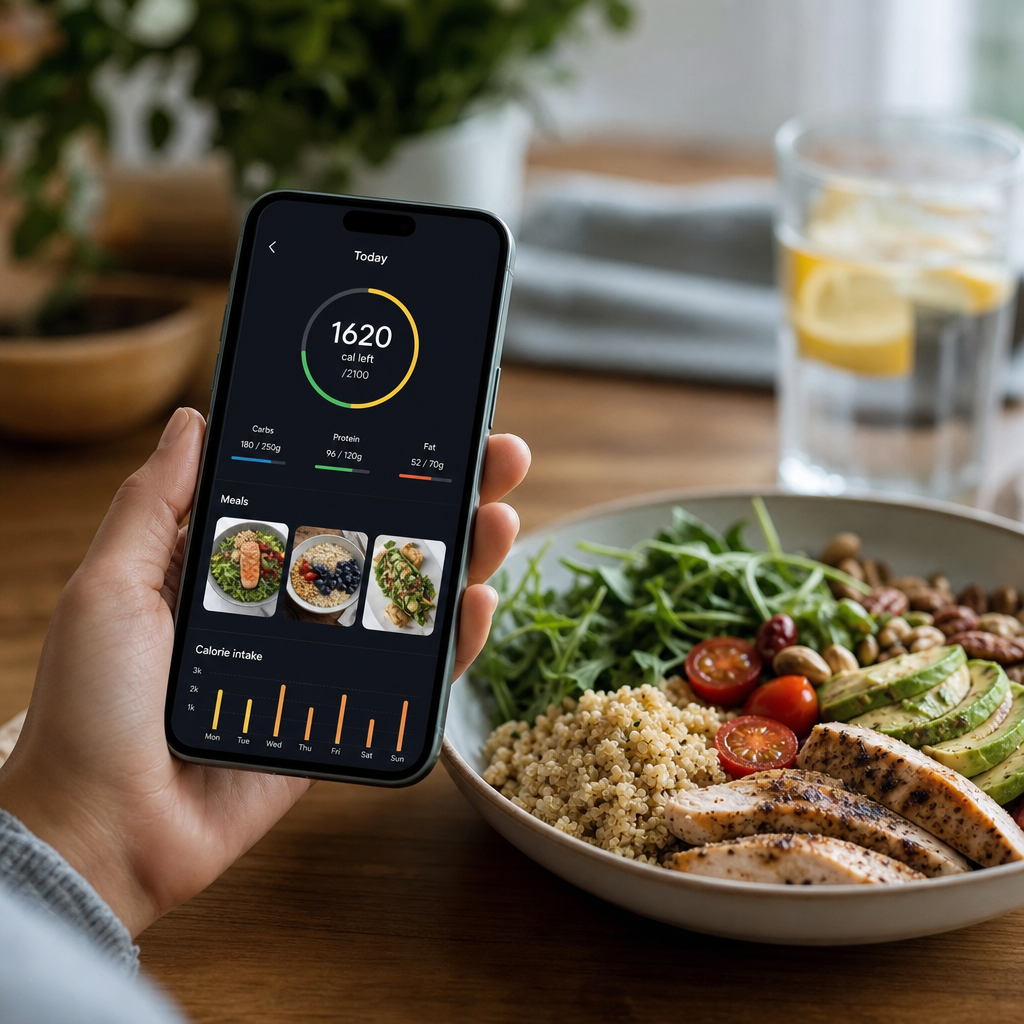 AI Calorie Counter: Comprehensive Review of the Top AppsDiscover our in-depth review of popular AI calorie counter apps, evaluating their features, usability, and effectiveness to help you track your nutrition effortlessly.
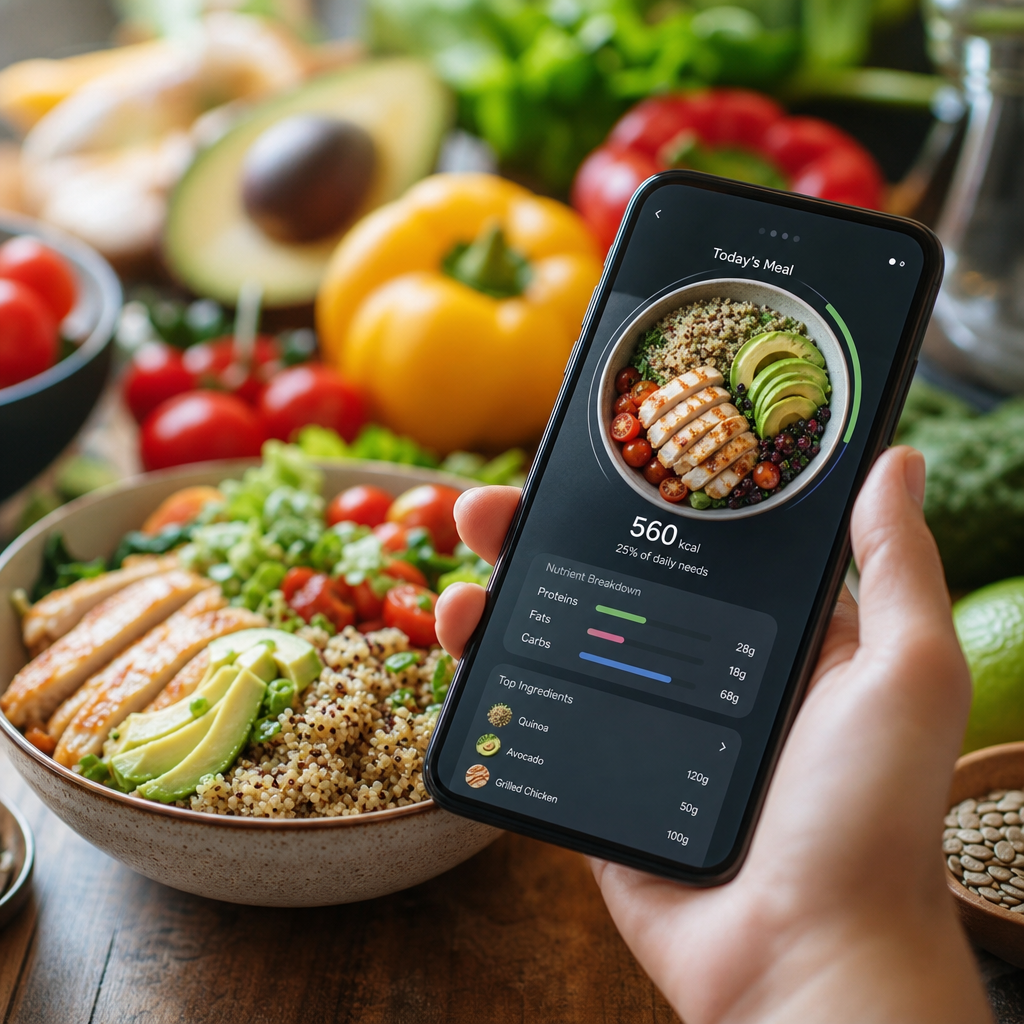 How AI Calorie Counting Works: Unpacking the Technology Behind the AlgorithmDiscover how AI calorie counting apps utilize advanced technology to help you track nutrition and achieve your fitness goals.
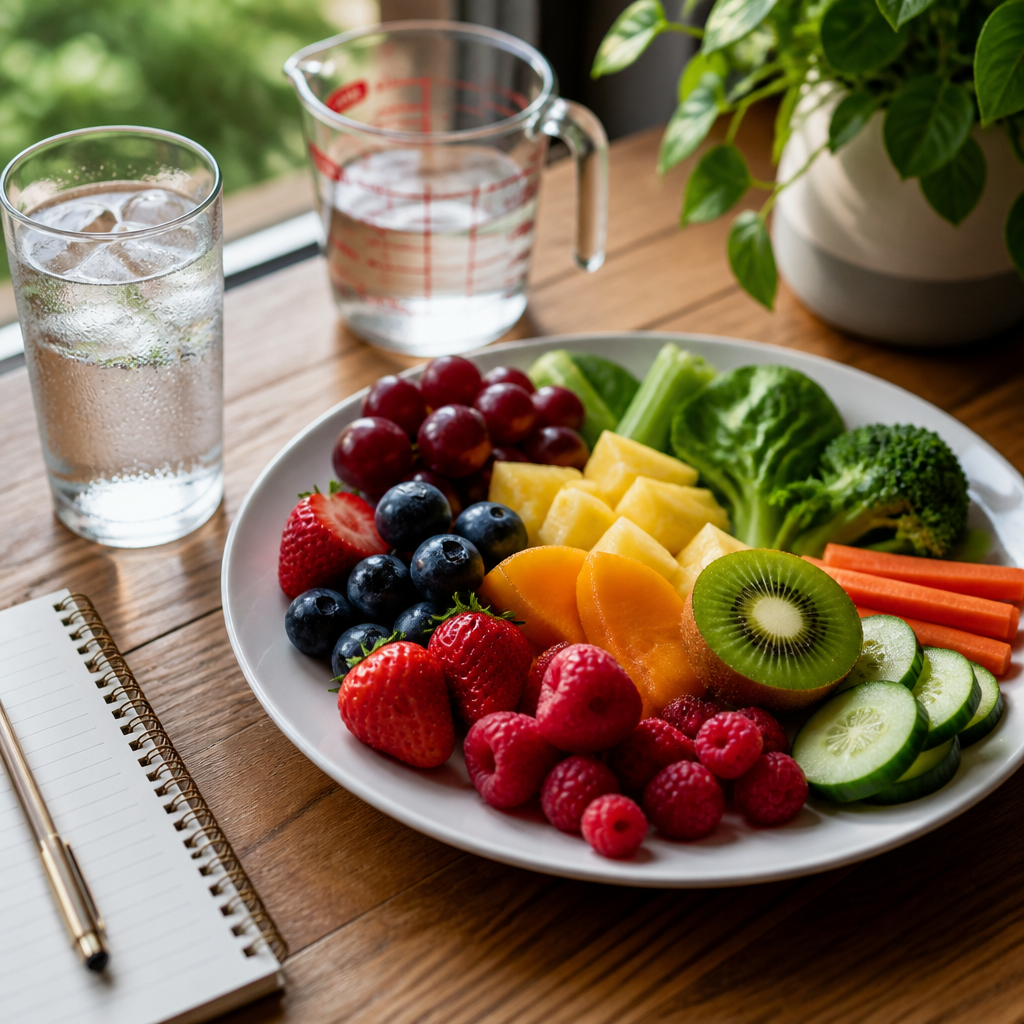 How Much Water Should You Drink for Weight Loss?Learn the optimal water intake for weight loss, its benefits, and practical tips to stay hydrated in your weight loss journey.
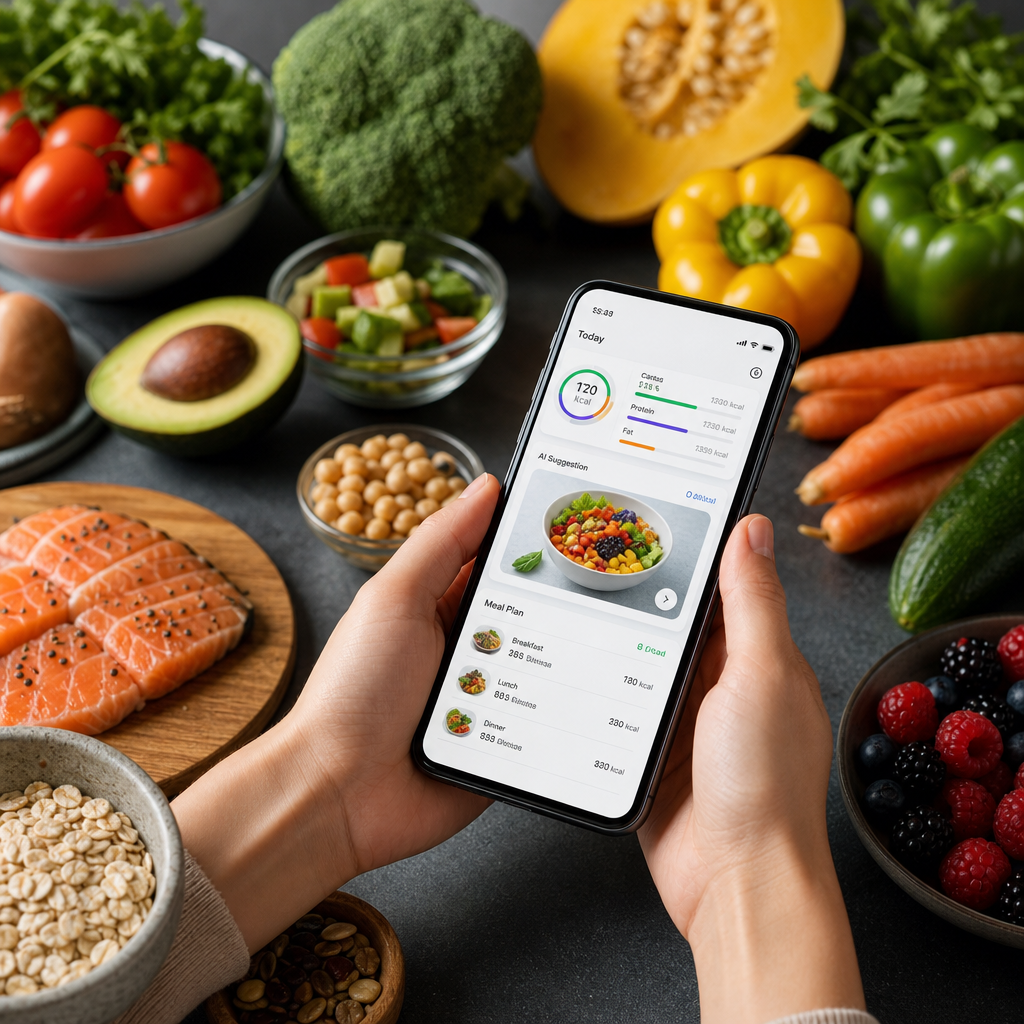 The Future of AI Nutrition Apps: Innovations in Dietary ManagementExplore how AI nutrition apps are transforming dietary management with personalized insights, meal planning, and automated tracking.
 How Many Calories Are in Pizza? A Comprehensive GuideDiscover the calorie counts for different pizza types and toppings. Make informed choices while enjoying your favorite slice!
 Cal AI Review 2026: The Future of Nutritional TrackingExplore a comprehensive review of Cal AI's anticipated features and reliability in 2026 for effective nutritional tracking.
 Calories vs Macros: What Matters More in Your Diet?Discover the crucial differences between calories and macros in dieting. Understand which plays a more significant role in your weight loss success.
 What Is Cal AI? Your Guide to AI-Powered Nutrition SolutionsDiscover how Cal AI can transform your approach to nutrition by offering instant meal analysis, calorie observation, and more!
 The Best Macro Ratio for Weight Loss: Optimizing Your IntakeDiscover the best macronutrient ratios for effective weight loss. Learn how to adjust your intake for optimal results while maintaining a healthy lifestyle.
 How Many Calories Are in Chicken Nuggets? A Comprehensive BreakdownDiscover the calorie counts of chicken nuggets from various brands and preparation methods to make informed choices for your family.
 How Much Protein Do You Need Per Day? A Comprehensive GuideDiscover your daily protein requirements tailored to your personal health goals with our in-depth guide. Find out how to calculate your needs effectively.
 How Many Calories Are in Wine? A Comprehensive GuideDiscover the calorie content in various types of wine and learn how to make informed choices without sacrificing enjoyment.
 How Many Calories Are in Beer? A Comprehensive GuideDiscover the caloric content in various beer styles and tips for enjoying beer in moderation without derailing your diet.
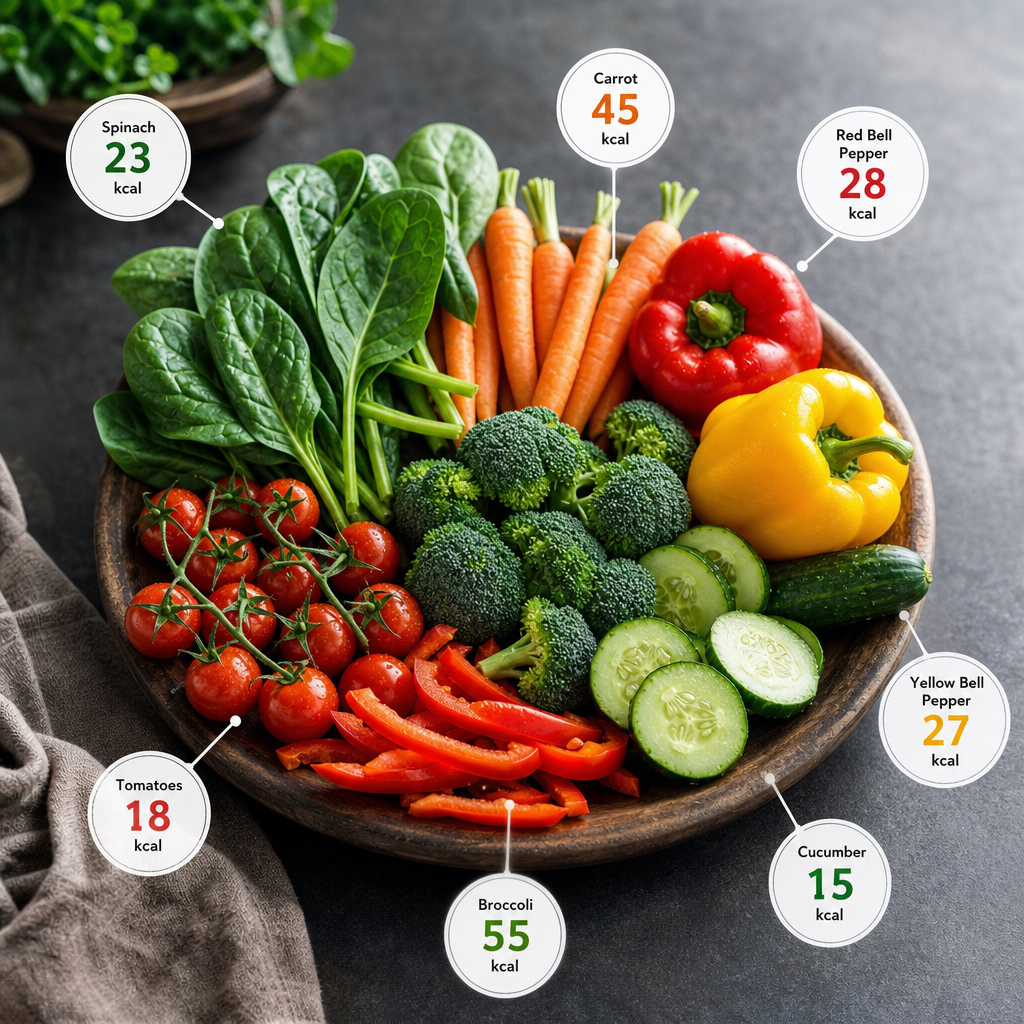 The Complete Vegetable Calorie Chart: Making Informed Dietary ChoicesExplore our complete vegetable calorie chart to make informed decisions for your diet, ensuring healthy calorie intake while enjoying a variety of vegetables.
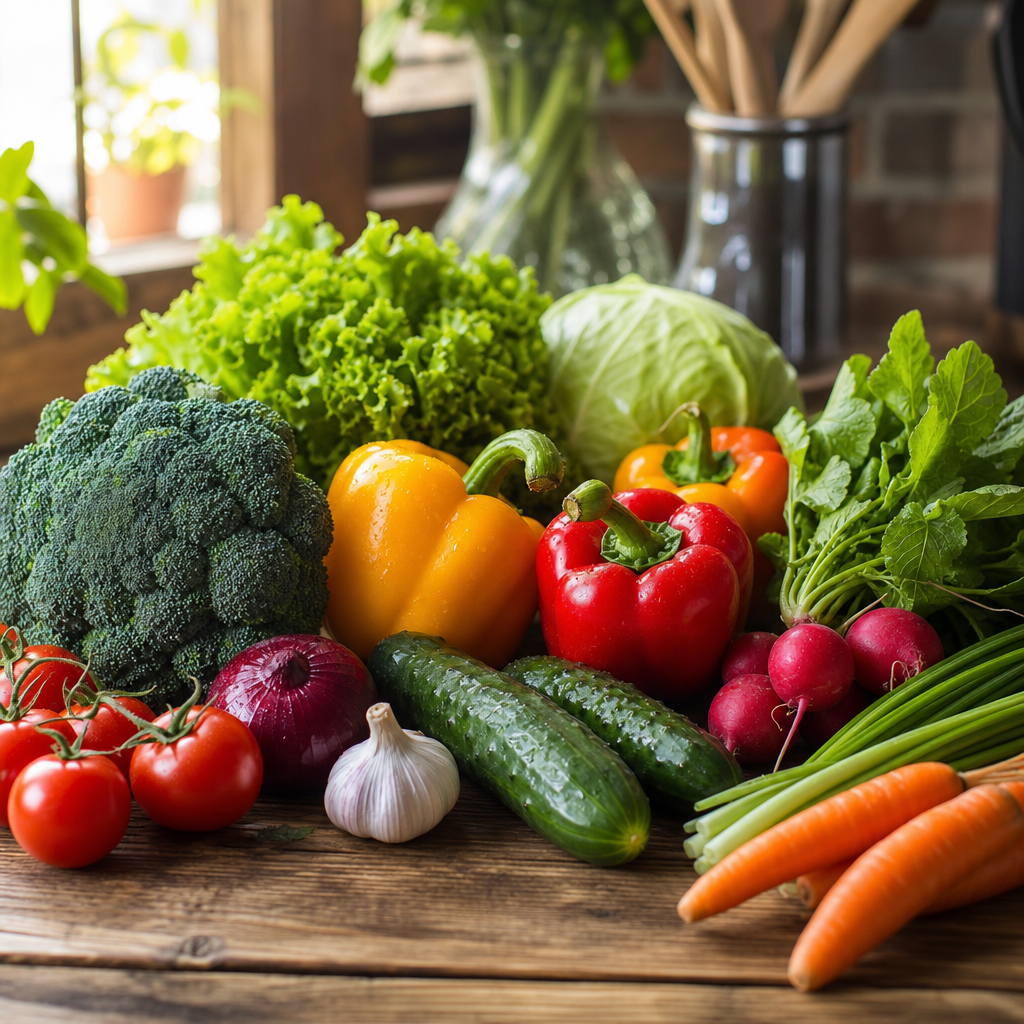 The Ultimate Weight Loss Vegetables List: Your Guide to Slimming SuccessDiscover the top weight loss vegetables list that can support your dieting journey with delicious, low-calorie options perfect for meals and snacks.
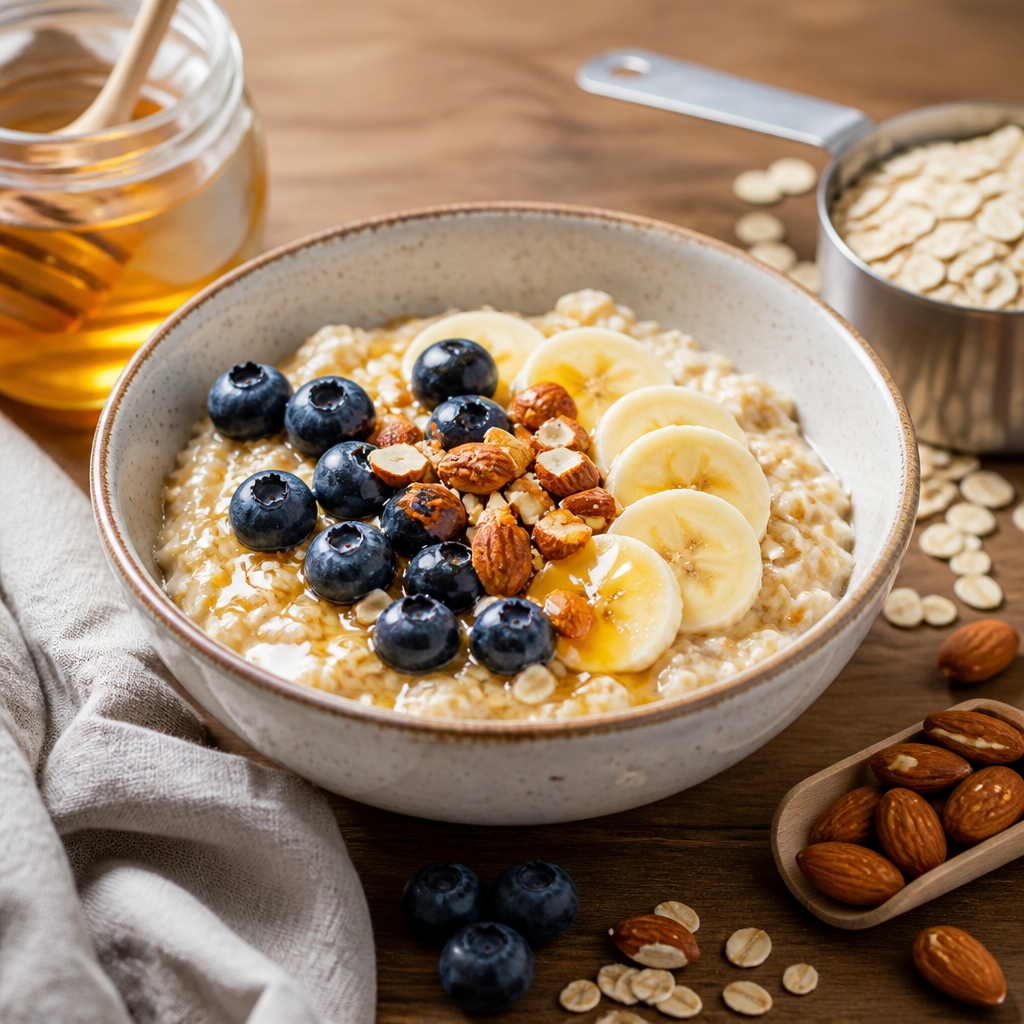 How Many Calories Are in Oatmeal? A Comprehensive GuideUncover the calories in oatmeal, from plain oats to popular toppings, and learn to customize your breakfast for optimal health.
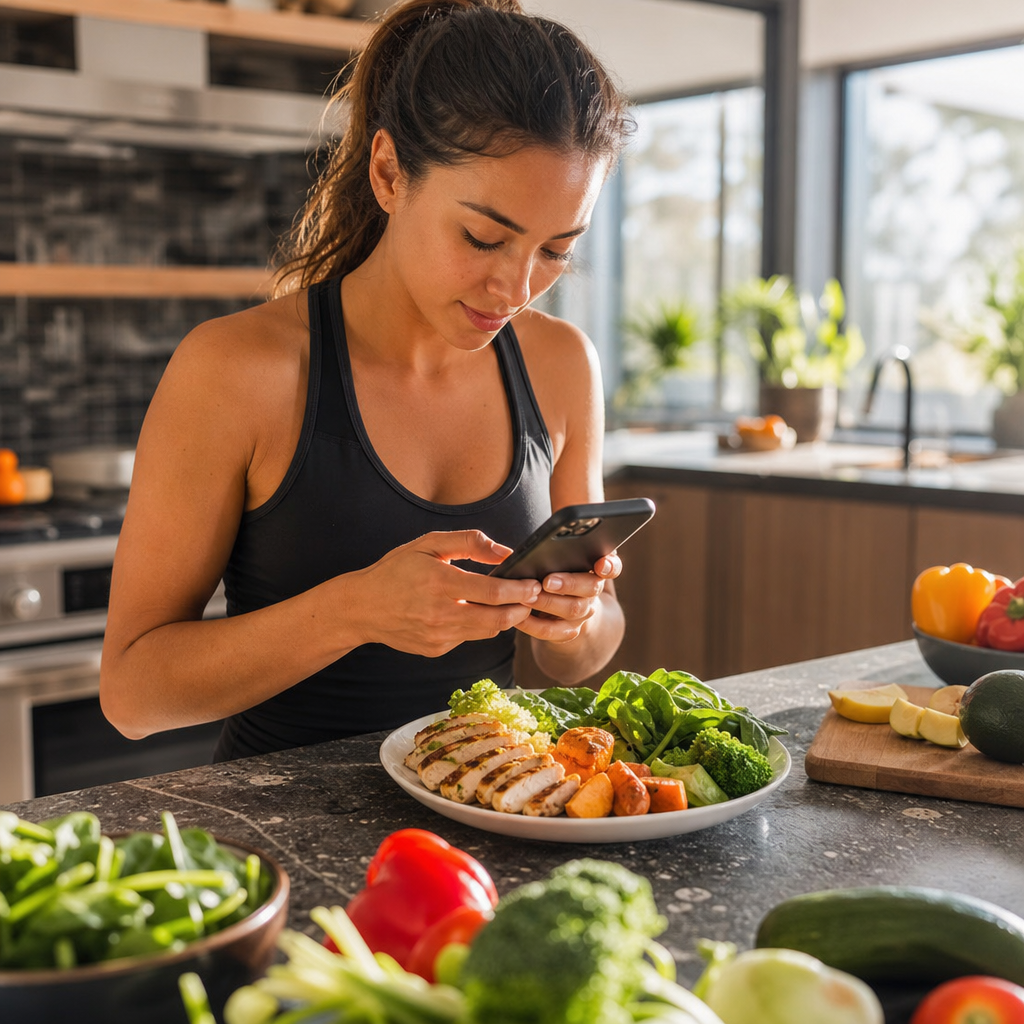 How to Calculate Meal Calories in 5 SecondsMaster quick calorie calculation techniques to keep your meals healthy and on track, especially for busy lifestyles.
 Discovering Free Online Calorie Counter by Photo ToolsExplore the best free online calorie counter by photo tools for effective meal tracking without breaking the bank. Perfect for budget-conscious users!
 How Many Calories Are in an Americano? A Deep Dive into Your Favorite BrewDiscover the calorie content in an Americano and how it fits into a calorie-conscious diet. Explore variations, preparation methods, and health considerations.
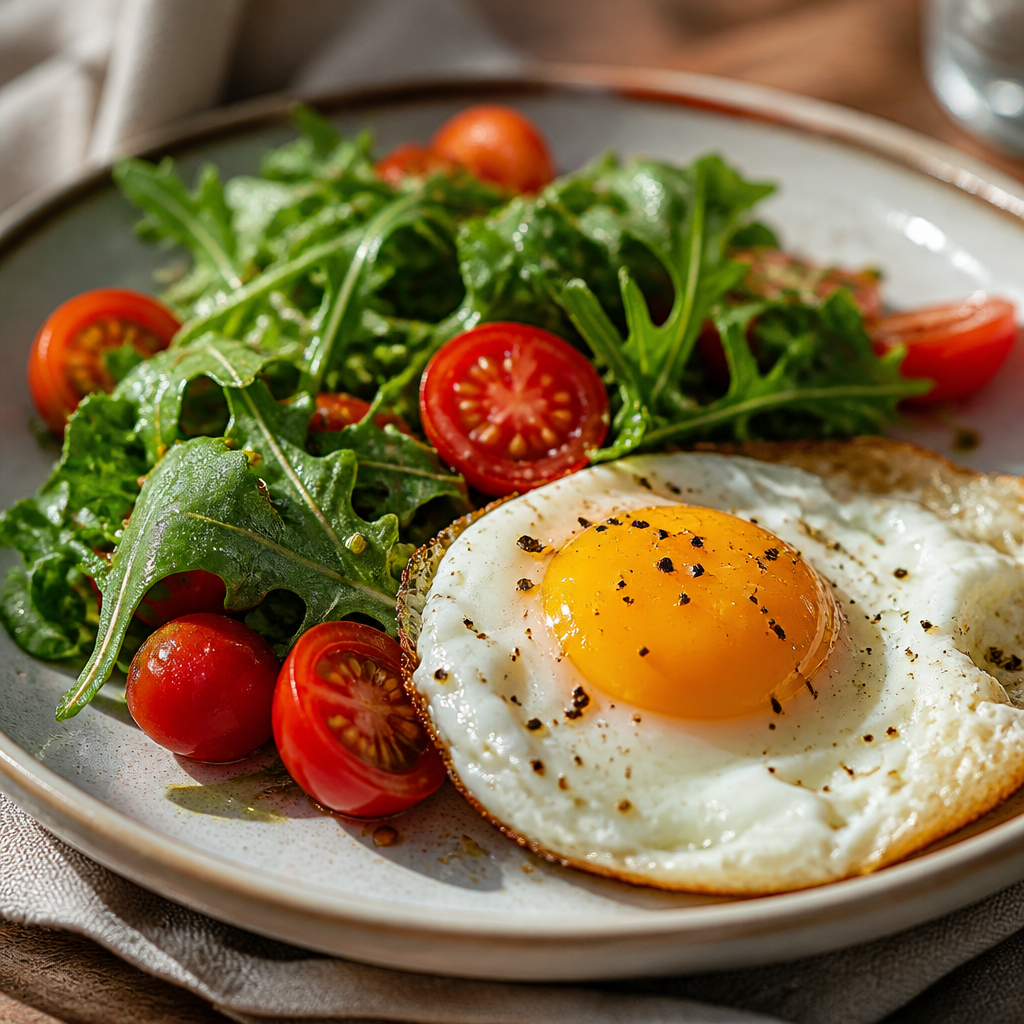 How Many Calories Are in an Egg? A Comprehensive GuideExplore the caloric content of eggs, different cooking methods, and how they fit into a healthy diet while tracking your nutrition goals.
 How Many Calories Are in French Fries? A Portion-by-Portion BreakdownFrench fries can range from a light side dish to a calorie-heavy snack depending on portion size, cooking method, and toppings. Here’s a practical breakdown of calories in french fries.
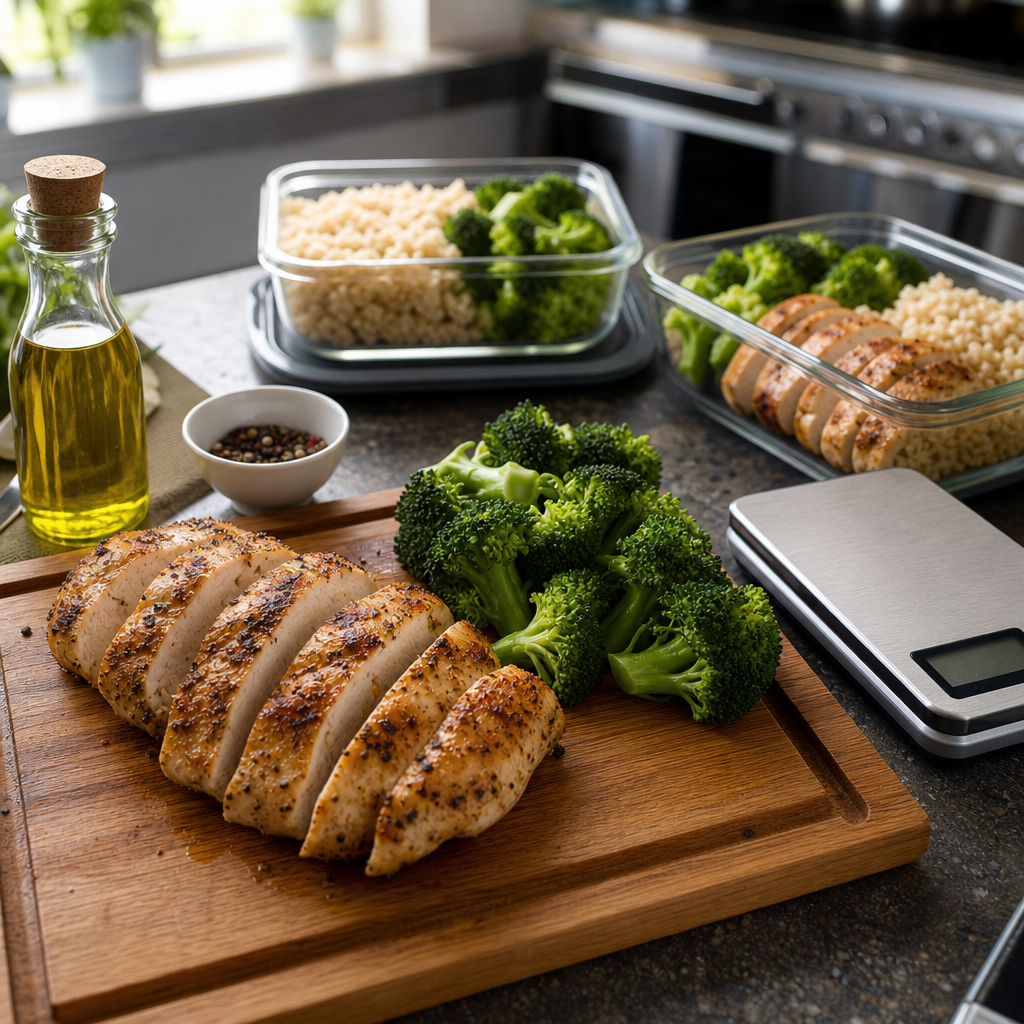 How Many Calories Are in Chicken Breast? A Fitness-Focused BreakdownChicken breast is a staple in high-protein diets, but the calories in chicken breast change depending on portion size, cooking method, and whether it’s skinless or not. Here’s a practical breakdown for fitness and muscle-building goals.
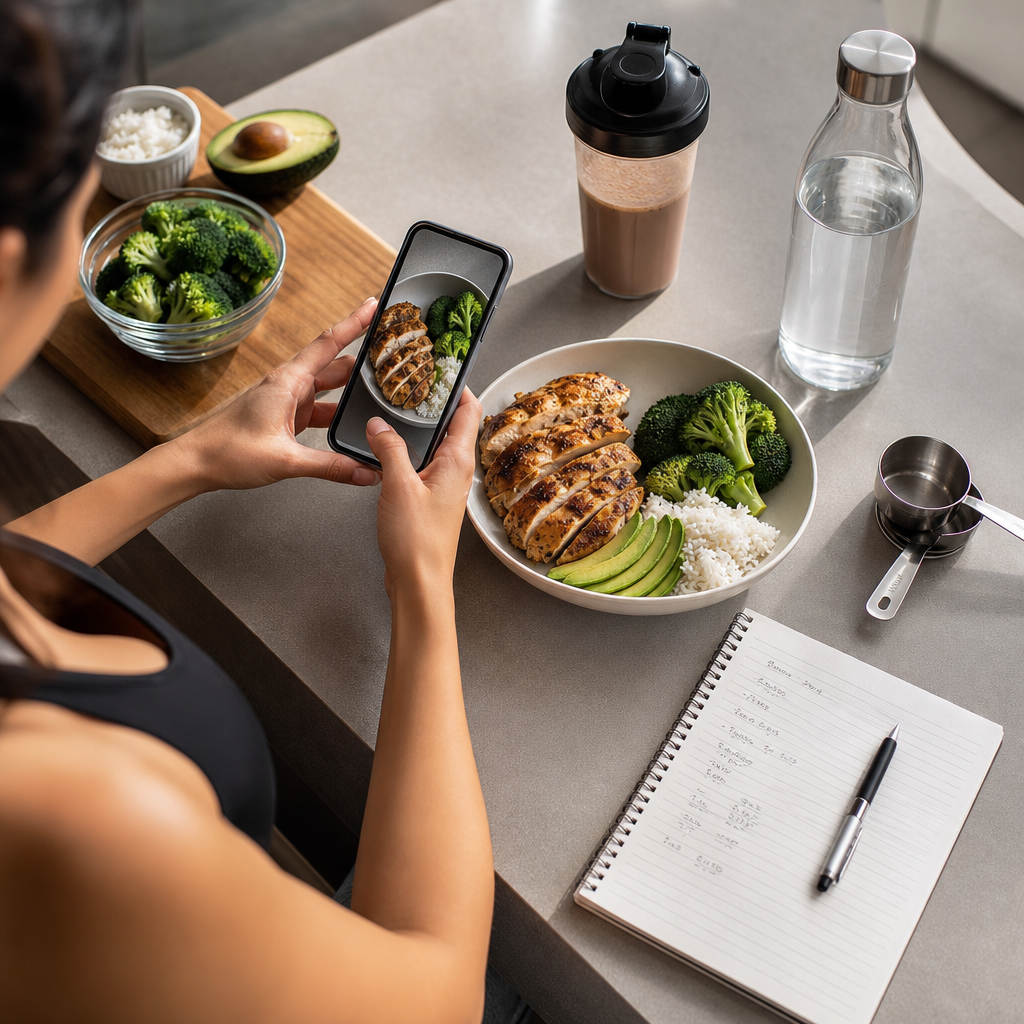 AI vs Manual Calorie Counting: Which Method Fits Your Goals?Compare AI calorie trackers and manual calorie counting for weight loss, muscle gain, and everyday nutrition tracking. See the pros, cons, and real-world use cases.