How Does Cal AI Work? A Breakdown of Functionality and Technology
Discover the technology and functionality behind Cal AI, the innovative app that helps track your nutrition goals effortlessly.
The Basics of Cal AI
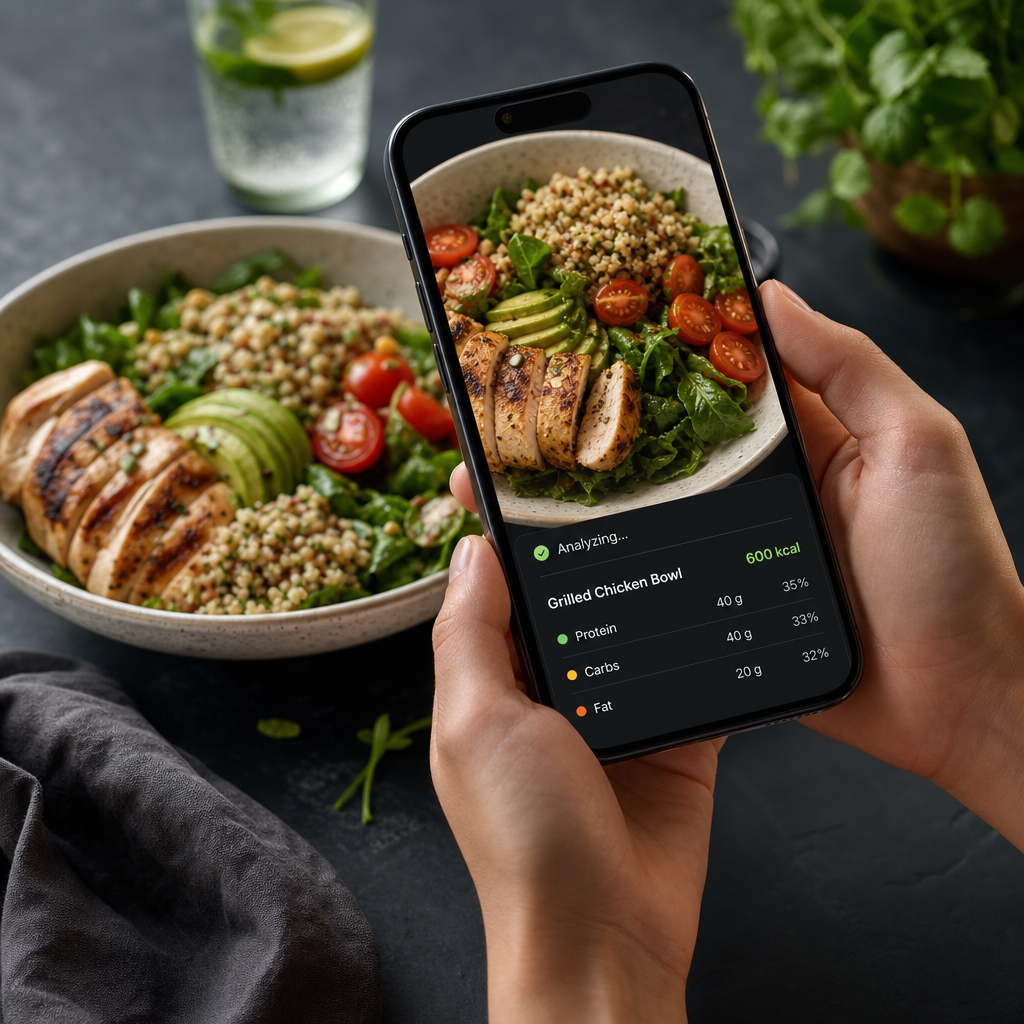
Cal AI leverages artificial intelligence to provide users with an intuitive way to track their nutrition. At its core, the app allows users to take photos of their meals, which are then analyzed to provide nutritional information. This includes calorie counts, macronutrient breakdowns, and even suggestions for healthier alternatives.
The technology behind Cal AI integrates machine learning algorithms, image recognition, and a vast database of food items to ensure accurate analysis. This means that the app is continually learning from user interactions, improving its accuracy and expanding its database as more users engage with it.
How Image Recognition Works
One of the standout features of Cal AI is its image recognition technology, which allows users to simply snap a picture of their meal. The app processes this image using computer vision techniques that identify different food items present in the photo. For instance, if a user captures a plate of spaghetti and meatballs, the app will recognize the pasta, sauce, and meat, breaking down the meal's components for accurate calorie estimation.
This recognition process is powered by advanced deep learning models trained on millions of food images. This extensive training enables the app to distinguish not only between different foods but also variations in portion sizes, which is crucial for calculating calorie content accurately.
Real-Time Nutritional Analysis
After capturing an image of a meal, Cal AI delivers real-time nutritional analysis. This means users can receive immediate feedback on their food choices. For example, if a user takes a photo of a smoothie bowl, they can find out its calorie count, protein, carbs, and fats—all in seconds. This feature is particularly beneficial for those aiming to achieve specific dietary goals, like increasing protein intake or managing caloric consumption for weight loss.
Moreover, the app not only reports the nutritional information but also offers insights on how the meal fits into the user's daily dietary goals. For someone aiming for a 2,000-calorie diet, the app can advise whether the meal is within their set limits, thus enabling users to make informed choices throughout the day.
Customization and User Profiles
Cal AI makes the user experience personalized through its customizable profiles. Users can input their goals, such as weight loss or muscle building, and the app tailors its recommendations accordingly. For instance, if a user is trying to lose weight, Cal AI might suggest lower-calorie alternatives or emphasize portion control for high-carb foods.
Additionally, users can log their exercise data within the app, which further refines the analysis. The integration of physical activity ensures that the nutritional goals provided are aligned with the user's overall lifestyle, making it a holistic approach to health management.
Data Security and Privacy Considerations
With the rise of technology in health tracking, concerns about data security are paramount. Cal AI takes privacy seriously by implementing robust encryption methods to protect users' personal information. Additionally, users have control over what data they choose to share with the app, ensuring a transparent relationship between the technology and the user.
This commitment to privacy not only helps keep user data safe but also builds trust. Users can feel confident that their nutritional habits and health data remain private, which is vital for those who may be sensitive about their eating habits.
Comparative Advantages over Traditional Tracking Methods
Cal AI presents significant advantages over traditional calorie tracking methods, such as manual entry or generic database searches. The convenience of taking a picture versus logging foods manually saves users time and effort. Studies show that many people abandon traditional food diaries due to the tedious nature of logging each item, but Cal AI transforms this process into a quick and engaging activity.
Furthermore, the accuracy provided by the app reduces the guesswork often involved in estimating food intake, leading to more reliable tracking. Unlike traditional methods, where users might misjudge portion sizes or forget to log items, Cal AI offers a more objective and straightforward approach.
Conclusion: The Future of Nutrition Tracking
As we continue to advance in technology, Cal AI stands at the forefront of nutrition tracking innovations. With its combination of AI-driven analytics, user-friendly interface, and robust personalization features, the app dramatically improves how individuals approach their eating habits. Whether you're a fitness enthusiast, a busy professional, or someone simply looking to improve your nutrition, Cal AI makes it easier to stay informed about your meals.
With continual improvements expected in AI technologies, users can anticipate even more advanced features in the future, potentially including greater integration with wearable fitness devices and expanded food databases for an increasingly accurate and personalized dietary experience.
Frequently Asked Questions
What types of food can Cal AI recognize?
Cal AI can recognize a wide range of foods including fruits, vegetables, grains, meats, and packaged products. Its database expands regularly to cover new items and brands.
Is Cal AI safe to use?
Yes, Cal AI employs strong encryption and data protection protocols, ensuring that user information remains confidential and secure.
How does Cal AI calculate calories for meals?
Cal AI uses image recognition technology to identify food items in a photo, then cross-references these items with its extensive database to calculate the caloric content and macronutrient breakdown.
Can I customize my dietary goals in Cal AI?
Absolutely! Cal AI allows users to set personal dietary goals, which tailor the nutritional analysis and recommendations to fit individual needs.
Does Cal AI provide meal suggestions?
Yes, based on user preferences and dietary goals, Cal AI can provide healthier alternatives and meal suggestions to help meet those targets.
Ready to simplify your nutrition tracking? Try Cal AI today! Just take a photo of your food, instantly estimate calories, view protein, carbs, and fat, and analyze meals with AI to track your nutrition goals more easily.
Share this article
Cal AI
Track meals faster with Cal AI
Scan food, estimate calories, and keep your nutrition log moving without typing every ingredient.
Author
Cal AI Editorial Team
Practical guides on nutrition, calorie tracking, meal planning, and building healthier habits with Cal AI.
Editorial policyFrequently asked questions
What types of food can Cal AI recognize?
Cal AI can recognize a wide range of foods including fruits, vegetables, grains, meats, and packaged products. Its database expands regularly to cover new items and brands.
Is Cal AI safe to use?
Yes, Cal AI employs strong encryption and data protection protocols, ensuring that user information remains confidential and secure.
How does Cal AI calculate calories for meals?
Cal AI uses image recognition technology to identify food items in a photo, then cross-references these items with its extensive database to calculate the caloric content and macronutrient breakdown.
Can I customize my dietary goals in Cal AI?
Absolutely! Cal AI allows users to set personal dietary goals, which tailor the nutritional analysis and recommendations to fit individual needs.
Does Cal AI provide meal suggestions?
Yes, based on user preferences and dietary goals, Cal AI can provide healthier alternatives and meal suggestions to help meet those targets.
Related articles
 Do You Have to Pay for Cal AI? Understanding the Payment StructureDiscover whether Cal AI requires a payment and the features associated with its cost. Explore options that cater to diverse nutrition needs.
 Cal AI Review: Your Ultimate Nutrition TrackerDiscover how Cal AI revolutionizes calorie counting and meal tracking with its advanced features. Our comprehensive review covers usability, effectiveness, and more.
 Best Apps for Counting Calories From PhotosDiscover the top apps that help you easily count calories from pictures of your food. Support your health goals with technology that fits your lifestyle.
 How to Read Food Labels: Your Ultimate Guide to Making Informed ChoicesLearn how to effectively read food labels to make informed dietary choices and enhance your health with our comprehensive guide.
 How to Count Calories From a Food Photo: A Step-by-Step GuideDiscover how to accurately count calories using food photos with modern mobile apps and technology for your dieting journey. Learn more now!
 Can You Lose Weight With an AI Calorie Tracker?Explore how AI calorie trackers can enhance your weight loss journey by providing precise data, personalized insights, and meal tracking features.
 Utilizing an AI Food Scanner for Effective Weight LossExplore how an AI food scanner can revolutionize your weight loss journey by efficiently tracking caloric intake and nutritional content.
 Real Stories: Cal AI User Reviews and ExperiencesDive into authentic Cal AI user reviews showcasing personal journeys in nutrition tracking and health management.
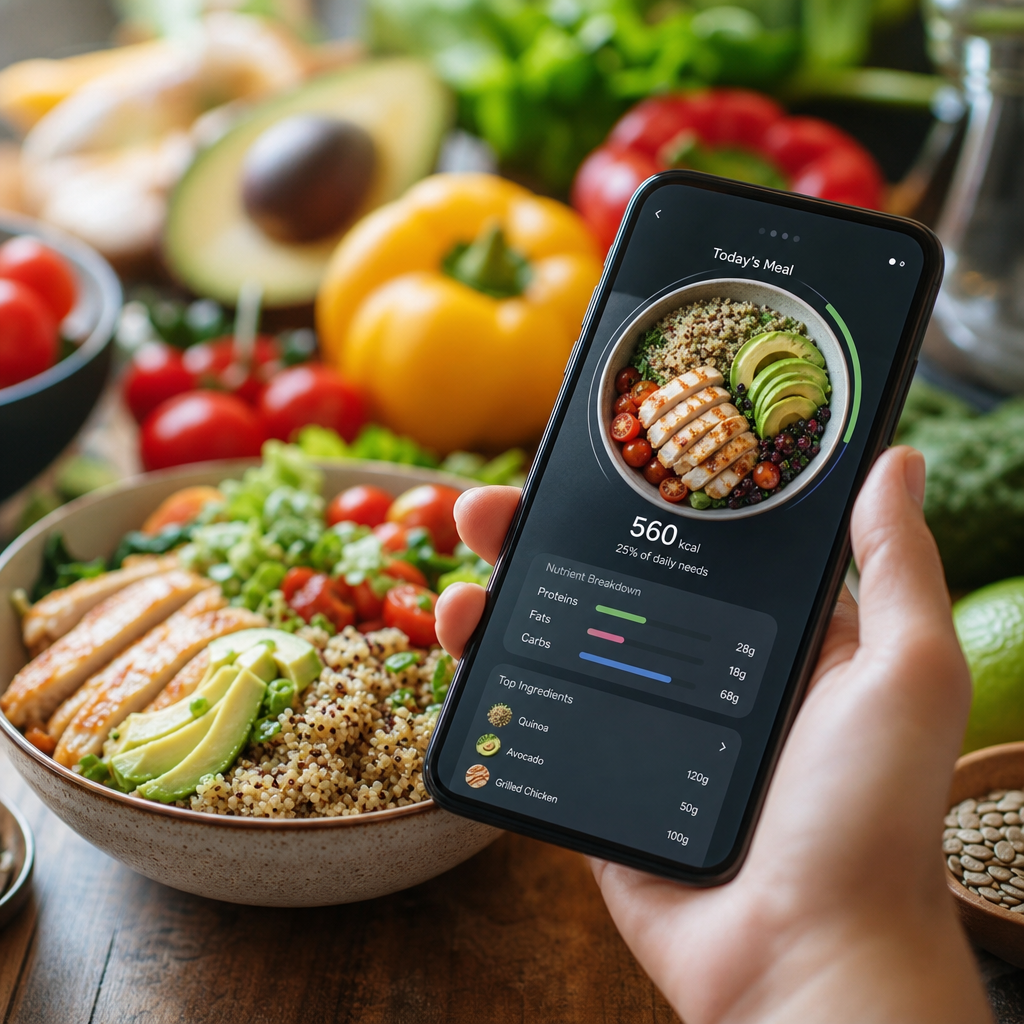 How AI Calorie Counting Works: Unpacking the Technology Behind the AlgorithmDiscover how AI calorie counting apps utilize advanced technology to help you track nutrition and achieve your fitness goals.
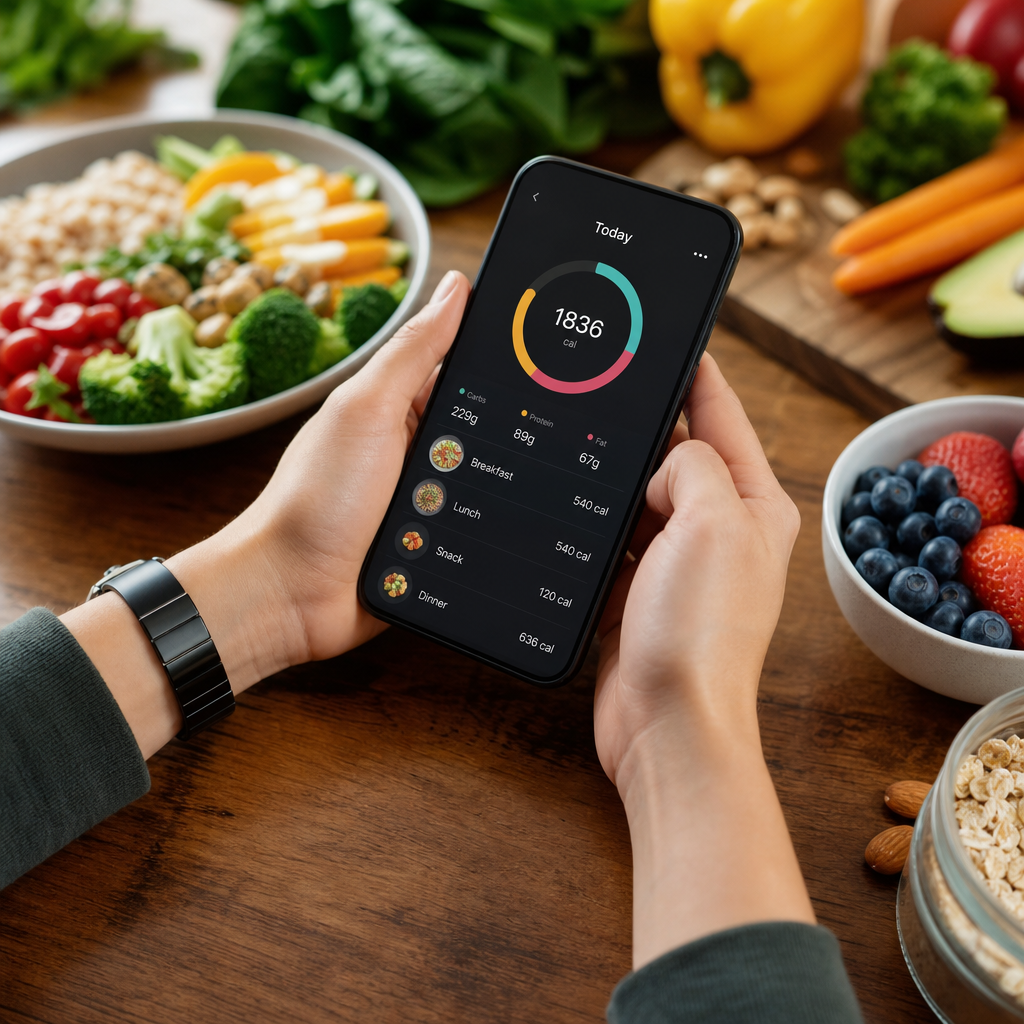 Cal AI Review 2026: The Future of Nutritional TrackingExplore a comprehensive review of Cal AI's anticipated features and reliability in 2026 for effective nutritional tracking.
 Discovering Free Online Calorie Counter by Photo ToolsExplore the best free online calorie counter by photo tools for effective meal tracking without breaking the bank. Perfect for budget-conscious users!
 How Many Calories Are in a Burger? A Practical Guide to calories in burger CountsBurger calories can swing wildly depending on patty size, cheese, sauces, and bun choice. Learn the typical calories in burger meals and how to estimate them fast.