Utilizing an AI Food Scanner for Effective Weight Loss
Explore how an AI food scanner can revolutionize your weight loss journey by efficiently tracking caloric intake and nutritional content.

Understanding AI Food Scanners
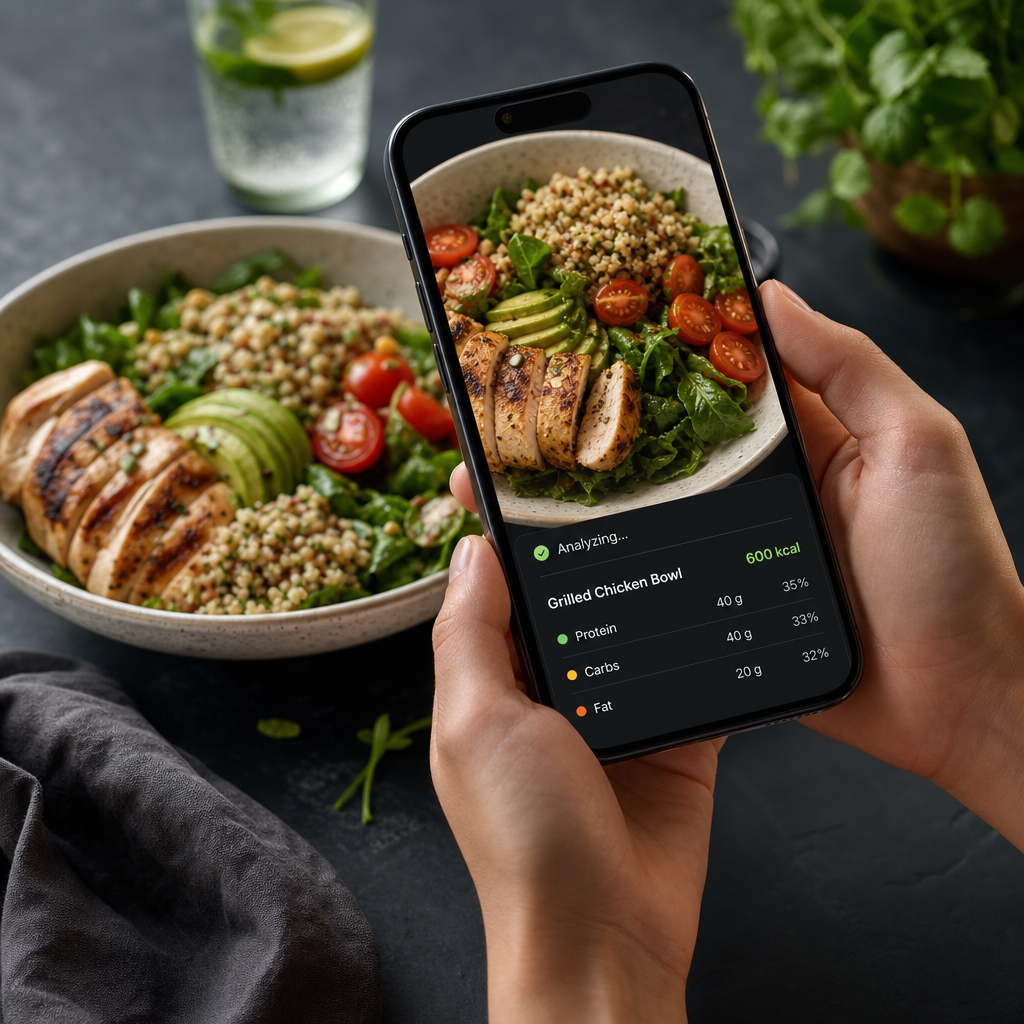
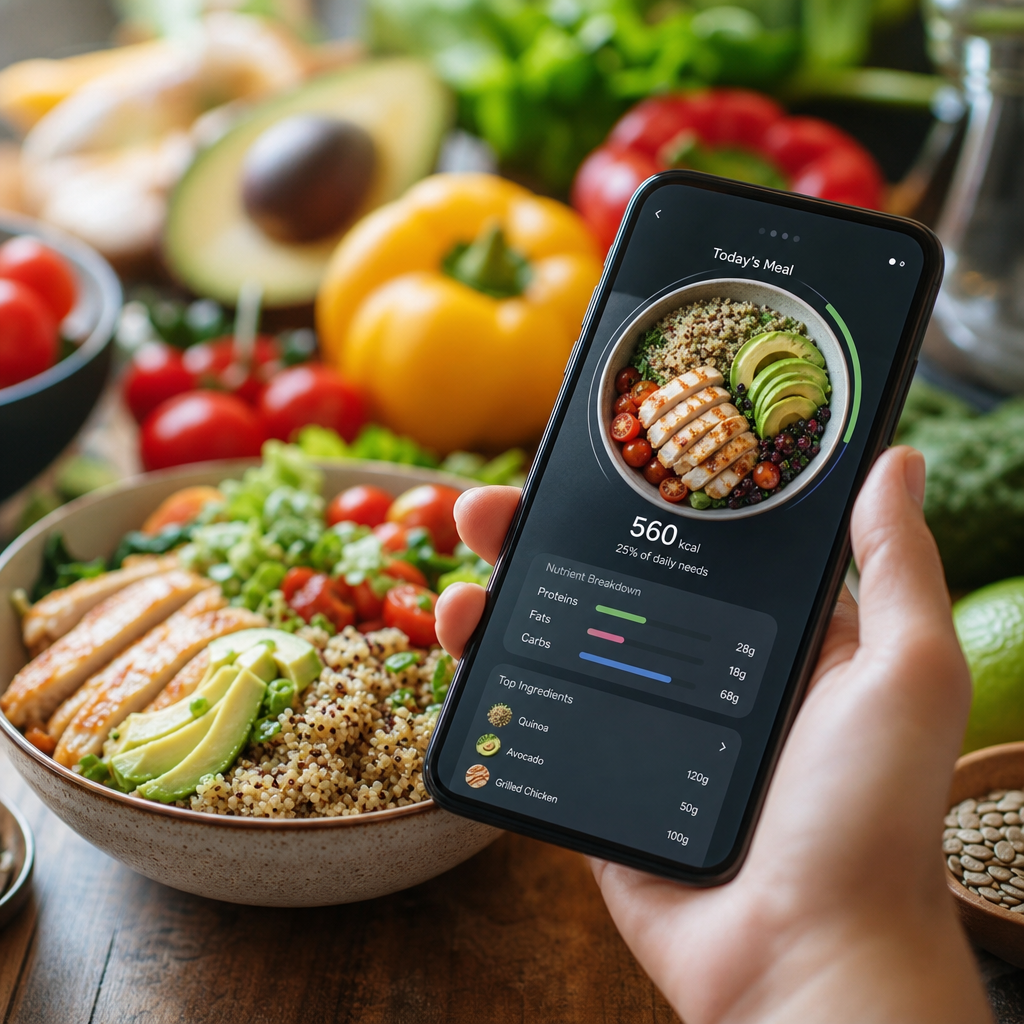
AI food scanners leverage advanced machine learning algorithms to analyze and decode the nutritional content of food in real time. By simply taking a picture of your meal, these apps can provide you with immediate data about calories, macronutrients, and even micronutrients. This technology represents a significant leap forward in the world of dietary tracking, making it easier than ever to stay informed about what you eat.
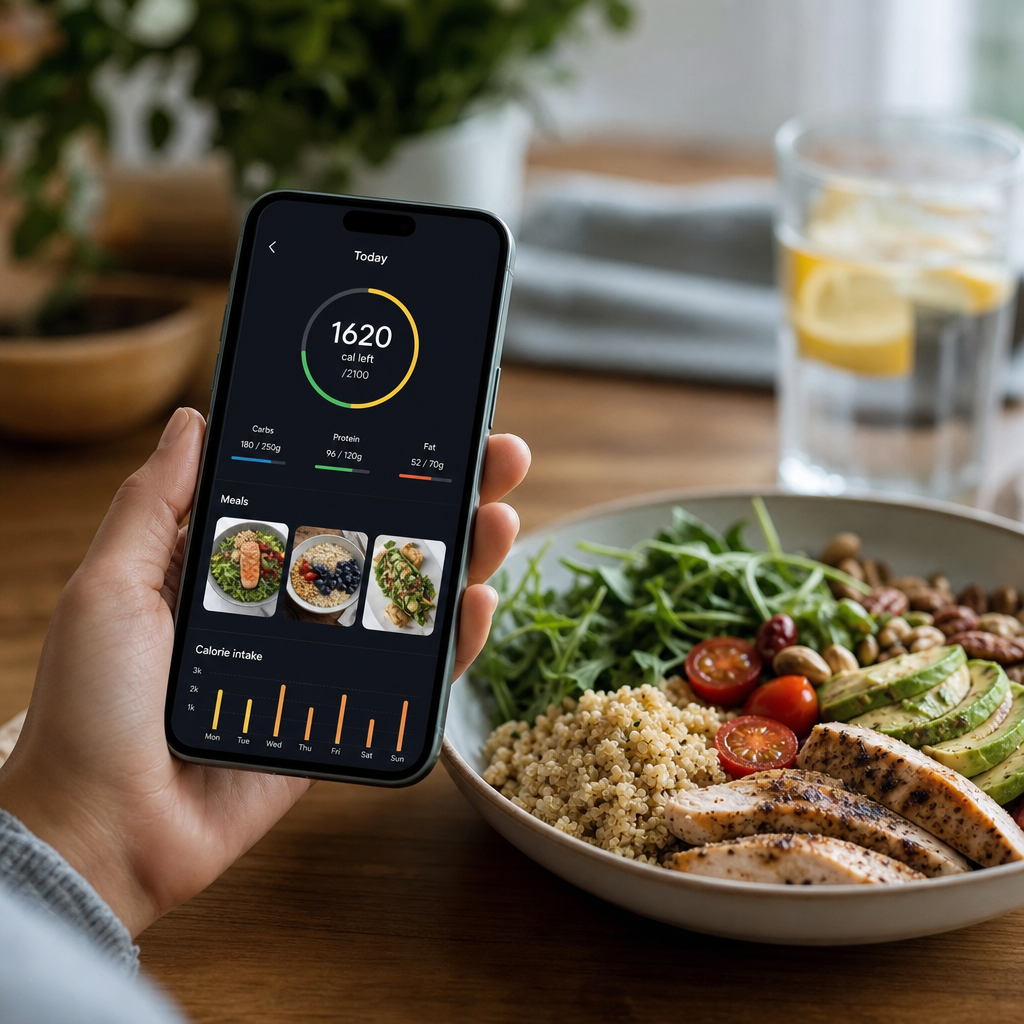
Most of these applications not only calculate calories, but also allow users to set dietary goals, track intake over time, and provide personalized recommendations based on individual health objectives. For those focused on weight loss, having this instant access to nutritional information can be a game changer.
Benefits of Using an AI Food Scanner for Weight Loss
Automatic Calorie Tracking: Tracking calories manually can be burdensome, leading to inaccuracies and frustration. An AI food scanner simplifies this process greatly, updating your food diary with precise calorie counts as soon as you scan your meals. For example, if you scan a serving of grilled salmon with quinoa and asparagus for lunch, the app instantly computes its caloric total—let's say approximately 400 calories—and adds this to your daily intake summary.
Informed Food Choices: With detailed breakdowns of macronutrients—like the number of grams of carbohydrates, proteins, and fats—users gain insights into how each meal aligns with their dietary goals. If you’re planning a weight loss-focused meal plan, knowing that kale is low in calories yet packed with nutrients can help you make better choices.
Real-World Scenarios: How AI Food Scanners Help
Consider Sarah, a busy professional aiming to lose 15 pounds. By using an AI food scanner, she scans her meals daily, effectively keeping her caloric intake in check. After a few weeks, Sarah realizes her lunch portion sizes were larger than necessary. For instance, she routinely scanned her burrito and discovered it was 900 calories instead of the 600 she estimated. This revelation prompted her to downsize her portion, ultimately enhancing her weight loss journey.
Additionally, Sarah utilized the app's features to track her protein intake—aiming for at least 80 grams a day for optimal muscle recovery as she incorporates strength training. By scanning her meals post-workout, she can accurately assess that her protein needs are being met, which is critical for weight loss while maintaining muscle mass.
Integrating AI Food Scanners into Your Diet Plan
Here are a few practical steps to seamlessly include an AI food scanner into your weight loss plan:
Set Clear Goals: Begin by outlining your weight loss target and the time frame you desire. Knowing this will help you set specific caloric targets within the app.
Consistent Scanning: Develop a habit of scanning every meal. Set reminders if needed, especially for lunch and dinner. Regular tracking can help detect eating patterns or calorie creep—that sneaky way calories can add up without you noticing.
Review Trends: Use the app's analytics features to review your weekly intake. Look for trends in your eating habits; perhaps you consume more calories on weekends. Instead of being disappointed, use this information to adjust your meal planning accordingly.
Caloric and Nutritional Analysis Made Easy
Most AI food scanners come equipped with vast databases of foods—both common and restaurant dishes—making it easier to find your meals. For example, a large slice of pepperoni pizza may clock in around 300 calories, while a homemade veggie stir-fry could be as low as 200 calories per serving. Understanding these differences can help you make informed choices when dining out versus cooking at home.
Moreover, consider utilizing the scanner's nutritional insights to enhance your meals. If you notice that your meals lack sufficient fiber according to the data from your scanner, you may want to start incorporating whole grains and vegetables into your diet. This knowledge empowers you to fine-tune your meals for optimal weight loss results.
Potential Pitfalls to Watch Out For
While AI food scanners have incredible benefits, awareness of potential pitfalls is crucial. One common issue is reliance on the scanner leading to obsessive tracking, straying from intuitive eating principles. It’s essential to strike a balance between utilizing this technology and listening to your body’s hunger cues.
Another challenge is ensuring the app’s database is continually updated. Sometimes, user-generated entries may have inaccuracies that could mislead your nutritional tracking. Always cross-reference with reliable sources whenever possible to maintain accuracy in your meal assessments.
Conclusion: Empowering Your Weight Loss Journey
The incorporation of an AI food scanner into your weight loss strategy can revolutionize how you approach food choices, enhance your nutritional awareness, and simplify calorie tracking. By merging technology with healthy eating habits, you can create a sustainable, informed path to achieving your weight loss goals.
For those serious about weight management, the benefits of using an AI food scanner far outweigh the minimal investment in time and effort to learn to use it effectively. Start taking control of your nutrition today!
Frequently Asked Questions
How accurate are AI food scanners?
AI food scanners are generally accurate but can vary based on the algorithm and the database used. Always double-check unfamiliar entries for reliability.
Can an AI food scanner help with meal planning?
Yes! Many AI food scanners provide nutritional breakdowns that can aid in meal planning and help you stay within your targeted caloric intake.
Is there a risk of becoming too focused on calorie counting?
Yes, while tracking calories is beneficial, it's important to maintain a balanced approach and listen to your body's hunger cues.
Do I need any specific device to use an AI food scanner?
Most AI food scanners are smartphone applications, so you only need a smartphone with a camera to take advantage of this technology.
Can AI food scanners recognize restaurant foods?
Absolutely! Many AI food scanners have extensive databases that include popular restaurant menu items, allowing for accurate calorie tracking when dining out.
Ready to streamline your weight loss journey? Use Cal AI to take a photo of your food and instantly estimate calories, macronutrients, and track your nutrition goals effortlessly!
Share this article
Cal AI
Track meals faster with Cal AI
Scan food, estimate calories, and keep your nutrition log moving without typing every ingredient.
Author
Cal AI Editorial Team
Practical guides on nutrition, calorie tracking, meal planning, and building healthier habits with Cal AI.
Editorial policyFrequently asked questions
How accurate are AI food scanners?
AI food scanners are generally accurate but can vary based on the algorithm and the database used. Always double-check unfamiliar entries for reliability.
Can an AI food scanner help with meal planning?
Yes! Many AI food scanners provide nutritional breakdowns that can aid in meal planning and help you stay within your targeted caloric intake.
Is there a risk of becoming too focused on calorie counting?
Yes, while tracking calories is beneficial, it's important to maintain a balanced approach and listen to your body's hunger cues.
Do I need any specific device to use an AI food scanner?
Most AI food scanners are smartphone applications, so you only need a smartphone with a camera to take advantage of this technology.
Can AI food scanners recognize restaurant foods?
Absolutely! Many AI food scanners have extensive databases that include popular restaurant menu items, allowing for accurate calorie tracking when dining out.
Related articles
 Signs of Dehydration You Should KnowLearn to recognize the key signs of dehydration to maintain optimal health and prevent hunger-related issues.
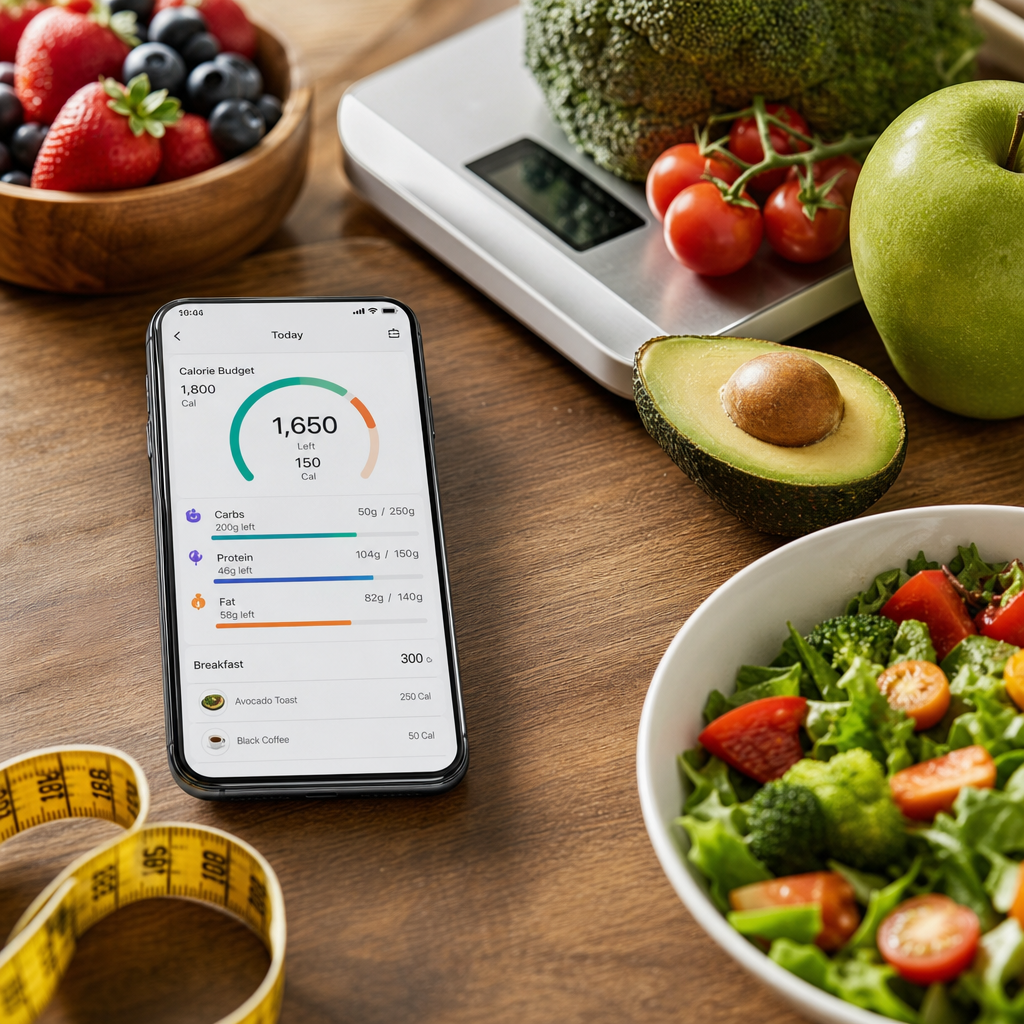 What Is a Smart Calorie Tracker?Explore the world of smart calorie trackers, options available, and how they can enhance your nutrition tracking and wellness journey.
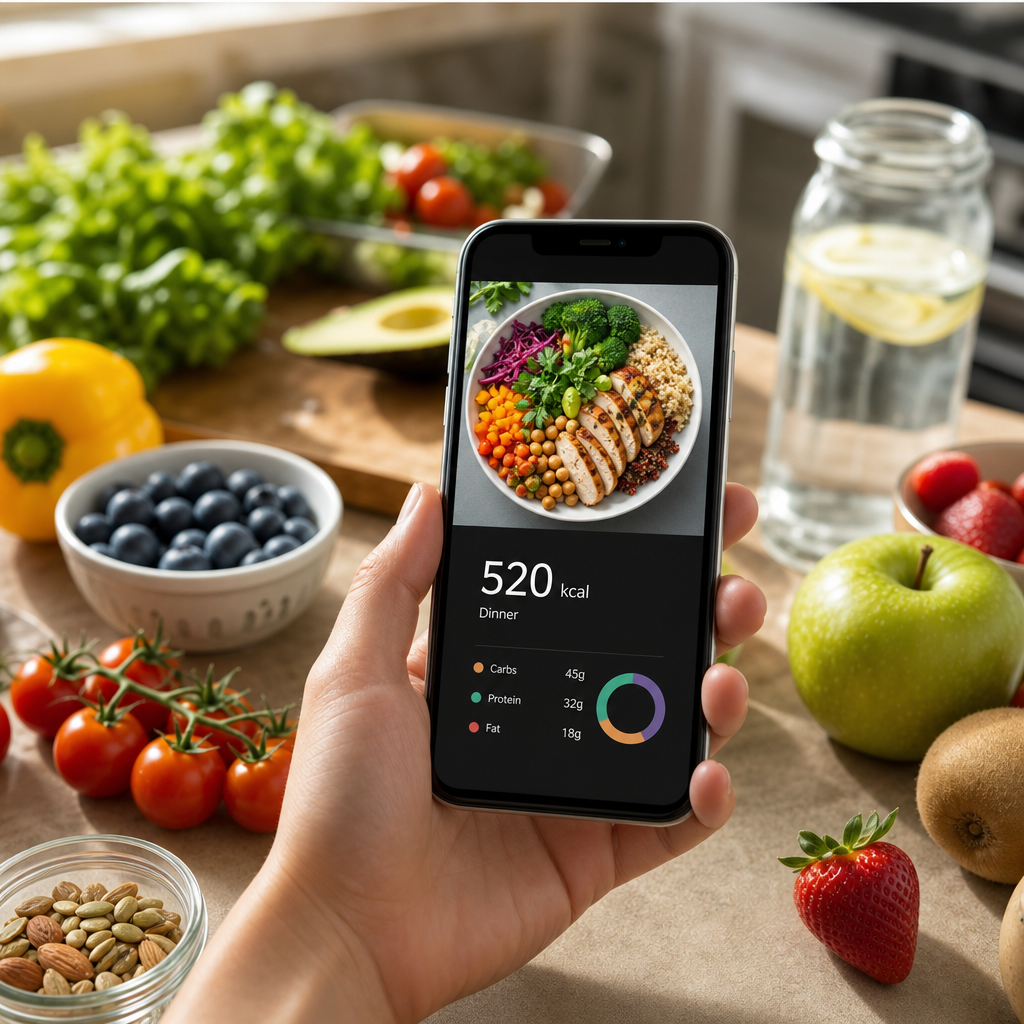 Best Apps for Counting Calories From PhotosDiscover the top apps that help you easily count calories from pictures of your food. Support your health goals with technology that fits your lifestyle.
 What Are Macros? A Beginner's Guide to Understanding MacronutrientsDive into the world of macronutrients. Learn about carbs, proteins, and fats and how they contribute to a balanced diet.
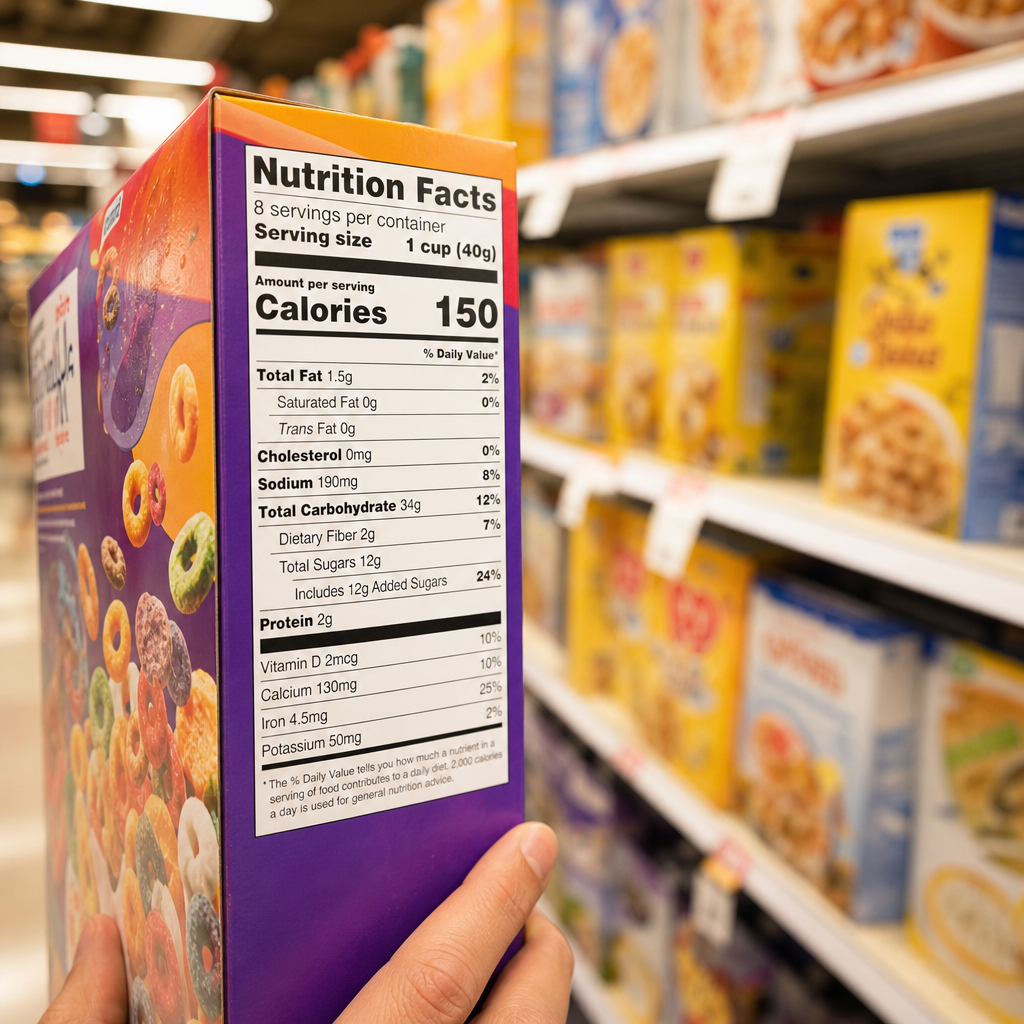 How to Read Food Labels: Your Ultimate Guide to Making Informed ChoicesLearn how to effectively read food labels to make informed dietary choices and enhance your health with our comprehensive guide.
 How to Cook Meals for the Entire Week: A Comprehensive GuideStreamline your cooking process with these effective tips and strategies for preparing meals for the entire week.
 Mastering Meal Prep for Effective Calorie TrackingDiscover how meal prep can streamline your calorie tracking journey while delivering delicious, nutritious meals.
 How to Choose Healthier Foods Using LabelsUnlock the secrets of food labels with effective strategies to make healthier food choices and improve your nutrition.
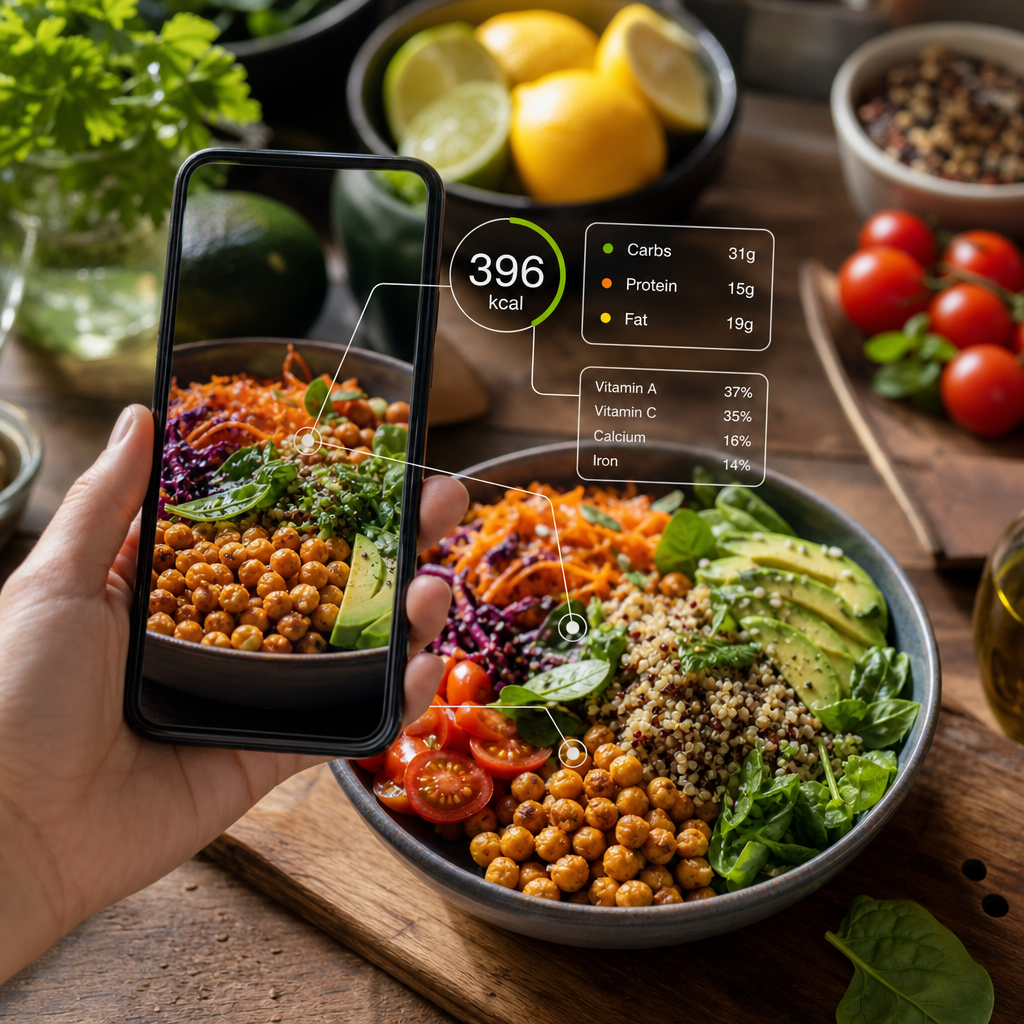 How AI Food Recognition Works: Transforming Food Photos into Actionable InsightsExplore the mechanics of AI food recognition and how it turns food images into nutritional data for better health management.
 How Does Cal AI Work? A Breakdown of Functionality and TechnologyDiscover the technology and functionality behind Cal AI, the innovative app that helps track your nutrition goals effortlessly.
 Unlocking Your Weight Loss Journey with AI Calorie TrackersDiscover how AI calorie trackers can significantly aid your weight loss journey through personalized insights and real-time analysis.
 How AI Automatically Tracks Calories: A Game Changer for Busy LifestylesDiscover how AI-driven technologies simplify calorie tracking, making healthy eating easier for busy individuals.
 AI Calorie Tracker for Muscle Gain: Maximizing Your Gains with PrecisionDiscover how AI calorie trackers can revolutionize your muscle gain journey by ensuring accurate caloric surplus tracking.
 Best AI Nutrition Apps: Transform Your Dietary HabitsExplore the top AI-powered nutrition apps designed to enhance your dietary choices, making it easier than ever to achieve your health goals.
 How to Count Calories From a Food Photo: A Step-by-Step GuideDiscover how to accurately count calories using food photos with modern mobile apps and technology for your dieting journey. Learn more now!
 Can You Lose Weight With an AI Calorie Tracker?Explore how AI calorie trackers can enhance your weight loss journey by providing precise data, personalized insights, and meal tracking features.
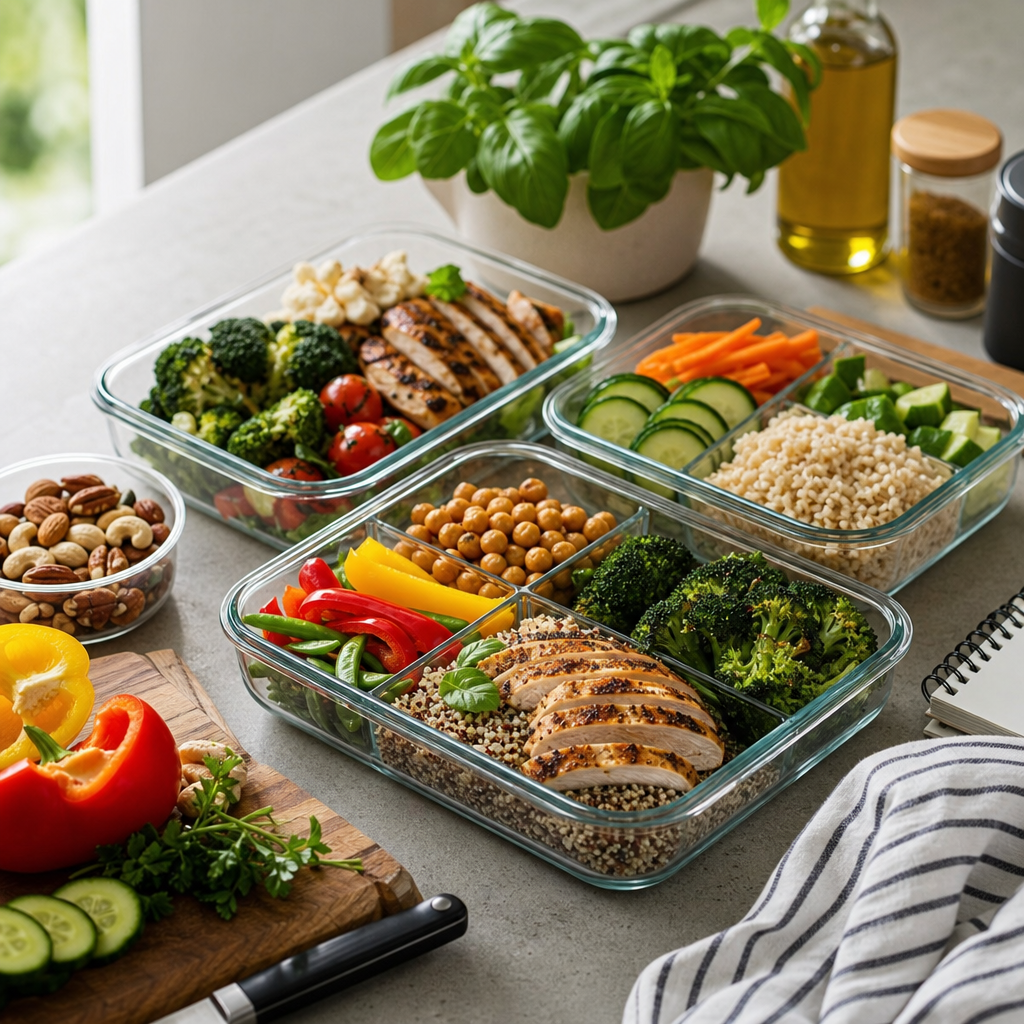 The Ultimate Weekly Meal Prep Guide for Busy Professionals and FamiliesTransform your weekly meal prep with this comprehensive guide. Save time, eat healthier, and enjoy delicious prepared meals all week long.
 How Many Calories Are in Ice Cream?Discover the calories in various ice cream flavors and explore healthier alternatives that satisfy your sweet tooth without sacrificing your diet.
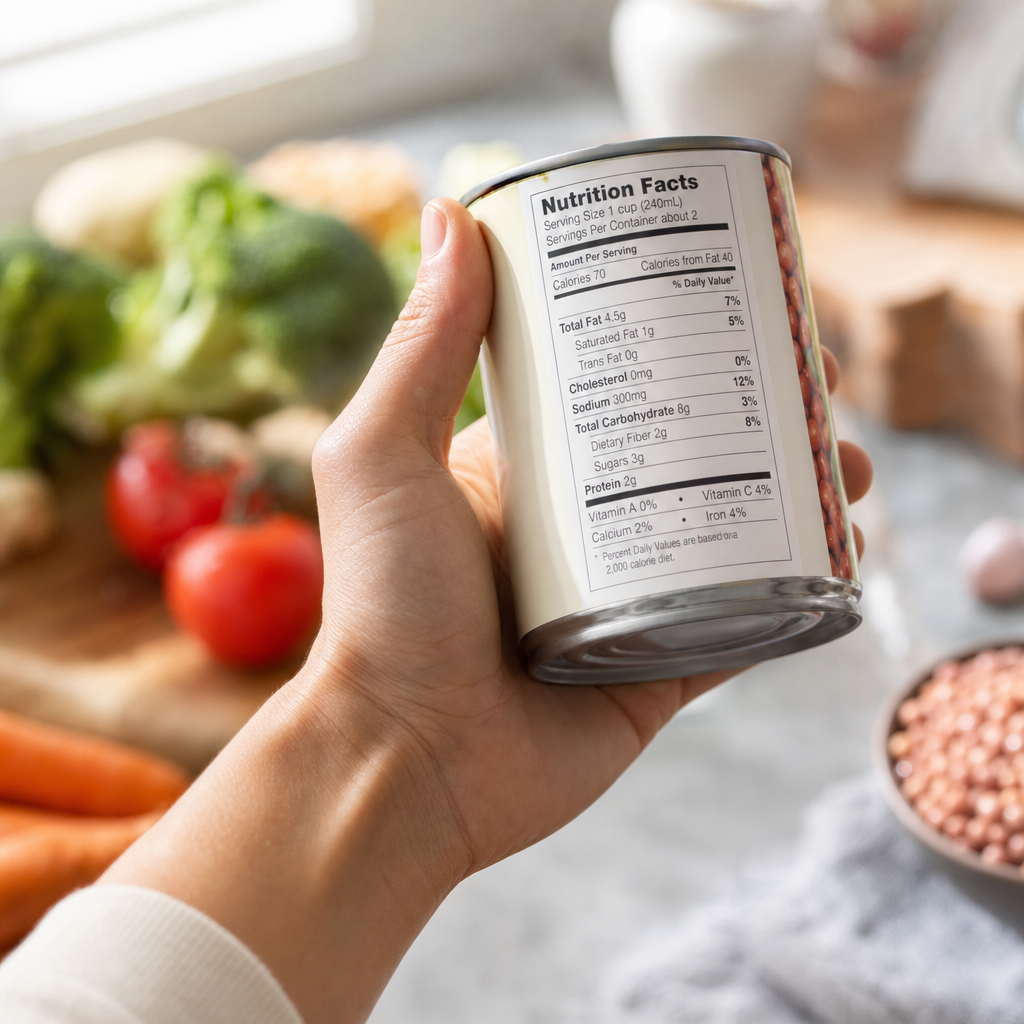 Common Food Label Reading Mistakes to Avoid for Better Dietary ChoicesLearn how to decode food labels with confidence by avoiding these common mistakes. Make healthier choices with the right information.
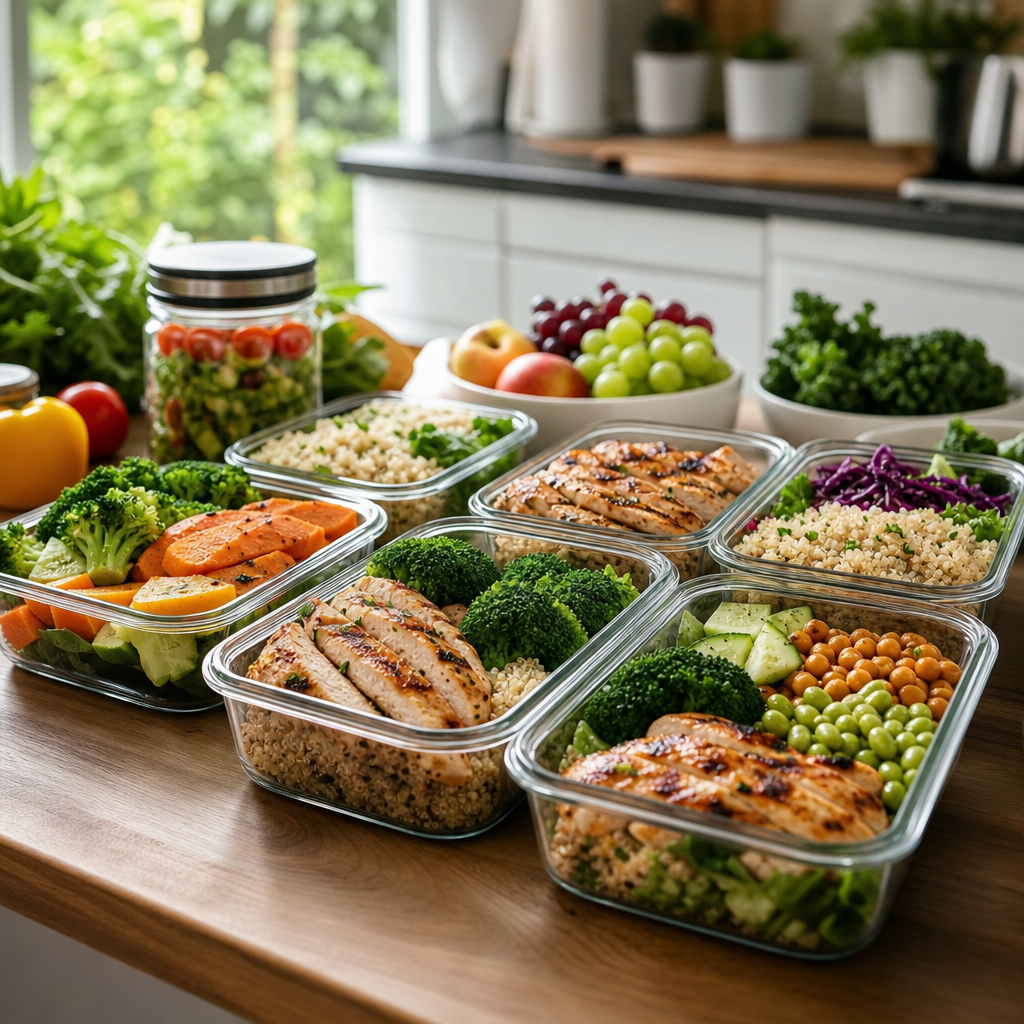 Batch Cooking for Weight Loss: A Smart Strategy to Manage PortionsDiscover how batch cooking can streamline your meal prep, help manage portions, and support your weight loss journey effectively.
 Real Stories: Cal AI User Reviews and ExperiencesDive into authentic Cal AI user reviews showcasing personal journeys in nutrition tracking and health management.
 Can AI Identify Ingredients From a Photo? An In-Depth LookDiscover how AI technology accurately identifies food ingredients from images, transforming cooking and nutrition analysis for enthusiasts and professionals alike.
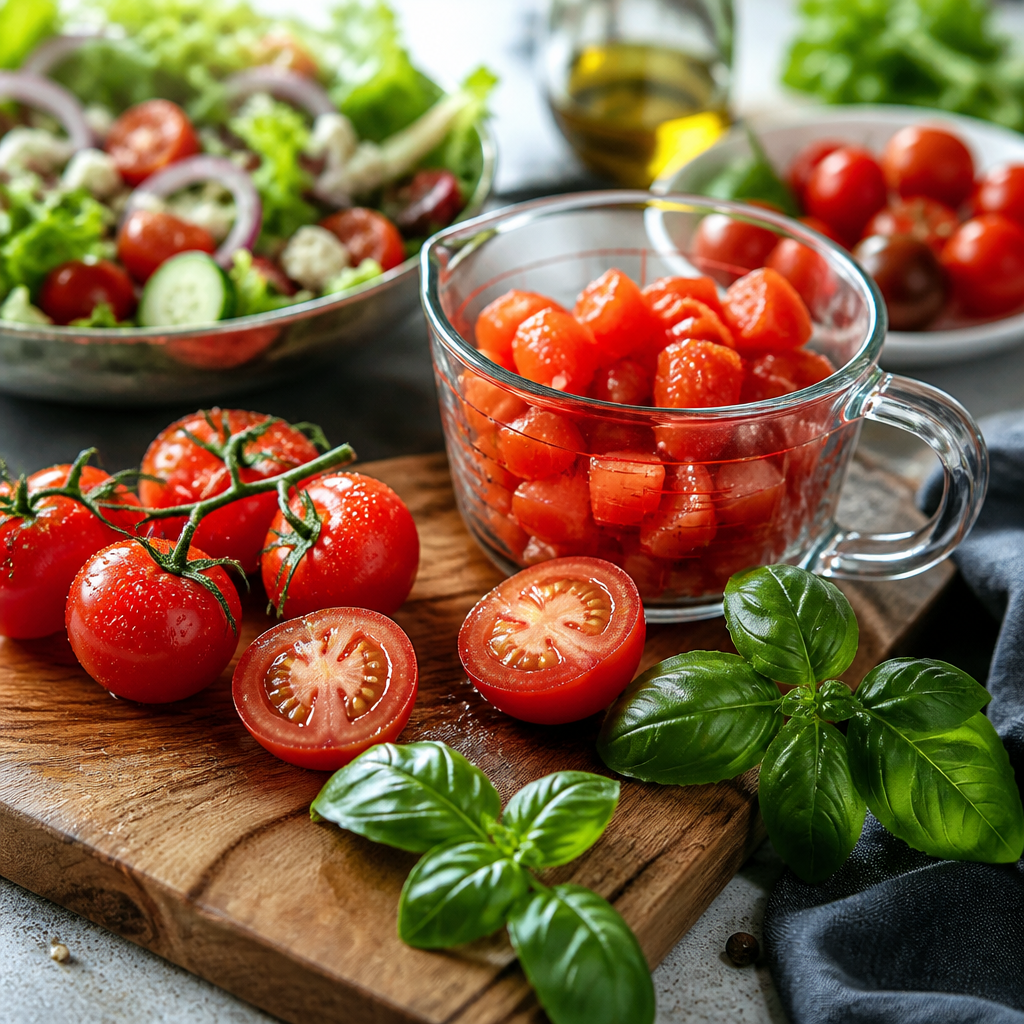 How Many Calories Are in a Tomato? A Comprehensive BreakdownDiscover the calorie content of tomatoes, their nutritional benefits, and how to incorporate them into your diet for optimal health.
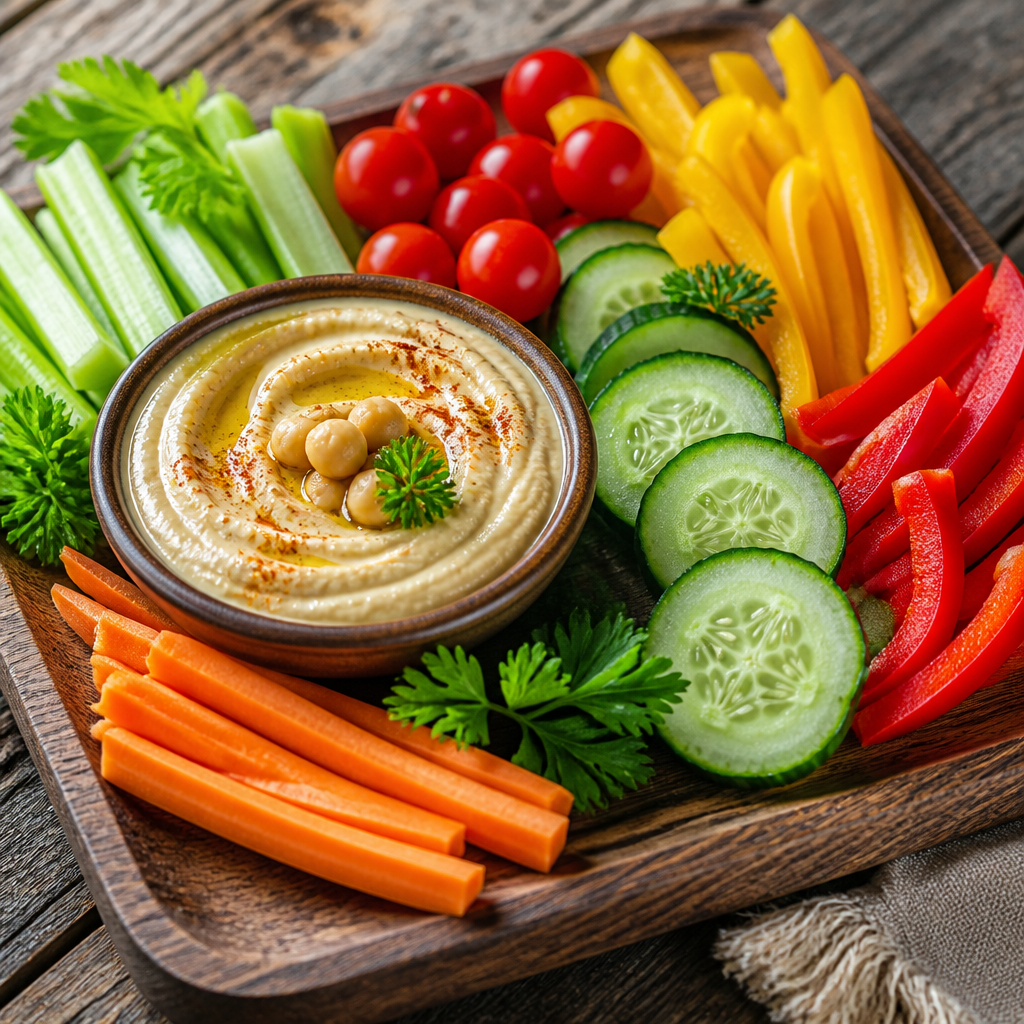 Crunching Numbers: The Best Low-Calorie Vegetables for SnackingExplore a variety of nutritious, low-calorie vegetables perfect for satisfying snacks while keeping your health goals in check.
 Why Hydration Matters in a Calorie DeficitDiscover the crucial role hydration plays in your weight loss journey, especially when operating in a calorie deficit.
 How to Calculate Macros for Muscle GainLearn effective strategies for calculating your macronutrients to support muscle growth and achieve your fitness goals.
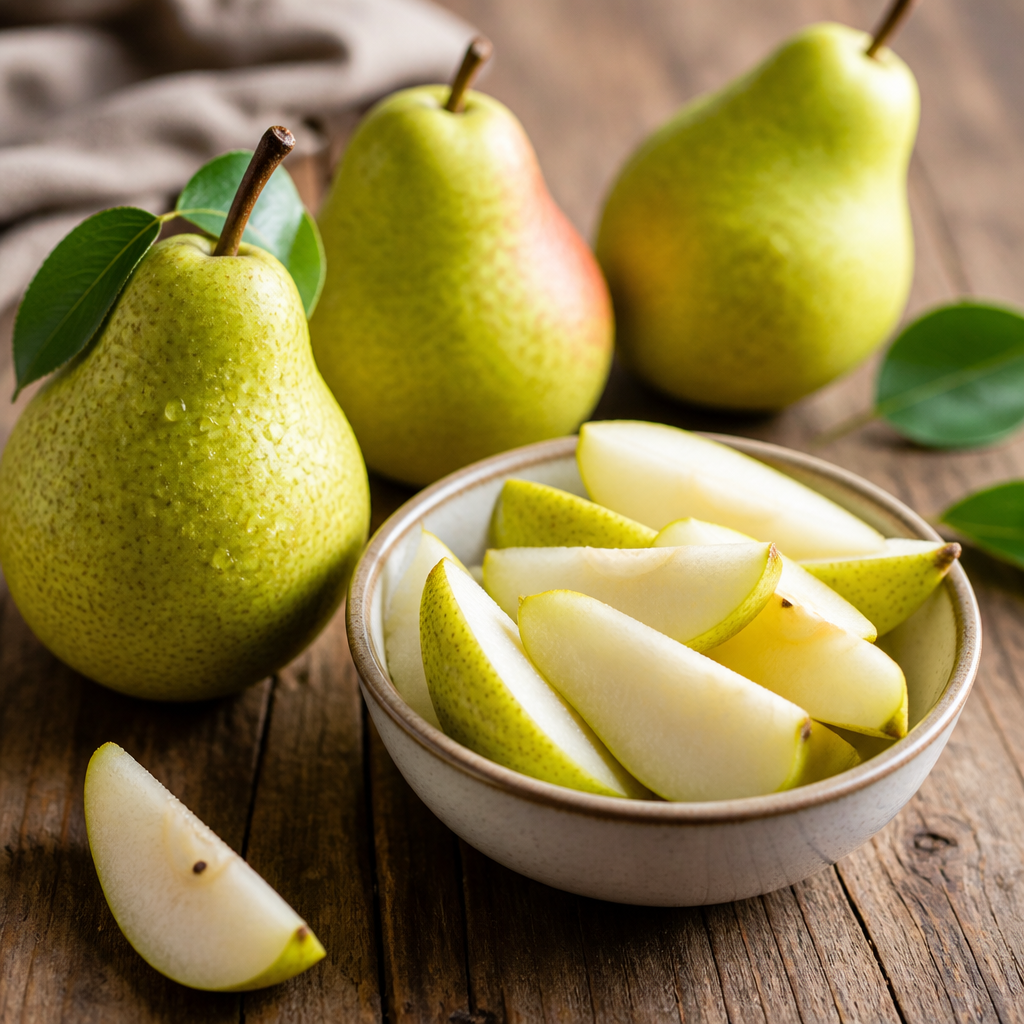 How Many Calories Are in a Pear?Explore the nutritional breakdown and health benefits of pears, an underrated fruit full of flavor and low in calories.
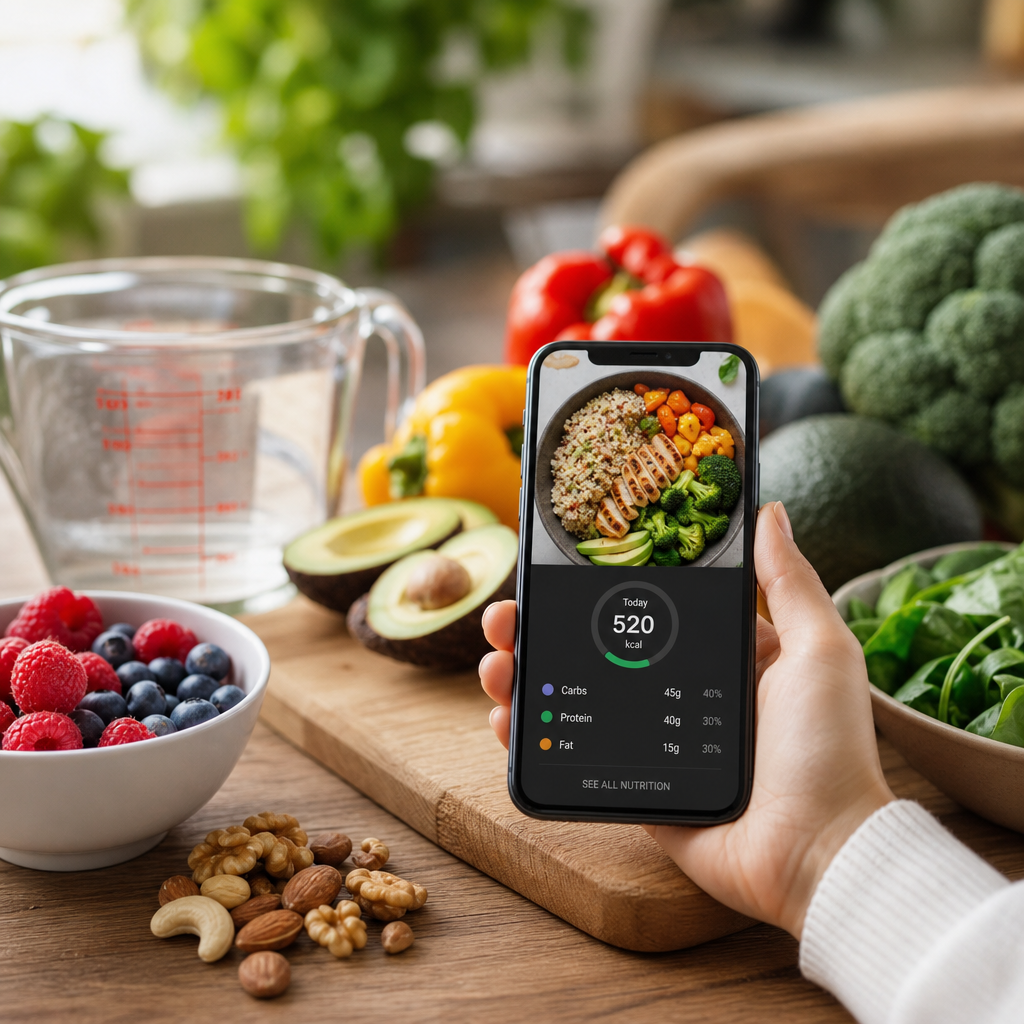 Discover the Best AI Calorie Tracker Apps for Your DietExplore the top AI-powered calorie tracker apps that can help you manage your diet and reach your health goals effectively.
 AI Calorie Counter: Comprehensive Review of the Top AppsDiscover our in-depth review of popular AI calorie counter apps, evaluating their features, usability, and effectiveness to help you track your nutrition effortlessly.
 How AI Calorie Counting Works: Unpacking the Technology Behind the AlgorithmDiscover how AI calorie counting apps utilize advanced technology to help you track nutrition and achieve your fitness goals.