How to Cook Meals for the Entire Week: A Comprehensive Guide
Streamline your cooking process with these effective tips and strategies for preparing meals for the entire week.
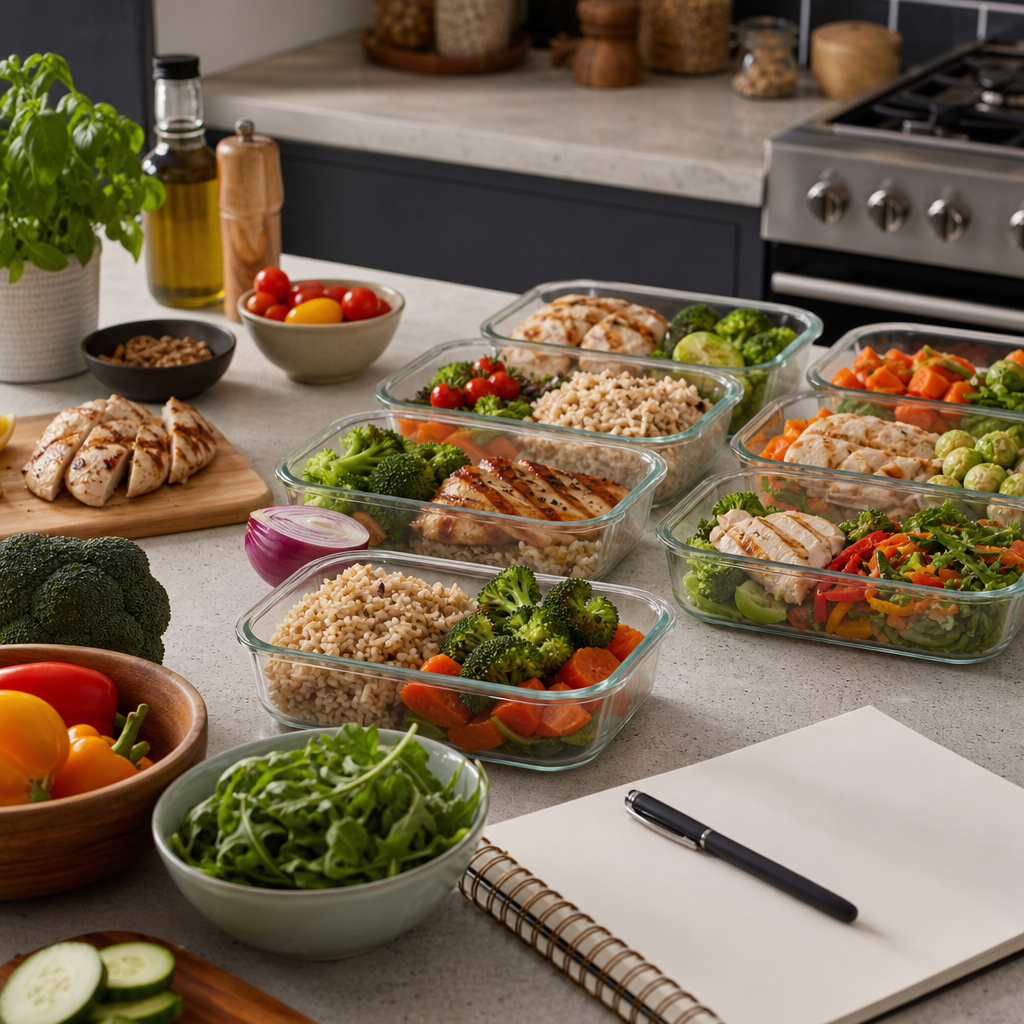
Understanding the Benefits of Cooking Meals for a Week
Cooking meals for a week not only saves time but also promotes healthier eating choices. When you plan ahead, you're less likely to resort to unhealthy takeout or processed snacks. Plus, having prepped meals ensures that you can easily meet your nutrition goals without the stress of daily cooking.
Another significant advantage is cost-effectiveness. By purchasing ingredients in bulk, you may save money and reduce food waste. This systematic approach provides clarity on portion sizes, which is crucial for maintaining a healthy diet, especially if you're mindful of your caloric intake.
Choosing the Right Recipes for Meal Prep
Not all recipes are suitable for meal prepping. The ideal meal prep recipes should be versatile, reheat well, and maintain their flavor and texture after being frozen or refrigerated. Here are a few categories you might consider:
- Grains and Bases: Brown rice, quinoa, or pasta can serve as the foundation of many meals.
- Proteins: Grilled chicken, baked tofu, or seasoned beans work well in various dishes.
- Vegetables: Roasted veggies or fresh salads can enhance flavor and nutrition.
- Dressings and Sauces: Having a couple of homemade dressings can add variety throughout the week.
For instance, a recipe like quinoa salad with roasted vegetables and grilled chicken can easily be made in bulk and served throughout the week. It is packed with protein and fiber, sustaining your energy and keeping you full.
Planning Your Meal Prep Session
To tackle cooking meals for a week effectively, start with a clear plan. Dedicate a specific day for meal prep, often Sunday works well for many. Here’s a simple planning guide:
- Inventory Check: Before heading to the grocery store, check what ingredients you already have.
- Grocery List: Make a list based on the recipes you have selected. Stick to whole foods to avoid added preservatives or sugar.
- Prep Time Allocation: Estimate how long each task will take. For example, washing and chopping vegetables might take 30 minutes, while cooking grains could take about 15 minutes.
Setting aside a few hours can make this process seamless. Use this time not just for cooking, but also for cleaning up. Having organized kitchen tools will make your tasks easier.
Efficient Cooking Techniques for Meal Prep
When it comes to cooking a large volume of food, efficiency is key. Here are several techniques that can save you both time and energy:
- Batch Cooking: Prepare large portions of your proteins, grains, and vegetables simultaneously. For example, roast a whole chicken instead of individual pieces, or cook multiple cups of quinoa in one pot.
- One-Pan Meals: Consider recipes that allow for cooking everything together. For instance, sheet-pan dinners (like salmon with asparagus) minimize cleanup and cook cohesively.
- Slow Cookers and Instant Pots: These devices are perfect for hands-off cooking. You can toss all your ingredients into a slow cooker in the morning and return to a delicious meal by evening.
Storing and Reheating Meals Properly
Storing your meals correctly is pivotal to maintaining their freshness and safety. Use airtight containers and label them with the dish name and date prepared. Here’s how to store specific types of food:
- Cooked Grains: Store in the fridge for up to a week or freeze portions for up to three months.
- Proteins: Cooked meats can last in the refrigerator for about 3 to 4 days and 2 to 6 months in the freezer, depending on the type.
- Vegetables: Roasted veggies maintain their quality in the fridge for about 4-5 days.
When it comes to reheating, gentle methods like the stove or microwave at lower power are advisable. This helps retain moisture and flavor without overcooking.
Sample Weekly Meal Prep Plan
A detailed meal plan can serve as an effective guide. Here's a simple example:
- Breakfasts: Overnight oats with almond milk topped with berries (5 servings).
- Lunches: Quinoa salad with grilled chicken, chickpeas, and mixed greens (4 servings).
- Dinners: Sheet-pan roasted salmon with sweet potatoes and broccoli (3 servings).
- Snacks: Hummus with carrot sticks and apple slices. This diverse plan allows you to mix and match meals, minimizing boredom while ensuring balanced nutrition.
Each of these meals is designed to be prepared in batches, offering both temperature control and mouth-watering taste. Furthermore, rotating recipes each week can help keep things interesting without the need for daily meal planning.
Adjusting for Dietary Preferences and Restrictions
One of the great aspects of cooking meals for a week is the flexibility it provides. Adjust recipes based on dietary needs such as vegetarian, vegan, gluten-free, or low-carb by substituting ingredients accordingly. For example:
- Vegetarian/Vegan: Replace chicken with black beans or lentils in your salads and bowls.
- Gluten-Free: Swap traditional pasta for zucchini noodles or gluten-free grain alternatives like quinoa.
- Low-Carb: Focus on proteins and non-starchy vegetables while minimizing grains and higher-carb items.
Personalizing your meals ensures you don’t feel deprived, offering satisfaction while sticking to dietary goals. Use spices and herbs liberally to enhance flavors without adding calories.
Frequently Asked Questions
How long can I keep meal prepped food in the fridge?
Cooked meals can typically be stored in the refrigerator for up to 4 days. If you need them to last longer, consider freezing portions for up to 3-6 months.
Can I prep raw ingredients instead of cooked meals?
Yes! You can chop vegetables, marinate proteins, and prepare grains. Cooking them just before consumption can help keep meals fresh.
What’s the best way to reheat meal prepped food?
Using a microwave on a lower power setting or reheating on the stove with a small amount of water can help retain moisture and flavor.
What types of meals are best for meal prep?
Dishes that combine proteins, grains, and vegetables, such as stir-frys, casseroles, and salads, work best as they hold up well when reheated.
How can I avoid getting bored with prepped meals?
Incorporate various spices, sauces, and condiments to create different flavor profiles, and alternate between different recipes on a weekly basis.
Start cooking meals for a week in advance with Cal AI! Take a photo of your food, and instantly estimate calories while viewing protein, carbs, and fat. Simplify your meal tracking with AI-powered insights!
Share this article
Cal AI
Track meals faster with Cal AI
Scan food, estimate calories, and keep your nutrition log moving without typing every ingredient.
Author
Cal AI Editorial Team
Practical guides on nutrition, calorie tracking, meal planning, and building healthier habits with Cal AI.
Editorial policyFrequently asked questions
How long can I keep meal prepped food in the fridge?
Cooked meals can typically be stored in the refrigerator for up to 4 days. If you need them to last longer, consider freezing portions for up to 3-6 months.
Can I prep raw ingredients instead of cooked meals?
Yes! You can chop vegetables, marinate proteins, and prepare grains. Cooking them just before consumption can help keep meals fresh.
What’s the best way to reheat meal prepped food?
Using a microwave on a lower power setting or reheating on the stove with a small amount of water can help retain moisture and flavor.
What types of meals are best for meal prep?
Dishes that combine proteins, grains, and vegetables, such as stir-frys, casseroles, and salads, work best as they hold up well when reheated.
How can I avoid getting bored with prepped meals?
Incorporate various spices, sauces, and condiments to create different flavor profiles, and alternate between different recipes on a weekly basis.
Related articles
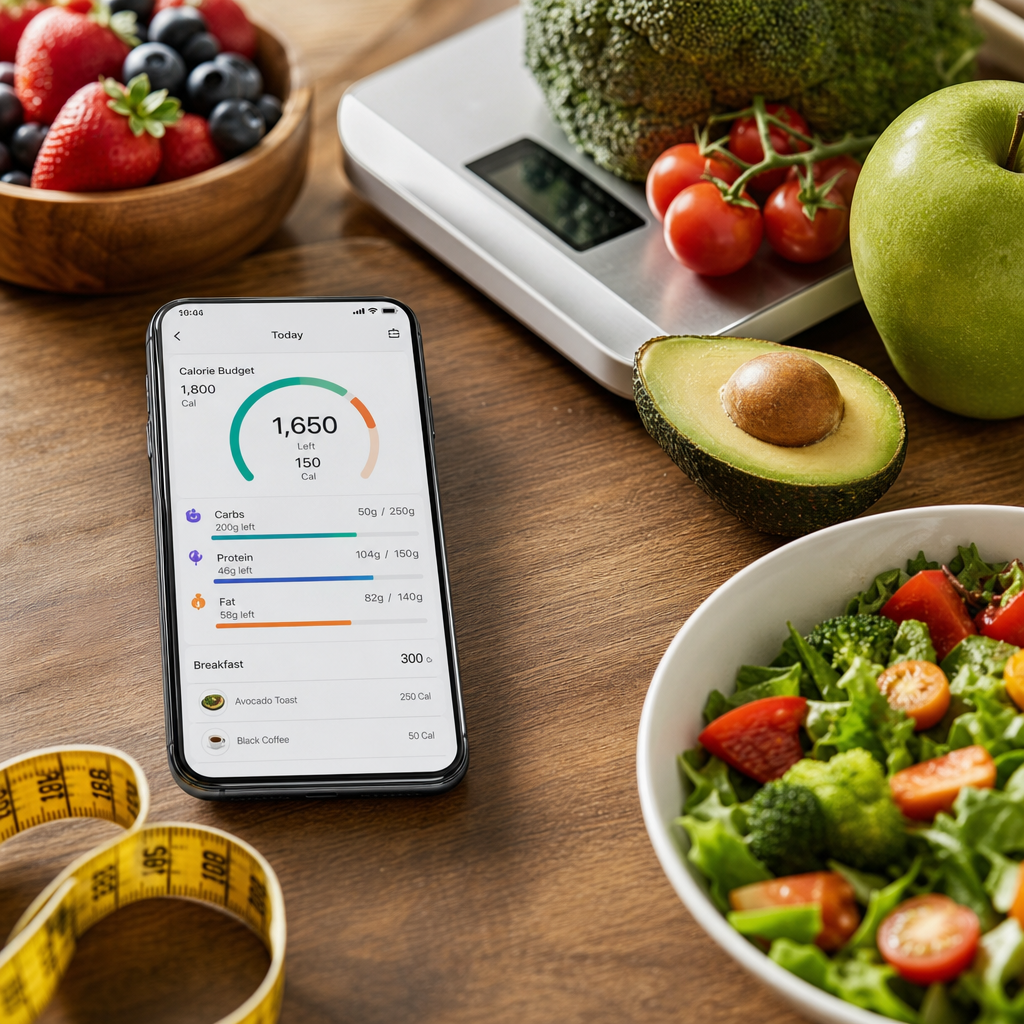 What Is a Smart Calorie Tracker?Explore the world of smart calorie trackers, options available, and how they can enhance your nutrition tracking and wellness journey.
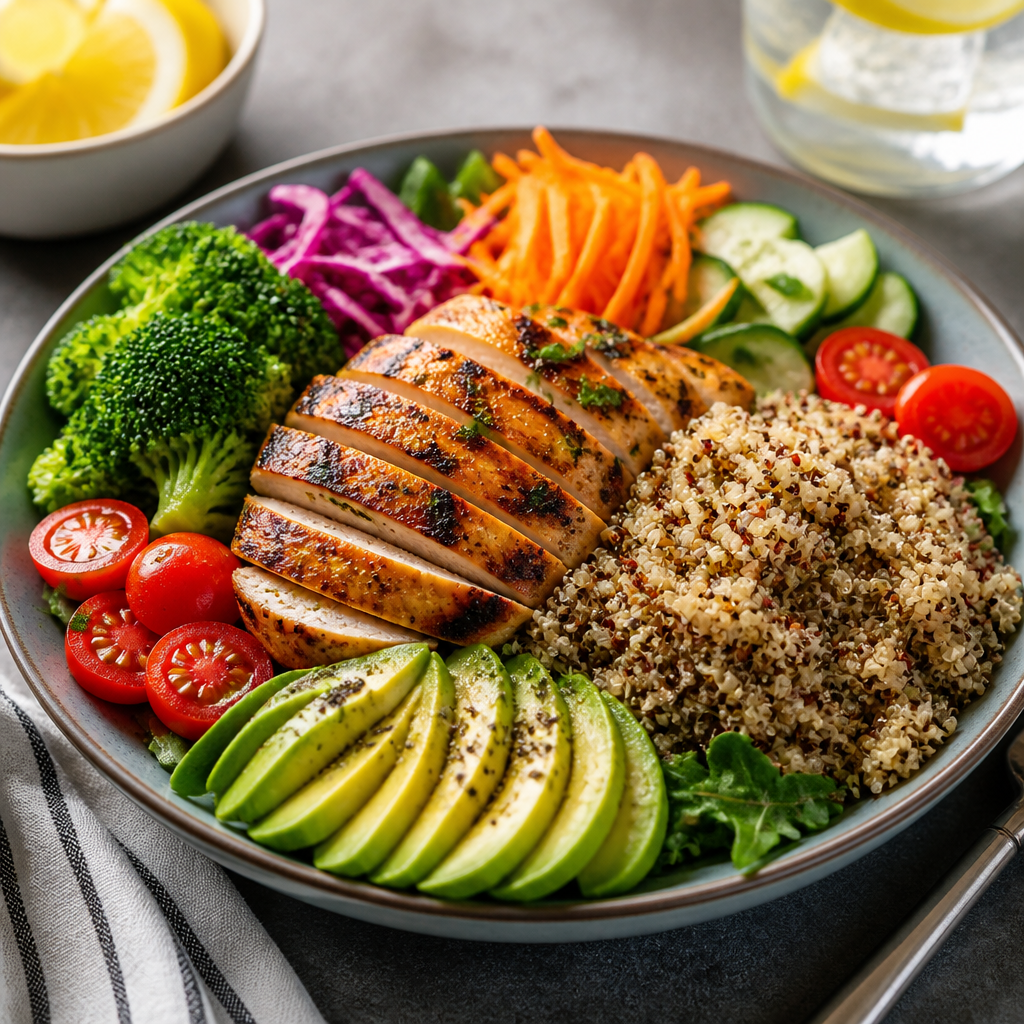 What Are Macros? A Beginner's Guide to Understanding MacronutrientsDive into the world of macronutrients. Learn about carbs, proteins, and fats and how they contribute to a balanced diet.
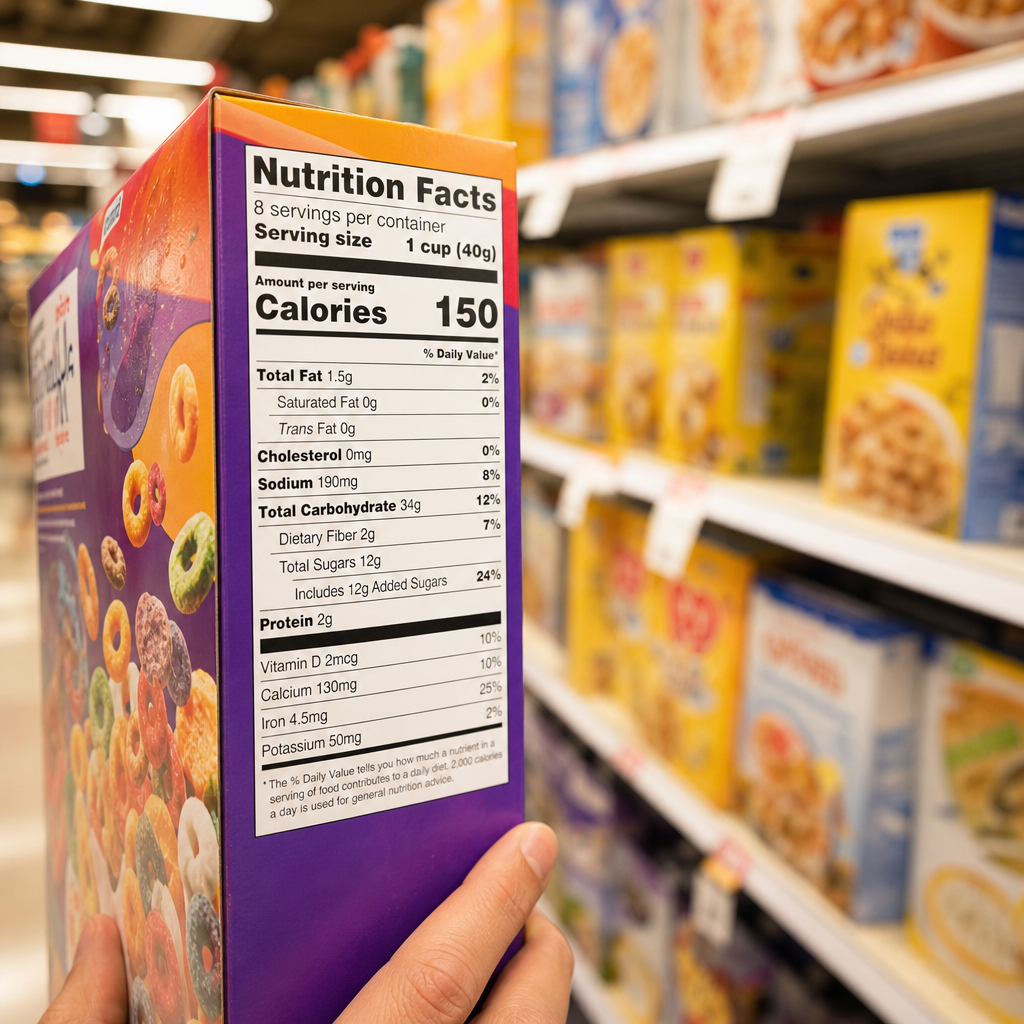 How to Read Food Labels: Your Ultimate Guide to Making Informed ChoicesLearn how to effectively read food labels to make informed dietary choices and enhance your health with our comprehensive guide.
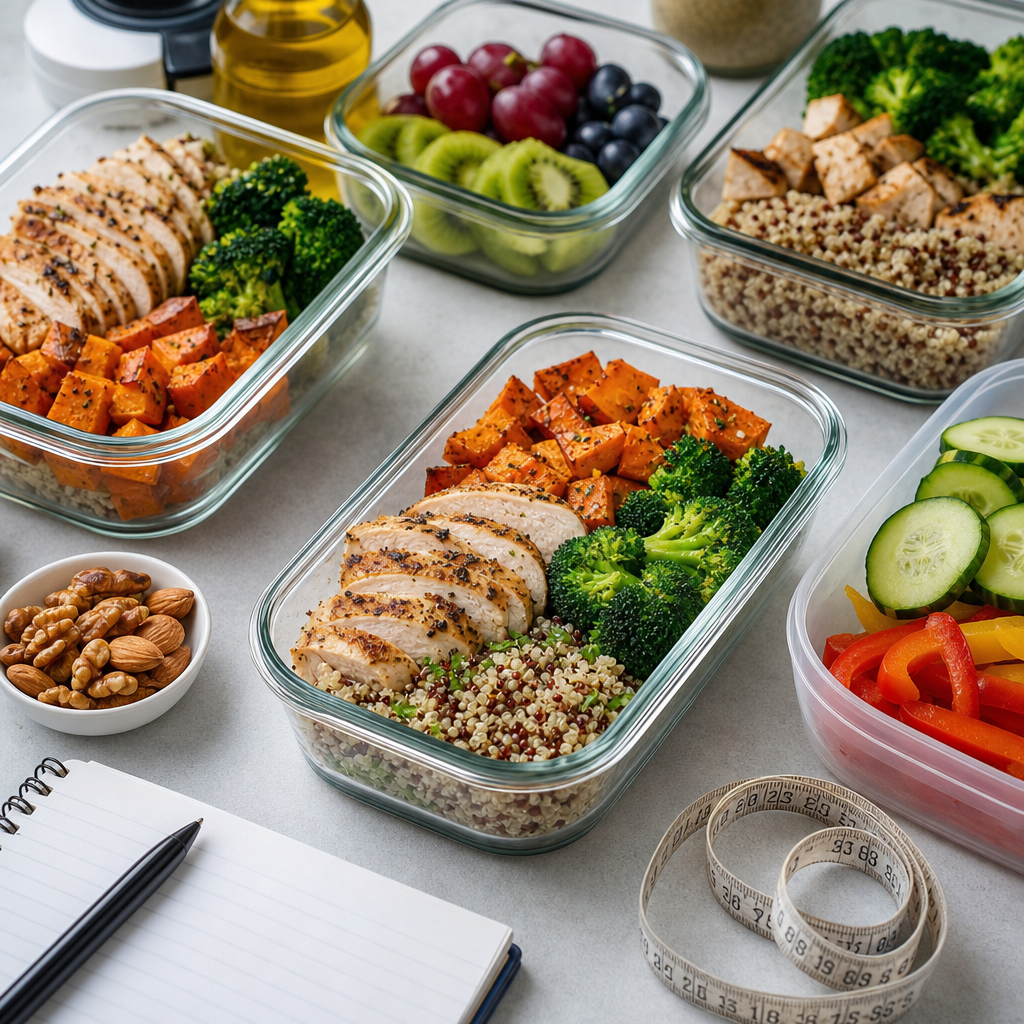 Mastering Meal Prep for Effective Calorie TrackingDiscover how meal prep can streamline your calorie tracking journey while delivering delicious, nutritious meals.
 How to Choose Healthier Foods Using LabelsUnlock the secrets of food labels with effective strategies to make healthier food choices and improve your nutrition.
 How AI Automatically Tracks Calories: A Game Changer for Busy LifestylesDiscover how AI-driven technologies simplify calorie tracking, making healthy eating easier for busy individuals.
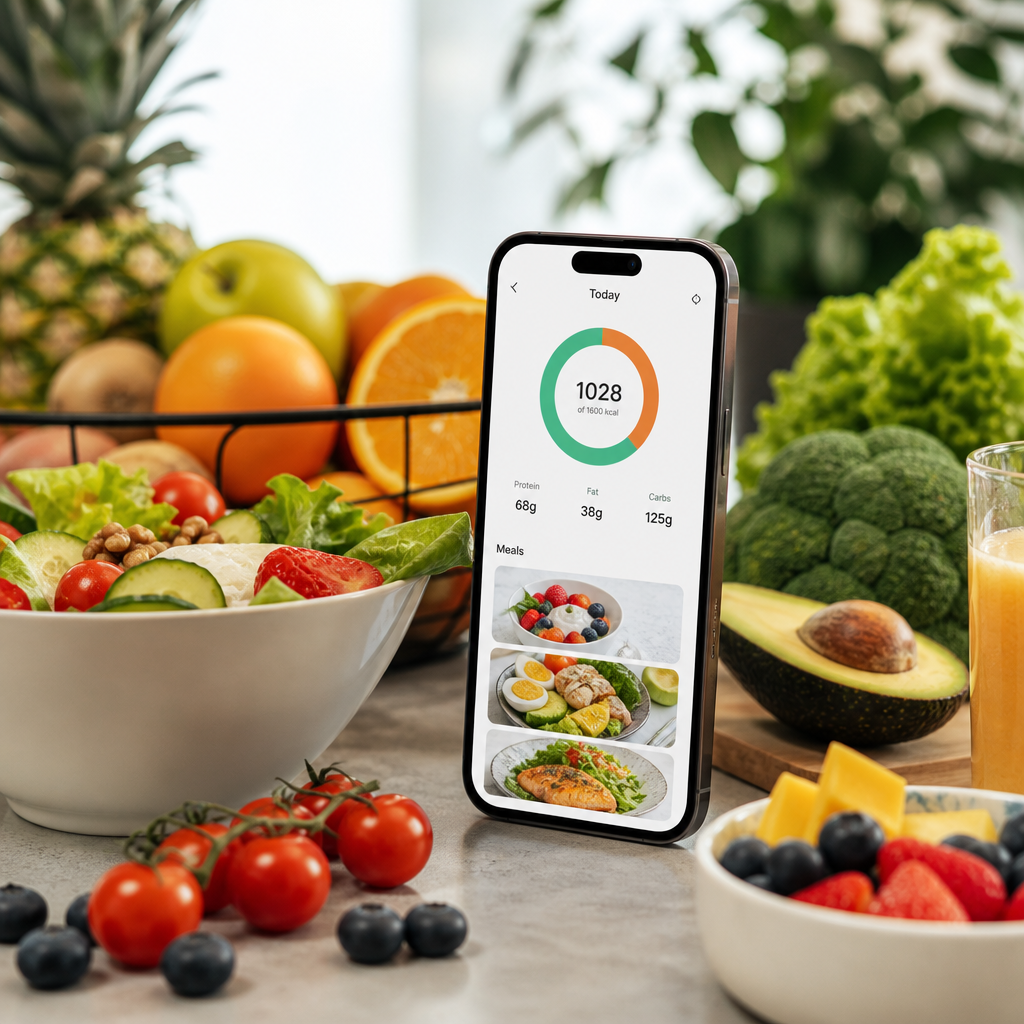 Best AI Nutrition Apps: Transform Your Dietary HabitsExplore the top AI-powered nutrition apps designed to enhance your dietary choices, making it easier than ever to achieve your health goals.
 How to Count Calories From a Food Photo: A Step-by-Step GuideDiscover how to accurately count calories using food photos with modern mobile apps and technology for your dieting journey. Learn more now!
 Utilizing an AI Food Scanner for Effective Weight LossExplore how an AI food scanner can revolutionize your weight loss journey by efficiently tracking caloric intake and nutritional content.
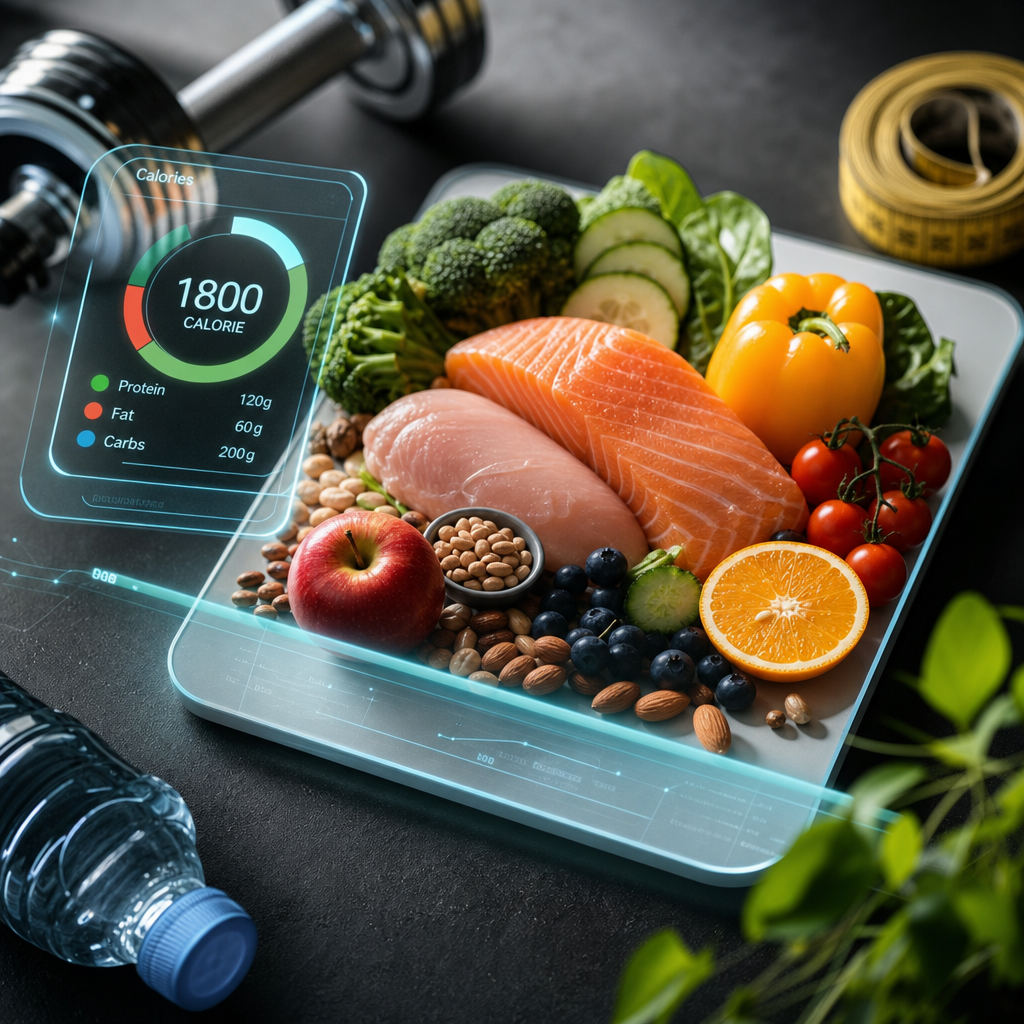 How AI Calculates Protein, Fat, and CarbsDive into how AI calculates nutrition by analyzing food images to assess macronutrient distribution for better meal planning and nutritional insights.
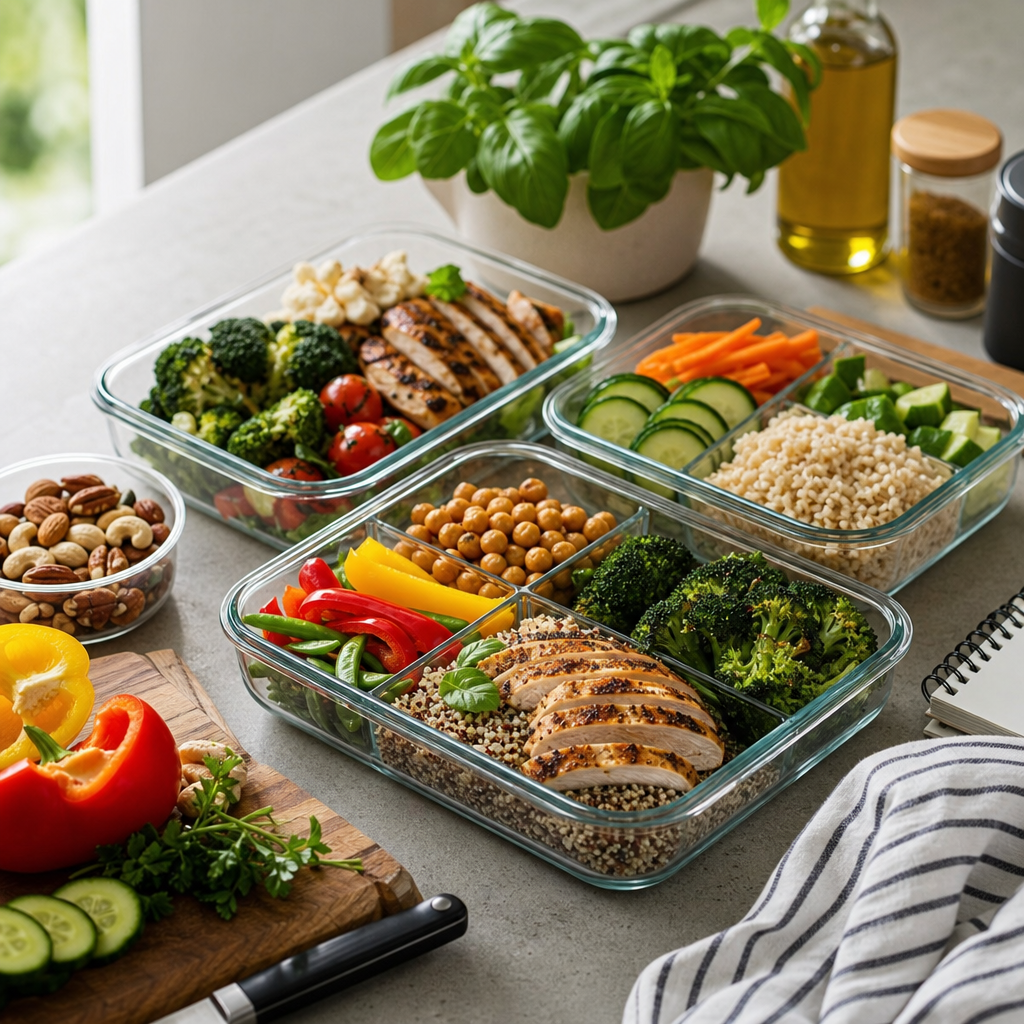 The Ultimate Weekly Meal Prep Guide for Busy Professionals and FamiliesTransform your weekly meal prep with this comprehensive guide. Save time, eat healthier, and enjoy delicious prepared meals all week long.
 How Many Calories Are in Ice Cream?Discover the calories in various ice cream flavors and explore healthier alternatives that satisfy your sweet tooth without sacrificing your diet.
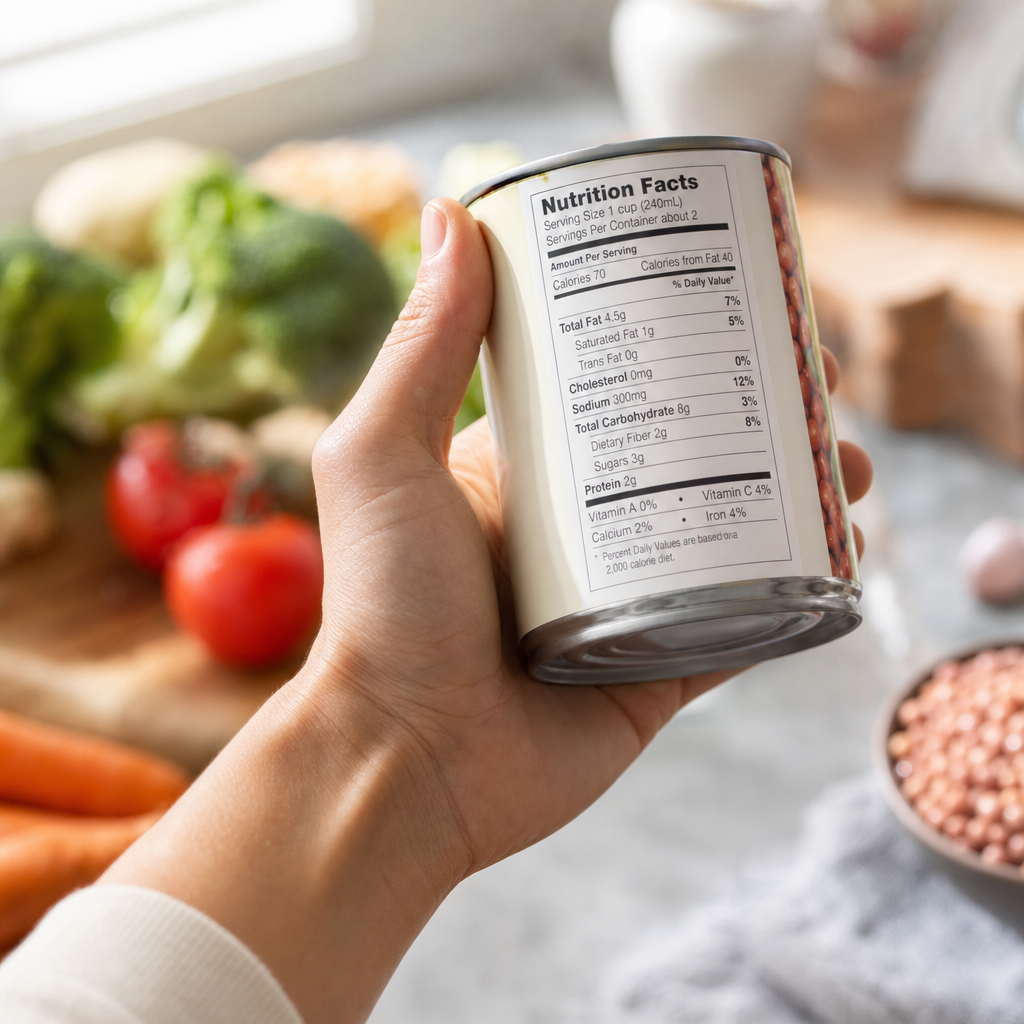 Common Food Label Reading Mistakes to Avoid for Better Dietary ChoicesLearn how to decode food labels with confidence by avoiding these common mistakes. Make healthier choices with the right information.
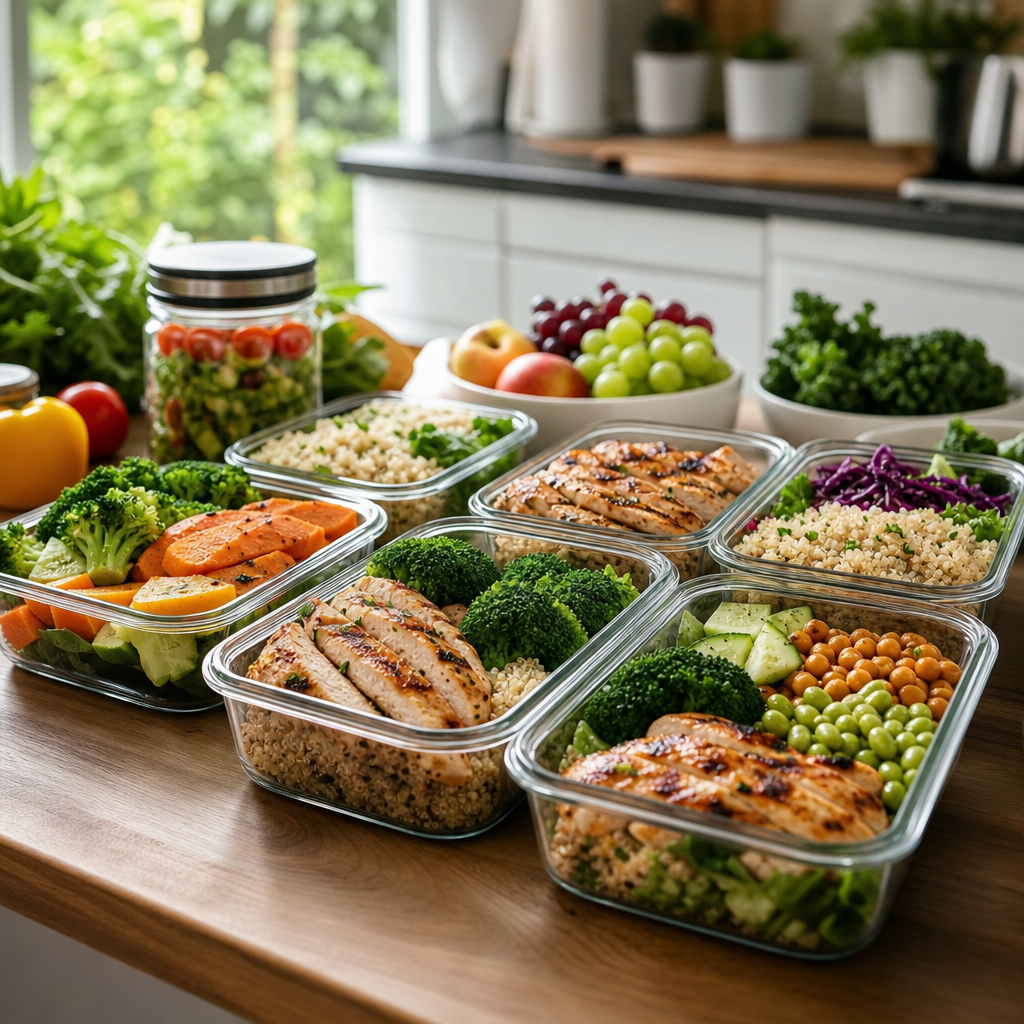 Batch Cooking for Weight Loss: A Smart Strategy to Manage PortionsDiscover how batch cooking can streamline your meal prep, help manage portions, and support your weight loss journey effectively.
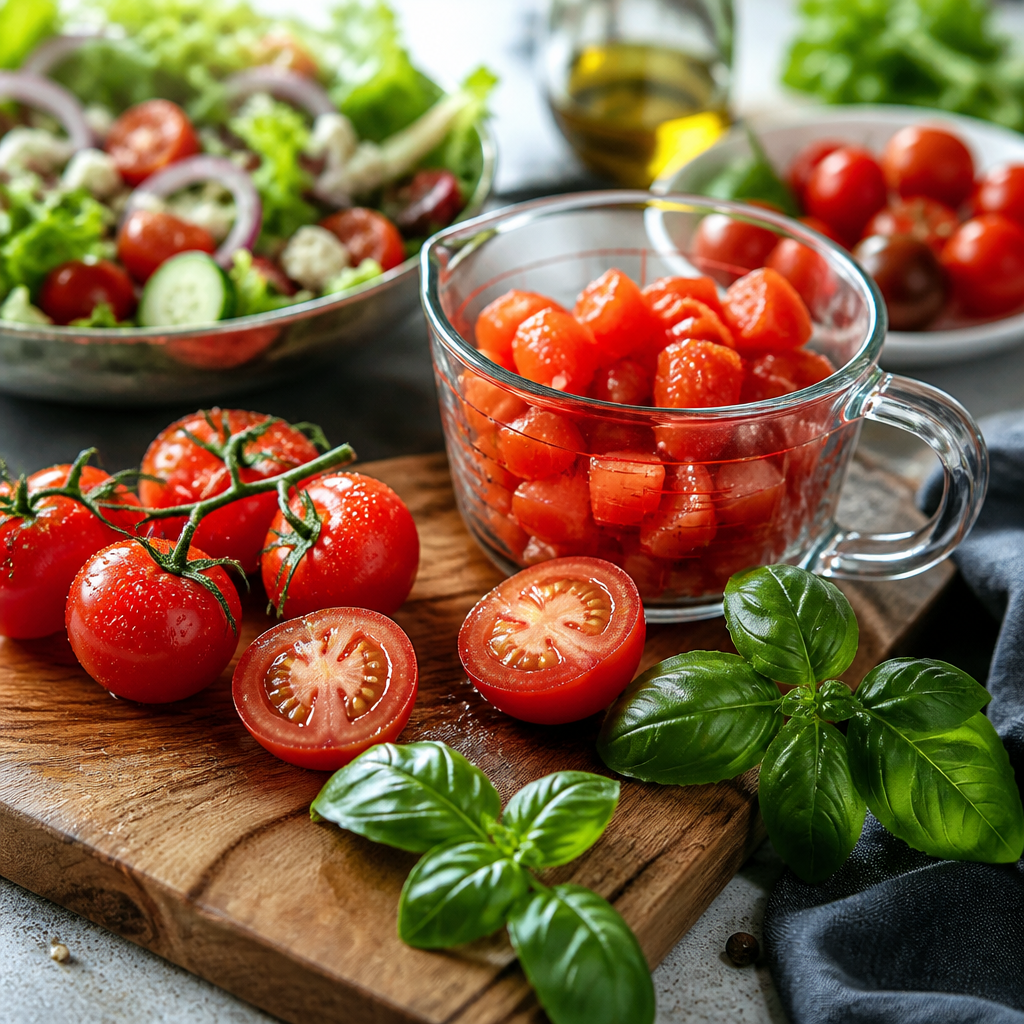 How Many Calories Are in a Tomato? A Comprehensive BreakdownDiscover the calorie content of tomatoes, their nutritional benefits, and how to incorporate them into your diet for optimal health.
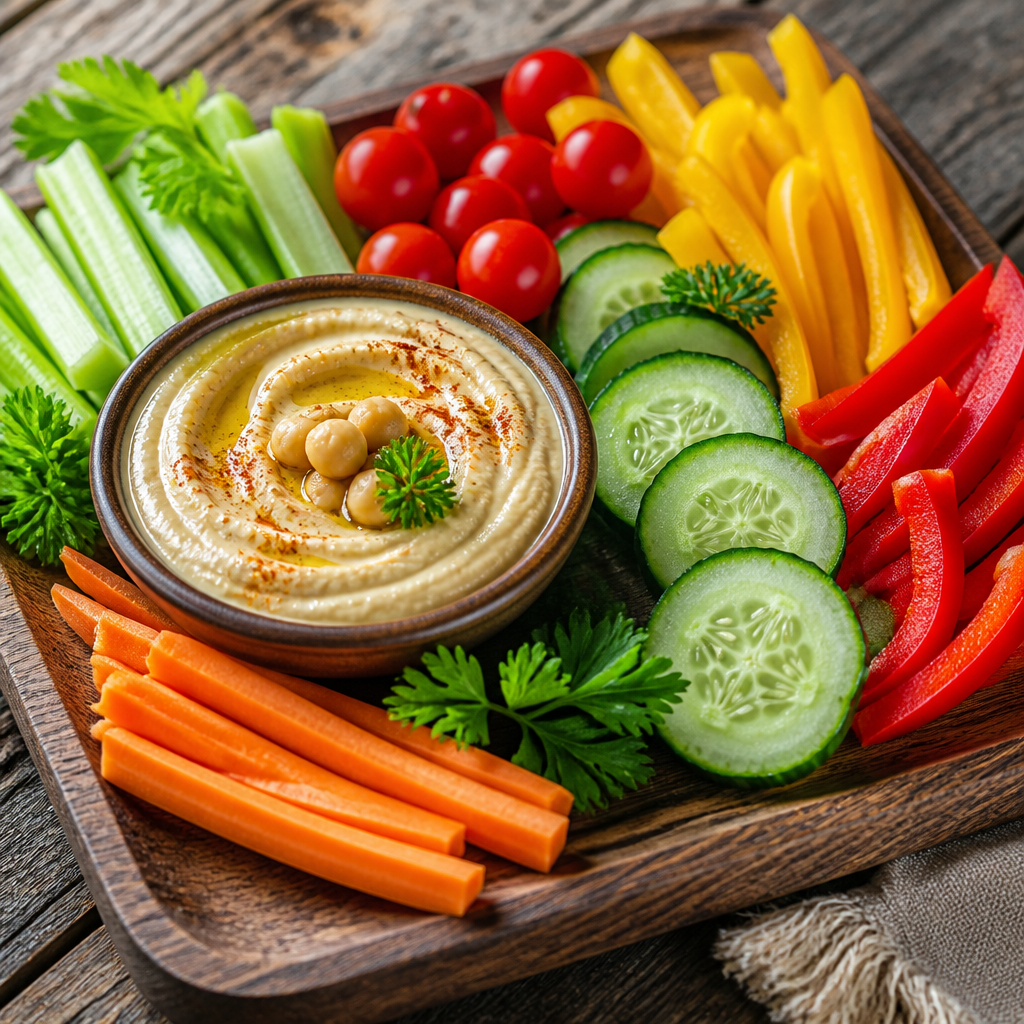 Crunching Numbers: The Best Low-Calorie Vegetables for SnackingExplore a variety of nutritious, low-calorie vegetables perfect for satisfying snacks while keeping your health goals in check.
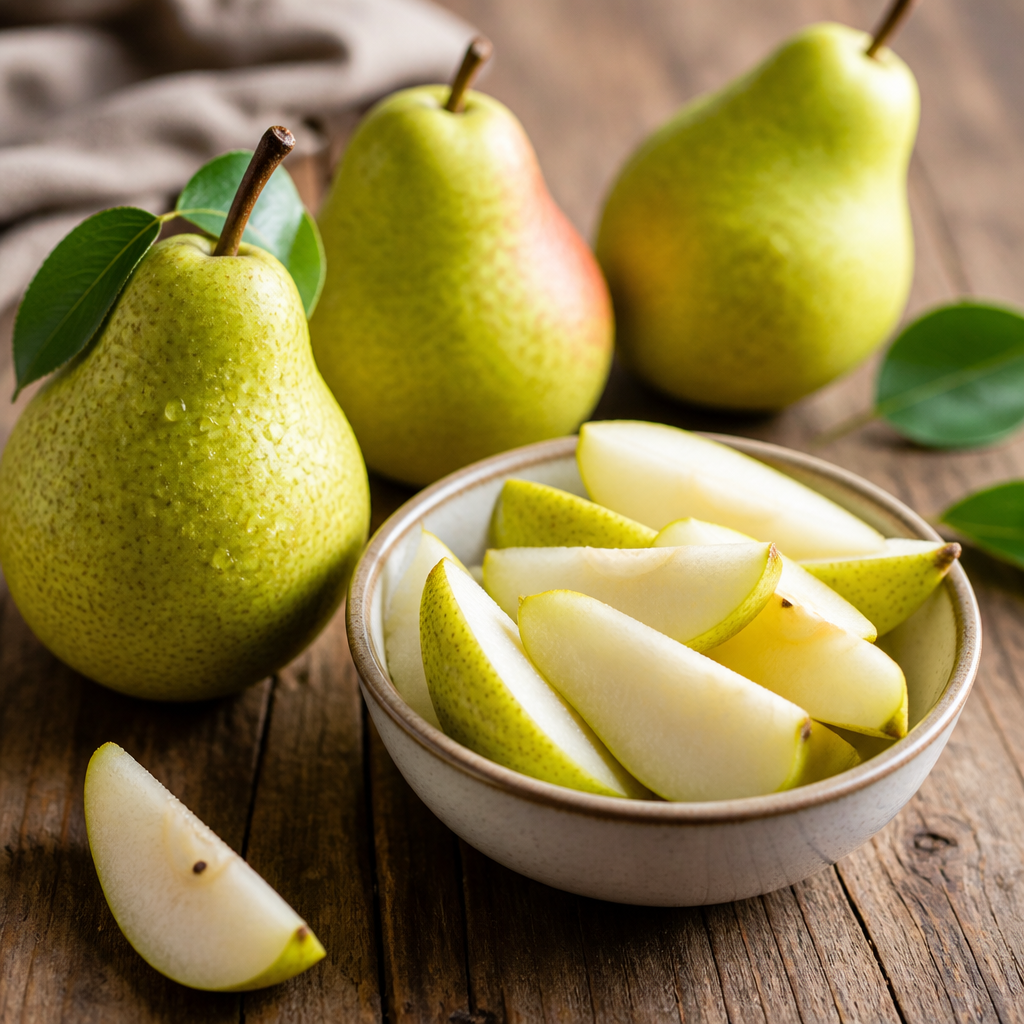 How Many Calories Are in a Pear?Explore the nutritional breakdown and health benefits of pears, an underrated fruit full of flavor and low in calories.
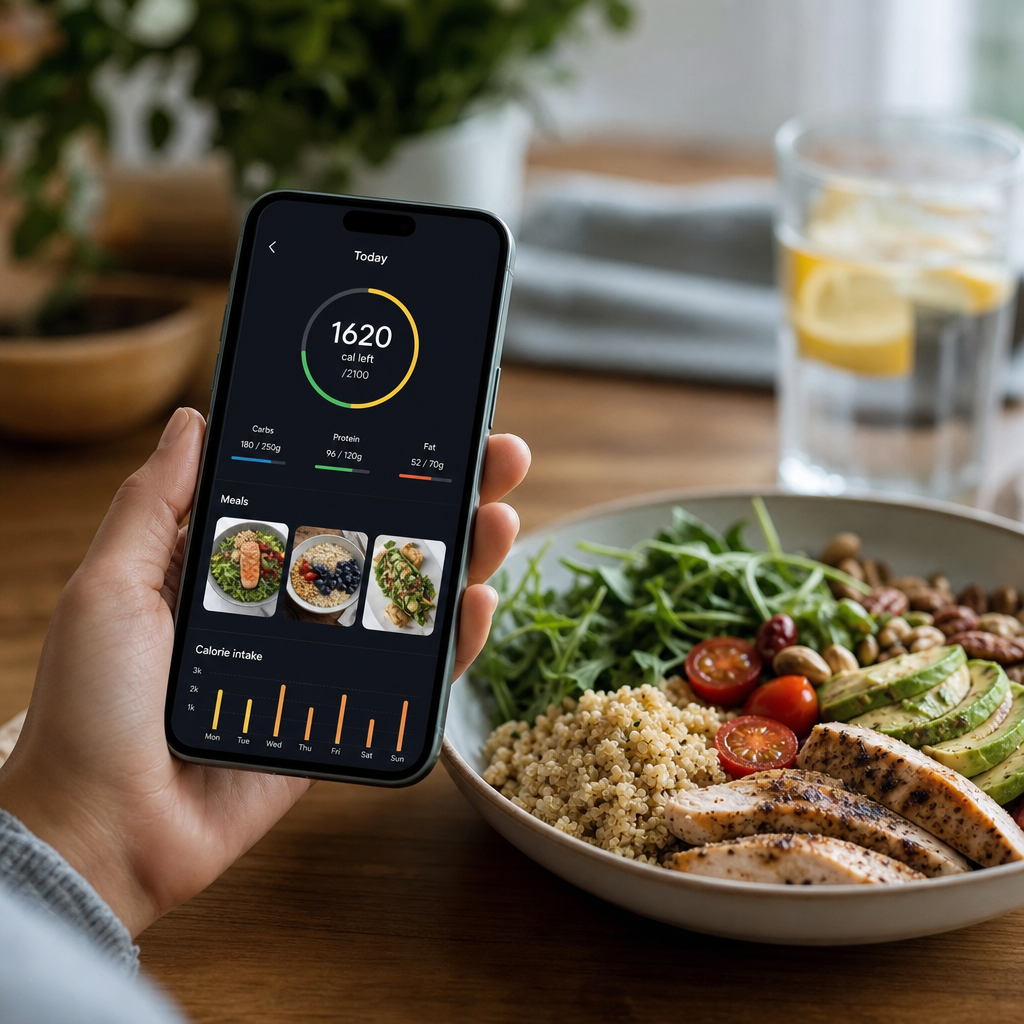 AI Calorie Counter: Comprehensive Review of the Top AppsDiscover our in-depth review of popular AI calorie counter apps, evaluating their features, usability, and effectiveness to help you track your nutrition effortlessly.
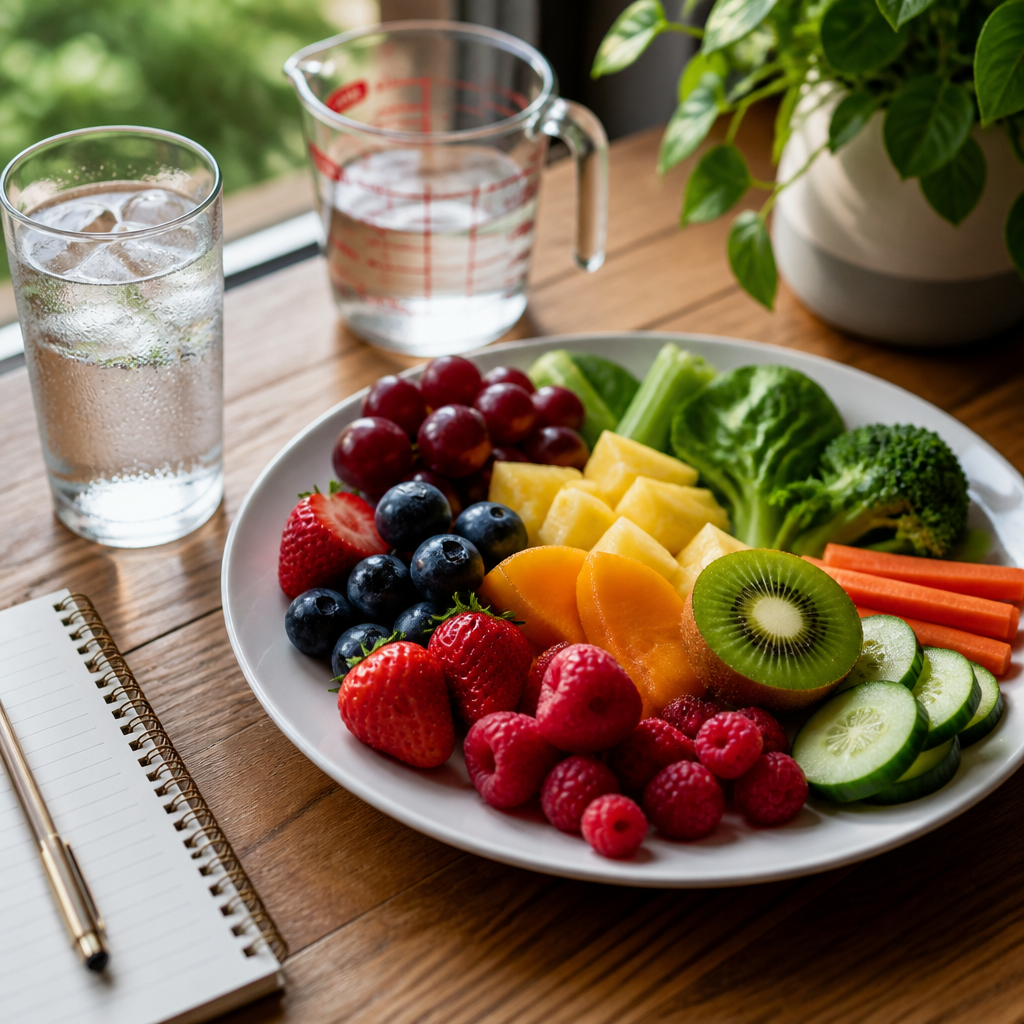 How Much Water Should You Drink for Weight Loss?Learn the optimal water intake for weight loss, its benefits, and practical tips to stay hydrated in your weight loss journey.
 How Many Calories Are in Pizza? A Comprehensive GuideDiscover the calorie counts for different pizza types and toppings. Make informed choices while enjoying your favorite slice!
 Cal AI Review 2026: The Future of Nutritional TrackingExplore a comprehensive review of Cal AI's anticipated features and reliability in 2026 for effective nutritional tracking.
 The Best Macro Ratio for Weight Loss: Optimizing Your IntakeDiscover the best macronutrient ratios for effective weight loss. Learn how to adjust your intake for optimal results while maintaining a healthy lifestyle.
 How Many Calories Are in Chicken Nuggets? A Comprehensive BreakdownDiscover the calorie counts of chicken nuggets from various brands and preparation methods to make informed choices for your family.
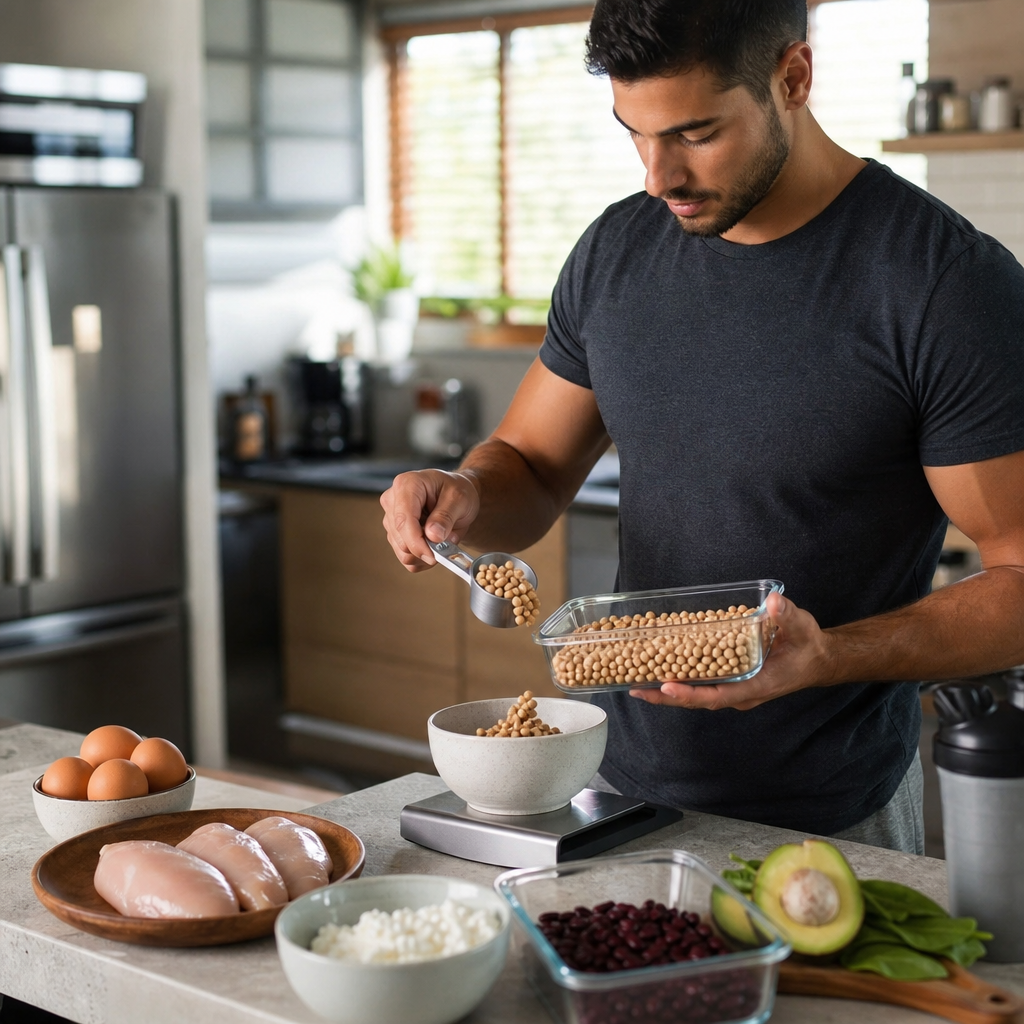 How Much Protein Do You Need Per Day? A Comprehensive GuideDiscover your daily protein requirements tailored to your personal health goals with our in-depth guide. Find out how to calculate your needs effectively.
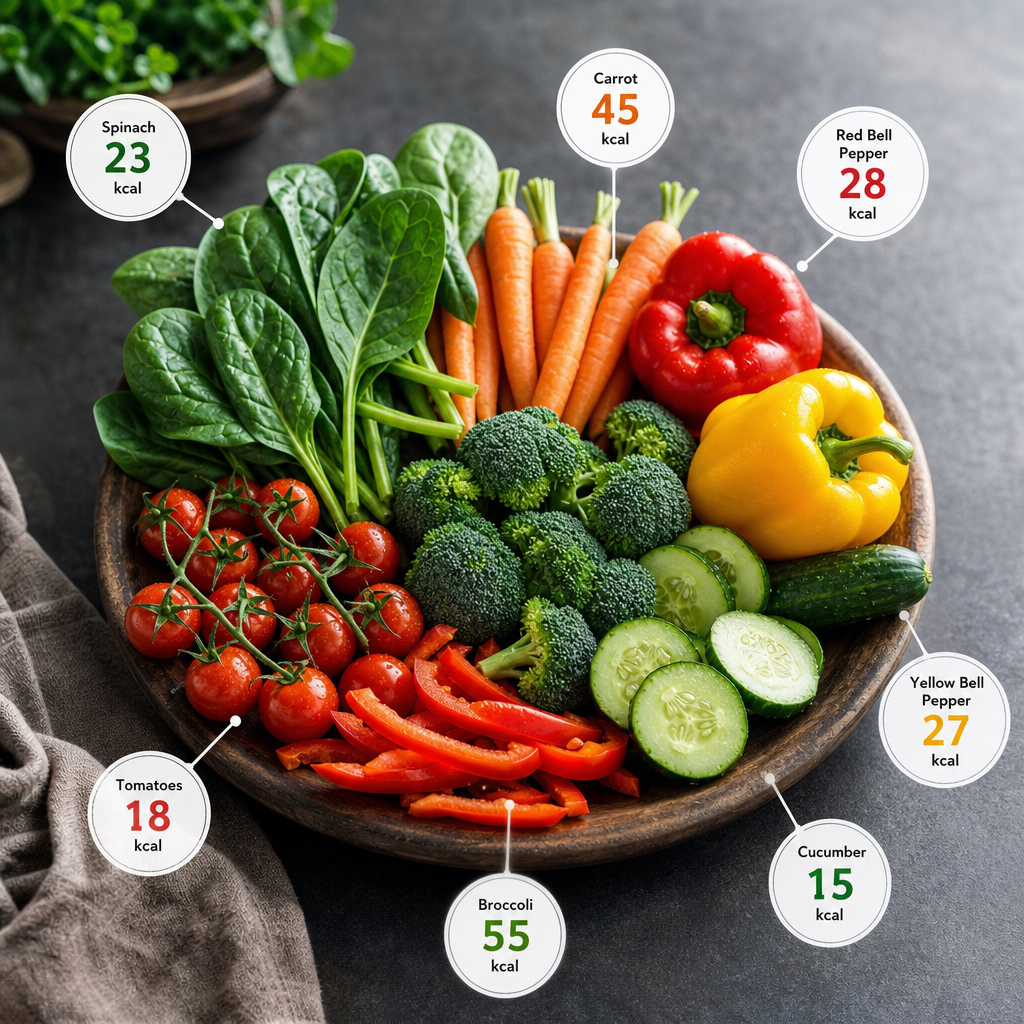 The Complete Vegetable Calorie Chart: Making Informed Dietary ChoicesExplore our complete vegetable calorie chart to make informed decisions for your diet, ensuring healthy calorie intake while enjoying a variety of vegetables.
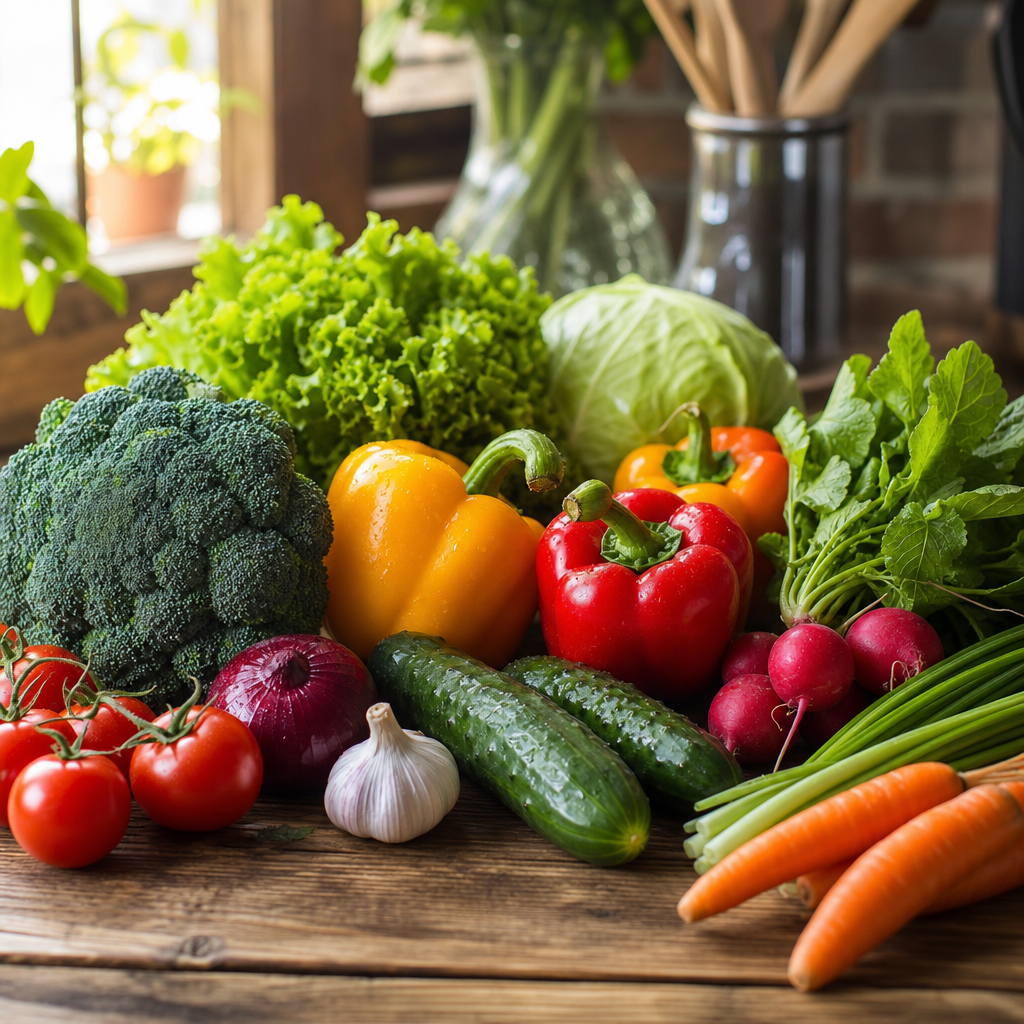 The Ultimate Weight Loss Vegetables List: Your Guide to Slimming SuccessDiscover the top weight loss vegetables list that can support your dieting journey with delicious, low-calorie options perfect for meals and snacks.
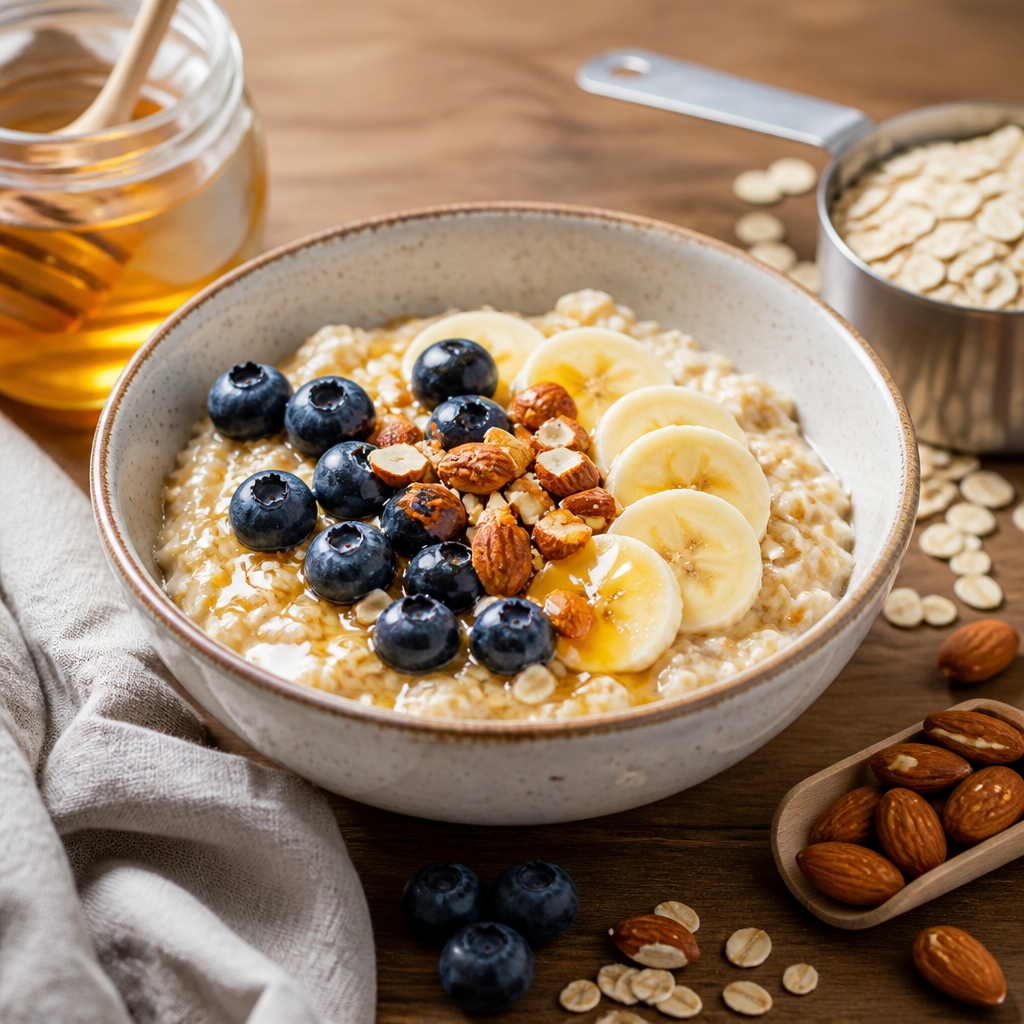 How Many Calories Are in Oatmeal? A Comprehensive GuideUncover the calories in oatmeal, from plain oats to popular toppings, and learn to customize your breakfast for optimal health.
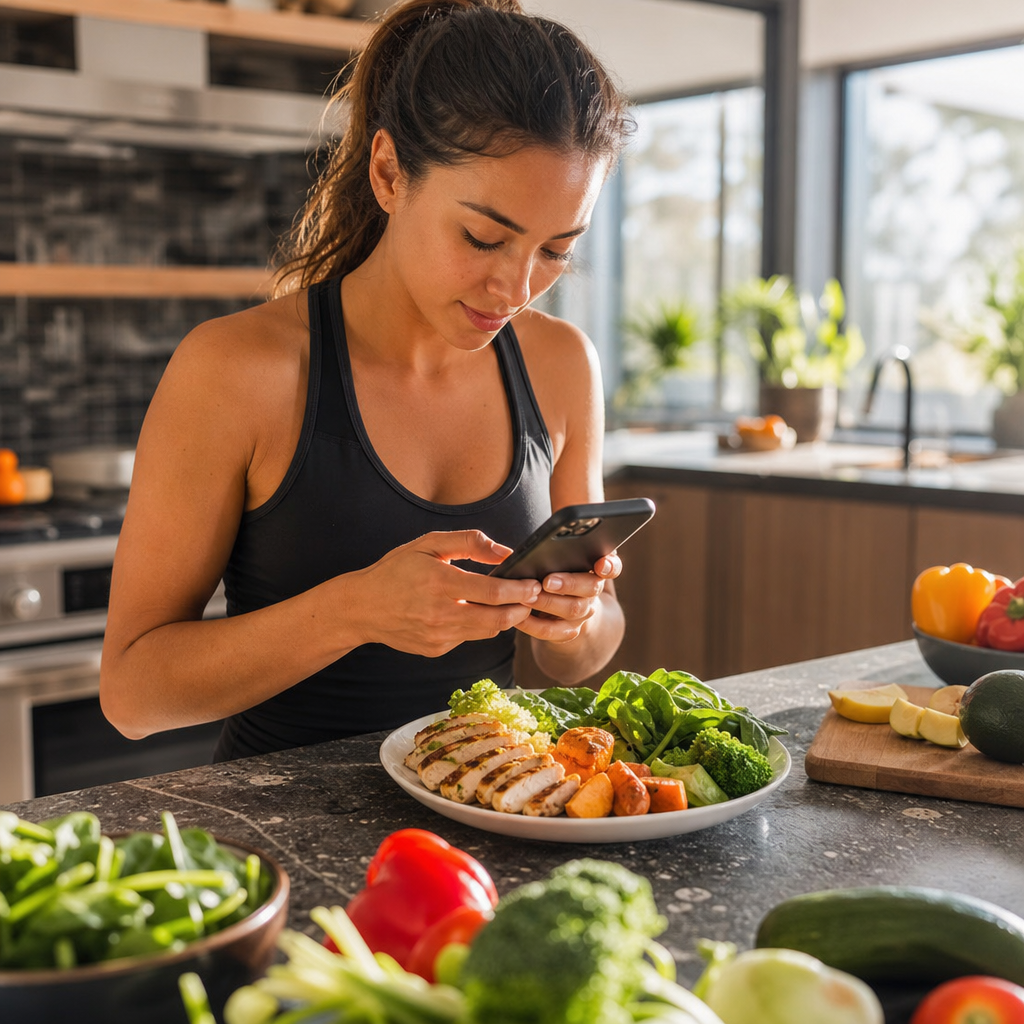 How to Calculate Meal Calories in 5 SecondsMaster quick calorie calculation techniques to keep your meals healthy and on track, especially for busy lifestyles.
 Discovering Free Online Calorie Counter by Photo ToolsExplore the best free online calorie counter by photo tools for effective meal tracking without breaking the bank. Perfect for budget-conscious users!
 How Many Calories Are in an Egg? A Comprehensive GuideExplore the caloric content of eggs, different cooking methods, and how they fit into a healthy diet while tracking your nutrition goals.