How AI Food Recognition Works: Transforming Food Photos into Actionable Insights
Explore the mechanics of AI food recognition and how it turns food images into nutritional data for better health management.
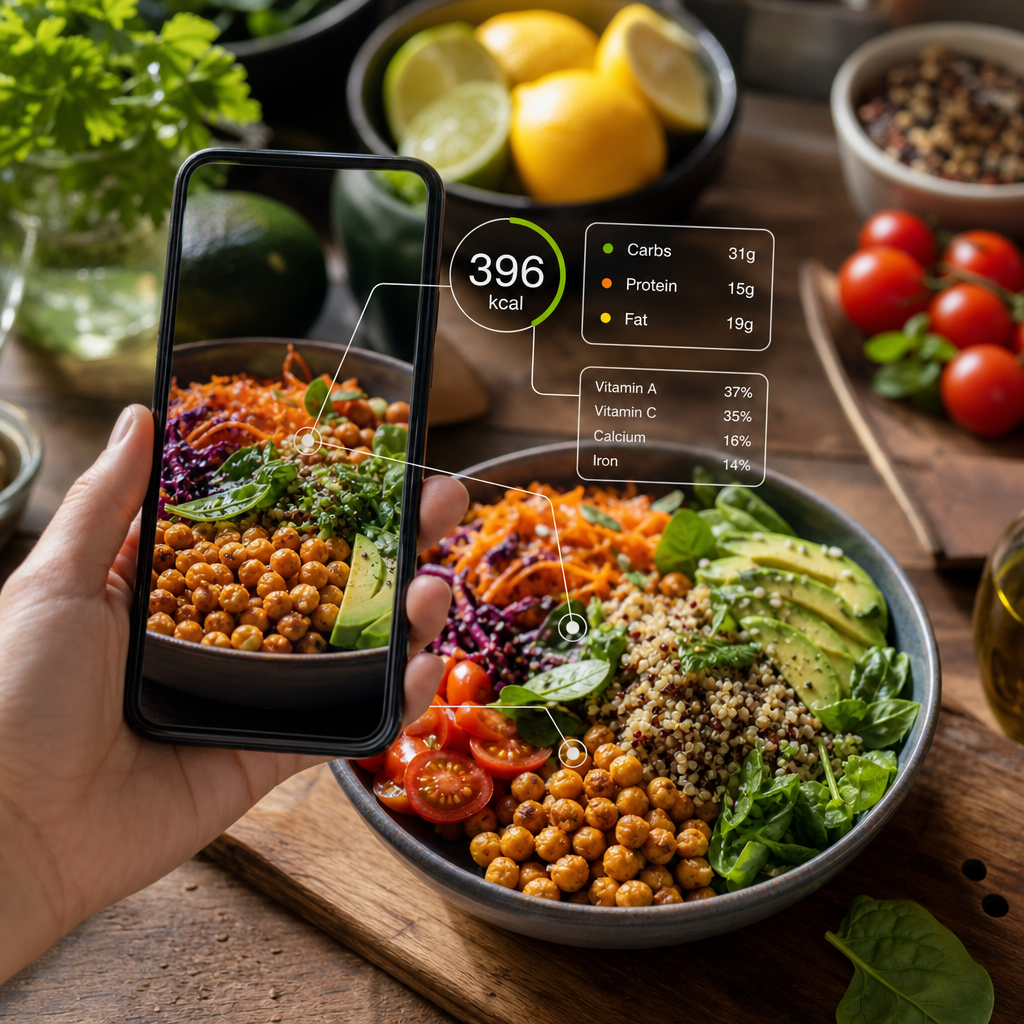
The Basics of AI Food Recognition
AI food recognition is an innovative technology that employs machine learning and computer vision to analyze food images. At its core, this system is designed to identify various types of foods and provide nutritional information based on image inputs. By utilizing convolutional neural networks (CNNs), the technology can detect and classify food items accurately, making it a valuable tool for app developers aiming to enhance user engagement in health and fitness.
The primary process involves taking a photo of a meal, which is then processed through a deep learning model trained on thousands—or even millions—of food images. Each image serves as a data point that helps the AI learn shapes, colors, and textures characteristic of different foods. The result is a robust system that can not only identify food but also quantify nutritional content, paving the way for users to make informed dietary choices.
How AI Models Learn to Recognize Food
To grasp how AI food recognition works, consider the training phase. Developers collect large datasets of food images, annotated with labels indicating the type of food. This annotated data allows AI models to learn from visual cues. For instance, a high-resolution image of a pizza will be marked accordingly, while vegetables like spinach and tomatoes will each have their designated labels.
During training, the model identifies patterns in the images. It adjusts its internal parameters to minimize errors in predictions, resulting in a refined understanding of what features define different food items. For instance, the model learns that ripe bananas have a distinct yellow hue and certain speckles, while avocados have a more rugged texture. This training is repeated across multiple iterations, enhancing the AI's accuracy and confidence when identifying food in new, real-world images.
The Role of Image Processing in Food Recognition
Image processing is integral to AI food recognition's effectiveness. When a user uploads a photo of their meal, the system first preprocesses the image to enhance clarity and remove noise. Key operations during preprocessing may include resizing, normalization, and color adjustments to ensure that the model receives the best quality input for analysis.
Following these adjustments, the model employs various techniques such as edge detection and segmentation to isolate the food items from their background. This helps the AI understand the composition of the meal—focusing on the main ingredients rather than distractions in the image. For instance, if a user takes a photo of a bowl of salad, the model will differentiate between the greens, tomatoes, and croutons before conducting its analysis.
From Recognition to Nutritional Data
Once the AI successfully identifies the food items in an image, the next step is converting this recognition into actionable nutritional data. Each food item identified is cross-referenced with a nutritional database—for example, USDA's FoodData Central—to derive essential information such as calories, protein, fats, and carbohydrates. This data is transformed into user-friendly insights.
For instance, if the AI recognizes two slices of cheese pizza, the nutritional breakdown might reveal that this meal contains approximately 600 calories, 28g of protein, and 26g of fat. By associating food items with their respective nutrients, users can easily track and manage their dietary intake based on realistic serving sizes, which enhances their ability to maintain healthier eating habits.
Challenges in AI Food Recognition
Despite the impressive capabilities of AI food recognition, challenges still exist. Variability in food presentation, lighting conditions, and image quality can significantly affect the model's accuracy. A dish may differ from one restaurant to another, even if the name is the same, complicating the identification process.
Additionally, cultural differences in food presentation or ingredients can lead to misidentification. For example, a specific type of sushi roll may be easily recognized in Japan but could pose a challenge in other regions where variations exist. Addressing such intricacies requires continual updates to the AI model, incorporating new datasets that reflect global food diversity.
Practical Applications and Future Developments
AI food recognition holds immense potential for several practical applications, including nutrition tracking, personalized meal planning, and even aiding individuals with dietary restrictions. Fitness apps can leverage this technology to promote healthy eating by providing users with real-time feedback on meal choices, while developers creating nutrition databases can enhance their offerings through detailed food recognition insights.
As technology evolves, we can expect more advanced AI algorithms that enhance accuracy and user experience. Integration with wearable devices will also allow for real-time health tracking, monitoring caloric intake, and even suggesting healthier alternatives based on user preferences. The future looks bright for AI food recognition, promising a world where health management is more streamlined and accessible.
Frequently Asked Questions
What kind of food can AI recognize?
AI can recognize a wide variety of foods, including fruits, vegetables, grains, meats, and processed items. The extent of recognition largely depends on the training data provided.
How accurate is AI food recognition?
The accuracy of AI food recognition varies, typically falling between 70-90%. This can improve with continual training and updated datasets that include diverse food items.
Can AI food recognition help with calorie counting?
Yes, AI food recognition can facilitate calorie counting by identifying food items and providing nutritional breakdowns, helping users track their caloric intake more easily.
Is there a limit to the type of foods that can be analyzed?
While AI can identify many foods, unusual or highly customized dishes may pose challenges, as they might not be adequately represented in the training data.
How can developers implement AI food recognition in their apps?
Developers can implement AI food recognition by leveraging existing APIs or building custom models with machine learning libraries such as TensorFlow or PyTorch, using annotated food image datasets for training.
Unlock the power of nutrition tracking with Cal AI. Take a photo of your food, instantly estimate calories, view macros, and analyze your meals with AI to meet your nutrition goals effortlessly!
Share this article
Cal AI
Track meals faster with Cal AI
Scan food, estimate calories, and keep your nutrition log moving without typing every ingredient.
Author
Cal AI Editorial Team
Practical guides on nutrition, calorie tracking, meal planning, and building healthier habits with Cal AI.
Editorial policyFrequently asked questions
What kind of food can AI recognize?
AI can recognize a wide variety of foods, including fruits, vegetables, grains, meats, and processed items. The extent of recognition largely depends on the training data provided.
How accurate is AI food recognition?
The accuracy of AI food recognition varies, typically falling between 70-90%. This can improve with continual training and updated datasets that include diverse food items.
Can AI food recognition help with calorie counting?
Yes, AI food recognition can facilitate calorie counting by identifying food items and providing nutritional breakdowns, helping users track their caloric intake more easily.
Is there a limit to the type of foods that can be analyzed?
While AI can identify many foods, unusual or highly customized dishes may pose challenges, as they might not be adequately represented in the training data.
How can developers implement AI food recognition in their apps?
Developers can implement AI food recognition by leveraging existing APIs or building custom models with machine learning libraries such as TensorFlow or PyTorch, using annotated food image datasets for training.
Related articles
 Signs of Dehydration You Should KnowLearn to recognize the key signs of dehydration to maintain optimal health and prevent hunger-related issues.
 What Is a Smart Calorie Tracker?Explore the world of smart calorie trackers, options available, and how they can enhance your nutrition tracking and wellness journey.
 What Are Macros? A Beginner's Guide to Understanding MacronutrientsDive into the world of macronutrients. Learn about carbs, proteins, and fats and how they contribute to a balanced diet.
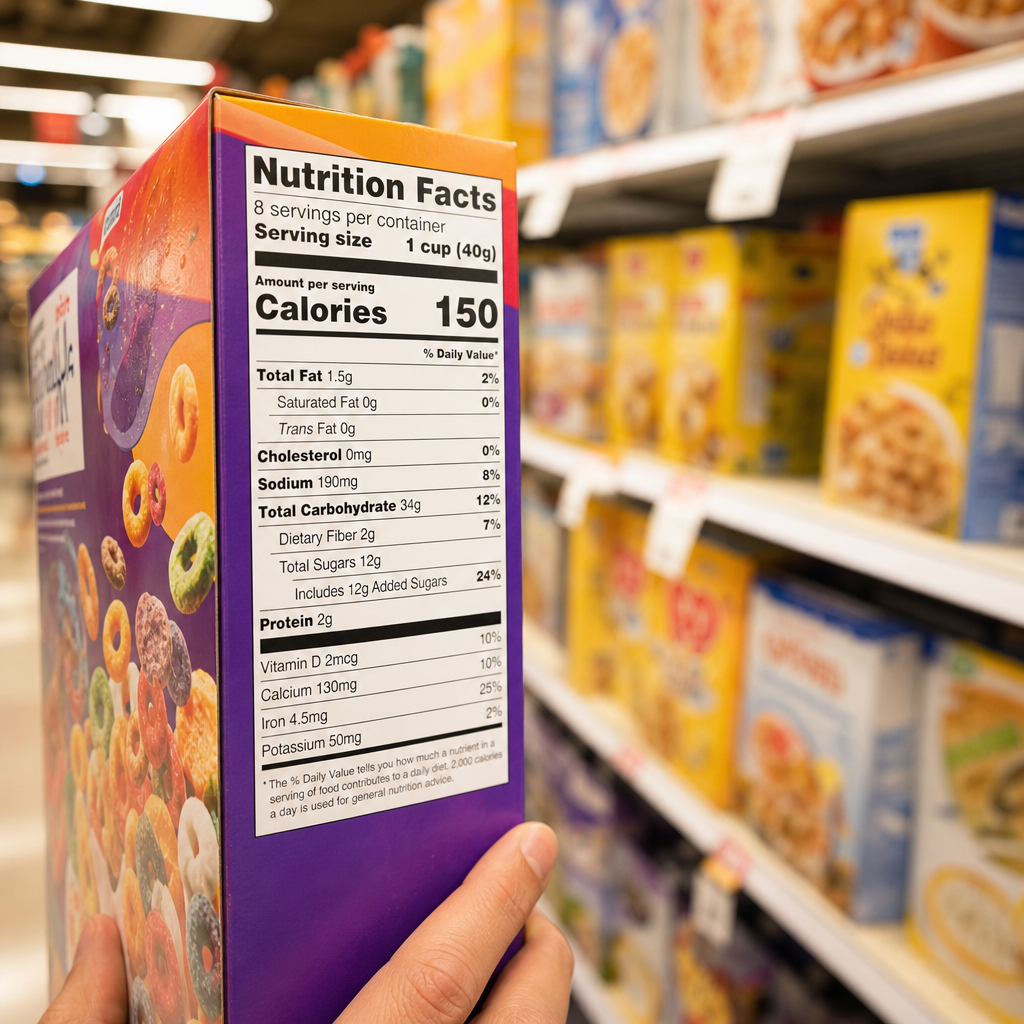 How to Read Food Labels: Your Ultimate Guide to Making Informed ChoicesLearn how to effectively read food labels to make informed dietary choices and enhance your health with our comprehensive guide.
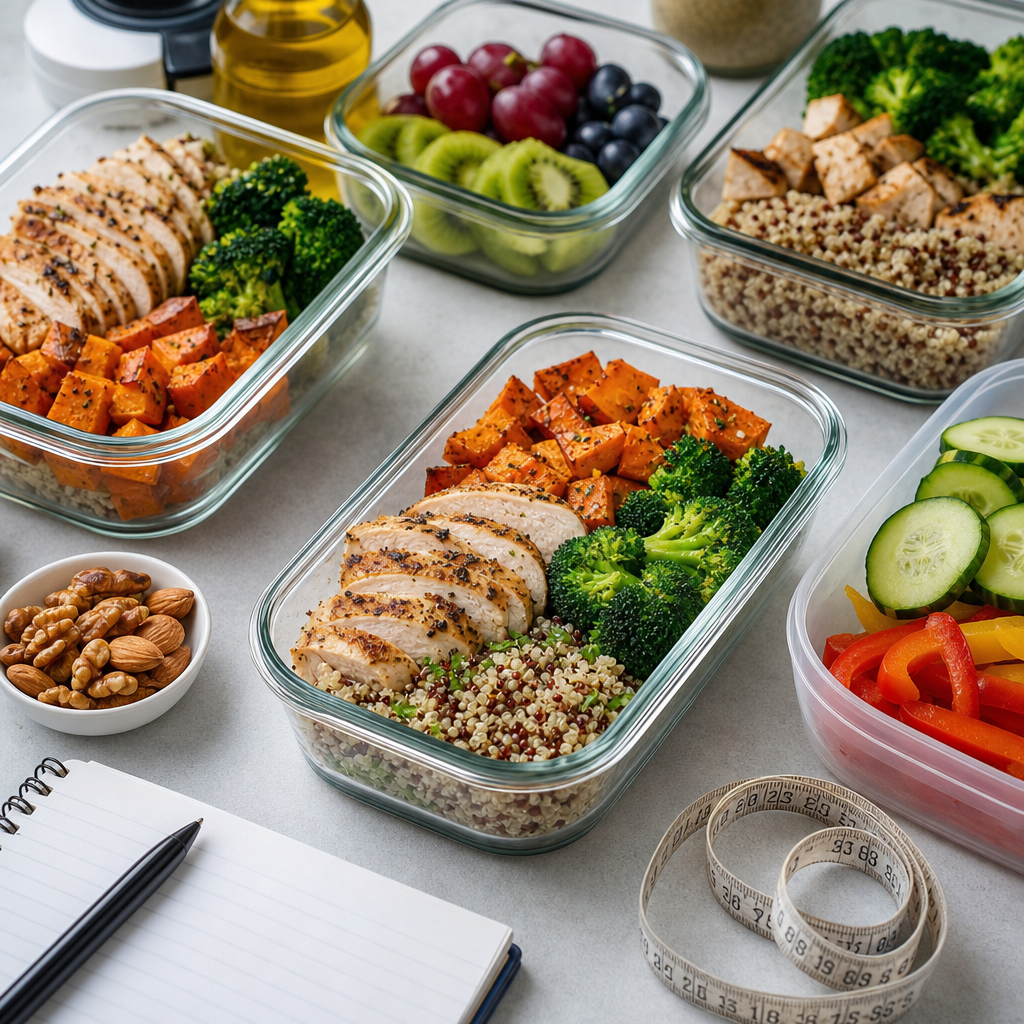 Mastering Meal Prep for Effective Calorie TrackingDiscover how meal prep can streamline your calorie tracking journey while delivering delicious, nutritious meals.
 How to Choose Healthier Foods Using LabelsUnlock the secrets of food labels with effective strategies to make healthier food choices and improve your nutrition.
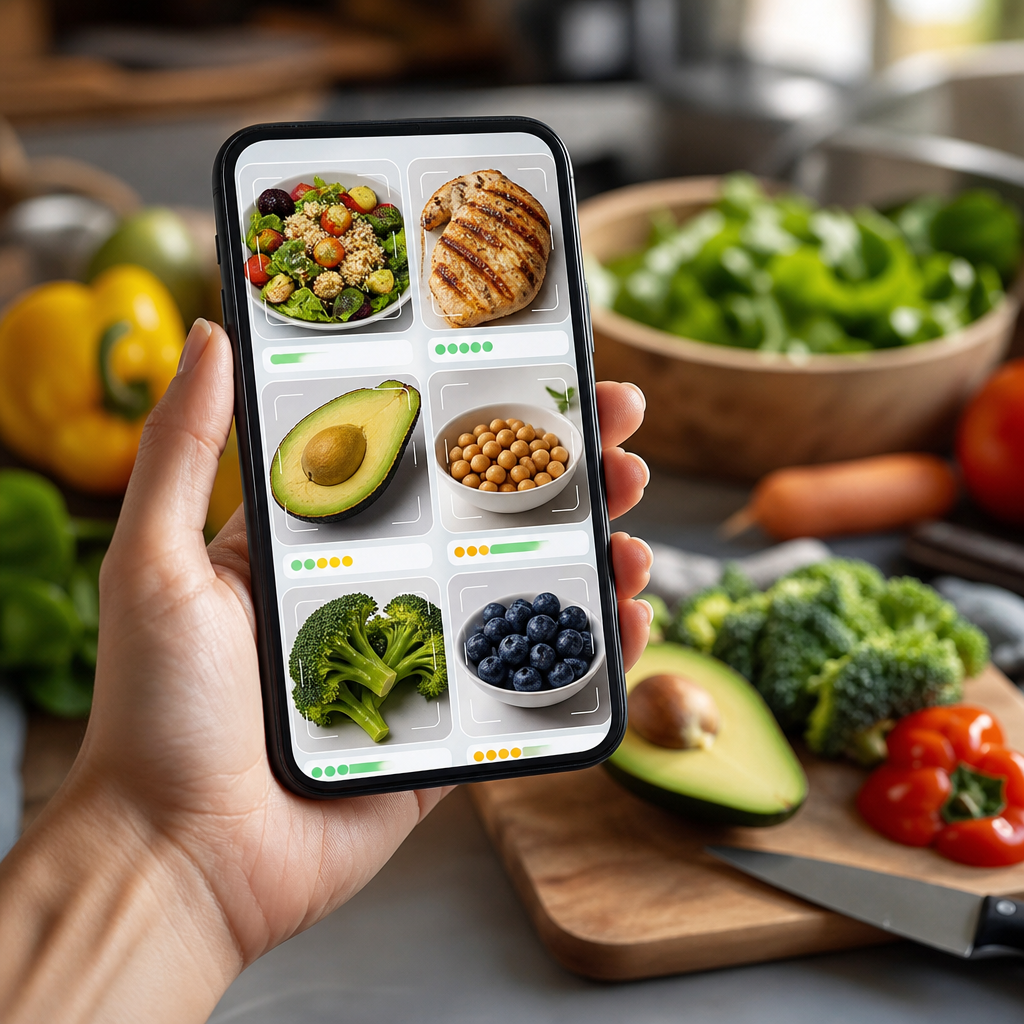 How AI Recognizes Food: The Technology Behind the MagicDiscover the intricate processes that allow AI to recognize food items in images, from deep learning models to real-world applications.
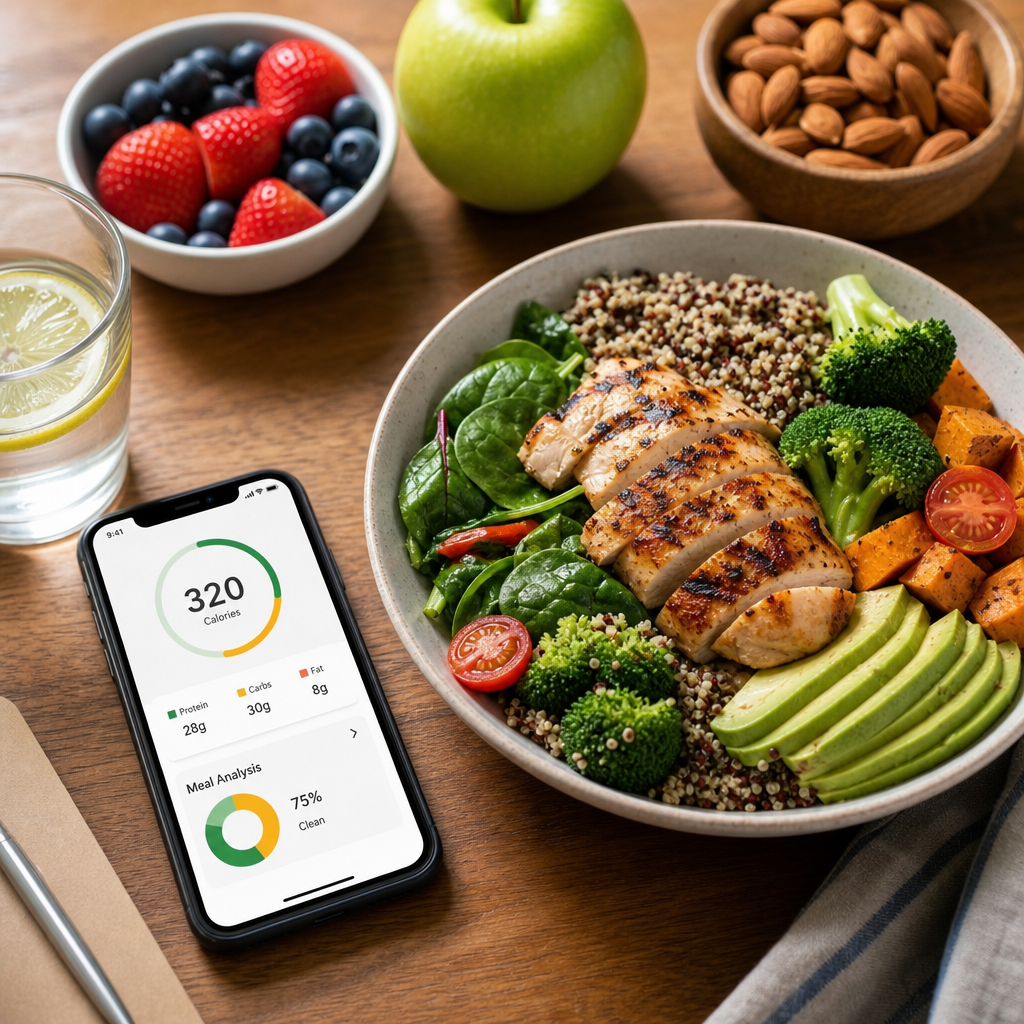 Unlocking Your Weight Loss Journey with AI Calorie TrackersDiscover how AI calorie trackers can significantly aid your weight loss journey through personalized insights and real-time analysis.
 How AI Automatically Tracks Calories: A Game Changer for Busy LifestylesDiscover how AI-driven technologies simplify calorie tracking, making healthy eating easier for busy individuals.
 AI Calorie Tracker for Muscle Gain: Maximizing Your Gains with PrecisionDiscover how AI calorie trackers can revolutionize your muscle gain journey by ensuring accurate caloric surplus tracking.
 Best AI Nutrition Apps: Transform Your Dietary HabitsExplore the top AI-powered nutrition apps designed to enhance your dietary choices, making it easier than ever to achieve your health goals.
 Can You Lose Weight With an AI Calorie Tracker?Explore how AI calorie trackers can enhance your weight loss journey by providing precise data, personalized insights, and meal tracking features.
 Utilizing an AI Food Scanner for Effective Weight LossExplore how an AI food scanner can revolutionize your weight loss journey by efficiently tracking caloric intake and nutritional content.
 The Ultimate Weekly Meal Prep Guide for Busy Professionals and FamiliesTransform your weekly meal prep with this comprehensive guide. Save time, eat healthier, and enjoy delicious prepared meals all week long.
 Common Food Label Reading Mistakes to Avoid for Better Dietary ChoicesLearn how to decode food labels with confidence by avoiding these common mistakes. Make healthier choices with the right information.
 Batch Cooking for Weight Loss: A Smart Strategy to Manage PortionsDiscover how batch cooking can streamline your meal prep, help manage portions, and support your weight loss journey effectively.
 How Accurate Is AI Food Analysis?Explore the precision of AI in food analysis and its implications for nutritionists, researchers, and data enthusiasts in understanding caloric and nutritional content.
 Can AI Identify Ingredients From a Photo? An In-Depth LookDiscover how AI technology accurately identifies food ingredients from images, transforming cooking and nutrition analysis for enthusiasts and professionals alike.
 How Many Calories Are in a Tomato? A Comprehensive BreakdownDiscover the calorie content of tomatoes, their nutritional benefits, and how to incorporate them into your diet for optimal health.
 Crunching Numbers: The Best Low-Calorie Vegetables for SnackingExplore a variety of nutritious, low-calorie vegetables perfect for satisfying snacks while keeping your health goals in check.
 Why Hydration Matters in a Calorie DeficitDiscover the crucial role hydration plays in your weight loss journey, especially when operating in a calorie deficit.
 How to Calculate Macros for Muscle GainLearn effective strategies for calculating your macronutrients to support muscle growth and achieve your fitness goals.
 How Many Calories Are in a Pear?Explore the nutritional breakdown and health benefits of pears, an underrated fruit full of flavor and low in calories.
 Discover the Best AI Calorie Tracker Apps for Your DietExplore the top AI-powered calorie tracker apps that can help you manage your diet and reach your health goals effectively.
 How AI Calorie Counting Works: Unpacking the Technology Behind the AlgorithmDiscover how AI calorie counting apps utilize advanced technology to help you track nutrition and achieve your fitness goals.
 How Much Water Should You Drink for Weight Loss?Learn the optimal water intake for weight loss, its benefits, and practical tips to stay hydrated in your weight loss journey.
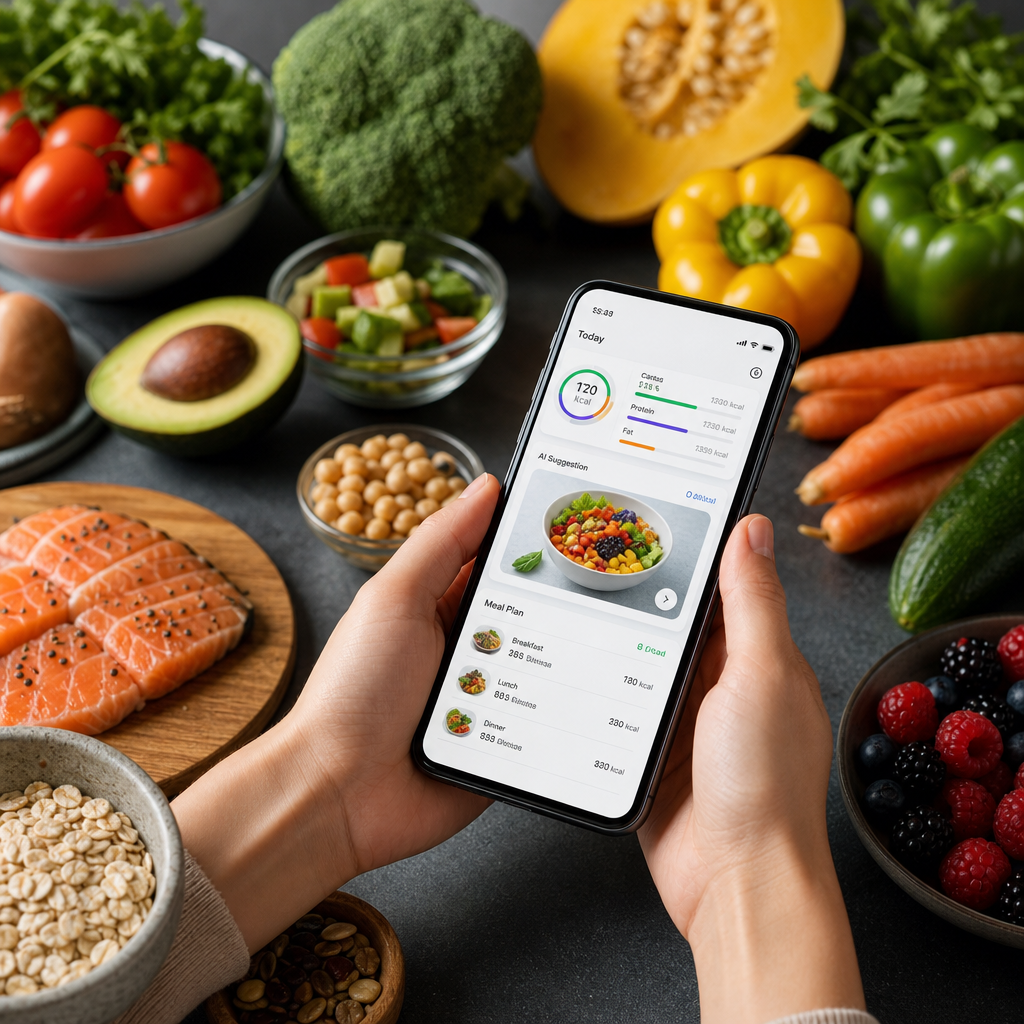 The Future of AI Nutrition Apps: Innovations in Dietary ManagementExplore how AI nutrition apps are transforming dietary management with personalized insights, meal planning, and automated tracking.
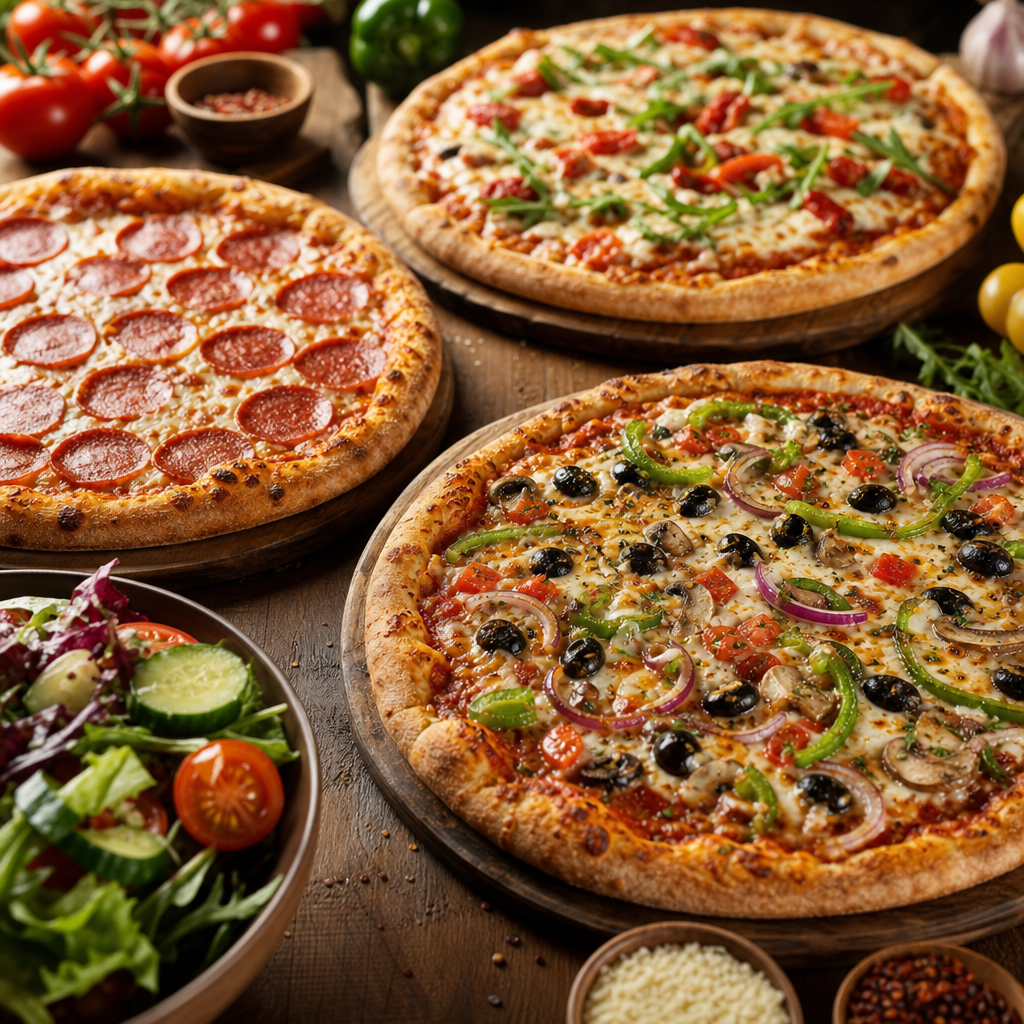 How Many Calories Are in Pizza? A Comprehensive GuideDiscover the calorie counts for different pizza types and toppings. Make informed choices while enjoying your favorite slice!
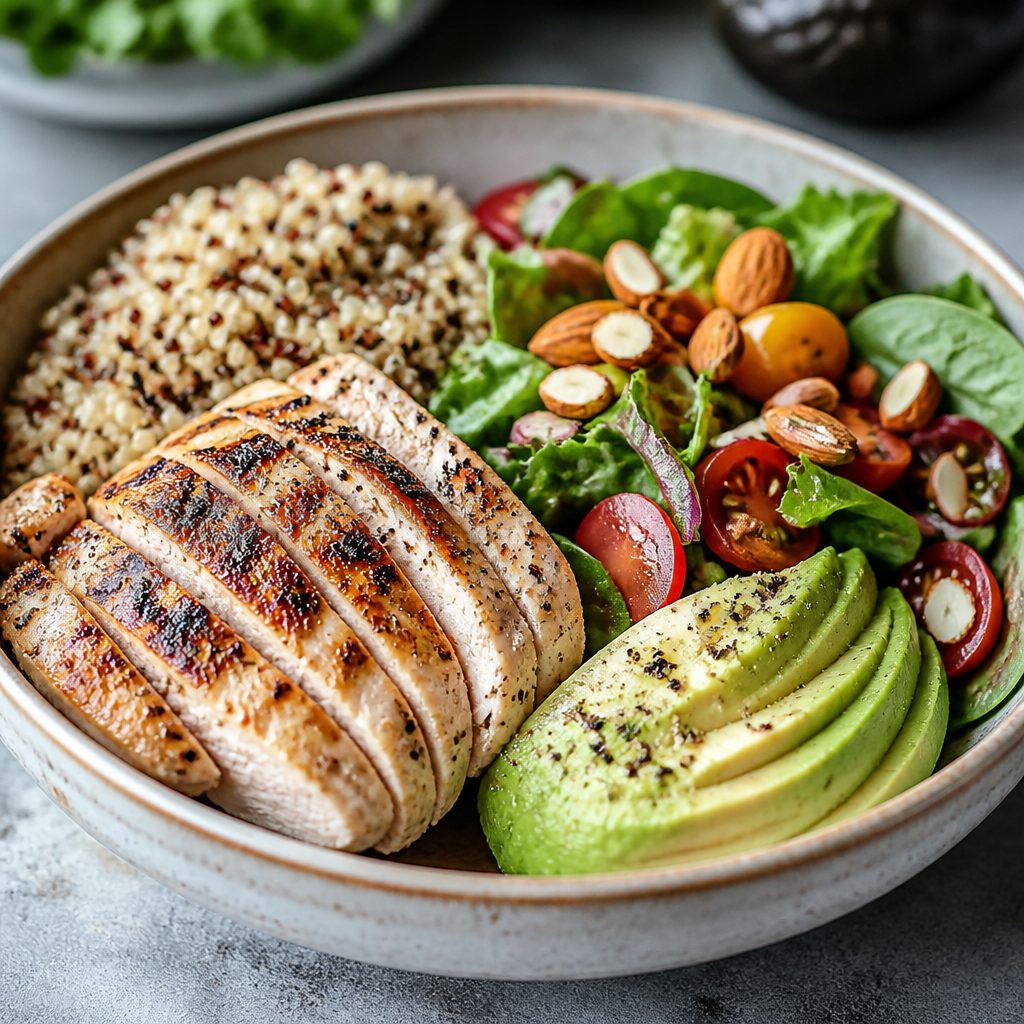 Calories vs Macros: What Matters More in Your Diet?Discover the crucial differences between calories and macros in dieting. Understand which plays a more significant role in your weight loss success.
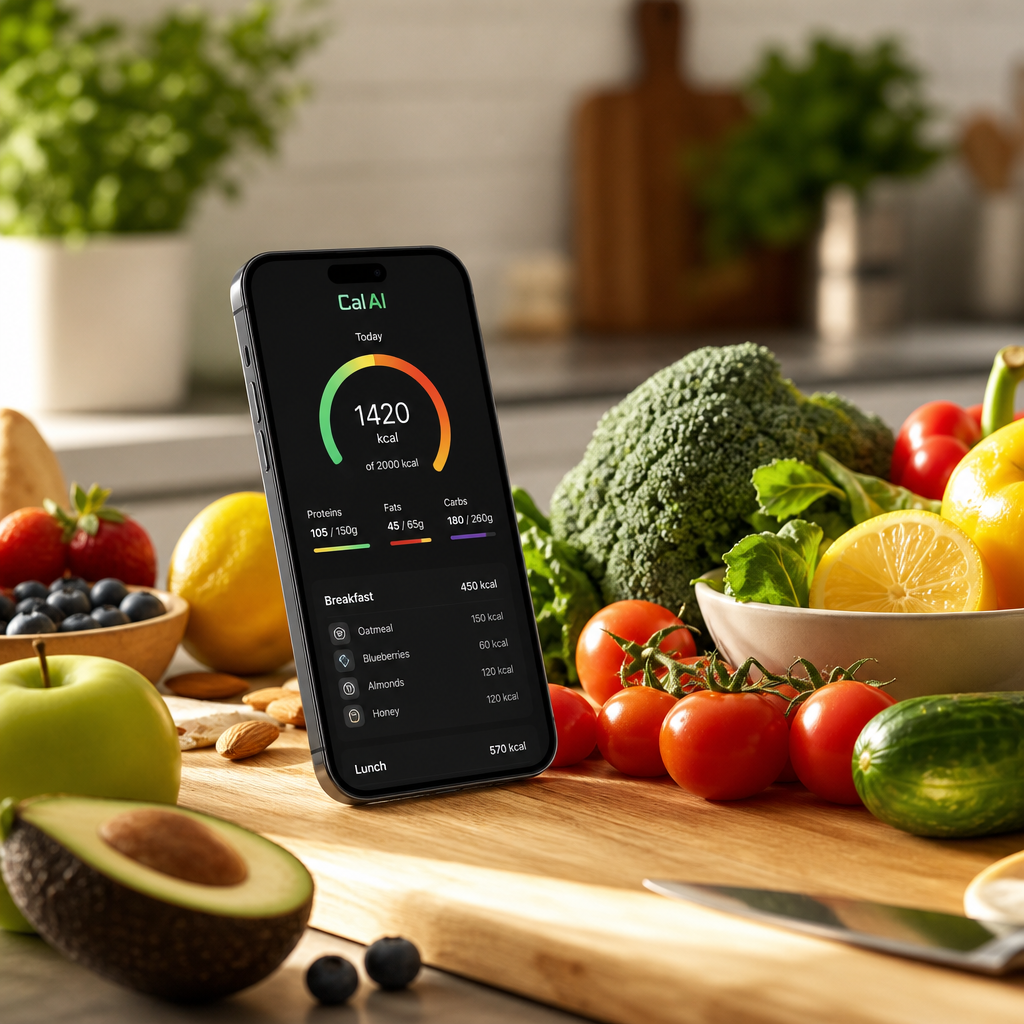 What Is Cal AI? Your Guide to AI-Powered Nutrition SolutionsDiscover how Cal AI can transform your approach to nutrition by offering instant meal analysis, calorie observation, and more!