Can You Lose Weight With an AI Calorie Tracker?
Explore how AI calorie trackers can enhance your weight loss journey by providing precise data, personalized insights, and meal tracking features.

Understanding AI Calorie Trackers
AI calorie trackers are advanced applications that utilize artificial intelligence to help users monitor their caloric intake and nutritional values more accurately. By simplifying the process of tracking food consumption, these apps can analyze various foods, suggest healthier alternatives, and tailor recommendations based on individual dietary needs.
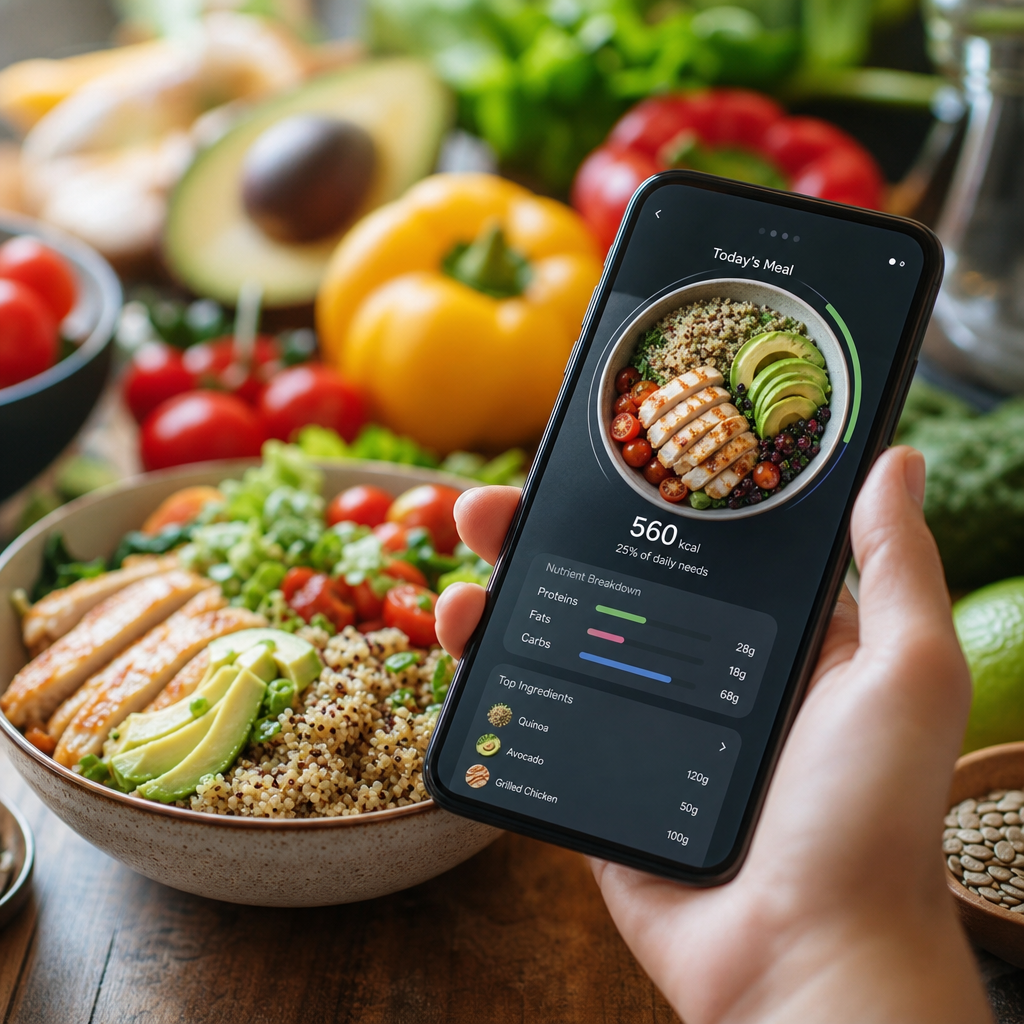
Unlike traditional calorie tracking methods that rely heavily on manual input and estimation, AI calorie trackers automatically recognize food items through image recognition, scan barcodes, and even offer suggestions for daily meals. This futuristic approach enhances convenience and encourages adherence to dietary plans, making it easier for users to stay on track with their weight loss goals.
Why Use an AI Calorie Tracker for Weight Loss?
The primary goal of using an AI calorie tracker is to provide a structured approach to calorie monitoring, which is essential for successful weight loss. Understanding how many calories you consume relative to what you burn is crucial for maintaining a caloric deficit—a core principle of weight loss. By precisely tracking your intake with minimal effort, you can make informed decisions about your diet.
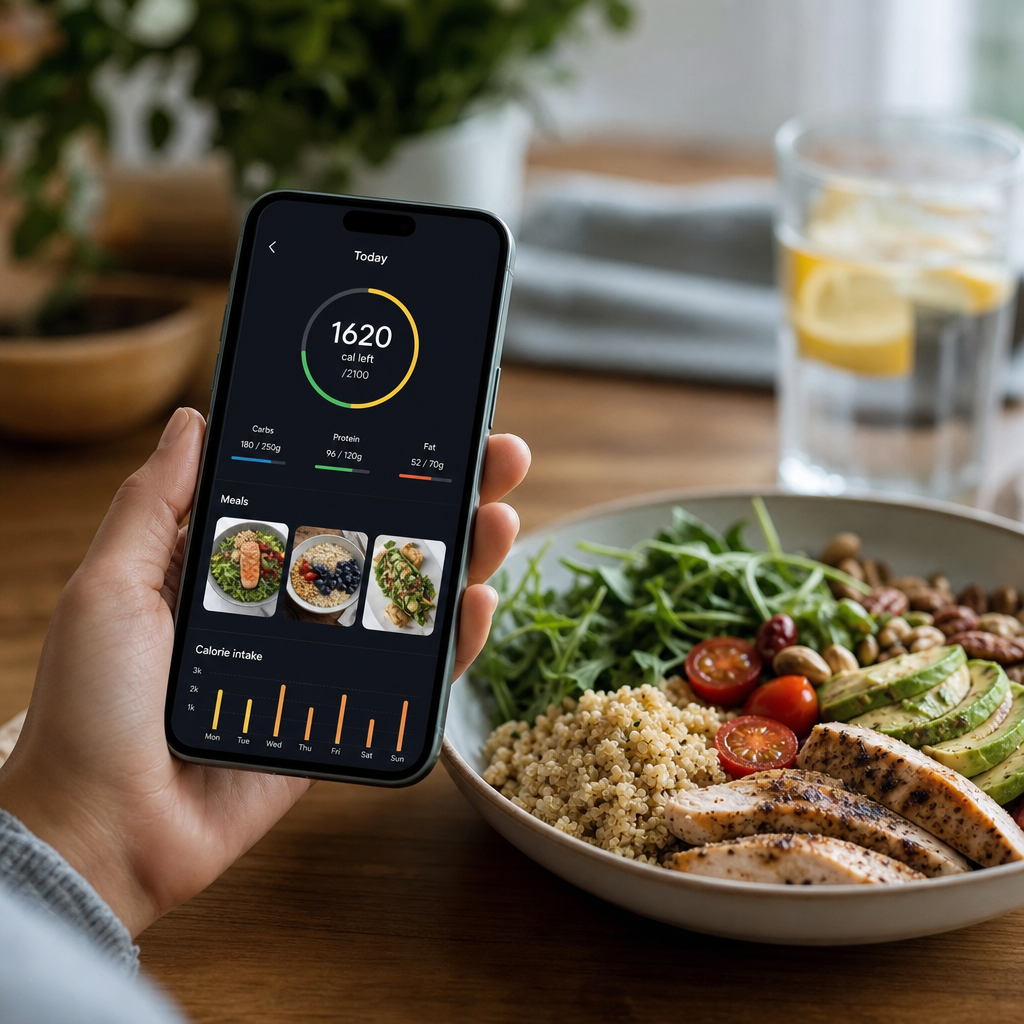
Moreover, AI-powered tools often analyze eating habits and provide insights that can be transformative. For instance, if you’re consuming more calories during weekends than weekdays, the app might suggest meal prep tips or alert you to portion sizes based on your historical patterns, allowing you to adjust your behavior effectively.
Real-World Application: Success Stories
Consider a 30-year-old office worker named Jenna who wanted to lose 15 pounds for an upcoming wedding. She started using an AI calorie tracker that not only monitored her daily intake but also suggested healthier recipes and snacks based on her preferences. Before using the app, Jenna would often underestimate her calorie intake from snacking during her workday, leading to weight gain.
After just six weeks of diligently using the app, Jenna was able to track her progress accurately. By setting a personalized calorie target and receiving tailored meal suggestions, she began opting for healthier lunches such as quinoa salads instead of takeout. This led to an overall reduction in her daily intake, allowing her not only to meet her weight loss goals but also to feel more energetic and healthier.
Caloric Offset: A Closer Look at Tracking Accuracy
Precision in tracking is a significant advantage of AI calorie trackers. Many users find it challenging to accurately estimate portion sizes, which can lead to discrepancies in daily calorie counts. AI systems utilize databases of nutritional information and machine learning to provide more accurate estimations of caloric values based on the specific brands and types of foods consumed.
For example, a cup of cooked rice can vary in calories depending on whether it's brown or white rice. An AI tracker can differentiate between them and provide precise calorie counts, which is crucial in maintaining a caloric deficit. Combine this with the ability to track exercise and adjust caloric needs accordingly, and the effectiveness of an AI calorie tracker becomes even clearer.
Integration with Fitness Routines
AI calorie trackers can also calculate your total daily energy expenditure (TDEE) more accurately when integrated with fitness data. Many of these apps sync with wearable devices, allowing users to seamlessly combine calorie intake with exercise routines. This integration provides a comprehensive overview of personal health metrics.
For instance, if you burned 400 calories during a workout, your AI tracker could adjust your caloric goals for the day to reflect this change. This flexibility is beneficial as it helps prevent frustration from plateaus or overeating, guiding users to make healthier choices based on their real-time activity levels.
Potential Challenges and How to Overcome Them
While the advantages of AI calorie trackers are substantial, some users may encounter challenges. For instance, technology can sometimes misidentify or miscalculate food items, especially if users upload poor-quality images. To counteract this, it’s vital to double-check calorie counts and make manual adjustments when necessary.
Another issue could be dependency on the app, where users may become overly reliant on technology rather than developing a strong understanding of nutrition. To mitigate this, use the tracker as a supplemental tool, learning to read food labels and understand macronutrient breakdowns independently.
Conclusion: The Future of Weight Loss with AI
In conclusion, using an AI calorie tracker can significantly enhance your efforts to lose weight by providing precise nutritional information, insightful recommendations, and a structured approach to daily intake. It empowers users to make informed decisions about their diet while adapting to their personal preferences and lifestyle.
As technology continues to evolve, so too will the capabilities of AI calorie trackers. With features like machine learning, real-time analysis, and personalized feedback, they stand out as valuable allies in the pursuit of healthy weight loss.
Frequently Asked Questions
How accurate are AI calorie trackers?
AI calorie trackers are generally accurate, but users should double-check food items and adjust for portion sizes to ensure precision.
Can I use an AI calorie tracker without exercise?
Yes, you can use an AI calorie tracker solely for monitoring food intake and achieving a caloric deficit, even without incorporating exercise.
Are there any free AI calorie tracking apps?
Yes, many AI calorie tracking apps offer free versions with essential features, though premium features often require a subscription.
How can I set my calorie goal in an AI tracker?
Most AI trackers will ask for your weight, height, age, gender, and activity level to calculate an appropriate calorie goal tailored to your weight loss objectives.
Can AI calorie trackers help with meal planning?
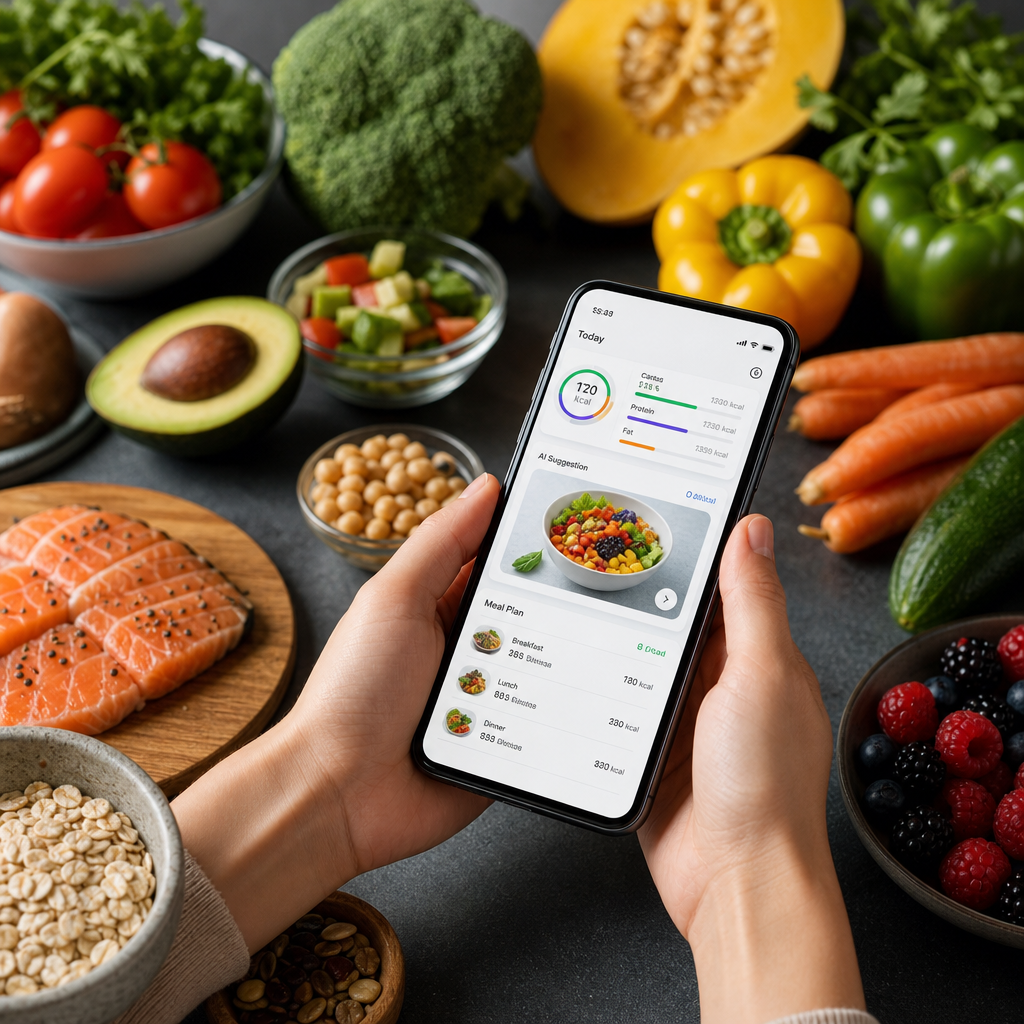
Absolutely! Many AI calorie trackers offer meal planning features that suggest recipes and shopping lists to help users stay on track.
Ready to take control of your nutrition? Try Cal AI! Simply take a photo of what you eat, and instantly estimate calories, along with protein, carbs, and fat. Analyze meals easily and track your nutrition goals like never before!
Share this article
Cal AI
Track meals faster with Cal AI
Scan food, estimate calories, and keep your nutrition log moving without typing every ingredient.
Author
Cal AI Editorial Team
Practical guides on nutrition, calorie tracking, meal planning, and building healthier habits with Cal AI.
Editorial policyFrequently asked questions
How accurate are AI calorie trackers?
AI calorie trackers are generally accurate, but users should double-check food items and adjust for portion sizes to ensure precision.
Can I use an AI calorie tracker without exercise?
Yes, you can use an AI calorie tracker solely for monitoring food intake and achieving a caloric deficit, even without incorporating exercise.
Are there any free AI calorie tracking apps?
Yes, many AI calorie tracking apps offer free versions with essential features, though premium features often require a subscription.
How can I set my calorie goal in an AI tracker?
Most AI trackers will ask for your weight, height, age, gender, and activity level to calculate an appropriate calorie goal tailored to your weight loss objectives.
Can AI calorie trackers help with meal planning?
Absolutely! Many AI calorie trackers offer meal planning features that suggest recipes and shopping lists to help users stay on track.
Related articles
 Signs of Dehydration You Should KnowLearn to recognize the key signs of dehydration to maintain optimal health and prevent hunger-related issues.
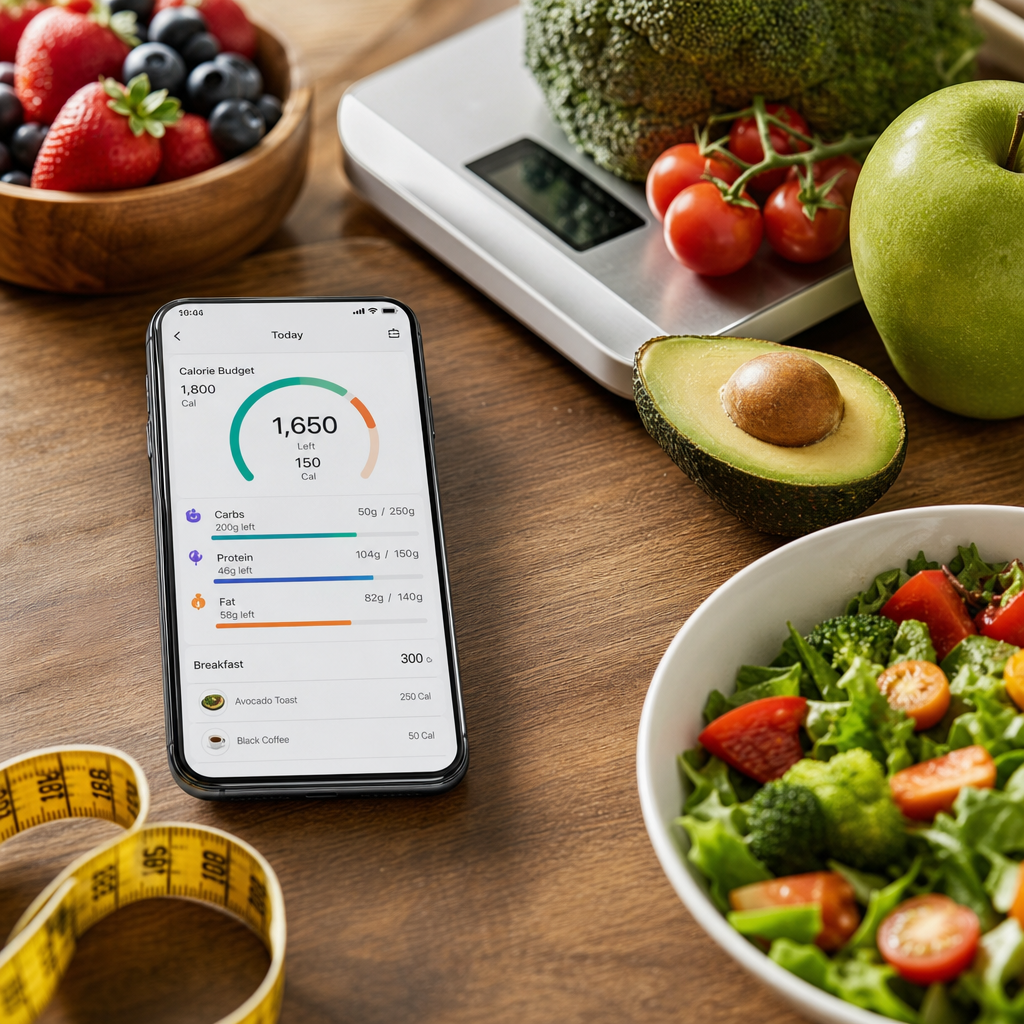 What Is a Smart Calorie Tracker?Explore the world of smart calorie trackers, options available, and how they can enhance your nutrition tracking and wellness journey.
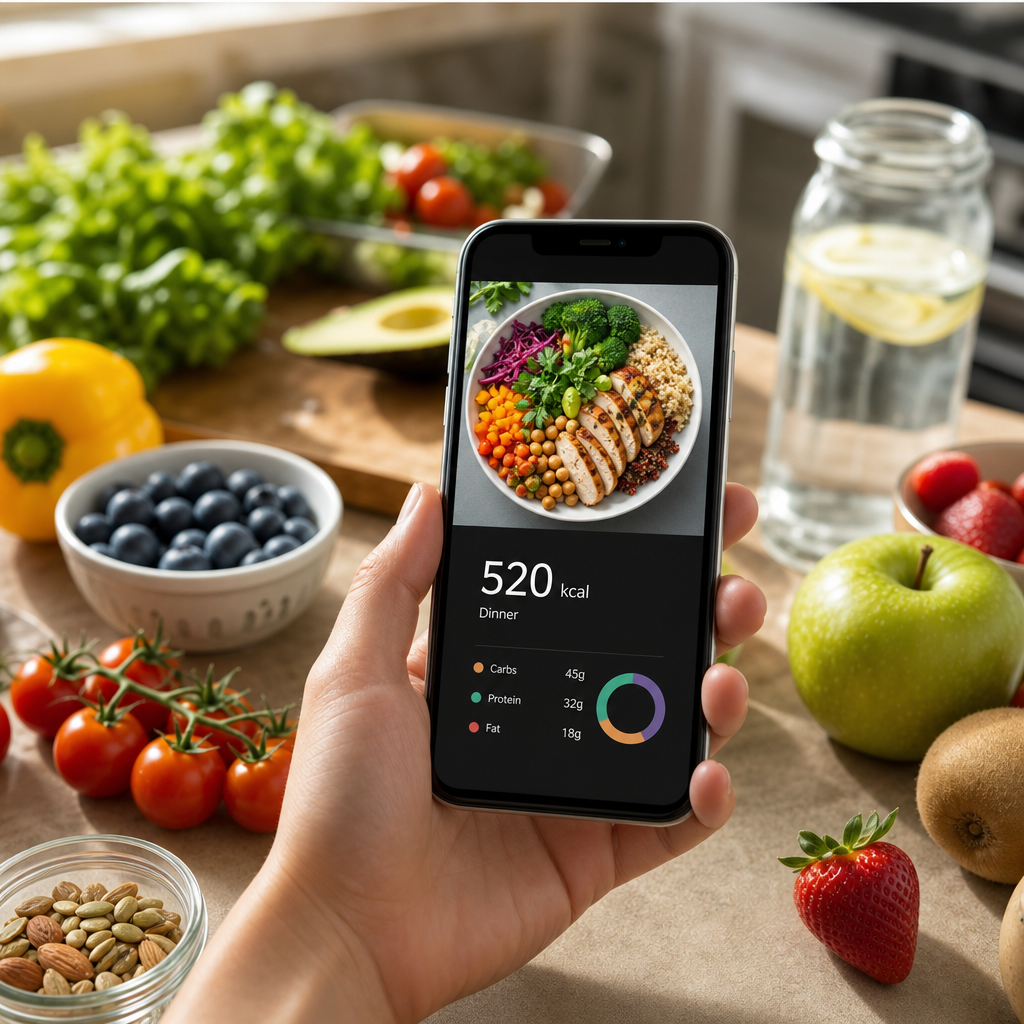 Best Apps for Counting Calories From PhotosDiscover the top apps that help you easily count calories from pictures of your food. Support your health goals with technology that fits your lifestyle.
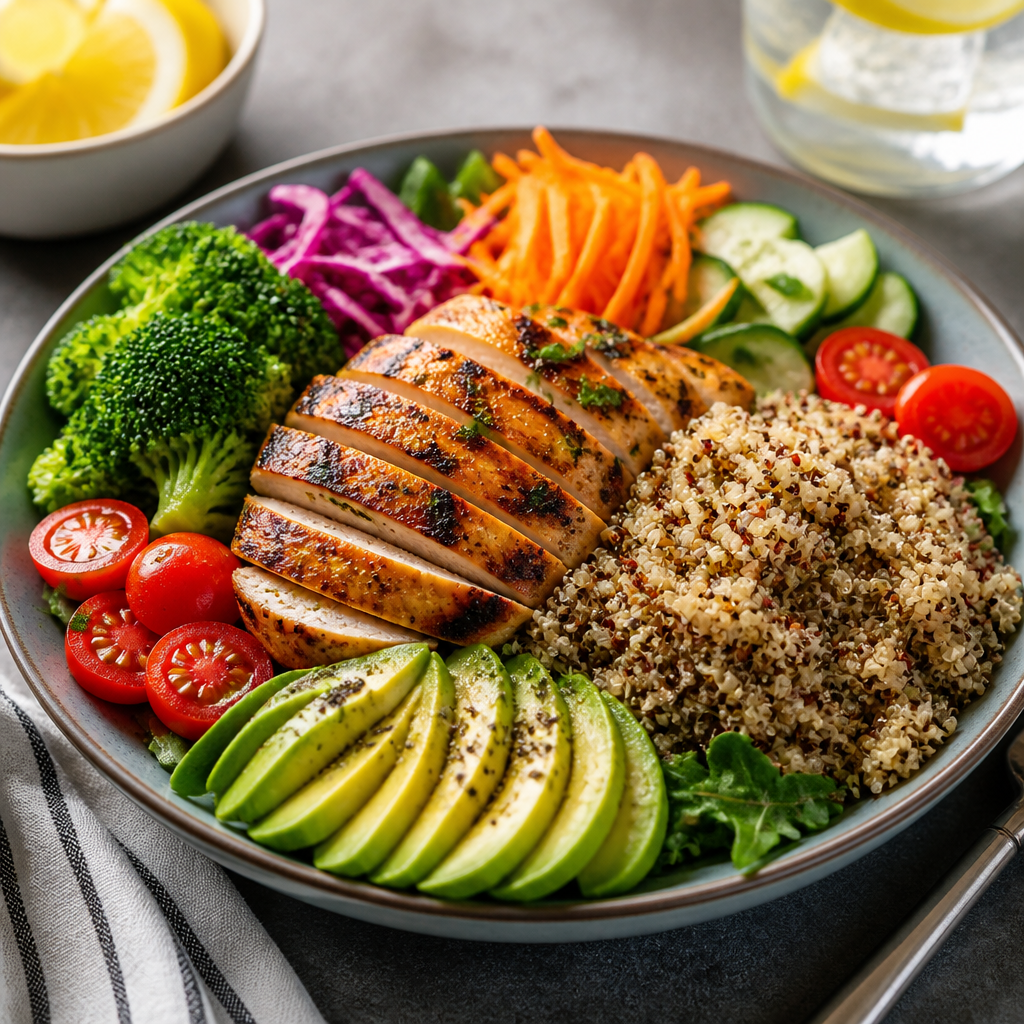 What Are Macros? A Beginner's Guide to Understanding MacronutrientsDive into the world of macronutrients. Learn about carbs, proteins, and fats and how they contribute to a balanced diet.
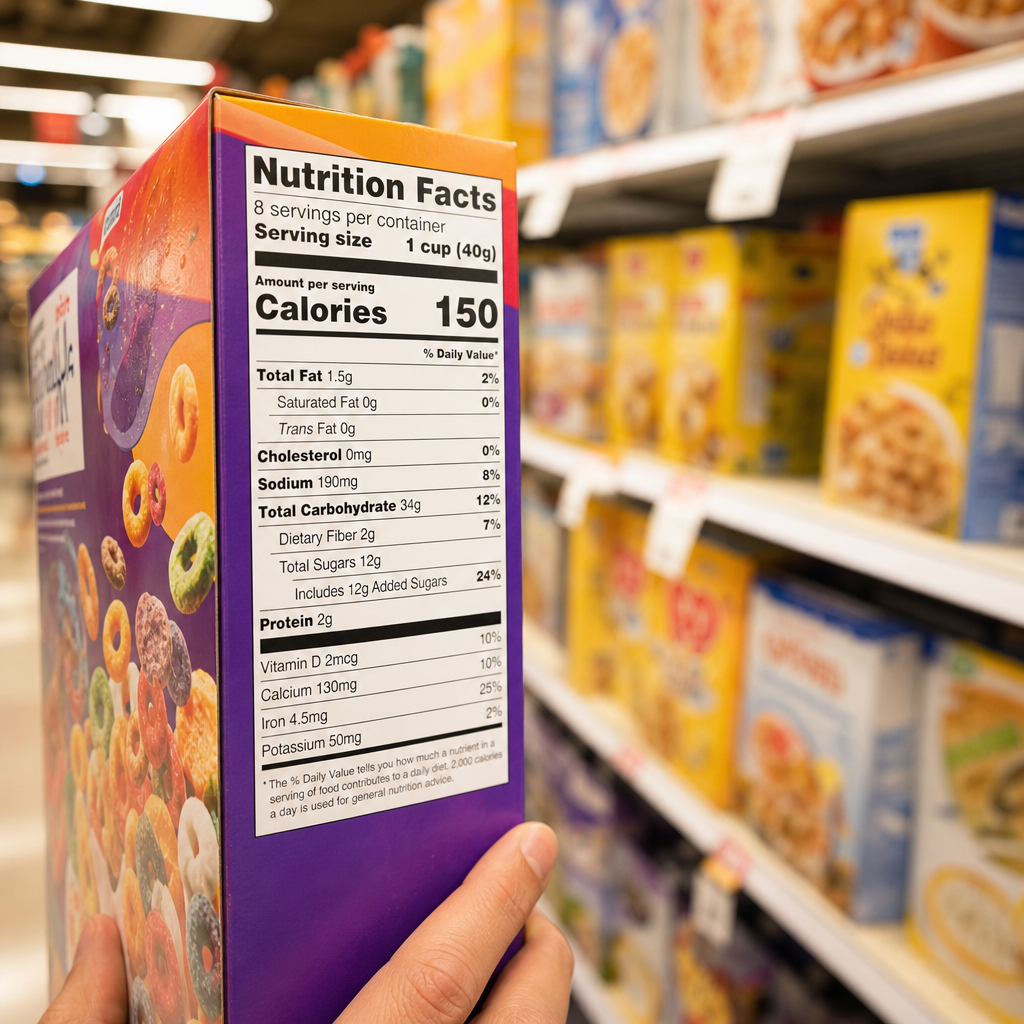 How to Read Food Labels: Your Ultimate Guide to Making Informed ChoicesLearn how to effectively read food labels to make informed dietary choices and enhance your health with our comprehensive guide.
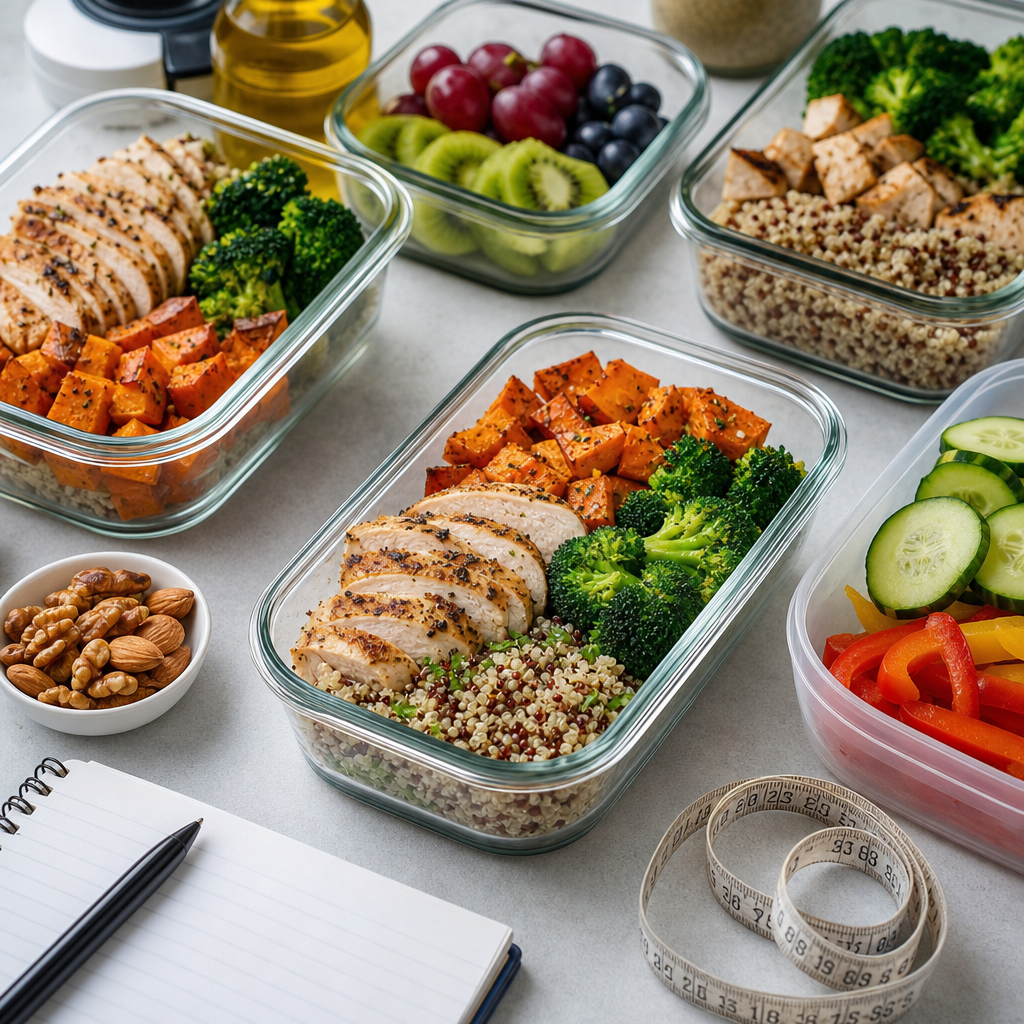 Mastering Meal Prep for Effective Calorie TrackingDiscover how meal prep can streamline your calorie tracking journey while delivering delicious, nutritious meals.
 How to Choose Healthier Foods Using LabelsUnlock the secrets of food labels with effective strategies to make healthier food choices and improve your nutrition.
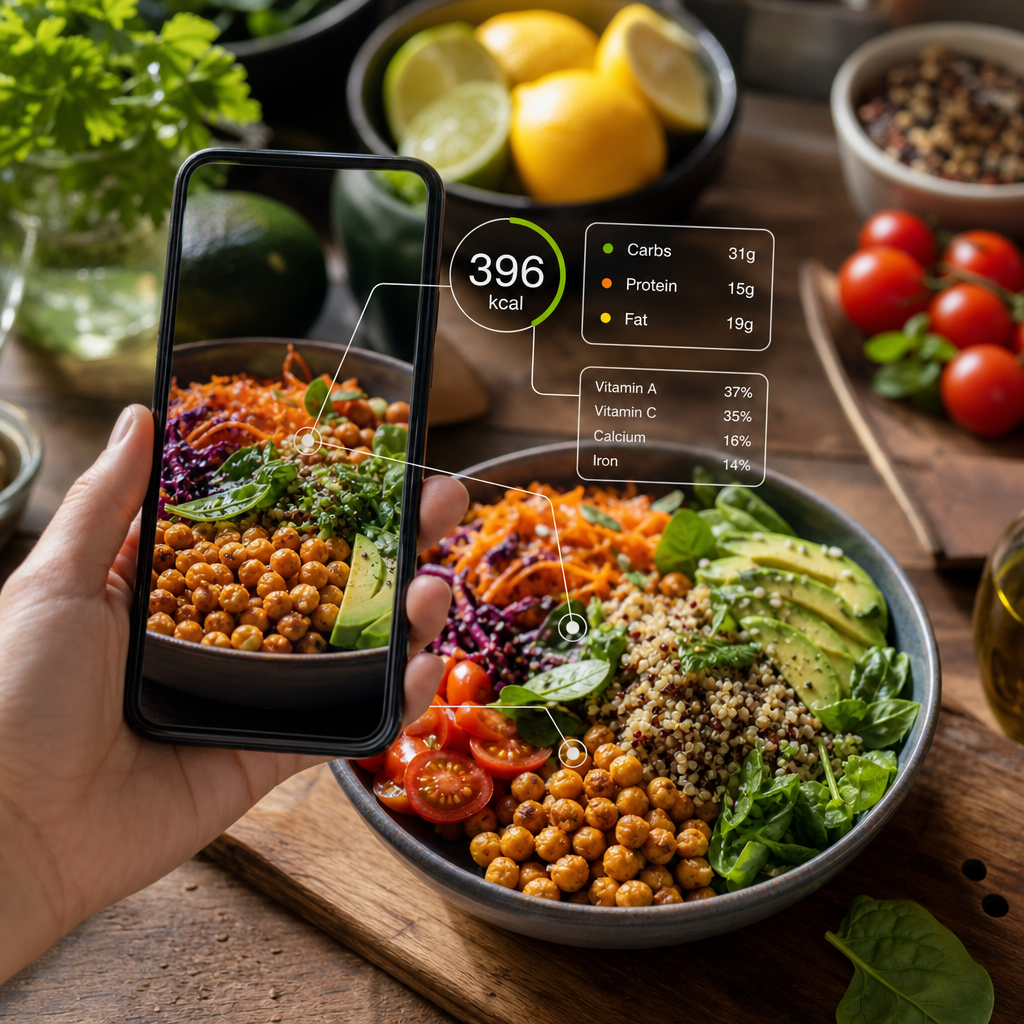 How AI Food Recognition Works: Transforming Food Photos into Actionable InsightsExplore the mechanics of AI food recognition and how it turns food images into nutritional data for better health management.
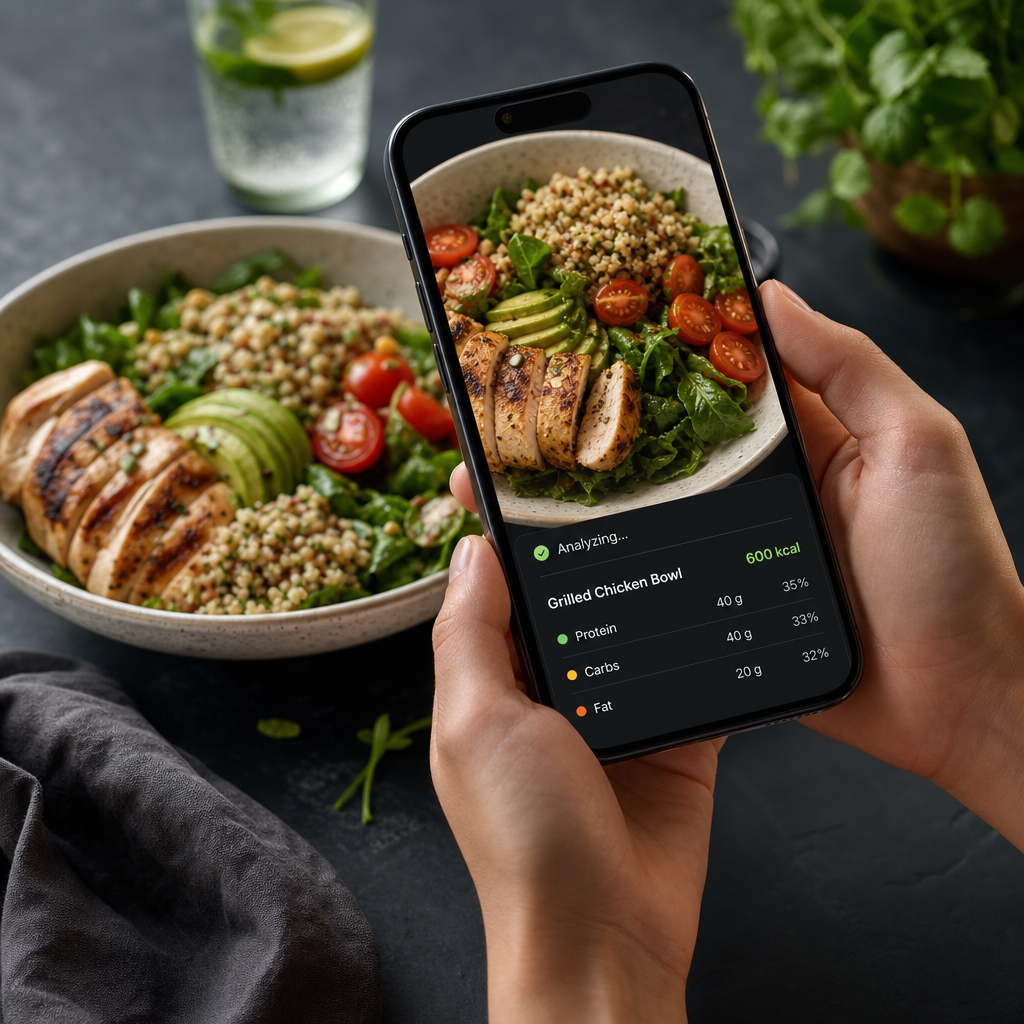 How Does Cal AI Work? A Breakdown of Functionality and TechnologyDiscover the technology and functionality behind Cal AI, the innovative app that helps track your nutrition goals effortlessly.
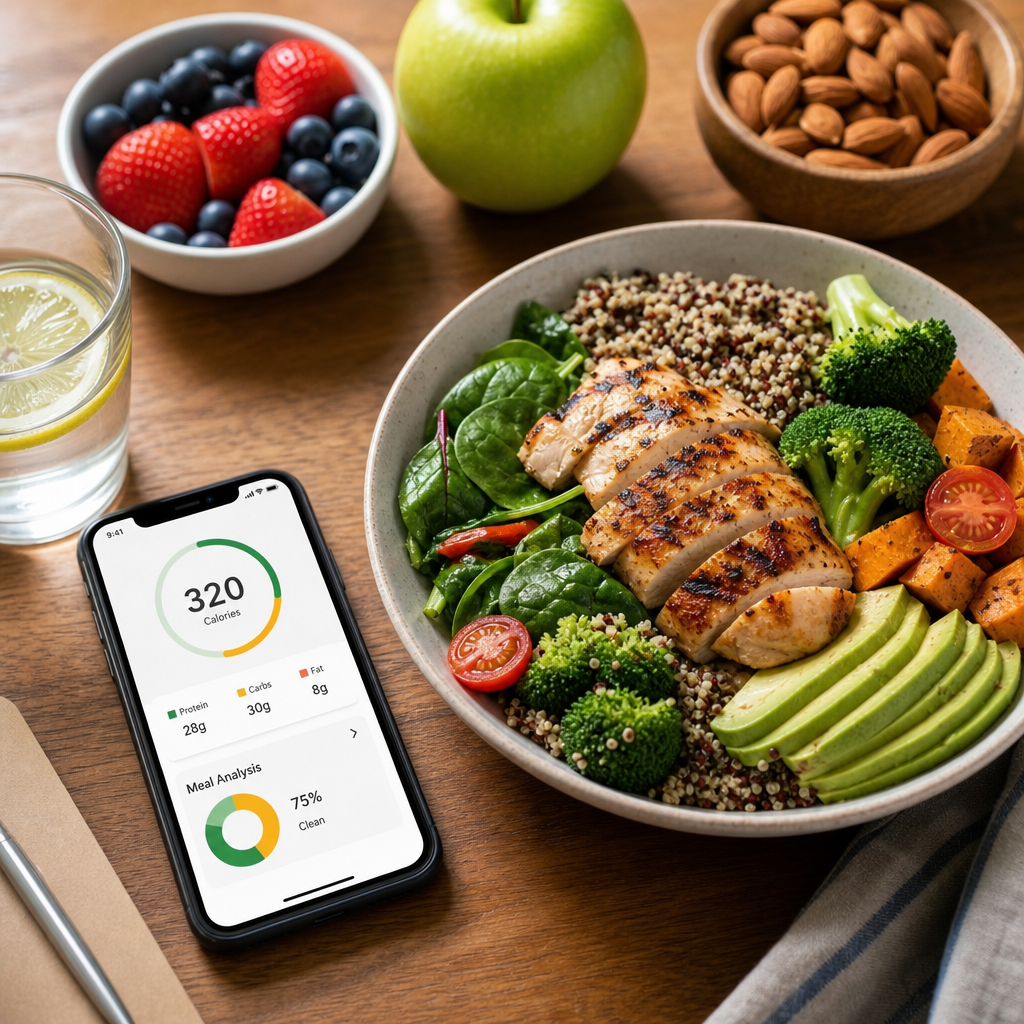 Unlocking Your Weight Loss Journey with AI Calorie TrackersDiscover how AI calorie trackers can significantly aid your weight loss journey through personalized insights and real-time analysis.
 How AI Automatically Tracks Calories: A Game Changer for Busy LifestylesDiscover how AI-driven technologies simplify calorie tracking, making healthy eating easier for busy individuals.
 AI Calorie Tracker for Muscle Gain: Maximizing Your Gains with PrecisionDiscover how AI calorie trackers can revolutionize your muscle gain journey by ensuring accurate caloric surplus tracking.
 Best AI Nutrition Apps: Transform Your Dietary HabitsExplore the top AI-powered nutrition apps designed to enhance your dietary choices, making it easier than ever to achieve your health goals.
 Utilizing an AI Food Scanner for Effective Weight LossExplore how an AI food scanner can revolutionize your weight loss journey by efficiently tracking caloric intake and nutritional content.
 How AI Calculates Protein, Fat, and CarbsDive into how AI calculates nutrition by analyzing food images to assess macronutrient distribution for better meal planning and nutritional insights.
 The Ultimate Weekly Meal Prep Guide for Busy Professionals and FamiliesTransform your weekly meal prep with this comprehensive guide. Save time, eat healthier, and enjoy delicious prepared meals all week long.
 Common Food Label Reading Mistakes to Avoid for Better Dietary ChoicesLearn how to decode food labels with confidence by avoiding these common mistakes. Make healthier choices with the right information.
 Batch Cooking for Weight Loss: A Smart Strategy to Manage PortionsDiscover how batch cooking can streamline your meal prep, help manage portions, and support your weight loss journey effectively.
 Real Stories: Cal AI User Reviews and ExperiencesDive into authentic Cal AI user reviews showcasing personal journeys in nutrition tracking and health management.
 Can AI Identify Ingredients From a Photo? An In-Depth LookDiscover how AI technology accurately identifies food ingredients from images, transforming cooking and nutrition analysis for enthusiasts and professionals alike.
 How Many Calories Are in a Tomato? A Comprehensive BreakdownDiscover the calorie content of tomatoes, their nutritional benefits, and how to incorporate them into your diet for optimal health.
 Crunching Numbers: The Best Low-Calorie Vegetables for SnackingExplore a variety of nutritious, low-calorie vegetables perfect for satisfying snacks while keeping your health goals in check.
 Why Hydration Matters in a Calorie DeficitDiscover the crucial role hydration plays in your weight loss journey, especially when operating in a calorie deficit.
 How to Calculate Macros for Muscle GainLearn effective strategies for calculating your macronutrients to support muscle growth and achieve your fitness goals.
 How Many Calories Are in a Pear?Explore the nutritional breakdown and health benefits of pears, an underrated fruit full of flavor and low in calories.
 Discover the Best AI Calorie Tracker Apps for Your DietExplore the top AI-powered calorie tracker apps that can help you manage your diet and reach your health goals effectively.
 AI Calorie Counter: Comprehensive Review of the Top AppsDiscover our in-depth review of popular AI calorie counter apps, evaluating their features, usability, and effectiveness to help you track your nutrition effortlessly.
 How AI Calorie Counting Works: Unpacking the Technology Behind the AlgorithmDiscover how AI calorie counting apps utilize advanced technology to help you track nutrition and achieve your fitness goals.
 How Much Water Should You Drink for Weight Loss?Learn the optimal water intake for weight loss, its benefits, and practical tips to stay hydrated in your weight loss journey.
 The Future of AI Nutrition Apps: Innovations in Dietary ManagementExplore how AI nutrition apps are transforming dietary management with personalized insights, meal planning, and automated tracking.