Signs of Dehydration You Should Know
Learn to recognize the key signs of dehydration to maintain optimal health and prevent hunger-related issues.
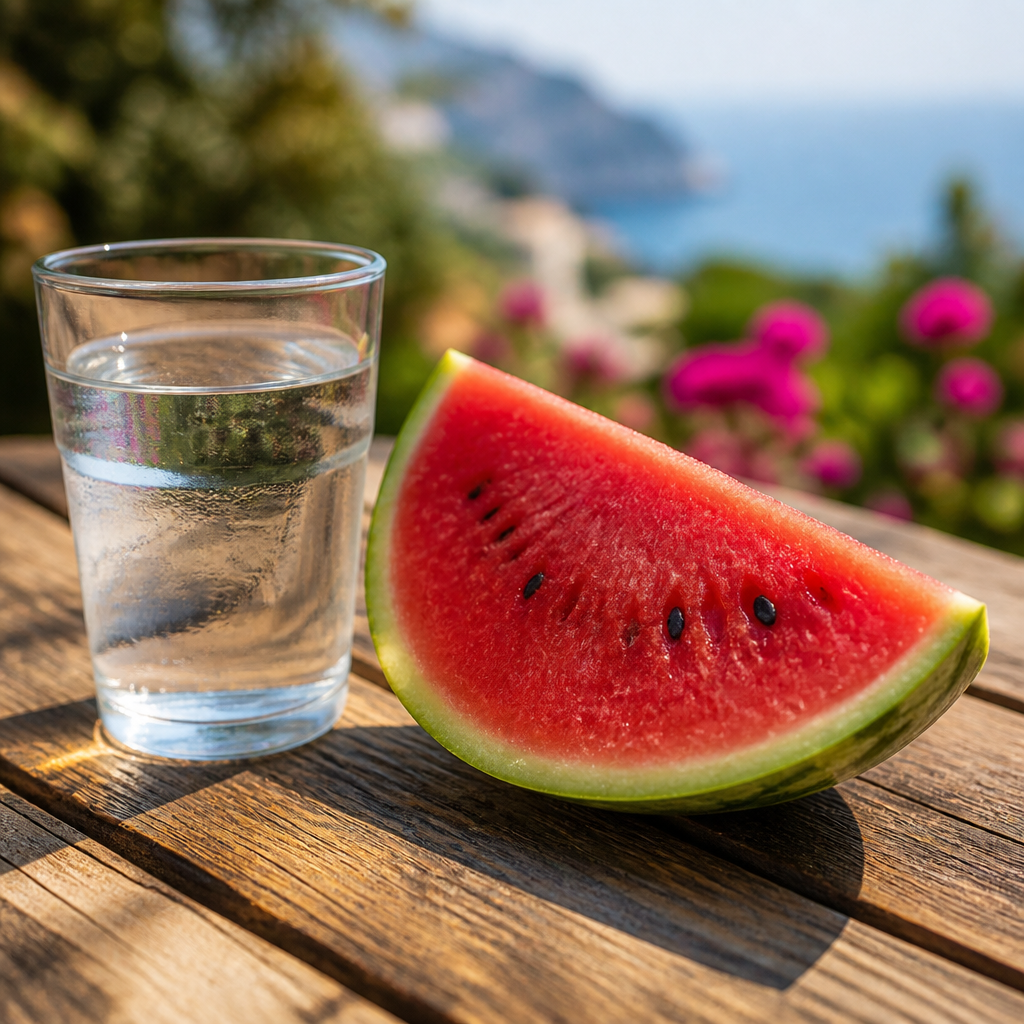
Understanding Dehydration
Dehydration occurs when your body loses more fluids than it takes in, leading to an imbalance that can disrupt its normal functions. Understanding how dehydration affects your body is crucial for maintaining optimal health. Water plays a crucial role in various bodily functions, including regulating temperature, transporting nutrients, and facilitating digestion.
Various factors can contribute to dehydration, such as excessive sweating, heat exposure, strenuous exercise, illness, and inadequate fluid intake. Recognizing the signs early can prevent severe dehydration, which can lead to serious complications.
Early Symptoms of Dehydration
One of the first signs of dehydration is thirst, but it often goes unnoticed until you are significantly dehydrated. Other early symptoms include a dry mouth, fatigue, and headaches. For example, if you've spent a long day outdoors without consuming enough fluids, you might start to feel light-headed or find it hard to concentrate.
Keeping track of your hydration status is essential, especially if you know you'll be exposed to conditions that promote fluid loss. For most adults, aiming for at least 8-10 cups of water daily is a good target, adjusting based on activity level and environmental conditions.
Moderate Dehydration Signs
Once dehydration progresses, additional signs may manifest. You might notice dark yellow urine, which is a clear indicator of concentrated waste and insufficient hydration. It’s important to aim for a light yellow color in your urine, indicating appropriate hydration.
In addition to urine color, symptoms may include dizziness, increased heart rate, and dry skin. For instance, if you experience a sudden drop in energy during your workout, it could signal that your body is struggling to maintain performance due to dehydration.
Severe Dehydration Indicators
Severe dehydration is a medical emergency that requires immediate attention. Indicators include extreme thirst, very dry skin and mucous membranes, lack of sweating, and rapid heartbeat. In severe cases, confusion or irritability may develop, particularly in young children and elderly individuals, who may have more difficulty articulating their needs.
One real-world example of severe dehydration is in marathon runners who fail to hydrate properly. Runners may experience heat exhaustion or heat stroke if they do not replenish their lost fluids, experiencing serious health risks that can arise from dehydrated states.
Impact of Dehydration on Health
Dehydration can have far-reaching impacts on overall health beyond just immediate discomfort. Long-term dehydration can lead to kidney stones, urinary tract infections, and ultimately kidney failure. It can also exacerbate health conditions such as diabetes, heart disease, and hypertension.
Moreover, dehydration can significantly affect your cognitive abilities and mood. Studies suggest that a mere 1-2% decrease in body water can lead to cognitive dysfunction or irritability, impacting day-to-day functioning and overall quality of life.
Preventing Dehydration
Prevention is key when it comes to dehydration. Simple strategies such as carrying a reusable water bottle and setting reminders to hydrate throughout the day can help maintain fluid balance. Including water-rich foods in your diet, such as fruits and vegetables (e.g., cucumbers, oranges, and berries) can also contribute to your overall fluid intake.
Moreover, consider your activity level and environmental conditions. If you plan to be outdoors or engage in vigorous exercise, increase your fluid intake both before and after your activity. Sports drinks can help replenish electrolytes, especially after long bouts of exercise or in extreme heat.
Recognizing Dehydration in Different Populations
Certain populations are at higher risk for dehydration, including infants, elderly individuals, and athletes. Infants may not communicate their needs effectively, relying on caregivers to recognize signs and ensure they stay hydrated. For infants, watch for dry diapers or excessive fussiness as indications of dehydration.
Elderly individuals might not feel thirst as frequently and may overlook their need for hydration. For them, structured hydration plans and regular fluid intake reminders can significantly mitigate the risks associated with dehydration.
Frequently Asked Questions
What are the most common signs of dehydration?
The most common signs include thirst, dry mouth, dark yellow urine, fatigue, and dizziness.
How can dehydration affect physical performance?
Dehydration can lead to fatigue, a decrease in coordination, and impaired judgment, making physical performance less effective.
Is it possible to be dehydrated even if I'm not thirsty?
Yes, thirst is not always a reliable indicator of hydration status, especially in elderly individuals or during intense exercise.
Can I drink too much water?
Yes, while rare, drinking excessive water can lead to water intoxication, disrupting electrolyte balance and essential bodily functions.
What should I do if I think I’m dehydrated?
If you suspect dehydration, drink fluids gradually, preferably water or electrolyte-rich solutions, and seek medical attention for severe symptoms.
Stay ahead of dehydration by tracking your hydration goals! With Cal AI, you can easily estimate your daily water intake and learn more about the foods you consume. Take a photo of your meals to analyze nutrition and hydration levels, ensuring you meet your health goals effortlessly.
Share this article
Cal AI
Track meals faster with Cal AI
Scan food, estimate calories, and keep your nutrition log moving without typing every ingredient.
Author
Cal AI Editorial Team
Practical guides on nutrition, calorie tracking, meal planning, and building healthier habits with Cal AI.
Editorial policyFrequently asked questions
What are the most common signs of dehydration?
The most common signs include thirst, dry mouth, dark yellow urine, fatigue, and dizziness.
How can dehydration affect physical performance?
Dehydration can lead to fatigue, a decrease in coordination, and impaired judgment, making physical performance less effective.
Is it possible to be dehydrated even if I'm not thirsty?
Yes, thirst is not always a reliable indicator of hydration status, especially in elderly individuals or during intense exercise.
Can I drink too much water?
Yes, while rare, drinking excessive water can lead to water intoxication, disrupting electrolyte balance and essential bodily functions.
What should I do if I think I’m dehydrated?
If you suspect dehydration, drink fluids gradually, preferably water or electrolyte-rich solutions, and seek medical attention for severe symptoms.
Related articles
 What Is a Smart Calorie Tracker?Explore the world of smart calorie trackers, options available, and how they can enhance your nutrition tracking and wellness journey.
 Best Apps for Counting Calories From PhotosDiscover the top apps that help you easily count calories from pictures of your food. Support your health goals with technology that fits your lifestyle.
 What Are Macros? A Beginner's Guide to Understanding MacronutrientsDive into the world of macronutrients. Learn about carbs, proteins, and fats and how they contribute to a balanced diet.
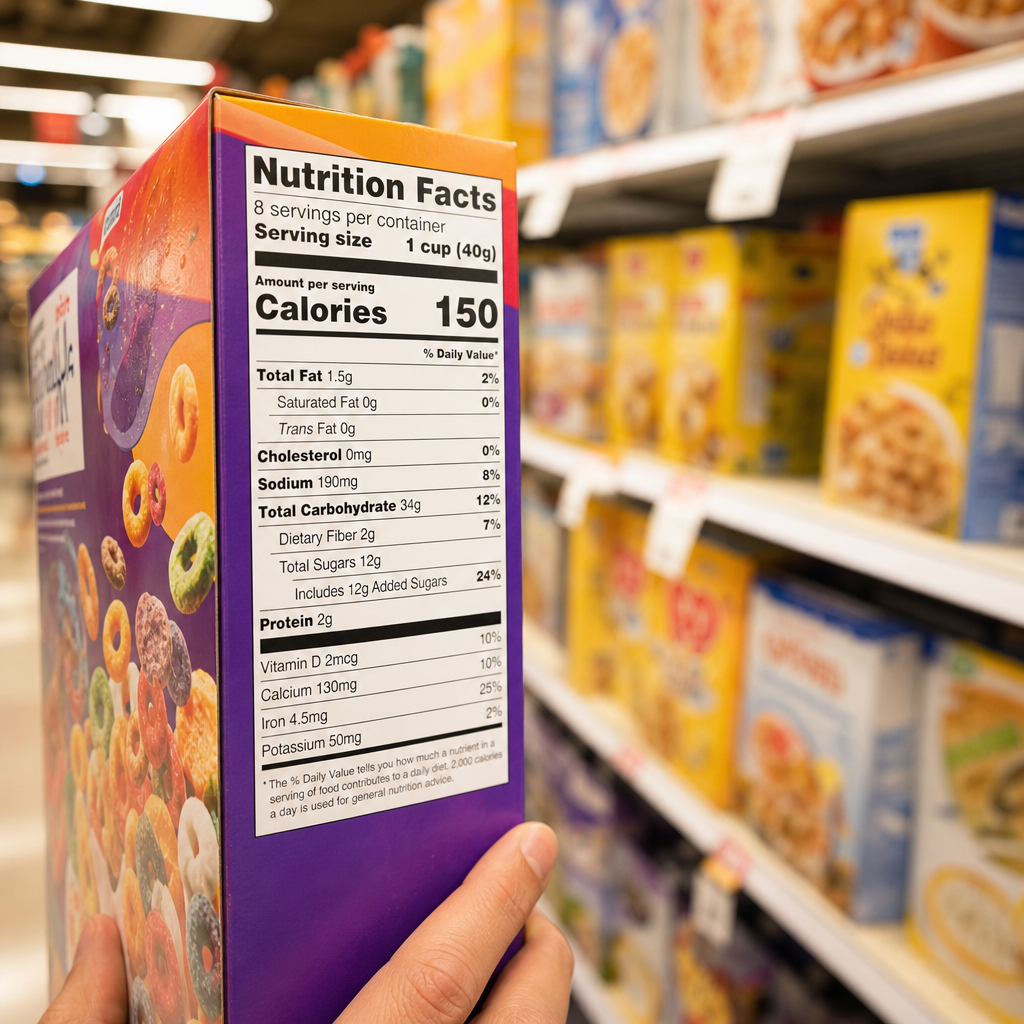 How to Read Food Labels: Your Ultimate Guide to Making Informed ChoicesLearn how to effectively read food labels to make informed dietary choices and enhance your health with our comprehensive guide.
 Mastering Meal Prep for Effective Calorie TrackingDiscover how meal prep can streamline your calorie tracking journey while delivering delicious, nutritious meals.
 How to Choose Healthier Foods Using LabelsUnlock the secrets of food labels with effective strategies to make healthier food choices and improve your nutrition.
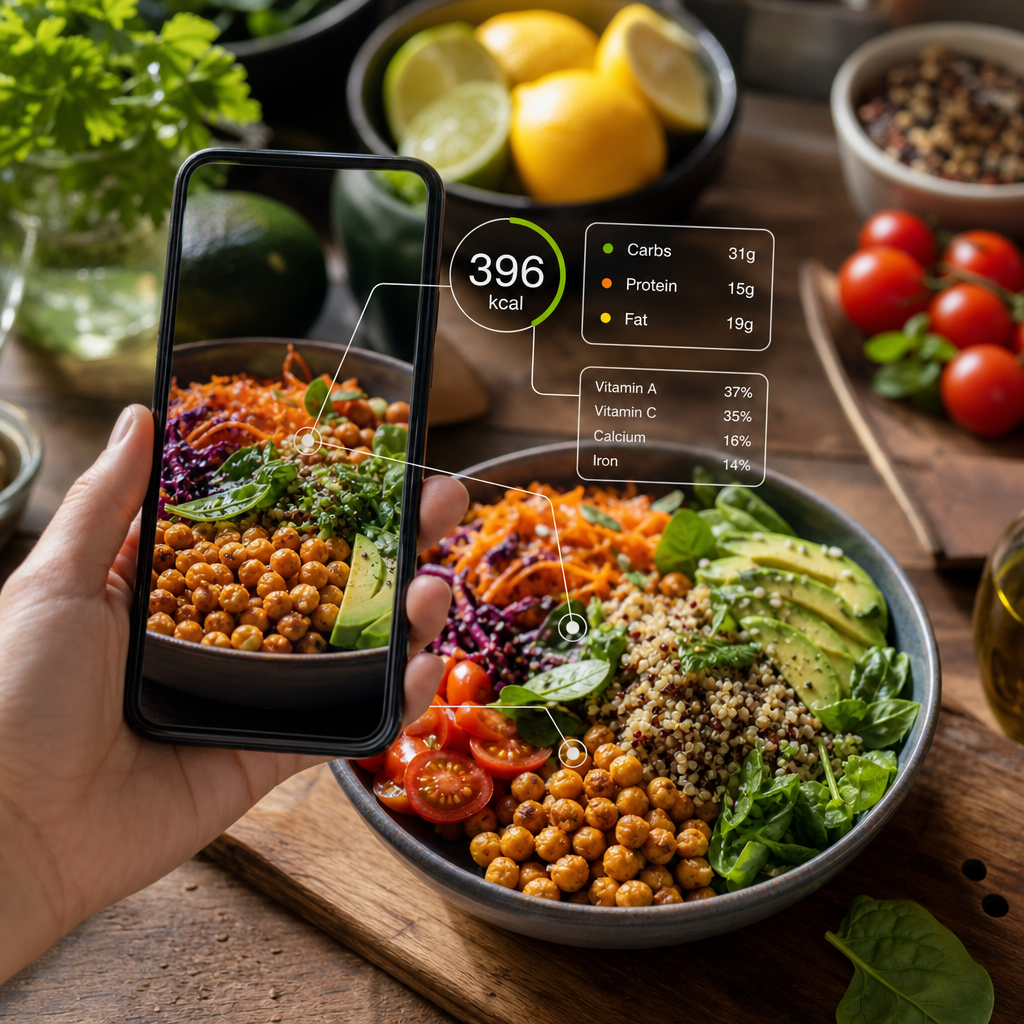 How AI Food Recognition Works: Transforming Food Photos into Actionable InsightsExplore the mechanics of AI food recognition and how it turns food images into nutritional data for better health management.
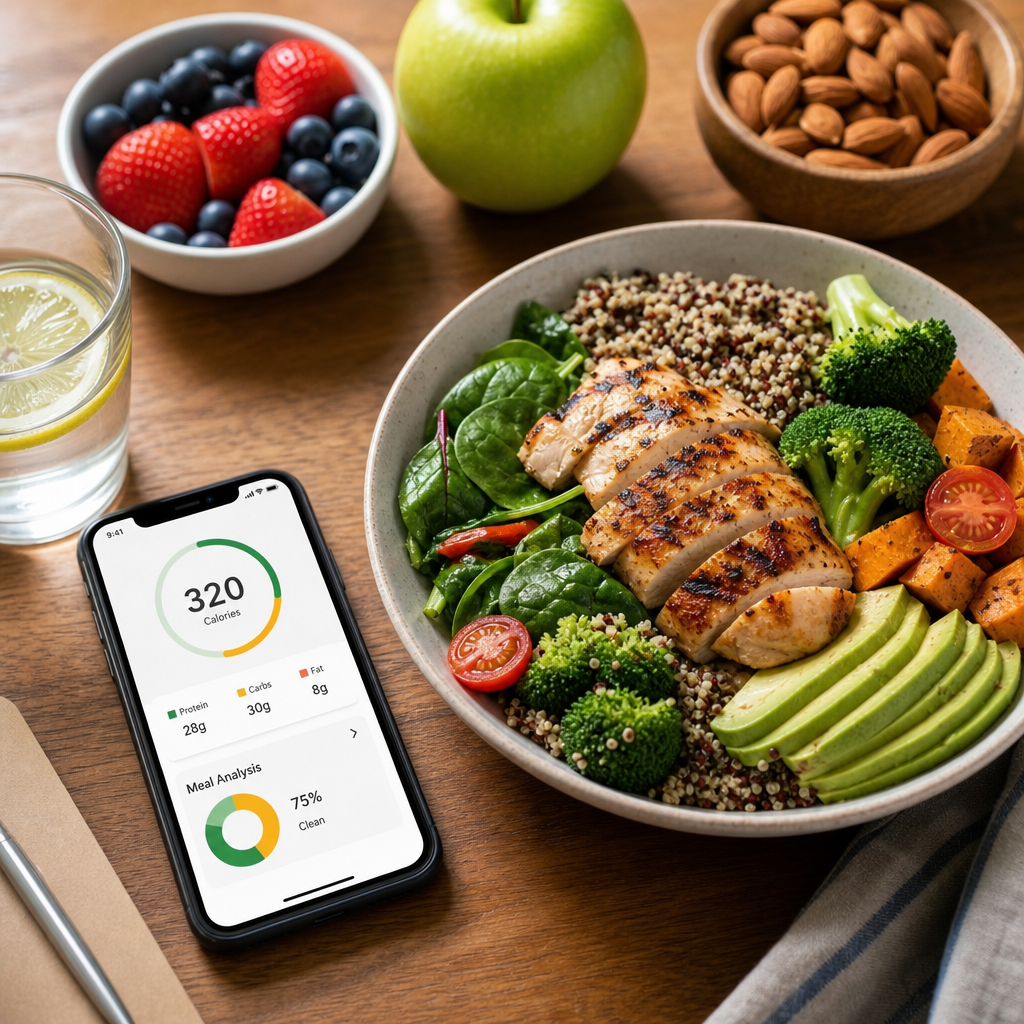 Unlocking Your Weight Loss Journey with AI Calorie TrackersDiscover how AI calorie trackers can significantly aid your weight loss journey through personalized insights and real-time analysis.
 How AI Automatically Tracks Calories: A Game Changer for Busy LifestylesDiscover how AI-driven technologies simplify calorie tracking, making healthy eating easier for busy individuals.
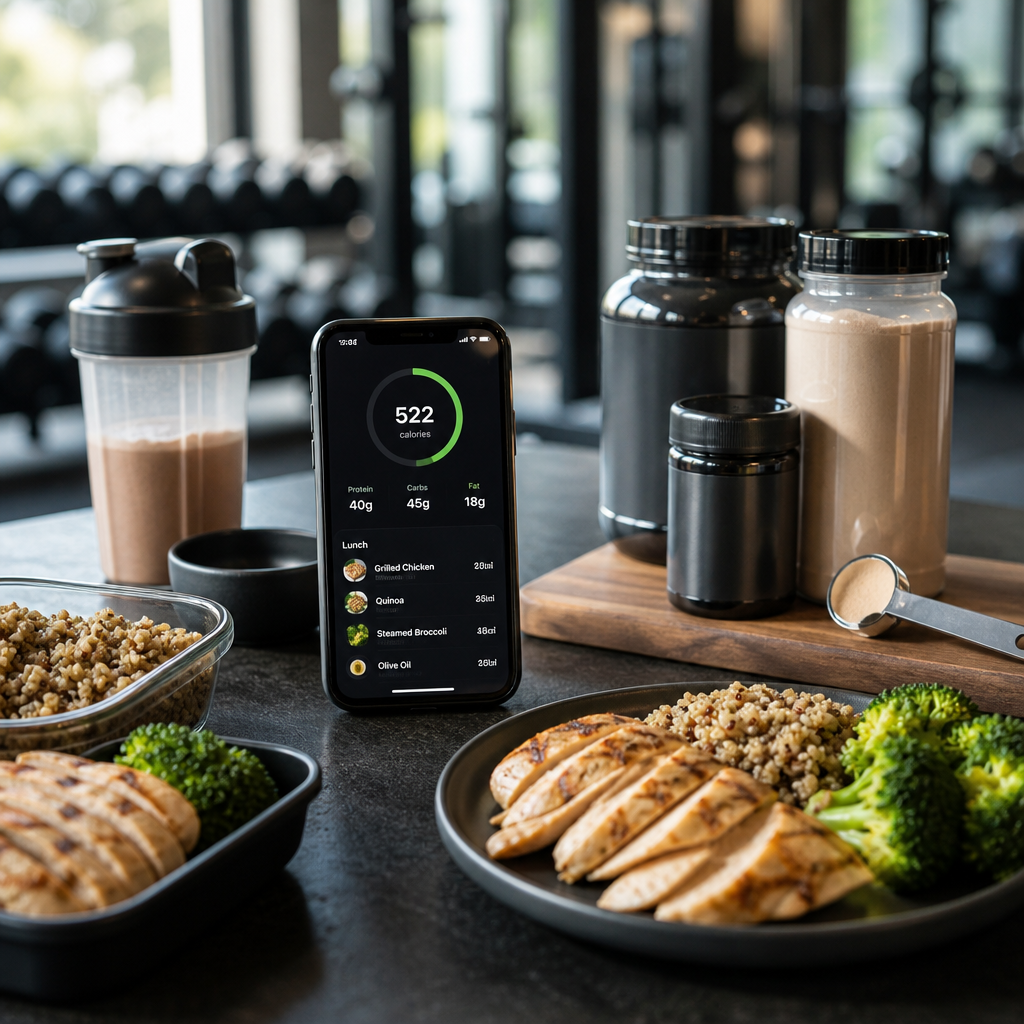 AI Calorie Tracker for Muscle Gain: Maximizing Your Gains with PrecisionDiscover how AI calorie trackers can revolutionize your muscle gain journey by ensuring accurate caloric surplus tracking.
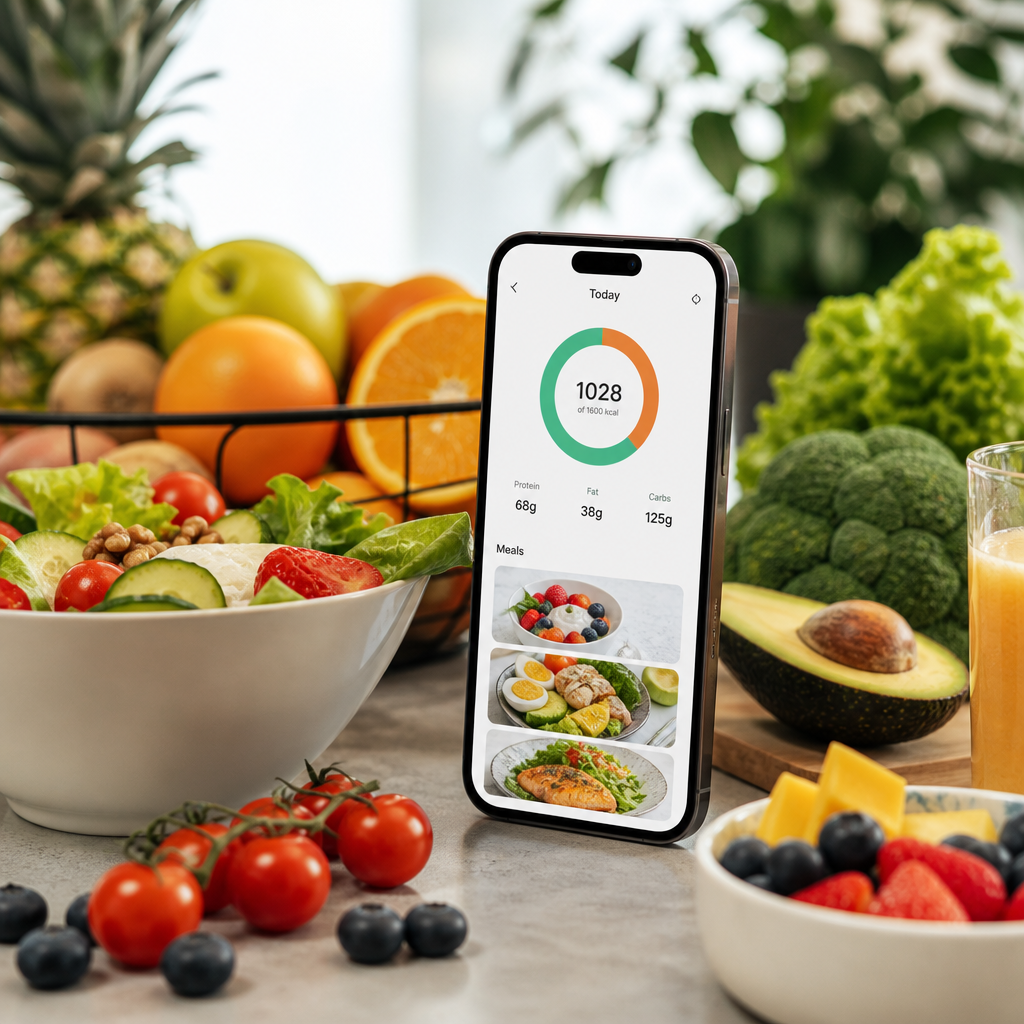 Best AI Nutrition Apps: Transform Your Dietary HabitsExplore the top AI-powered nutrition apps designed to enhance your dietary choices, making it easier than ever to achieve your health goals.
 Can You Lose Weight With an AI Calorie Tracker?Explore how AI calorie trackers can enhance your weight loss journey by providing precise data, personalized insights, and meal tracking features.
 Utilizing an AI Food Scanner for Effective Weight LossExplore how an AI food scanner can revolutionize your weight loss journey by efficiently tracking caloric intake and nutritional content.
 The Ultimate Weekly Meal Prep Guide for Busy Professionals and FamiliesTransform your weekly meal prep with this comprehensive guide. Save time, eat healthier, and enjoy delicious prepared meals all week long.
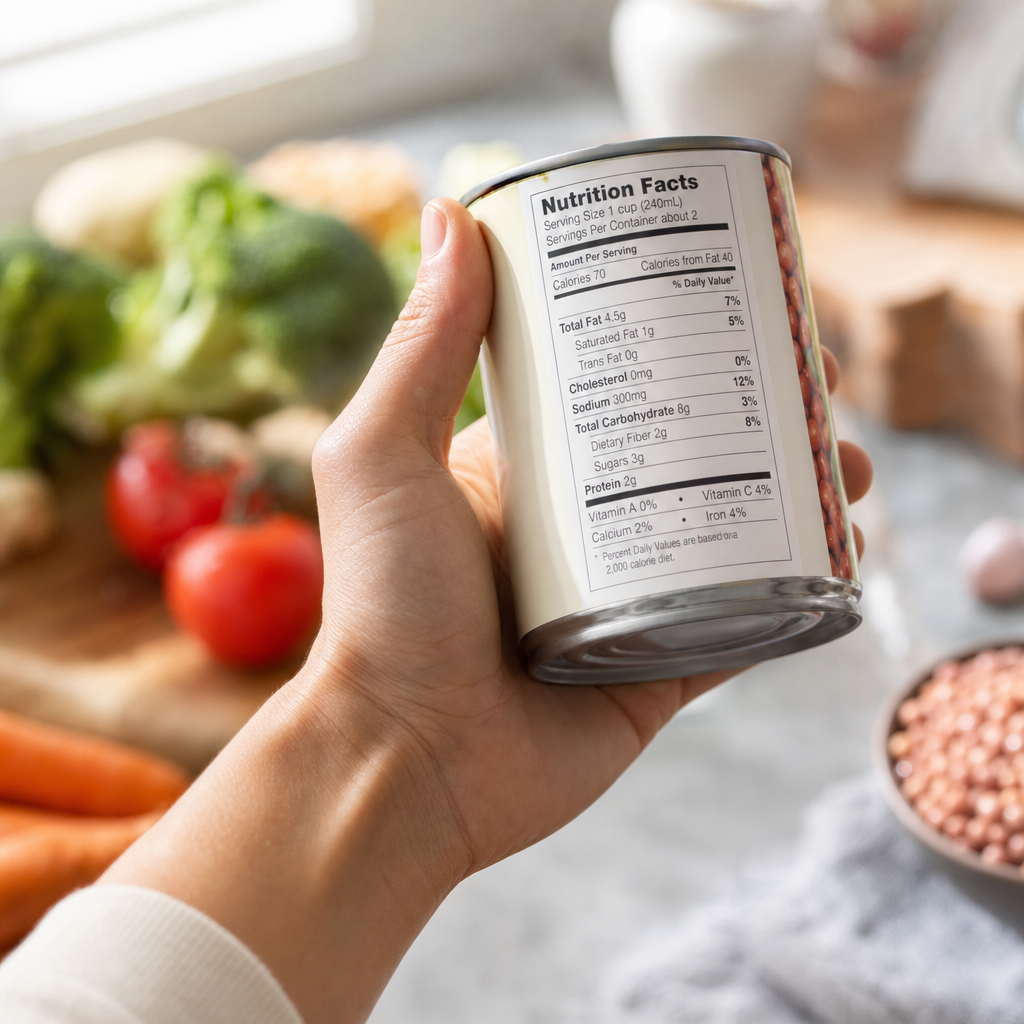 Common Food Label Reading Mistakes to Avoid for Better Dietary ChoicesLearn how to decode food labels with confidence by avoiding these common mistakes. Make healthier choices with the right information.
 Batch Cooking for Weight Loss: A Smart Strategy to Manage PortionsDiscover how batch cooking can streamline your meal prep, help manage portions, and support your weight loss journey effectively.
 Can AI Identify Ingredients From a Photo? An In-Depth LookDiscover how AI technology accurately identifies food ingredients from images, transforming cooking and nutrition analysis for enthusiasts and professionals alike.
 How Many Calories Are in a Tomato? A Comprehensive BreakdownDiscover the calorie content of tomatoes, their nutritional benefits, and how to incorporate them into your diet for optimal health.
 Crunching Numbers: The Best Low-Calorie Vegetables for SnackingExplore a variety of nutritious, low-calorie vegetables perfect for satisfying snacks while keeping your health goals in check.
 Why Hydration Matters in a Calorie DeficitDiscover the crucial role hydration plays in your weight loss journey, especially when operating in a calorie deficit.
 How to Calculate Macros for Muscle GainLearn effective strategies for calculating your macronutrients to support muscle growth and achieve your fitness goals.
 How Many Calories Are in a Pear?Explore the nutritional breakdown and health benefits of pears, an underrated fruit full of flavor and low in calories.
 Discover the Best AI Calorie Tracker Apps for Your DietExplore the top AI-powered calorie tracker apps that can help you manage your diet and reach your health goals effectively.
 How AI Calorie Counting Works: Unpacking the Technology Behind the AlgorithmDiscover how AI calorie counting apps utilize advanced technology to help you track nutrition and achieve your fitness goals.
 How Much Water Should You Drink for Weight Loss?Learn the optimal water intake for weight loss, its benefits, and practical tips to stay hydrated in your weight loss journey.
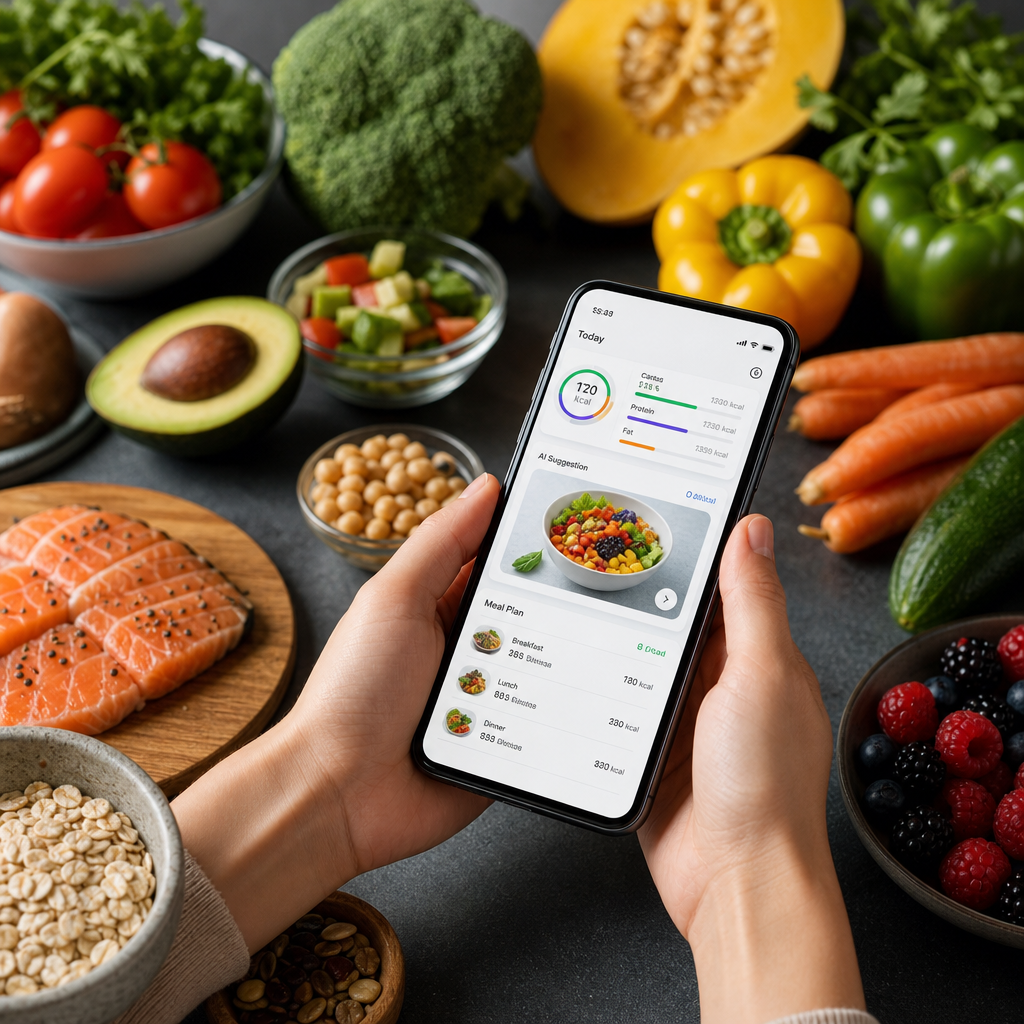 The Future of AI Nutrition Apps: Innovations in Dietary ManagementExplore how AI nutrition apps are transforming dietary management with personalized insights, meal planning, and automated tracking.
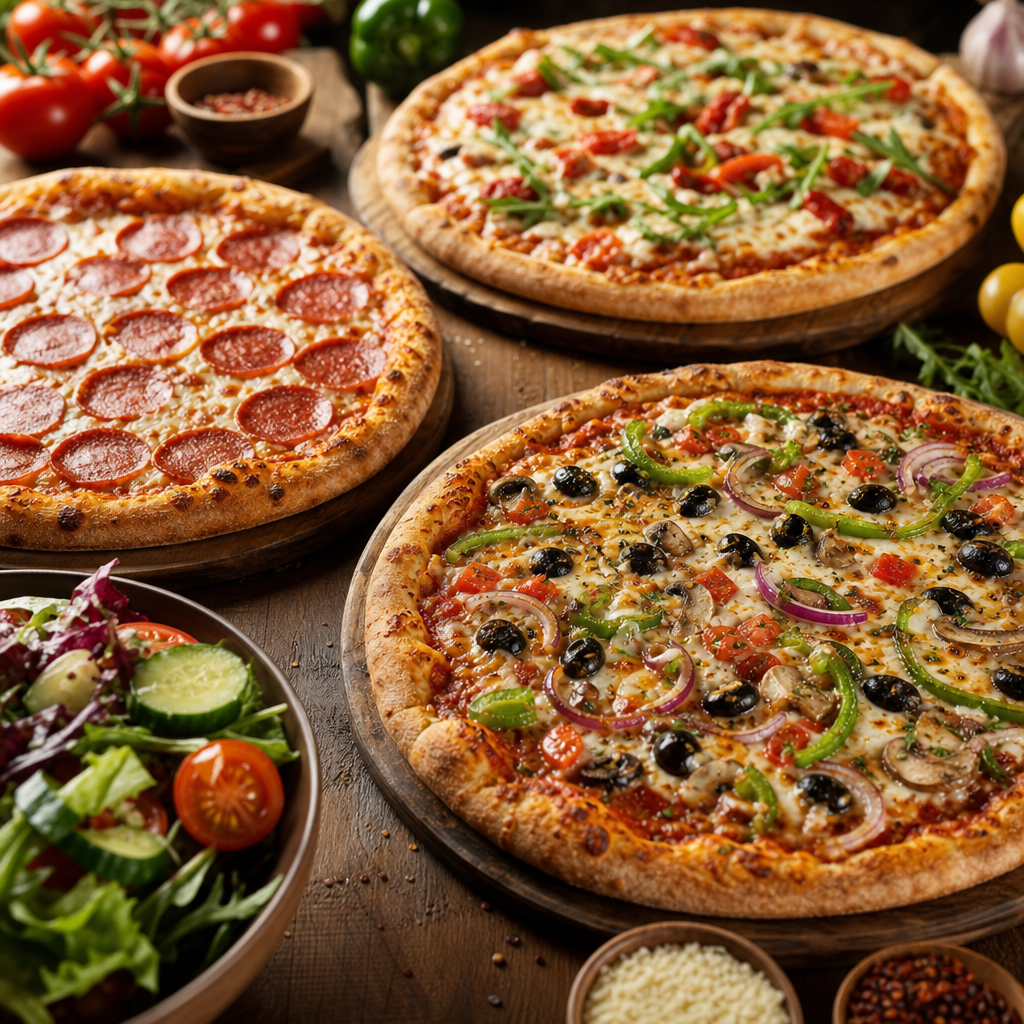 How Many Calories Are in Pizza? A Comprehensive GuideDiscover the calorie counts for different pizza types and toppings. Make informed choices while enjoying your favorite slice!
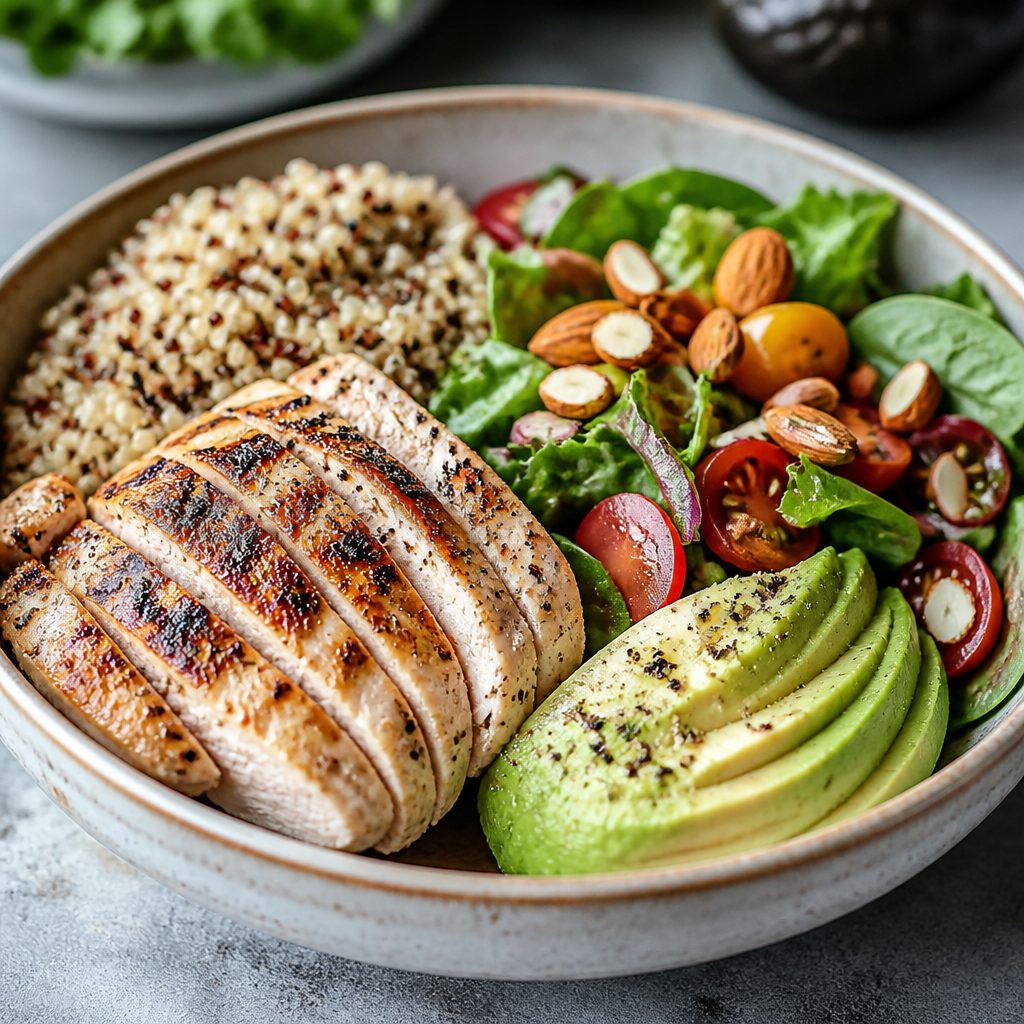 Calories vs Macros: What Matters More in Your Diet?Discover the crucial differences between calories and macros in dieting. Understand which plays a more significant role in your weight loss success.
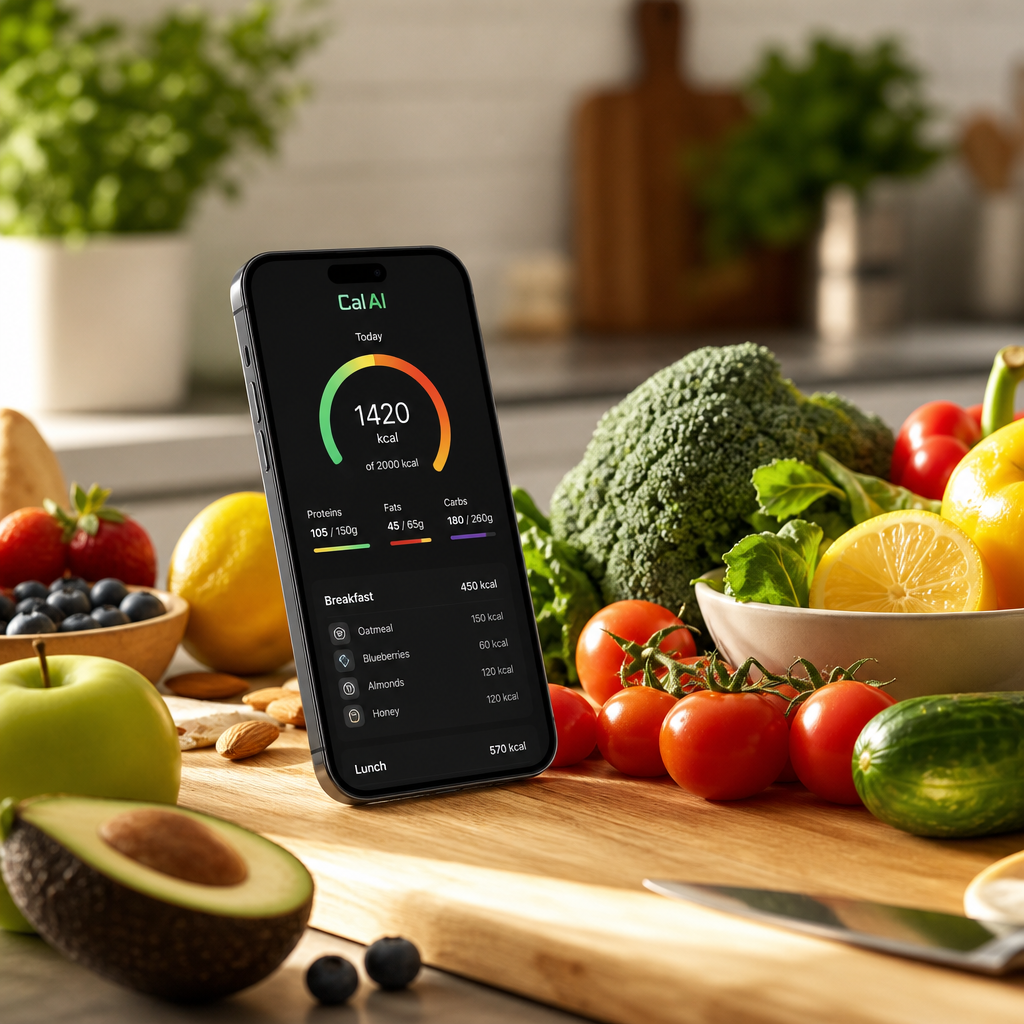 What Is Cal AI? Your Guide to AI-Powered Nutrition SolutionsDiscover how Cal AI can transform your approach to nutrition by offering instant meal analysis, calorie observation, and more!
 The Best Macro Ratio for Weight Loss: Optimizing Your IntakeDiscover the best macronutrient ratios for effective weight loss. Learn how to adjust your intake for optimal results while maintaining a healthy lifestyle.