How to Calculate Your Macronutrients for Weight Loss
Updated Sep 22, 20263 min read14 views
When it comes to successful weight loss, understanding how to calculate your macronutrients (macros) — proteins, fats, and carbohydrates — is key. By tailoring your intake to fit your individual needs, you can optimize your diet and reach your goals much more effectively. Let’s dive into the essential steps for mastering your macronutrient calculation.
Understanding Macronutrients
Before you begin calculating your macros, it’s important to grasp what each macronutrient does for your body.
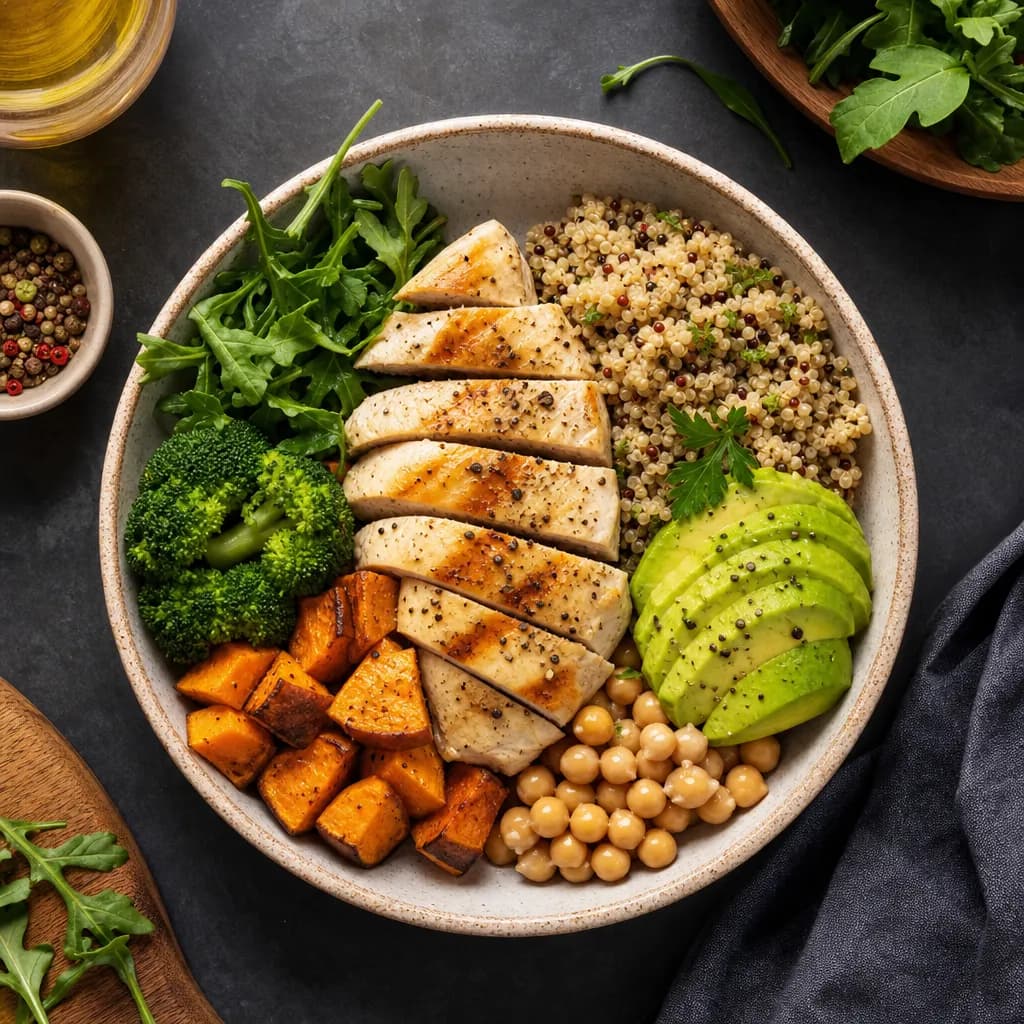
Proteins: Vital for muscle repair and growth, proteins keep you feeling full longer and play a crucial role in your metabolism. Good sources include chicken, fish, beans, and tofu.
Fats: Healthy fats are essential for hormone production, nutrient absorption, and maintaining energy levels. Avocados, nuts, and olive oil are great sources of good fats.
Carbohydrates: Your body’s primary energy source, carbs fuel your workouts and daily activities. Opt for complex carbs like whole grains, fruits, and vegetables for sustained energy.
Step 1: Calculate Your Daily Caloric Needs
To effectively manage your weight, it’s crucial to know how many calories your body needs daily. The simplest way to estimate your Total Daily Energy Expenditure (TDEE) is by using the Mifflin-St Jeor equation:
- For men: TDEE = (10 × weight in kg) + (6.25 × height in cm) - (5 × age in years) + 5
- For women: TDEE = (10 × weight in kg) + (6.25 × height in cm) - (5 × age in years) - 161
Once you have your TDEE, create a caloric deficit (generally 500 calories less per day) for weight loss.
Step 2: Determine Your Macro Ratios
Now that you know your caloric needs, it’s time to split your calories into macronutrients. A common starting point for weight loss is:
- Proteins: 30% of total calories
- Fats: 25% of total calories
- Carbohydrates: 45% of total calories
For example, if your daily intake is 1500 calories:
- Proteins: 1500 x 0.30 = 450 calories / 4 = 112.5g
- Fats: 1500 x 0.25 = 375 calories / 9 = 41.7g
- Carbohydrates: 1500 x 0.45 = 675 calories / 4 = 168.75g
Step 3: Track Your Intake
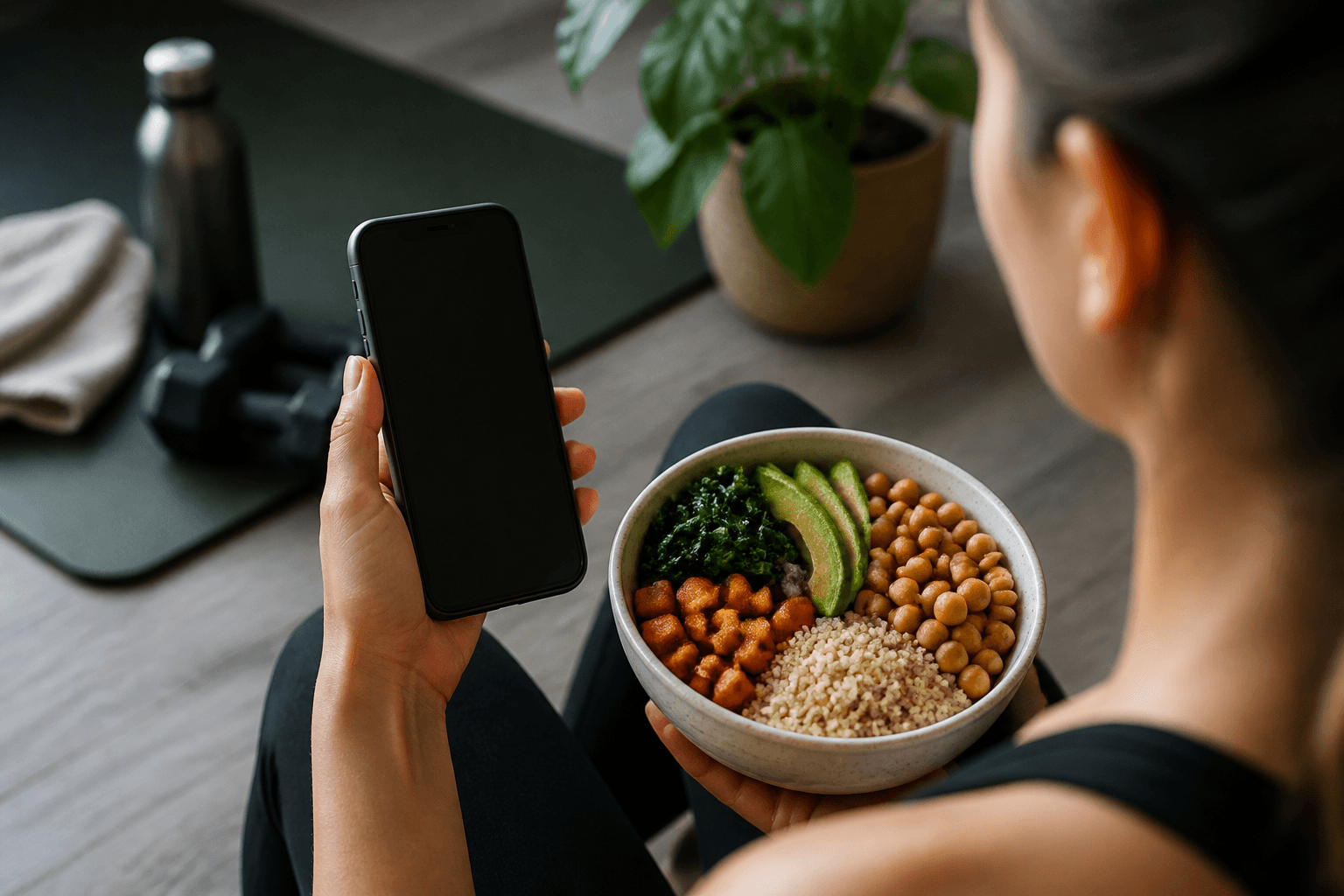
To ensure you stay within your macro limits, tracking your food intake is key. Use apps or journals to log your meals, making it easier to balance your macros effectively. You can also refer to nutritional labels for accurate counts.
Practical Tips for Success
- Meal Prep: Preparing meals in advance can help you stick to your macro goals.
- Stay Informed: Familiarize yourself with food sources and their macronutrient profiles.
- Listen to Your Body: Adjust your macros based on your energy levels and hunger cues. If you find that you’re losing energy or not feeling satisfied, consider modifying your carb or fat intake.
Conclusion
Calculating your macros might seem daunting, but with practice, it can become second nature. By understanding the balance of proteins, fats, and carbohydrates, you can take control of your nutrition and enhance your weight loss journey.
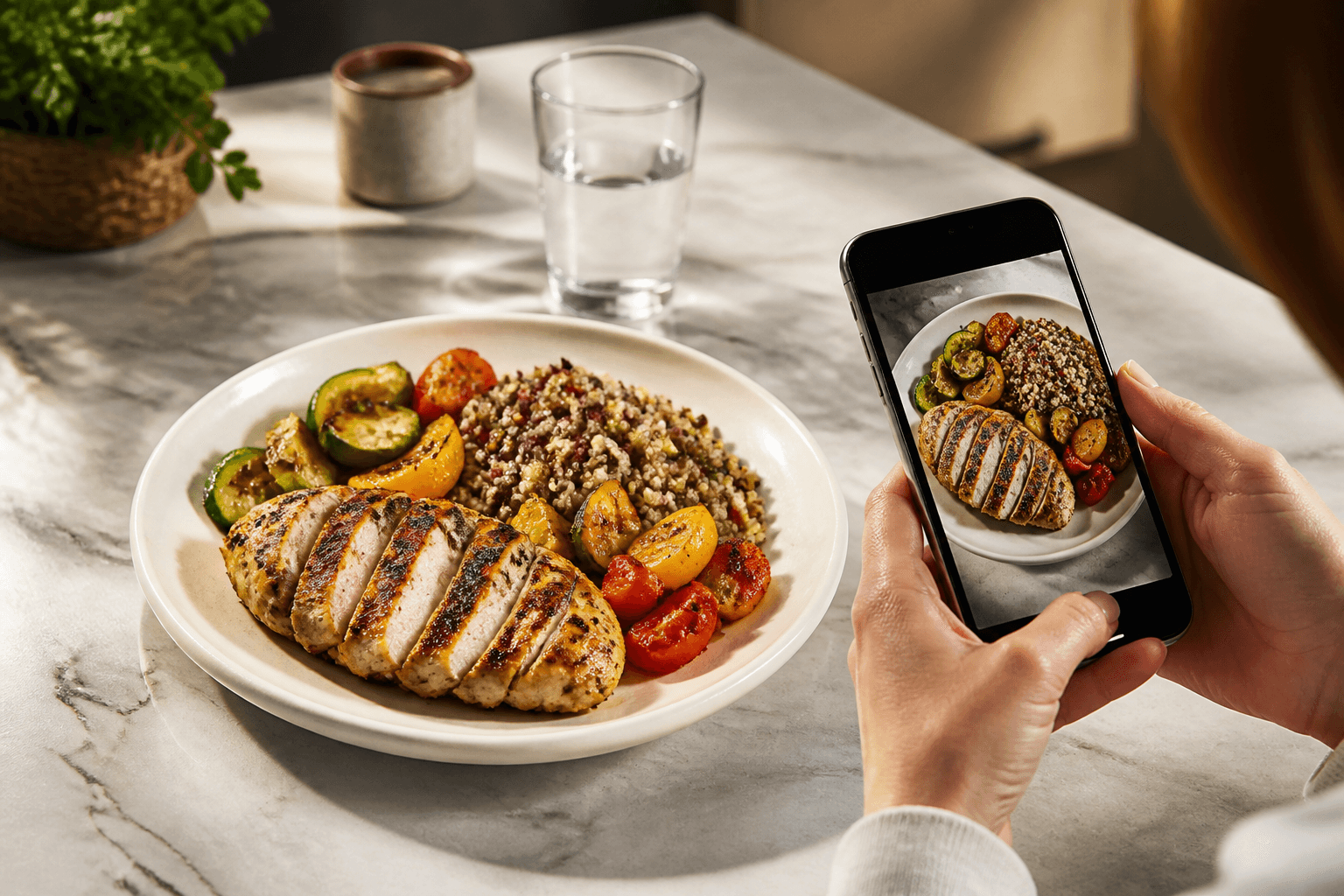
Ready to take the next step? Try our app that allows you to upload pictures of your meals! Our AI will analyze the photo, determine the calorie count, show you the macronutrient breakdown, and help you stay on track with your nutrition goals.
Cal AI Editorial Team
Practical guides on nutrition, calorie tracking, meal planning, and building healthier habits with Cal AI.
Editorial policyRelated articles
- Cal AI
The scan got the dish wrong: how to fix grams and calories in Cal AI in 20 seconds
Fix a wrong Cal AI scan by choosing the closest recognition variant, correcting grams, and editing calories when the portion still looks off.
Oct 26, 20266 min read
- french fries
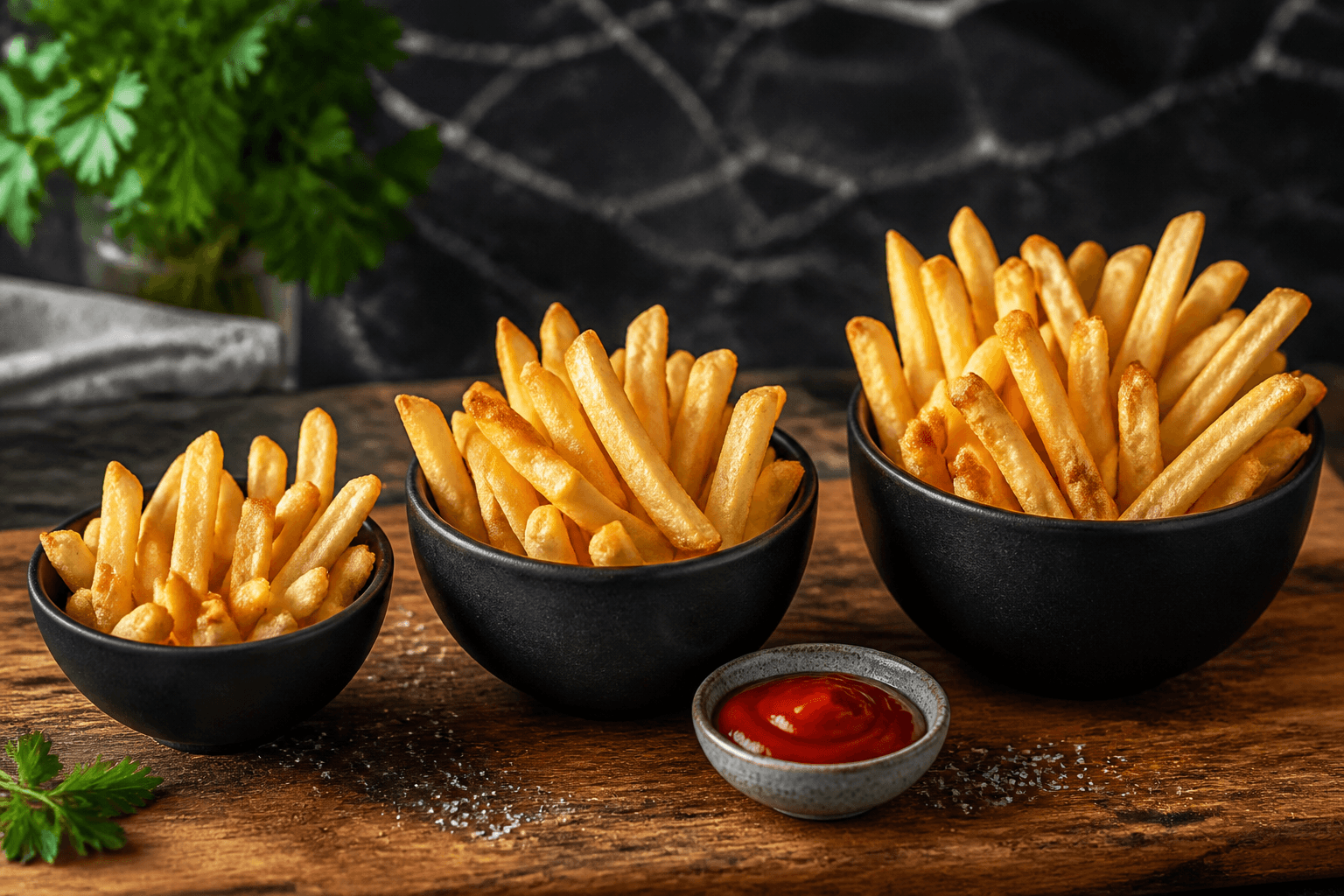
Calories in French Fries: Small, Medium and Large Portions
French fries are 312 kcal per 100 g, and a standard 117 g serving is 365 kcal. Use grams, not size names, when the portion looks unclear.
Oct 23, 20266 min read
- Cal AI
How to Cancel Cal AI Subscription on iPhone and Android
Cancel Cal AI through Apple or Google Play, not inside the app. Follow the exact menu paths and see what cancellation means for history and scans.
Oct 20, 20265 min read1 views
- chicken breast
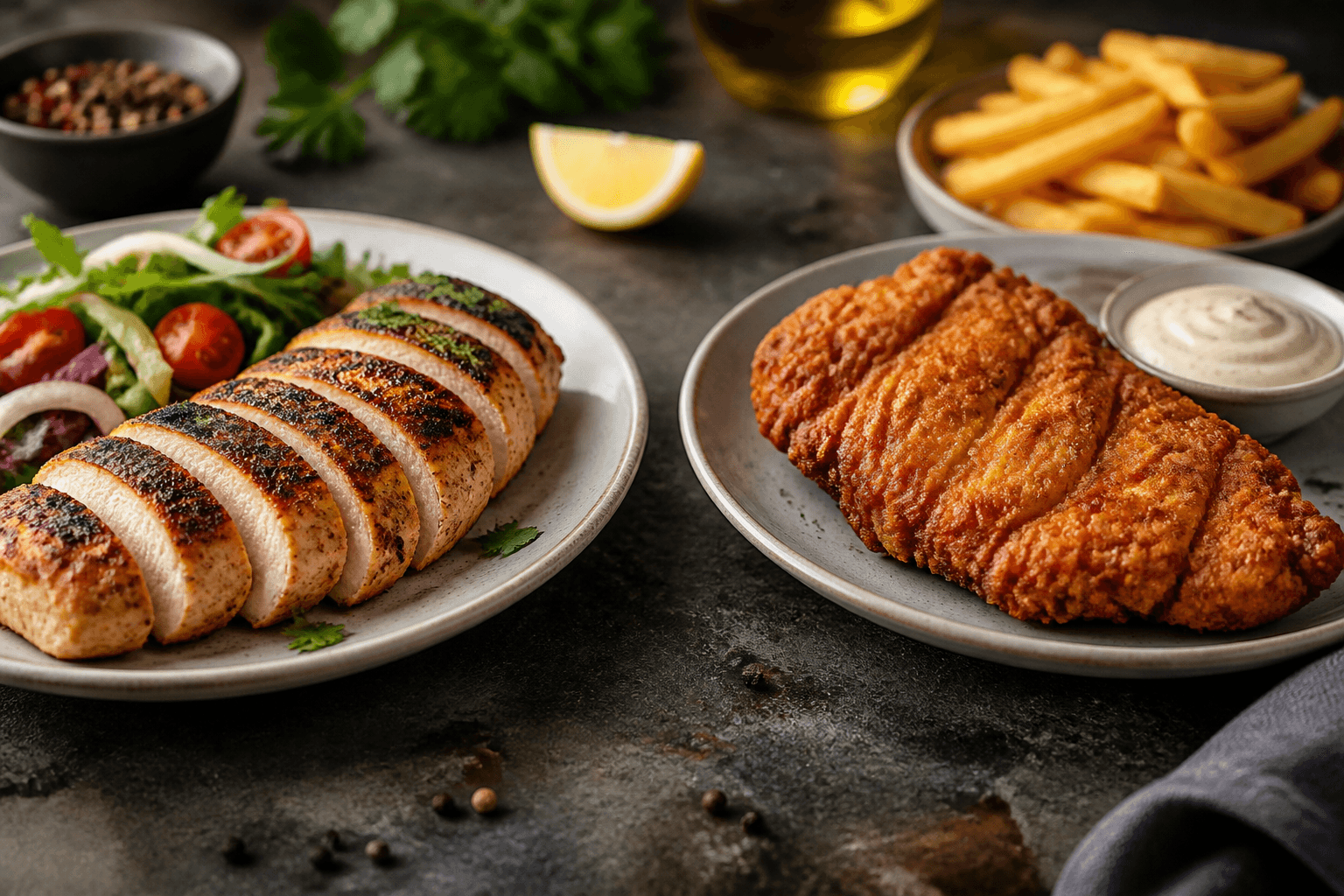
Calories in Chicken Breast: 100 g, One Breast, Grilled vs Fried
Chicken breast has 165 kcal per 100 g cooked. See one-breast calories, grilled and fried adjustments, and how to log it accurately.
Oct 17, 20266 min read1 views
- rice
White Rice vs Brown Rice: Calories, Protein, and Which to Pick
Brown rice is slightly lower in calories than white rice, but the gap is small. Compare cooked portions, macros, and which one fits your goal at meals.
Oct 14, 20266 min read2 views
- calorie calculator
How many calories do you need a day? Mifflin-St Jeor with worked examples
Use Mifflin-St Jeor to estimate daily calories from weight, height, age, and activity, with worked examples and portion checks.
Oct 11, 20268 min read