What Is a Smart Calorie Tracker?
Explore the world of smart calorie trackers, options available, and how they can enhance your nutrition tracking and wellness journey.
Introduction to Smart Calorie Trackers
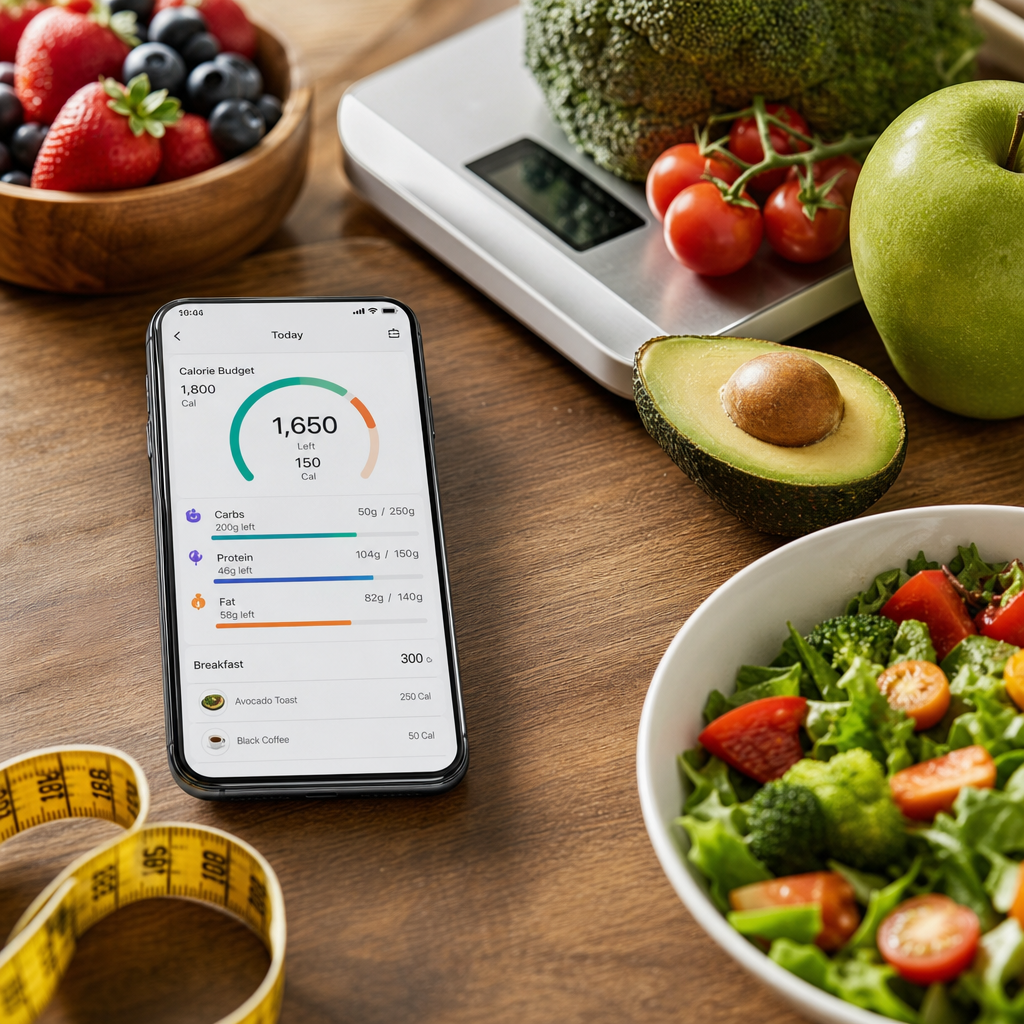
Smart calorie trackers are sophisticated tools that help individuals monitor their food intake and nutritional intake with greater accuracy and ease. Unlike traditional calorie-counting methods, which can be tedious and prone to errors, these trackers leverage technology by incorporating features like barcode scanning, machine learning, and real-time data updates to provide a more efficient way to manage calories.
With the increasing focus on health and wellness, smart calorie trackers have emerged as essential gadgets for health-conscious individuals. They allow users to set dietary goals, track macronutrient intake, and even analyze their eating patterns over time, promoting better dietary choices and overall health.
How Smart Calorie Trackers Work
At the core of a smart calorie tracker is its ability to collect and process information. Many of these devices or apps enable users to log their meals effortlessly—either through manual entry, voice commands, or image recognition technology. A standout feature is barcode scanning, allowing users to scan packaged foods to quickly retrieve nutritional information without searching for it manually.
For example, the popular app MyFitnessPal allows users to scan the barcodes of food products, automatically inputting the serving size and nutritional values. Some apps also integrate with fitness trackers or wearables, providing a complete picture of energy expenditure through activity levels, making it possible to balance calorie intake and output effectively.
Benefits of Using a Smart Calorie Tracker
Convenience: The ability to quickly log food intake and retrieve nutritional data saves time, making it easier to stay on track with dietary goals.
Accuracy: Smart calorie trackers often provide accurate calorie counts sourced from extensive databases, reducing the guesswork associated with manual tracking.
Data Analysis: Many trackers come equipped with analytics features that allow users to visualize their nutrition trends over time, leading to more informed dietary choices.
Goal Setting: Whether the goal is to lose weight, gain muscle, or maintain a balanced diet, these tools often allow for customizable plans that aid in achieving personal health objectives.
Comparison of Popular Smart Calorie Trackers
When selecting a smart calorie tracker, consider the features that align with your lifestyle. Here are three popular options to evaluate:
MyFitnessPal: Known for its extensive food database and user-friendly interface, it allows barcode scanning, has a community feature, and provides personalized goal options based on user input.
Lose It!: This app is celebrated for simplicity and encourages a fun approach to calorie tracking. It includes a feature that allows you to set a weight-loss goal based on your projected end date, adjusting your daily calorie intake accordingly.
Cronometer: Fascinating for its detailed micronutrient tracking capabilities, Cronometer doesn’t just count calories; it dives deep into nutrient density, appealing to those with specific dietary preferences or restrictions.
Incorporating Smart Calorie Trackers into Your Routine
To make the most of a smart calorie tracker, consider the following practical tips:
Consistency: Make it a habit to log your meals every day, ideally at the same time. This consistency will yield the most accurate data.
Experiment with Features: Take advantage of the additional features offered, such as meal planning or recipe logging. This can help you diversify your meals while keeping track of macros.
Combine with Physical Activity Tracking: If your smart calorie tracker syncs with physical activity trackers, use that data to modify your caloric intake to ensure a balanced approach to eating and exercise.
Challenges and Considerations
While smart calorie trackers present numerous advantages, they are not without their challenges. Some users might find the process of logging meals tedious or overwhelming, especially when eating out or consuming complex homemade dishes.
It's also crucial to be aware of the reliance on technology; inaccuracies in food databases may occur. Therefore, it’s advisable to double-check entries or create custom foods when logging homemade or less common meals. Furthermore, while these tools encourage healthy eating, users must maintain a balanced mindset to avoid the trap of obsessive tracking.
Future of Smart Calorie Trackers
As technology continues to evolve, we can anticipate even smarter calorie trackers emerging with enhanced AI capabilities. These future iterations may predict dietary needs based on health data, recommend meals incorporating seasonal ingredients, or provide personalized feedback based on real-time analytics.
Moreover, we may also see improved integration with telehealth systems, enabling nutritionists and doctors to monitor patient progress more effectively. Such developments are ultimately aimed at empowering users to lead healthier lives while streamlining the process of nutrition management.
Frequently Asked Questions
Are smart calorie trackers accurate?
Generally, smart calorie trackers provide accurate calorie counts, but it’s essential to verify entries or adjust for homemade meals for the best results.
Can smart calorie trackers help with weight loss?
Yes, they can support weight loss by helping users monitor their caloric intake, set specific goals, and understand their eating habits.
Do I need a smartphone to use a smart calorie tracker?
While many smart calorie trackers are smartphone apps, some standalone devices are available that do not require a smartphone but are less common.
Can I sync my fitness tracker with a smart calorie tracker?
Most smart calorie trackers can sync with fitness trackers, allowing for a comprehensive overview of calories burned versus consumed.
Are all smart calorie trackers free to use?
While many smart calorie trackers offer free versions, they often have premium subscriptions for additional features and functionality.
Start your journey towards better nutrition today! With Cal AI, take a photo of your food and instantly estimate calories while tracking protein, carbs, and fats. Analyzing your meals has never been easier.
Share this article
Cal AI
Track meals faster with Cal AI
Scan food, estimate calories, and keep your nutrition log moving without typing every ingredient.
Author
Cal AI Editorial Team
Practical guides on nutrition, calorie tracking, meal planning, and building healthier habits with Cal AI.
Editorial policyFrequently asked questions
Are smart calorie trackers accurate?
Generally, smart calorie trackers provide accurate calorie counts, but it’s essential to verify entries or adjust for homemade meals for the best results.
Can smart calorie trackers help with weight loss?
Yes, they can support weight loss by helping users monitor their caloric intake, set specific goals, and understand their eating habits.
Do I need a smartphone to use a smart calorie tracker?
While many smart calorie trackers are smartphone apps, some standalone devices are available that do not require a smartphone but are less common.
Can I sync my fitness tracker with a smart calorie tracker?
Most smart calorie trackers can sync with fitness trackers, allowing for a comprehensive overview of calories burned versus consumed.
Are all smart calorie trackers free to use?
While many smart calorie trackers offer free versions, they often have premium subscriptions for additional features and functionality.
Related articles
 Signs of Dehydration You Should KnowLearn to recognize the key signs of dehydration to maintain optimal health and prevent hunger-related issues.
 Best Apps for Counting Calories From PhotosDiscover the top apps that help you easily count calories from pictures of your food. Support your health goals with technology that fits your lifestyle.
 What Are Macros? A Beginner's Guide to Understanding MacronutrientsDive into the world of macronutrients. Learn about carbs, proteins, and fats and how they contribute to a balanced diet.
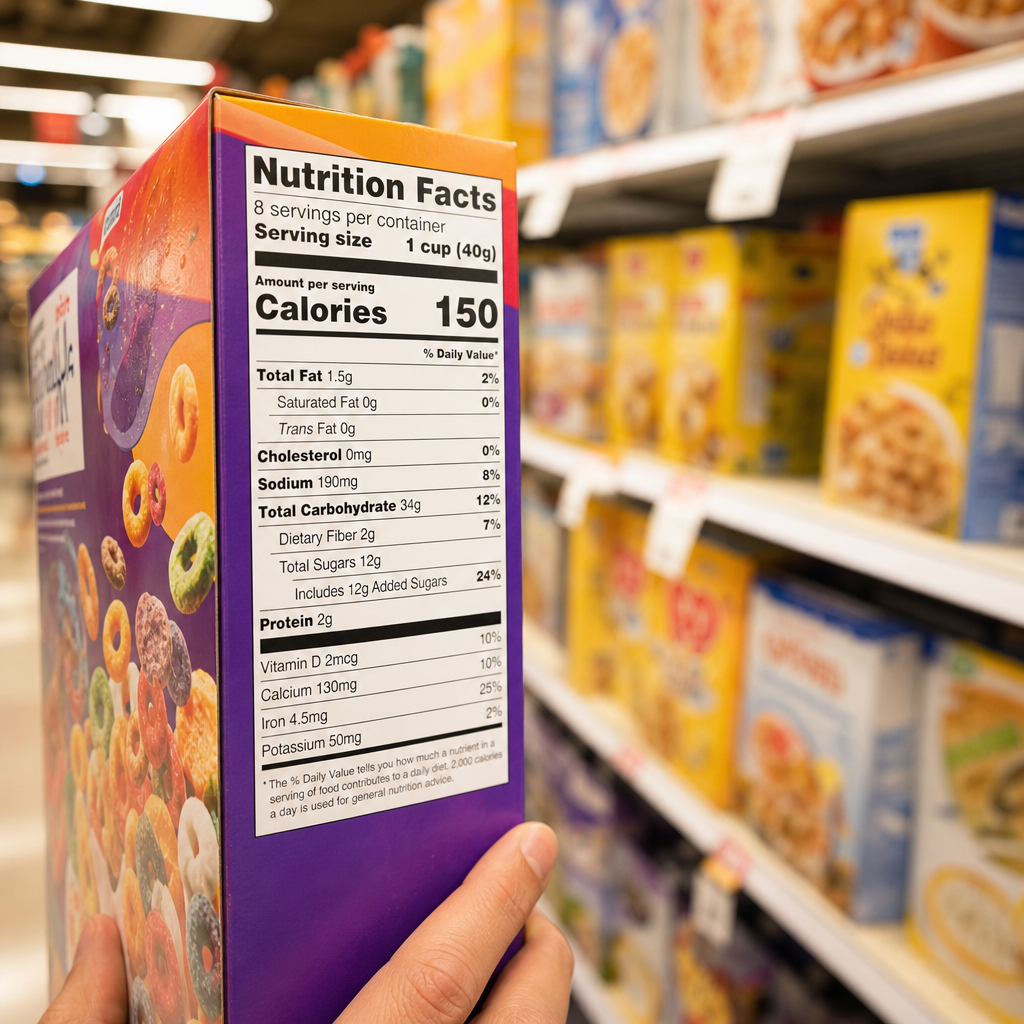 How to Read Food Labels: Your Ultimate Guide to Making Informed ChoicesLearn how to effectively read food labels to make informed dietary choices and enhance your health with our comprehensive guide.
 How to Cook Meals for the Entire Week: A Comprehensive GuideStreamline your cooking process with these effective tips and strategies for preparing meals for the entire week.
 Mastering Meal Prep for Effective Calorie TrackingDiscover how meal prep can streamline your calorie tracking journey while delivering delicious, nutritious meals.
 How to Choose Healthier Foods Using LabelsUnlock the secrets of food labels with effective strategies to make healthier food choices and improve your nutrition.
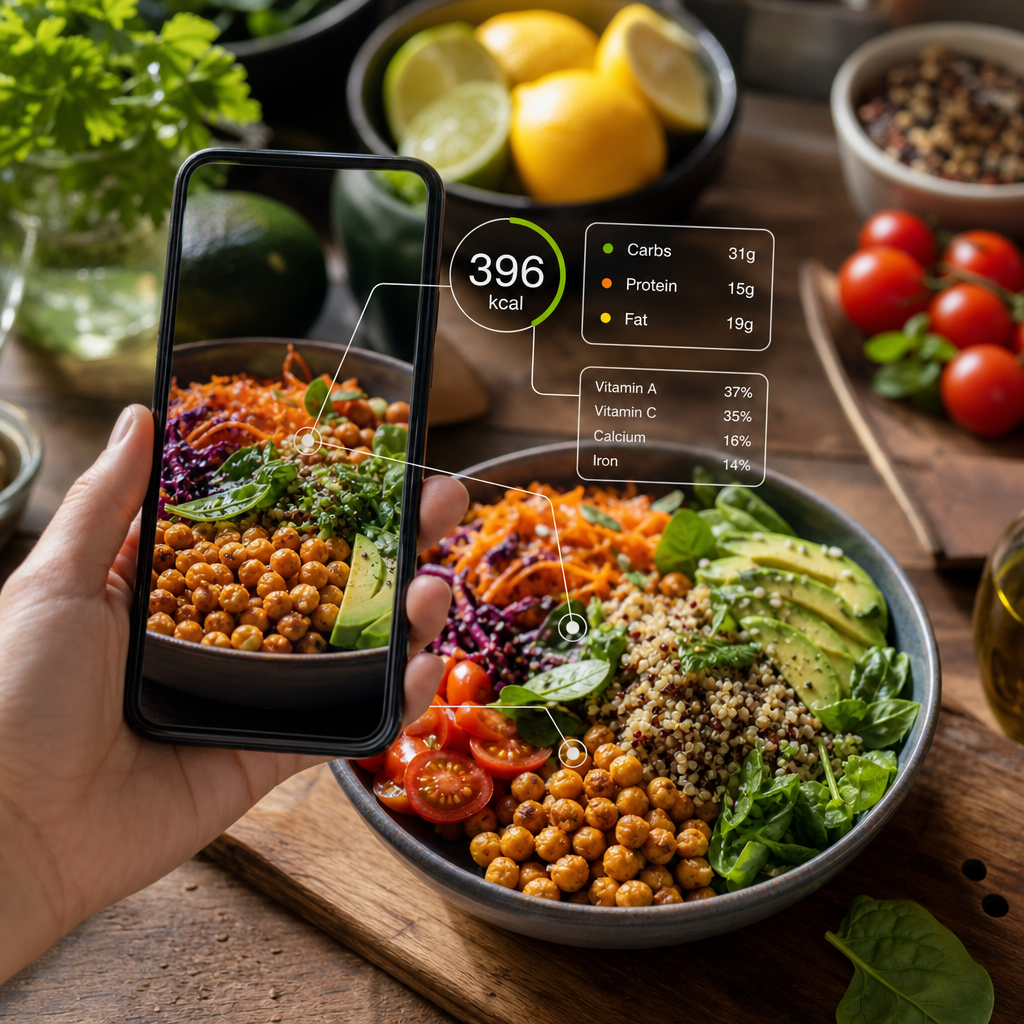 How AI Food Recognition Works: Transforming Food Photos into Actionable InsightsExplore the mechanics of AI food recognition and how it turns food images into nutritional data for better health management.
 Unlocking Your Weight Loss Journey with AI Calorie TrackersDiscover how AI calorie trackers can significantly aid your weight loss journey through personalized insights and real-time analysis.
 How AI Automatically Tracks Calories: A Game Changer for Busy LifestylesDiscover how AI-driven technologies simplify calorie tracking, making healthy eating easier for busy individuals.
 AI Calorie Tracker for Muscle Gain: Maximizing Your Gains with PrecisionDiscover how AI calorie trackers can revolutionize your muscle gain journey by ensuring accurate caloric surplus tracking.
 Best AI Nutrition Apps: Transform Your Dietary HabitsExplore the top AI-powered nutrition apps designed to enhance your dietary choices, making it easier than ever to achieve your health goals.
 How to Count Calories From a Food Photo: A Step-by-Step GuideDiscover how to accurately count calories using food photos with modern mobile apps and technology for your dieting journey. Learn more now!
 Can You Lose Weight With an AI Calorie Tracker?Explore how AI calorie trackers can enhance your weight loss journey by providing precise data, personalized insights, and meal tracking features.
 Utilizing an AI Food Scanner for Effective Weight LossExplore how an AI food scanner can revolutionize your weight loss journey by efficiently tracking caloric intake and nutritional content.
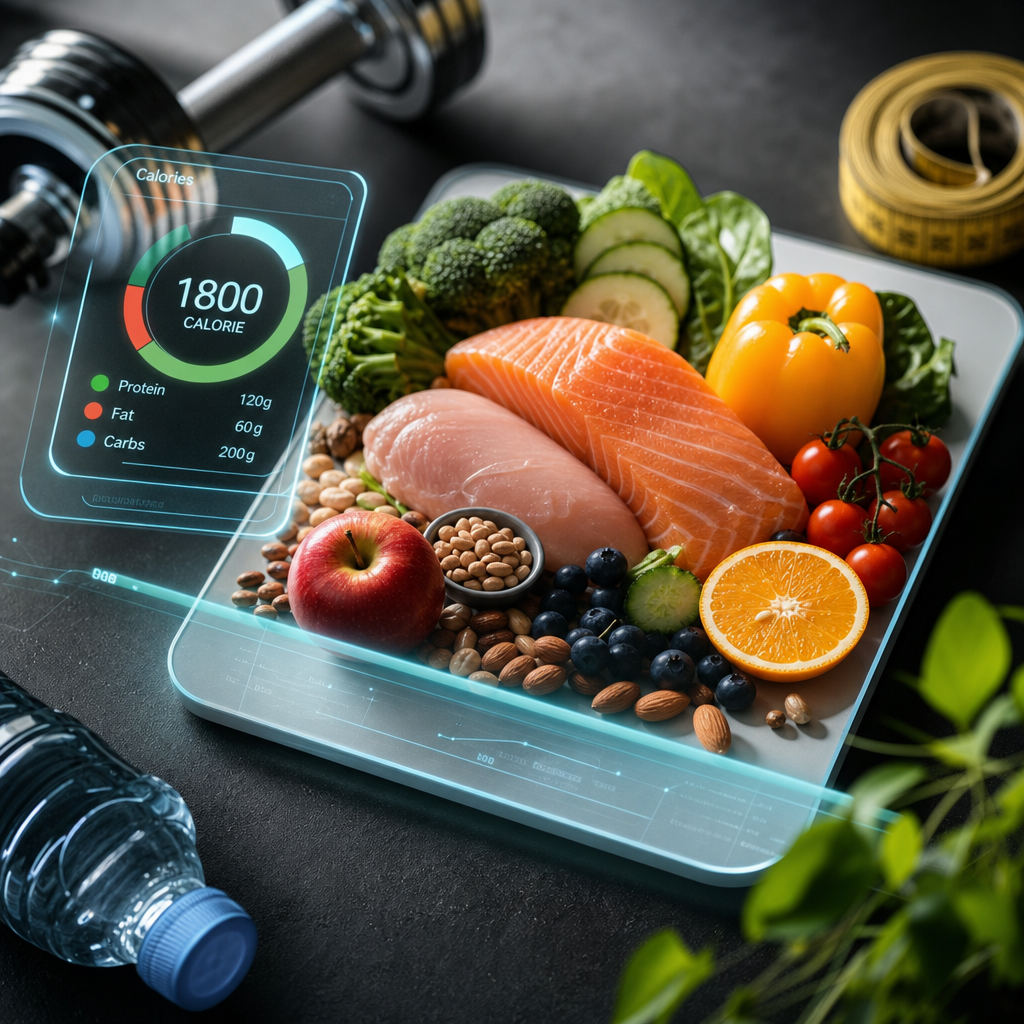 How AI Calculates Protein, Fat, and CarbsDive into how AI calculates nutrition by analyzing food images to assess macronutrient distribution for better meal planning and nutritional insights.
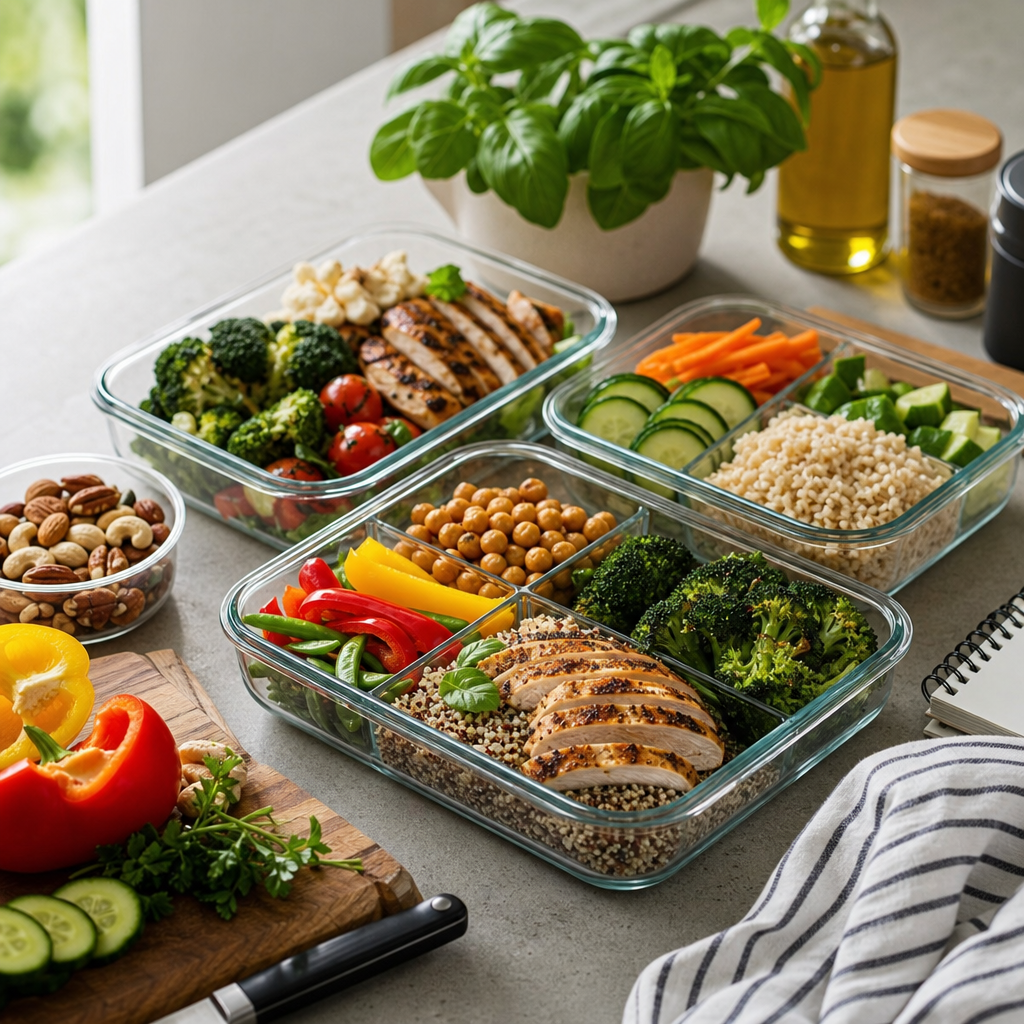 The Ultimate Weekly Meal Prep Guide for Busy Professionals and FamiliesTransform your weekly meal prep with this comprehensive guide. Save time, eat healthier, and enjoy delicious prepared meals all week long.
 How Many Calories Are in Ice Cream?Discover the calories in various ice cream flavors and explore healthier alternatives that satisfy your sweet tooth without sacrificing your diet.
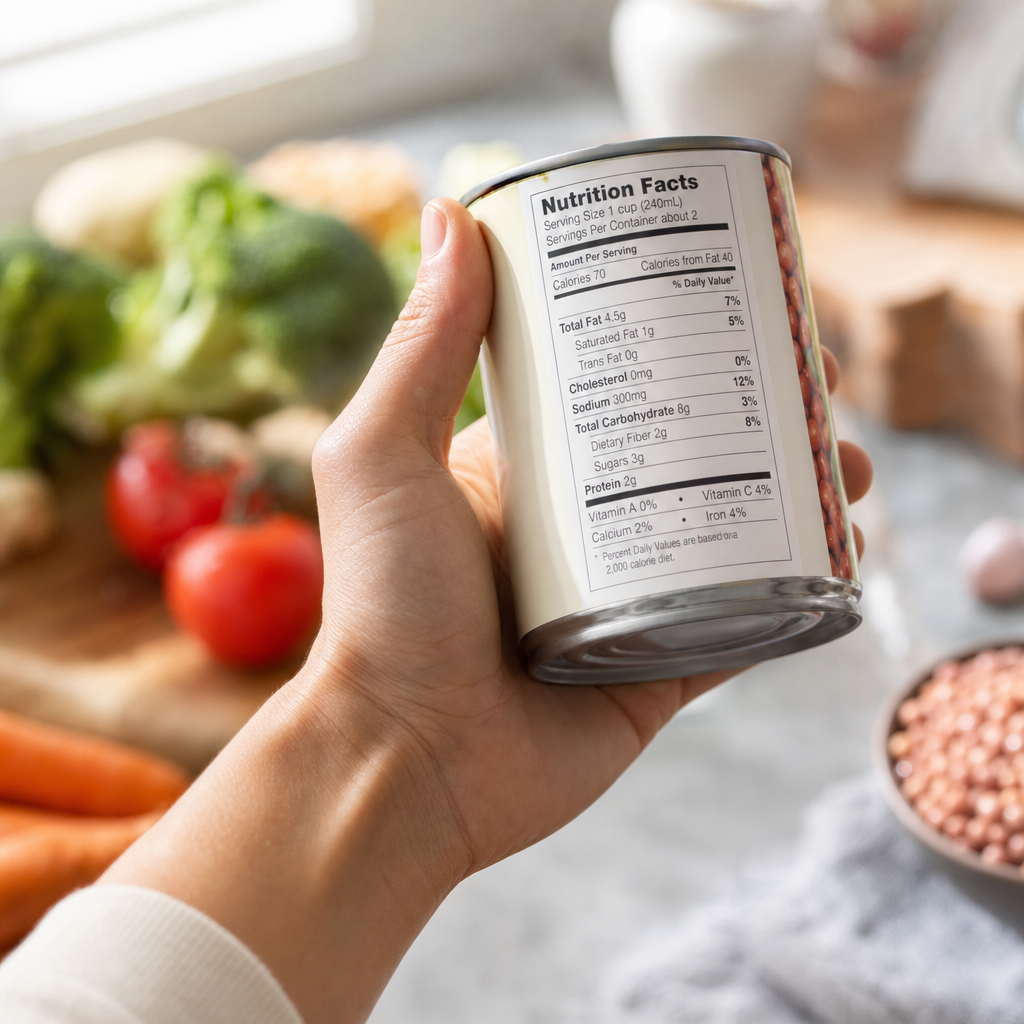 Common Food Label Reading Mistakes to Avoid for Better Dietary ChoicesLearn how to decode food labels with confidence by avoiding these common mistakes. Make healthier choices with the right information.
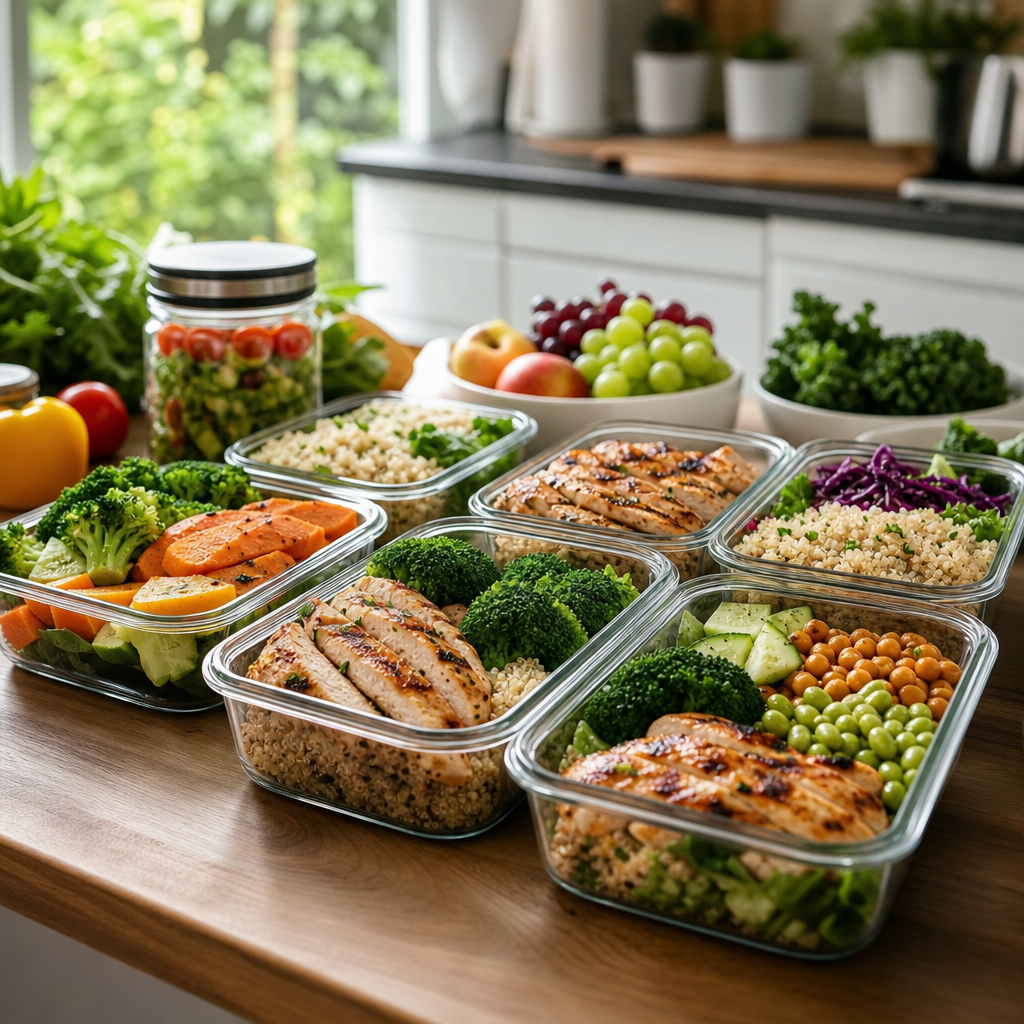 Batch Cooking for Weight Loss: A Smart Strategy to Manage PortionsDiscover how batch cooking can streamline your meal prep, help manage portions, and support your weight loss journey effectively.
 Can AI Identify Ingredients From a Photo? An In-Depth LookDiscover how AI technology accurately identifies food ingredients from images, transforming cooking and nutrition analysis for enthusiasts and professionals alike.
 How Many Calories Are in a Tomato? A Comprehensive BreakdownDiscover the calorie content of tomatoes, their nutritional benefits, and how to incorporate them into your diet for optimal health.
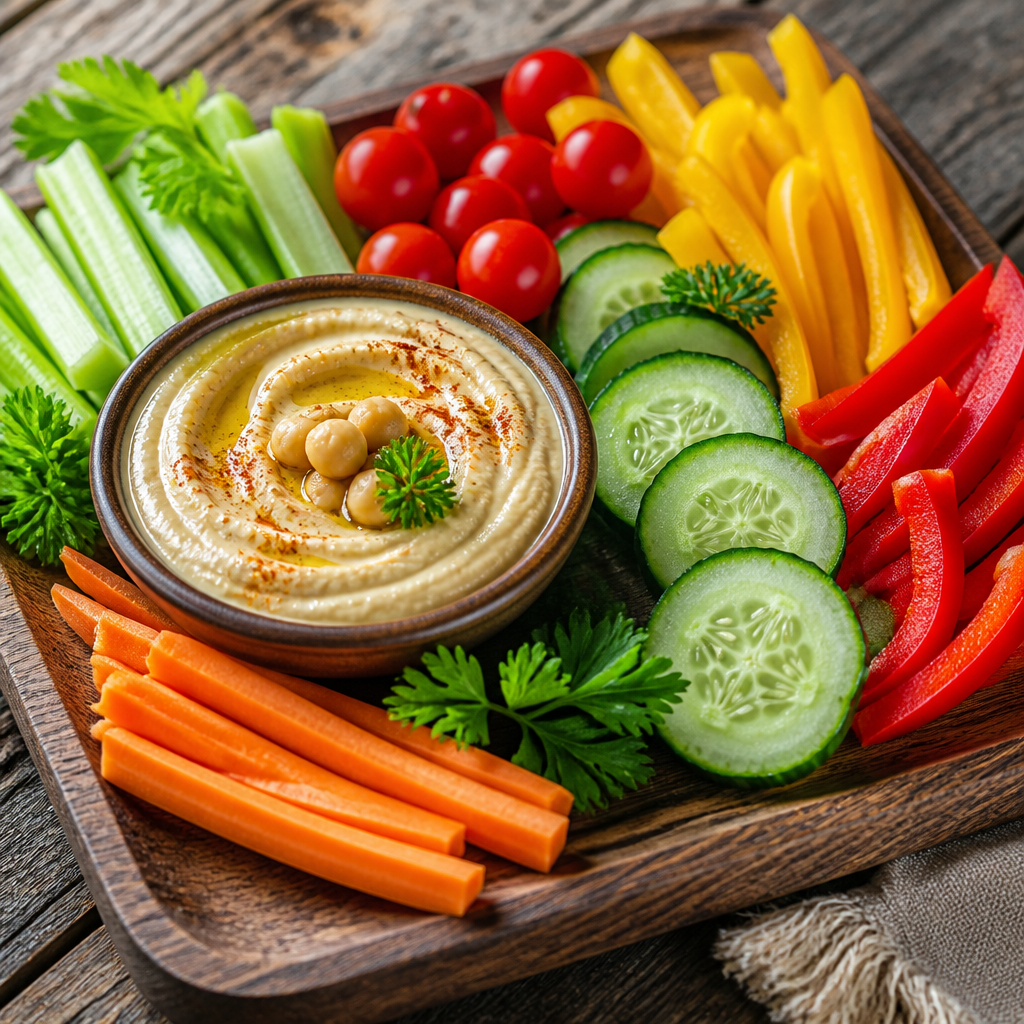 Crunching Numbers: The Best Low-Calorie Vegetables for SnackingExplore a variety of nutritious, low-calorie vegetables perfect for satisfying snacks while keeping your health goals in check.
 Why Hydration Matters in a Calorie DeficitDiscover the crucial role hydration plays in your weight loss journey, especially when operating in a calorie deficit.
 How to Calculate Macros for Muscle GainLearn effective strategies for calculating your macronutrients to support muscle growth and achieve your fitness goals.
 How Many Calories Are in a Pear?Explore the nutritional breakdown and health benefits of pears, an underrated fruit full of flavor and low in calories.
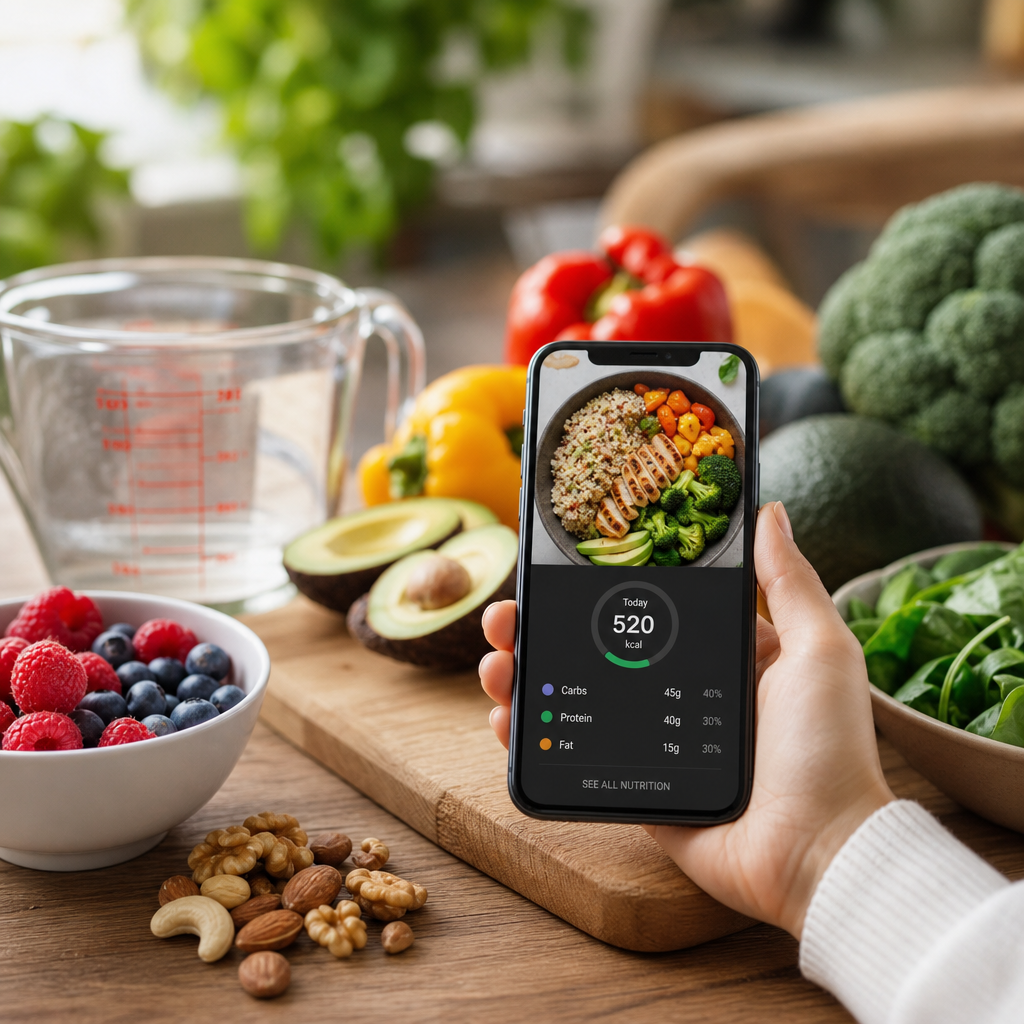 Discover the Best AI Calorie Tracker Apps for Your DietExplore the top AI-powered calorie tracker apps that can help you manage your diet and reach your health goals effectively.
 AI Calorie Counter: Comprehensive Review of the Top AppsDiscover our in-depth review of popular AI calorie counter apps, evaluating their features, usability, and effectiveness to help you track your nutrition effortlessly.
 How AI Calorie Counting Works: Unpacking the Technology Behind the AlgorithmDiscover how AI calorie counting apps utilize advanced technology to help you track nutrition and achieve your fitness goals.
 How Much Water Should You Drink for Weight Loss?Learn the optimal water intake for weight loss, its benefits, and practical tips to stay hydrated in your weight loss journey.