How Much Water Should You Drink for Weight Loss?
Learn the optimal water intake for weight loss, its benefits, and practical tips to stay hydrated in your weight loss journey.

Understanding the Role of Water in Weight Loss
Water plays a vital role in the weight loss process, acting as a fundamental element in our body's functions. Staying well-hydrated supports the metabolism, helps in digesting food, and assists in the absorption of nutrients. When you're trying to shed pounds, understanding how much water you need can make a significant difference.
Research suggests that drinking sufficient water can increase the number of calories we burn, a phenomenon known as water-induced thermogenesis. For instance, studies have shown that consuming around 500 ml of water can increase metabolic rate by up to 30% for about 30-40 minutes. This enhanced caloric burn is a compelling reason to reconsider your daily water intake.
How Much Water Should You Drink?
While there is no one-size-fits-all answer to determine the optimal water intake for weight loss, several guidelines can provide a starting point. The National Academies of Sciences, Engineering, and Medicine suggests an adequate total daily water intake from all beverages and foods is about 3.7 liters (or about 15.5 cups) for men and 2.7 liters (or about 11.5 cups) for women.
However, when focusing on weight loss, a more tailored approach is beneficial. A practical rule many fitness experts recommend is to take your body weight (in pounds) and divide it in half. The result is the number of ounces you should aim to drink each day. For example, if you weigh 180 pounds, your target water intake should be around 90 ounces, which is approximately 2.7 liters. Staying within this range can support your weight loss goals effectively.
Hydrating Before Meals: A Smart Strategy
One effective strategy for enhancing weight loss is drinking water before meals. A study published in the journal Obesity found that people who drank 500 ml of water half an hour before meals consumed fewer calories overall. This simple act of hydration can lead to significant reductions in food intake during meals and contribute to better weight loss outcomes.
Incorporating this habit into your routine can be easy and doesn’t require drastic changes. Just start with a glass of water before lunch and dinner, and you might find you’re less inclined to overeat. For instance, if you usually consume 700 calories in a meal, drinking that water beforehand may lead you to eat only 600, creating a calorie deficit that adds up over time.
Staying Hydrated Throughout the Day
To maintain consistent energy levels and avoid feelings of hunger, it’s crucial to stay hydrated throughout the day. Here are some practical tips to incorporate more water in your daily routine:
- Carry a reusable water bottle to keep your water intake visible and easily accessible.
- Set reminders on your phone to take a sip every hour.
- Consume water-rich foods, such as cucumbers, oranges, and watermelon, which can contribute to your hydration goals.
- Flavor your water with herbs or fruits to make it more appealing if you're not keen on plain water.
Including these practices can help you reach your hydration goals while also supporting your weight loss journey. Remember, thirst can often be confused with hunger, so staying hydrated can prevent unnecessary snacking.
The Connection between Hydration and Exercise
When incorporating an exercise regimen into your weight loss strategy, hydration becomes even more critical. During physical activity, perspiration leads to increased fluid loss, which can affect performance and overall caloric burn. Adequate hydration is essential for maintaining endurance and stamina during workouts.
A general recommendation is to drink about 17-20 ounces of water at least 2 hours before exercising and an additional 8 ounces during your workout. Additionally, consider replacing fluids post-exercise with an electrolyte drink, particularly after intense sessions, to replenish lost minerals and maintain optimal hydration levels.
Myths and Facts about Water and Weight Loss
There are numerous myths surrounding water intake for weight loss, ranging from exaggerated claims about drinking excessive amounts to unrealistic expectations about rapid weight loss. One prevalent myth is that drinking too much water will lead directly to significant weight loss. While hydration aids in weight management, it does not magically melt away fat. A balanced diet and exercise are still fundamental components.
Another common misconception is that caffeinated beverages do not hydrate. While caffeine may have a mild diuretic effect, moderate consumption of drinks like coffee and tea does contribute to your overall hydration. Remember to gauge your body's signals about thirst and tailor your intake as needed.
Monitoring Your Hydration
Keeping track of your water intake can enhance your awareness and ensure you’re meeting your hydration needs. Tools like apps that log your daily consumption can help you stay accountable and provide reminders to drink more. Also, monitoring your urine color can be an effective way to assess hydration levels: pale yellow typically indicates adequate hydration, while darker shades suggest the need for more fluids.
In addition to technology, making it a habit to check in with how you feel can guide your hydration efforts. If you’re frequently feeling fatigued or experiencing headaches, it might be time to reassess your water intake and make adjustments accordingly.
Frequently Asked Questions
Can drinking water help in weight loss?
Yes, drinking water can assist in weight loss by boosting metabolism, reducing appetite, and increasing calorie burn, especially when consumed before meals.
How much water should I drink if I'm exercising regularly?
You should aim for about 17-20 ounces of water 2 hours before exercising and an additional 8 ounces during and after workouts, adjusting based on sweat loss and duration of activity.
Does the type of water matter for weight loss?
While plain water is the best choice, flavored waters, herbal teas, and low-calorie hydration options can also be beneficial, as long as they are not high in sugar or calories.
Is there such a thing as drinking too much water?
Yes, excessive water intake can lead to a condition called hyponatremia, where sodium levels drop dangerously low, but this is rare in most healthy individuals.
Can water help reduce bloating?
Yes, staying hydrated helps balance the body's sodium levels, reducing bloating. Paradoxically, drinking more water can sometimes alleviate water retention.
Ready to take control of your nutrition? Try Cal AI! Take a photo of your food to instantly estimate calories, view protein, carbs, and fat, and analyze your meals to track your nutrition goals more easily.
Share this article
Cal AI
Track meals faster with Cal AI
Scan food, estimate calories, and keep your nutrition log moving without typing every ingredient.
Author
Cal AI Editorial Team
Practical guides on nutrition, calorie tracking, meal planning, and building healthier habits with Cal AI.
Editorial policyFrequently asked questions
Can drinking water help in weight loss?
Yes, drinking water can assist in weight loss by boosting metabolism, reducing appetite, and increasing calorie burn, especially when consumed before meals.
How much water should I drink if I'm exercising regularly?
You should aim for about 17-20 ounces of water 2 hours before exercising and an additional 8 ounces during and after workouts, adjusting based on sweat loss and duration of activity.
Does the type of water matter for weight loss?
While plain water is the best choice, flavored waters, herbal teas, and low-calorie hydration options can also be beneficial, as long as they are not high in sugar or calories.
Is there such a thing as drinking too much water?
Yes, excessive water intake can lead to a condition called hyponatremia, where sodium levels drop dangerously low, but this is rare in most healthy individuals.
Can water help reduce bloating?
Yes, staying hydrated helps balance the body's sodium levels, reducing bloating. Paradoxically, drinking more water can sometimes alleviate water retention.
Related articles
 How AI Calorie Counting Works: Unpacking the Technology Behind the AlgorithmDiscover how AI calorie counting apps utilize advanced technology to help you track nutrition and achieve your fitness goals.
 The Future of AI Nutrition Apps: Innovations in Dietary ManagementExplore how AI nutrition apps are transforming dietary management with personalized insights, meal planning, and automated tracking.
 How Many Calories Are in Pizza? A Comprehensive GuideDiscover the calorie counts for different pizza types and toppings. Make informed choices while enjoying your favorite slice!
 Cal AI Review 2026: The Future of Nutritional TrackingExplore a comprehensive review of Cal AI's anticipated features and reliability in 2026 for effective nutritional tracking.
 Calories vs Macros: What Matters More in Your Diet?Discover the crucial differences between calories and macros in dieting. Understand which plays a more significant role in your weight loss success.
 What Is Cal AI? Your Guide to AI-Powered Nutrition SolutionsDiscover how Cal AI can transform your approach to nutrition by offering instant meal analysis, calorie observation, and more!
 The Best Macro Ratio for Weight Loss: Optimizing Your IntakeDiscover the best macronutrient ratios for effective weight loss. Learn how to adjust your intake for optimal results while maintaining a healthy lifestyle.
 How Many Calories Are in Chicken Nuggets? A Comprehensive BreakdownDiscover the calorie counts of chicken nuggets from various brands and preparation methods to make informed choices for your family.
 How Much Protein Do You Need Per Day? A Comprehensive GuideDiscover your daily protein requirements tailored to your personal health goals with our in-depth guide. Find out how to calculate your needs effectively.
 How Many Calories Are in Wine? A Comprehensive GuideDiscover the calorie content in various types of wine and learn how to make informed choices without sacrificing enjoyment.
 How Many Calories Are in Beer? A Comprehensive GuideDiscover the caloric content in various beer styles and tips for enjoying beer in moderation without derailing your diet.
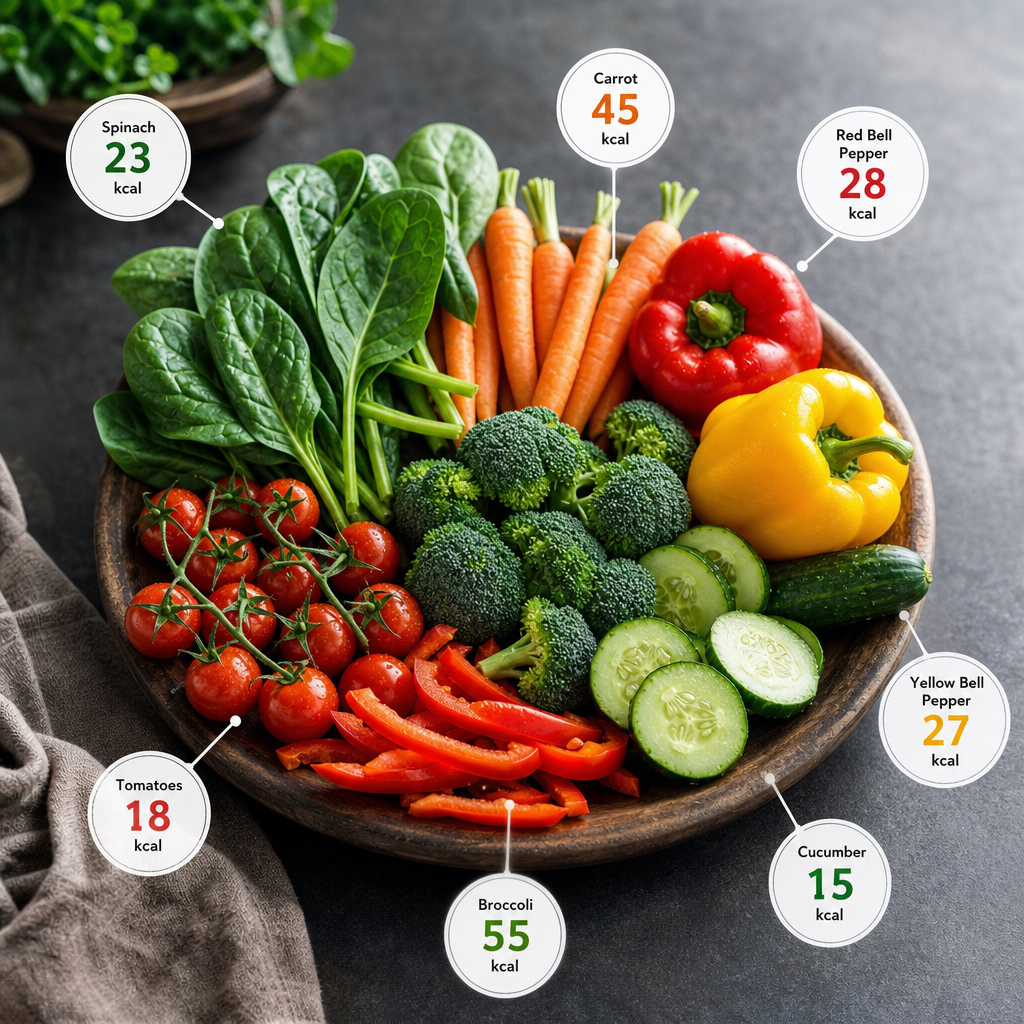 The Complete Vegetable Calorie Chart: Making Informed Dietary ChoicesExplore our complete vegetable calorie chart to make informed decisions for your diet, ensuring healthy calorie intake while enjoying a variety of vegetables.
 The Ultimate Weight Loss Vegetables List: Your Guide to Slimming SuccessDiscover the top weight loss vegetables list that can support your dieting journey with delicious, low-calorie options perfect for meals and snacks.
 How Many Calories Are in Oatmeal? A Comprehensive GuideUncover the calories in oatmeal, from plain oats to popular toppings, and learn to customize your breakfast for optimal health.
 How to Calculate Meal Calories in 5 SecondsMaster quick calorie calculation techniques to keep your meals healthy and on track, especially for busy lifestyles.
 Discovering Free Online Calorie Counter by Photo ToolsExplore the best free online calorie counter by photo tools for effective meal tracking without breaking the bank. Perfect for budget-conscious users!
 How Many Calories Are in an Americano? A Deep Dive into Your Favorite BrewDiscover the calorie content in an Americano and how it fits into a calorie-conscious diet. Explore variations, preparation methods, and health considerations.
 How Many Calories Are in an Egg? A Comprehensive GuideExplore the caloric content of eggs, different cooking methods, and how they fit into a healthy diet while tracking your nutrition goals.
 How Many Calories Are in French Fries? A Portion-by-Portion BreakdownFrench fries can range from a light side dish to a calorie-heavy snack depending on portion size, cooking method, and toppings. Here’s a practical breakdown of calories in french fries.
 AI vs Manual Calorie Counting: Which Method Fits Your Goals?Compare AI calorie trackers and manual calorie counting for weight loss, muscle gain, and everyday nutrition tracking. See the pros, cons, and real-world use cases.
 How Many Calories Are in Pilaf? A Practical Guide to Calories in PilafPilaf can be a light rice side dish or a rich one-pot meal, depending on the grains, oils, and meats used. Here’s how to estimate calories in pilaf with real serving examples.
 Dehydration Loss of Appetite: How Not Drinking Enough Can Mute Hunger SignalsDehydration loss of appetite is more common than many people realize. Learn how fluid balance affects hunger, digestion, and practical ways to tell thirst from true appetite.
 How Many Calories Are in an Avocado?Wondering about calories in avocado? This guide breaks down serving sizes, nutrition facts, health benefits, and easy ways to fit avocado into weight-conscious meals.
 How Many Calories Are in Chocolate? A Practical Guide to Dark, Milk, and White ChocolateWondering how many calories are in chocolate? This guide breaks down calories in chocolate by type, serving size, and cocoa content so you can enjoy it without guessing.
 How Many Calories Are in Cheese? A Practical Guide for Cheese LoversWondering how many calories are in cheese? This guide breaks down calories in cheese by type, serving size, and fat content so you can choose smarter portions without giving up flavor.
 How Many Calories Are in a Burger? A Practical Guide to calories in burger CountsBurger calories can swing wildly depending on patty size, cheese, sauces, and bun choice. Learn the typical calories in burger meals and how to estimate them fast.
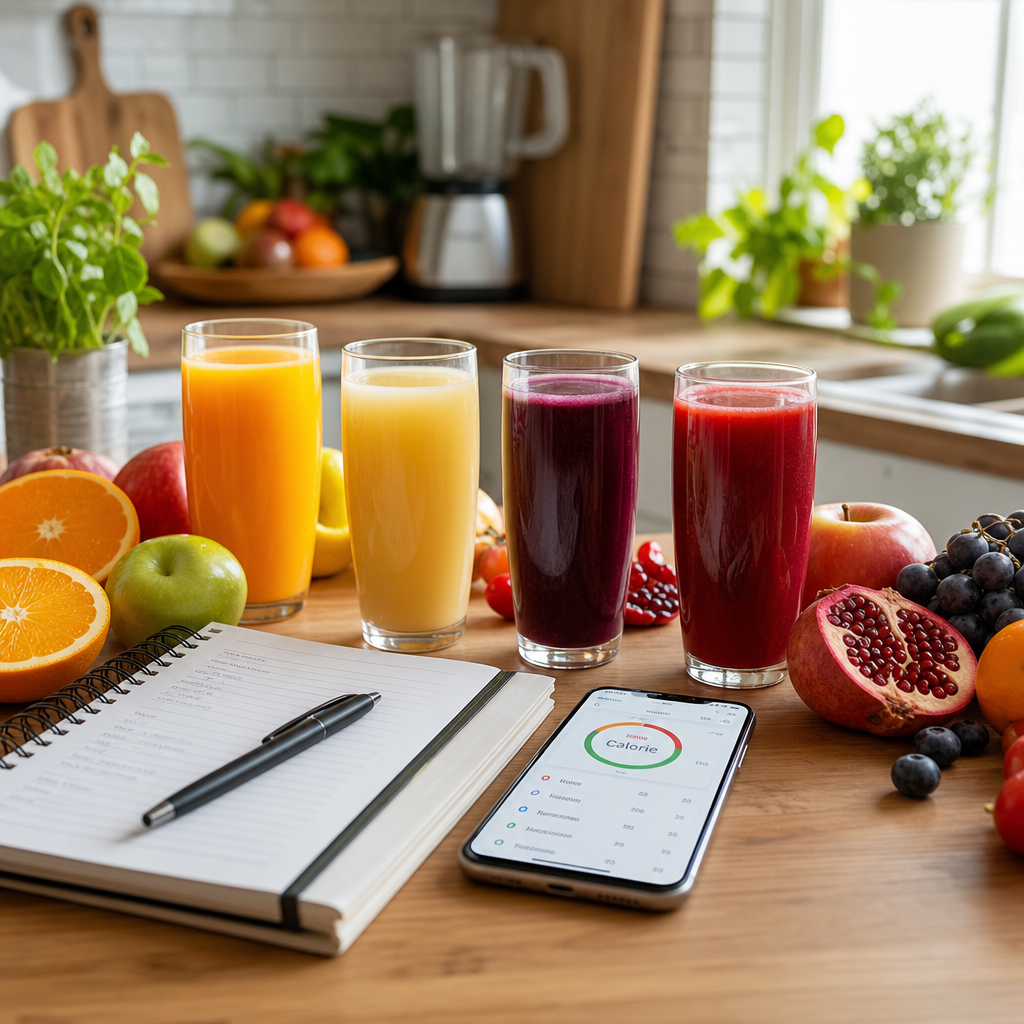 How Many Calories Are in Juice? A Practical Guide to Calories in JuiceJuice can look healthy, but the calorie count changes fast depending on the fruit, serving size, and whether sugar has been added. Here’s how to compare popular juices and make smarter choices.
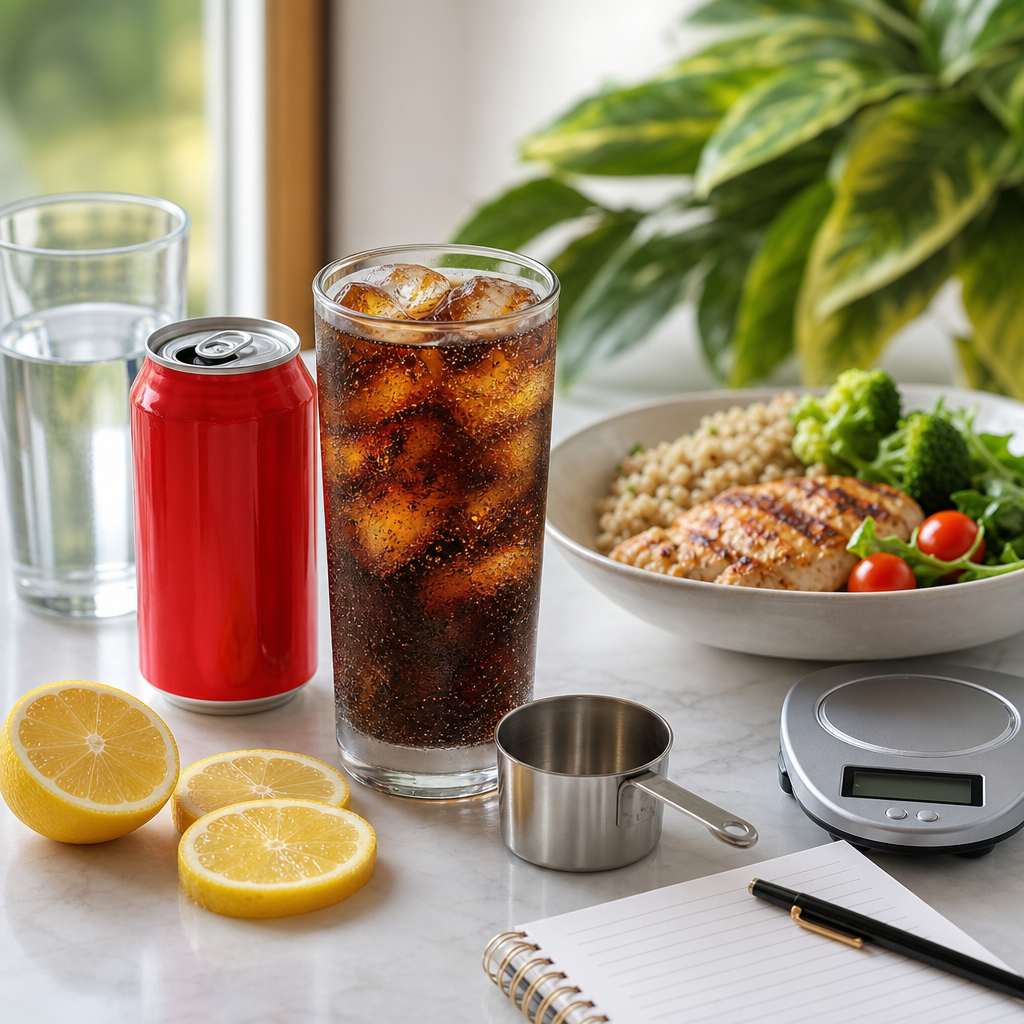 How Many Calories Are in Coca-Cola? A Practical Guide to Calories in Coca-ColaCoca-Cola’s calorie count is easy to underestimate, especially when portions get larger. Here’s a clear breakdown of calories in Coca-Cola, plus sugar, serving sizes, and better ways to fit soda into your day.
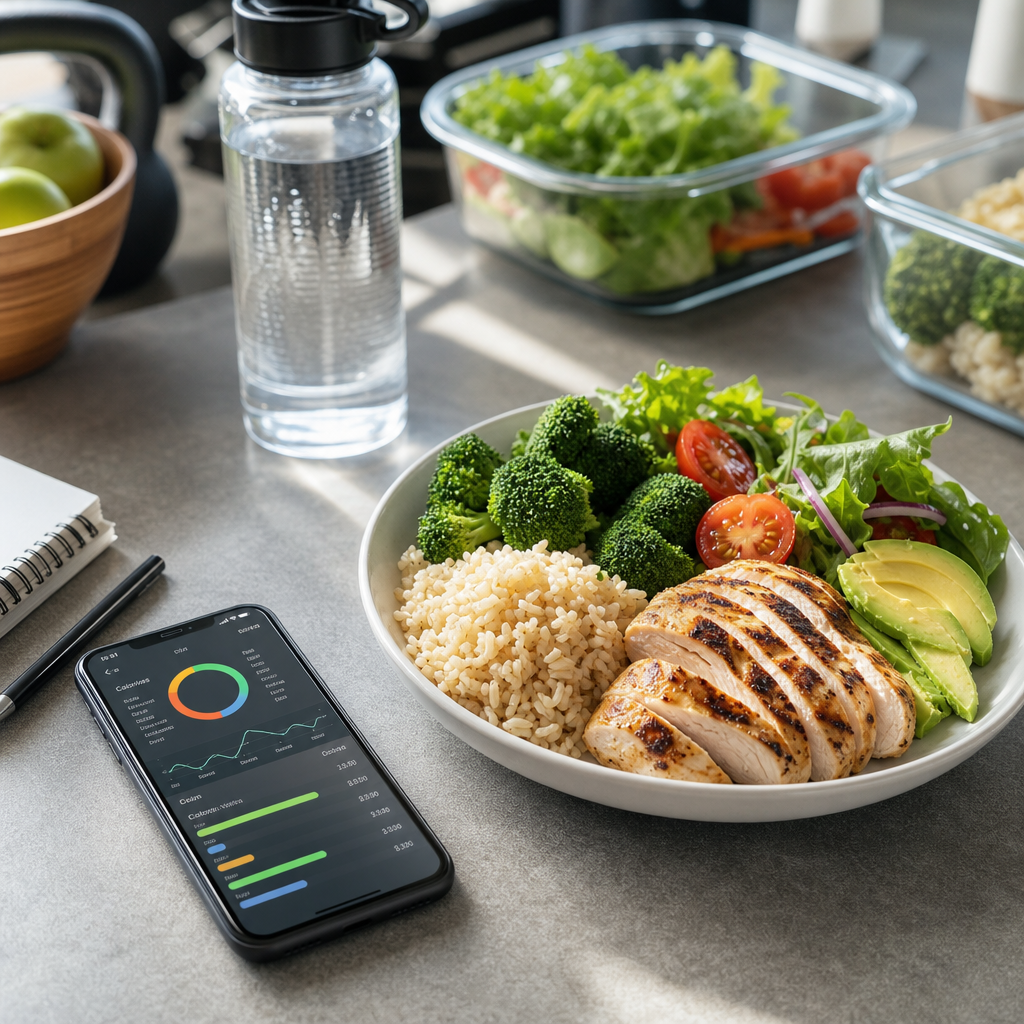 Cal AI Free vs Premium: Which Version Fits Your Budget and Goals?A clear breakdown of Cal AI free vs premium, including features, limits, and real-life use cases so you can decide if the upgrade is worth it.