How to Choose Healthier Foods Using Labels
Unlock the secrets of food labels with effective strategies to make healthier food choices and improve your nutrition.

Understanding Nutrition Facts Labels
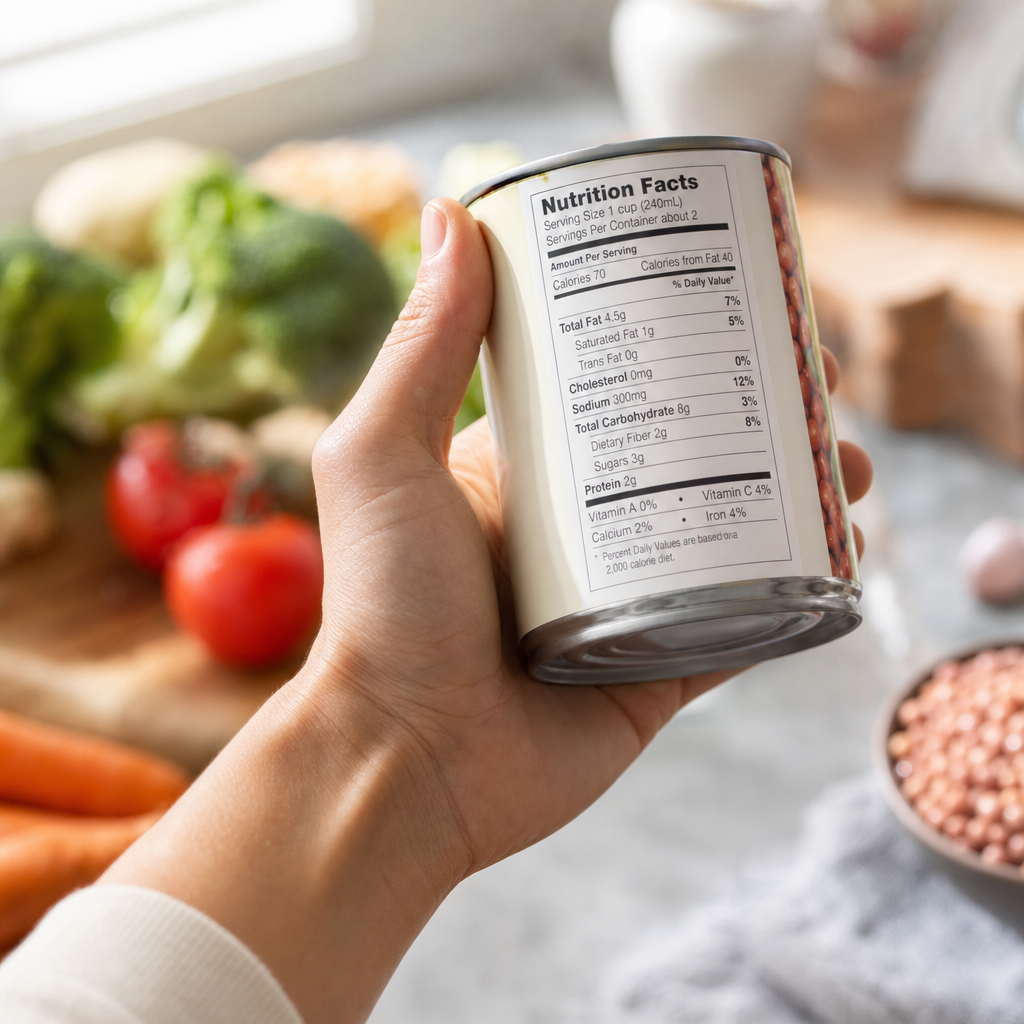
Nutrition Facts labels are essential for anyone aiming to make informed food choices. These labels provide critical information such as serving size, calories, vitamins, and minerals. For instance, a cereal box might indicate that one serving contains 150 calories, along with 3 grams of fiber and 10% of daily calcium needs. Understanding how to interpret these figures is crucial for choosing healthier foods. Always pay attention to the serving size to avoid consuming more calories than you intended.
Look for foods that provide a high nutritional value relative to their calorie content. Foods rich in vitamins, minerals, and fiber can help you feel satiated without exceeding your daily caloric limit. For example, a serving of spinach contains about 7 calories but delivers a significant amount of Vitamin A and iron. Recognizing these details from labels can guide you toward better food options.
Deciphering Ingredient Lists
Ingredients lists are equally important as Nutrition Facts. They are listed in descending order by weight, meaning that the first few ingredients make up the majority of the product. If a product lists sugar, corn syrup, or hydrogenated oils as the main ingredients, it’s generally a good idea to avoid it. For healthier choices, aim for products where whole foods—like whole grains, nuts, and vegetables—are the first ingredients.
As you read through the ingredient list, keep an eye out for additives and preservatives. Although not all additives are harmful, many processed foods contain unnecessary chemicals that can cause long-term health issues. Opting for products with shorter ingredient lists made from recognizable components can help ensure you are choosing healthier foods.
Comparing Labels: Serving Size vs. Portion Size
Understanding the difference between serving size and portion size is essential in making healthier choices. The serving size on the label is often smaller than what people typically consume. For example, if a bag of chips indicates a serving size of 1 ounce (about 15 chips) containing 150 calories, but you eat three ounces, you're consuming 450 calories instead. This discrepancy can lead to unnecessary calorie intake.
When choosing between products, compare serving sizes directly to gauge how many calories, fats, and sugars you’d actually consume. Sometimes, buying a single-serve pack can help control portions, allowing you to enjoy your favorite snacks while still practicing moderation.
Spotting Nutrient Claims: What Do They Mean?
Health claims found on packaging, such as 'low-fat,' 'high-fiber,' or 'heart-healthy,' can sometimes be misleading. Just because a product claims to be low in one aspect doesn't mean it's healthy overall. For example, a product may be low in fat but contain high sugar levels, which can negate its intended health benefits.
To ensure you’re truly making healthier choices, look for whole foods or items with high amounts of specific nutrients. For instance, a label that says 'high in fiber' should be coupled with a high fiber content on the Nutrition Facts label. Pay attention and do not fall solely for marketing jargon.
Navigating Added Sugars and Fats
Added sugars and unhealthy fats are significant contributors to weight gain and various health issues. When scanning food labels, familiarizing yourself with how to identify these components is vital in choosing healthier foods. The American Heart Association recommends limiting added sugars to no more than 6% of your daily caloric intake, approximately 100 calories for women and 150 for men.
Check for added sugars in ingredient lists, which can appear under many names, including sucrose, fructose, and corn syrup. Aim for food products that have no added sugars or use natural sweeteners, like honey or maple syrup, in moderation. Additionally, fats labeled as trans fats should be avoided due to their negative health implications. Opt for foods with unsaturated fats, such as avocados or olive oil, that promote heart health.
Creating a Healthy Grocery List
Having a clear grocery list can streamline the process of choosing healthier foods. Plan your meals for the week and list the ingredients based on your meal prep. This makes it easier to stick to whole foods and fresh produce, as opposed to impulsively purchasing processed items. Include foods from each category of the food pyramid: fruits, vegetables, lean proteins, and whole grains.
Incorporate variety into your grocery list to ensure you receive all necessary nutrients. Aiming for a colorful array of fruits and vegetables not only boosts nutritional value but also keeps meals appealing. For example, if your list includes kale, tomatoes, carrots, and blueberries, you’re ensuring you intake a diverse range of essential vitamins and minerals.
Grocery Store Strategies for Healthier Choices
Beyond labels, your strategy in the grocery store greatly influences your ability to choose healthy foods. Start your shopping in the produce section, where fresh fruits and vegetables are typically more abundant. This will not only decrease temptation from junk food but also ensure that you stock up on nutritious options.
Additionally, don't shop when you're hungry! This common mistake can lead to impulsive, unhealthy food choices. Instead, shopping with a list after a filling meal can help keep you focused on your health goals. If you do feel tempted by unhealthy options, always revert back to those food labels to assess nutritional content.
Frequently Asked Questions
What should I look for on a food label to choose healthier foods?
Focus on the serving size, calories, ingredient list, and the amounts of added sugars and unhealthy fats. Products with whole foods as their first ingredients are usually healthier.
How can I identify added sugars in food products?
Added sugars can appear under many names, such as sucrose, corn syrup, and fructose. Always check the ingredient list for these terms to avoid unnecessary sugar intake.
Are health claims on packaging reliable?
Health claims can be misleading. Always verify claims by reading the Nutrition Facts label and ingredient list to assess overall healthiness.
What are the recommended limits for added sugars?
The American Heart Association recommends limiting added sugars to no more than 6% of your daily caloric intake, which is approximately 100 calories for women and 150 for men.
How can I make my grocery shopping healthier?
Plan your meals, create a grocery list focused on whole foods, shop the perimeter of the store where fresh produce is typically found, and avoid shopping when hungry.
Discover how Cal AI can make your nutrition tracking even easier! Take a photo of your food to instantly estimate calories, view protein, carbs, and fat, analyze meals, and track your nutrition goals effortlessly.
Share this article
Cal AI
Track meals faster with Cal AI
Scan food, estimate calories, and keep your nutrition log moving without typing every ingredient.
Author
Cal AI Editorial Team
Practical guides on nutrition, calorie tracking, meal planning, and building healthier habits with Cal AI.
Editorial policyFrequently asked questions
What should I look for on a food label to choose healthier foods?
Focus on the serving size, calories, ingredient list, and the amounts of added sugars and unhealthy fats. Products with whole foods as their first ingredients are usually healthier.
How can I identify added sugars in food products?
Added sugars can appear under many names, such as sucrose, corn syrup, and fructose. Always check the ingredient list for these terms to avoid unnecessary sugar intake.
Are health claims on packaging reliable?
Health claims can be misleading. Always verify claims by reading the Nutrition Facts label and ingredient list to assess overall healthiness.
What are the recommended limits for added sugars?
The American Heart Association recommends limiting added sugars to no more than 6% of your daily caloric intake, which is approximately 100 calories for women and 150 for men.
How can I make my grocery shopping healthier?
Plan your meals, create a grocery list focused on whole foods, shop the perimeter of the store where fresh produce is typically found, and avoid shopping when hungry.
Related articles
 Signs of Dehydration You Should KnowLearn to recognize the key signs of dehydration to maintain optimal health and prevent hunger-related issues.
 What Is a Smart Calorie Tracker?Explore the world of smart calorie trackers, options available, and how they can enhance your nutrition tracking and wellness journey.
 What Are Macros? A Beginner's Guide to Understanding MacronutrientsDive into the world of macronutrients. Learn about carbs, proteins, and fats and how they contribute to a balanced diet.
 How to Read Food Labels: Your Ultimate Guide to Making Informed ChoicesLearn how to effectively read food labels to make informed dietary choices and enhance your health with our comprehensive guide.
 How to Cook Meals for the Entire Week: A Comprehensive GuideStreamline your cooking process with these effective tips and strategies for preparing meals for the entire week.
 Mastering Meal Prep for Effective Calorie TrackingDiscover how meal prep can streamline your calorie tracking journey while delivering delicious, nutritious meals.
 How AI Food Recognition Works: Transforming Food Photos into Actionable InsightsExplore the mechanics of AI food recognition and how it turns food images into nutritional data for better health management.
 Unlocking Your Weight Loss Journey with AI Calorie TrackersDiscover how AI calorie trackers can significantly aid your weight loss journey through personalized insights and real-time analysis.
 How AI Automatically Tracks Calories: A Game Changer for Busy LifestylesDiscover how AI-driven technologies simplify calorie tracking, making healthy eating easier for busy individuals.
 AI Calorie Tracker for Muscle Gain: Maximizing Your Gains with PrecisionDiscover how AI calorie trackers can revolutionize your muscle gain journey by ensuring accurate caloric surplus tracking.
 Best AI Nutrition Apps: Transform Your Dietary HabitsExplore the top AI-powered nutrition apps designed to enhance your dietary choices, making it easier than ever to achieve your health goals.
 How to Count Calories From a Food Photo: A Step-by-Step GuideDiscover how to accurately count calories using food photos with modern mobile apps and technology for your dieting journey. Learn more now!
 Can You Lose Weight With an AI Calorie Tracker?Explore how AI calorie trackers can enhance your weight loss journey by providing precise data, personalized insights, and meal tracking features.
 Utilizing an AI Food Scanner for Effective Weight LossExplore how an AI food scanner can revolutionize your weight loss journey by efficiently tracking caloric intake and nutritional content.
 The Ultimate Weekly Meal Prep Guide for Busy Professionals and FamiliesTransform your weekly meal prep with this comprehensive guide. Save time, eat healthier, and enjoy delicious prepared meals all week long.
 How Many Calories Are in Ice Cream?Discover the calories in various ice cream flavors and explore healthier alternatives that satisfy your sweet tooth without sacrificing your diet.
 Common Food Label Reading Mistakes to Avoid for Better Dietary ChoicesLearn how to decode food labels with confidence by avoiding these common mistakes. Make healthier choices with the right information.
 Batch Cooking for Weight Loss: A Smart Strategy to Manage PortionsDiscover how batch cooking can streamline your meal prep, help manage portions, and support your weight loss journey effectively.
 Can AI Identify Ingredients From a Photo? An In-Depth LookDiscover how AI technology accurately identifies food ingredients from images, transforming cooking and nutrition analysis for enthusiasts and professionals alike.
 How Many Calories Are in a Tomato? A Comprehensive BreakdownDiscover the calorie content of tomatoes, their nutritional benefits, and how to incorporate them into your diet for optimal health.
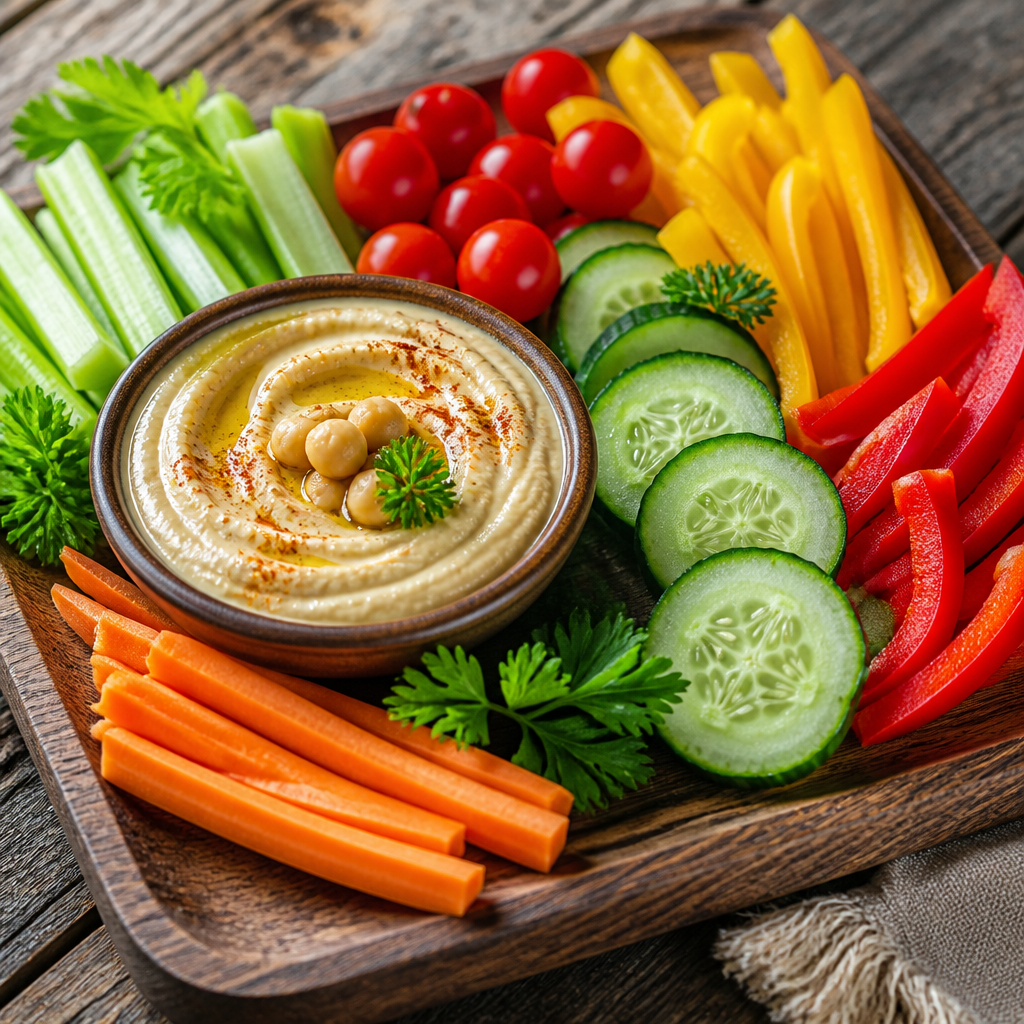 Crunching Numbers: The Best Low-Calorie Vegetables for SnackingExplore a variety of nutritious, low-calorie vegetables perfect for satisfying snacks while keeping your health goals in check.
 Why Hydration Matters in a Calorie DeficitDiscover the crucial role hydration plays in your weight loss journey, especially when operating in a calorie deficit.
 How to Calculate Macros for Muscle GainLearn effective strategies for calculating your macronutrients to support muscle growth and achieve your fitness goals.
 How Many Calories Are in a Pear?Explore the nutritional breakdown and health benefits of pears, an underrated fruit full of flavor and low in calories.
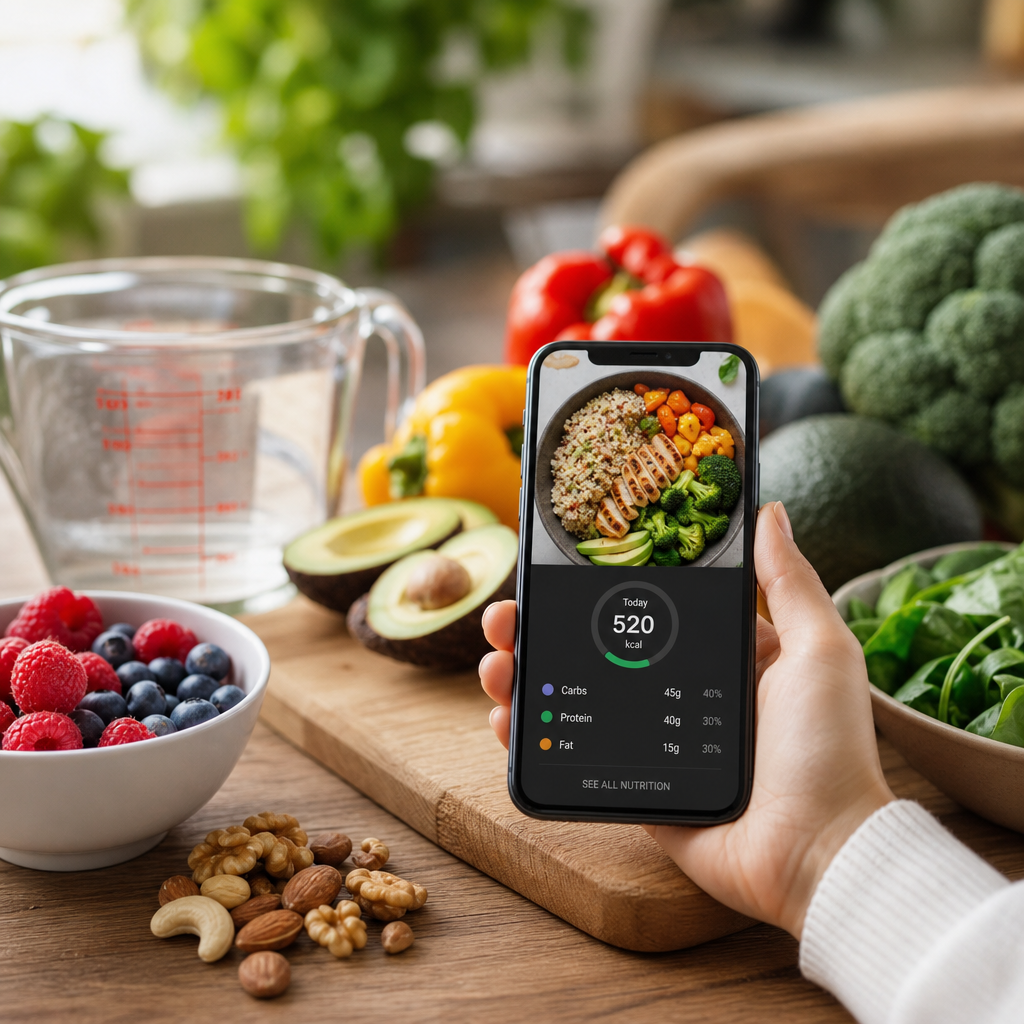 Discover the Best AI Calorie Tracker Apps for Your DietExplore the top AI-powered calorie tracker apps that can help you manage your diet and reach your health goals effectively.
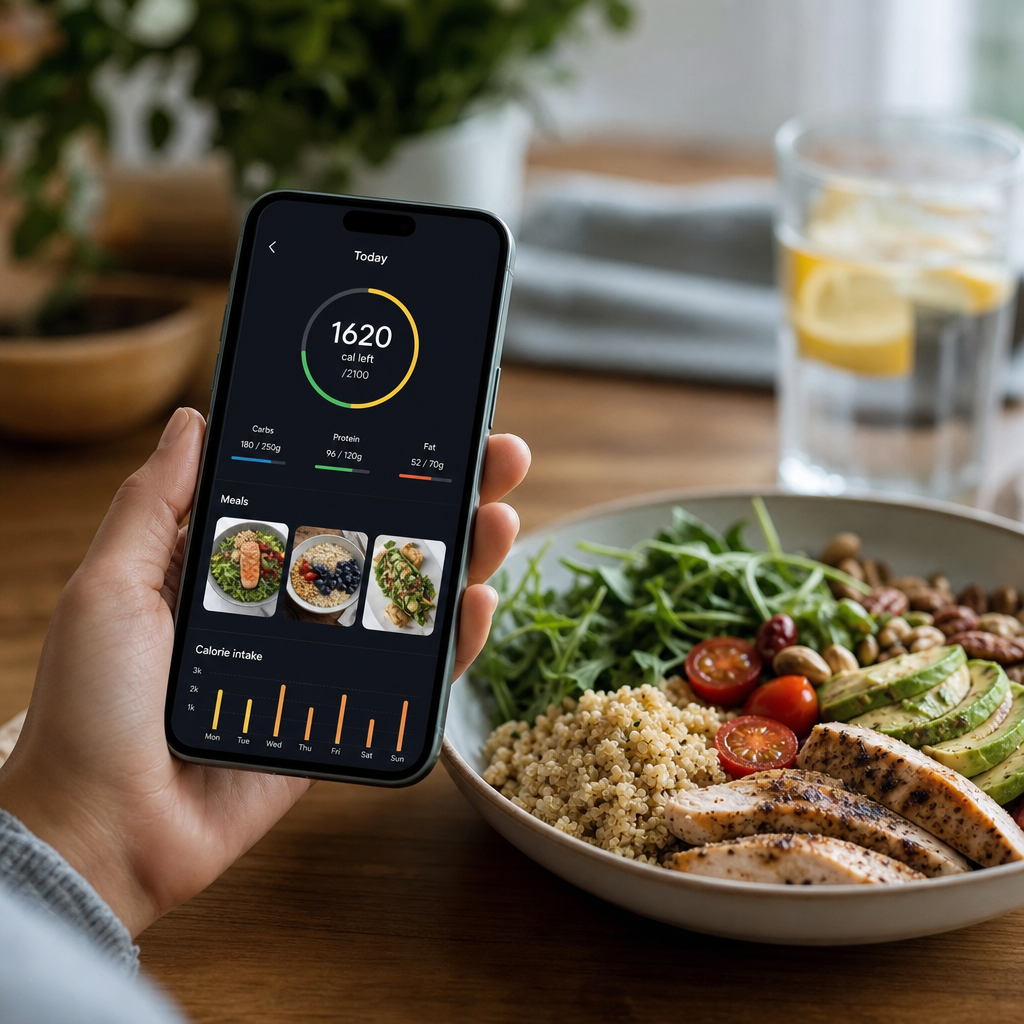 AI Calorie Counter: Comprehensive Review of the Top AppsDiscover our in-depth review of popular AI calorie counter apps, evaluating their features, usability, and effectiveness to help you track your nutrition effortlessly.
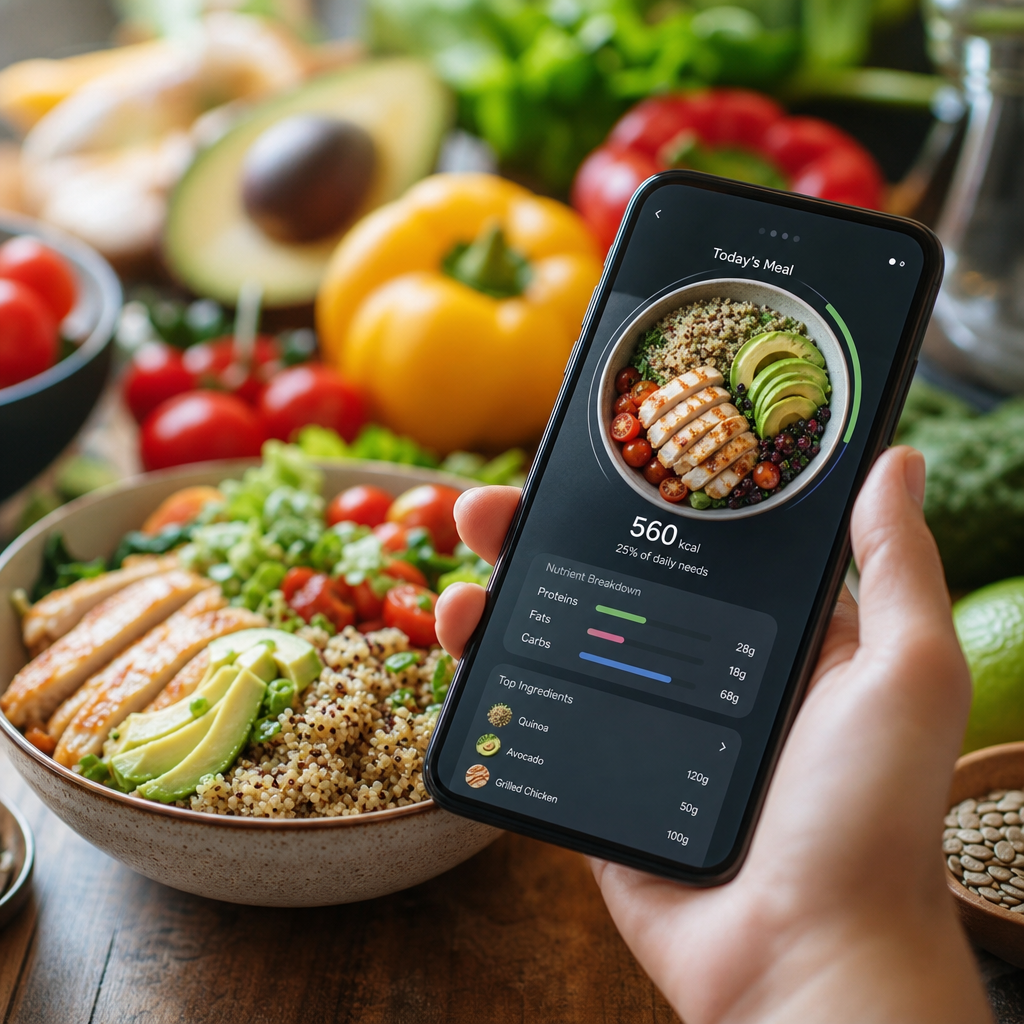 How AI Calorie Counting Works: Unpacking the Technology Behind the AlgorithmDiscover how AI calorie counting apps utilize advanced technology to help you track nutrition and achieve your fitness goals.
 How Much Water Should You Drink for Weight Loss?Learn the optimal water intake for weight loss, its benefits, and practical tips to stay hydrated in your weight loss journey.
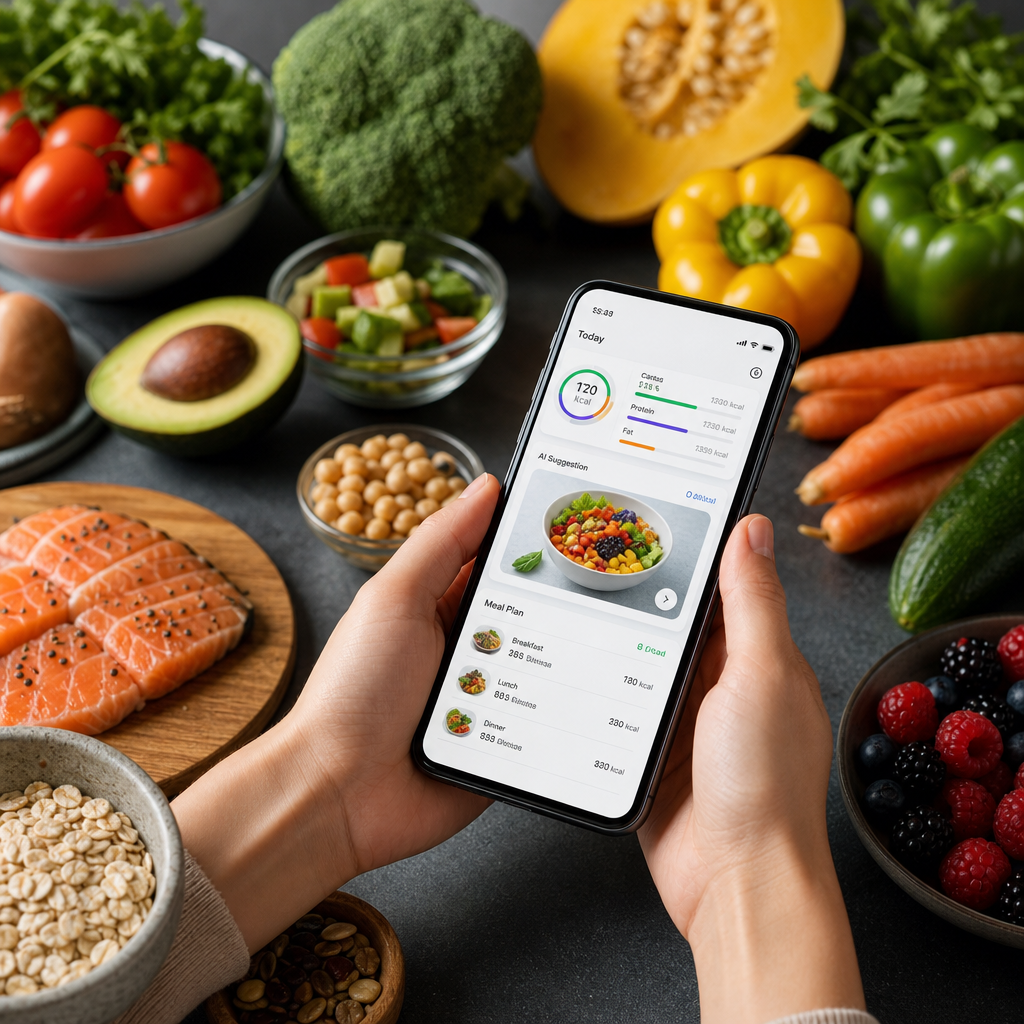 The Future of AI Nutrition Apps: Innovations in Dietary ManagementExplore how AI nutrition apps are transforming dietary management with personalized insights, meal planning, and automated tracking.
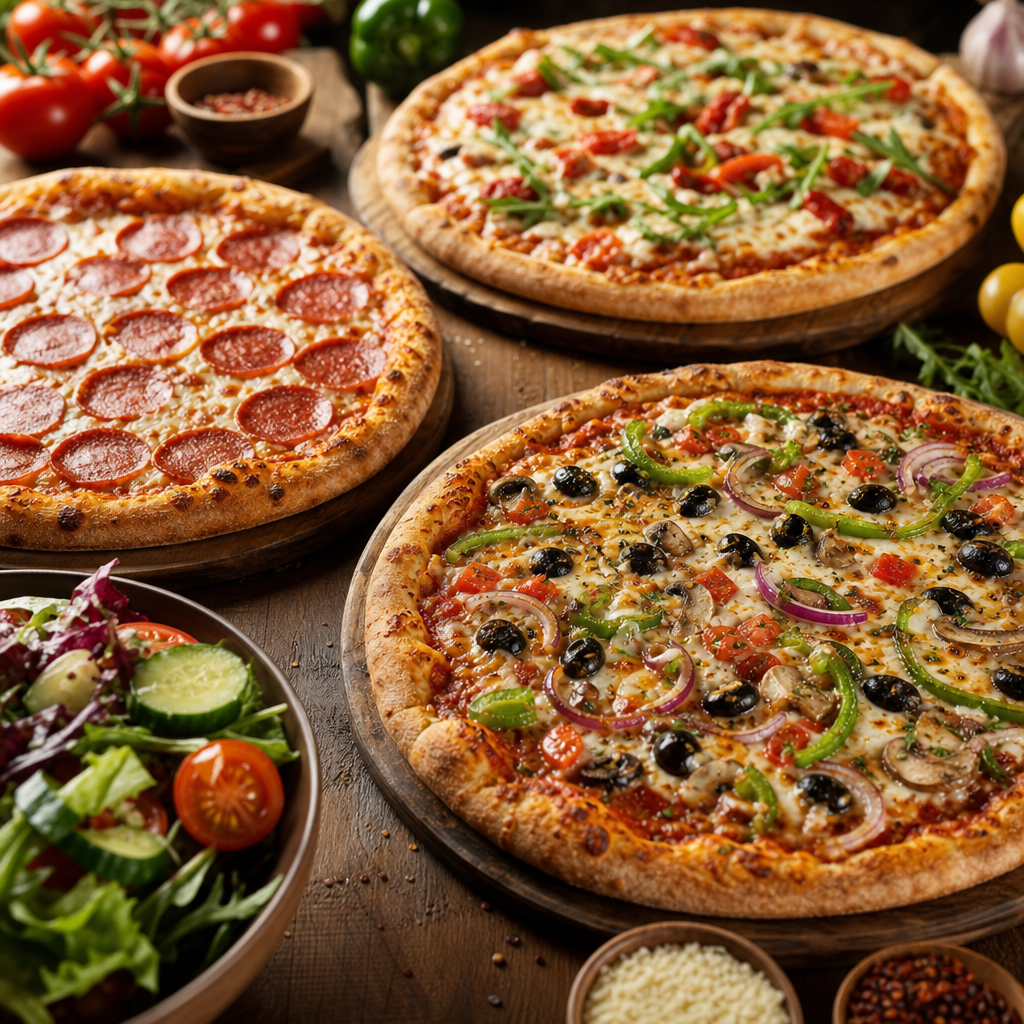 How Many Calories Are in Pizza? A Comprehensive GuideDiscover the calorie counts for different pizza types and toppings. Make informed choices while enjoying your favorite slice!