Smart Meal Planning for Busy Professionals: Maximize Your Time and Nutrition
Updated Oct 22, 20263 min read8 views
In our fast-paced world, busy professionals often find themselves juggling tight schedules, deadlines, and commitments. Amidst this chaos, one critical aspect frequently suffers – nutrition. With a little planning and strategy, however, healthy eating doesn’t have to take a back seat. Here’s how to master meal planning, even with the busiest of lifestyles.
Understand Your Nutritional Needs
Before diving into meal planning, it’s essential to understand your nutritional needs. The average adult might require around 2000 to 2500 calories per day, depending on factors like activity level, age, and gender. For busy professionals looking to either maintain weight or lose a few pounds, tracking macronutrients—proteins, fats, and carbohydrates—is vital. The general recommendation is a balanced plate with 40% carbs, 30% protein, and 30% fats.
Quick Meal Planning Steps
Assess Your Week: Spend a few moments at the start of the week determining when you’ll be free to prepare or eat meals. If you have late meetings or events, note these times.
Create a Master Grocery List: Based on your nutritional goals, create a list of staple foods you need. Think lean proteins (like chicken breast, beans), whole grains (like quinoa, brown rice), and plenty of fruits and vegetables.
Choose Simple Recipes: Look for recipes that can be prepared in less than 30 minutes or can be made in bulk. For instance, a quinoa salad with chickpeas, diced cucumbers, cherry tomatoes, and a lemon-tahini dressing can be prepared quickly and stored for up to three days.
Sample Meal Ideas
- Breakfast: Overnight oats topped with berries and nuts. Packed with fibers and proteins, they can be made in advance and taken on the go.
- Lunch: Grilled chicken wraps with greens and hummus. Easy to prepare the night before and delicious cold.
- Dinner: Stir-fried vegetables and shrimp over brown rice. This can be made in under 15 minutes!
Efficient Prep Tips
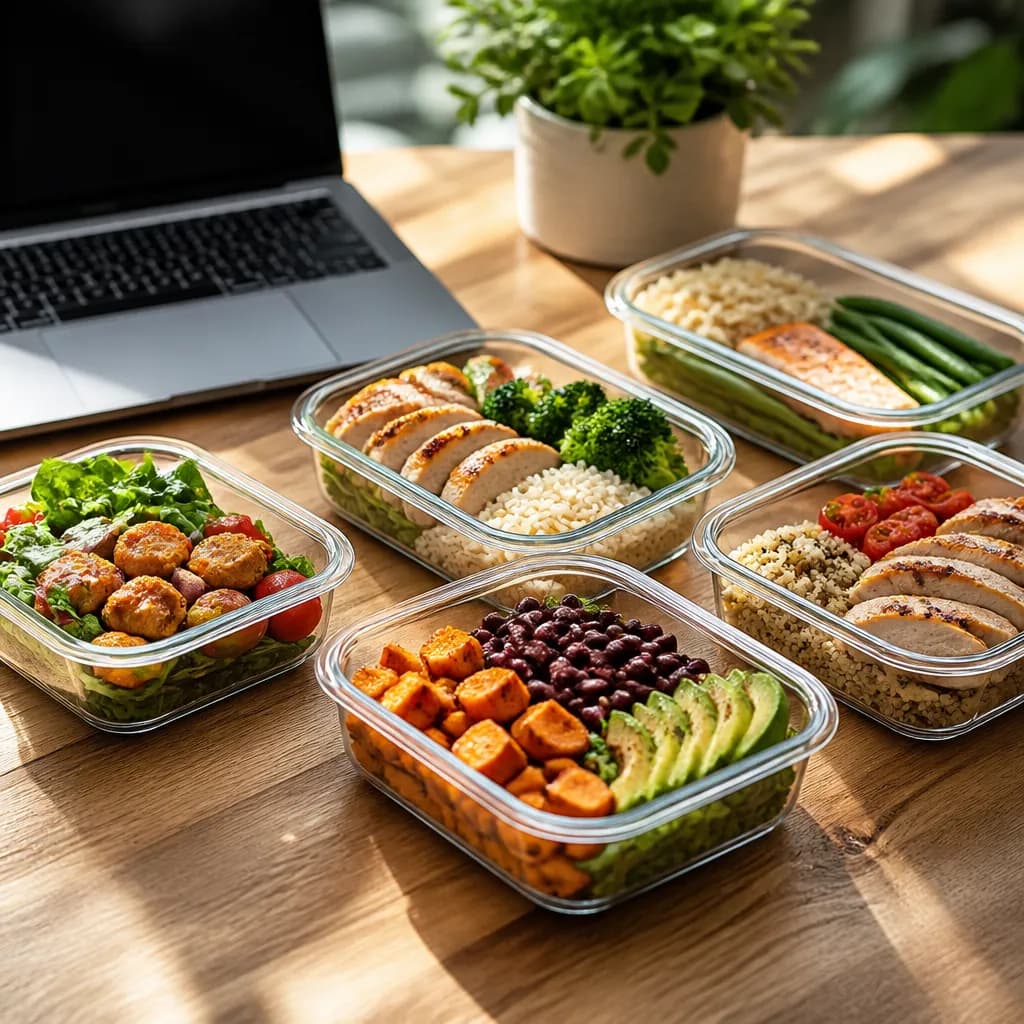
Batch Cooking: Dedicate a few hours once a week to cook staples (grains, proteins, veggies) ahead of time. This will save you countless minutes and reduce the temptation to grab unhealthy options.
Use Versatile Ingredients: Incorporate ingredients that can serve multiple roles—like spinach, which can go in smoothies, salads, or as a cooked side.
Invest in Good Containers: Having a range of containers can make all the difference in keeping meals fresh and organized. Clear glass containers help you see what's inside and can be used in the microwave for reheating.
Avoiding Common Pitfalls
Despite your best intentions, it's easy to slip into unhealthy habits. Here are some common meal planning mistakes to avoid:
- Overcomplicating Recipes: Stick to simple meals that don’t require advanced cooking skills.
- Not Being Flexible: Life happens—if you don’t feel like eating a particular meal, have a backup option ready.
- Ignoring Snack Planning: Snacks are crucial for maintaining energy levels. Plan for healthy snacks like nuts, Greek yogurt, or sliced veggies.
Conclusion
Meal planning may seem daunting initially, but with practice, it can transform your approach to eating. Not only will it save you time and stress, but it will also empower you to make healthier choices more consistently.
Call to Action
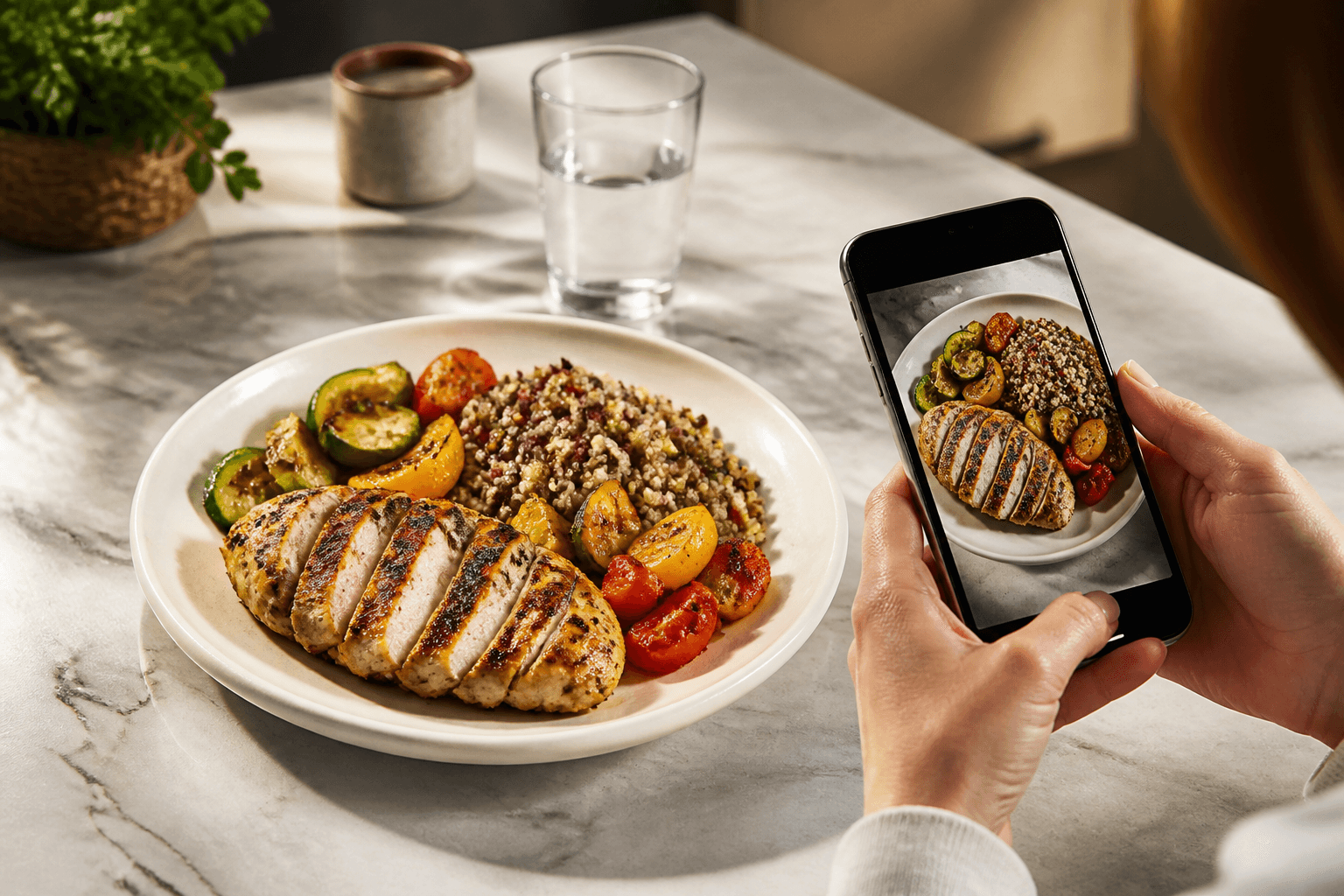
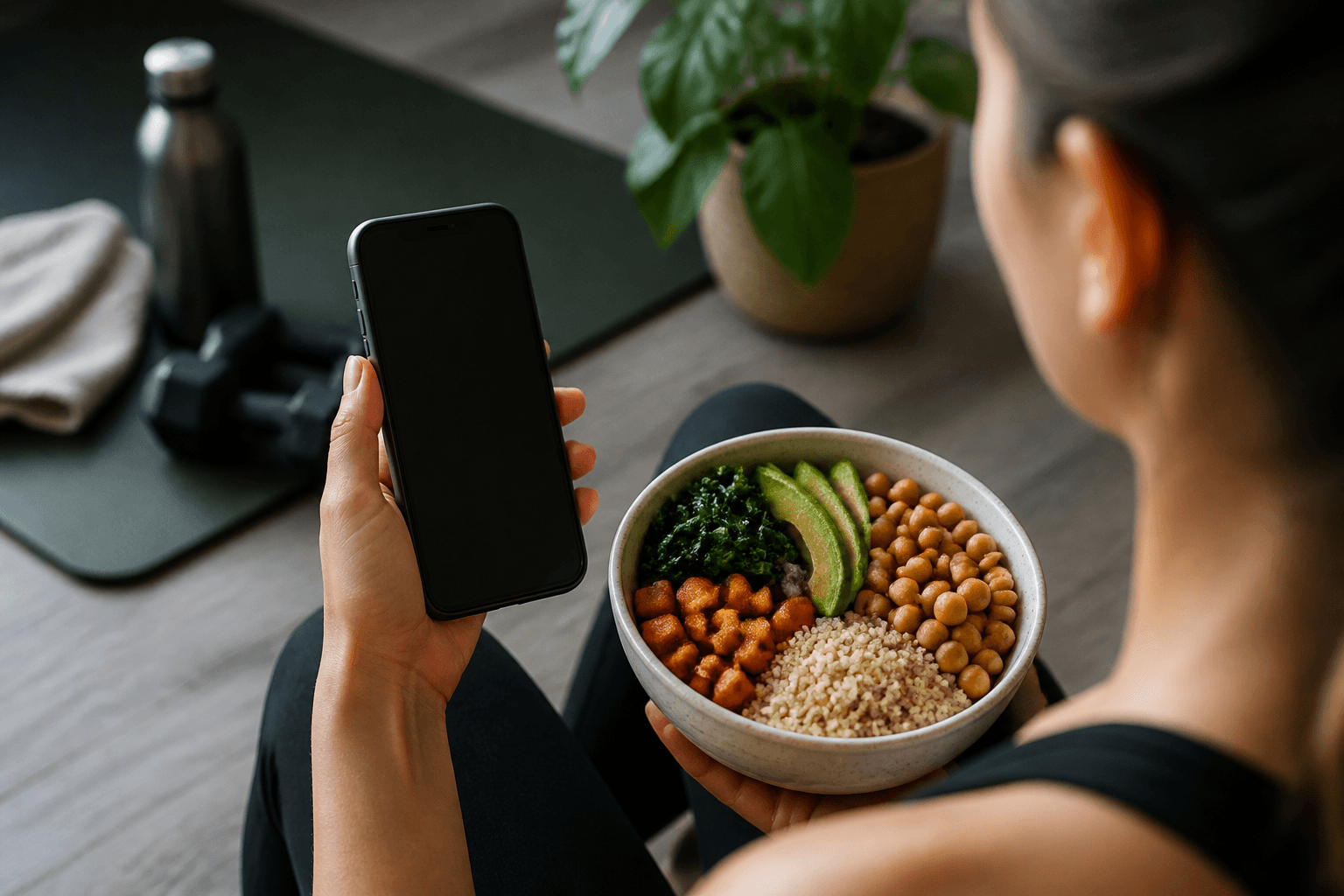
Ready to take your meal planning to the next level? Try our application where you can upload photos of your meals. Our AI will analyze the dish, give you a breakdown of calories, macronutrients, and help you stay on track with your nutritional goals!
Cal AI Editorial Team
Practical guides on nutrition, calorie tracking, meal planning, and building healthier habits with Cal AI.
Editorial policyRelated articles
- Cal AI
The scan got the dish wrong: how to fix grams and calories in Cal AI in 20 seconds
Fix a wrong Cal AI scan by choosing the closest recognition variant, correcting grams, and editing calories when the portion still looks off.
Oct 26, 20266 min read
- french fries
Calories in French Fries: Small, Medium and Large Portions
French fries are 312 kcal per 100 g, and a standard 117 g serving is 365 kcal. Use grams, not size names, when the portion looks unclear.
Oct 23, 20266 min read
- Cal AI
How to Cancel Cal AI Subscription on iPhone and Android
Cancel Cal AI through Apple or Google Play, not inside the app. Follow the exact menu paths and see what cancellation means for history and scans.
Oct 20, 20265 min read1 views
- chicken breast
Calories in Chicken Breast: 100 g, One Breast, Grilled vs Fried
Chicken breast has 165 kcal per 100 g cooked. See one-breast calories, grilled and fried adjustments, and how to log it accurately.
Oct 17, 20266 min read1 views
- rice
White Rice vs Brown Rice: Calories, Protein, and Which to Pick
Brown rice is slightly lower in calories than white rice, but the gap is small. Compare cooked portions, macros, and which one fits your goal at meals.
Oct 14, 20266 min read2 views
- calorie calculator
How many calories do you need a day? Mifflin-St Jeor with worked examples
Use Mifflin-St Jeor to estimate daily calories from weight, height, age, and activity, with worked examples and portion checks.
Oct 11, 20268 min read