Calories vs Macros: What Matters More in Your Diet?
Discover the crucial differences between calories and macros in dieting. Understand which plays a more significant role in your weight loss success.
Understanding Calories: The Foundation of Weight Management
At first glance, calories are the most straightforward concept in dieting: a measure of energy provided by food. To lose weight, you need to consume fewer calories than your body expends—this is known as a caloric deficit. For example, if you burn 2,500 calories a day but only consume 2,000, you're on the right track for weight reduction.
However, it’s not just about cutting calories. Quality matters. For instance, 1,000 calories from fast food can lead to poorer health outcomes than 1,000 calories from whole foods filled with nutrients. This brings us to the essential balance of calories and nutrient quality.
Macros Explained: The Role of Proteins, Carbs, and Fats
Macronutrients, or macros, refer to the three primary components of our food: proteins, carbohydrates, and fats. Each plays a crucial role in bodily functions. For example, protein helps build and repair tissues, while carbohydrates are the body's primary energy source, and fats support hormone production and nutrient absorption.
The debate surrounding macros emphasizes not just how many calories you consume but what type of calories. For instance, many advocates suggest a balanced distribution of 40% carbs, 30% protein, and 30% fats for optimal health and weight management. This highlights how managing macros can offer more nuanced control of your diet than just calorie counting.
The Caloric Deficit vs. Macro Balance: Which is Better?
When considering calories vs macros, a common question arises: does one matter more than the other? The answer is multifaceted. For someone starting their diet, creating a caloric deficit might be more critical. However, once you’ve established the habit of tracking your intake, shifting focus to macros can pave the way for better body composition and energy management.
For instance, a diet high in protein can help preserve muscle mass while losing weight. This is particularly important, as muscle burns more calories at rest compared to fat. In contrast, a diet purely focusing on calorie restriction may lead to muscle loss, making it harder to maintain long-term weight loss.
Real-Life Scenario: What Does This Look Like in Practice?
Let’s take two hypothetical dieters: Amy focuses solely on calories, while Ben tracks both calories and macros. Amy has a 1,500 calorie limit each day, often eating whatever fits her caloric target, leading to meals such as chips and soda. Despite meeting her calorie goal, she feels sluggish and lacks energy. Meanwhile, Ben applies similar calorie limits but ensures he consumes 40% of his daily intake from protein, 40% from carbs, and 20% from fats. Ben notices improved energy levels and muscle retention even as he loses weight.
This real-life comparison showcases that counting calories is important, but paying attention to macros can influence not only how you feel while dieting but also your long-term success in maintaining weight loss.
Adapting to Your Goals: Different Needs for Different Individuals
Frameworks like the ketogenic diet emphasize high fat and low carbohydrates, while bodybuilding diets often prioritize protein. Depending on your goals—whether weight loss, muscle gain, or simply improving overall health—addressing both calories and macros will vary.
For an athlete looking to bulk up, focusing on calorie surplus from healthy sources is crucial, while someone aiming to slim down might benefit from a moderate caloric deficit with an increased protein intake to help maintain muscle mass. Additionally, it's essential to take personal preferences and tolerances into account. Some may thrive with high carbs, while others may not respond as well.
Practical Tips for Balancing Calories and Macros
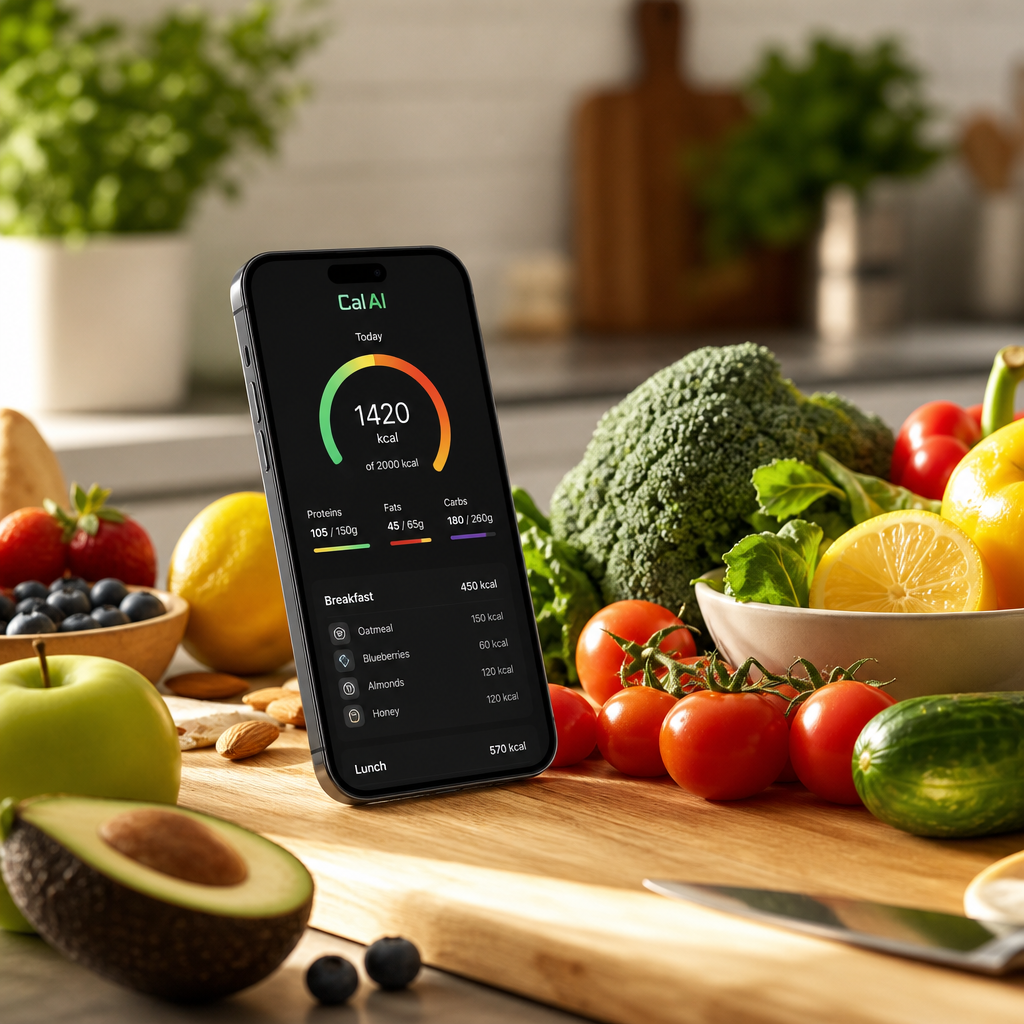
Start by tracking your food intake for at least a week to understand where you currently stand. Utilize nutrition apps to help you log meals, as many of them provide both caloric and macro breakdowns. Gradually adjust your intake based on results. If you're not seeing the weight loss you want, it may be time to reassess either your calorie limit or macro distribution.
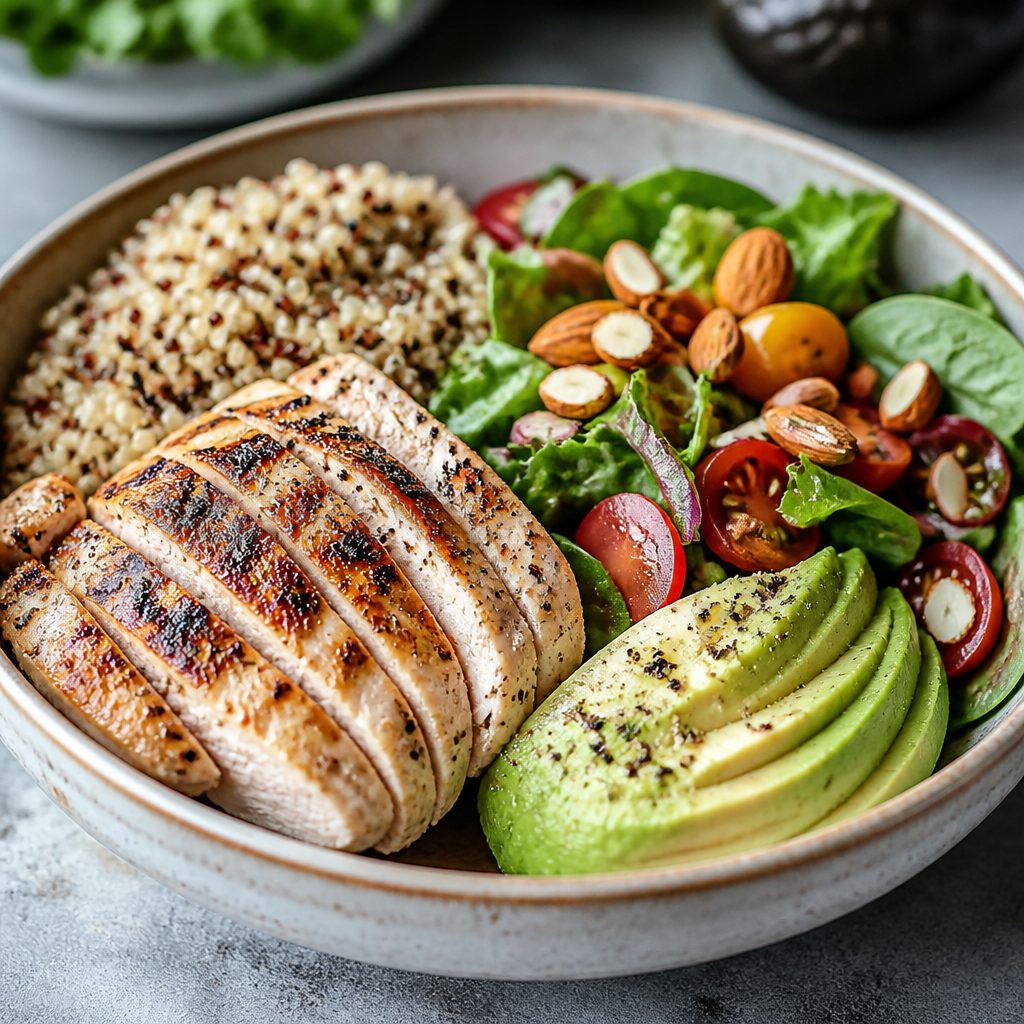
Creating meal plans that hit your macro targets is advantageous. For example, a balanced breakfast like a spinach omelet with avocado and whole grain toast can cover protein and healthy fats while providing essential nutrients. Planning helps maintain consistency—one of the key components of successful dieting.
Frequently Asked Questions
Which is more important, calories or macros?
Both are important. Calories determine your energy intake, while macros influence your nutritional quality and how your body functions while losing or gaining weight.
Can I lose weight just by counting calories?
Yes, you can lose weight by simply counting calories. However, a focus on macros can lead to better overall health, improved energy levels, and muscle retention.
How do I determine my ideal macro ratio?
You can start with a common ratio of 40% carbs, 30% protein, and 30% fats, then adjust based on your individual needs, goals, and preferences.
What happens if I only track macros?
If you only track macros without considering total calorie intake, you might struggle with weight management, as consuming too many calories—even if they come from 'healthy' sources—can lead to weight gain.
How can I easily track my calories and macros?
Using nutrition tracking apps like MyFitnessPal or a similar AI-powered calorie tracker helps you log meals, estimate calories, and break down macros easily.
Ready to simplify your nutrition tracking? With Cal AI, take a photo of your food and instantly estimate calories and macros. Track your nutrition goals more easily today!
Share this article
Cal AI
Track meals faster with Cal AI
Scan food, estimate calories, and keep your nutrition log moving without typing every ingredient.
Author
Cal AI Editorial Team
Practical guides on nutrition, calorie tracking, meal planning, and building healthier habits with Cal AI.
Editorial policyFrequently asked questions
Which is more important, calories or macros?
Both are important. Calories determine your energy intake, while macros influence your nutritional quality and how your body functions while losing or gaining weight.
Can I lose weight just by counting calories?
Yes, you can lose weight by simply counting calories. However, a focus on macros can lead to better overall health, improved energy levels, and muscle retention.
How do I determine my ideal macro ratio?
You can start with a common ratio of 40% carbs, 30% protein, and 30% fats, then adjust based on your individual needs, goals, and preferences.
What happens if I only track macros?
If you only track macros without considering total calorie intake, you might struggle with weight management, as consuming too many calories—even if they come from 'healthy' sources—can lead to weight gain.
How can I easily track my calories and macros?
Using nutrition tracking apps like MyFitnessPal or a similar AI-powered calorie tracker helps you log meals, estimate calories, and break down macros easily.
Related articles
 What Is Cal AI? Your Guide to AI-Powered Nutrition SolutionsDiscover how Cal AI can transform your approach to nutrition by offering instant meal analysis, calorie observation, and more!
 The Best Macro Ratio for Weight Loss: Optimizing Your IntakeDiscover the best macronutrient ratios for effective weight loss. Learn how to adjust your intake for optimal results while maintaining a healthy lifestyle.
 How Many Calories Are in Chicken Nuggets? A Comprehensive BreakdownDiscover the calorie counts of chicken nuggets from various brands and preparation methods to make informed choices for your family.
 How Much Protein Do You Need Per Day? A Comprehensive GuideDiscover your daily protein requirements tailored to your personal health goals with our in-depth guide. Find out how to calculate your needs effectively.
 How Many Calories Are in Wine? A Comprehensive GuideDiscover the calorie content in various types of wine and learn how to make informed choices without sacrificing enjoyment.
 How Many Calories Are in Beer? A Comprehensive GuideDiscover the caloric content in various beer styles and tips for enjoying beer in moderation without derailing your diet.
 The Complete Vegetable Calorie Chart: Making Informed Dietary ChoicesExplore our complete vegetable calorie chart to make informed decisions for your diet, ensuring healthy calorie intake while enjoying a variety of vegetables.
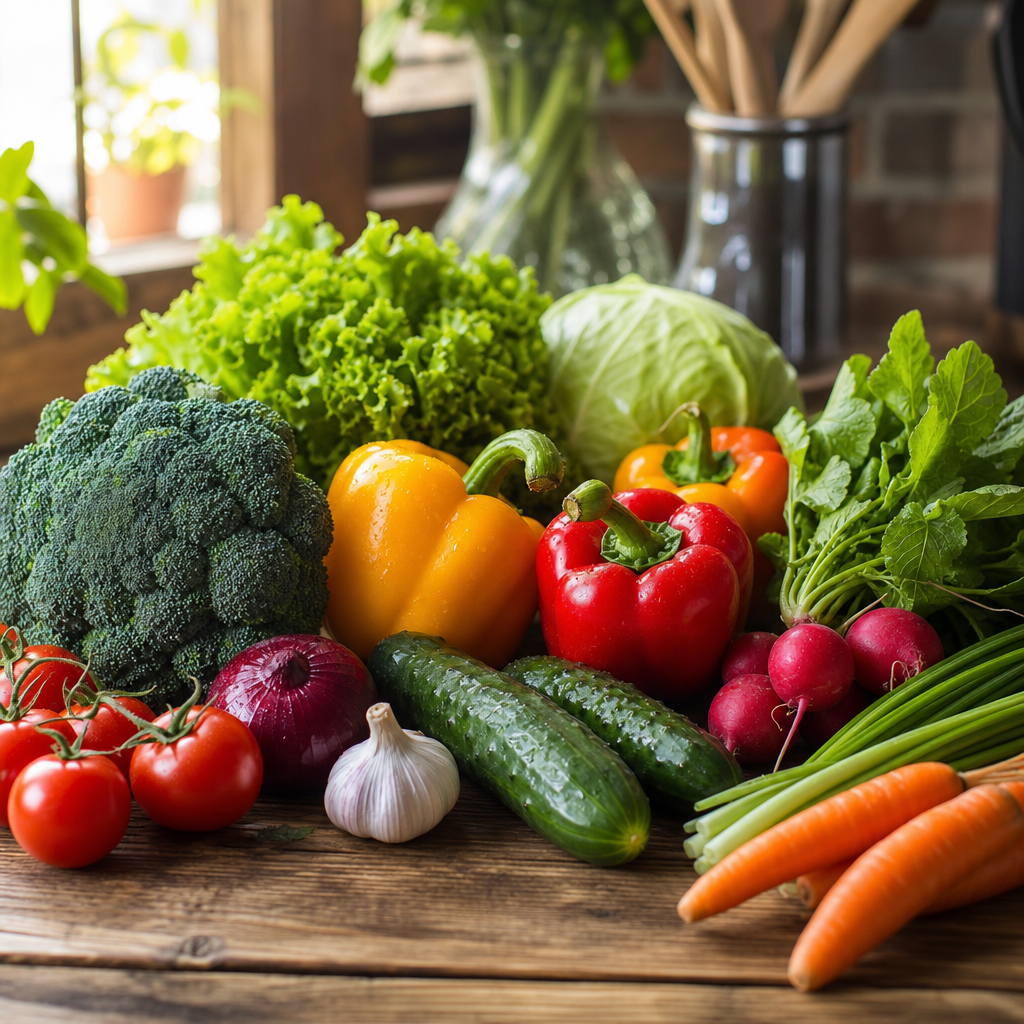 The Ultimate Weight Loss Vegetables List: Your Guide to Slimming SuccessDiscover the top weight loss vegetables list that can support your dieting journey with delicious, low-calorie options perfect for meals and snacks.
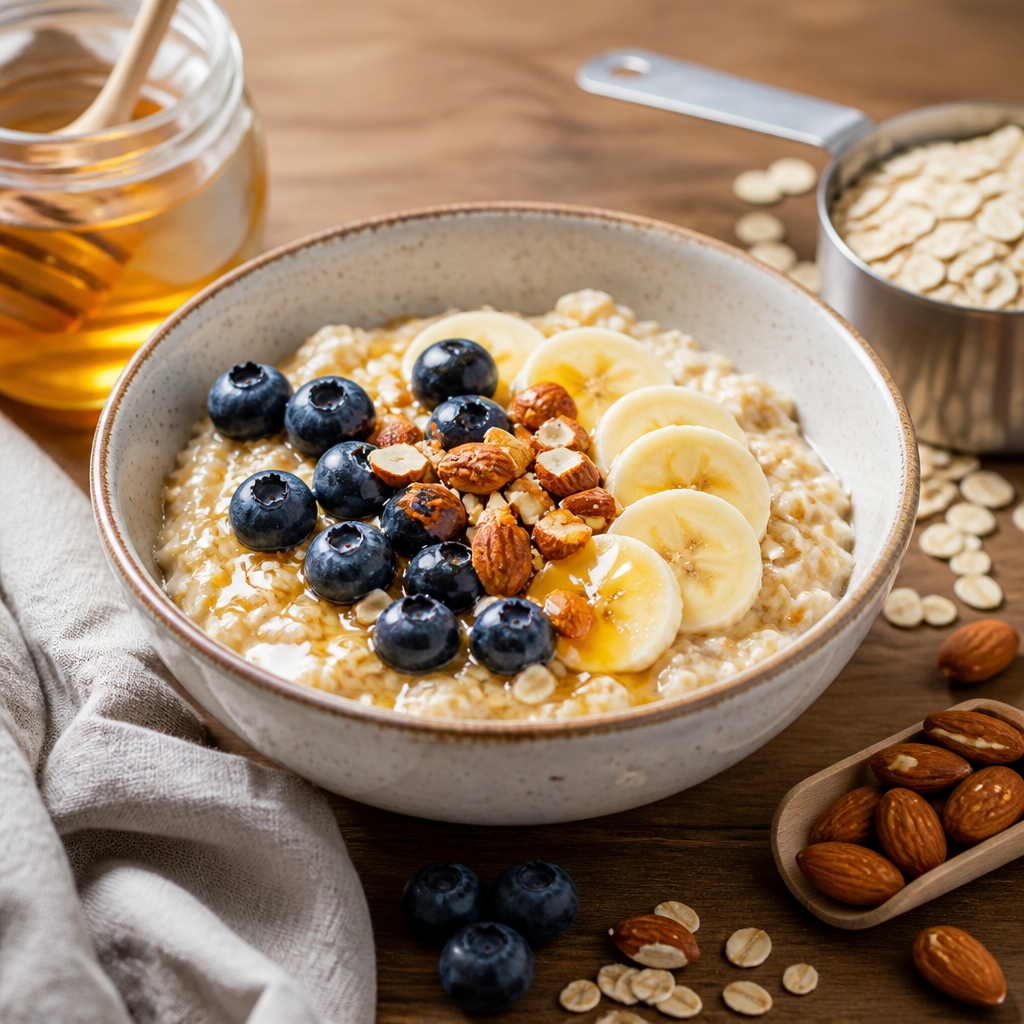 How Many Calories Are in Oatmeal? A Comprehensive GuideUncover the calories in oatmeal, from plain oats to popular toppings, and learn to customize your breakfast for optimal health.
 How to Calculate Meal Calories in 5 SecondsMaster quick calorie calculation techniques to keep your meals healthy and on track, especially for busy lifestyles.
 How Many Calories Are in an Americano? A Deep Dive into Your Favorite BrewDiscover the calorie content in an Americano and how it fits into a calorie-conscious diet. Explore variations, preparation methods, and health considerations.
 How Many Calories Are in an Egg? A Comprehensive GuideExplore the caloric content of eggs, different cooking methods, and how they fit into a healthy diet while tracking your nutrition goals.
 How Many Calories Are in French Fries? A Portion-by-Portion BreakdownFrench fries can range from a light side dish to a calorie-heavy snack depending on portion size, cooking method, and toppings. Here’s a practical breakdown of calories in french fries.
 AI vs Manual Calorie Counting: Which Method Fits Your Goals?Compare AI calorie trackers and manual calorie counting for weight loss, muscle gain, and everyday nutrition tracking. See the pros, cons, and real-world use cases.
 How Many Calories Are in Pilaf? A Practical Guide to Calories in PilafPilaf can be a light rice side dish or a rich one-pot meal, depending on the grains, oils, and meats used. Here’s how to estimate calories in pilaf with real serving examples.
 Dehydration Loss of Appetite: How Not Drinking Enough Can Mute Hunger SignalsDehydration loss of appetite is more common than many people realize. Learn how fluid balance affects hunger, digestion, and practical ways to tell thirst from true appetite.
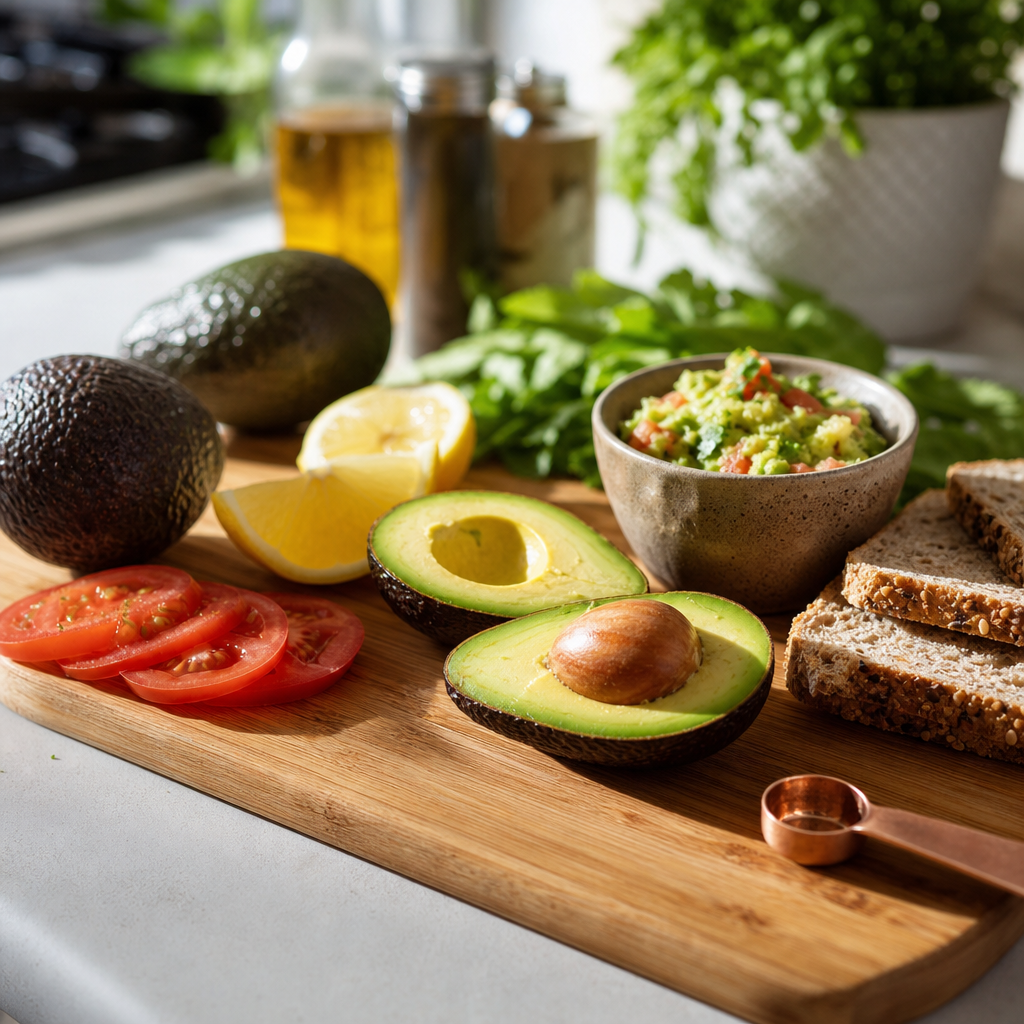 How Many Calories Are in an Avocado?Wondering about calories in avocado? This guide breaks down serving sizes, nutrition facts, health benefits, and easy ways to fit avocado into weight-conscious meals.
 How Many Calories Are in Chocolate? A Practical Guide to Dark, Milk, and White ChocolateWondering how many calories are in chocolate? This guide breaks down calories in chocolate by type, serving size, and cocoa content so you can enjoy it without guessing.
 How Many Calories Are in Cheese? A Practical Guide for Cheese LoversWondering how many calories are in cheese? This guide breaks down calories in cheese by type, serving size, and fat content so you can choose smarter portions without giving up flavor.
 How Many Calories Are in a Burger? A Practical Guide to calories in burger CountsBurger calories can swing wildly depending on patty size, cheese, sauces, and bun choice. Learn the typical calories in burger meals and how to estimate them fast.
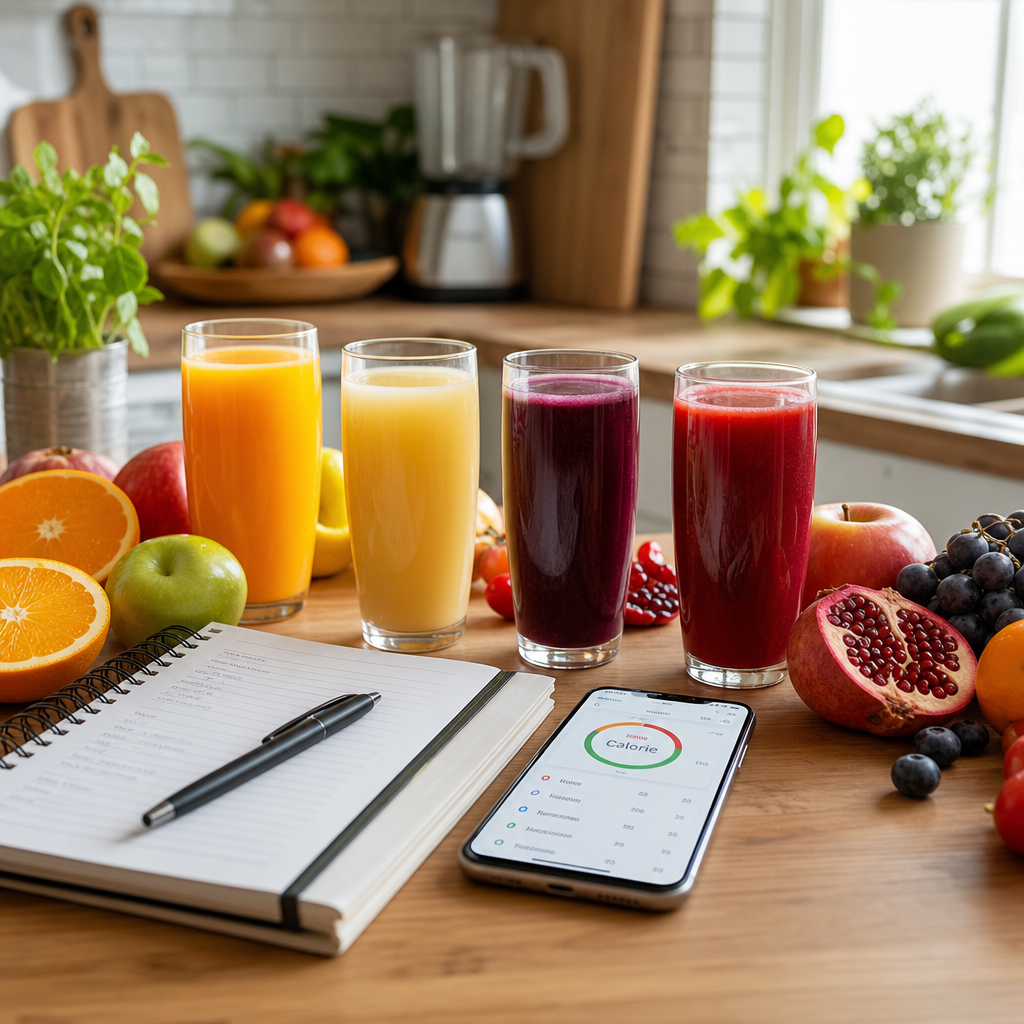 How Many Calories Are in Juice? A Practical Guide to Calories in JuiceJuice can look healthy, but the calorie count changes fast depending on the fruit, serving size, and whether sugar has been added. Here’s how to compare popular juices and make smarter choices.
 How Many Calories Are in Coca-Cola? A Practical Guide to Calories in Coca-ColaCoca-Cola’s calorie count is easy to underestimate, especially when portions get larger. Here’s a clear breakdown of calories in Coca-Cola, plus sugar, serving sizes, and better ways to fit soda into your day.
 Cal AI Free vs Premium: Which Version Fits Your Budget and Goals?A clear breakdown of Cal AI free vs premium, including features, limits, and real-life use cases so you can decide if the upgrade is worth it.