Protein Goals Without Overcomplicating
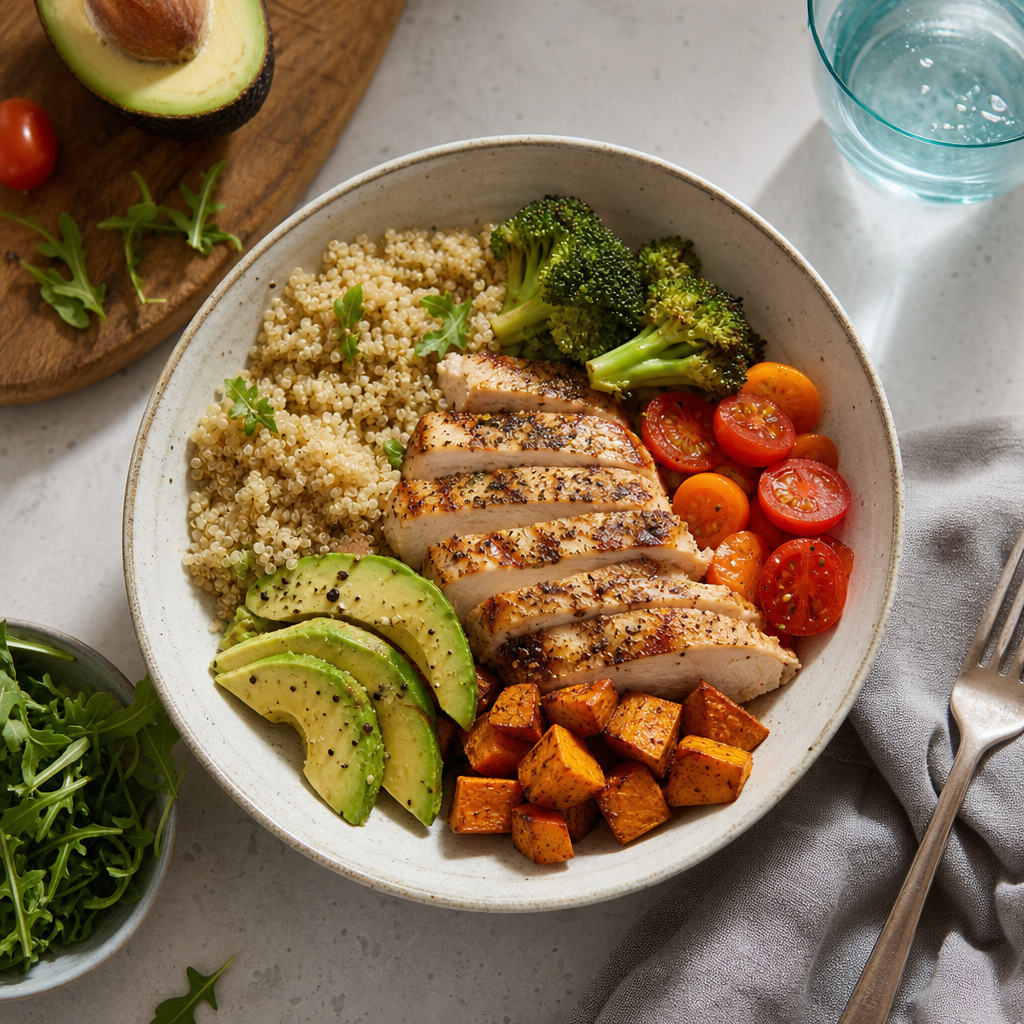
Hitting your protein goals can feel like a daunting task, especially with the myriad of advice available today. Whether you are an athlete, a fitness enthusiast, or just someone trying to maintain a healthy diet, understanding how to consume sufficient protein without overcomplicating things is crucial. Here’s a simplified guide to help you achieve your protein targets effortlessly.
First and foremost, let’s clarify how much protein you actually need. For most adults, the general recommendation is approximately 0.8 grams of protein per kilogram of body weight. However, if you are highly active or trying to build muscle, this number can go up to 1.2 to 2.0 grams per kilogram. The key is to determine your personal protein needs based on your lifestyle.
One of the most straightforward ways to include protein in your diet is by choosing whole, protein-rich foods. Foods like chicken, turkey, fish, eggs, dairy products, legumes, and nuts are great sources of protein. By incorporating these into your meals, you ensure that you’re meeting your protein goals without resorting to complicated meal plans.
For breakfast, consider starting your day with Greek yogurt topped with berries and a sprinkle of nuts. This quick meal is not only rich in protein but also loaded with antioxidants and healthy fats. Alternatively, a simple omelet filled with vegetables can kickstart your day while keeping your protein intake in check.
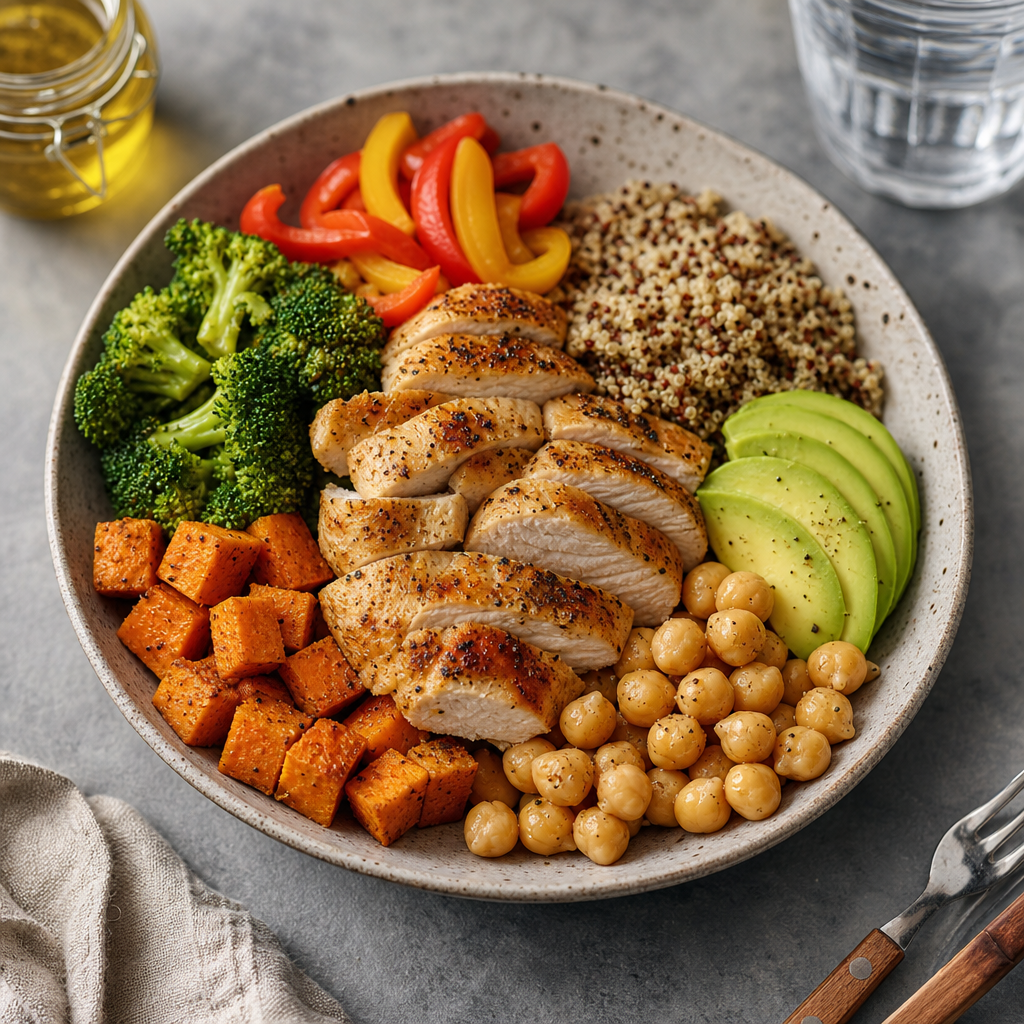
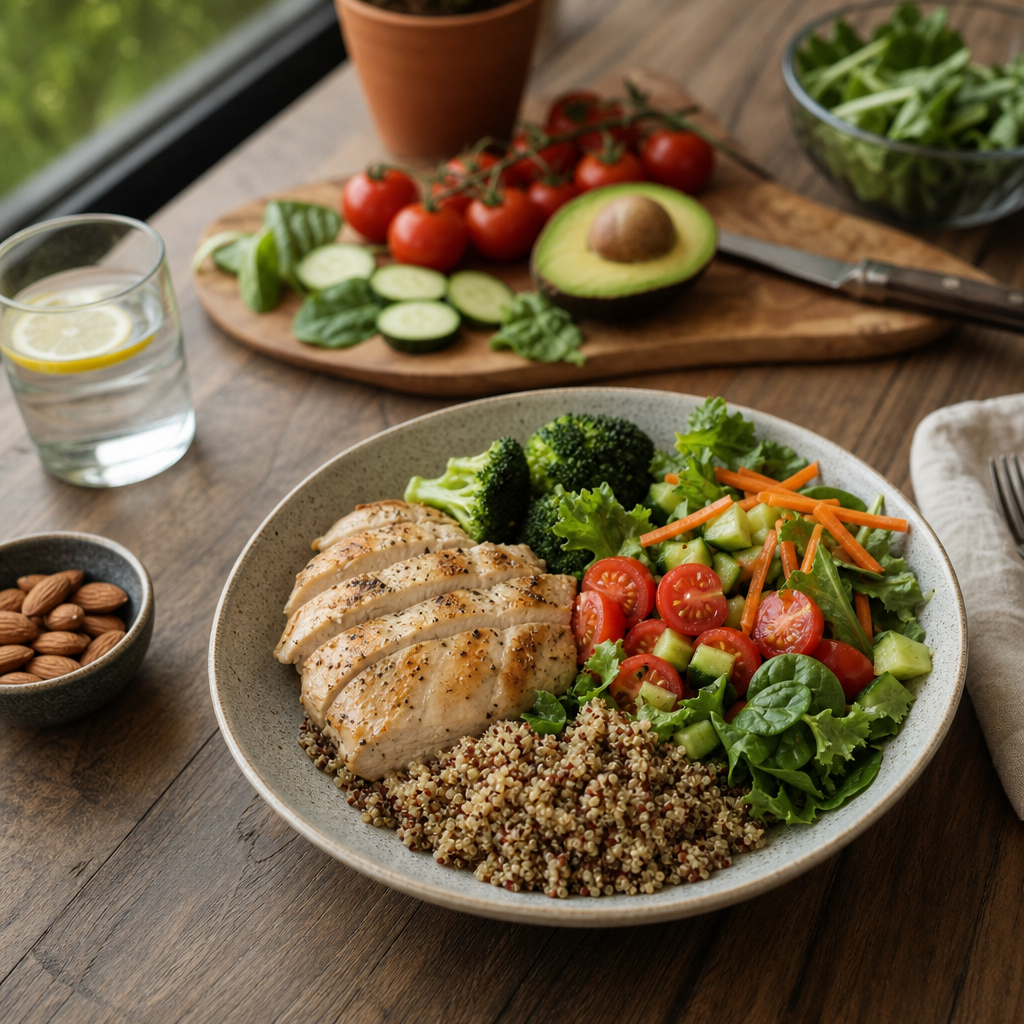
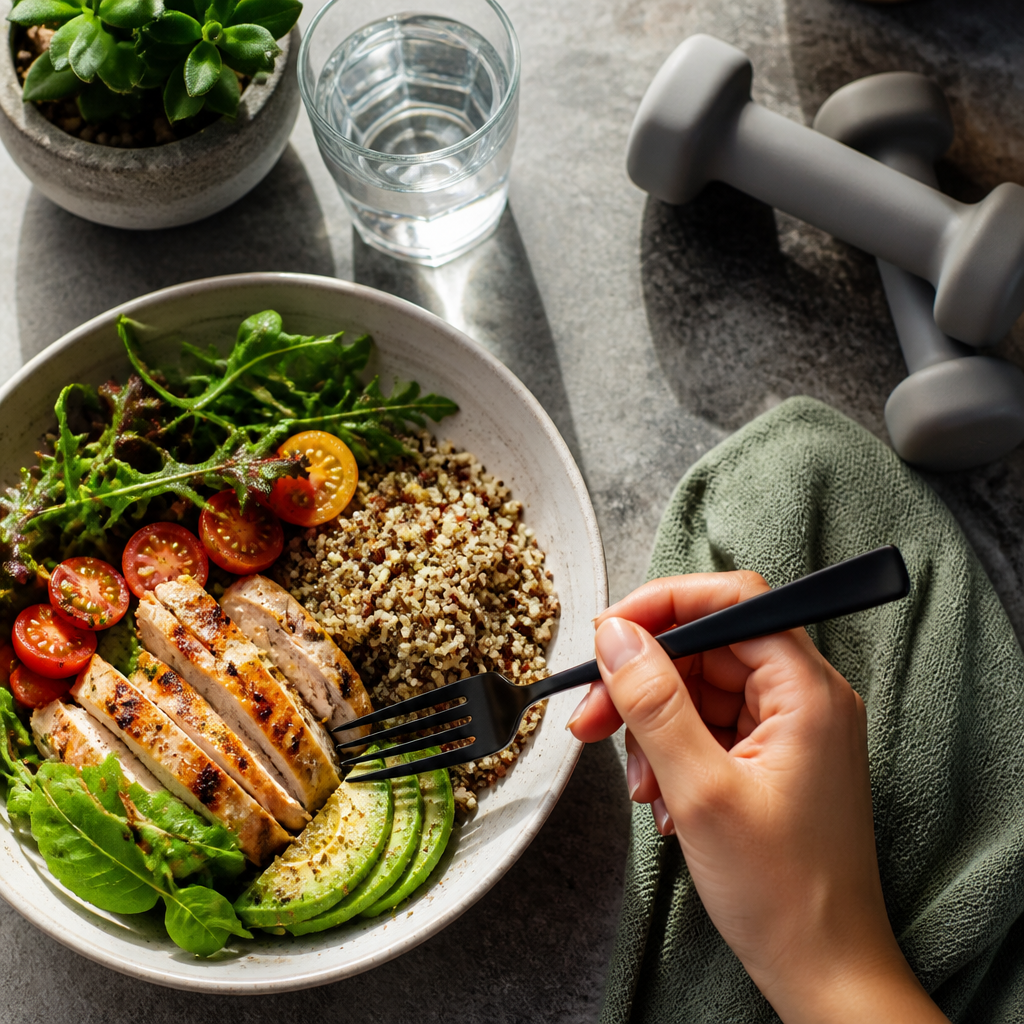
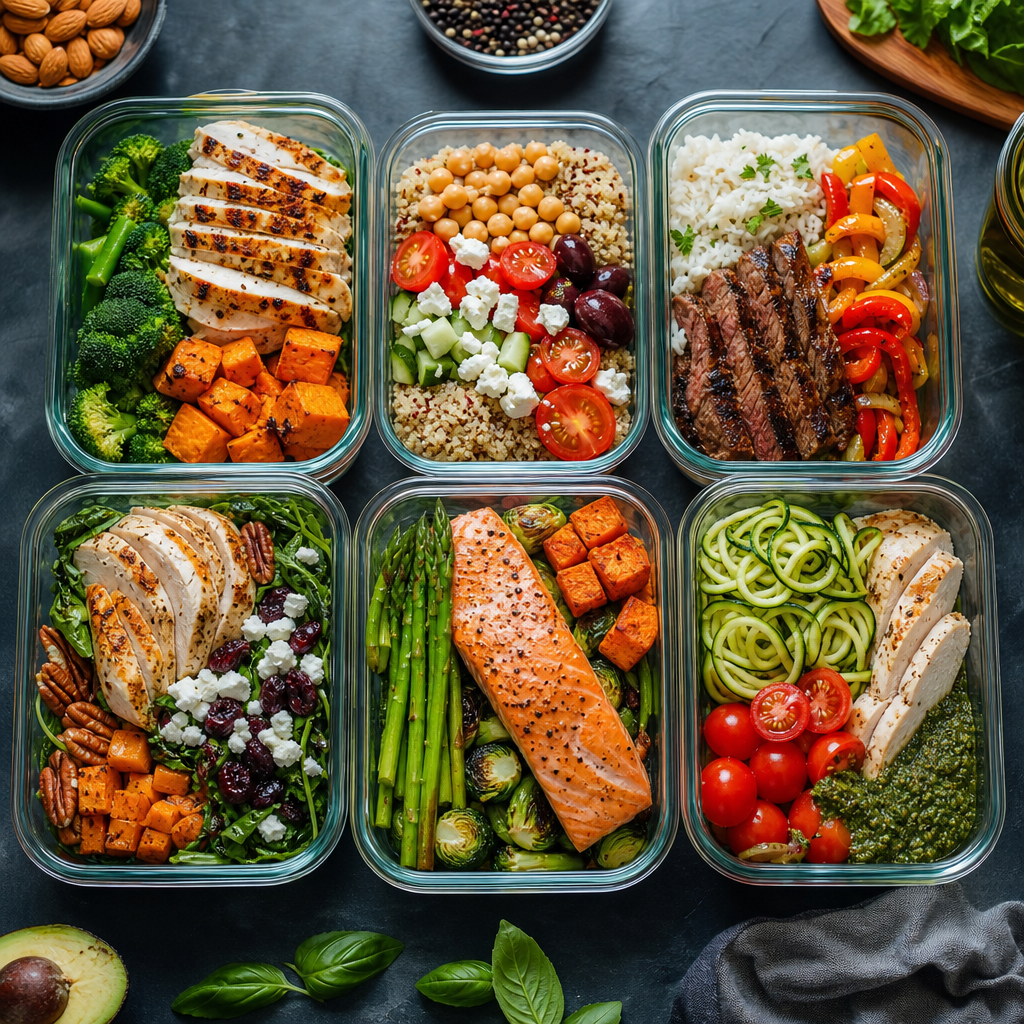
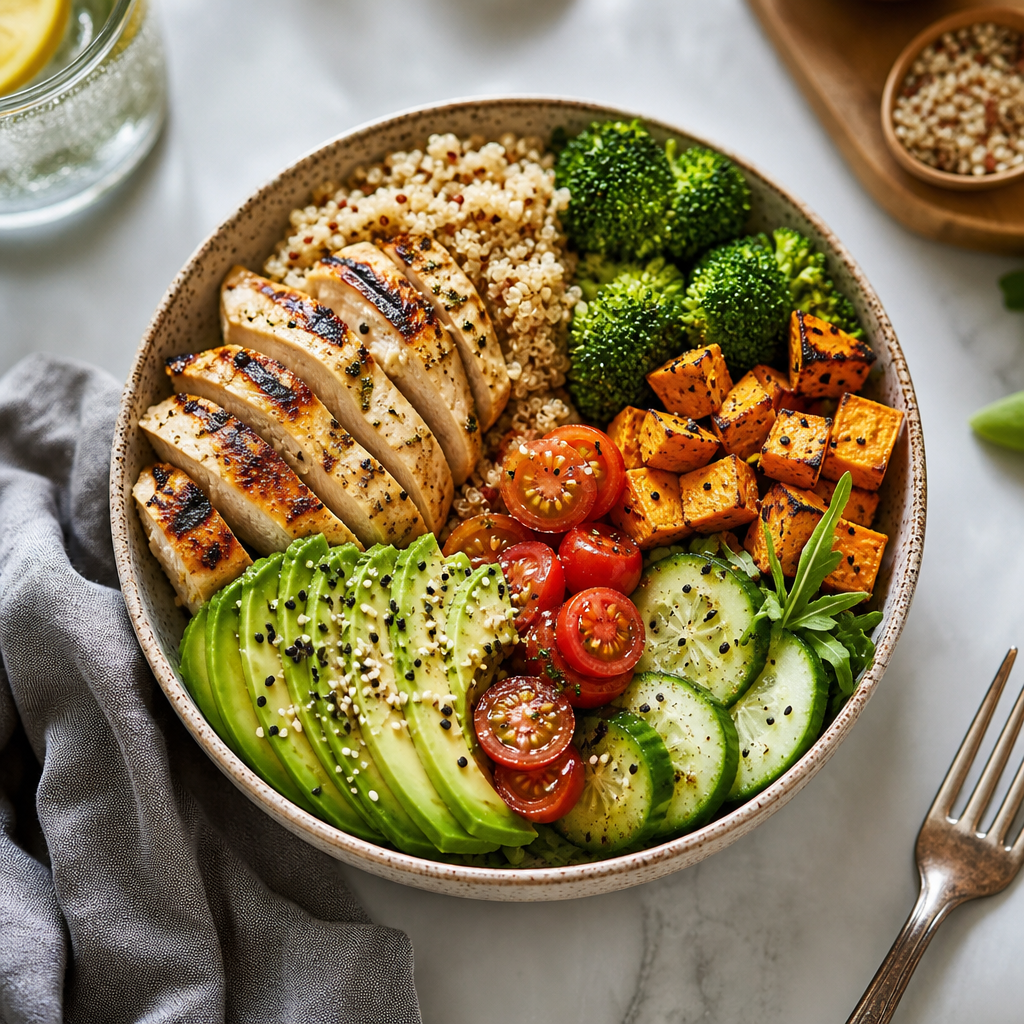
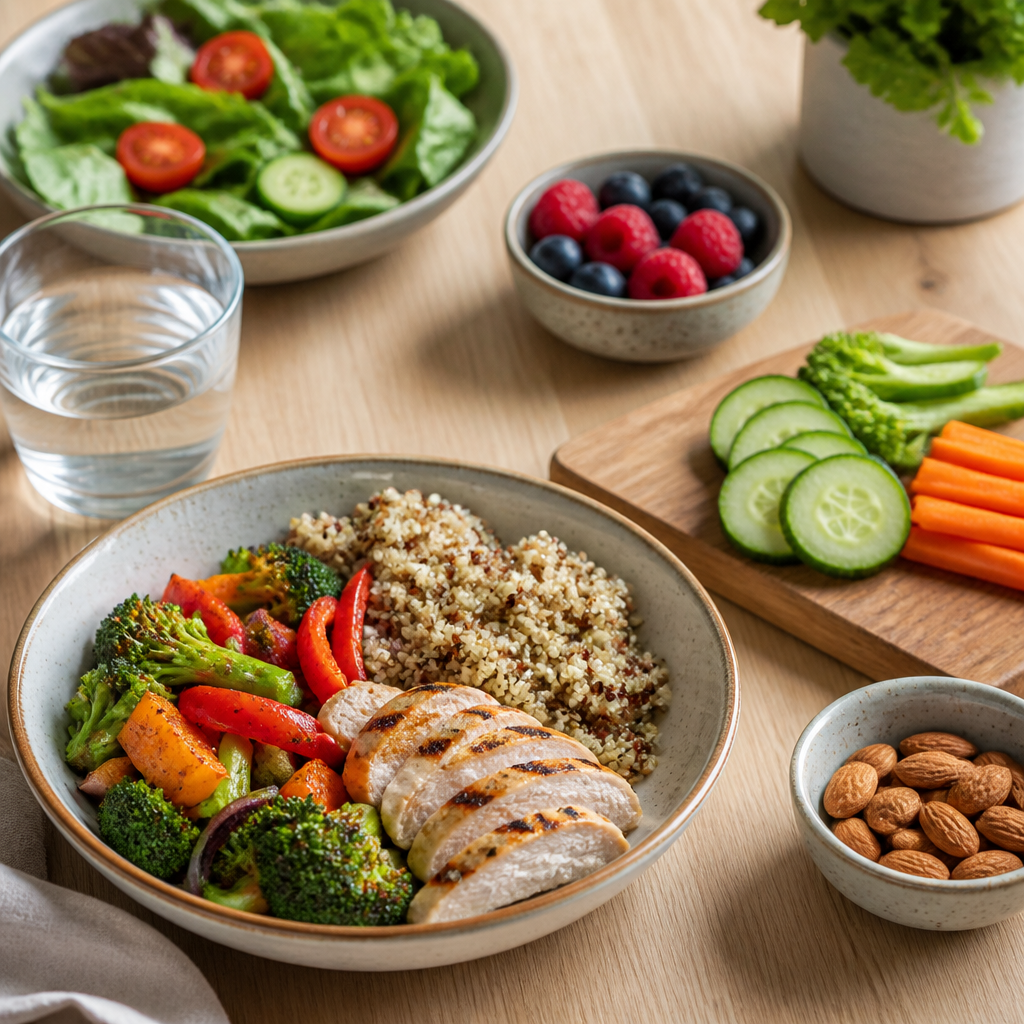
Lunch and dinner can easily be balanced with a source of protein as the centerpiece. Think grilled chicken or tofu served alongside a generous portion of vegetables and quinoa or brown rice. You can also batch-cook proteins at the beginning of the week—for example, roasting a couple of chicken breasts or cooking a pot of lentils. This way, you can easily incorporate them into different meals throughout the week without much hassle.
Snacks are another area where it’s easy to be mindful of your protein intake. Instead of reaching for chips or cookies, try portable snacks like string cheese, hard-boiled eggs, or a handful of almonds. These kinds of snacks not only help you meet your protein goals but also keep you full throughout the day.
Hydration can also play a significant role in how your body processes protein. Staying well-hydrated helps in the digestion and absorption of nutrients, including protein. So, don’t forget to drink plenty of water throughout the day.
Incorporating protein into your diet doesn’t mean you have to make drastic changes. Small adjustments can lead to remarkable results. Simply aim to fill half your plate with protein-rich foods at every meal, and over time, this habit will become second nature.
Lastly, avoid overcomplicating your protein sources. Many people turn to protein supplements or powders in an attempt to reach their goals quickly. While these can certainly be beneficial in certain instances, they shouldn’t be the first line of defense when it comes to protein intake. They can add unwanted sugars and calories to your diet. Instead, focus on whole foods that are not only rich in protein but also packed with other valuable nutrients.
In conclusion, achieving your protein goals doesn't have to be complex or overwhelming. With a few simple strategies—choosing whole foods, preparing meals in advance, snacking wisely, and staying hydrated—you can easily meet your protein needs. Remember, the journey to better health is about consistency and making smart choices that fit into your lifestyle. Start small, stay focused, and watch how your body responds positively!
Cal AI
Track meals faster with Cal AI
Scan food, estimate calories, and keep your nutrition log moving without typing every ingredient.
Get the appAuthor
Cal AI Editorial Team
Practical guides on nutrition, calorie tracking, meal planning, and building healthier habits with Cal AI.
Related articles
 The Lowest-Calorie Vegetables Ranked: Your Guide to Guilt-Free Eating
 Zero-Calorie Vegetables: Myth or Reality?
 Why Weight Control Starts With Nutrition
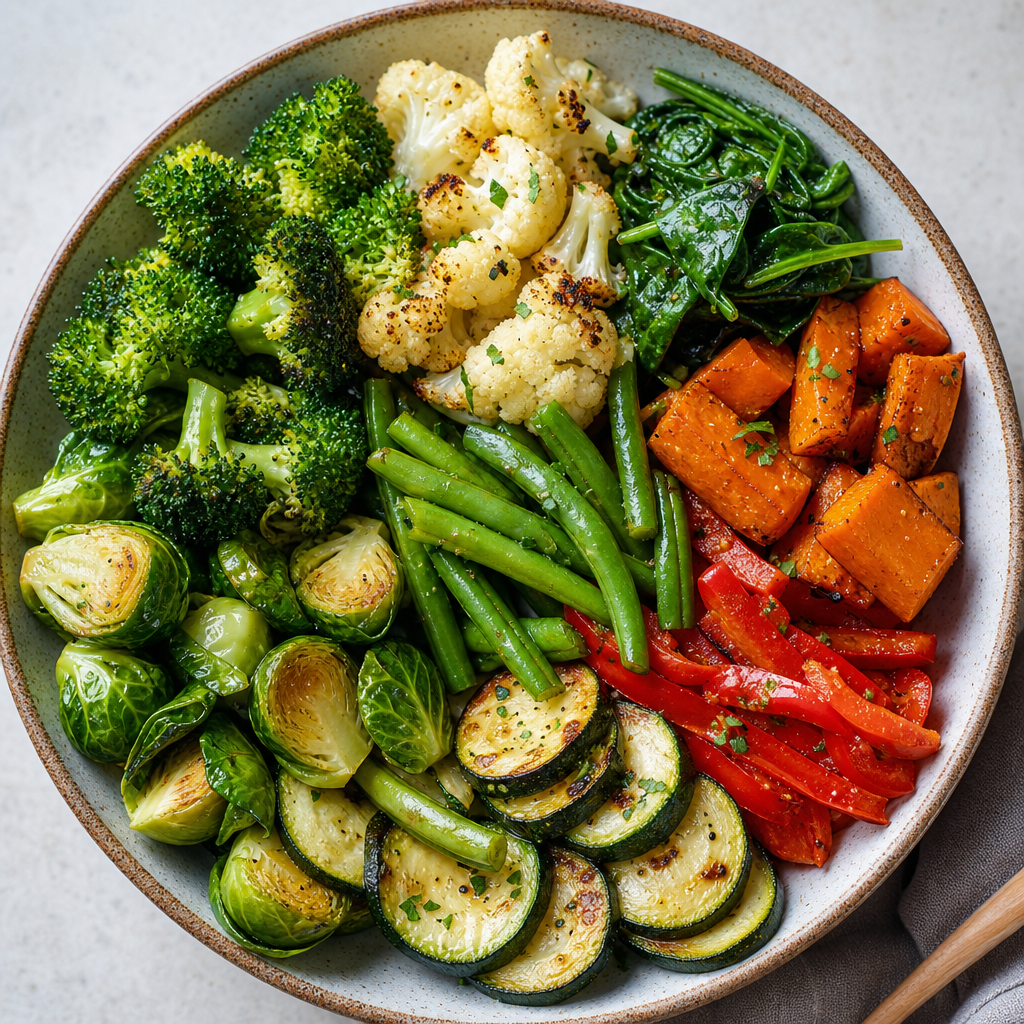 The Most Filling Vegetables for Weight Loss
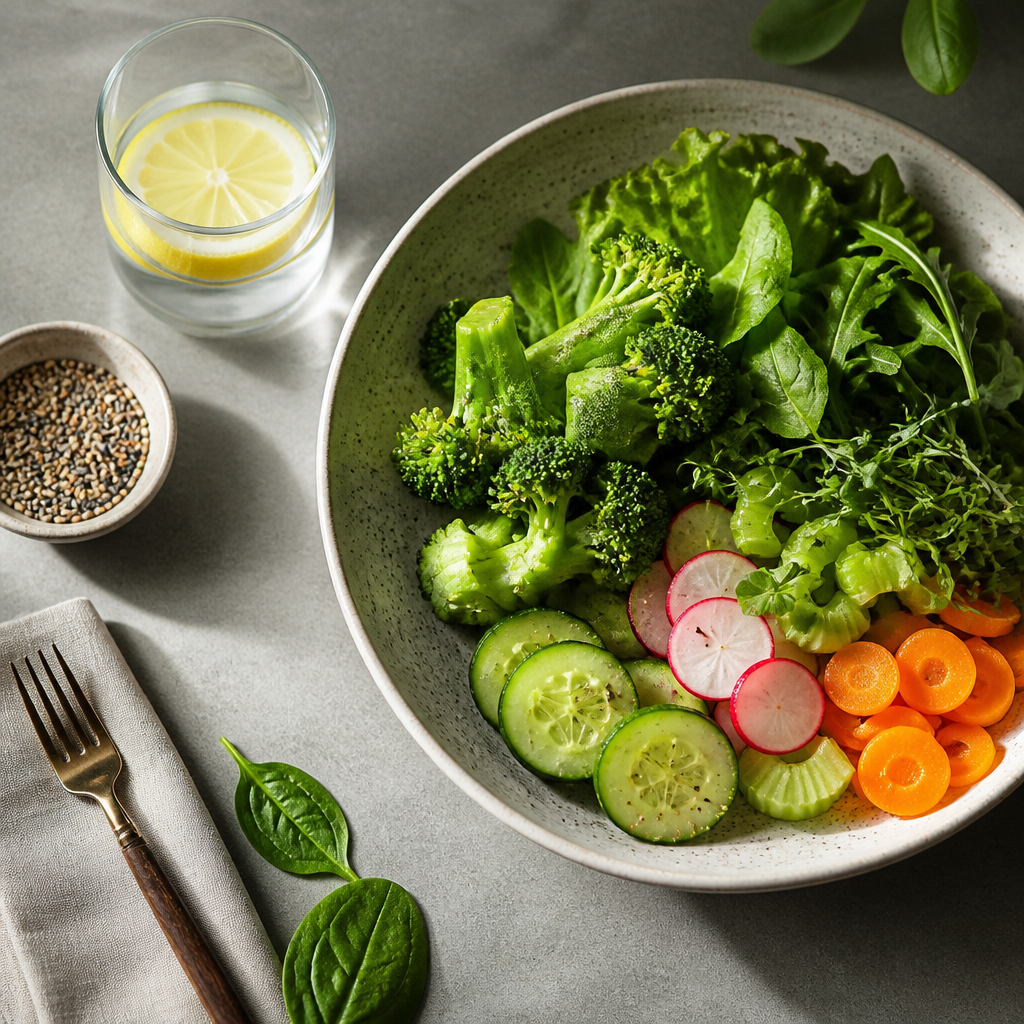 Discover the Vegetables With the Fewest Calories: Your Guide to Guilt-Free Eating
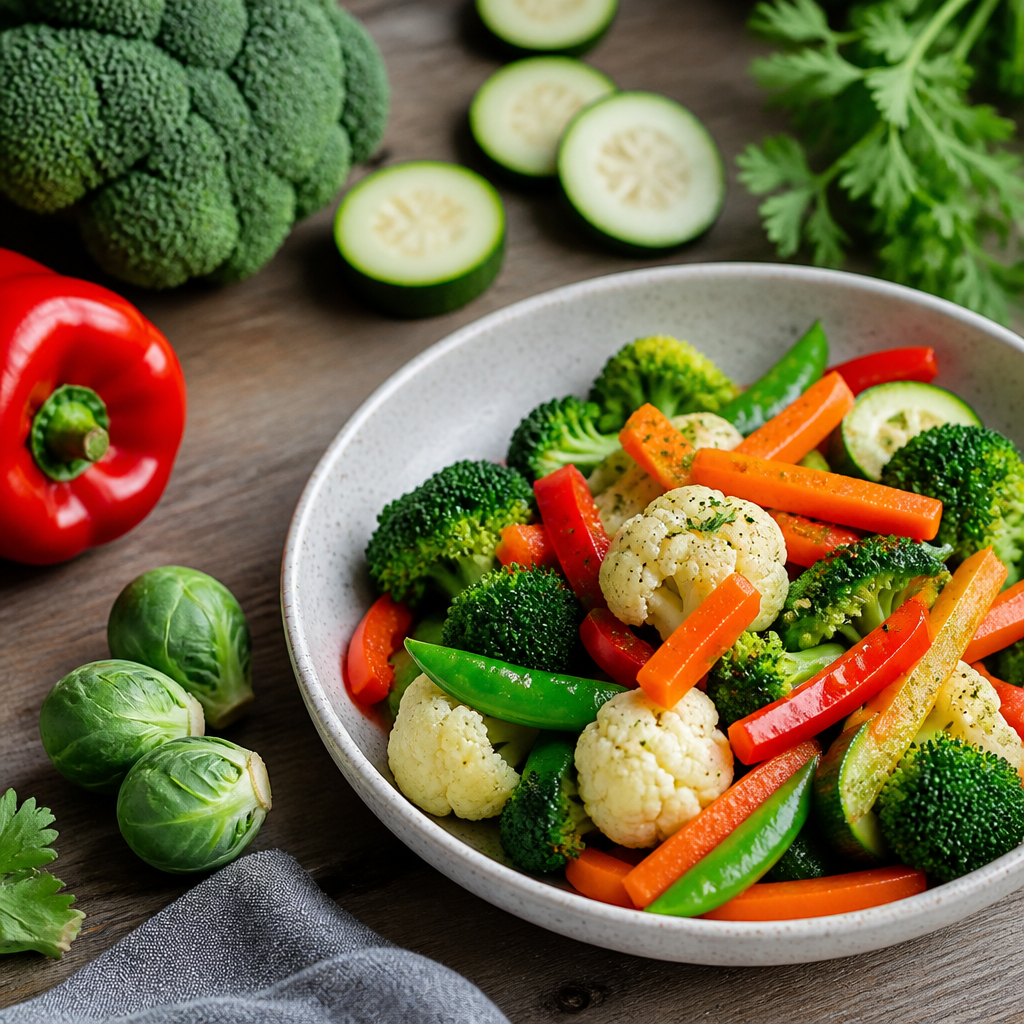 The Best Vegetables for a Calorie Deficit
 Why Strict Diets Don't Work: Understanding the Pitfalls of Extreme Restrictions
 The Best Weight Management Strategies: Proven Tactics for Success
 How to Keep a Weight Journal: Tips for Accountability and Progress Tracking
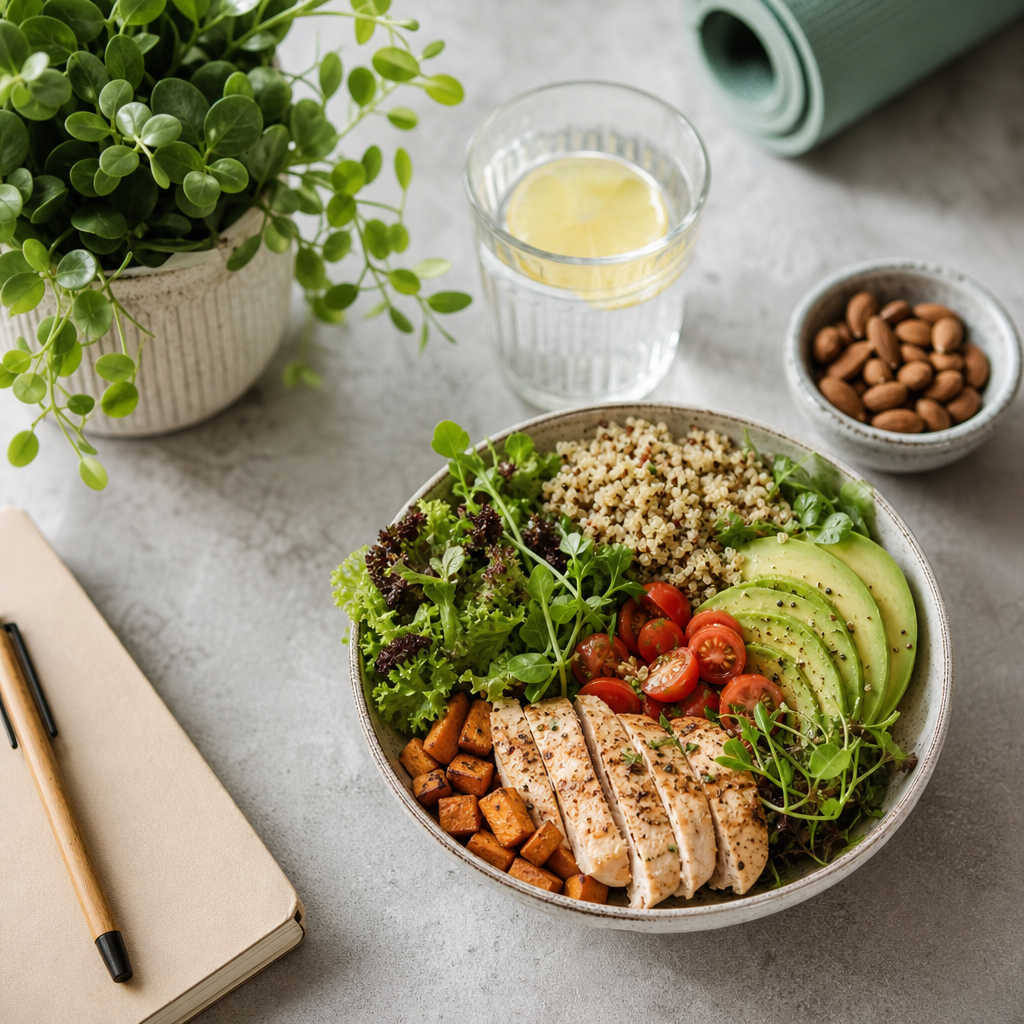 How to Lose Weight Without Stress: Embrace a Balanced Approach
 Common Macro Tracking Mistakes: Avoid These Pitfalls for Better Results
 The Best Low-Calorie, Low-Carb Vegetables for Your Healthy Diet
 Sustainable Weight Loss Explained: Your Guide to Long-Term Success
 How to Control Your Weight With Calorie Tracking
 How to Build a Macro-Based Meal Plan: Your Ultimate Guide to Meal Prepping
 How to Track Macros Automatically: A Tech-Savvy Guide
 Macro Tracking for Beginners: Your Ultimate Guide to Nutritional Success
 How Many Calories Are in an Orange?
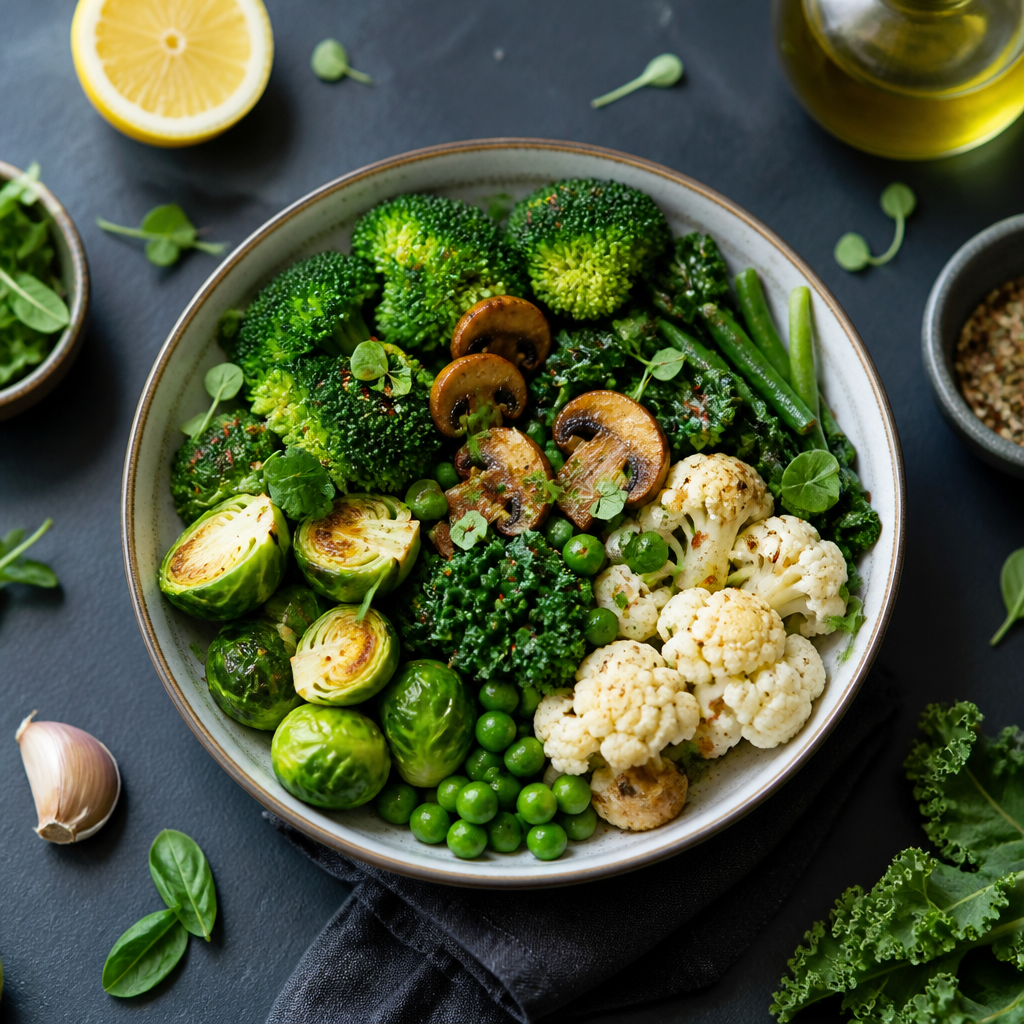 Which Vegetables Keep You Full the Longest?
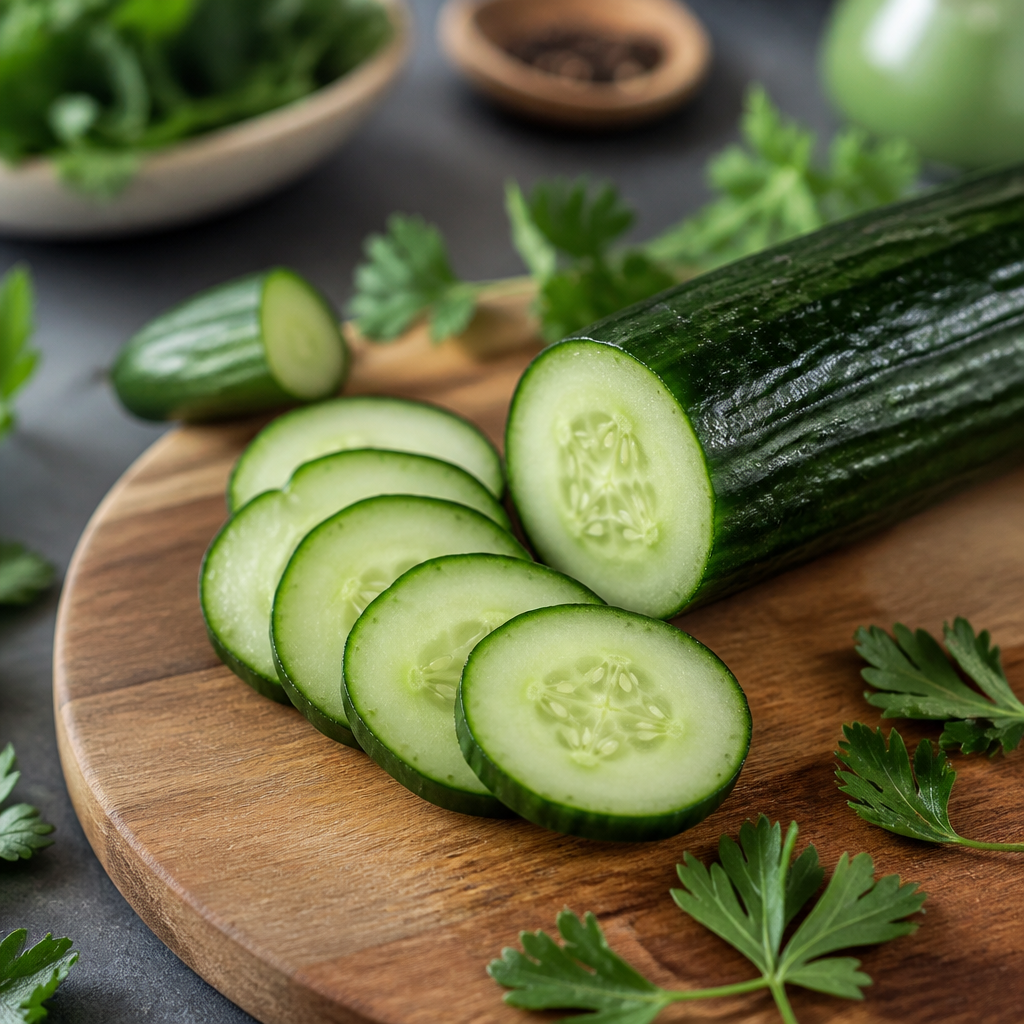 How Many Calories Are in a Cucumber? Unveiling the Secrets of This Superfood
 How Many Calories Are in a Banana?
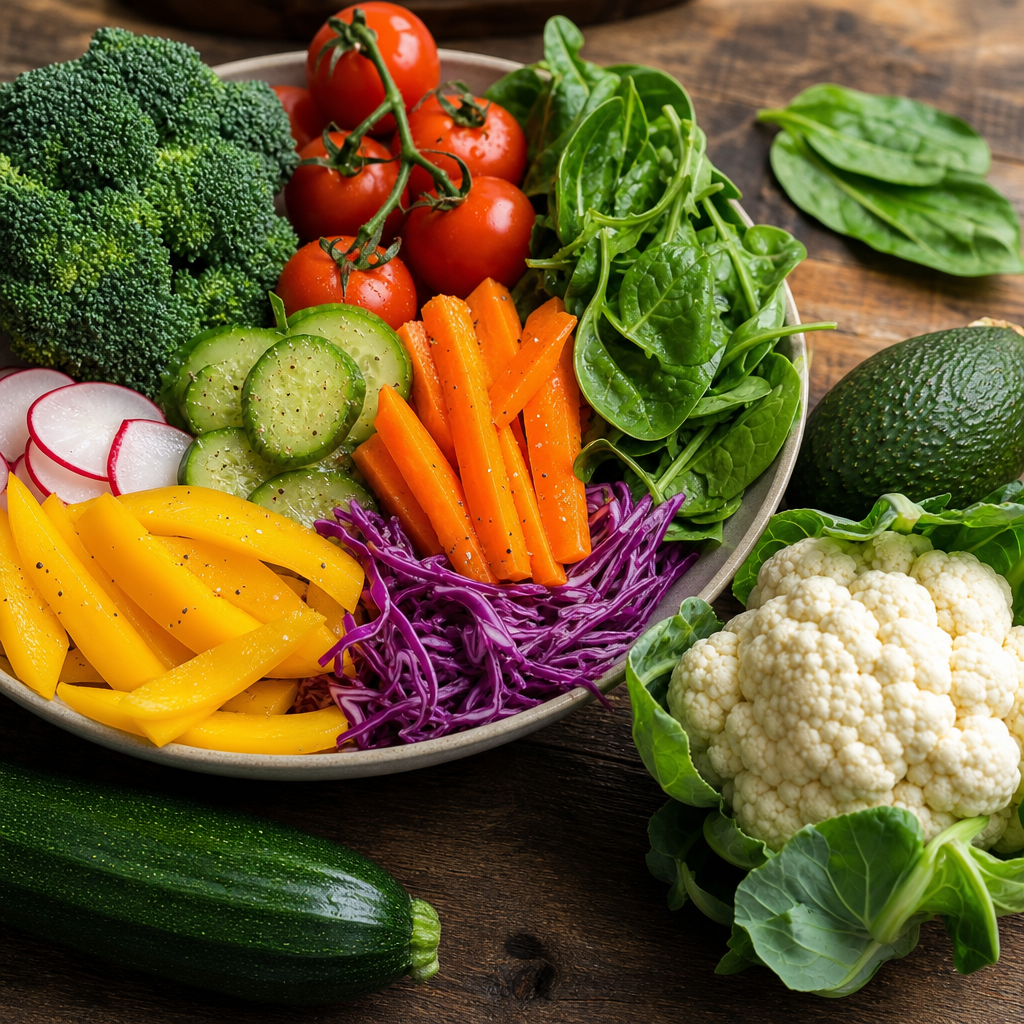 The Healthiest Vegetables for Weight Loss: Your Ultimate Guide
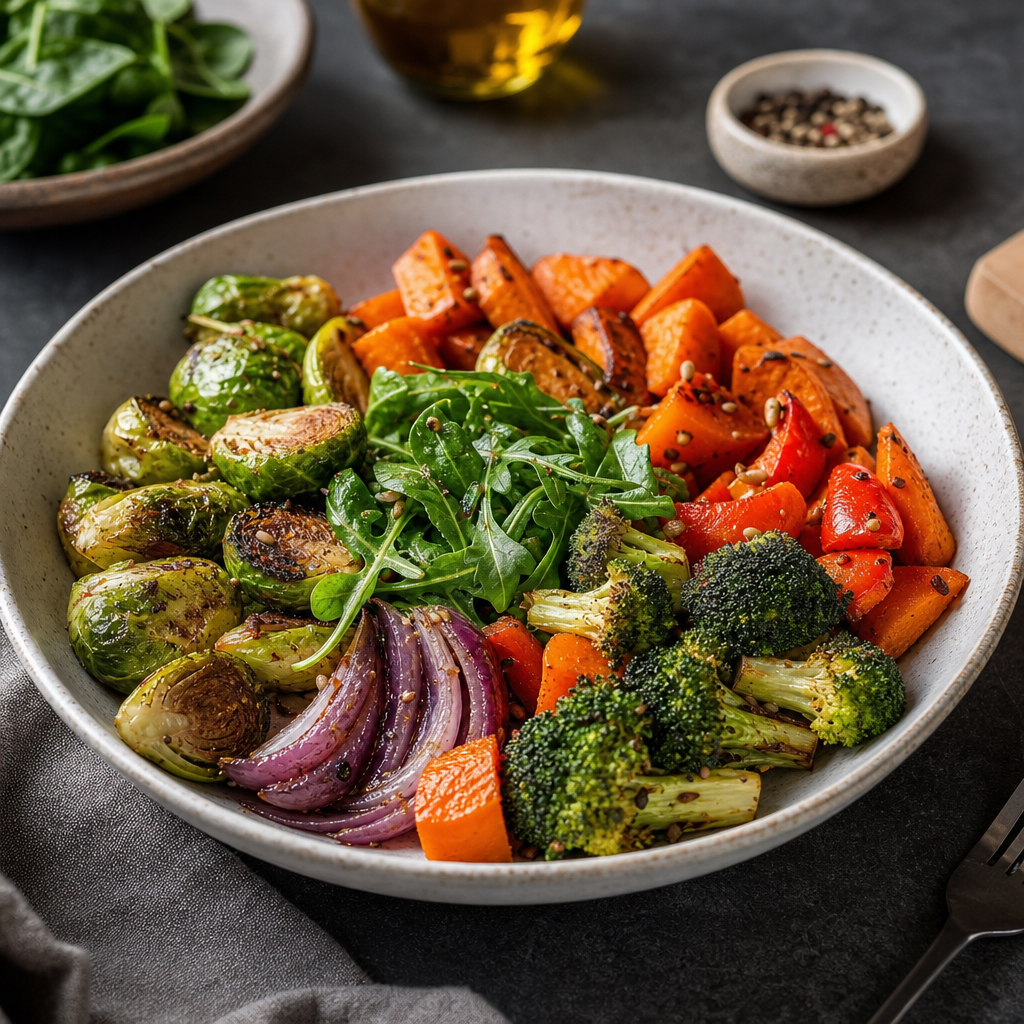 The Best Vegetables for Dinner: Nourishing Your Body While Losing Weight
 How Many Calories Are in Broccoli? An In-Depth Look
 How Many Calories Are in a Potato? Unpacking the Nutritional Value
 How to Estimate Calorie Counts Visually: A Guide for Impromptu Dieters
 Как считать калории в ресторане: Практическое руководство
 Формула Харриса-Бенедикта простыми словами
 Главные ошибки подсчета калорий
 Как считать калории без весов: Практическое руководство для диетчиков