How Photo Food Logging Can Transform Your Eating Habits

In our fast-paced world, keeping track of what we eat can often feel like an impossible task. However, with the rise of technology, particularly in the realm of health and fitness, one tool has emerged that could change the game—photo food logging. This method not only simplifies the process of tracking meals but significantly transforms our eating habits.
What is Photo Food Logging?
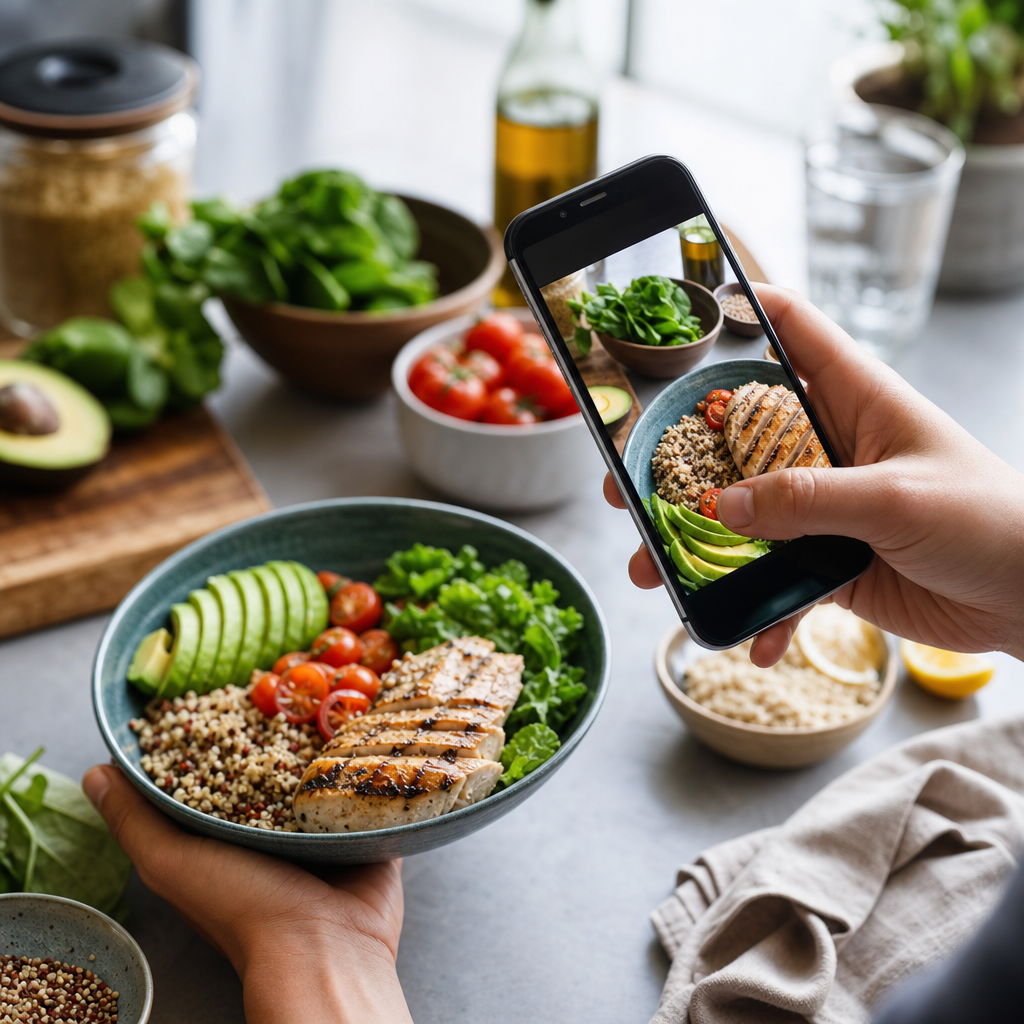
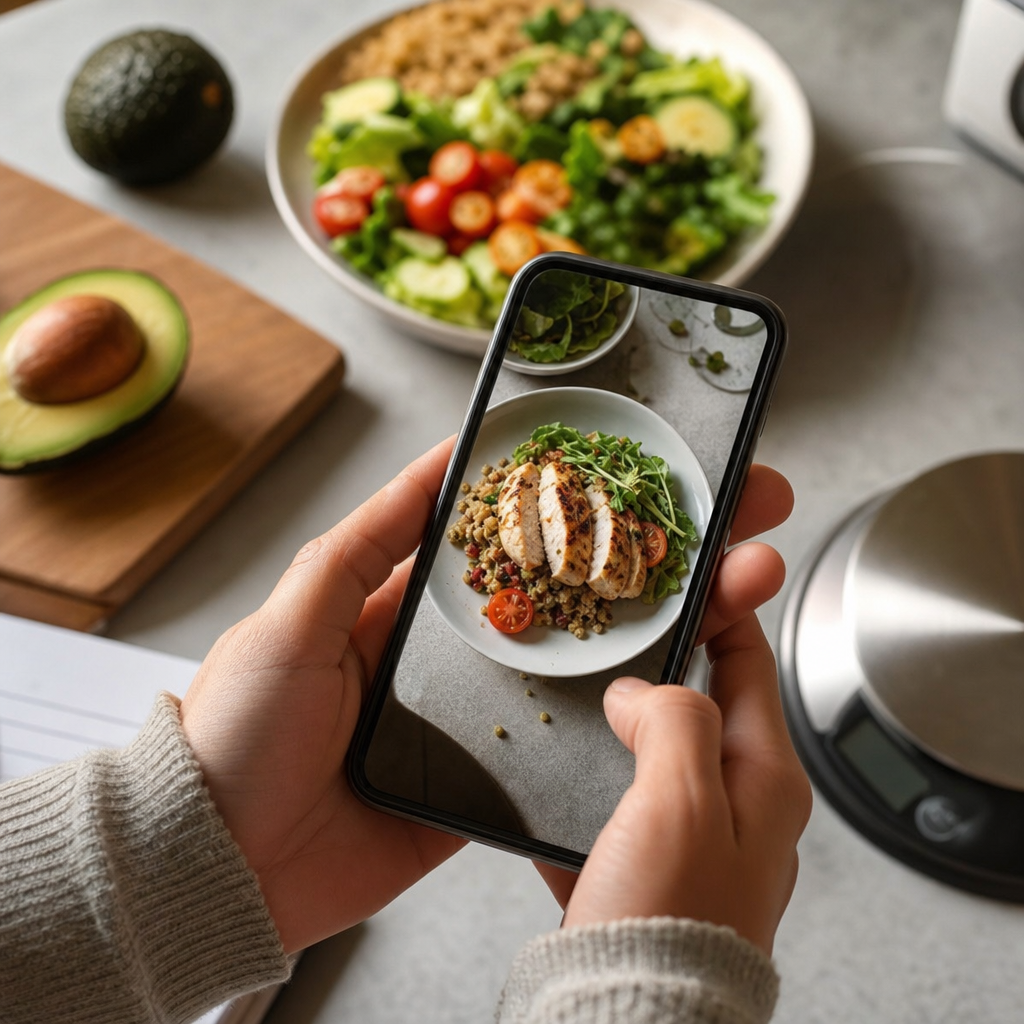
Photo food logging involves taking pictures of your meals before consumption to visually document what you eat. This practice is not just about counting calories; it’s about enhancing awareness of your food choices, portion sizes, and overall eating habits. With the help of apps designed for this purpose, you can quickly upload images along with basic details about each dish.
The Psychological Shift
One of the most powerful ways that photo food logging changes habits is through heightened self-awareness. When you take the time to snap a photo of your meal, you might begin to think more critically about your choices. For instance, instead of mindlessly grabbing a sugary snack, you might opt for a healthier option because you know you’ll be documenting it. This small shift can lead to significant changes over time, as self-reflection in food choices promotes healthier eating behaviors.
Creating Accountability
Another advantage of logging food through pictures is accountability. When food choices are visualized, there’s a compelling instinct to make better decisions. Sharing these pictures on social media or within a support group can add an additional layer of responsibility. You are not just eating for yourself; you're representing your journey and perhaps even inspiring others in the process.
Tracking Progress
Seeing a visual representation of your meals allows you to track your progress more effectively than written notes. This form of logging can reveal patterns that might not be immediately obvious, like consistently choosing high-calorie foods or not including enough vegetables in your diet. You can use this insight to adjust your meals accordingly, aiming for a more balanced approach in your nutrition. Over time, this leads to greater consistency in making better food choices.
Practical Tips for Effective Photo Food Logging
- Consistency is Key: Try to log every meal, snack, and beverage. The more data you have, the clearer your habits will become.
- Be Honest: Don’t hide or avoid logging foods you might consider ‘bad’. This transparency can show you the full picture of your eating habits.
- Use Natural Light: Take your photos in natural light for clearer images that you will enjoy reviewing later.
- Add Descriptions: Along with photos, jot down notes about how you felt after the meal—did you feel satisfied, hungry, or guilty? This can help you connect emotions with food.
Conclusion
Incorporating photo food logging into your daily routine is less about counting calories and more about embracing a mindful approach to eating. The visual records help you reflect on your choices, hold yourself accountable, and ultimately create better eating habits. So why not give it a try? Start today by downloading an app designed for photo food logging and see how it can transform your relationship with food.
Call to Action
Curious to see how many calories are in your meal? Upload a photo of your food, and let our AI app do the rest! Not only can it calculate calories, but it can also provide you with a breakdown of macronutrients. Start your journey towards mindful eating now!
Cal AI
Track meals faster with Cal AI
Scan food, estimate calories, and keep your nutrition log moving without typing every ingredient.
Get the appAuthor
Cal AI Editorial Team
Practical guides on nutrition, calorie tracking, meal planning, and building healthier habits with Cal AI.
Related articles
 The Lowest-Calorie Vegetables Ranked: Your Guide to Guilt-Free Eating
 Zero-Calorie Vegetables: Myth or Reality?
 Why Weight Control Starts With Nutrition
 The Most Filling Vegetables for Weight Loss
 Discover the Vegetables With the Fewest Calories: Your Guide to Guilt-Free Eating
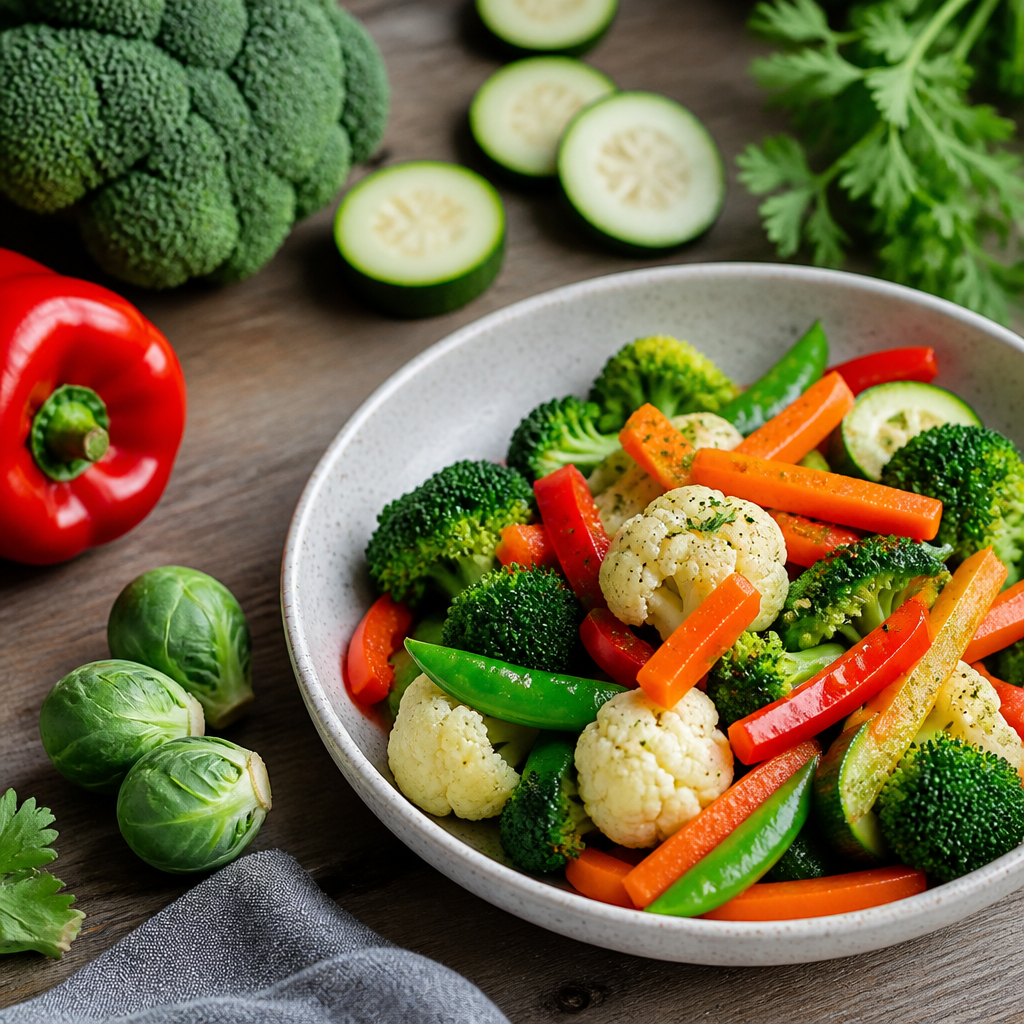 The Best Vegetables for a Calorie Deficit
 Why Strict Diets Don't Work: Understanding the Pitfalls of Extreme Restrictions
 The Best Weight Management Strategies: Proven Tactics for Success
 How to Keep a Weight Journal: Tips for Accountability and Progress Tracking
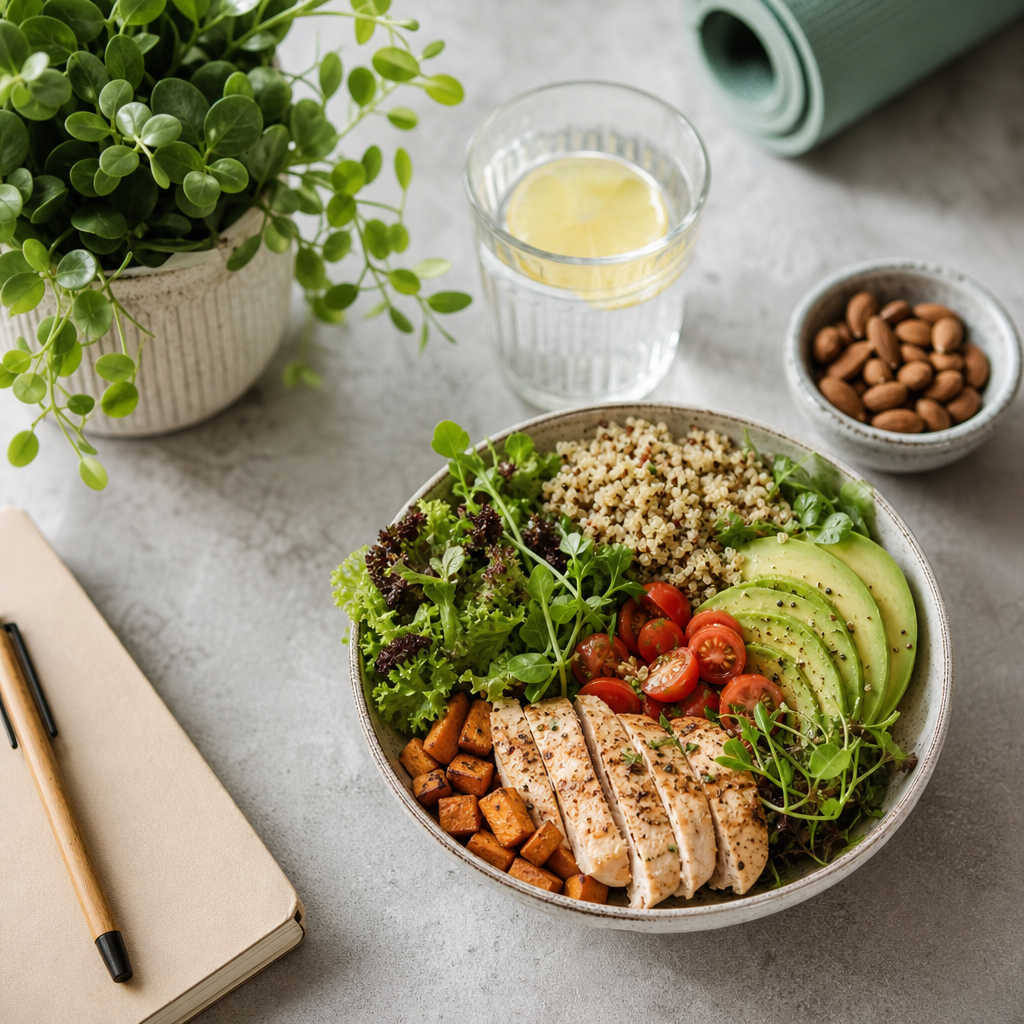 How to Lose Weight Without Stress: Embrace a Balanced Approach
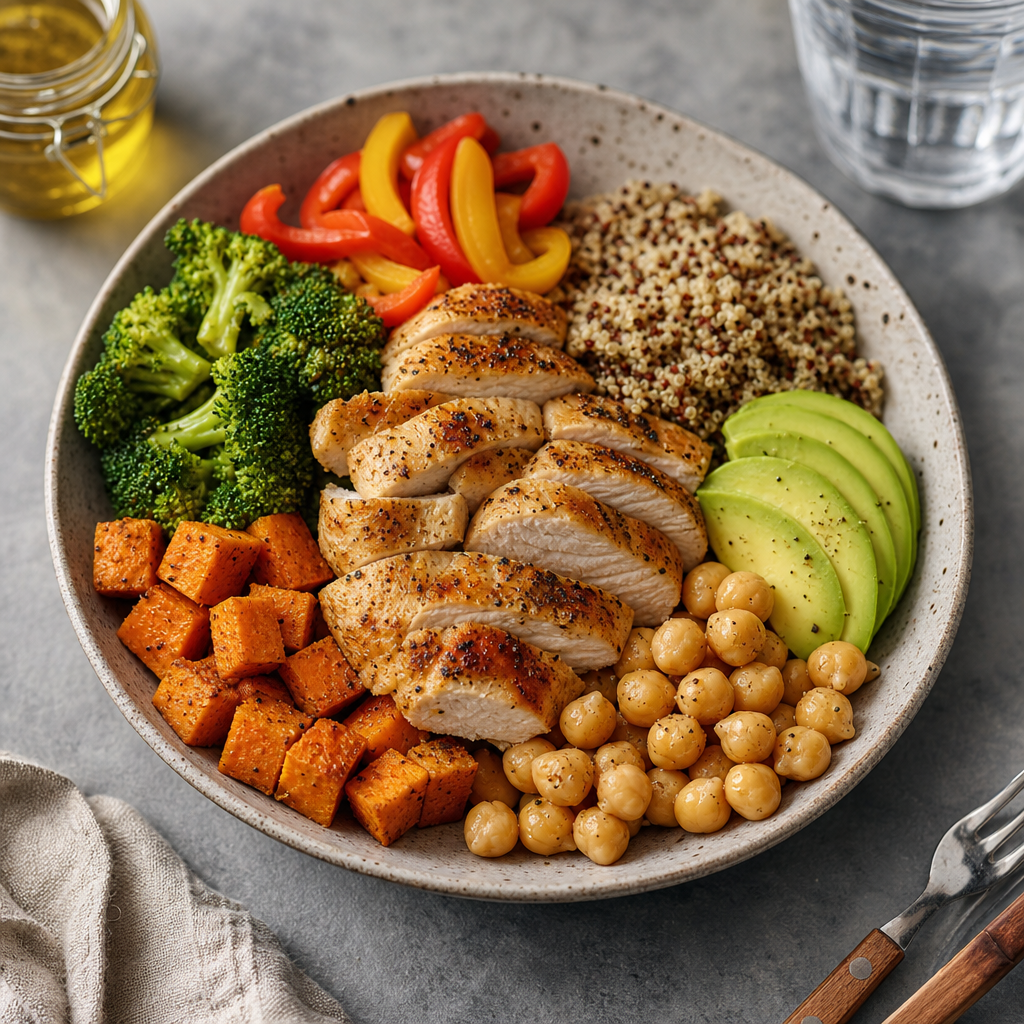 Common Macro Tracking Mistakes: Avoid These Pitfalls for Better Results
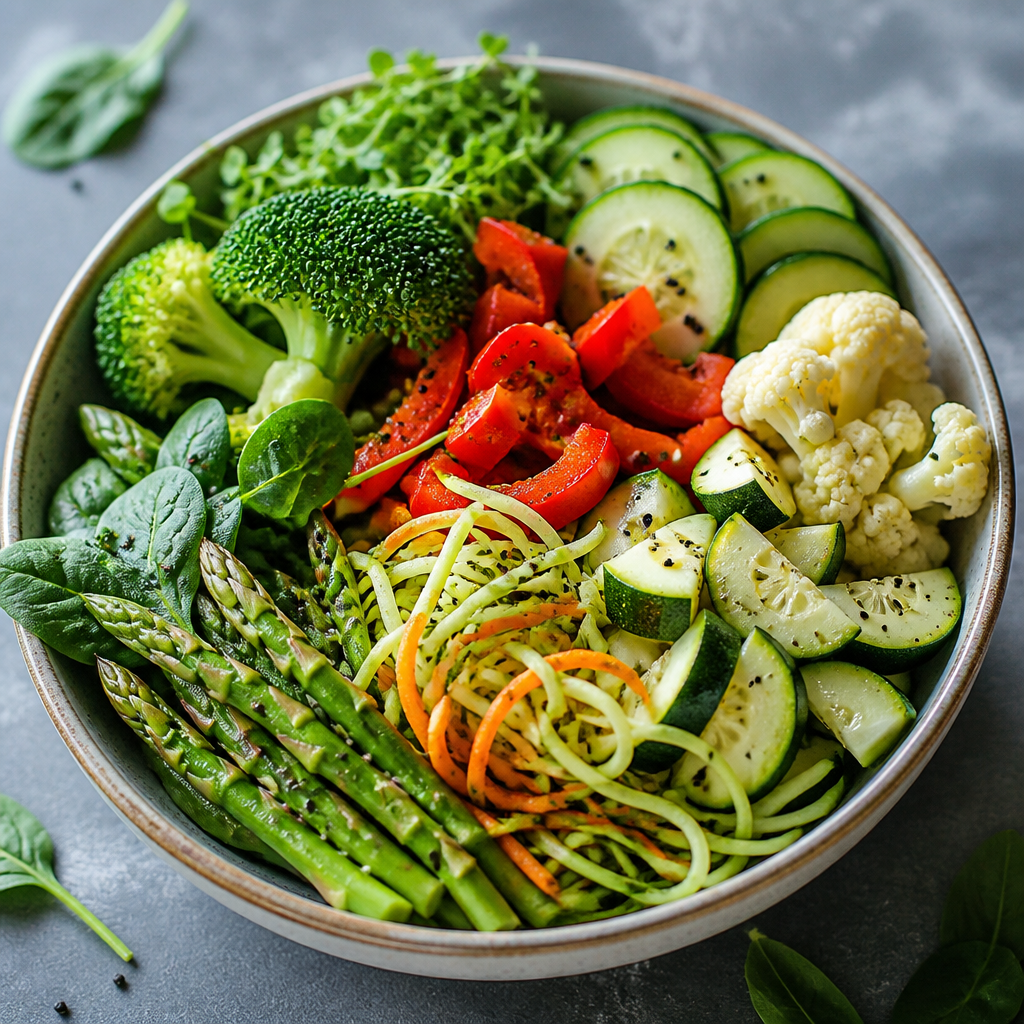 The Best Low-Calorie, Low-Carb Vegetables for Your Healthy Diet
 Sustainable Weight Loss Explained: Your Guide to Long-Term Success
 How to Control Your Weight With Calorie Tracking
 How to Build a Macro-Based Meal Plan: Your Ultimate Guide to Meal Prepping
 How to Track Macros Automatically: A Tech-Savvy Guide
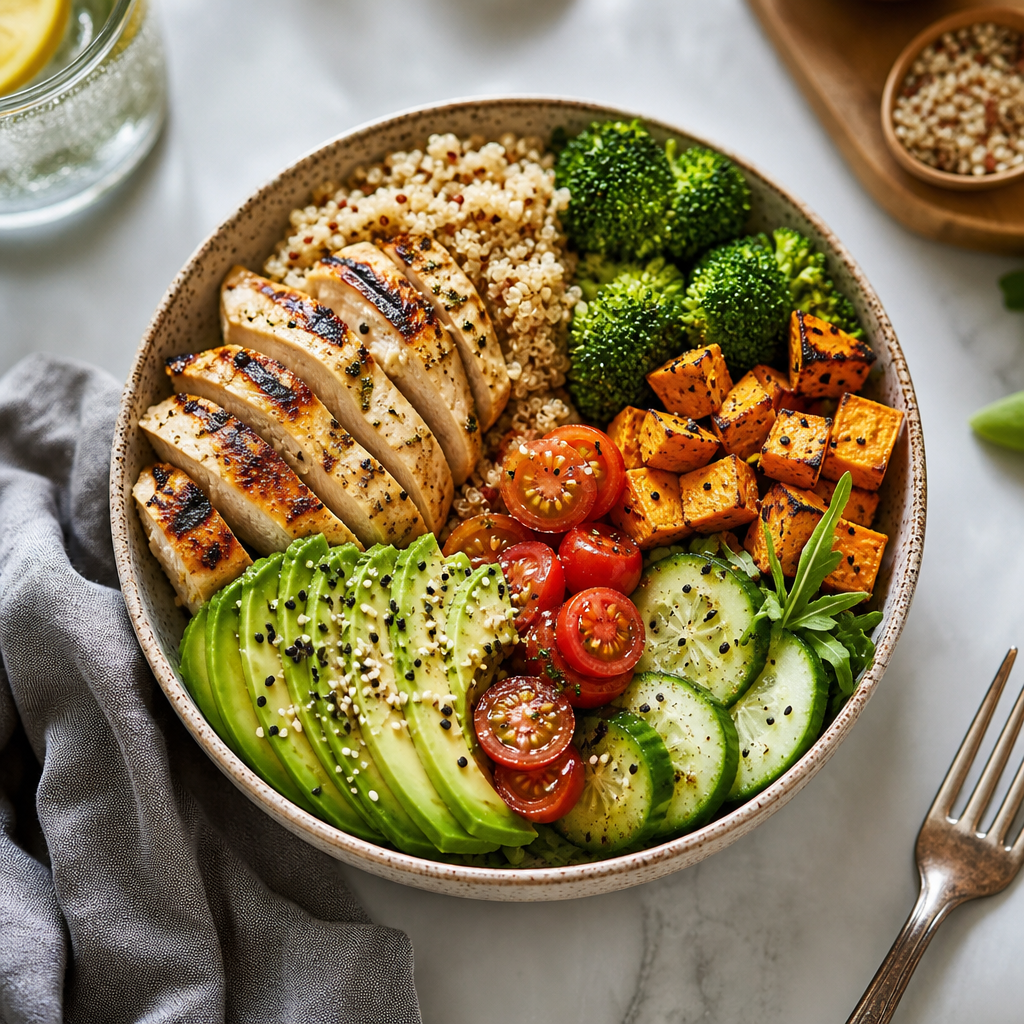 Macro Tracking for Beginners: Your Ultimate Guide to Nutritional Success
 How Many Calories Are in an Orange?
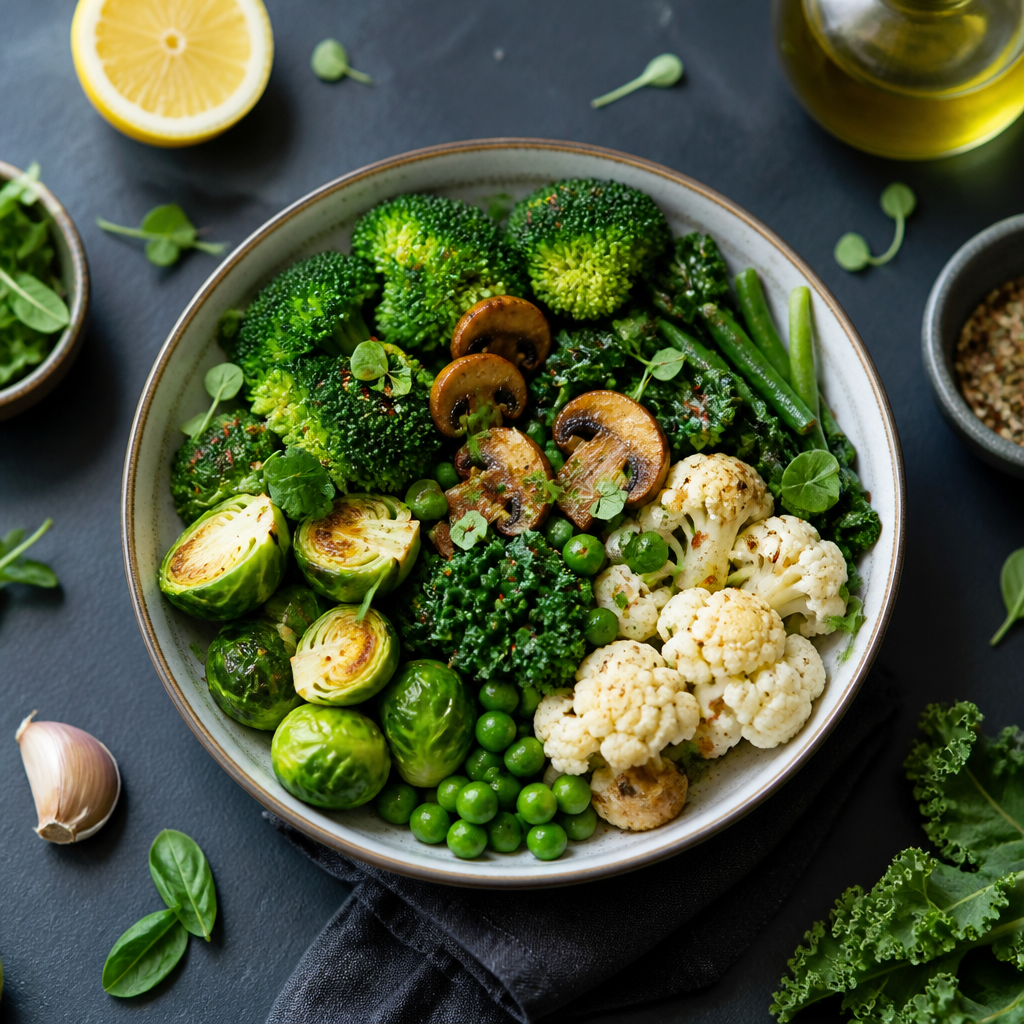 Which Vegetables Keep You Full the Longest?
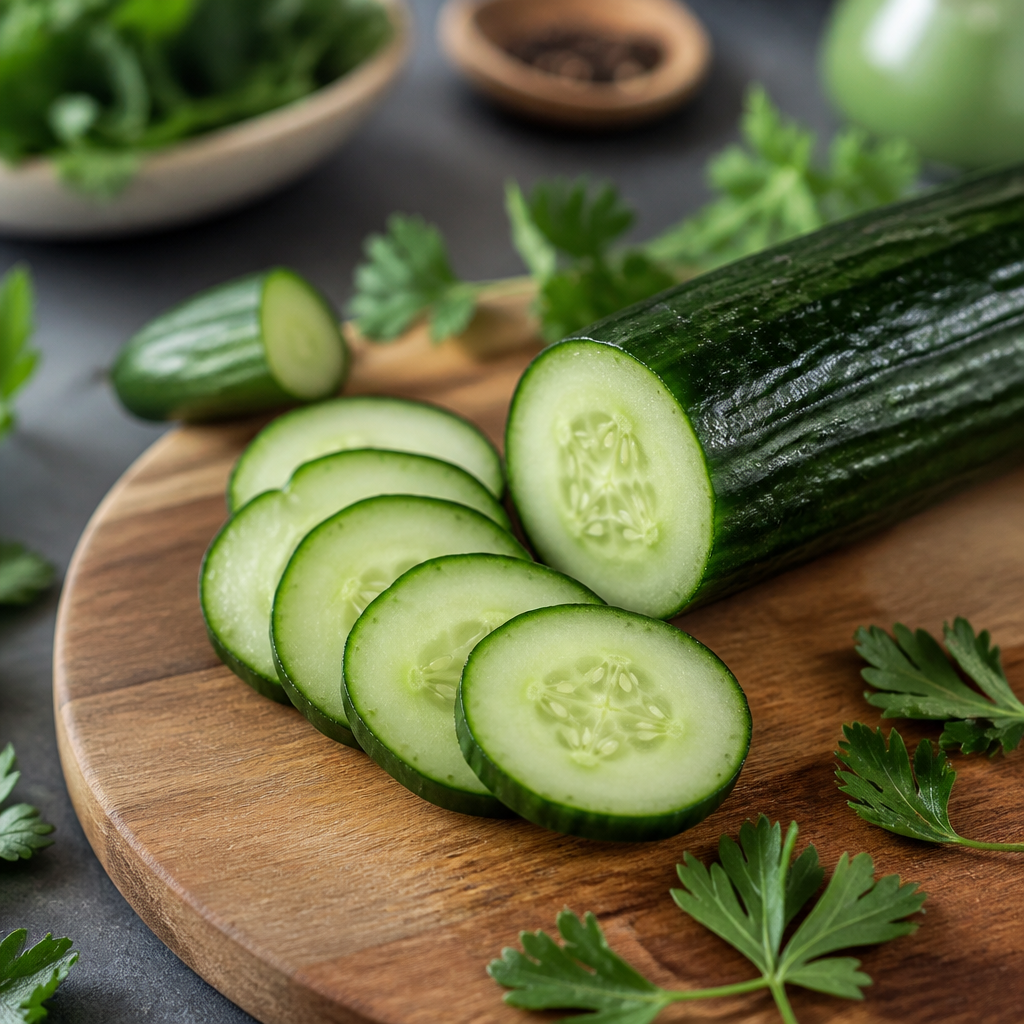 How Many Calories Are in a Cucumber? Unveiling the Secrets of This Superfood
 How Many Calories Are in a Banana?
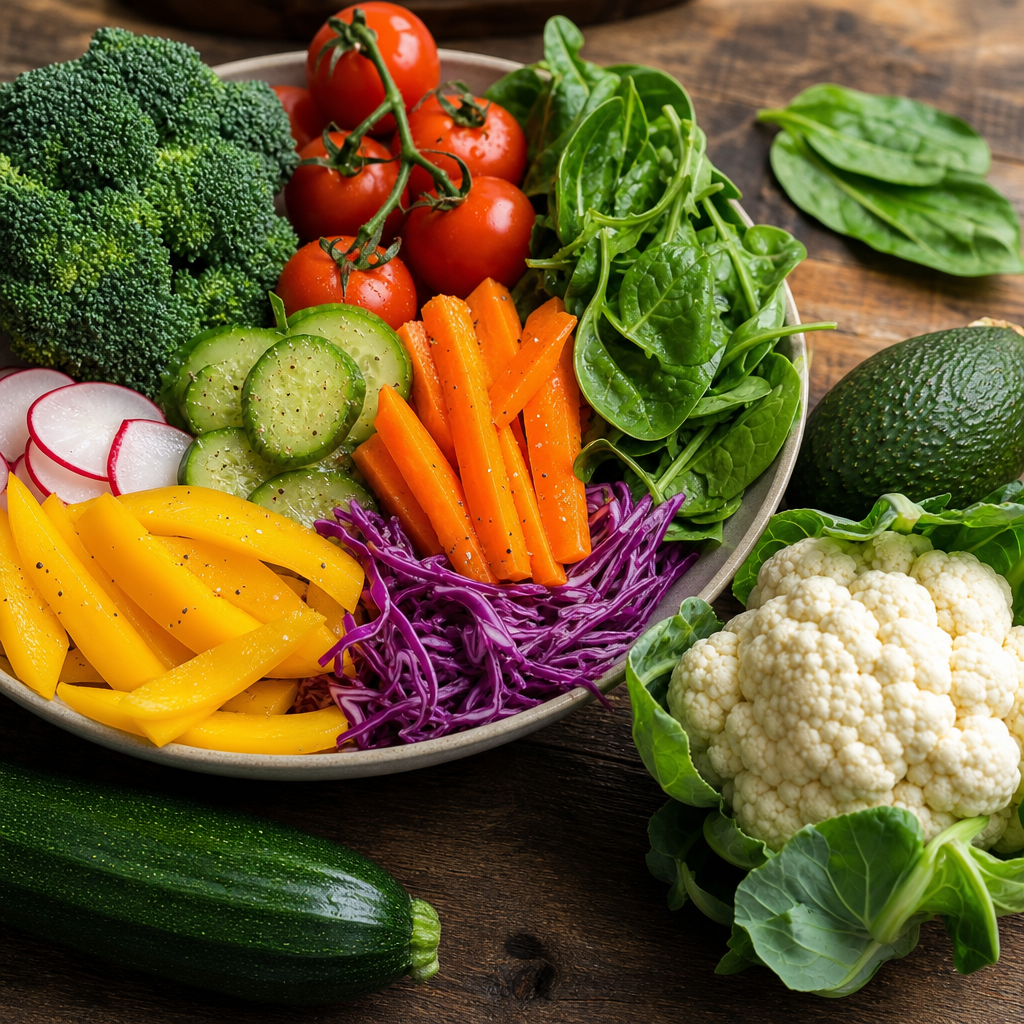 The Healthiest Vegetables for Weight Loss: Your Ultimate Guide
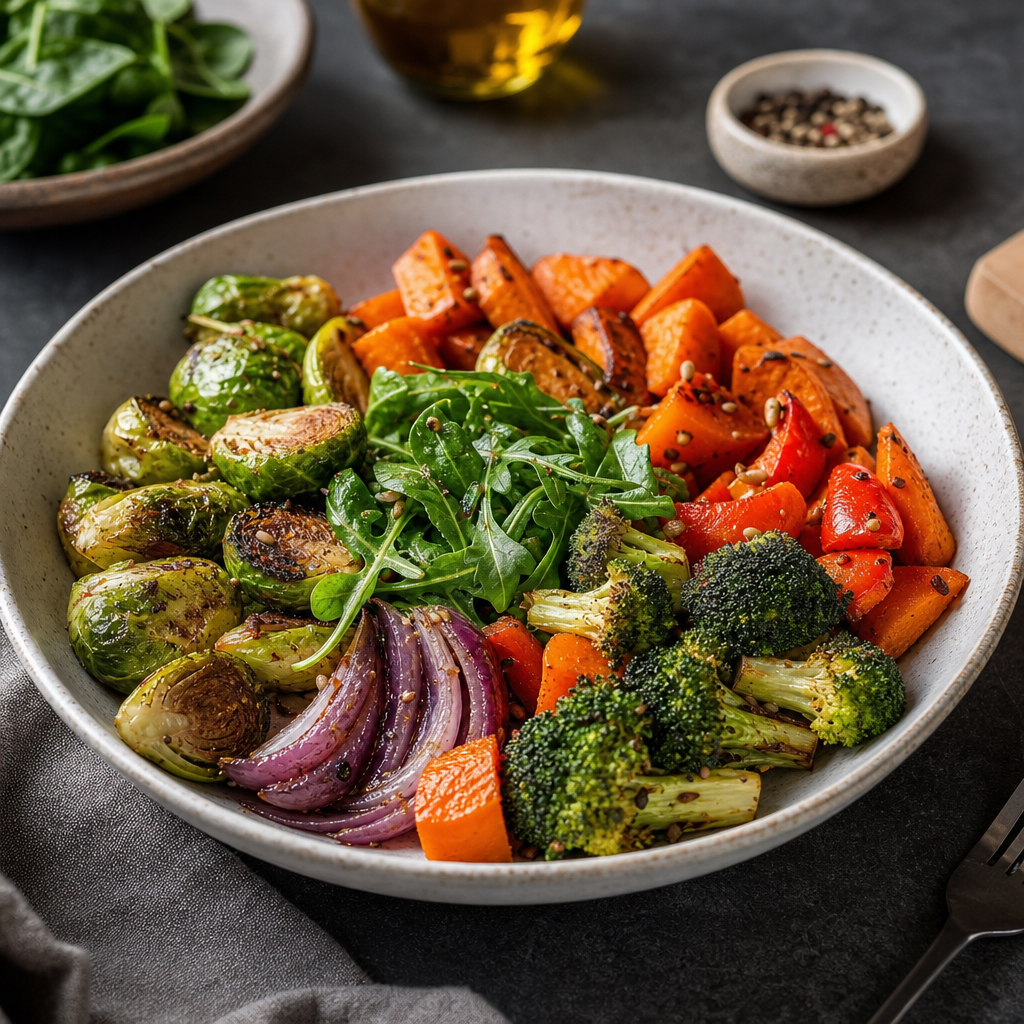 The Best Vegetables for Dinner: Nourishing Your Body While Losing Weight
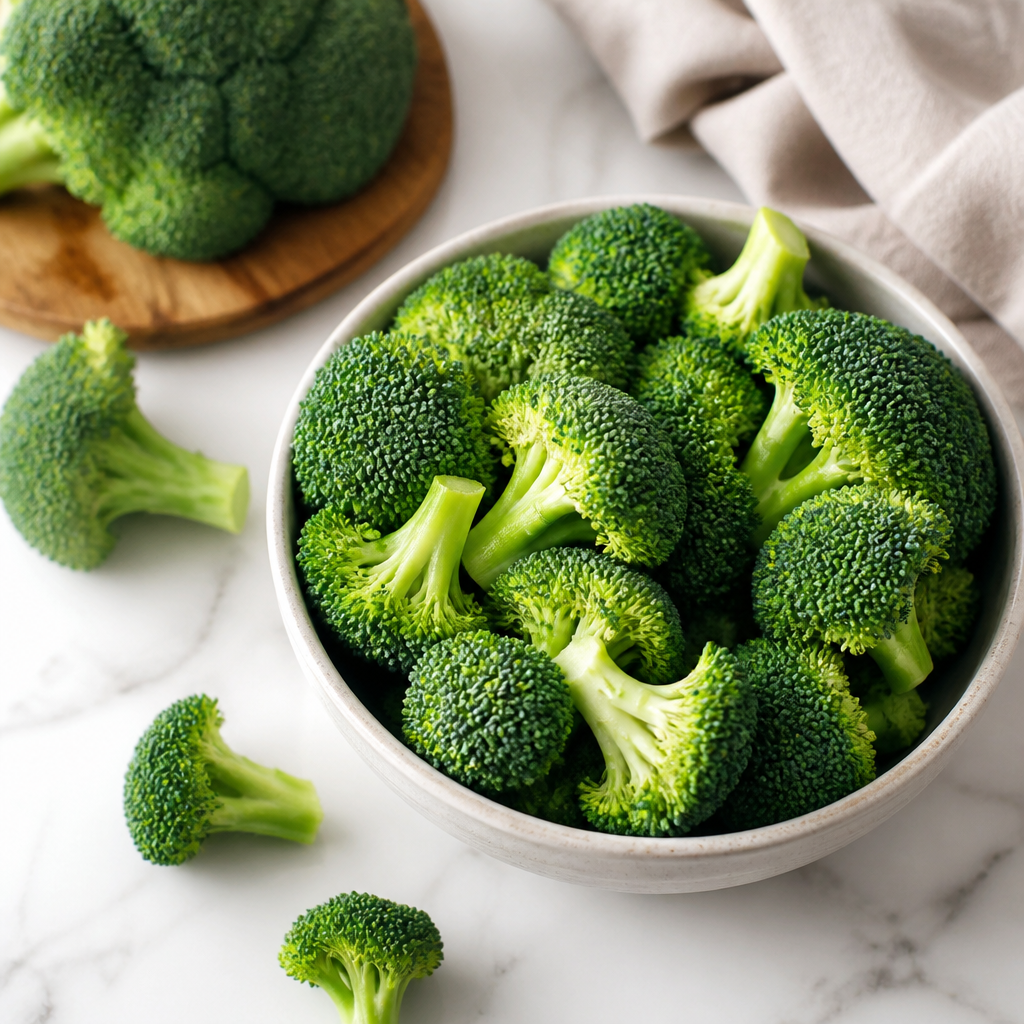 How Many Calories Are in Broccoli? An In-Depth Look
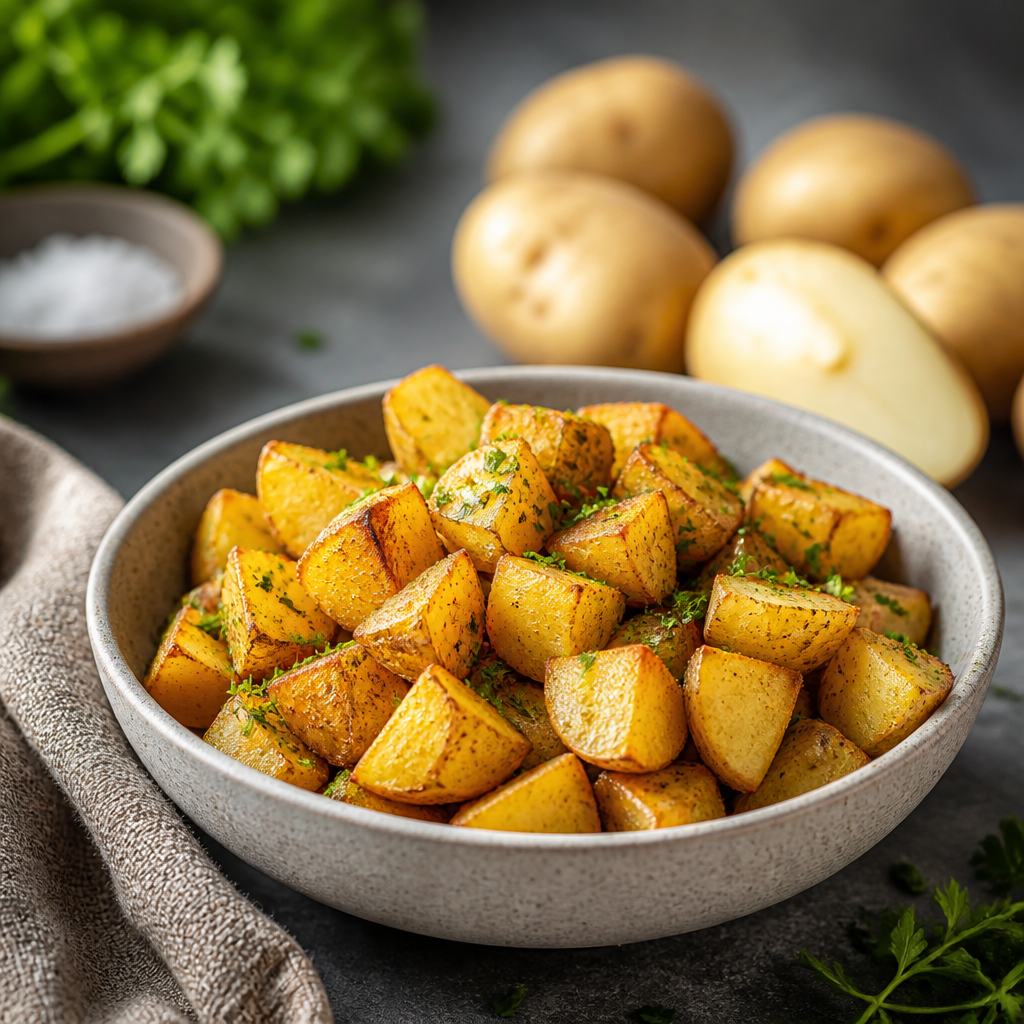 How Many Calories Are in a Potato? Unpacking the Nutritional Value
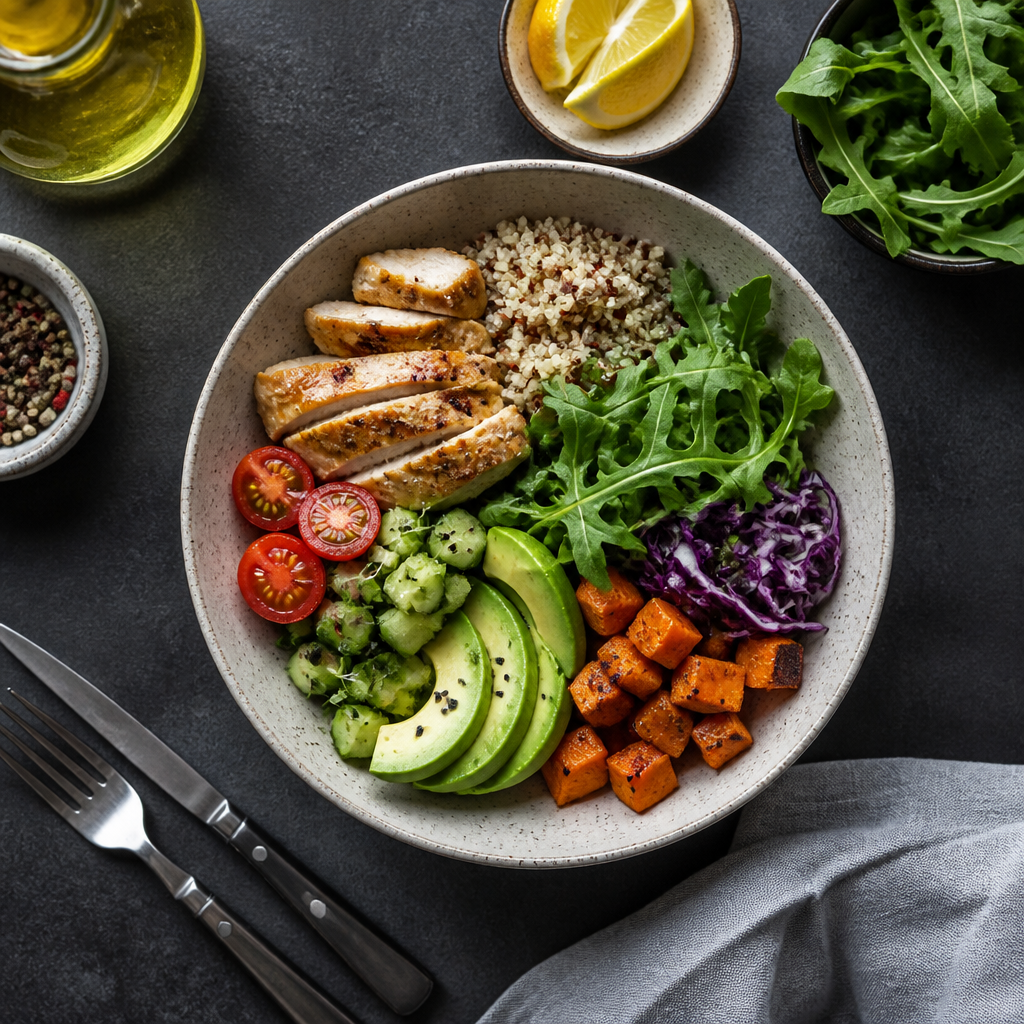 How to Estimate Calorie Counts Visually: A Guide for Impromptu Dieters
 Как считать калории в ресторане: Практическое руководство
 Формула Харриса-Бенедикта простыми словами
 Главные ошибки подсчета калорий
 Как считать калории без весов: Практическое руководство для диетчиков