Hydration and Appetite Cues: Understanding the Connection
Updated Jul 11, 20263 min read5 views
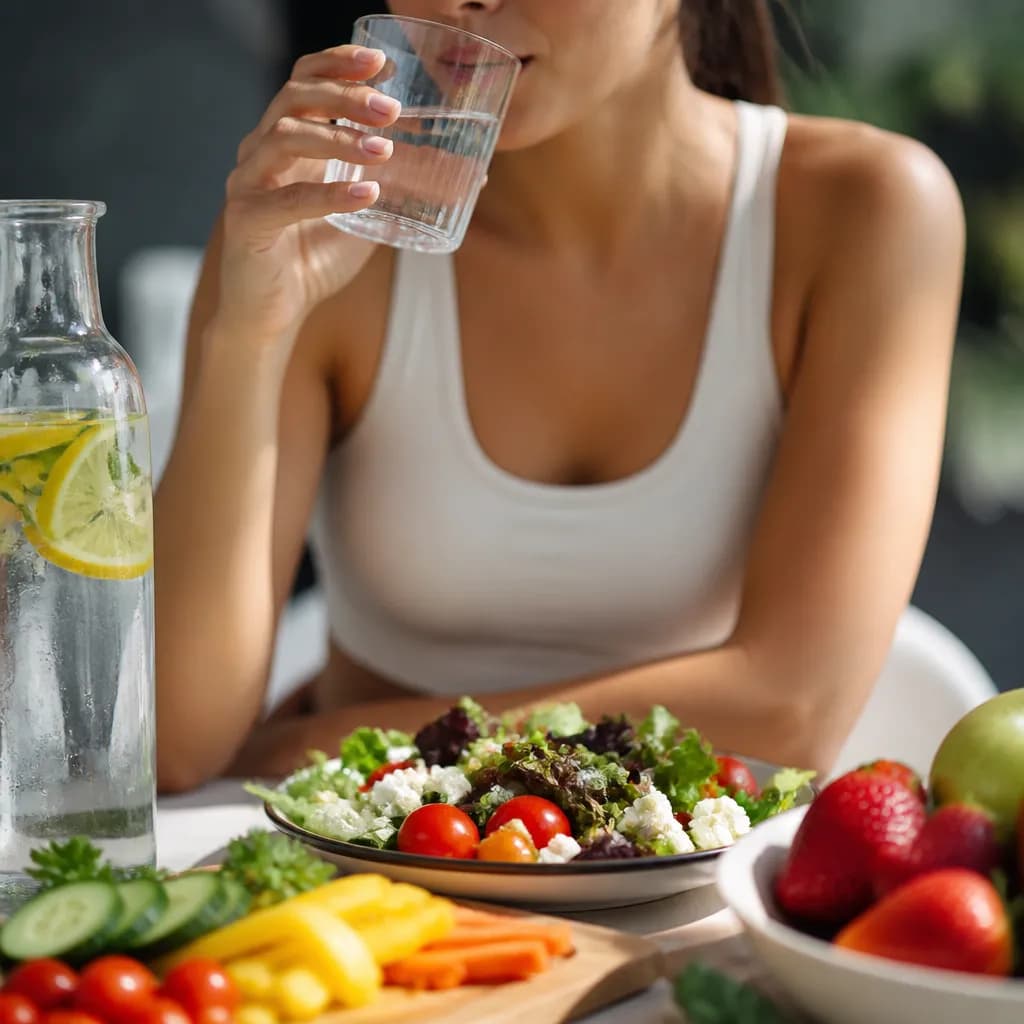
Water is an essential element for our survival, but its role in weight management and appetite regulation is often overlooked. Many people don't realize that what feels like hunger might just be a signal of dehydration. In this article, we will explore the intricate relationship between hydration and appetite cues and how understanding this connection can help you make better dietary choices.
First, let's dive into the physiological aspects of hunger and thirst. The hypothalamus in the brain is responsible for regulating food intake and fluid balance. This tiny region manages numerous functions, including hunger signals, thirst cues, and the sensation of fullness.
Interestingly, the signals for thirst and hunger can often overlap. When the body is dehydrated, you may mistake thirst for hunger, leading to unnecessary snacking or overeating. A study published in the Journal of the American Dietetic Association showed that individuals who were mildly dehydrated consumed an average of 200 more calories in a day compared to those who were properly hydrated.
One practical way to combat this confusion is to establish a routine for hydration. Here are some tips:
Start your day with water: Drinking a glass of water first thing in the morning helps kickstart your metabolism and signals your body that it's time to refuel.
Keep water visible: Having a water bottle at your desk or carrying one with you can serve as a constant reminder to drink throughout the day.
Eat water-rich foods: Incorporate fruits and vegetables with high water content, such as cucumbers, watermelon, oranges, and lettuce, into your meals. These foods can help you stay hydrated while providing essential nutrients.
Listen to your body: When you feel the urge to snack, take a moment to assess whether you are truly hungry or just thirsty. If you're uncertain, try drinking a glass of water and wait 15 minutes to see if the hunger pangs subside.
Now, you might wonder, "How much water should I be drinking?" The general rule is to aim for at least eight 8-ounce glasses of water a day, but individual needs can vary based on factors such as activity level, climate, and overall health. A more tailored estimate can be made using your body weight; a good rule of thumb is to drink half your body weight in ounces. So, if you weigh 150 pounds, aim for about 75 ounces of water daily.
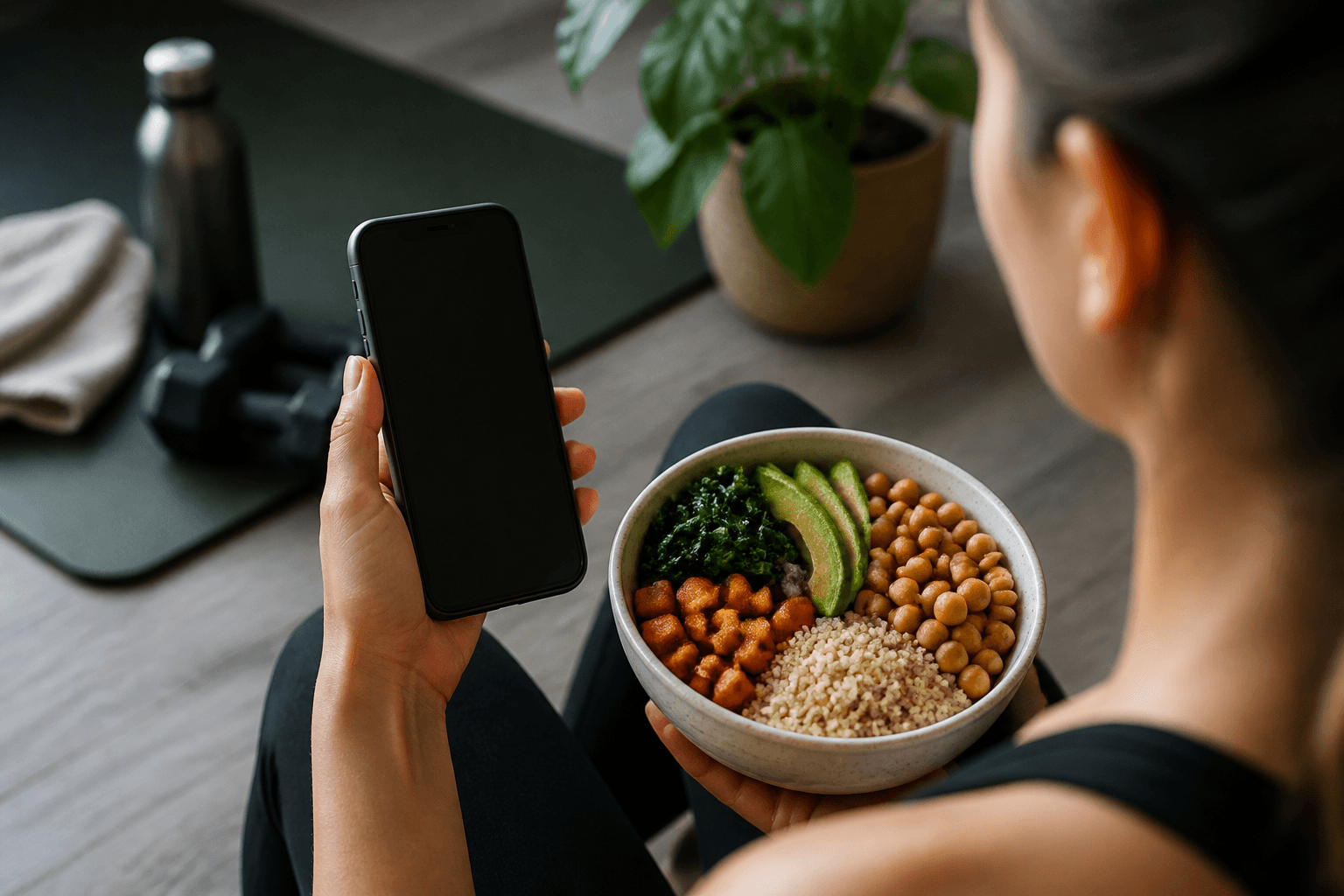
Tracking your hydration status can also provide insights into your appetite cues. You can use an app to remind you to drink water regularly, or simply set a timer on your phone. This practice helps ensure you're adequately hydrated and can prevent false hunger signals.
In conclusion, understanding the connection between hydration and appetite cues is vital for adopting healthier eating habits. By keeping hydrated, you can better manage your hunger, reduce unnecessary calorie intake, and support overall well-being. Remember, the next time you feel hungry, reach for a glass of water first and see how your body responds.
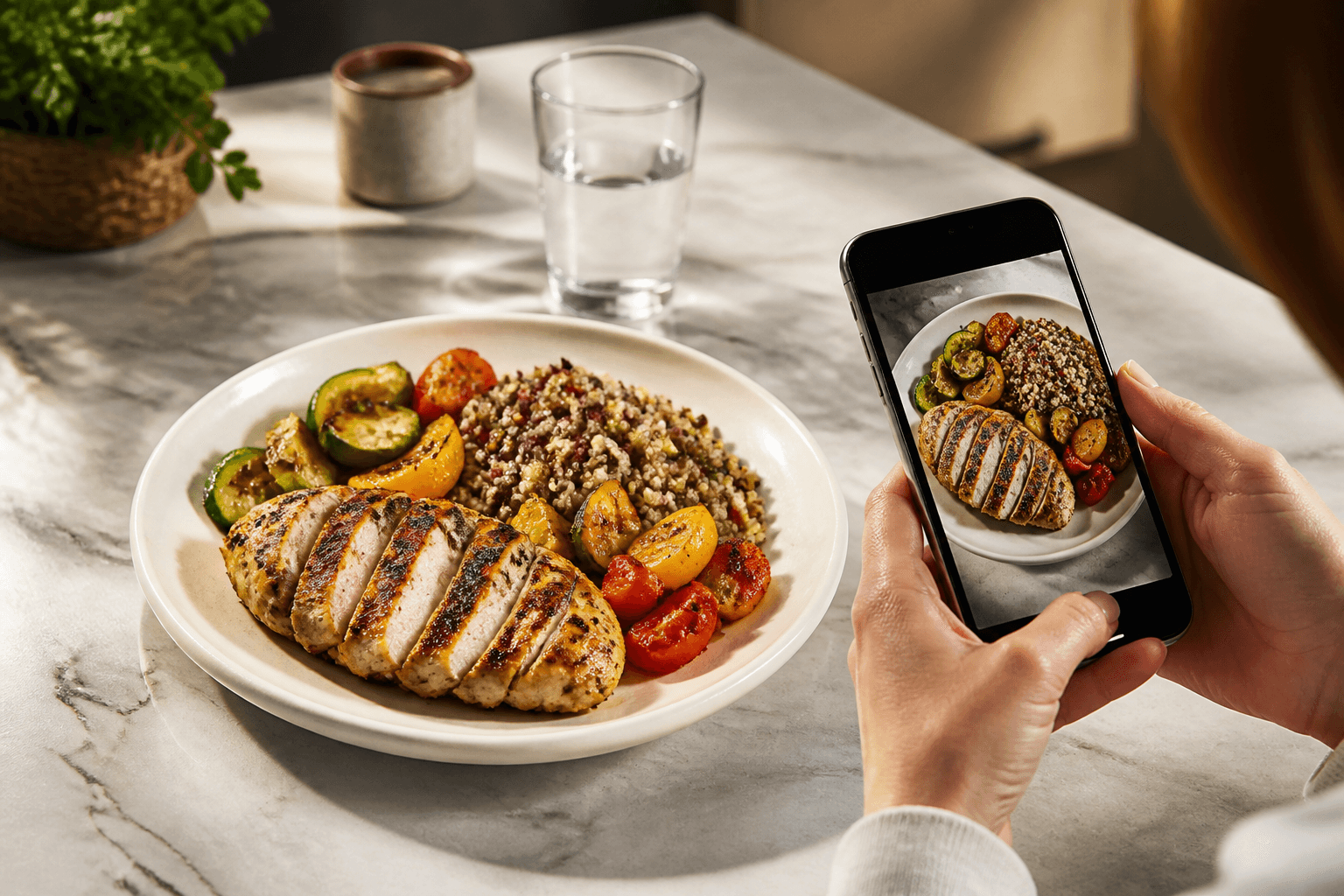
To help you optimize your hydration and appetite management, try our app that allows you to upload food photos. The AI will analyze the calories and macronutrients, providing you with tools to maintain effective dietary control.
Cal AI Editorial Team
Practical guides on nutrition, calorie tracking, meal planning, and building healthier habits with Cal AI.
Editorial policyRelated articles
- Cal AI
The scan got the dish wrong: how to fix grams and calories in Cal AI in 20 seconds
Fix a wrong Cal AI scan by choosing the closest recognition variant, correcting grams, and editing calories when the portion still looks off.
Oct 26, 20266 min read
- french fries
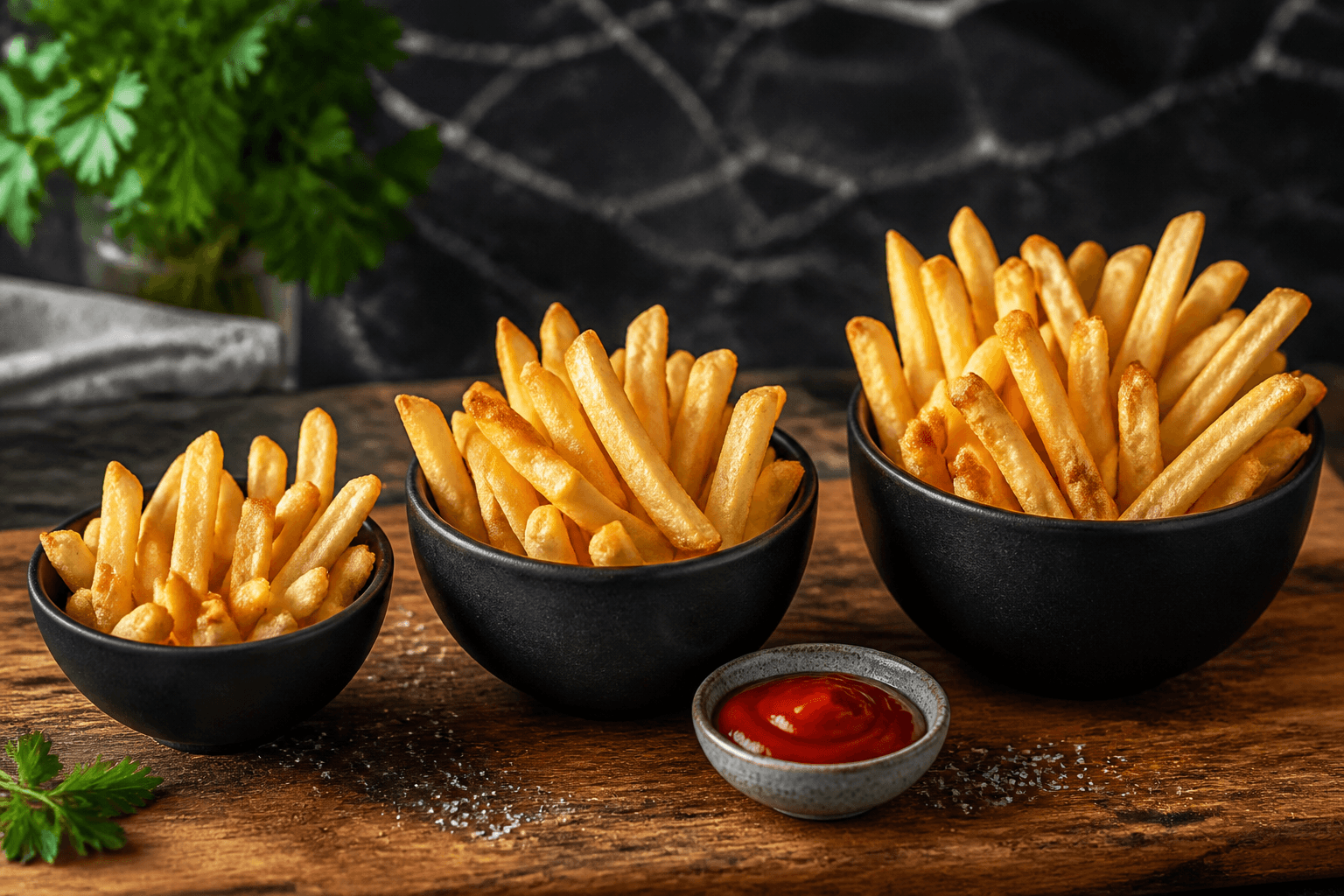
Calories in French Fries: Small, Medium and Large Portions
French fries are 312 kcal per 100 g, and a standard 117 g serving is 365 kcal. Use grams, not size names, when the portion looks unclear.
Oct 23, 20266 min read
- Cal AI
How to Cancel Cal AI Subscription on iPhone and Android
Cancel Cal AI through Apple or Google Play, not inside the app. Follow the exact menu paths and see what cancellation means for history and scans.
Oct 20, 20265 min read1 views
- chicken breast
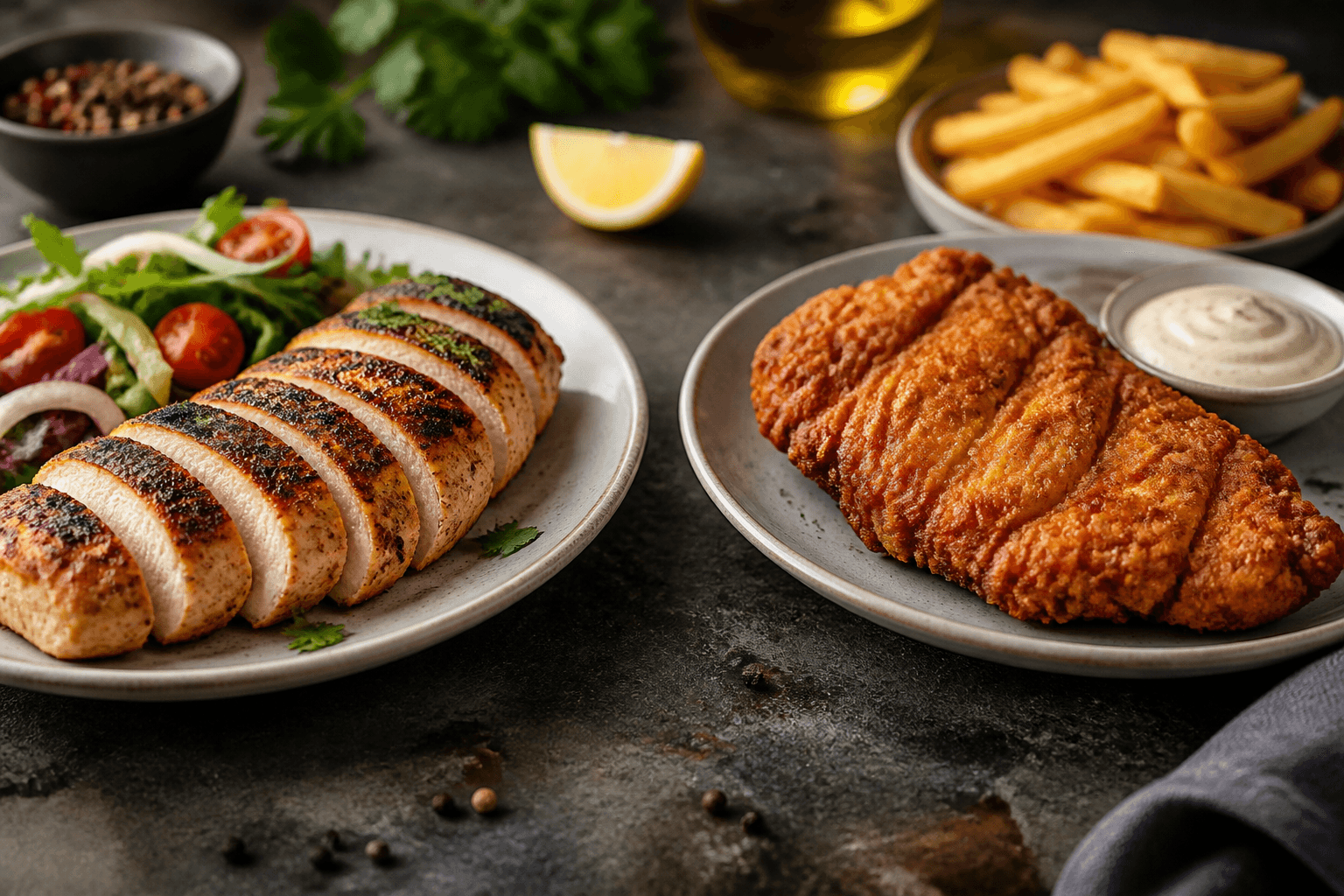
Calories in Chicken Breast: 100 g, One Breast, Grilled vs Fried
Chicken breast has 165 kcal per 100 g cooked. See one-breast calories, grilled and fried adjustments, and how to log it accurately.
Oct 17, 20266 min read1 views
- rice
White Rice vs Brown Rice: Calories, Protein, and Which to Pick
Brown rice is slightly lower in calories than white rice, but the gap is small. Compare cooked portions, macros, and which one fits your goal at meals.
Oct 14, 20266 min read2 views
- calorie calculator
How many calories do you need a day? Mifflin-St Jeor with worked examples
Use Mifflin-St Jeor to estimate daily calories from weight, height, age, and activity, with worked examples and portion checks.
Oct 11, 20268 min read