How to Count Calories for Weight Loss Without Dieting
Updated Sep 22, 20263 min read8 views
In the world of weight loss, counting calories can often seem like a tedious chore associated with restrictive diets and food deprivation. However, it doesn't have to be that way! In this article, we’ll explore how you can effectively track your calorie intake and achieve your weight loss goals without following a rigid diet.
Understanding Caloric Needs
Before we dive into practical tips for counting calories, it's crucial to understand that every person has different caloric needs. These needs depend on factors like age, gender, weight, height, and activity level. To maintain or lose weight, you must know your Basal Metabolic Rate (BMR) and Total Daily Energy Expenditure (TDEE).
You can calculate your BMR using formulas like the Harris-Benedict equation. Once you understand your caloric needs, you can create a caloric deficit for weight loss without extreme dieting.
Practical Tips for Counting Calories
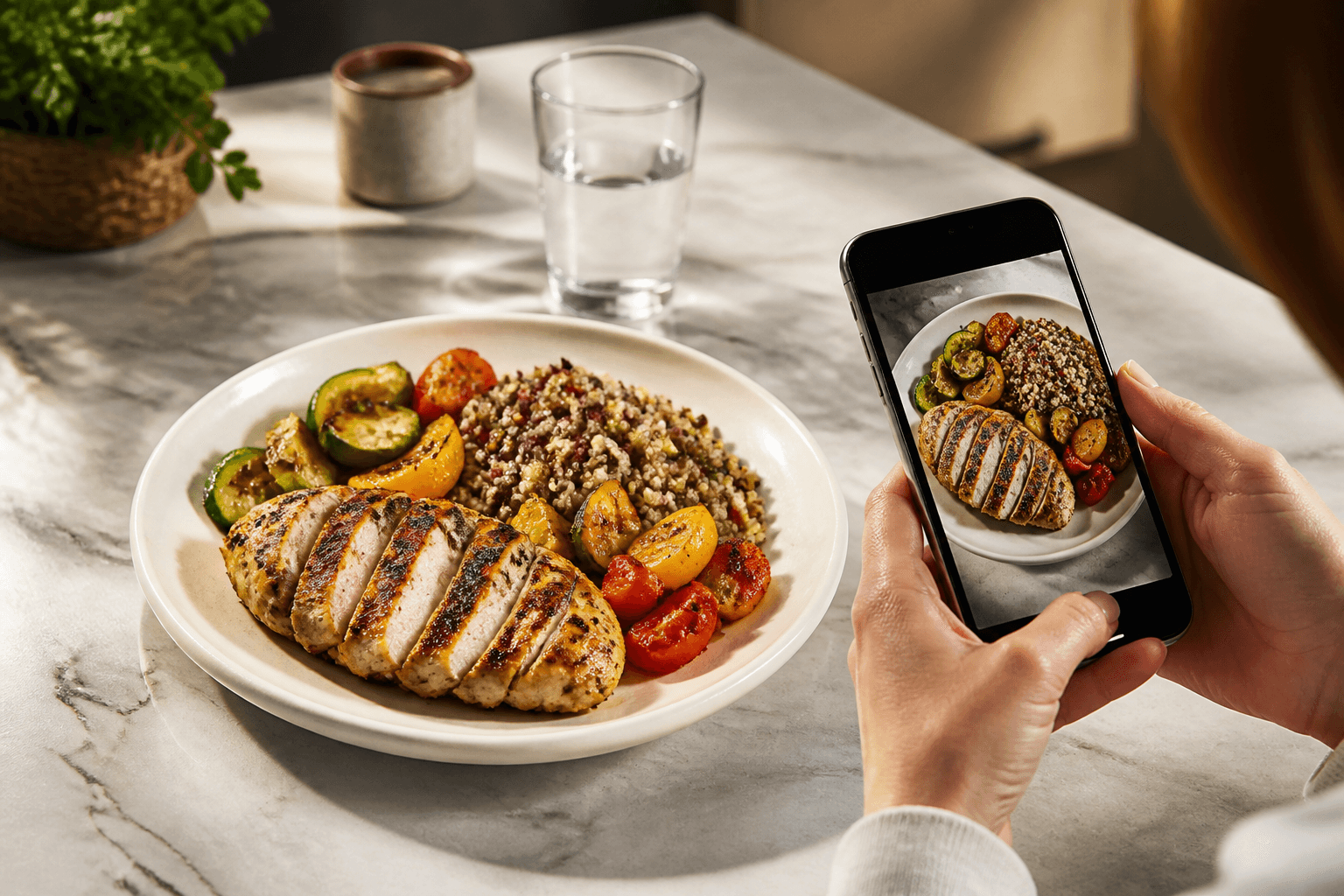
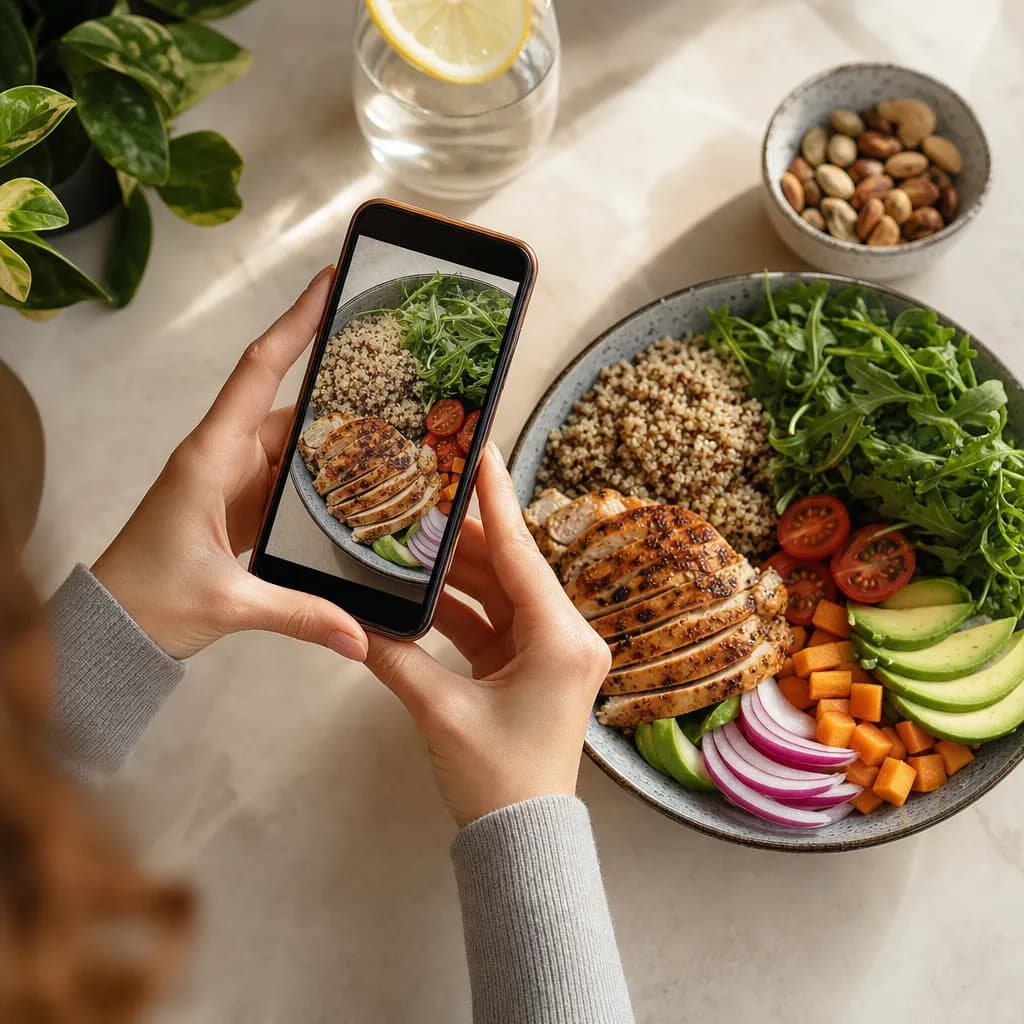
Use Mobile Apps: There are numerous mobile apps available that can help you track your calories effortlessly. Apps like MyFitnessPal or Lose It! feature extensive food databases, barcode scanners, and even the ability to log meals by taking a photo. This makes tracking easier and more enjoyable!
Mindful Eating: Pay attention to what you eat and how much you're consuming. Eating slowly allows your body to signal when it's full, reducing the likelihood of overeating. Consider portion sizes and try to fill your plate with vegetables, lean proteins, and whole grains.
Keep a Food Journal: A physical or digital food journal can help you stay accountable. Write down everything you eat throughout the day, including snacks. This mindfulness can help identify patterns and areas for improvement.
Use Measuring Tools: Invest in measuring cups and a kitchen scale. Measuring servings can help reinforce portion control without feeling restricted. Over time you will develop an eye for proper portion sizes, making the process easier.
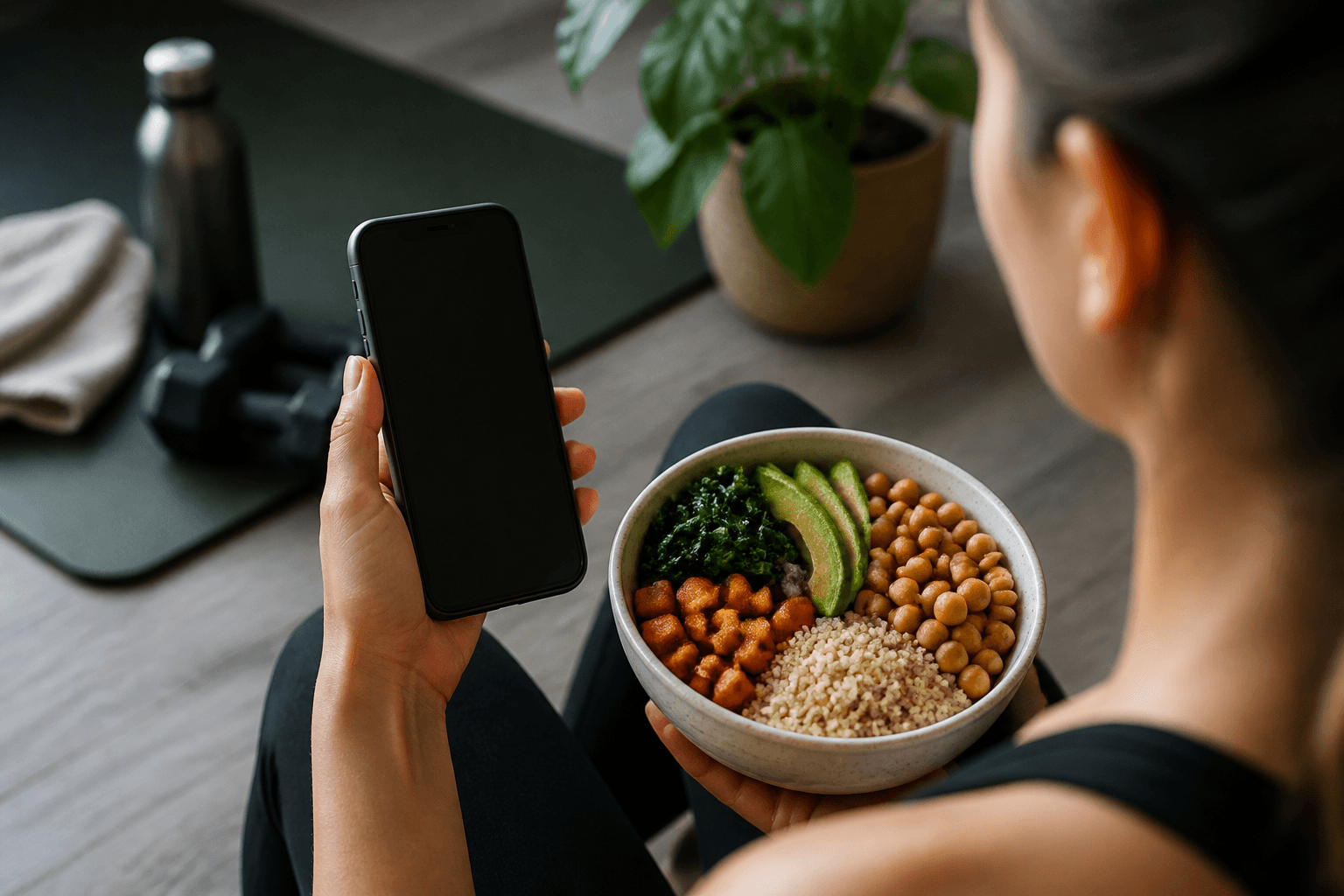
Focus on Nutrient-Dense Foods: Instead of avoiding foods entirely, choose nutrient-dense options. Fill your plate with colorful fruits and veggies, lean proteins, and healthy fats. This way, you stay satisfied while consuming fewer calories.
Example Meal Plan
To give a practical idea of how to integrate these principles, here’s a simple meal plan:
- Breakfast: Overnight oats (1 cup oats, 1 cup almond milk, topped with a banana and a tablespoon of peanut butter) - approximately 400 calories.
- Lunch: Grilled chicken salad (4 oz chicken breast, mixed greens, cherry tomatoes, cucumber, and a light vinaigrette) - around 350 calories.
- Snack: Greek yogurt with honey and berries - about 200 calories.
- Dinner: Baked salmon (6 oz) with quinoa (1 cup) and steamed broccoli - roughly 600 calories.
Total: 1550 calories, allowing for flexibility in snacks or treats based on your activity level.
FAQs
Q: Can I lose weight without counting calories? A: Yes, but counting can be a beneficial tool to raise awareness about your intake.
Q: Do I need to track everything I eat? A: Tracking can be beneficial, but you might choose to focus only on high-calorie or problematic meals initially.
Q: How can I make counting calories easier? A: Use apps, prepare meals in batches, and focus on healthy, satisfying foods that you enjoy.
Conclusion
Counting calories doesn’t have to be about strict dieting; it’s about making informed choices that align with your weight loss goals. By applying these strategies to your everyday life, you can develop a sustainable approach to healthy eating that fosters long-term success. Ready to get started? Let our AI-powered app help you monitor your food intake effortlessly! Upload a photo of your meals, and we’ll calculate the calories and macronutrients for you. It’s time to take control of your nutrition—one delicious meal at a time!
Cal AI Editorial Team
Practical guides on nutrition, calorie tracking, meal planning, and building healthier habits with Cal AI.
Editorial policyRelated articles
- Cal AI
The scan got the dish wrong: how to fix grams and calories in Cal AI in 20 seconds
Fix a wrong Cal AI scan by choosing the closest recognition variant, correcting grams, and editing calories when the portion still looks off.
Oct 26, 20266 min read
- french fries
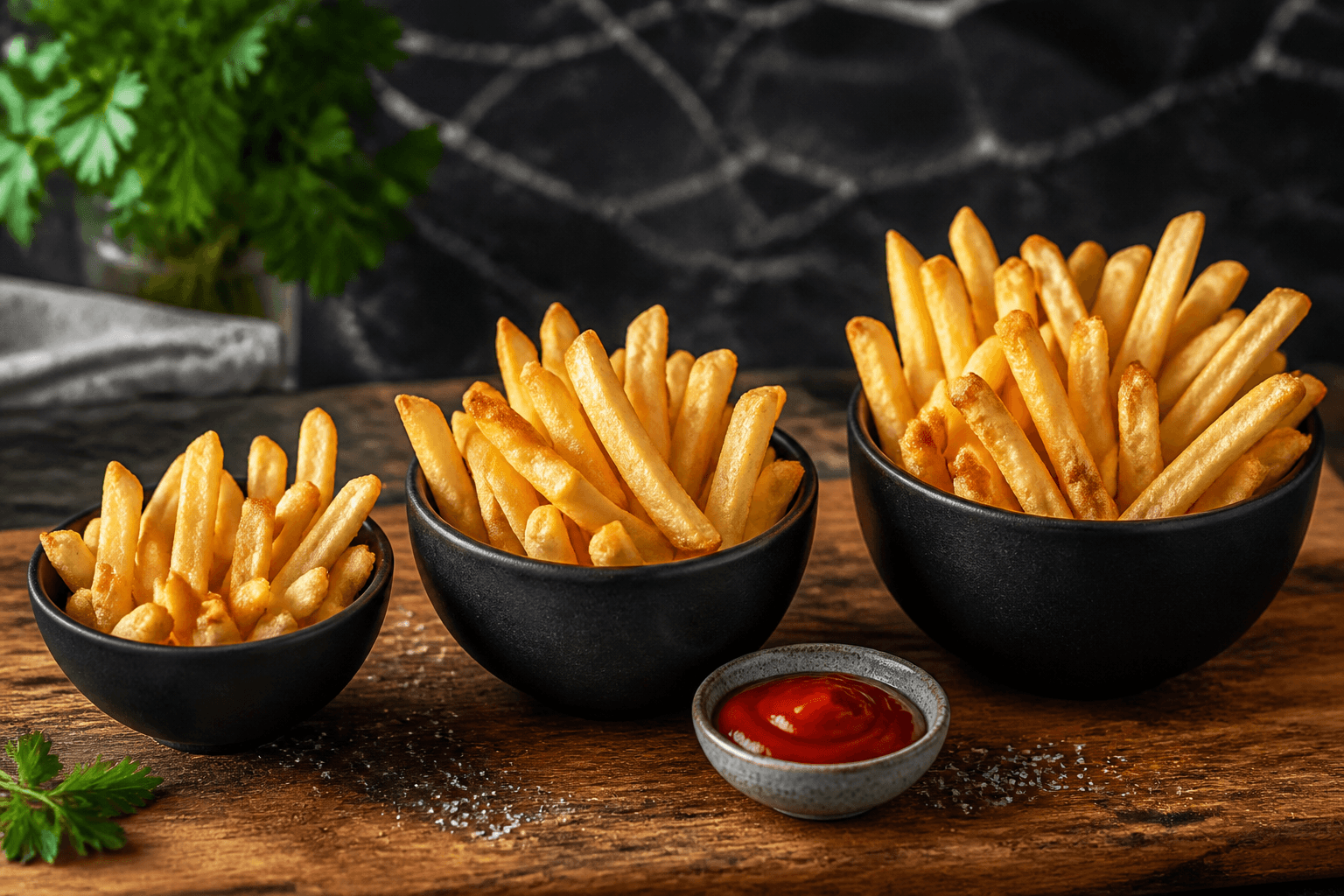
Calories in French Fries: Small, Medium and Large Portions
French fries are 312 kcal per 100 g, and a standard 117 g serving is 365 kcal. Use grams, not size names, when the portion looks unclear.
Oct 23, 20266 min read
- Cal AI
How to Cancel Cal AI Subscription on iPhone and Android
Cancel Cal AI through Apple or Google Play, not inside the app. Follow the exact menu paths and see what cancellation means for history and scans.
Oct 20, 20265 min read1 views
- chicken breast
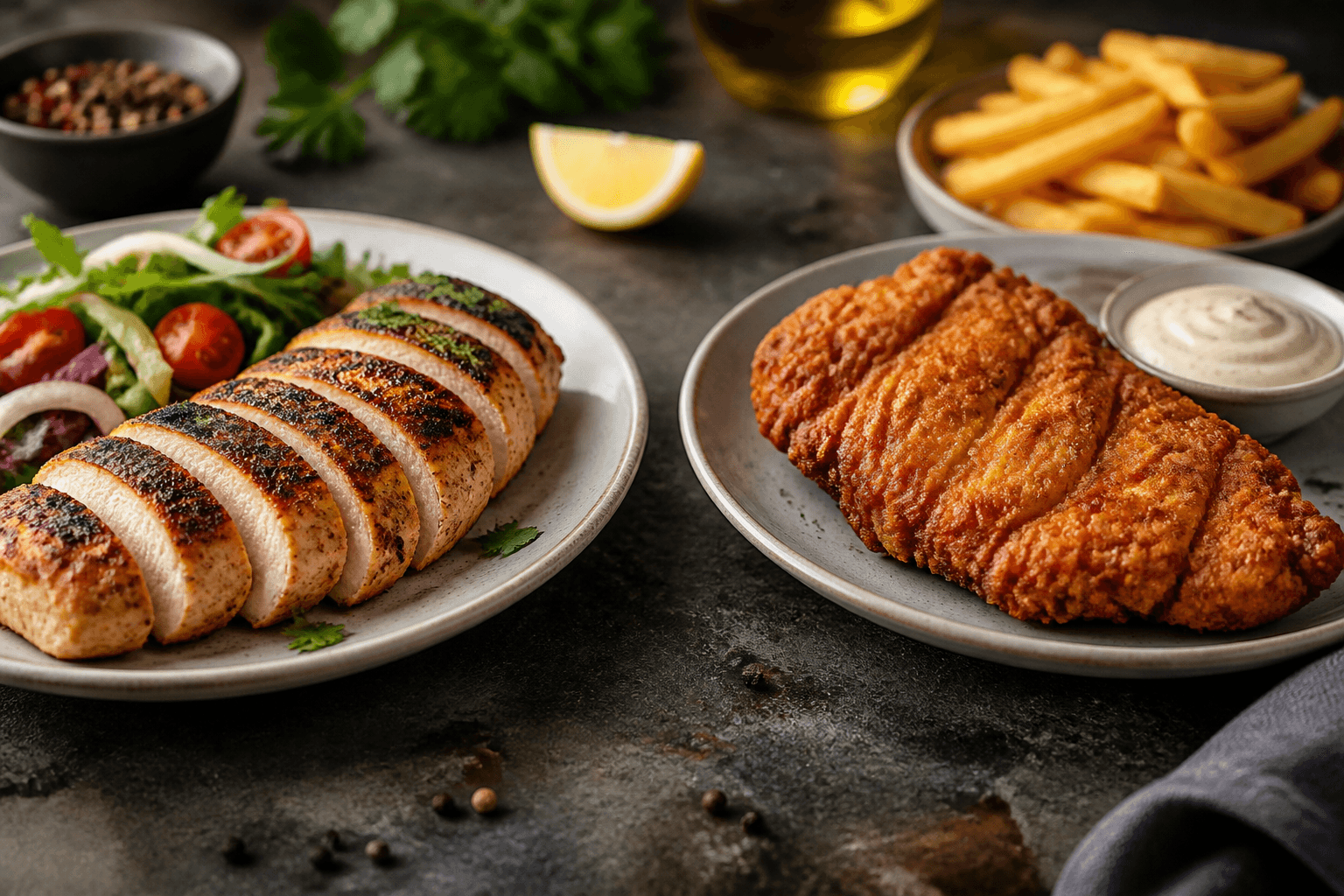
Calories in Chicken Breast: 100 g, One Breast, Grilled vs Fried
Chicken breast has 165 kcal per 100 g cooked. See one-breast calories, grilled and fried adjustments, and how to log it accurately.
Oct 17, 20266 min read1 views
- rice
White Rice vs Brown Rice: Calories, Protein, and Which to Pick
Brown rice is slightly lower in calories than white rice, but the gap is small. Compare cooked portions, macros, and which one fits your goal at meals.
Oct 14, 20266 min read2 views
- calorie calculator
How many calories do you need a day? Mifflin-St Jeor with worked examples
Use Mifflin-St Jeor to estimate daily calories from weight, height, age, and activity, with worked examples and portion checks.
Oct 11, 20268 min read