Why Hydration Matters in a Calorie Deficit
Discover the crucial role hydration plays in your weight loss journey, especially when operating in a calorie deficit.
Understanding the Calorie Deficit
A calorie deficit occurs when you consume fewer calories than your body expends. This is a fundamental principle in weight loss and understanding it is crucial for anyone embarking on a diet plan. For example, if your maintenance calories are 2,500 and you consume only 2,000 calories, you create a deficit of 500 calories daily, leading to weight loss over time. However, the success of this approach can hinge on various factors, including hydration.
Many dieters may overlook hydration when cutting calories, believing that focusing solely on food intake is sufficient. Yet, water is not merely a passive player in this process; it actively influences metabolism, satiety, and even energy levels. Neglecting hydration can inadvertently sabotage your weight loss efforts.
The Role of Water in Metabolism
Water plays a pivotal role in almost every metabolic process in your body, especially when you're in a calorie deficit. Proper hydration aids in the breakdown of nutrients, which is essential for generating energy. Studies suggest that drinking water can temporarily boost metabolism by 24-30% for about 60 minutes. This phenomenon, known as water-induced thermogenesis, further accentuates the necessity of hydration for those trying to lose weight.
Furthermore, dehydration can slow down your metabolic rate. For instance, a study conducted by the University of Utah indicated that just a 2% decrease in hydration can negatively affect metabolism. If you're operating at a deficit, the last thing you want is a sluggish metabolism due to insufficient water intake.
Hydration and Appetite Regulation
When you're in a calorie deficit, managing hunger becomes a critical aspect of your weight loss journey. Enter hydration: water can act as a natural appetite suppressant. Research has shown that drinking water before meals can lead to reduced calorie intake. For example, participants who consumed 500 ml of water about 30 minutes before a meal ate fewer calories during the meal compared to those who did not drink water.
Additionally, thirst is sometimes mistaken for hunger. In a caloric deficit, it's vital to differentiate between the two. Keeping hydrated ensures that your signals are accurate, helping you avoid unnecessary snacking and sticking to your dietary goals.
Hydration and Physical Performance
Staying hydrated is equally important for maintaining optimal physical performance, particularly when you're training while in a caloric deficit. Dehydration can lead to decreased strength, endurance, and overall performance during workouts. Even losing 2% of body weight through sweat can impair your performance and increase the perception of effort.
For someone in a calorie deficit looking to maintain muscle mass, hydration is key. Water assists in nutrient transport to muscle cells and recovery post-workout. If you're not hydrating properly, your workouts may suffer, and consequently, your weight loss efforts may stagnate due to decreased physical activity.
Caloric and Nutritional Loss Due to Dehydration
Often overlooked in the discourse about hydration in a calorie deficit is the fact that dehydration can impact nutrient absorption and overall caloric efficiency. Water is necessary for optimal digestion and absorption of nutrients. Without adequate hydration, your body may not fully absorb essential vitamins and minerals from foods, which could lead to deficiencies over time.
A study highlighted in the journal 'F1000 Biology Reports' pointed out that chronic dehydration can lead to a decreased absorption of key nutrients that aid weight loss, such as calcium and vitamin D. Therefore, while calorie restriction may help you lose weight, improper hydration could compromise the nutritional value you derive from your food.
How Much Water Do You Really Need?
The amount of water required varies greatly among individuals, influenced by factors such as age, sex, weight, and physical activity levels. A general guideline is to aim for at least 8-10 cups (64-80 ounces) of water a day. However, when in a calorie deficit, you might need more, especially if you're exercising regularly.
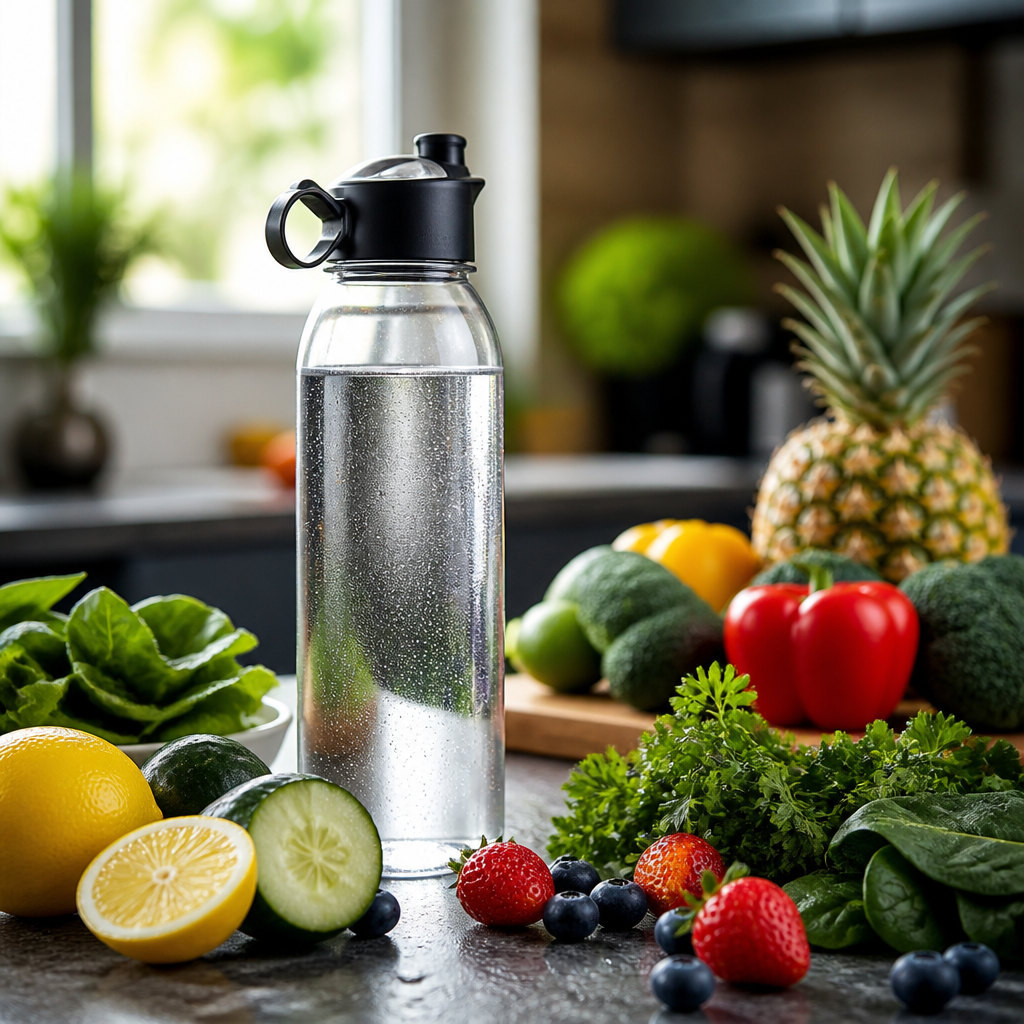
To make hydration more manageable, consider keeping a water bottle handy, setting reminders to drink water, or integrating water-rich foods into your diet. Foods like cucumbers, oranges, and watermelon can significantly contribute to your hydration needs while still promoting healthy weight loss.
Practical Strategies for Staying Hydrated
Staying hydrated doesn't have to feel like a chore. Here are some practical tips to ensure you maintain adequate hydration while in a calorie deficit:
Carry a water bottle with you and refill it throughout the day.
Set timers to remind you to drink water at regular intervals.
Incorporate herbal teas or flavored water to make hydration more enjoyable.
Eat fruits and vegetables with high water content as part of your meals or snacks.
Monitor your urine color; light yellow typically indicates good hydration.
By integrating these habits into your routine, you can easily ensure that hydration becomes a seamless part of your weight loss journey.
Frequently Asked Questions
How does dehydration affect weight loss?
Dehydration can slow down your metabolism, lead to increased feelings of hunger, and negatively impact physical performance, making it harder to achieve weight loss goals.
Can drinking water help reduce cravings?
Yes, drinking water can help reduce cravings by distinguishing between thirst and hunger, leading to less unnecessary snacking.
What are some signs of dehydration?
Some signs include thirst, dark yellow urine, fatigue, dizziness, and dry skin. Staying vigilant about these symptoms is essential, especially when on a calorie deficit.
What is the best time to drink water during a diet?
It's beneficial to drink water before meals to reduce calorie intake and stay hydrated throughout the day, particularly before and after workouts.
Can I drink other beverages instead of water?
While other beverages can contribute to hydration, water is the best choice. However, herbal teas or infused waters can be great alternatives.
Ready to track your nutrition effectively? With Cal AI, you can easily take a photo of your food, instantly estimate calories, view protein, carbs, and fat, and analyze your meals using AI. Make your nutrition goals achievable with Cal AI!
Share this article
Cal AI
Track meals faster with Cal AI
Scan food, estimate calories, and keep your nutrition log moving without typing every ingredient.
Author
Cal AI Editorial Team
Practical guides on nutrition, calorie tracking, meal planning, and building healthier habits with Cal AI.
Editorial policyFrequently asked questions
How does dehydration affect weight loss?
Dehydration can slow down your metabolism, lead to increased feelings of hunger, and negatively impact physical performance, making it harder to achieve weight loss goals.
Can drinking water help reduce cravings?
Yes, drinking water can help reduce cravings by distinguishing between thirst and hunger, leading to less unnecessary snacking.
What are some signs of dehydration?
Some signs include thirst, dark yellow urine, fatigue, dizziness, and dry skin. Staying vigilant about these symptoms is essential, especially when on a calorie deficit.
What is the best time to drink water during a diet?
It's beneficial to drink water before meals to reduce calorie intake and stay hydrated throughout the day, particularly before and after workouts.
Can I drink other beverages instead of water?
While other beverages can contribute to hydration, water is the best choice. However, herbal teas or infused waters can be great alternatives.
Related articles
 How to Calculate Macros for Muscle GainLearn effective strategies for calculating your macronutrients to support muscle growth and achieve your fitness goals.
 How Many Calories Are in a Pear?Explore the nutritional breakdown and health benefits of pears, an underrated fruit full of flavor and low in calories.
 Discover the Best AI Calorie Tracker Apps for Your DietExplore the top AI-powered calorie tracker apps that can help you manage your diet and reach your health goals effectively.
 AI Calorie Counter: Comprehensive Review of the Top AppsDiscover our in-depth review of popular AI calorie counter apps, evaluating their features, usability, and effectiveness to help you track your nutrition effortlessly.
 How AI Calorie Counting Works: Unpacking the Technology Behind the AlgorithmDiscover how AI calorie counting apps utilize advanced technology to help you track nutrition and achieve your fitness goals.
 How Much Water Should You Drink for Weight Loss?Learn the optimal water intake for weight loss, its benefits, and practical tips to stay hydrated in your weight loss journey.
 The Future of AI Nutrition Apps: Innovations in Dietary ManagementExplore how AI nutrition apps are transforming dietary management with personalized insights, meal planning, and automated tracking.
 How Many Calories Are in Pizza? A Comprehensive GuideDiscover the calorie counts for different pizza types and toppings. Make informed choices while enjoying your favorite slice!
 Calories vs Macros: What Matters More in Your Diet?Discover the crucial differences between calories and macros in dieting. Understand which plays a more significant role in your weight loss success.
 What Is Cal AI? Your Guide to AI-Powered Nutrition SolutionsDiscover how Cal AI can transform your approach to nutrition by offering instant meal analysis, calorie observation, and more!
 The Best Macro Ratio for Weight Loss: Optimizing Your IntakeDiscover the best macronutrient ratios for effective weight loss. Learn how to adjust your intake for optimal results while maintaining a healthy lifestyle.
 How Many Calories Are in Chicken Nuggets? A Comprehensive BreakdownDiscover the calorie counts of chicken nuggets from various brands and preparation methods to make informed choices for your family.
 How Much Protein Do You Need Per Day? A Comprehensive GuideDiscover your daily protein requirements tailored to your personal health goals with our in-depth guide. Find out how to calculate your needs effectively.
 How Many Calories Are in Wine? A Comprehensive GuideDiscover the calorie content in various types of wine and learn how to make informed choices without sacrificing enjoyment.
 How Many Calories Are in Beer? A Comprehensive GuideDiscover the caloric content in various beer styles and tips for enjoying beer in moderation without derailing your diet.
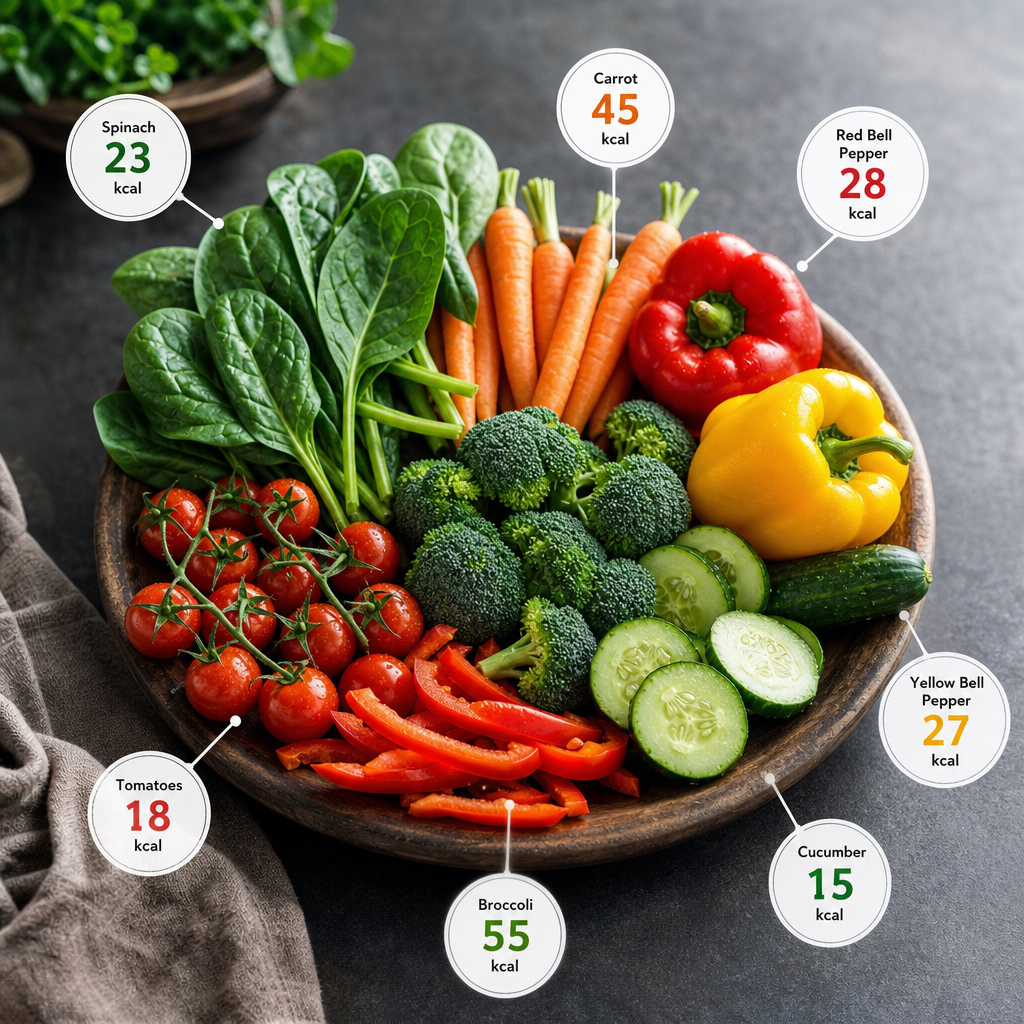 The Complete Vegetable Calorie Chart: Making Informed Dietary ChoicesExplore our complete vegetable calorie chart to make informed decisions for your diet, ensuring healthy calorie intake while enjoying a variety of vegetables.
 The Ultimate Weight Loss Vegetables List: Your Guide to Slimming SuccessDiscover the top weight loss vegetables list that can support your dieting journey with delicious, low-calorie options perfect for meals and snacks.
 How Many Calories Are in Oatmeal? A Comprehensive GuideUncover the calories in oatmeal, from plain oats to popular toppings, and learn to customize your breakfast for optimal health.
 How to Calculate Meal Calories in 5 SecondsMaster quick calorie calculation techniques to keep your meals healthy and on track, especially for busy lifestyles.
 How Many Calories Are in an Americano? A Deep Dive into Your Favorite BrewDiscover the calorie content in an Americano and how it fits into a calorie-conscious diet. Explore variations, preparation methods, and health considerations.
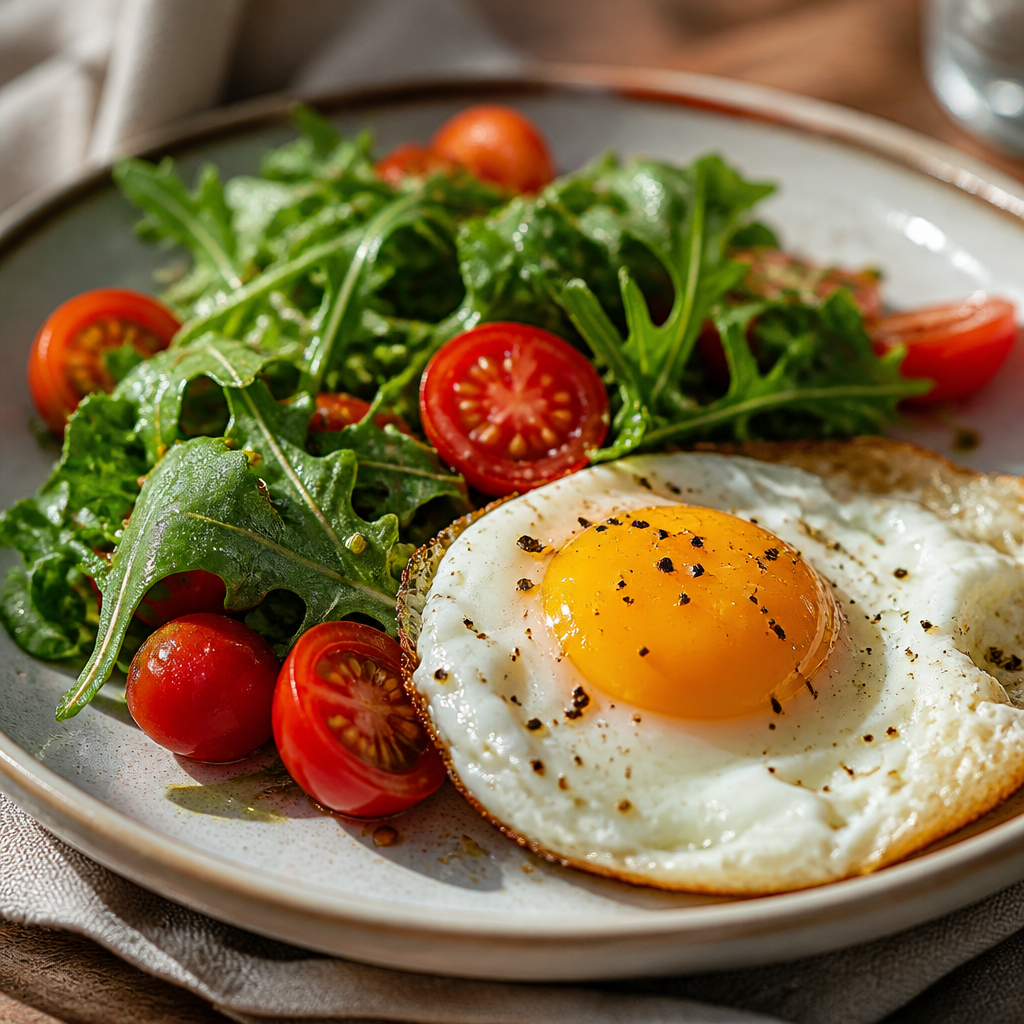 How Many Calories Are in an Egg? A Comprehensive GuideExplore the caloric content of eggs, different cooking methods, and how they fit into a healthy diet while tracking your nutrition goals.
 How Many Calories Are in French Fries? A Portion-by-Portion BreakdownFrench fries can range from a light side dish to a calorie-heavy snack depending on portion size, cooking method, and toppings. Here’s a practical breakdown of calories in french fries.
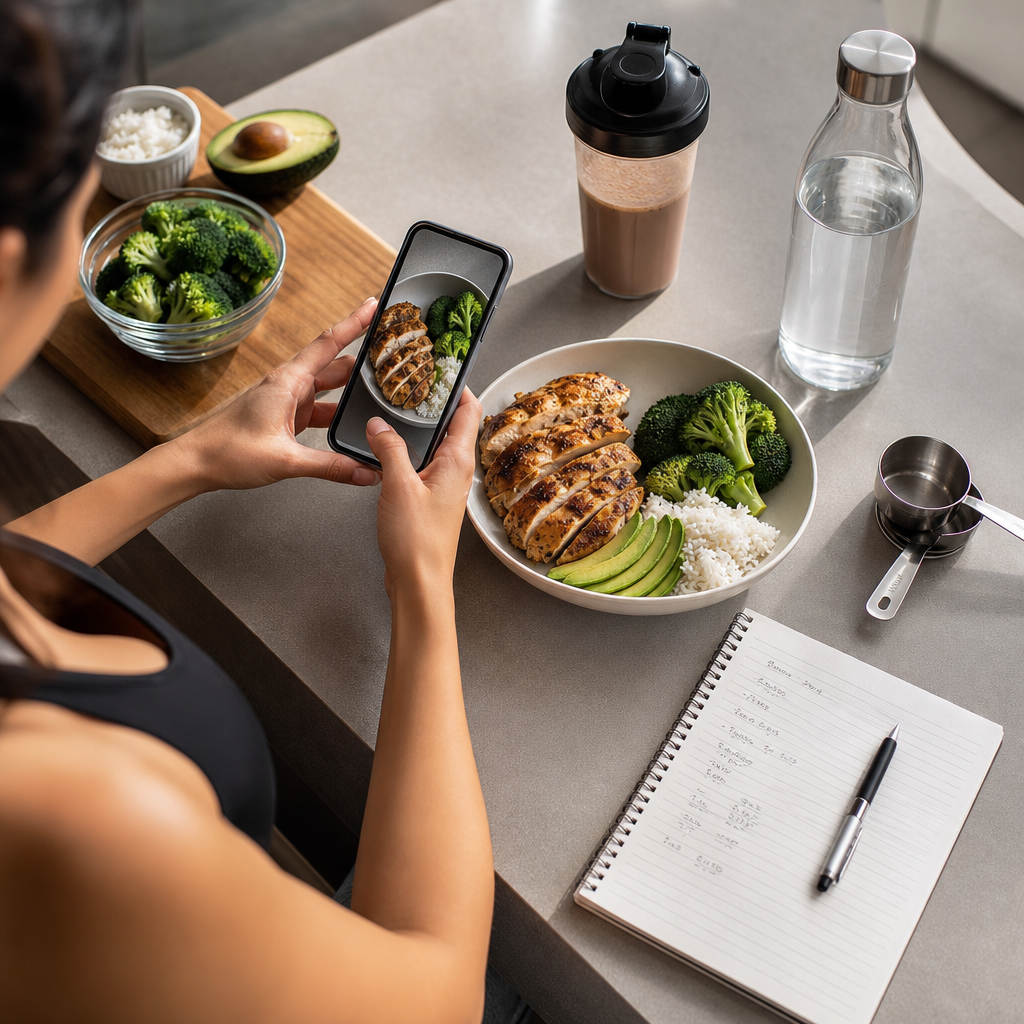 AI vs Manual Calorie Counting: Which Method Fits Your Goals?Compare AI calorie trackers and manual calorie counting for weight loss, muscle gain, and everyday nutrition tracking. See the pros, cons, and real-world use cases.
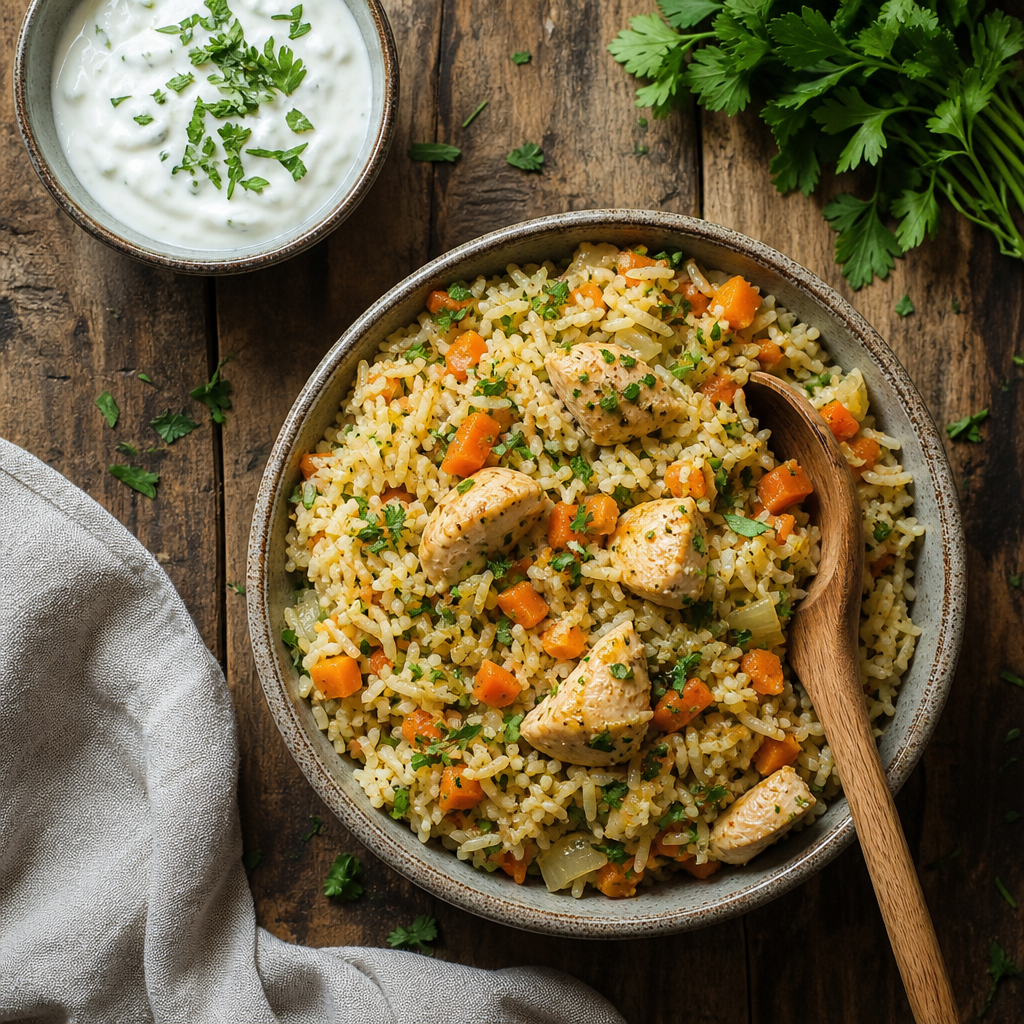 How Many Calories Are in Pilaf? A Practical Guide to Calories in PilafPilaf can be a light rice side dish or a rich one-pot meal, depending on the grains, oils, and meats used. Here’s how to estimate calories in pilaf with real serving examples.
 Dehydration Loss of Appetite: How Not Drinking Enough Can Mute Hunger SignalsDehydration loss of appetite is more common than many people realize. Learn how fluid balance affects hunger, digestion, and practical ways to tell thirst from true appetite.
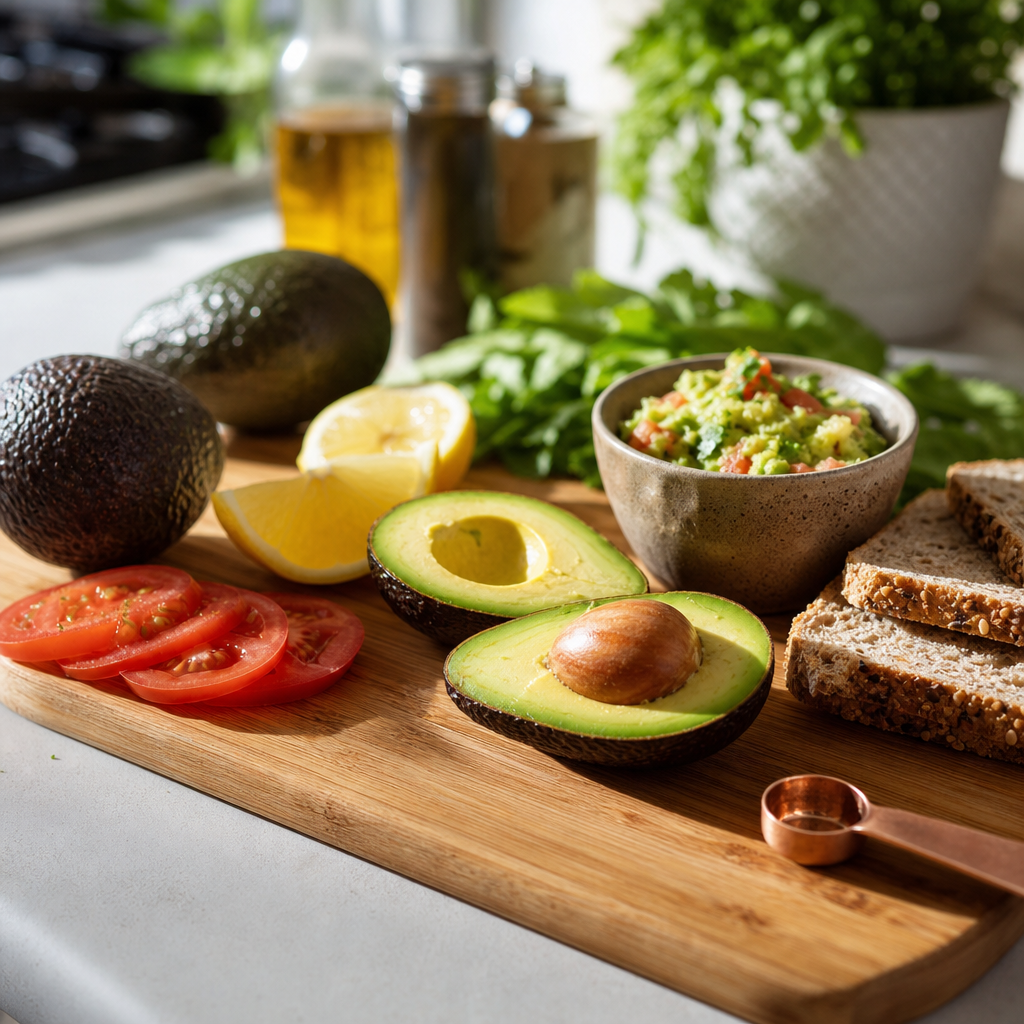 How Many Calories Are in an Avocado?Wondering about calories in avocado? This guide breaks down serving sizes, nutrition facts, health benefits, and easy ways to fit avocado into weight-conscious meals.
 How Many Calories Are in Chocolate? A Practical Guide to Dark, Milk, and White ChocolateWondering how many calories are in chocolate? This guide breaks down calories in chocolate by type, serving size, and cocoa content so you can enjoy it without guessing.
 How Many Calories Are in Cheese? A Practical Guide for Cheese LoversWondering how many calories are in cheese? This guide breaks down calories in cheese by type, serving size, and fat content so you can choose smarter portions without giving up flavor.
 How Many Calories Are in a Burger? A Practical Guide to calories in burger CountsBurger calories can swing wildly depending on patty size, cheese, sauces, and bun choice. Learn the typical calories in burger meals and how to estimate them fast.
 How Many Calories Are in Juice? A Practical Guide to Calories in JuiceJuice can look healthy, but the calorie count changes fast depending on the fruit, serving size, and whether sugar has been added. Here’s how to compare popular juices and make smarter choices.