The Complete Vegetable Calorie Chart: Making Informed Dietary Choices
Explore our complete vegetable calorie chart to make informed decisions for your diet, ensuring healthy calorie intake while enjoying a variety of vegetables.
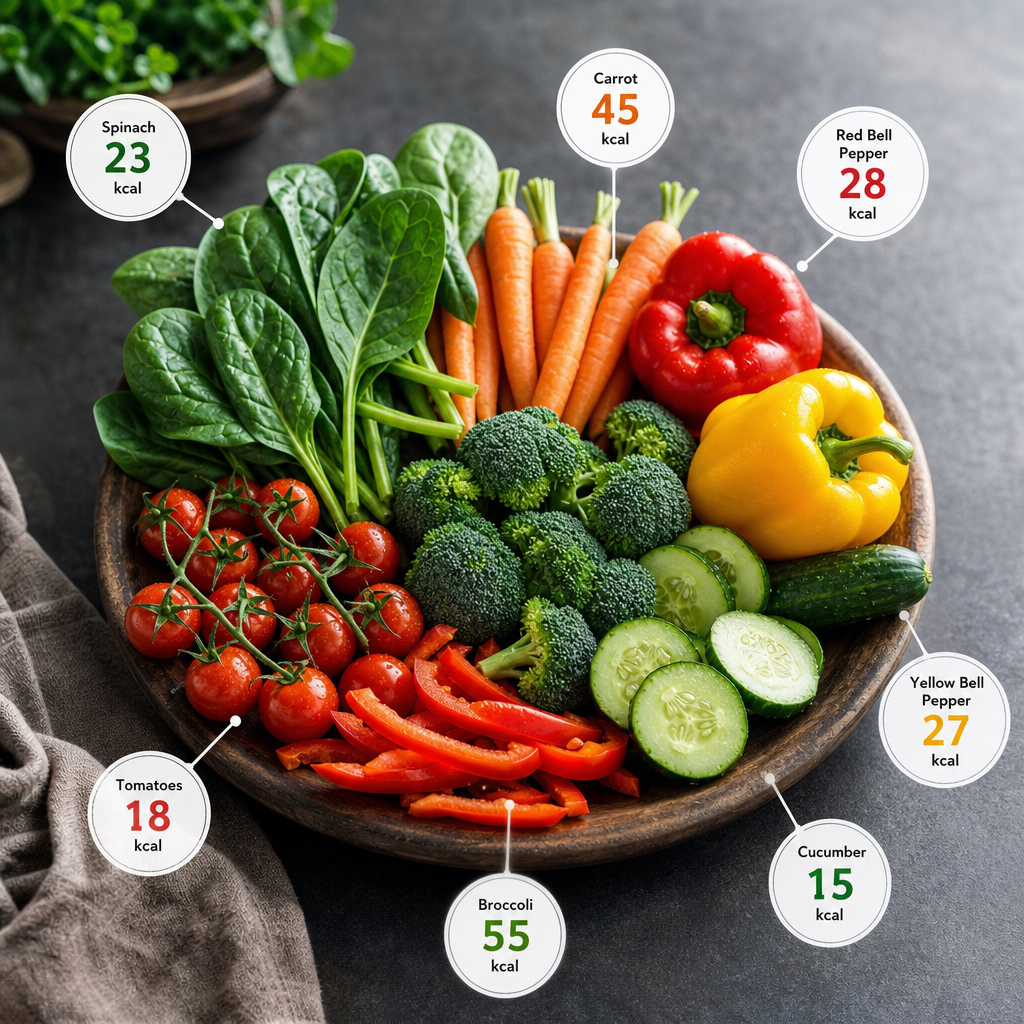
Understanding Vegetable Calories
Calories are a crucial aspect of nutrition and serve as a measure of the energy provided by food. When planning your diet, understanding how many calories are in the vegetables you consume can help maintain energy balance and support weight management.
Vegetables typically have low calorie counts compared to other food groups, making them ideal for anyone looking to lose weight or maintain a healthy lifestyle. For example, non-starchy vegetables like zucchini or spinach contain fewer calories per serving, unlike starchy vegetables like corn and peas, which have higher caloric values. Knowing the calorie content in various vegetables allows you to plan meals that are satisfying yet low in calories.
Calorie Content of Popular Vegetables
Let's take a closer look at the calorie counts of some commonly consumed vegetables, serving sizes, and nutritional benefits. The following vegetable calorie chart serves as a handy reference for diet planners:
- Spinach (Raw, 100g): 23 calories
- Broccoli (Raw, 100g): 34 calories
- Carrots (Raw, 100g): 41 calories
- Bell Peppers (Raw, 100g): 31 calories
- Zucchini (Raw, 100g): 17 calories
- Cauliflower (Raw, 100g): 25 calories
- Tomatoes (Raw, 100g): 18 calories
- Cucumber (Raw, 100g): 16 calories
- Corn (Cooked, 100g): 96 calories
- Peas (Cooked, 100g): 81 calories.
This chart illustrates how diverse vegetables can be in terms of calorie content. For instance, zucchini and cucumber are among the lowest in calories, making them excellent choices for salads and snacks, while corn packs in a higher calorie punch, which can still fit into a balanced meal if portions are managed.
Incorporating Vegetables into Your Diet
Incorporating a variety of vegetables into your meals can enhance both flavor and nutrition while keeping caloric intake in check. Here are a few tips on how to effectively use the vegetable calorie chart:
Balance Your Plate: Include both starchy and non-starchy vegetables. Pairing high-calorie starchy vegetables like sweet potatoes with low-calorie greens like spinach creates a balanced meal with a satisfying mix of flavors and textures.
Snack Wisely: Use low-calorie vegetables as snacks. Keeping sliced cucumbers, carrots, or bell peppers handy can curb hunger without packing in unnecessary calories.
Add to Every Meal: Consider folding vegetables into every meal of the day. Whether it's adding spinach to your morning omelet, including broccoli in your stir-fry, or blending kale into a smoothie, every bite counts towards a balanced diet.
Meal Ideas Using the Vegetable Calorie Chart
Here are some practical meal ideas that utilize the vegetable calorie chart to keep your meals nutritious and satisfying while managing calories:
Zucchini Noodles with Marinara: Replace traditional pasta with spiralized zucchini. With only about 17 calories per 100g, you can create a low-calorie, veggie-packed meal.
Broccoli and Carrot Stir-Fry: Use 200g of broccoli (68 calories) and 100g of carrots (41 calories) to whip up a colorful stir-fry with a light soy sauce dressing, totaling just 109 calories.
Vegetable Salad: Combine 100g of spinach (23 calories), 100g of sliced tomatoes (18 calories), and chopped bell peppers (31 calories) for a vibrant salad totaling only 72 calories. Drizzle with lemon juice or a light vinaigrette to enhance flavor.
Understanding Nutritional Value Beyond Calories
While the calorie content of vegetables is crucial for weight management and diet planning, it's essential to consider nutritional value as well. Many vegetables are rich in vitamins, minerals, and dietary fiber, which can contribute to a more satisfying and healthy diet.
For example, broccoli is high in vitamins C and K, while spinach packs an impressive amount of iron and folate. Incorporating a colorful variety of vegetables ensures you're not only mindful of calories but also feeding your body the nutrients it needs for optimal health.
Also, the fiber content in vegetables can help regulate digestion, promote feelings of fullness, and support cardiovascular health. Don’t just focus on numbers – prioritize whole health, and use the calorie chart as a guide rather than a strict mandate.
Tools for Tracking Vegetable Consumption
To simplify meal planning and ensure you are meeting your nutritional goals, consider using calorie tracking apps. These tools not only assist in monitoring calorie intake but can also provide you with comprehensive nutrient breakdowns for each food item.
You can photograph meals using platforms with AI capabilities like Cal AI, which allows users to instantly estimate calories and analyze nutritional values without tedious manual entries. This makes it easier to stay focused on your dietary choices and track your vegetable intake effectively.
Using such tools can streamline the process of keeping your meals balanced, enjoyable, and within desired calorie goals, making healthy eating less daunting and more accessible.
Final Thoughts
Understanding the calorie content in vegetables can be a game-changer for diet planners and anyone looking to make healthier food choices. Knowledge empowers you to craft meals that are not only delicious but also aligned with your nutritional goals. Make use of the vegetable calorie chart to guide meal planning and help you stay accountable to your health aspirations.
Whether you're looking to lose weight, maintain health, or increase vegetable consumption, the right strategies can optimize your approach. Remember, a colorful plate is often a healthy plate! Consider leveraging resources like AI-powered tools for easier tracking and greater insights into your eating habits.
Frequently Asked Questions
Are all vegetables low in calories?
While many vegetables are low in calories, some starchy vegetables like corn and peas have higher calorie counts than non-starchy varieties like spinach and cucumbers.
How can I add more vegetables to my diet?
You can add more vegetables to your diet by incorporating them into every meal, using them as snacks, or blending them into smoothies for added nutrition.
What is the best way to cook vegetables to retain their nutrients?
Steaming, roasting, or microwaving vegetables tends to retain more nutrients compared to boiling, which can lead to nutrient loss. Aim for quick cooking methods to preserve their health benefits.
How can I track my vegetable intake easily?
Using calorie tracking apps or AI-powered tools like Cal AI allows you to photograph your meals and receive immediate estimates of calorie content and nutritional value.
What is a balanced plate of vegetables?
A balanced plate of vegetables includes a variety of colors and types, merging both starchy and non-starchy vegetables to meet both caloric needs and nutritional requirements.
Ready to take control of your diet? Try Cal AI today! Simply take a photo of your food to instantly estimate calories, view protein, carbs, and fats, and analyze your meals with AI to track your nutrition goals more easily.
Share this article
Cal AI
Track meals faster with Cal AI
Scan food, estimate calories, and keep your nutrition log moving without typing every ingredient.
Author
Cal AI Editorial Team
Practical guides on nutrition, calorie tracking, meal planning, and building healthier habits with Cal AI.
Editorial policyFrequently asked questions
Are all vegetables low in calories?
While many vegetables are low in calories, some starchy vegetables like corn and peas have higher calorie counts than non-starchy varieties like spinach and cucumbers.
How can I add more vegetables to my diet?
You can add more vegetables to your diet by incorporating them into every meal, using them as snacks, or blending them into smoothies for added nutrition.
What is the best way to cook vegetables to retain their nutrients?
Steaming, roasting, or microwaving vegetables tends to retain more nutrients compared to boiling, which can lead to nutrient loss. Aim for quick cooking methods to preserve their health benefits.
How can I track my vegetable intake easily?
Using calorie tracking apps or AI-powered tools like Cal AI allows you to photograph your meals and receive immediate estimates of calorie content and nutritional value.
What is a balanced plate of vegetables?
A balanced plate of vegetables includes a variety of colors and types, merging both starchy and non-starchy vegetables to meet both caloric needs and nutritional requirements.
Related articles
 The Ultimate Weight Loss Vegetables List: Your Guide to Slimming SuccessDiscover the top weight loss vegetables list that can support your dieting journey with delicious, low-calorie options perfect for meals and snacks.
 How Many Calories Are in Oatmeal? A Comprehensive GuideUncover the calories in oatmeal, from plain oats to popular toppings, and learn to customize your breakfast for optimal health.
 How to Calculate Meal Calories in 5 SecondsMaster quick calorie calculation techniques to keep your meals healthy and on track, especially for busy lifestyles.
 Discovering Free Online Calorie Counter by Photo ToolsExplore the best free online calorie counter by photo tools for effective meal tracking without breaking the bank. Perfect for budget-conscious users!
 How Many Calories Are in an Americano? A Deep Dive into Your Favorite BrewDiscover the calorie content in an Americano and how it fits into a calorie-conscious diet. Explore variations, preparation methods, and health considerations.
 How Many Calories Are in an Egg? A Comprehensive GuideExplore the caloric content of eggs, different cooking methods, and how they fit into a healthy diet while tracking your nutrition goals.
 AI vs Manual Calorie Counting: Which Method Fits Your Goals?Compare AI calorie trackers and manual calorie counting for weight loss, muscle gain, and everyday nutrition tracking. See the pros, cons, and real-world use cases.
 How Many Calories Are in Pilaf? A Practical Guide to Calories in PilafPilaf can be a light rice side dish or a rich one-pot meal, depending on the grains, oils, and meats used. Here’s how to estimate calories in pilaf with real serving examples.
 Dehydration Loss of Appetite: How Not Drinking Enough Can Mute Hunger SignalsDehydration loss of appetite is more common than many people realize. Learn how fluid balance affects hunger, digestion, and practical ways to tell thirst from true appetite.
 How Many Calories Are in Cheese? A Practical Guide for Cheese LoversWondering how many calories are in cheese? This guide breaks down calories in cheese by type, serving size, and fat content so you can choose smarter portions without giving up flavor.
 How Many Calories Are in a Burger? A Practical Guide to calories in burger CountsBurger calories can swing wildly depending on patty size, cheese, sauces, and bun choice. Learn the typical calories in burger meals and how to estimate them fast.
 How Many Calories Are in Coca-Cola? A Practical Guide to Calories in Coca-ColaCoca-Cola’s calorie count is easy to underestimate, especially when portions get larger. Here’s a clear breakdown of calories in Coca-Cola, plus sugar, serving sizes, and better ways to fit soda into your day.