How Many Calories Are in Oatmeal? A Comprehensive Guide
Uncover the calories in oatmeal, from plain oats to popular toppings, and learn to customize your breakfast for optimal health.
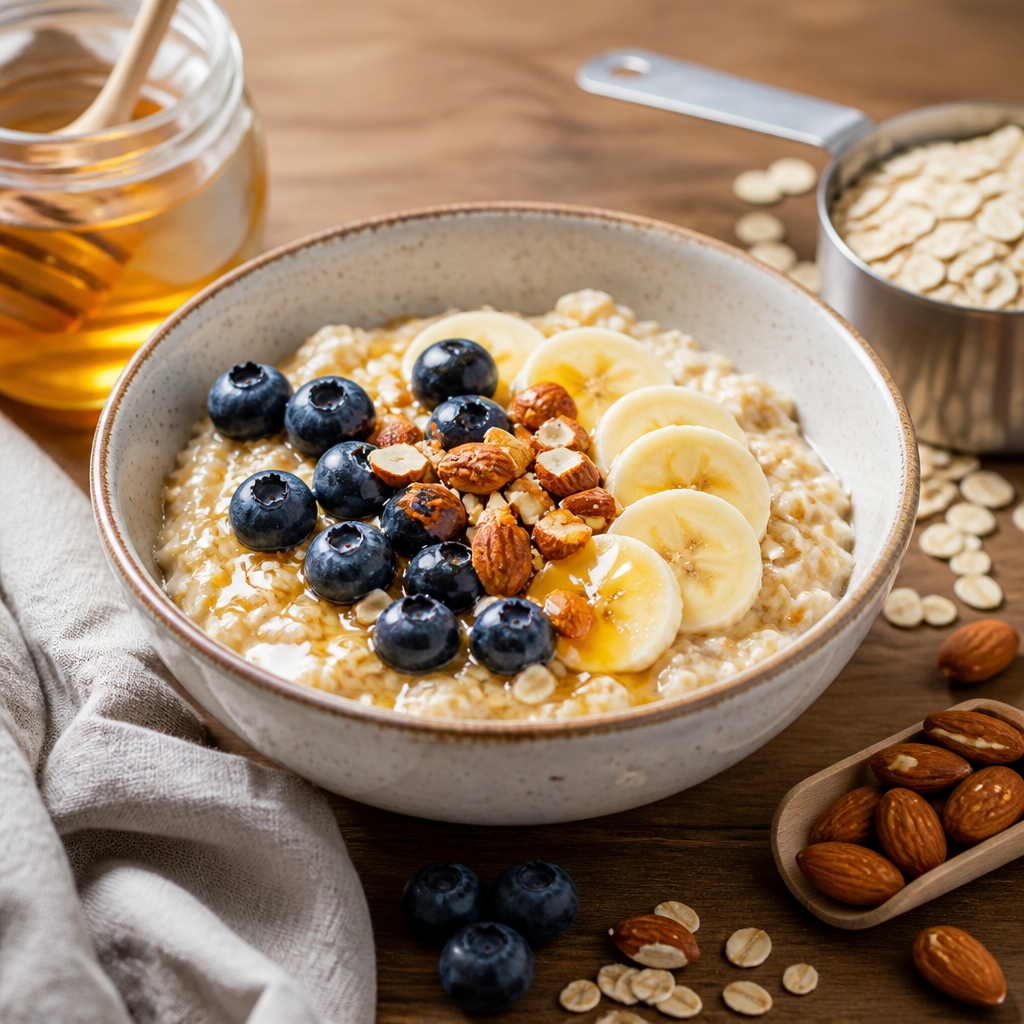
Understanding Oatmeal: A Dietary Staple
Oatmeal is more than just a comforting breakfast; it's a nutritional powerhouse. Typically made from ground, rolled, or steel-cut oats, it offers a wealth of benefits, from rich fiber content to essential vitamins and minerals. A standard serving size of cooked oatmeal is about 1 cup or approximately 240 grams. Understanding the calories in oatmeal is vital for anyone mindful of their dietary choices, especially for breakfast enthusiasts who seek a delicious start to their day.
The average calorie count for a plain, cooked cup of oatmeal is around 154 calories. This low-calorie content makes oatmeal a popular base for various toppings, allowing you to create a nutritious breakfast without drastically increasing your caloric intake.
Caloric Variations in Different Types of Oats
Different types of oats can significantly affect the caloric content of your oatmeal. Here's a quick breakdown:
Instant Oats: Approx. 160 calories per cooked cup. These oats are processed for quick preparation, often containing added sugars and flavorings, which can impact their calorie content.
Rolled Oats: About 154 calories per cooked cup. These are steamed and then rolled, retaining most of their nutritional properties.
Steel-Cut Oats: Approximately 150 calories per cooked cup. These are less processed and have a heartier texture, often resulting in a more filling meal.
Choosing between these types depends on your preferences for texture and cooking time, but they provide similar caloric values.
The Impact of Cooking Methods on Caloric Content
The cooking method can also influence the caloric content of oatmeal. Cooking oats in water typically retains the calorie count; however, using milk or broth can add more calories. Here’s a look at how different cooking liquids can change the caloric count:
Water: 154 calories (per cup of cooked oats).
Skim Milk: Adds approximately 83 calories, totaling 237 calories for a cup of oatmeal cooked in skim milk.
Whole Milk: Adds about 150 calories, reaching 304 calories per cup.
Using water to cook oats is a great way to keep your base low in calories, allowing you to customize toppings without guilt.
Healthy Topping Choices and Their Caloric Contributions
Toppings can elevate oats from simple to spectacular, but they can also quickly add calories. Let’s explore some popular toppings and their caloric values per typical serving:
Honey (1 tablespoon): 64 calories.
Banana (1 medium): 105 calories.
Almonds (1 ounce): 164 calories.
Peanut Butter (2 tablespoons): 190 calories.
Greek Yogurt (1/2 cup): 100 calories.
Balancing toppings is essential for maintaining a healthy breakfast. For instance, pairing oats with a medium banana provides a healthy sweetness and fiber boost while keeping your meal under control at around 259 calories (154 + 105).
Caloric Considerations for Weight Loss
Oatmeal can be an excellent addition to a weight loss plan. Thanks to the high fiber content, oatmeal promotes satiety, keeping you full longer and potentially reducing overeating at later meals. Calculating your overall caloric intake can help determine how oatmeal fits into your daily goals. For example, if you're targeting a 1,500-calorie diet, breakfast can reasonably be around 300-400 calories. A bowl of oatmeal with a tablespoon of honey and half a medium banana will equal around 313 calories, making it an excellent option for a filling and nutritious breakfast.
Additionally, monitoring how different toppings mix can help you enjoy variations of oatmeal while keeping calories in check.
Creating a Balanced Oatmeal Meal Plan
A well-planned oatmeal meal can cater to various dietary preferences and nutritional needs. Consider incorporating a mixed-ingredient approach that balances flavors and nutrients. For example, a power bowl could include:
- 1 cup of steel-cut oats (150 calories)
- 1 tablespoon of almond butter (98 calories)
- 1 tablespoon of chia seeds (58 calories)
- 1/2 banana (52 calories) This meal offers a total of approximately 358 calories and includes fiber, healthy fats, and proteins, ensuring a satisfying start to your day.
Diversifying oatmeal by experimenting with spices like cinnamon or vanilla extract can also enhance flavor without adding calories. This opens the door to a wider range of healthy breakfast options.
Conclusion: Enjoying Oatmeal in a Nutritive Way
With its low caloric count and customizable nature, oatmeal is an ideal breakfast choice for those looking to pack in nutrients without excess calories. Engaging with various types of oats, cooking methods, and healthy toppings can fit oatmeal comfortably into most dietary plans. Whether you’re aiming for weight loss or just want a wholesome kickstart to your morning, oatmeal provides versatility without sacrificing flavor.
Understanding the calories in oatmeal, along with its variations in preparation and toppings, empowers you to make educated breakfast choices that support your health goals.
Frequently Asked Questions
What is the calorie count in a cup of cooked oatmeal?
A standard cup of cooked oatmeal contains approximately 154 calories.
How can I make my oatmeal lower in calories?
You can keep oatmeal lower in calories by cooking it with water and using minimal toppings, such as fresh fruits.
Are instant oats more caloric than rolled oats?
Instant oats tend to have a similar calorie count to rolled oats, but they often contain added sugars and flavors that can increase calories.
What are some healthy toppings for oatmeal?
Healthy toppings include fresh fruits, nuts, seeds, and a drizzle of honey or maple syrup.
Can oatmeal help with weight loss?
Yes, oatmeal is high in fiber, which can help keep you full longer, supporting weight loss efforts when part of a balanced diet.
Ready to track your oatmeal calories easily? Take a photo of your food, and let Cal AI instantly estimate calories, protein, carbs, and fat. Analyze your meals and meet your nutrition goals with ease!
Share this article
Cal AI
Track meals faster with Cal AI
Scan food, estimate calories, and keep your nutrition log moving without typing every ingredient.
Author
Cal AI Editorial Team
Practical guides on nutrition, calorie tracking, meal planning, and building healthier habits with Cal AI.
Editorial policyFrequently asked questions
What is the calorie count in a cup of cooked oatmeal?
A standard cup of cooked oatmeal contains approximately 154 calories.
How can I make my oatmeal lower in calories?
You can keep oatmeal lower in calories by cooking it with water and using minimal toppings, such as fresh fruits.
Are instant oats more caloric than rolled oats?
Instant oats tend to have a similar calorie count to rolled oats, but they often contain added sugars and flavors that can increase calories.
What are some healthy toppings for oatmeal?
Healthy toppings include fresh fruits, nuts, seeds, and a drizzle of honey or maple syrup.
Can oatmeal help with weight loss?
Yes, oatmeal is high in fiber, which can help keep you full longer, supporting weight loss efforts when part of a balanced diet.
Related articles
 How to Calculate Meal Calories in 5 SecondsMaster quick calorie calculation techniques to keep your meals healthy and on track, especially for busy lifestyles.
 Discovering Free Online Calorie Counter by Photo ToolsExplore the best free online calorie counter by photo tools for effective meal tracking without breaking the bank. Perfect for budget-conscious users!
 How Many Calories Are in an Americano? A Deep Dive into Your Favorite BrewDiscover the calorie content in an Americano and how it fits into a calorie-conscious diet. Explore variations, preparation methods, and health considerations.
 How Many Calories Are in an Egg? A Comprehensive GuideExplore the caloric content of eggs, different cooking methods, and how they fit into a healthy diet while tracking your nutrition goals.
 AI vs Manual Calorie Counting: Which Method Fits Your Goals?Compare AI calorie trackers and manual calorie counting for weight loss, muscle gain, and everyday nutrition tracking. See the pros, cons, and real-world use cases.
 How Many Calories Are in Pilaf? A Practical Guide to Calories in PilafPilaf can be a light rice side dish or a rich one-pot meal, depending on the grains, oils, and meats used. Here’s how to estimate calories in pilaf with real serving examples.
 Dehydration Loss of Appetite: How Not Drinking Enough Can Mute Hunger SignalsDehydration loss of appetite is more common than many people realize. Learn how fluid balance affects hunger, digestion, and practical ways to tell thirst from true appetite.
 How Many Calories Are in Cheese? A Practical Guide for Cheese LoversWondering how many calories are in cheese? This guide breaks down calories in cheese by type, serving size, and fat content so you can choose smarter portions without giving up flavor.
 How Many Calories Are in a Burger? A Practical Guide to calories in burger CountsBurger calories can swing wildly depending on patty size, cheese, sauces, and bun choice. Learn the typical calories in burger meals and how to estimate them fast.
 How Many Calories Are in Coca-Cola? A Practical Guide to Calories in Coca-ColaCoca-Cola’s calorie count is easy to underestimate, especially when portions get larger. Here’s a clear breakdown of calories in Coca-Cola, plus sugar, serving sizes, and better ways to fit soda into your day.