Decoding Nutrition Labels: A Beginner’s Guide to Healthier Choices
Updated Sep 13, 20263 min read8 views
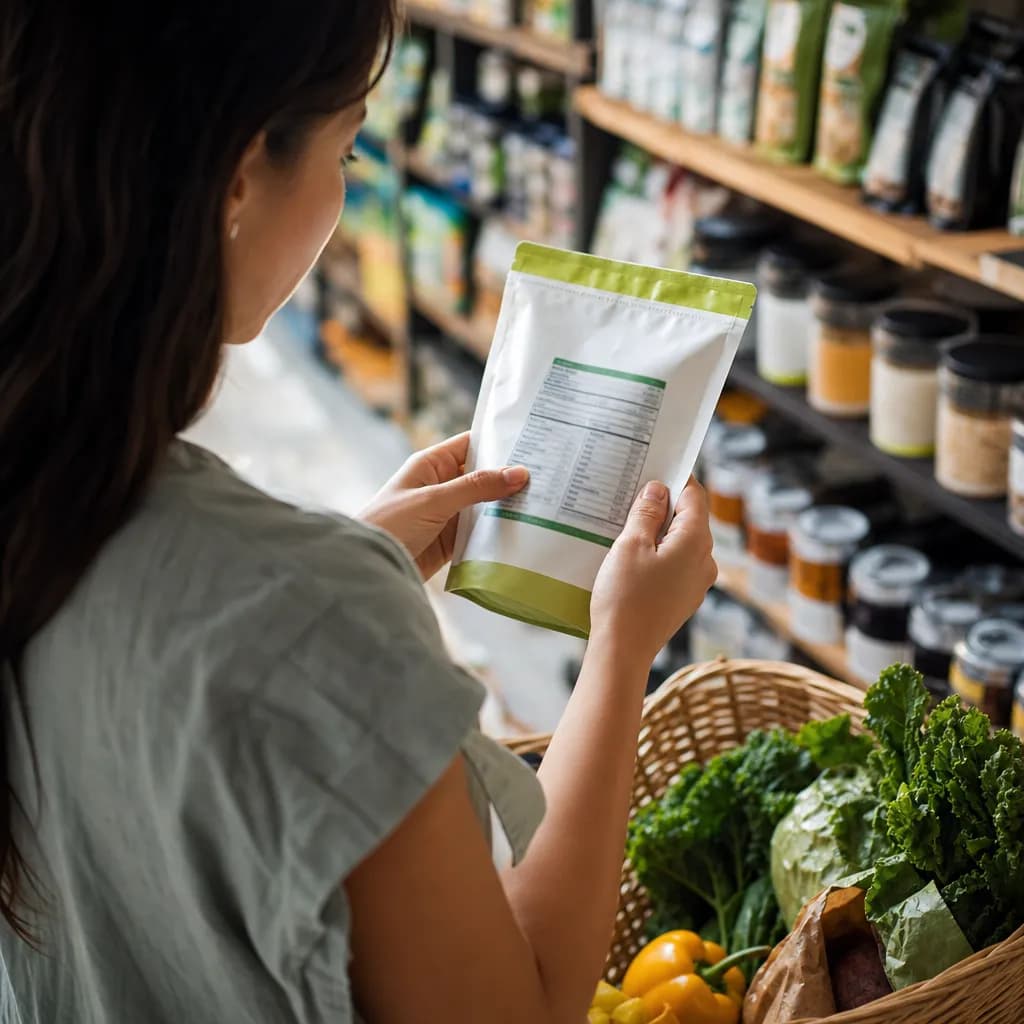
Nutrition labels can be overwhelming at first glance, but knowing how to read them is key to making informed food choices. By understanding what each component means, you can take control of your diet and lead a healthier lifestyle. Let’s break down the essential elements of a nutrition label and how to use them to your advantage.
1. Serving Size
Start with the serving size at the top of the label. This information determines how many calories and nutrients you get in one serving of the product. For instance, if you see a serving size listed as 1 cup, and you eat 2 cups, you need to double all the nutritional values, including calories, fats, and carbohydrates. Remember, serving sizes are not standard across all products, so it's crucial to compare them when making selections.
2. Calories
Next, check the calories per serving. This figure tells you how much energy you will intake from a serving of the food. If your goal is weight loss, aiming for lower-calorie options is usually beneficial, but don’t forget to consider nutrient density. A 200-calorie snack is very different from a 200-calorie meal in terms of nutritional benefit!
3. Nutritional Breakdown: Fats, Carbohydrates, and Proteins
These macronutrients—often referred to as BJU (fats, proteins, and carbohydrates)—are essential for your body:
- Fats: Check for total fat and the breakdown of types, including saturated and trans fats, as excessive intake can lead to health issues.
- Carbohydrates: Look for total carbohydrates along with fiber and sugars. A high fiber content indicates better digestive health, while low sugar content is usually more desirable.
- Proteins: Essential for muscle repair and growth, protein content can aid in feeling full longer. This is especially important for those looking to maintain or build muscle mass.
4. Vitamins and Minerals
Near the bottom of the label, you will find a list of vitamins and minerals. These nutrients support your overall health. Look for items like Vitamin D, calcium, iron, and potassium. Aim to consume foods rich in these essential nutrients, especially if they are highlighted as significant sources on the label.
5. Percent Daily Value (%DV)
The %DV tells you how much a nutrient in one serving contributes to a daily diet, based on a 2,000-calorie diet. It’s a handy tool for understanding if a food is high or low in a nutrient. A %DV of 20% or more is considered high, while 5% or less is low. This information can help in making healthier decisions; for example, you may want to look for foods with higher fiber and lower saturated fat.
Conclusion
Reading nutrition labels isn’t just for the health-conscious; it’s about making informed choices that align with your personal goals. Start by honing in on portion sizes and understanding the macros to create a balance in your diet. Remember, with practice, reading these labels will become second nature and can help you on your journey toward healthier eating.
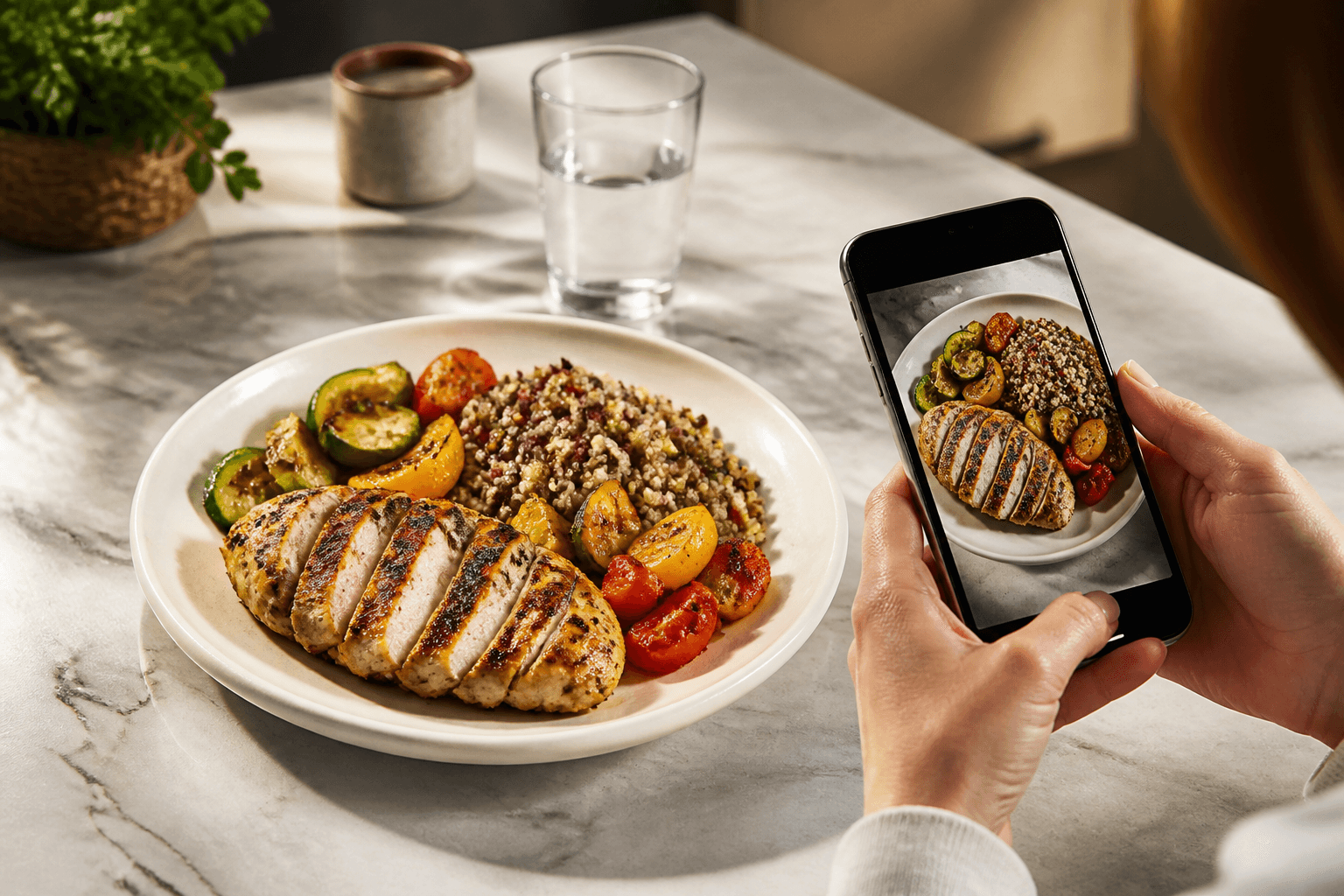
Are you ready to take control of your nutrition? Download our app, upload your food photos, and let our AI analyze the calories and BJU content for you. Simple, easy, and efficient tracking awaits!
Cal AI Editorial Team
Practical guides on nutrition, calorie tracking, meal planning, and building healthier habits with Cal AI.
Editorial policyRelated articles
- Cal AI
The scan got the dish wrong: how to fix grams and calories in Cal AI in 20 seconds
Fix a wrong Cal AI scan by choosing the closest recognition variant, correcting grams, and editing calories when the portion still looks off.
Oct 26, 20266 min read
- french fries
Calories in French Fries: Small, Medium and Large Portions
French fries are 312 kcal per 100 g, and a standard 117 g serving is 365 kcal. Use grams, not size names, when the portion looks unclear.
Oct 23, 20266 min read
- Cal AI
How to Cancel Cal AI Subscription on iPhone and Android
Cancel Cal AI through Apple or Google Play, not inside the app. Follow the exact menu paths and see what cancellation means for history and scans.
Oct 20, 20265 min read1 views
- chicken breast
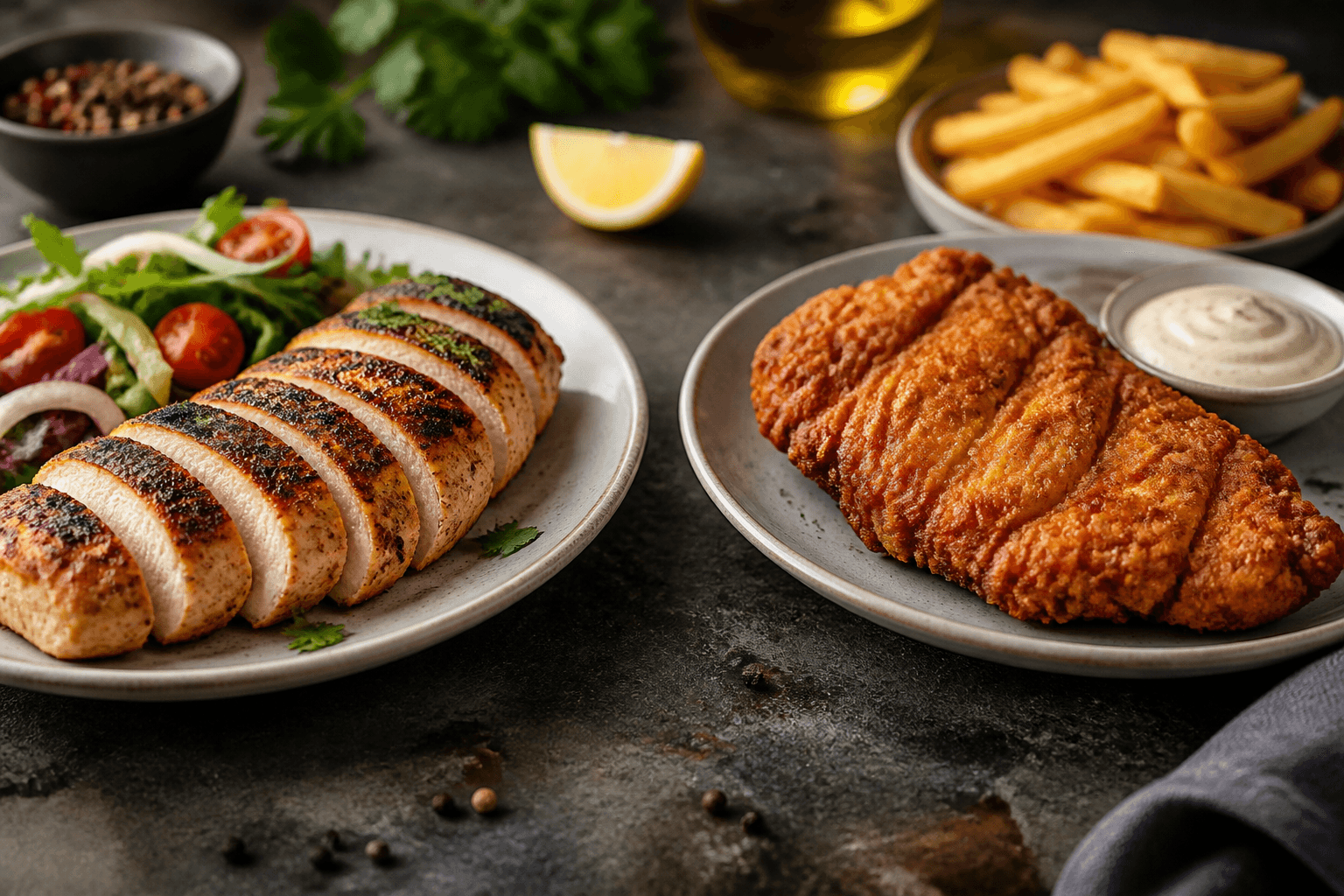
Calories in Chicken Breast: 100 g, One Breast, Grilled vs Fried
Chicken breast has 165 kcal per 100 g cooked. See one-breast calories, grilled and fried adjustments, and how to log it accurately.
Oct 17, 20266 min read1 views
- rice
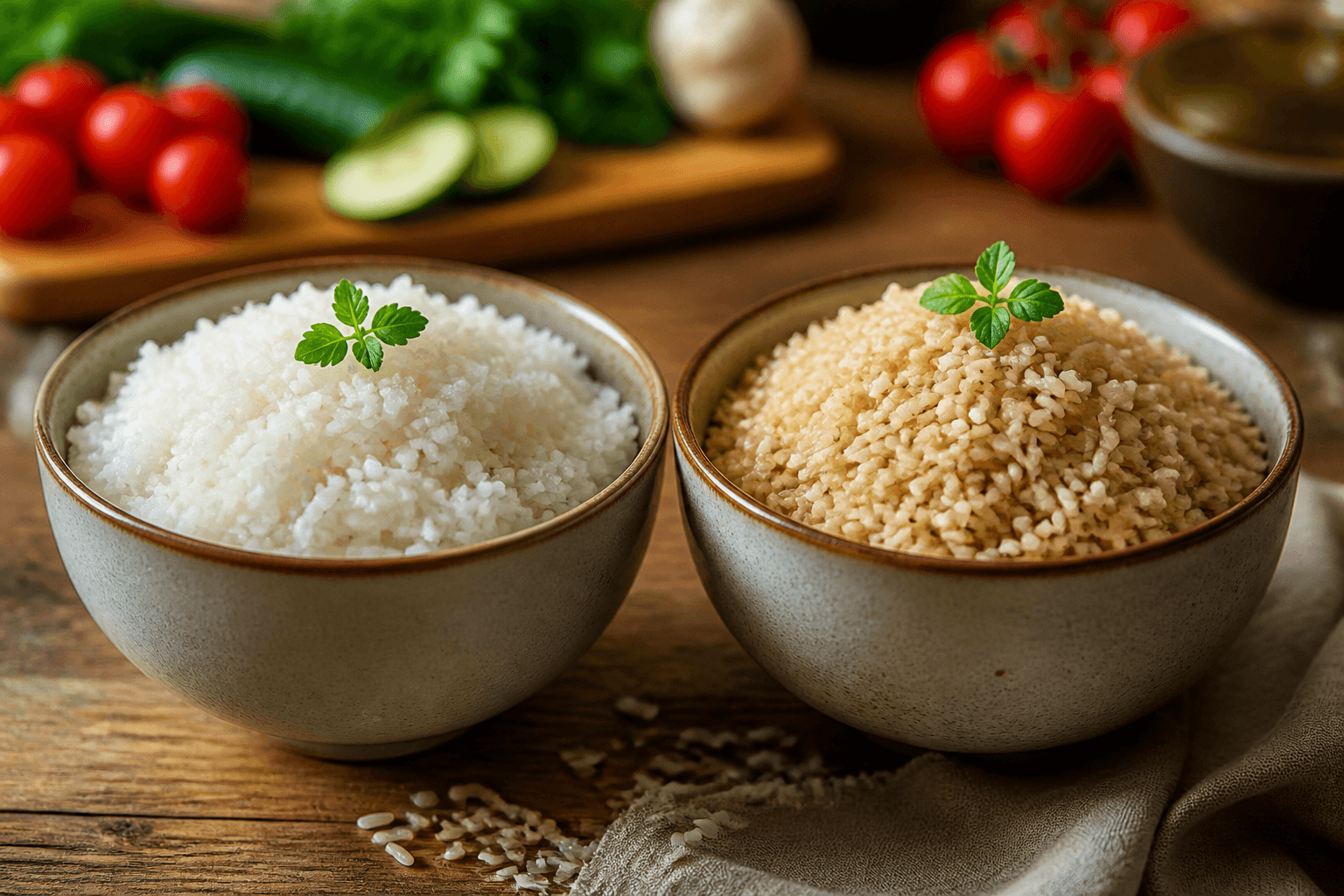
White Rice vs Brown Rice: Calories, Protein, and Which to Pick
Brown rice is slightly lower in calories than white rice, but the gap is small. Compare cooked portions, macros, and which one fits your goal at meals.
Oct 14, 20266 min read2 views
- calorie calculator
How many calories do you need a day? Mifflin-St Jeor with worked examples
Use Mifflin-St Jeor to estimate daily calories from weight, height, age, and activity, with worked examples and portion checks.
Oct 11, 20268 min read