Understanding Nutrition Labels: A Beginner's Guide
Updated Aug 9, 20263 min read7 views
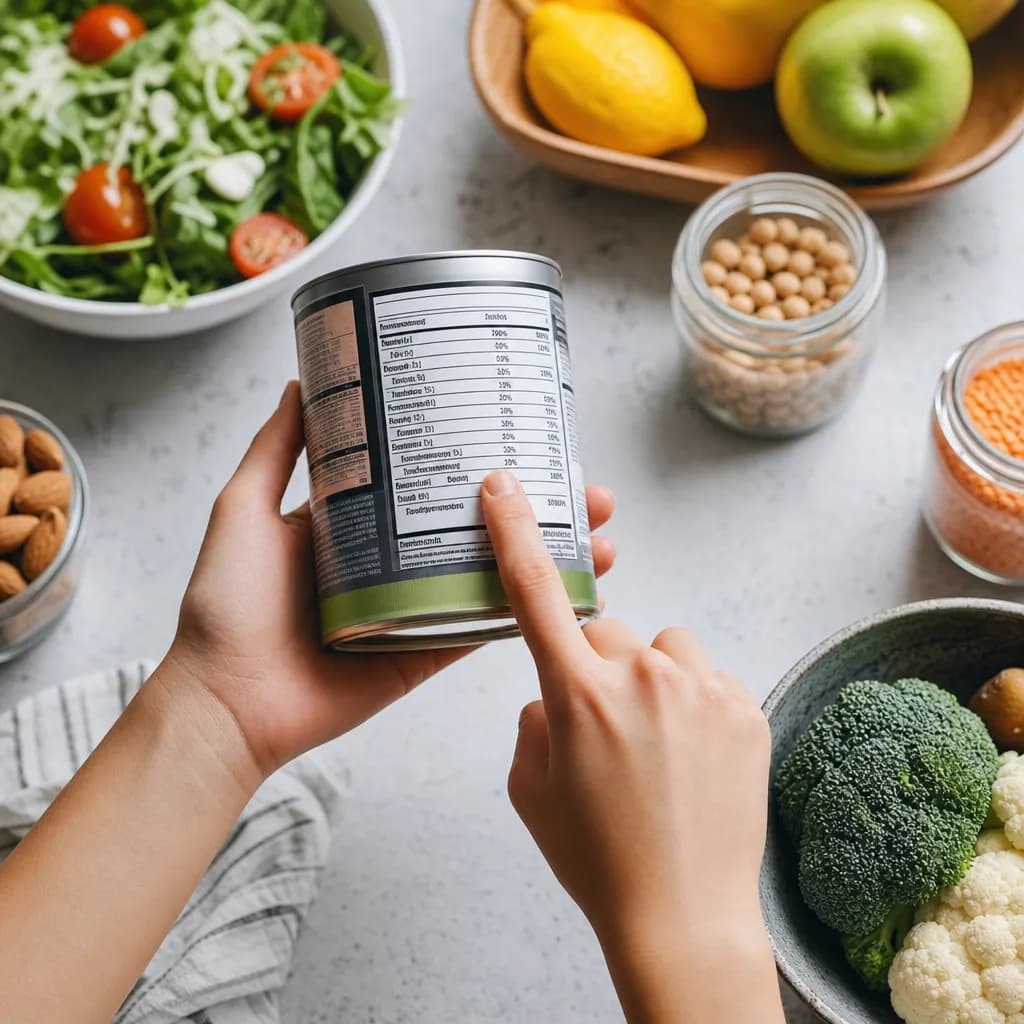
When you step into a grocery store, you’re bombarded with countless products, each boasting health benefits. But how do you know which ones live up to the hype? The key lies in understanding how to read nutrition labels. If you’re new to this, don’t worry! This guide will break down the essentials of nutrition labels to help you make informed choices.
Why Nutrition Labels Matter
Nutrition labels provide valuable information about the food items you consume. They can help you track your caloric intake, understand the nutrient composition, and identify ingredients you might want to avoid. Moreover, being well-informed can guide you in making healthier choices that align with your personal health goals.
Key Components of Nutrition Labels
Serving Size: This indicates how much of the product is considered a single serving. All values listed on the label (calories, fats, carbohydrates, etc.) are based on this portion. Always check if you’re consuming the whole package or just a portion.
Calories: Calories measure the energy you get from the food. Monitoring caloric intake is crucial for weight management. If you're trying to lose weight, you may want to eat fewer calories than you burn. Conversely, if you're looking to gain weight, you'd need to consume more.
Nutrients: This section lists macronutrients (carbohydrates, fats, proteins) and micronutrients (vitamins and minerals). Look for products high in nutrients like fiber, protein, and vitamins, and lower in saturated fats, sugars, and sodium.
- Fats: There are different types of fats – saturated, trans, and unsaturated. Aim to limit saturated and avoid trans fats, as they can lead to heart disease.
- Carbohydrates: Pay attention to total carbohydrates, including fiber and sugars. High-fiber foods are great for digestion, while added sugars should be minimized.
- Protein: Essential for muscle repair and growth. Ensure you’re getting enough protein, especially if you’re active.
Daily Values (DVs): This percentage helps you understand how much a nutrient in a serving contributes to your overall daily diet. For example, a food item with 20% DV for calcium means it provides 20% of the calcium you should consume in a day.
Tips for Reading Nutrition Labels
- Compare Brands: When in doubt, compare similar products. Look at serving sizes and nutritional content to choose the healthier option.
- Look for Whole Ingredients: Ingredients are listed in order of quantity. If sugar or unhealthy fats appear at the top, consider placing that product back on the shelf.
- Be Wary of Health Claims: Claims like 'low-fat', 'organic', or 'sugar-free' can be misleading. Always check the nutrition label.
Common Misconceptions
Many beginners mistakenly focus solely on calories, ignoring other vital nutrients. Remember, 100 calories from a candy bar is not the same as 100 calories from a piece of fruit. The nutrient quality is equally important!
Conclusion
Reading nutrition labels might seem daunting at first, but with a little practice, it becomes second nature. By understanding serving sizes, calories, and nutrients, you are taking essential steps towards healthier eating habits.
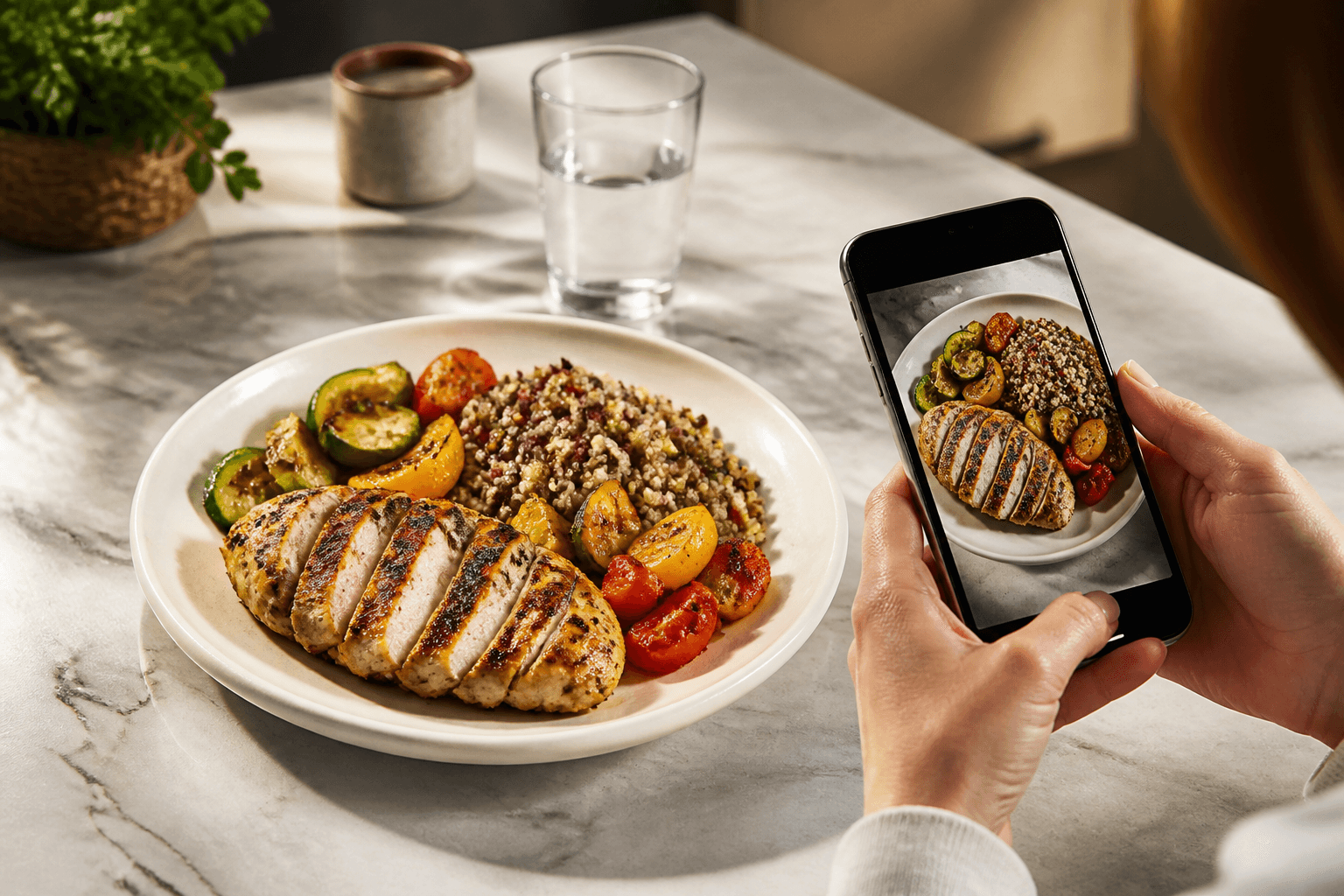
Curious about how many calories or nutrients are in your favorite foods? Try our app! Upload a photo of your meal, and let our AI analyze and provide you with accurate information on calories and macronutrients. It’s a smart way to take control of your nutrition!
Cal AI Editorial Team
Practical guides on nutrition, calorie tracking, meal planning, and building healthier habits with Cal AI.
Editorial policyRelated articles
- Cal AI
The scan got the dish wrong: how to fix grams and calories in Cal AI in 20 seconds
Fix a wrong Cal AI scan by choosing the closest recognition variant, correcting grams, and editing calories when the portion still looks off.
Oct 26, 20266 min read
- french fries
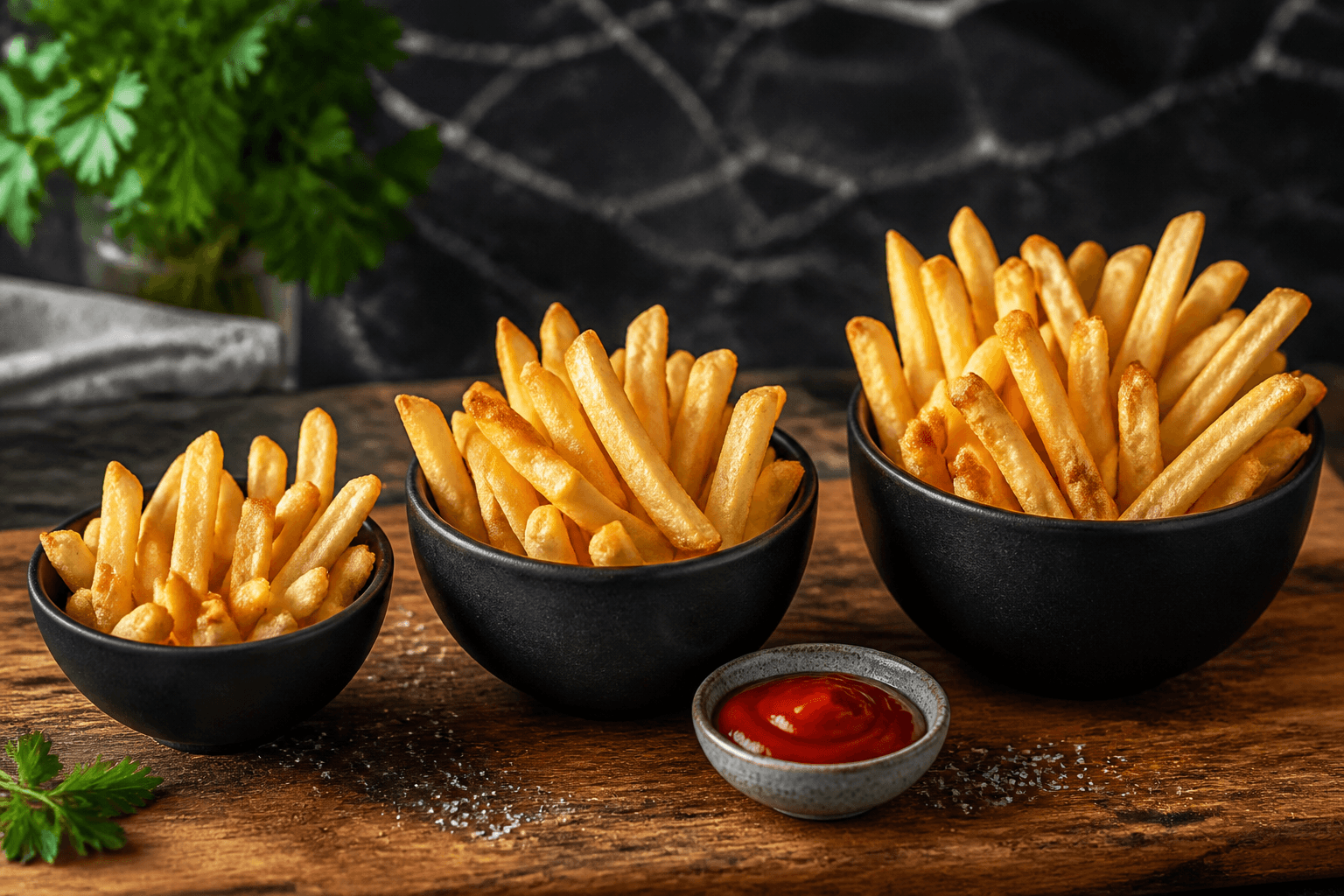
Calories in French Fries: Small, Medium and Large Portions
French fries are 312 kcal per 100 g, and a standard 117 g serving is 365 kcal. Use grams, not size names, when the portion looks unclear.
Oct 23, 20266 min read
- Cal AI
How to Cancel Cal AI Subscription on iPhone and Android
Cancel Cal AI through Apple or Google Play, not inside the app. Follow the exact menu paths and see what cancellation means for history and scans.
Oct 20, 20265 min read1 views
- chicken breast
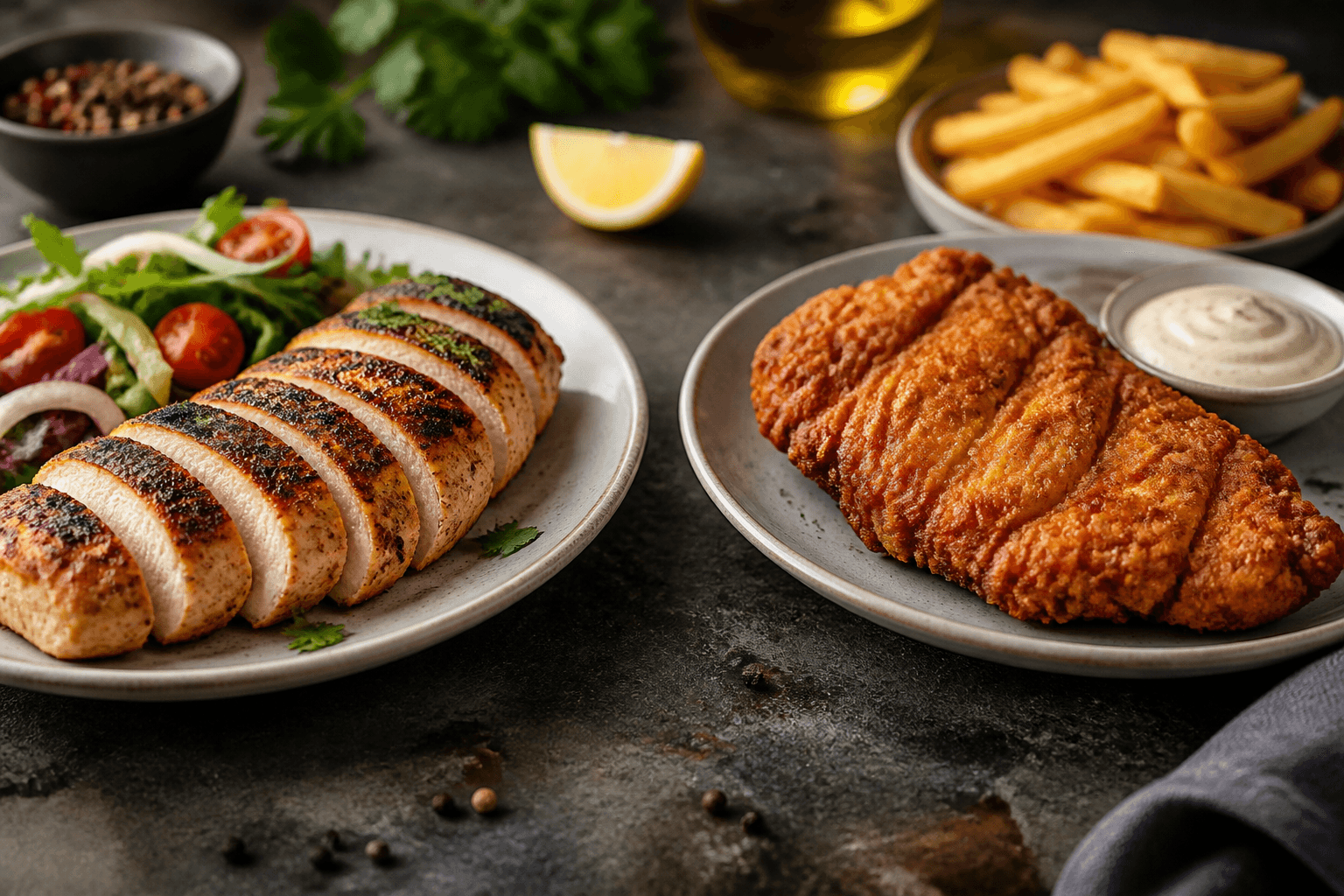
Calories in Chicken Breast: 100 g, One Breast, Grilled vs Fried
Chicken breast has 165 kcal per 100 g cooked. See one-breast calories, grilled and fried adjustments, and how to log it accurately.
Oct 17, 20266 min read1 views
- rice
White Rice vs Brown Rice: Calories, Protein, and Which to Pick
Brown rice is slightly lower in calories than white rice, but the gap is small. Compare cooked portions, macros, and which one fits your goal at meals.
Oct 14, 20266 min read2 views
- calorie calculator
How many calories do you need a day? Mifflin-St Jeor with worked examples
Use Mifflin-St Jeor to estimate daily calories from weight, height, age, and activity, with worked examples and portion checks.
Oct 11, 20268 min read