Achieving Your Protein Goals Without the Overwhelm
Updated Jun 25, 20263 min read6 views
Meeting your daily protein goals doesn’t have to be a daunting task filled with complicated calculations and fancy recipes. In fact, with a little planning and knowledge, you can easily incorporate protein into your diet without feeling overwhelmed. Here’s a straightforward guide to help you achieve your protein goals effortlessly.
Understanding Your Protein Needs
First, let's clarify how much protein you actually need. The Recommended Dietary Allowance (RDA) for protein is about 46 grams for adult women and 56 grams for adult men. However, if you're physically active, aiming to build muscle, or trying to lose weight, your needs could be higher.
A common recommendation is to consume anywhere from 0.6 to 1 gram of protein per pound of body weight, depending on your activity level. For example, a person weighing 150 pounds might aim for about 90 to 150 grams of protein a day.
Simple Sources of Protein
You can easily reach your protein target by including a variety of protein-rich foods in your meals. Here's a quick list of everyday foods that pack a protein punch:
- Eggs: Approximately 6 grams of protein each.
- Chicken Breast: Around 26 grams of protein per 3-ounce serving.
- Greek Yogurt: Contains about 17 grams of protein per 6-ounce serving.
- Lentils: Around 18 grams of protein per cooked cup.
- Quinoa: About 8 grams of protein per cooked cup.
- Tofu: Approximately 10 grams of protein per half-cup serving.
- Nuts and Seeds: Vary, but almonds offer about 6 grams per ounce.
Incorporating Protein Throughout Your Day
To make hitting your protein goals as easy as pie, incorporate protein at every meal and snack. Here’s a simple daily menu to show you how:
- Breakfast: Scrambled eggs (12g) with spinach and a slice of whole-grain toast (4g).
- Snack: Greek yogurt (17g) topped with a handful of berries.
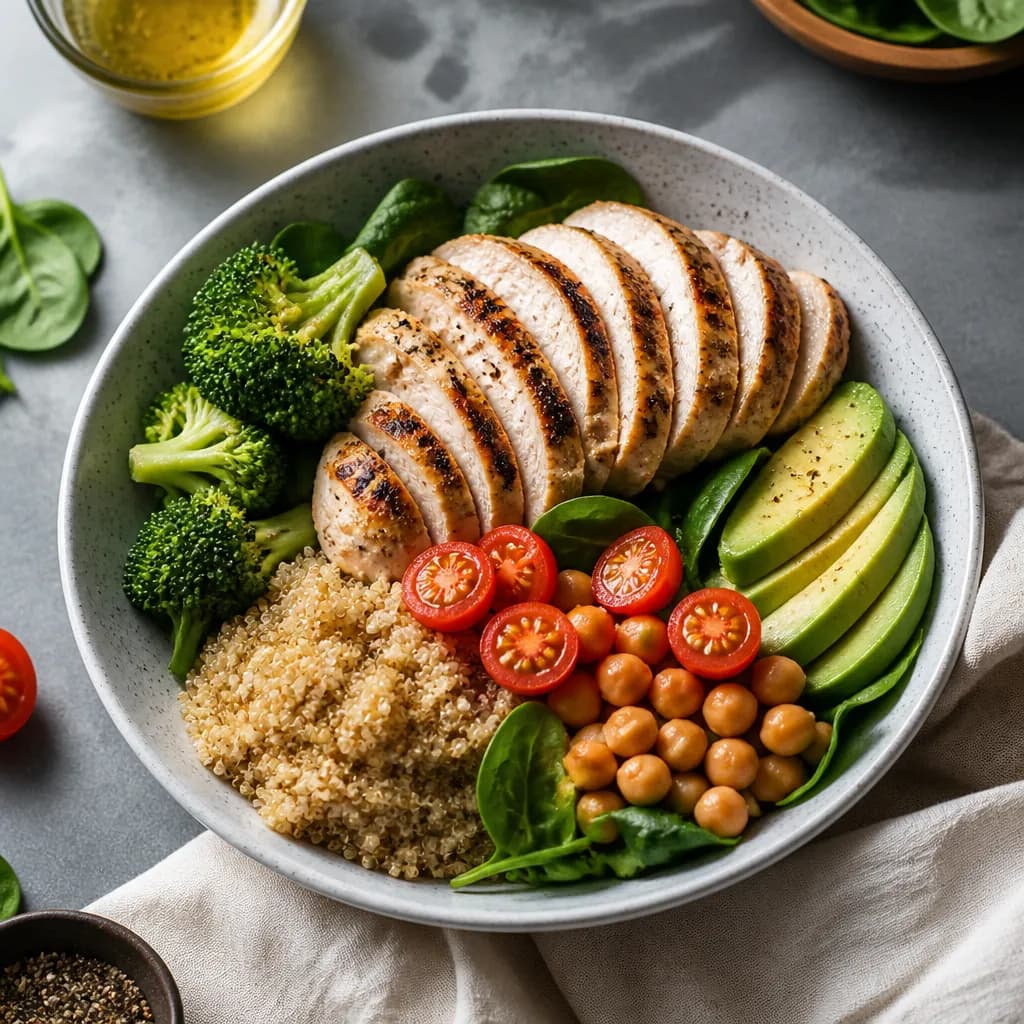
- Lunch: Grilled chicken salad (30g) with mixed greens and a light vinaigrette.
- Snack: A handful of almonds (6g).
- Dinner: Stir-fried tofu (20g) with quinoa (8g) and mixed vegetables.
This sample menu already totals around 97 grams of protein, which is perfect for the 150-pound individual.
Tips to Simplify Your Protein Intake
Meal Prep: Spend a little time on the weekend preparing protein-rich meals or snacks. Cook a batch of chicken or quinoa and portion it out for the week.
Choose High-Protein Snacks: Opt for protein-rich snacks like cottage cheese, jerky, or protein bars rather than chips or sweets.
Smoothies: Blend your favorite fruits with yogurt or protein powder for a quick and nutritious protein boost.
Know Your Portions: Use a food scale or measuring cups initially to understand serving sizes. Over time, you'll get a better eye for portions.
FAQs About Protein
What if I’m vegetarian or vegan? You can get ample protein from plant-based sources such as beans, lentils, quinoa, nuts, seeds, and plant-based protein powders.
Is too much protein harmful? While it’s crucial for muscle repair and overall health, excessively high protein can burden your kidneys if you have pre-existing conditions. Balance is key.
Can I meet my protein goals without supplements? Absolutely! Focus on whole foods first. Supplements should only bridge gaps when necessary.
Final Thoughts
Achieving your protein goals doesn't need to be a complex or stressful process. With intentional planning and a diverse menu, you can meet your nutritional needs and enjoy delicious meals along the way.
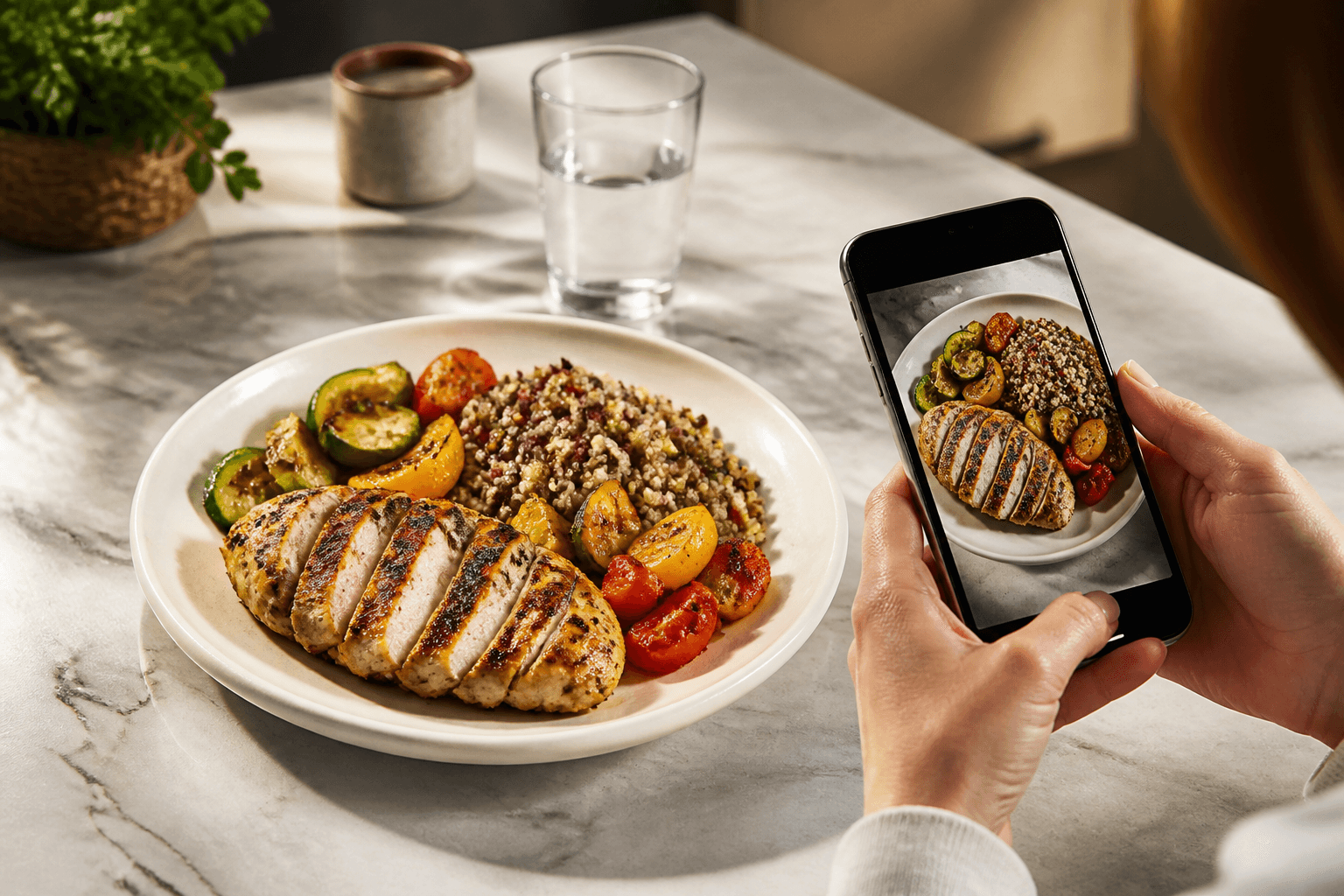
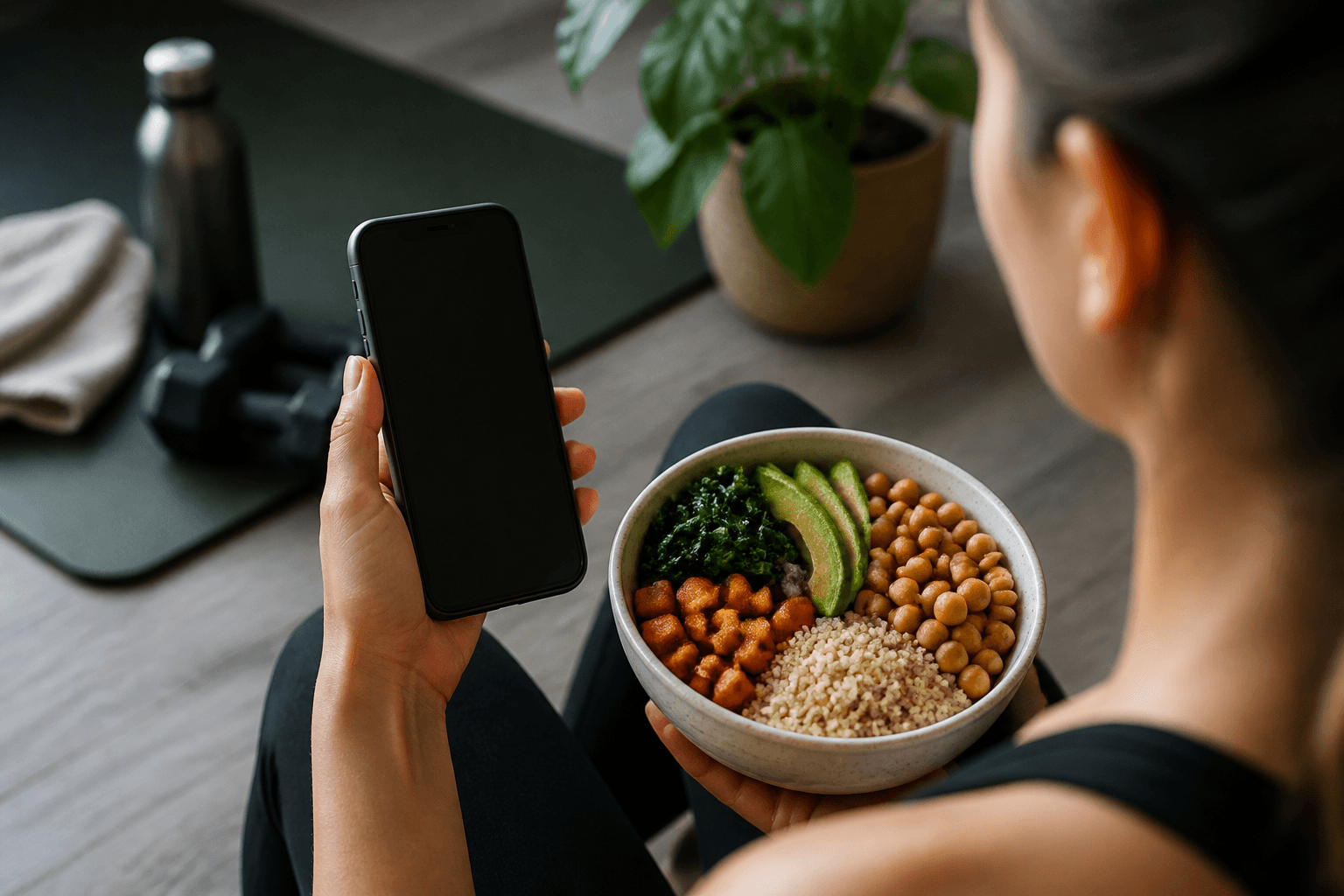
Ready to take control of your nutrition? Download our app, snap a photo of your meal, and let our AI calculate the calories and macronutrients. We’re here to help you keep your protein intake on track!
Cal AI Editorial Team
Practical guides on nutrition, calorie tracking, meal planning, and building healthier habits with Cal AI.
Editorial policyRelated articles
- Cal AI
The scan got the dish wrong: how to fix grams and calories in Cal AI in 20 seconds
Fix a wrong Cal AI scan by choosing the closest recognition variant, correcting grams, and editing calories when the portion still looks off.
Oct 26, 20266 min read
- french fries
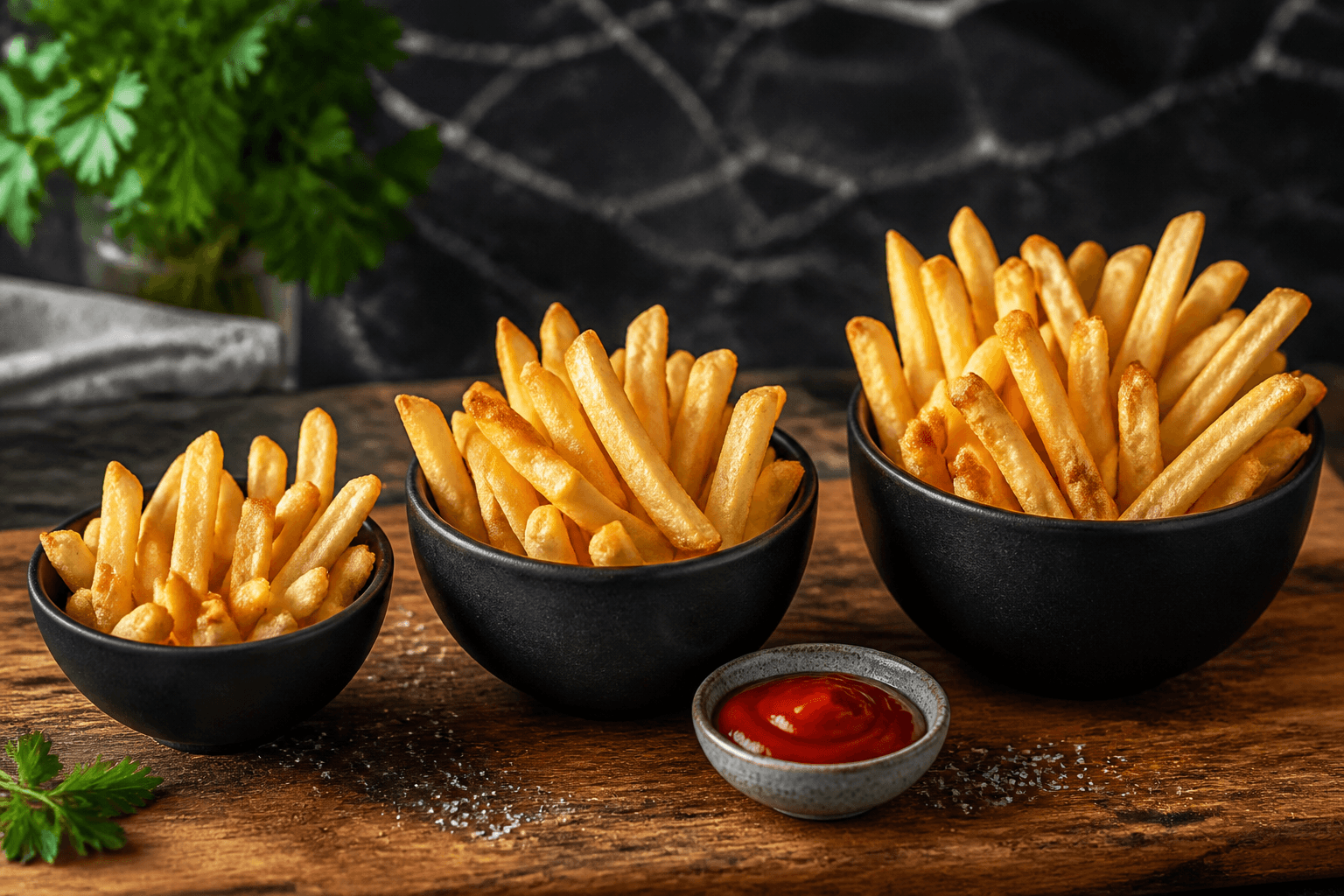
Calories in French Fries: Small, Medium and Large Portions
French fries are 312 kcal per 100 g, and a standard 117 g serving is 365 kcal. Use grams, not size names, when the portion looks unclear.
Oct 23, 20266 min read
- Cal AI
How to Cancel Cal AI Subscription on iPhone and Android
Cancel Cal AI through Apple or Google Play, not inside the app. Follow the exact menu paths and see what cancellation means for history and scans.
Oct 20, 20265 min read1 views
- chicken breast
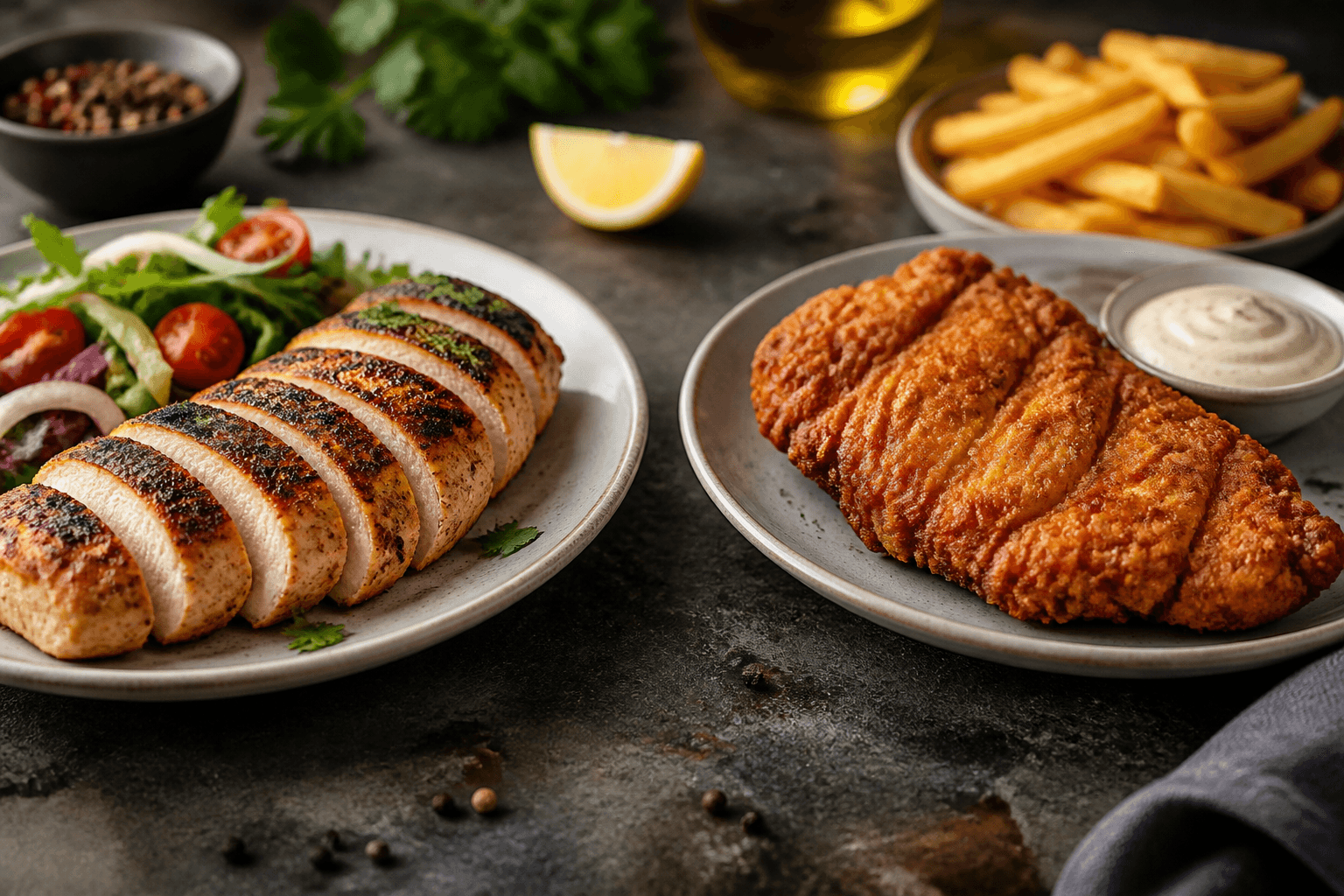
Calories in Chicken Breast: 100 g, One Breast, Grilled vs Fried
Chicken breast has 165 kcal per 100 g cooked. See one-breast calories, grilled and fried adjustments, and how to log it accurately.
Oct 17, 20266 min read1 views
- rice
White Rice vs Brown Rice: Calories, Protein, and Which to Pick
Brown rice is slightly lower in calories than white rice, but the gap is small. Compare cooked portions, macros, and which one fits your goal at meals.
Oct 14, 20266 min read2 views
- calorie calculator
How many calories do you need a day? Mifflin-St Jeor with worked examples
Use Mifflin-St Jeor to estimate daily calories from weight, height, age, and activity, with worked examples and portion checks.
Oct 11, 20268 min read