Stress-Free Meal Planning for Busy Professionals: Your Ultimate Guide
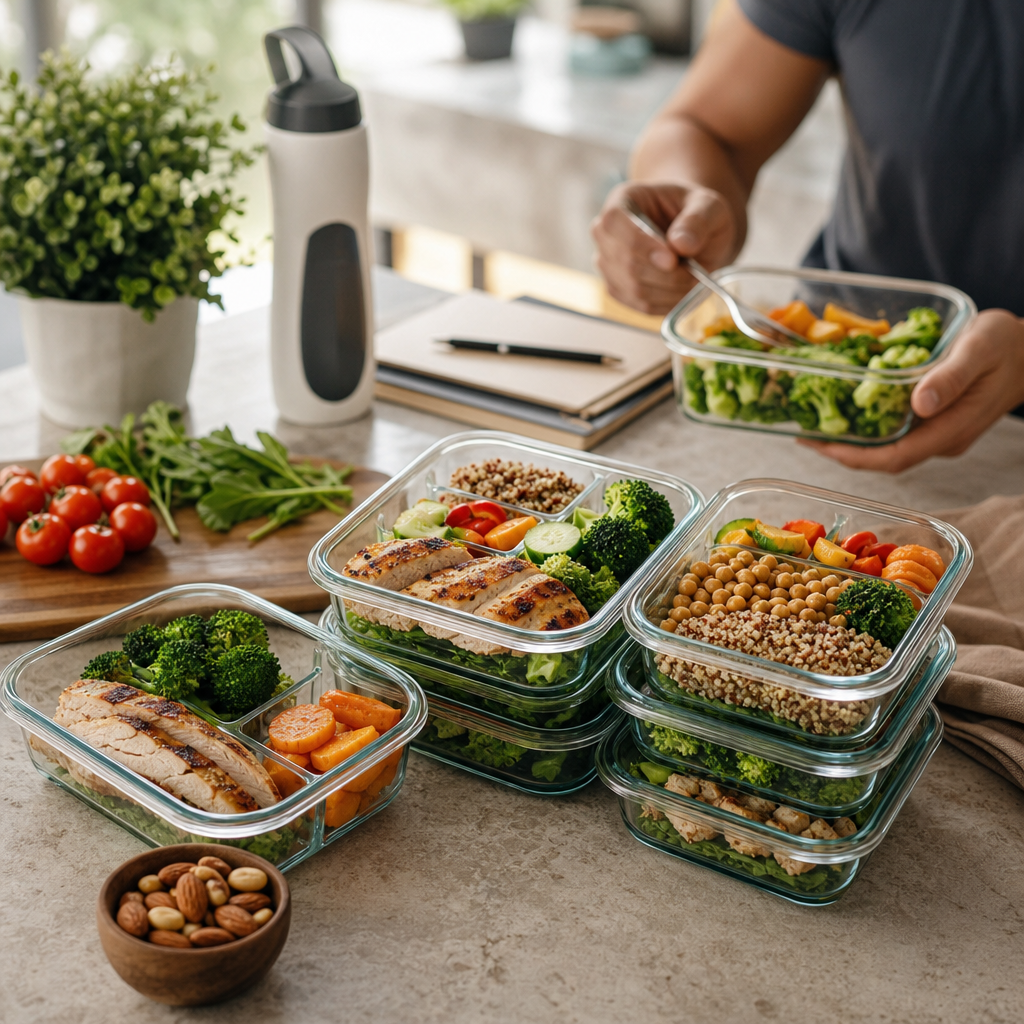
In today’s fast-paced world, busy professionals often find themselves juggling countless responsibilities, leaving little time for meal preparation. However, with a strategic approach to meal planning, you can enjoy nutritious meals without the stress. Here’s how to simplify your meal planning to fit your hectic lifestyle.
Understand the Importance of Meal Planning
Meal planning isn’t just a time-saver; it’s an essential tool for maintaining a healthy diet. By planning your meals, you can ensure you’re getting the right mix of macronutrients: proteins, fats, and carbohydrates. Plus, having meals ready reduces the temptation to grab unhealthy snacks or fast food when hunger strikes.
Step 1: Create a Template for Your Weekly Meals
Start by outlining a template for your week. This doesn’t have to be set in stone—flexibility is key! Here’s a simple format to follow:
- Breakfast: Healthy and quick options like overnight oats or smoothies.
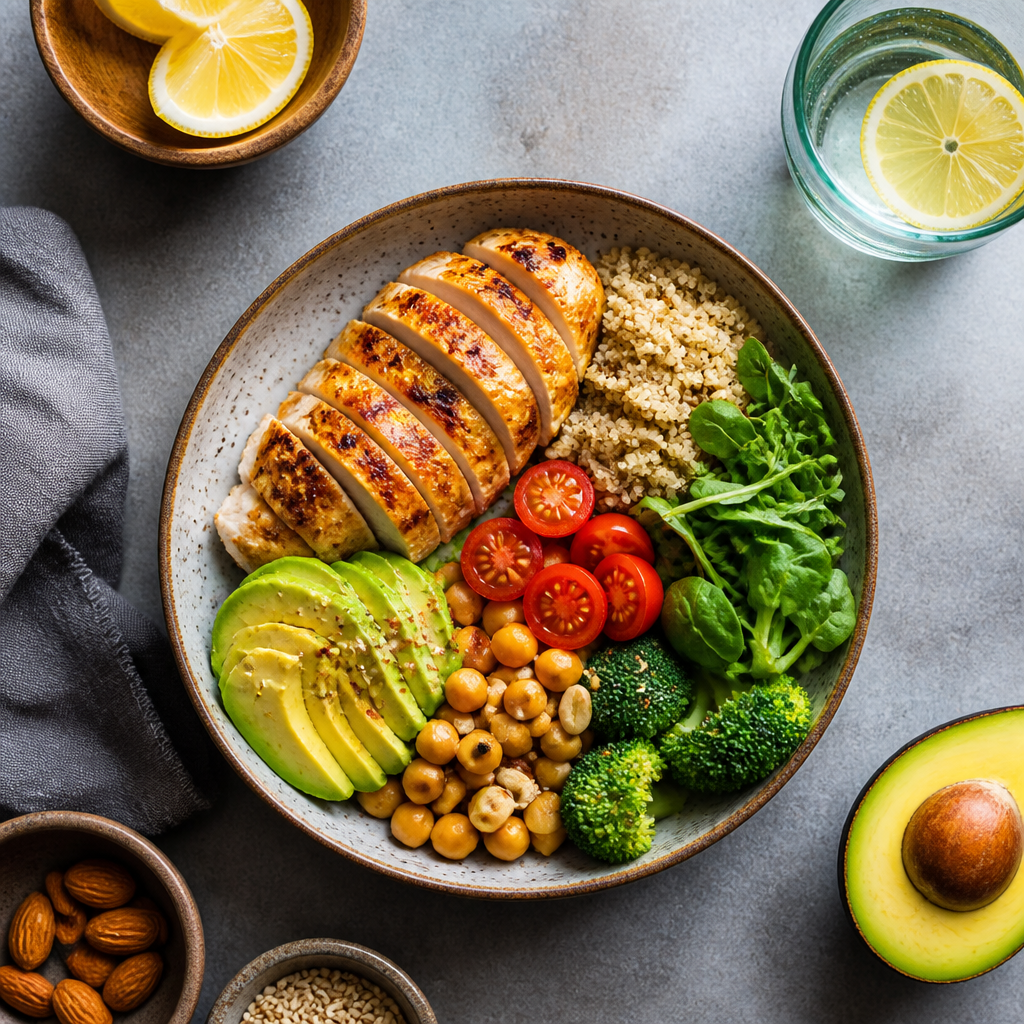
- Lunch: Balanced meals like grilled chicken salads or quinoa bowls.
- Dinner: One-pot meals or slow-cooked dishes that can be prepared in advance.
Step 2: Choose Simple Recipes
Select easy-to-make recipes that can be bulked up for multiple meals. For instance:
- Chili: Packed with beans, lean meats, and vegetables. It can be stored in the fridge for up to four days.
- Stir-fry: Quick and versatile; toss in your choice of protein and seasonal veggies.
- Casseroles: Easy to prepare and freeze, perfect for busy nights.
Step 3: Make a Grocery List
Once you have your meals planned, it’s time for grocery shopping. Write down all the ingredients you’ll need. Keep your grocery list organized by categories such as produce, proteins, and grains to make your shopping trip more efficient.
Step 4: Meal Prep Day
Dedicate a couple of hours on the weekend to meal prep. This could involve:
- Chopping vegetables for easy access during the week.
- Cooking grains like rice or quinoa in bulk.
- Batch cooking proteins such as chicken breasts or tofu that can be used in various meals.
- Portioning snacks like nuts or yogurt for easy grab-and-go options.
Benefits of Meal Planning for Busy Professionals
- Saves Time: Spend less time deciding what to eat each day.
- Reduces Stress: No more last-minute trips to the grocery store or unhealthy eating choices.
- Supports Health Goals: Keep track of your nutritional intake and avoid impulse eating.
FAQ: Common Questions on Meal Planning
Q: How do I store meals for the week?
A: Use glass containers for better preservation, and label them to avoid confusion.
Q: Can I plan meals for just a few days?
A: Absolutely! Start small to build your habit, and gradually expand your planning to a week.
Q: What if I don’t have time to cook?
A: Consider preparing meals in batches on less busy days or using a slow cooker for set-it-and-forget-it meals.
Conclusion
Meal planning doesn’t need to feel overwhelming, even for busy professionals. By following these steps, you can streamline your cooking routine, enjoy healthy meals, and reclaim valuable time in your week. For extra help, consider using AI-powered apps that allow you to upload photos of your meals for calorie count and macronutrient breakdowns—taking the guesswork out of healthy eating! Embrace the simplicity of meal planning and enjoy the benefits of a well-nourished, productive week.
Share this article
Cal AI
Track meals faster with Cal AI
Scan food, estimate calories, and keep your nutrition log moving without typing every ingredient.
Author
Cal AI Editorial Team
Practical guides on nutrition, calorie tracking, meal planning, and building healthier habits with Cal AI.
Editorial policyRelated articles
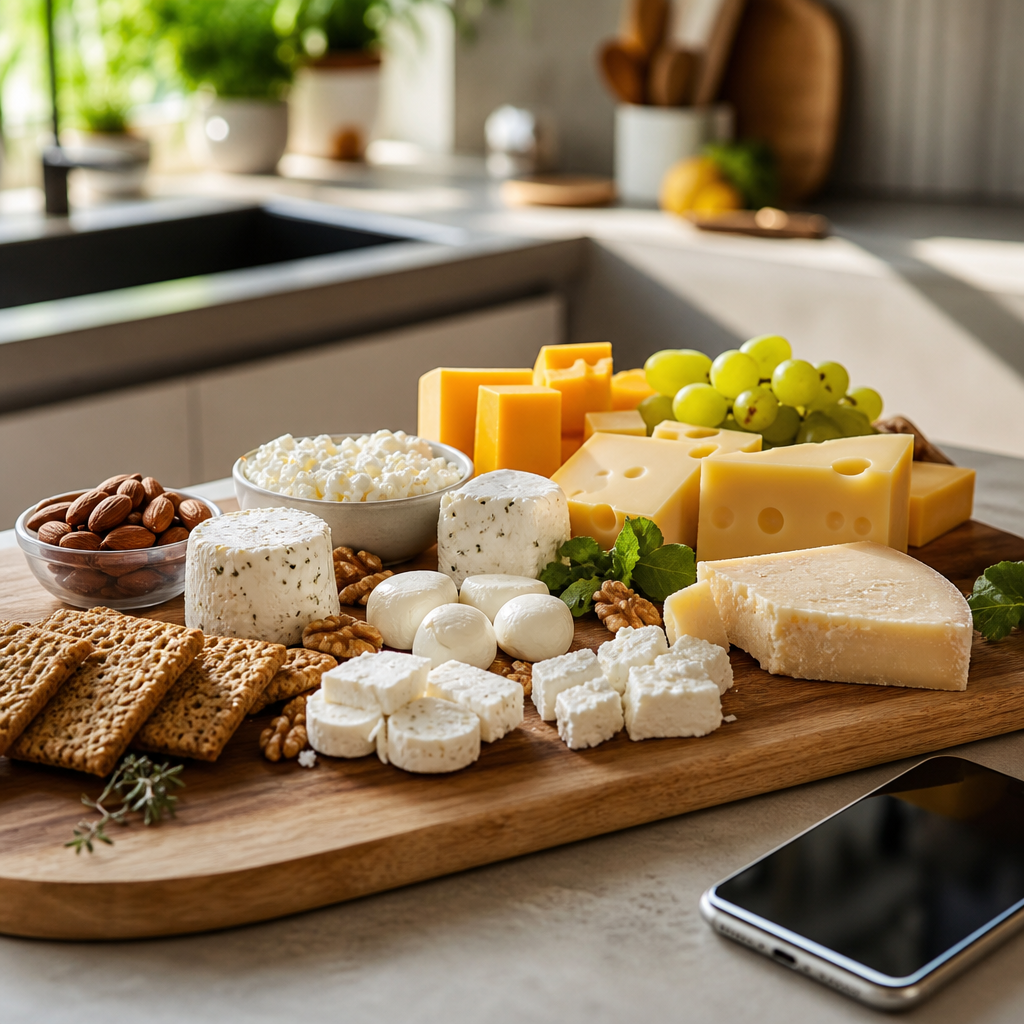 How Many Calories Are in Cheese? A Practical Guide for Cheese LoversWondering how many calories are in cheese? This guide breaks down calories in cheese by type, serving size, and fat content so you can choose smarter portions without giving up flavor.
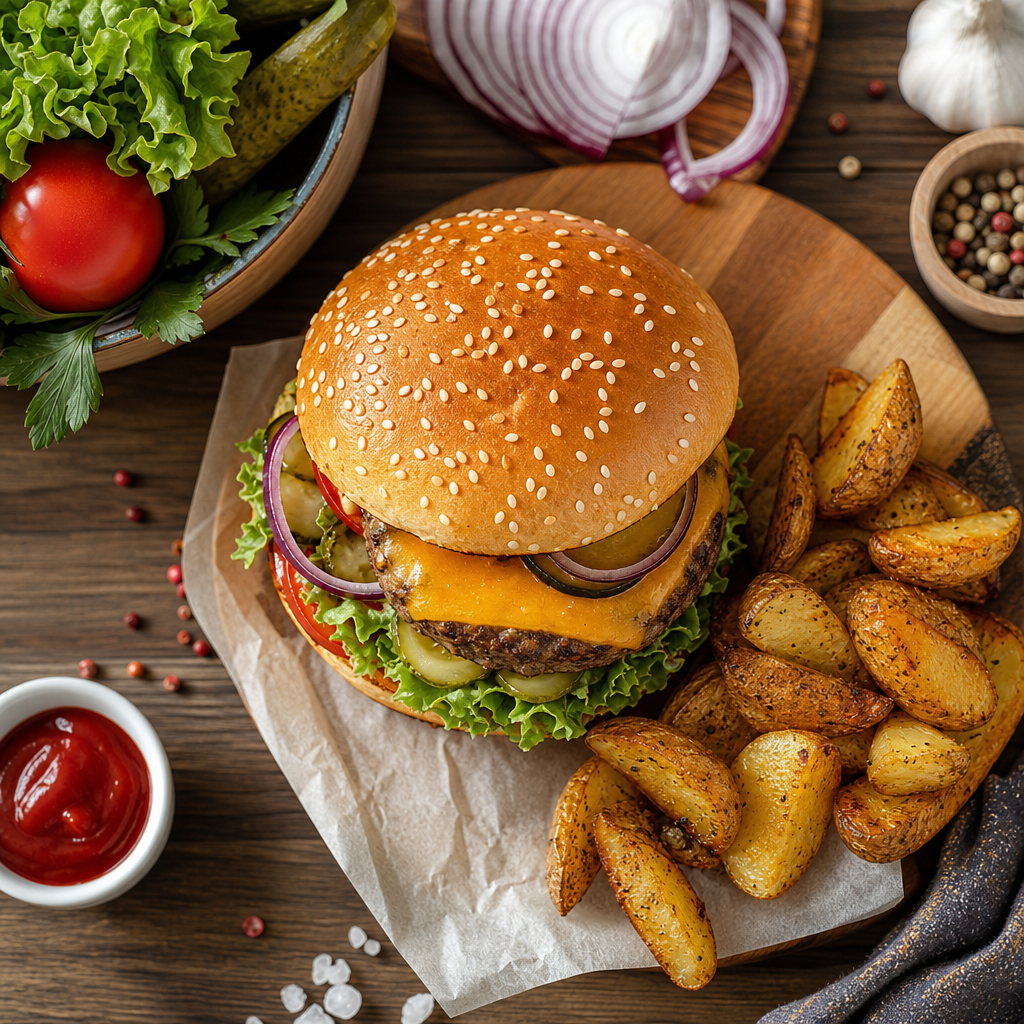 How Many Calories Are in a Burger? A Practical Guide to calories in burger CountsBurger calories can swing wildly depending on patty size, cheese, sauces, and bun choice. Learn the typical calories in burger meals and how to estimate them fast.
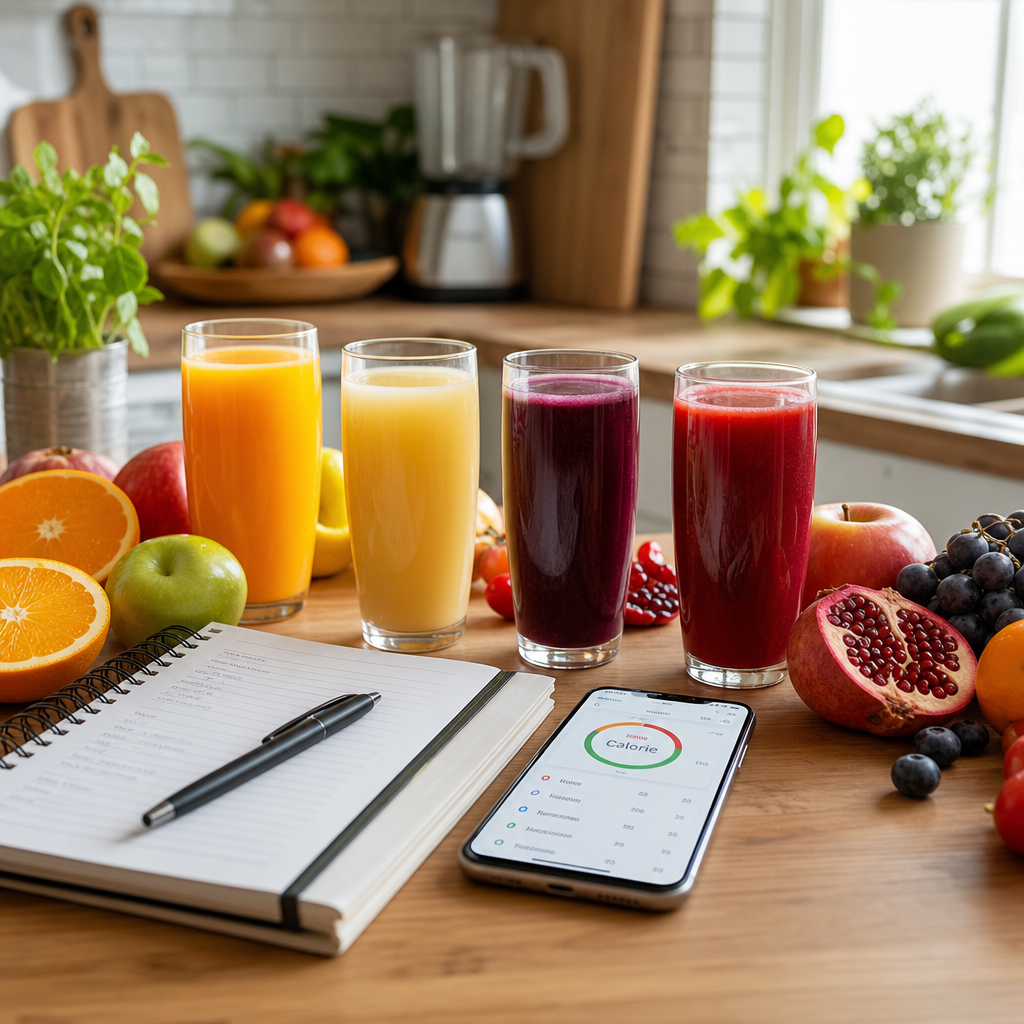 How Many Calories Are in Juice? A Practical Guide to Calories in JuiceJuice can look healthy, but the calorie count changes fast depending on the fruit, serving size, and whether sugar has been added. Here’s how to compare popular juices and make smarter choices.
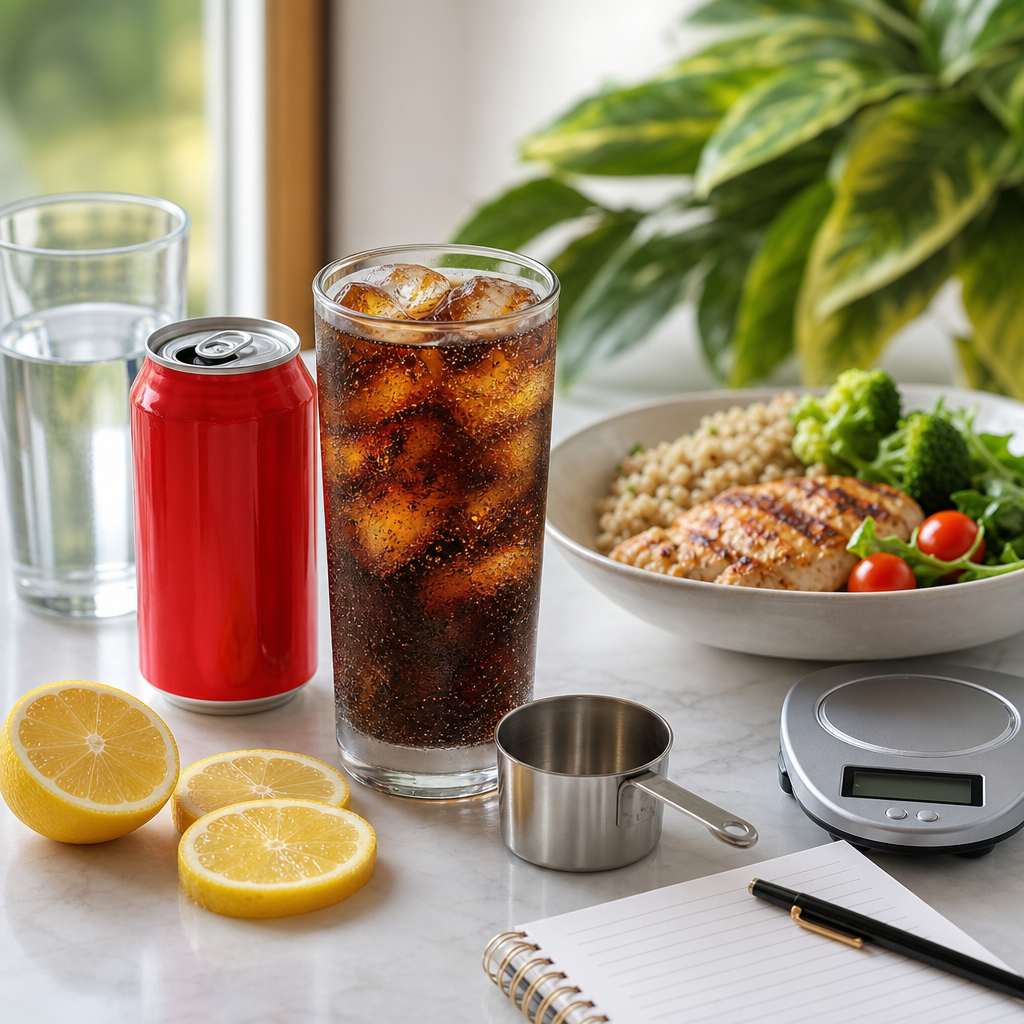 How Many Calories Are in Coca-Cola? A Practical Guide to Calories in Coca-ColaCoca-Cola’s calorie count is easy to underestimate, especially when portions get larger. Here’s a clear breakdown of calories in Coca-Cola, plus sugar, serving sizes, and better ways to fit soda into your day.
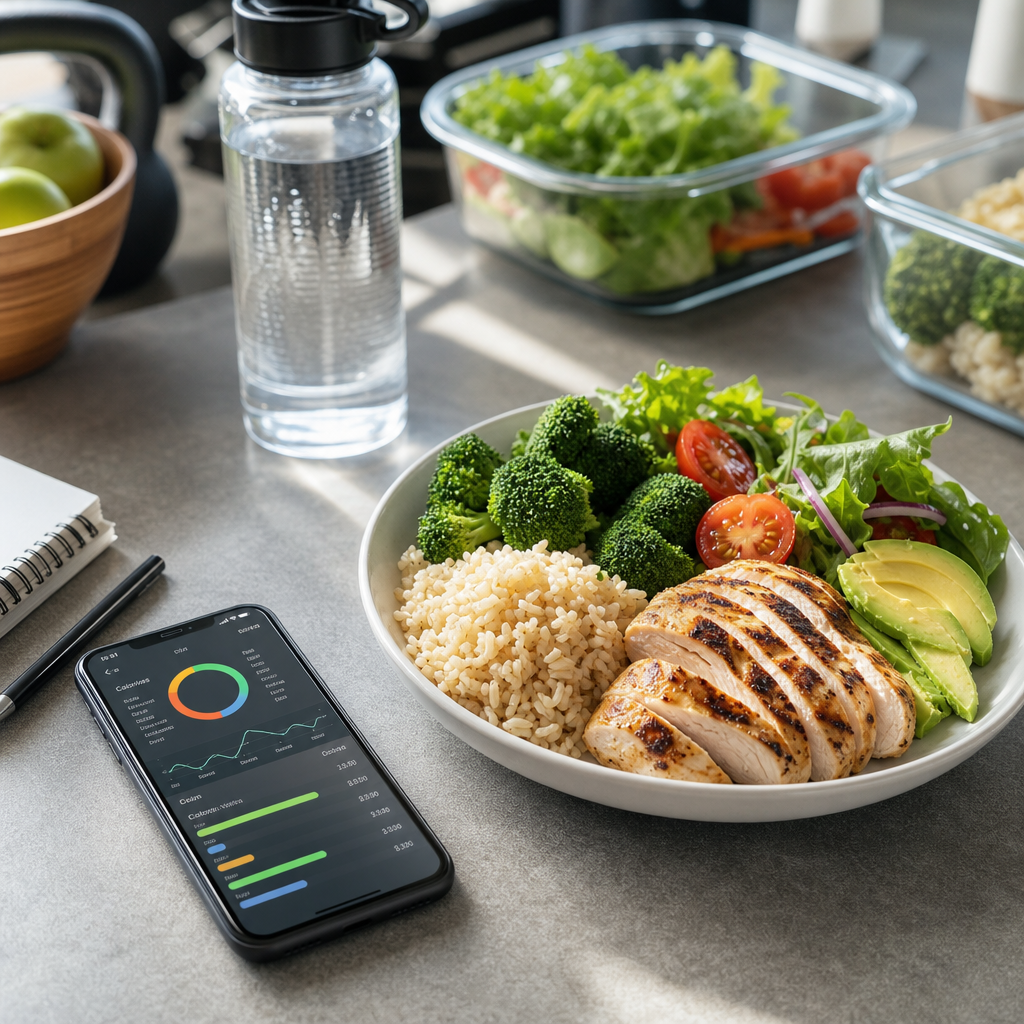 Cal AI Free vs Premium: Which Version Fits Your Budget and Goals?A clear breakdown of Cal AI free vs premium, including features, limits, and real-life use cases so you can decide if the upgrade is worth it.
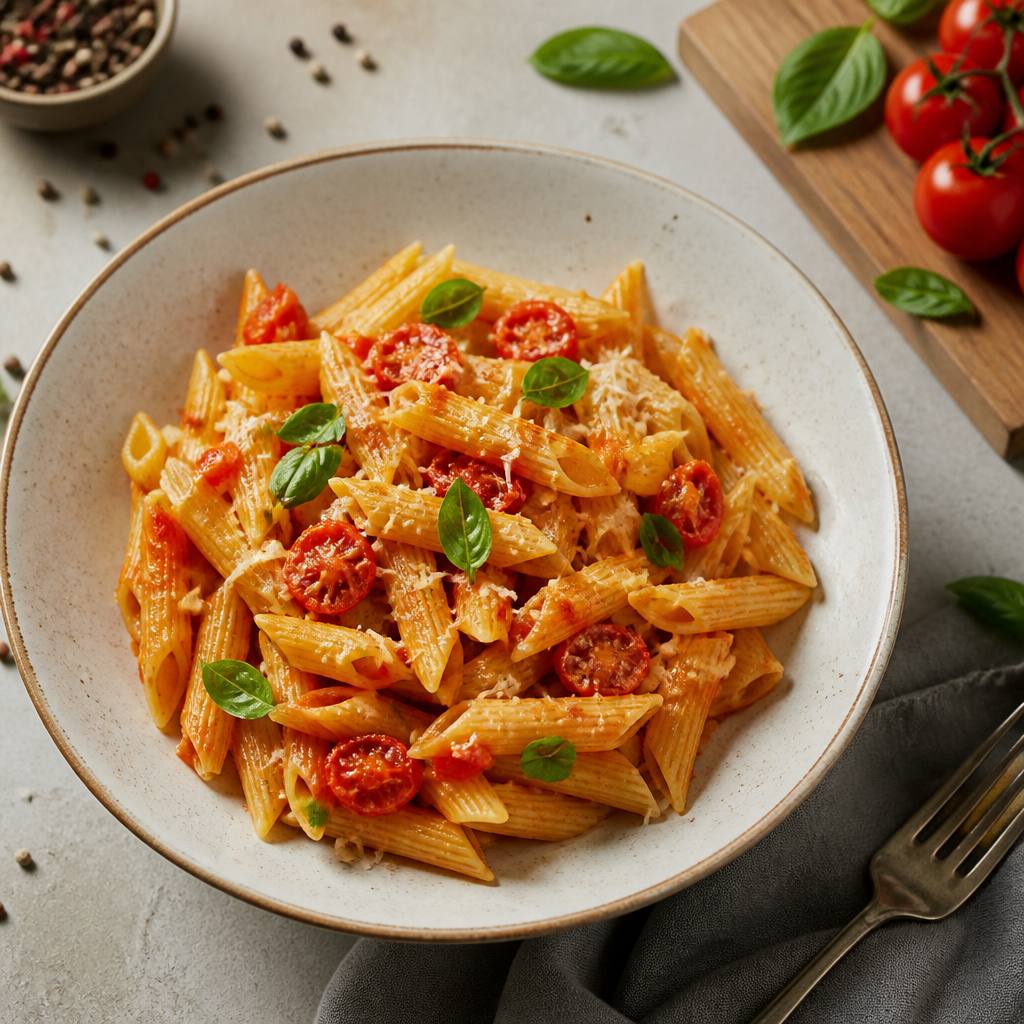 How Many Calories Are in Pasta? A Comprehensive Guide for Pasta Lovers and Dieters
 How Many Calories Are in an Iced Latte? Your Guide to Summer Coffee Indulgence
 How Many Calories Are in Coca-Cola Zero?
 How Many Calories Are in an Energy Drink?
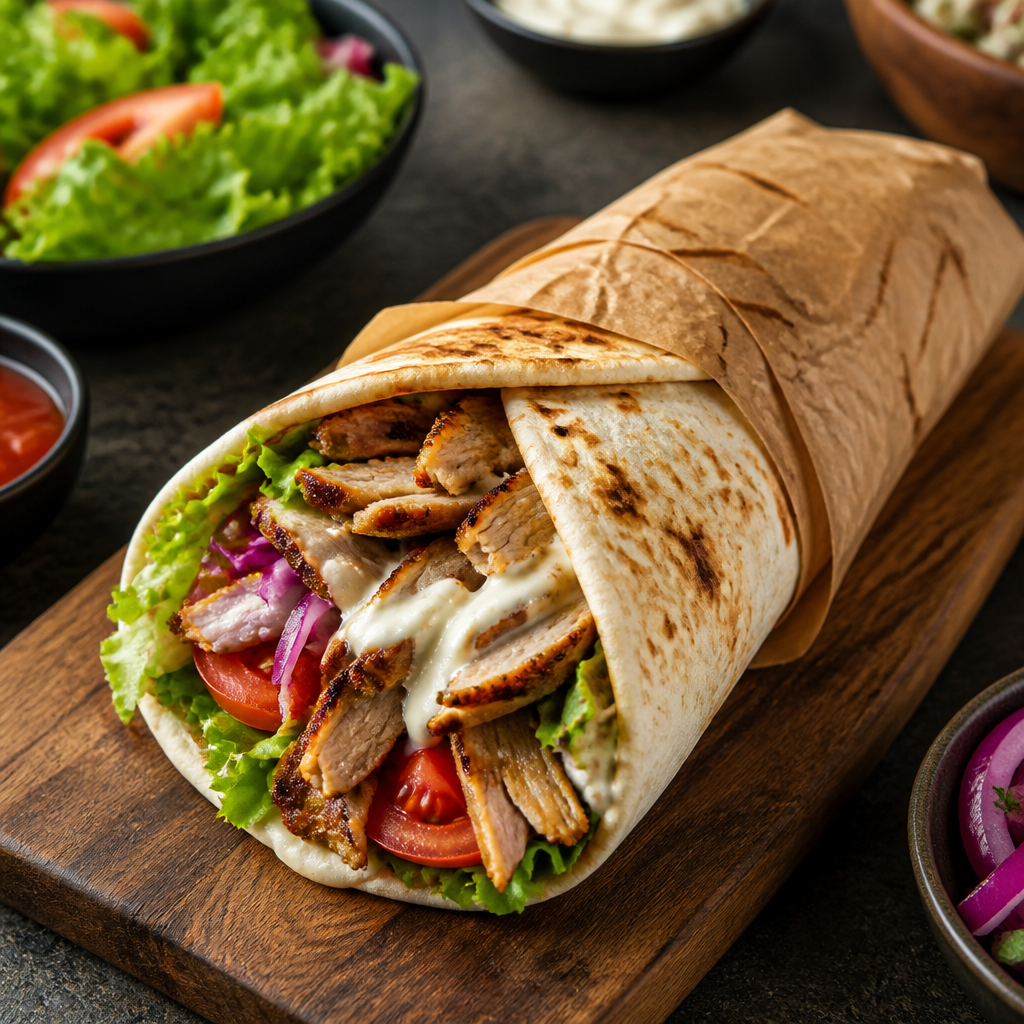 How Many Calories Are in Shawarma?
 How Many Calories Are in a Latte? A Deep Dive into Your Favorite Coffee Treat
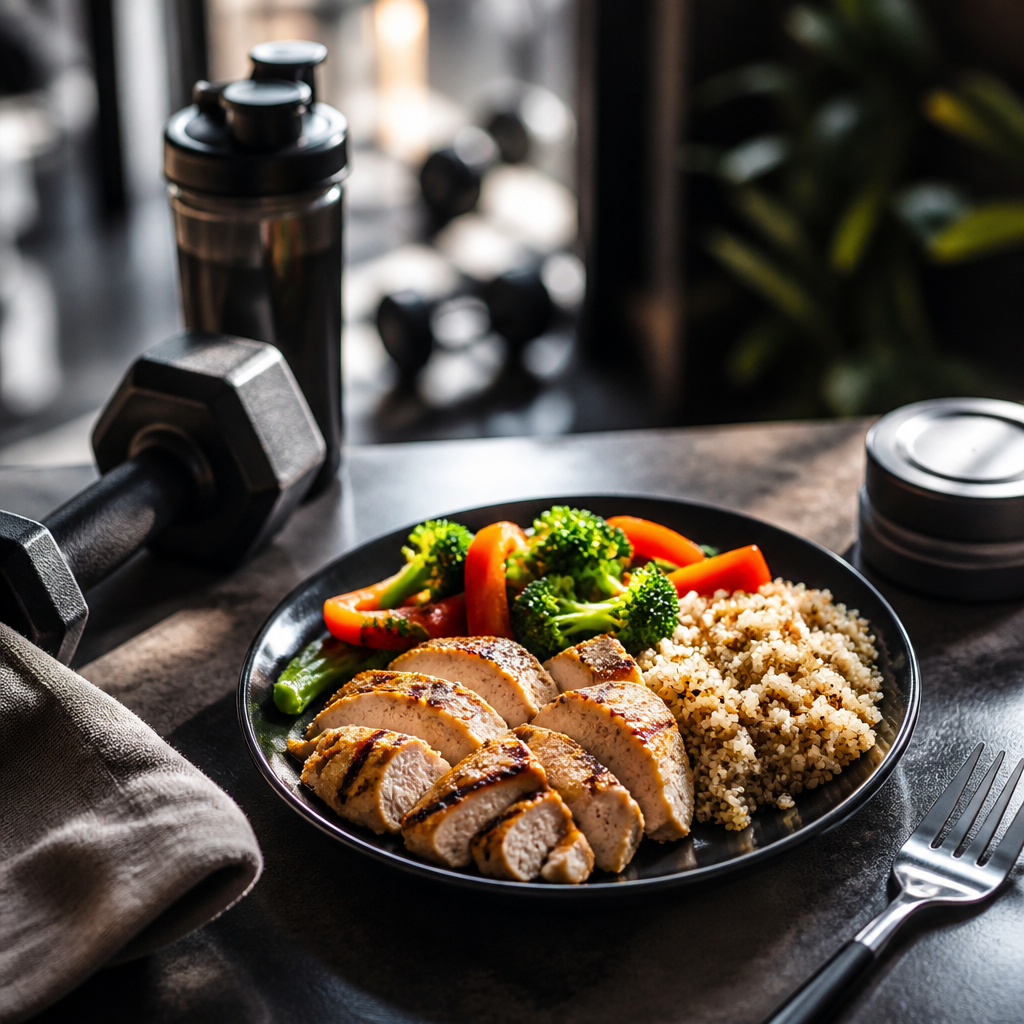 Maximize Your Gains: How Cal AI Supports Muscle Growth
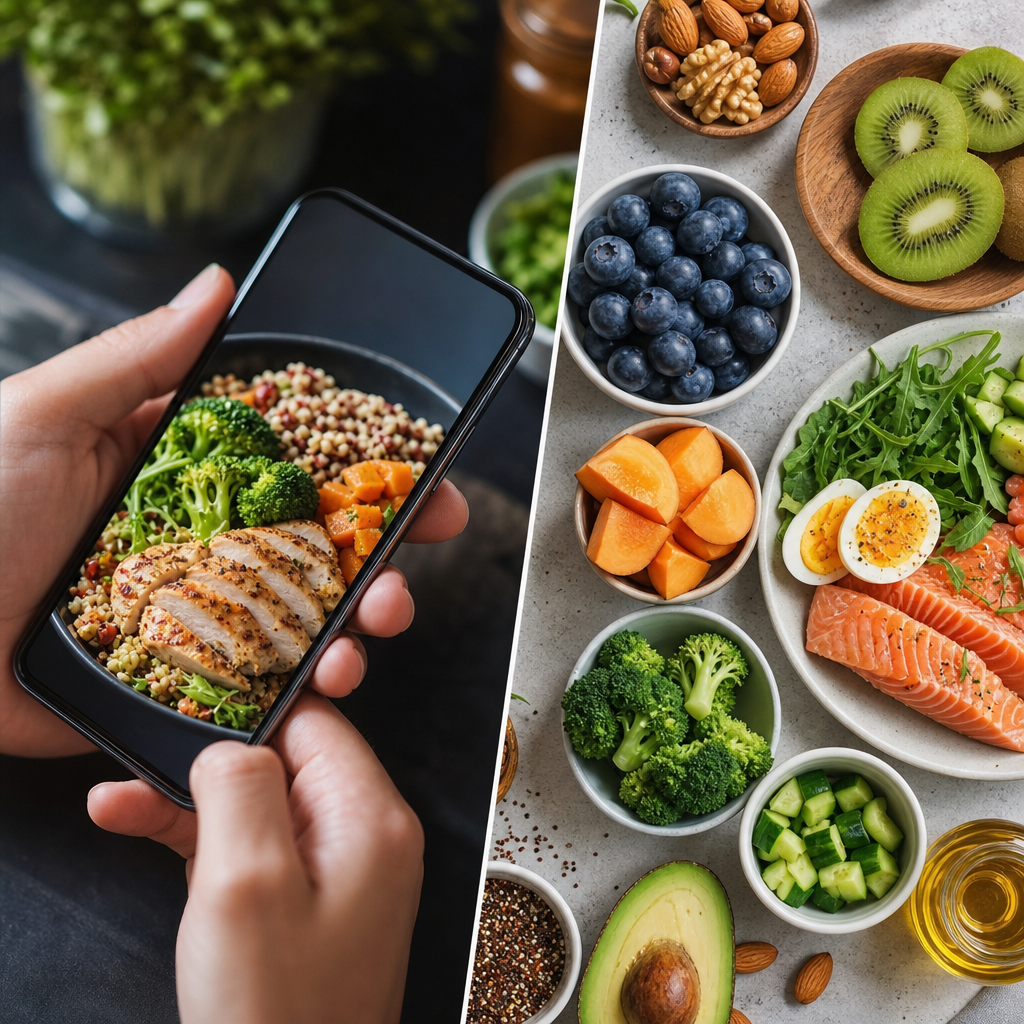 Cal AI vs FatSecret: Which Nutrition Tracking App Reigns Supreme?
 How Much Does Cal AI Cost? Understanding the Pricing Structure
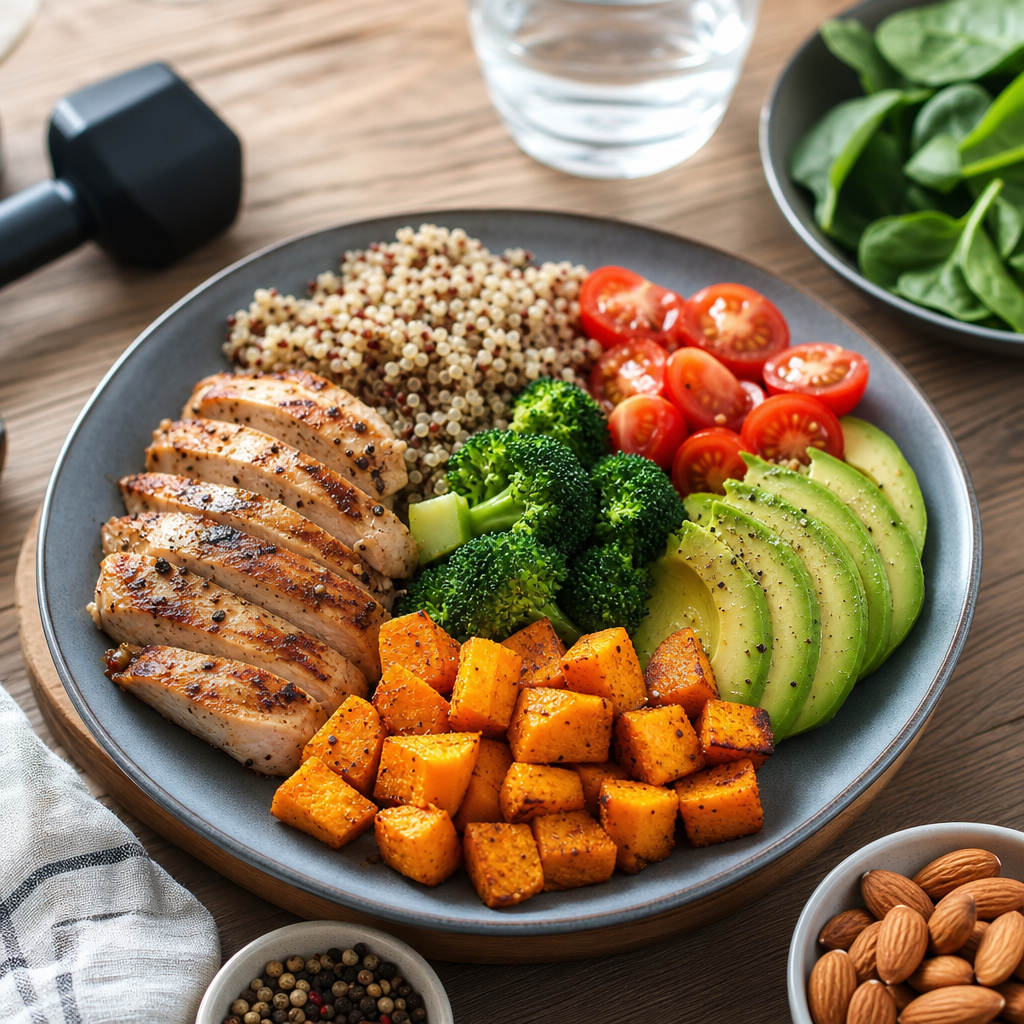 How to Count Macronutrients: Your Essential Guide to Diet Management
 How Artificial Intelligence Helps You Lose Weight
 Cal AI Calorie Counter Review: A Comprehensive Analysis of Its Functionality
 Is the Cal AI App Free? Everything You Need to Know
 Is Cal AI Free? Exploring Costs and Features
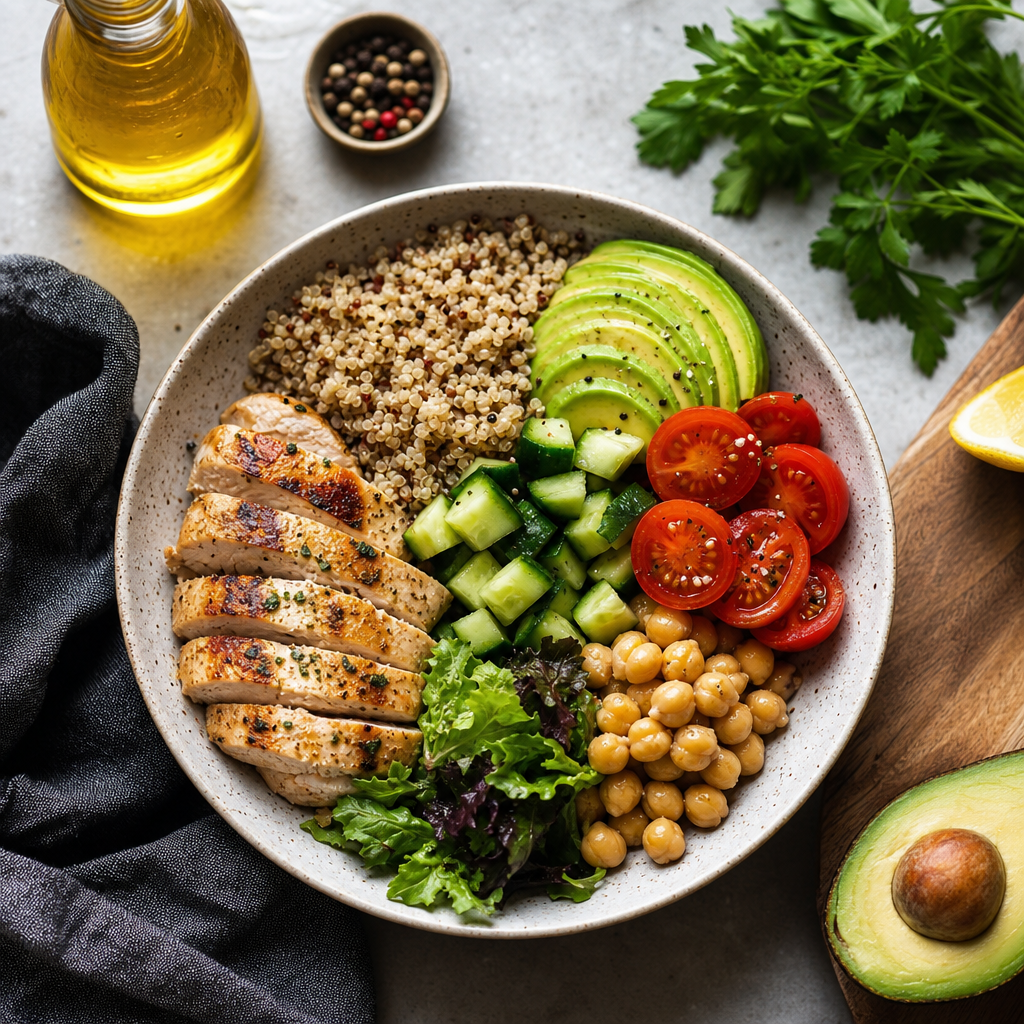 How to Calculate Macros for Weight Loss: Your Ultimate Guide
 Cal AI vs Yazio: Which Nutrition App Reigns Supreme for Fitness Enthusiasts?
 How Does Cal AI Calculate Calories?
 Top 25 Vegetables for Weight Loss
 Why Your Weight Stopped Changing: Understanding Weight Maintenance Issues
 Which Vegetables Help You Lose Weight?
 How to Track Weight Changes Correctly
 How Many Carbs Do You Need Per Day? A Practical Guide to Daily Carb Requirements
 The Lowest-Calorie Vegetables Ranked: Your Guide to Guilt-Free Eating
 Zero-Calorie Vegetables: Myth or Reality?
 Why Weight Control Starts With Nutrition