The Best Macro Ratio for Weight Loss: Optimizing Your Intake
Discover the best macronutrient ratios for effective weight loss. Learn how to adjust your intake for optimal results while maintaining a healthy lifestyle.
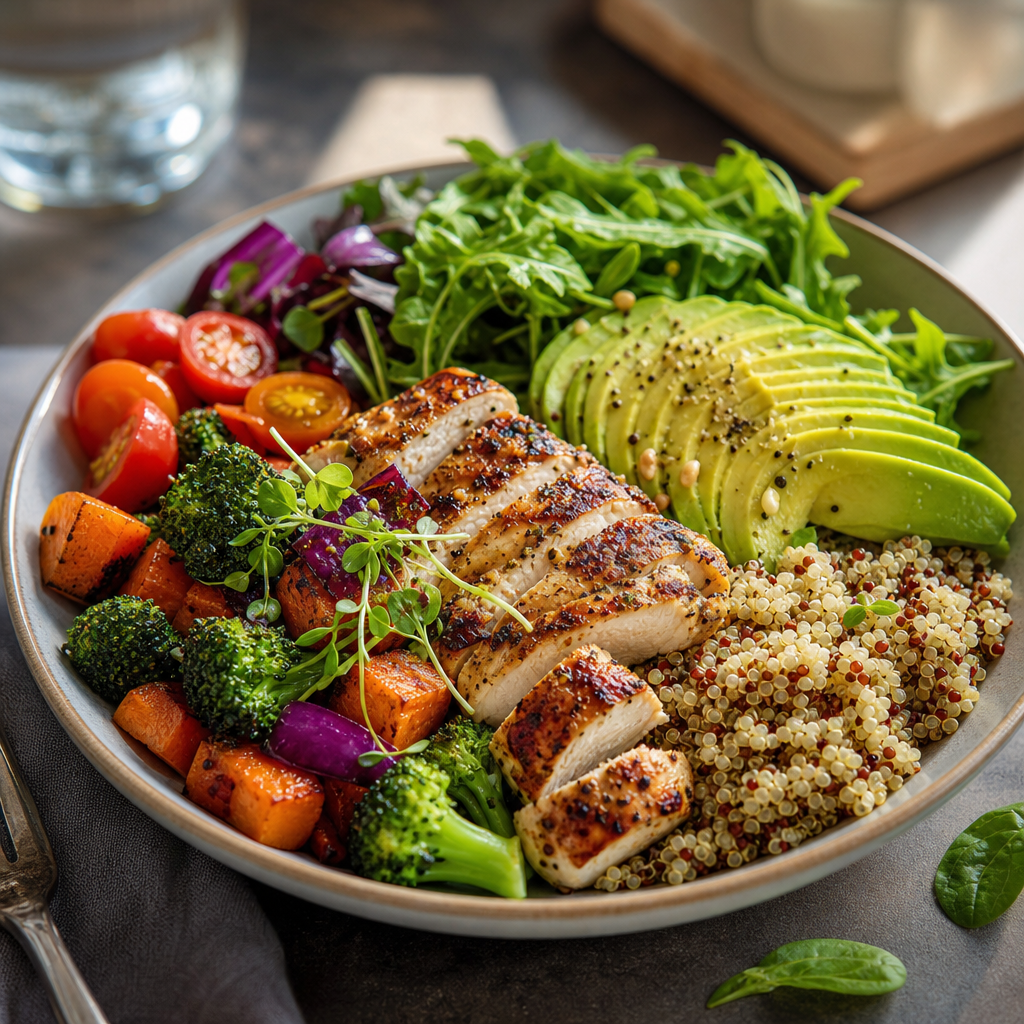
Understanding Macronutrients
Macronutrients are the nutrients required in larger amounts that provide the energy necessary for our body's functioning. They consist of carbohydrates, proteins, and fats. Each of these macronutrients plays a crucial role not just in weight loss, but also in maintaining overall health. By understanding how they work, you can tailor your intake to meet your weight loss goals effectively.
Carbohydrates are primarily your body's main source of energy, especially for high-intensity workouts. Proteins help in muscle repair and growth, which is vital when you're in a calorie deficit. Fats are essential for hormone production and nutrient absorption. Balancing these macronutrients correctly can significantly influence your weight loss success.
The Optimal Ratios for Weight Loss
The ideal macronutrient ratio for weight loss can vary significantly based on individual needs, activity levels, and dietary preferences. However, a common starting point is the 40/30/30 ratio: 40% carbohydrates, 30% protein, and 30% fats. This balance tends to promote fat loss while maintaining muscle mass, which is critical for long-term results.
To put this into perspective, suppose you're following a 1,500 calorie diet. The 40/30/30 ratio would break down as follows: 600 calories from carbohydrates (150 grams), 450 calories from protein (112.5 grams), and 450 calories from fats (50 grams). Each macronutrient contributes in ways that help manage hunger, support energy levels, and facilitate muscle recovery—key factors in an effective weight loss strategy.
Customizing Your Macro Ratios
While the 40/30/30 ratio serves as a good baseline, personalizing your macronutrient intake is vital for achieving your specific goals. For instance, if you're engaging in more intense workouts, you might benefit from a higher carbohydrate intake, shifting towards a 50/25/25 ratio. This change can improve performance and recovery, making your workouts more effective.
Conversely, those looking to drop weight while maintaining as much muscle as possible might prefer a higher protein ratio. A 30/40/30 ratio, for instance, would allow for more protein intake (around 112.5 grams for a 1,500 calorie diet) which can support muscle synthesis while still providing adequate fats.
Examples of Foods for Each Macro
Understanding which foods fit into each macronutrient category can make meal planning much more manageable. Here are some examples to help you optimize your dietary choices:
Carbohydrates: Whole grains like quinoa and brown rice, fruits like berries and bananas, as well as vegetables such as sweet potatoes and broccoli.
Proteins: Lean meats such as chicken and turkey, plant-based options like lentils and chickpeas, and dairy sources like Greek yogurt and cottage cheese.
Fats: Healthy fats include avocados, nuts, seeds, and oils like olive oil and coconut oil.
Each macro plays a unique role in helping you feel satisfied, energized, and less likely to indulge in unhealthy snacks.
Tracking Your Macros with Ease
One of the biggest challenges in sticking to a macro-friendly weight loss plan is tracking your intake accurately. Fortunately, modern technology offers a range of calorie and macro tracking apps that make this process straightforward. By inputting your dietary preferences and goals, you can quickly receive personalized macro recommendations.
For example, with AI-powered applications, you can simply take a photo of your meals, and the app will estimate calories and macro breakdowns instantly, making it easier to stay on track without the hassle of constant manual logging.
Common Macro Ratios Myths Debunked
It’s essential to dissect prevalent myths surrounding macronutrient ratios. A commonly held belief is that eating more protein alone guarantees weight loss. While protein is crucial for muscle retention and can aid in suppressing hunger pangs, it’s not a magic bullet. Balance is key.
Another myth claims that carbs should be avoided entirely for weight loss. However, as the body’s primary energy source, healthy carbohydrate intake (especially from whole food sources) is vital to maintaining energy levels, especially for active individuals. The focus should be on the type and quality of carbs rather than complete elimination.
Conclusion: Finding Your Best Macro Ratio
The best macro ratio for weight loss is not one-size-fits-all—it's a dynamic equation that can hinge on numerous factors including personal goals, lifestyle, and activity level. The fundamental principles suggest that a balanced approach of around 40/30/30 can yield successful results. However, understanding your unique needs is critical.
Listening to your body, assessing your progress, and adjusting your macro intake as necessary ensures that you remain on your path toward healthy weight loss. Remember, nutrition is just one component; integrating this with regular exercise and a positive mindset will amplify your results.
Frequently Asked Questions
What are macronutrients?
Macronutrients are nutrients required in larger amounts for energy and include carbohydrates, proteins, and fats.
How do I determine my macro ratios for weight loss?
You can start with the 40/30/30 ratio and adjust based on your activity level and personal preferences. A variety of online calculators can help you find the right balance.
Can I lose weight while eating lots of carbs?
Yes, focusing on healthy, whole-food sources of carbs allows you to lose weight while still providing the necessary energy for workouts and daily activities.
How important is protein for weight loss?
Protein is vital as it helps maintain muscle mass during weight loss, improves satiety, and can increase metabolism.
What technology can help with tracking macros?
AI-powered calorie tracking apps can simplify macro tracking by allowing you to take photos of your meals and receive instant calorie and macro estimates.
Explore how Cal AI can help you optimize your nutrition! Take a photo of your food, instantly estimate calories, view protein, carbs, and fat, and track your nutrition goals more easily.
Share this article
Cal AI
Track meals faster with Cal AI
Scan food, estimate calories, and keep your nutrition log moving without typing every ingredient.
Author
Cal AI Editorial Team
Practical guides on nutrition, calorie tracking, meal planning, and building healthier habits with Cal AI.
Editorial policyFrequently asked questions
What are macronutrients?
Macronutrients are nutrients required in larger amounts for energy and include carbohydrates, proteins, and fats.
How do I determine my macro ratios for weight loss?
You can start with the 40/30/30 ratio and adjust based on your activity level and personal preferences. A variety of online calculators can help you find the right balance.
Can I lose weight while eating lots of carbs?
Yes, focusing on healthy, whole-food sources of carbs allows you to lose weight while still providing the necessary energy for workouts and daily activities.
How important is protein for weight loss?
Protein is vital as it helps maintain muscle mass during weight loss, improves satiety, and can increase metabolism.
What technology can help with tracking macros?
AI-powered calorie tracking apps can simplify macro tracking by allowing you to take photos of your meals and receive instant calorie and macro estimates.
Related articles
 How Many Calories Are in Chicken Nuggets? A Comprehensive BreakdownDiscover the calorie counts of chicken nuggets from various brands and preparation methods to make informed choices for your family.
 How Much Protein Do You Need Per Day? A Comprehensive GuideDiscover your daily protein requirements tailored to your personal health goals with our in-depth guide. Find out how to calculate your needs effectively.
 How Many Calories Are in Wine? A Comprehensive GuideDiscover the calorie content in various types of wine and learn how to make informed choices without sacrificing enjoyment.
 How Many Calories Are in Beer? A Comprehensive GuideDiscover the caloric content in various beer styles and tips for enjoying beer in moderation without derailing your diet.
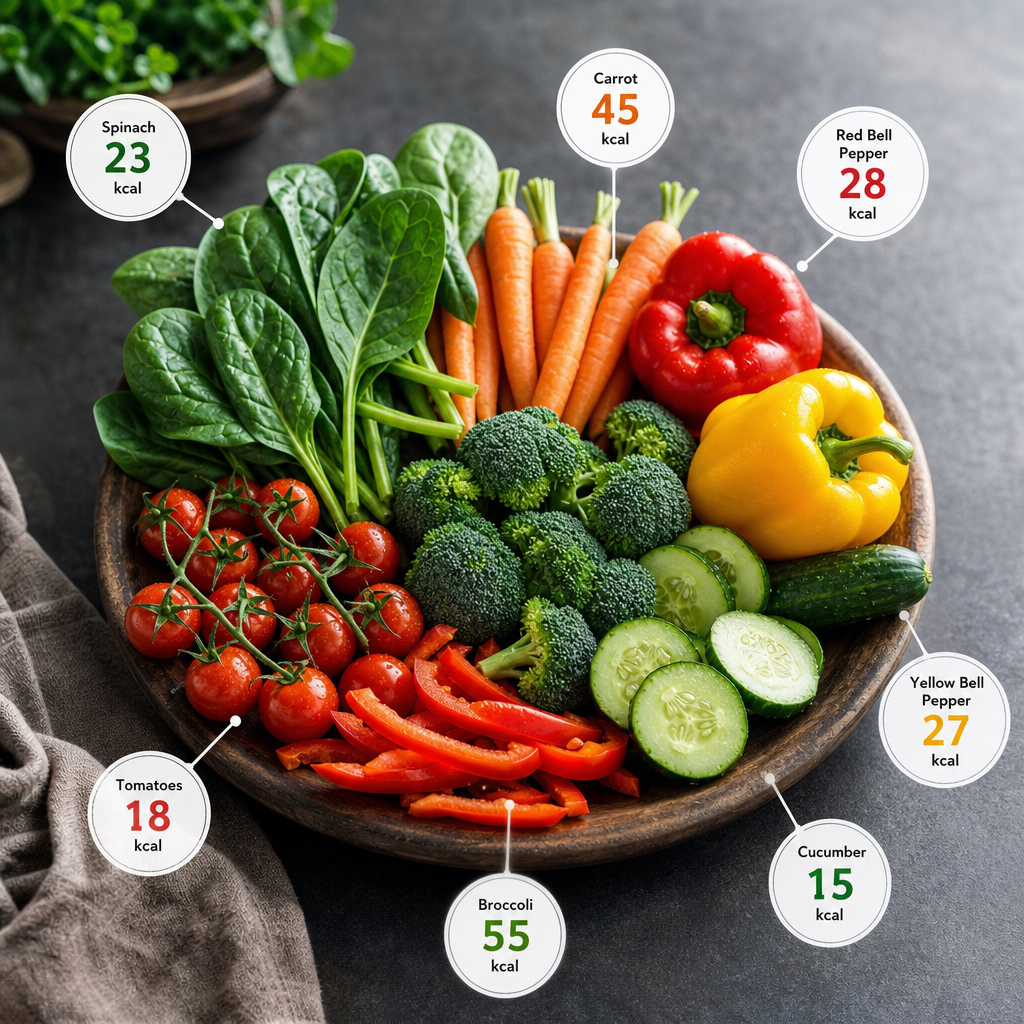 The Complete Vegetable Calorie Chart: Making Informed Dietary ChoicesExplore our complete vegetable calorie chart to make informed decisions for your diet, ensuring healthy calorie intake while enjoying a variety of vegetables.
 The Ultimate Weight Loss Vegetables List: Your Guide to Slimming SuccessDiscover the top weight loss vegetables list that can support your dieting journey with delicious, low-calorie options perfect for meals and snacks.
 How Many Calories Are in Oatmeal? A Comprehensive GuideUncover the calories in oatmeal, from plain oats to popular toppings, and learn to customize your breakfast for optimal health.
 How to Calculate Meal Calories in 5 SecondsMaster quick calorie calculation techniques to keep your meals healthy and on track, especially for busy lifestyles.
 Discovering Free Online Calorie Counter by Photo ToolsExplore the best free online calorie counter by photo tools for effective meal tracking without breaking the bank. Perfect for budget-conscious users!
 How Many Calories Are in an Americano? A Deep Dive into Your Favorite BrewDiscover the calorie content in an Americano and how it fits into a calorie-conscious diet. Explore variations, preparation methods, and health considerations.
 How Many Calories Are in an Egg? A Comprehensive GuideExplore the caloric content of eggs, different cooking methods, and how they fit into a healthy diet while tracking your nutrition goals.
 How Many Calories Are in French Fries? A Portion-by-Portion BreakdownFrench fries can range from a light side dish to a calorie-heavy snack depending on portion size, cooking method, and toppings. Here’s a practical breakdown of calories in french fries.
 AI vs Manual Calorie Counting: Which Method Fits Your Goals?Compare AI calorie trackers and manual calorie counting for weight loss, muscle gain, and everyday nutrition tracking. See the pros, cons, and real-world use cases.
 How Many Calories Are in Pilaf? A Practical Guide to Calories in PilafPilaf can be a light rice side dish or a rich one-pot meal, depending on the grains, oils, and meats used. Here’s how to estimate calories in pilaf with real serving examples.
 Dehydration Loss of Appetite: How Not Drinking Enough Can Mute Hunger SignalsDehydration loss of appetite is more common than many people realize. Learn how fluid balance affects hunger, digestion, and practical ways to tell thirst from true appetite.
 How Many Calories Are in an Avocado?Wondering about calories in avocado? This guide breaks down serving sizes, nutrition facts, health benefits, and easy ways to fit avocado into weight-conscious meals.
 How Many Calories Are in Chocolate? A Practical Guide to Dark, Milk, and White ChocolateWondering how many calories are in chocolate? This guide breaks down calories in chocolate by type, serving size, and cocoa content so you can enjoy it without guessing.
 How Many Calories Are in Cheese? A Practical Guide for Cheese LoversWondering how many calories are in cheese? This guide breaks down calories in cheese by type, serving size, and fat content so you can choose smarter portions without giving up flavor.
 How Many Calories Are in a Burger? A Practical Guide to calories in burger CountsBurger calories can swing wildly depending on patty size, cheese, sauces, and bun choice. Learn the typical calories in burger meals and how to estimate them fast.
 How Many Calories Are in Juice? A Practical Guide to Calories in JuiceJuice can look healthy, but the calorie count changes fast depending on the fruit, serving size, and whether sugar has been added. Here’s how to compare popular juices and make smarter choices.
 How Many Calories Are in Coca-Cola? A Practical Guide to Calories in Coca-ColaCoca-Cola’s calorie count is easy to underestimate, especially when portions get larger. Here’s a clear breakdown of calories in Coca-Cola, plus sugar, serving sizes, and better ways to fit soda into your day.
 Cal AI Free vs Premium: Which Version Fits Your Budget and Goals?A clear breakdown of Cal AI free vs premium, including features, limits, and real-life use cases so you can decide if the upgrade is worth it.