Dehydration Loss of Appetite: How Not Drinking Enough Can Mute Hunger Signals
Dehydration loss of appetite is more common than many people realize. Learn how fluid balance affects hunger, digestion, and practical ways to tell thirst from true appetite.

Why Dehydration Can Quiet Your Appetite
The link between dehydration loss of appetite is stronger than most people expect. Your body relies on water for digestion, circulation, temperature control, and even the way hunger hormones work. When fluid intake drops, the body may shift into a conservation mode where eating feels less urgent, especially if you already feel sluggish, nauseated, or slightly headachy.
Sometimes the effect is subtle. You may not feel “thirsty” in the classic sense, but food suddenly seems unappealing. That can happen because mild dehydration can reduce saliva production, make swallowing feel less comfortable, and slow stomach emptying. In practice, that means the usual hunger cues can feel muted, delayed, or oddly mixed up with thirst.
How Hydration Influences Hunger Signals
Your appetite is controlled by a mix of hormones, nerve signals, blood sugar, and digestion. Hydration supports all of those systems. When you’re well hydrated, stomach stretching after fluids and meals helps send clearer satiety signals to the brain. When you’re underhydrated, those signals can be less consistent, which makes it harder to tell whether you’re hungry, thirsty, or just worn down.
A practical way to think about it: thirst and hunger often overlap. Many people interpret early dehydration as a drop in energy or focus, then assume they need food. Other times, dehydration loss of appetite shows up as skipped meals because the stomach feels “off,” especially in hot weather, after exercise, or during illness. If you want to understand that overlap more deeply, see our guide on hunger vs thirst cues and how hydration affects weight loss.
Common Signs That Dehydration Is Affecting Your Eating
Not every low-appetite day is caused by dehydration, but a few patterns are worth noticing. If your appetite drops along with dry mouth, dark urine, dizziness, constipation, or fatigue, hydration may be part of the problem. Another clue is when food seems less appealing after a long stretch without fluids, especially if you’ve had coffee, alcohol, or a sweaty workout.
Here are a few practical signs to watch for:
- Dry or sticky mouth before meals
- Headache or brain fog around mealtime
- Constipation or slower digestion
- Feeling full quickly after just a few bites
- Stronger food aversion in hot weather or after exercise
- Urine that is darker than pale yellow
If several of these show up together, dehydration is a realistic suspect rather than just “not feeling hungry.”
What Happens to Calories, Energy, and Weight Goals
For people trying to manage calories or lose weight, dehydration loss of appetite can look convenient at first. If you eat less because you’re not hungry, your daily calorie intake may drop. But that does not automatically mean fat loss is improving. If low appetite is causing you to under-eat protein, skip meals, or feel weak in workouts, you may lose muscle, recover poorly, and make it harder to stay consistent.
Here’s a simple example. Suppose you normally eat 1,900 calories a day with 110 grams of protein. On a dehydrated day, your appetite drops and you only eat 1,300 calories, with 45 grams of protein. That short-term deficit might sound useful, but if it leads to low energy, less movement, and poorer training performance, it can work against your fitness goals. For more on building balanced meals, read our calorie tracking basics and protein for fat loss.
How to Tell Whether You Need Water or Food First
A useful rule: start with water if you feel vaguely hungry but also tired, thirsty, or mentally foggy. Try 12 to 16 ounces of water, then wait 10 to 15 minutes. If appetite returns, the issue may have been thirst more than true hunger. If you still feel hungry, eat a small, easy-to-digest snack instead of forcing a large meal.
Good “reset” options include:
- Water with a pinch of salt if you’ve been sweating heavily
- Clear soup or broth
- Fruit with high water content, like oranges, melon, or berries
- Yogurt with chia seeds
- Toast with peanut butter
- Rice and eggs if you need something more substantial
This approach is especially useful after exercise, during travel, or on hot days when dehydration loss of appetite is more likely to show up.
Best Foods and Drinks When Your Appetite Is Low
When appetite is down, the goal is not to eat perfectly — it’s to keep nutrition steady. Focus on foods that are easy to tolerate, naturally hydrating, and still provide calories, protein, and key micronutrients. Smooth textures and mild flavors often work best because they are gentler when your stomach feels unsettled.
A few smart choices include soups with chicken or beans, smoothies with Greek yogurt, oats made with milk, cottage cheese with fruit, scrambled eggs, applesauce, and electrolyte drinks if you have been sweating or are recovering from illness. These foods can help restore both fluid balance and nutrient intake without overwhelming your appetite. If you need more meal ideas, our easy high-protein snacks guide and post-workout meal ideas are good starting points.
When Low Appetite Needs Medical Attention
Temporary dehydration loss of appetite is common, but persistent appetite loss should not be ignored. If you cannot keep fluids down, have vomiting or diarrhea, are losing weight without trying, feel confused, or notice severe weakness, medical evaluation is important. Dehydration can become dangerous quickly, especially in older adults, athletes, and anyone with chronic illness.
You should also check in with a healthcare professional if appetite stays low for more than a few days, or if eating becomes painful. Sometimes the cause is not dehydration alone but another issue such as infection, medication side effects, digestive disorders, stress, or hormone changes. Hydration matters, but it is not the only factor that can affect hunger signals.
Frequently Asked Questions
Can dehydration really cause loss of appetite?
Yes. Mild to moderate dehydration can reduce saliva, make digestion feel sluggish, and blur hunger signals, which may lower appetite.
How can I tell if I’m hungry or just thirsty?
Drink 12 to 16 ounces of water and wait 10 to 15 minutes. If the feeling fades, thirst was likely the main issue. If not, eat a small snack.
Does dehydration affect calorie intake?
It can. People often eat less when dehydrated, but that doesn’t automatically mean better weight loss, especially if protein and energy intake drop too much.
What foods help when dehydration loss of appetite makes eating hard?
Soup, smoothies, yogurt, fruit with high water content, oatmeal, eggs, and broth-based meals are often easier to tolerate and still provide nutrition.
Want an easier way to track meals when appetite is off? Use Cal AI to take a photo of your food, instantly estimate calories, view protein, carbs, and fat, analyze meals with AI, and track your nutrition goals more easily.
Share this article
Cal AI
Track meals faster with Cal AI
Scan food, estimate calories, and keep your nutrition log moving without typing every ingredient.
Author
Cal AI Editorial Team
Practical guides on nutrition, calorie tracking, meal planning, and building healthier habits with Cal AI.
Editorial policyFrequently asked questions
Can dehydration really cause loss of appetite?
Yes. Mild to moderate dehydration can reduce saliva, make digestion feel sluggish, and blur hunger signals, which may lower appetite.
How can I tell if I’m hungry or just thirsty?
Drink 12 to 16 ounces of water and wait 10 to 15 minutes. If the feeling fades, thirst was likely the main issue. If not, eat a small snack.
Does dehydration affect calorie intake?
It can. People often eat less when dehydrated, but that doesn’t automatically mean better weight loss, especially if protein and energy intake drop too much.
What foods help when dehydration loss of appetite makes eating hard?
Soup, smoothies, yogurt, fruit with high water content, oatmeal, eggs, and broth-based meals are often easier to tolerate and still provide nutrition.
Related articles
 Crunching Numbers: The Best Low-Calorie Vegetables for SnackingExplore a variety of nutritious, low-calorie vegetables perfect for satisfying snacks while keeping your health goals in check.
 Why Hydration Matters in a Calorie DeficitDiscover the crucial role hydration plays in your weight loss journey, especially when operating in a calorie deficit.
 How to Calculate Macros for Muscle GainLearn effective strategies for calculating your macronutrients to support muscle growth and achieve your fitness goals.
 How Many Calories Are in a Pear?Explore the nutritional breakdown and health benefits of pears, an underrated fruit full of flavor and low in calories.
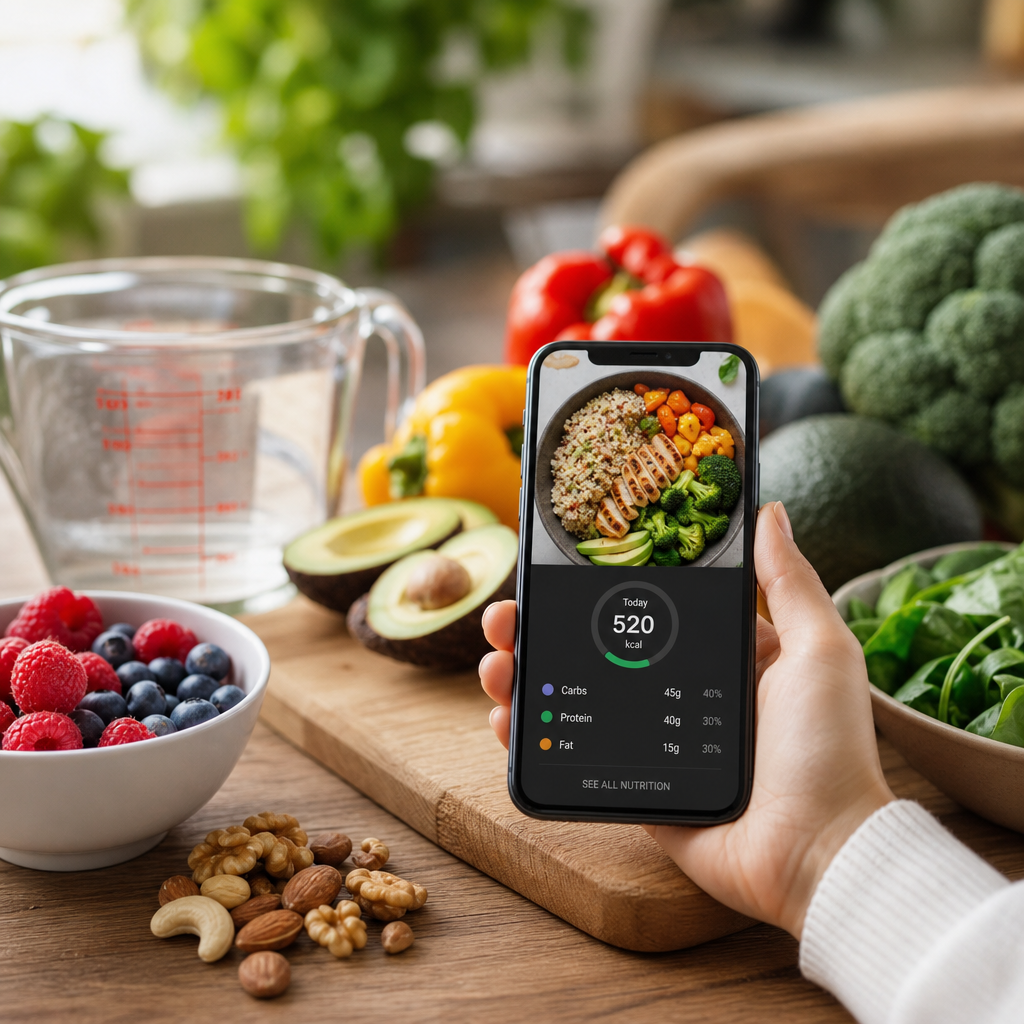 Discover the Best AI Calorie Tracker Apps for Your DietExplore the top AI-powered calorie tracker apps that can help you manage your diet and reach your health goals effectively.
 AI Calorie Counter: Comprehensive Review of the Top AppsDiscover our in-depth review of popular AI calorie counter apps, evaluating their features, usability, and effectiveness to help you track your nutrition effortlessly.
 How AI Calorie Counting Works: Unpacking the Technology Behind the AlgorithmDiscover how AI calorie counting apps utilize advanced technology to help you track nutrition and achieve your fitness goals.
 How Much Water Should You Drink for Weight Loss?Learn the optimal water intake for weight loss, its benefits, and practical tips to stay hydrated in your weight loss journey.
 The Future of AI Nutrition Apps: Innovations in Dietary ManagementExplore how AI nutrition apps are transforming dietary management with personalized insights, meal planning, and automated tracking.
 How Many Calories Are in Pizza? A Comprehensive GuideDiscover the calorie counts for different pizza types and toppings. Make informed choices while enjoying your favorite slice!
 Calories vs Macros: What Matters More in Your Diet?Discover the crucial differences between calories and macros in dieting. Understand which plays a more significant role in your weight loss success.
 What Is Cal AI? Your Guide to AI-Powered Nutrition SolutionsDiscover how Cal AI can transform your approach to nutrition by offering instant meal analysis, calorie observation, and more!
 The Best Macro Ratio for Weight Loss: Optimizing Your IntakeDiscover the best macronutrient ratios for effective weight loss. Learn how to adjust your intake for optimal results while maintaining a healthy lifestyle.
 How Many Calories Are in Chicken Nuggets? A Comprehensive BreakdownDiscover the calorie counts of chicken nuggets from various brands and preparation methods to make informed choices for your family.
 How Much Protein Do You Need Per Day? A Comprehensive GuideDiscover your daily protein requirements tailored to your personal health goals with our in-depth guide. Find out how to calculate your needs effectively.
 How Many Calories Are in Wine? A Comprehensive GuideDiscover the calorie content in various types of wine and learn how to make informed choices without sacrificing enjoyment.
 How Many Calories Are in Beer? A Comprehensive GuideDiscover the caloric content in various beer styles and tips for enjoying beer in moderation without derailing your diet.
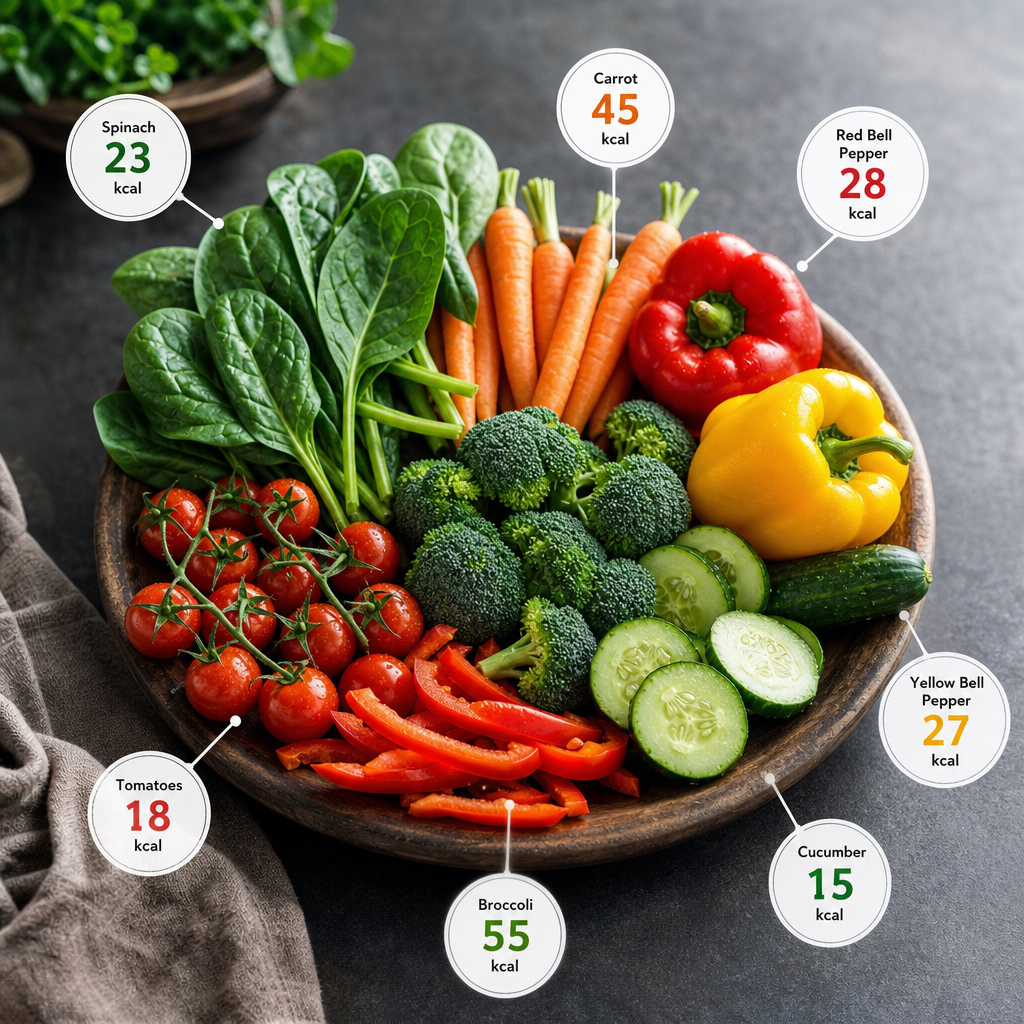 The Complete Vegetable Calorie Chart: Making Informed Dietary ChoicesExplore our complete vegetable calorie chart to make informed decisions for your diet, ensuring healthy calorie intake while enjoying a variety of vegetables.
 The Ultimate Weight Loss Vegetables List: Your Guide to Slimming SuccessDiscover the top weight loss vegetables list that can support your dieting journey with delicious, low-calorie options perfect for meals and snacks.
 How Many Calories Are in Oatmeal? A Comprehensive GuideUncover the calories in oatmeal, from plain oats to popular toppings, and learn to customize your breakfast for optimal health.
 How to Calculate Meal Calories in 5 SecondsMaster quick calorie calculation techniques to keep your meals healthy and on track, especially for busy lifestyles.
 How Many Calories Are in an Americano? A Deep Dive into Your Favorite BrewDiscover the calorie content in an Americano and how it fits into a calorie-conscious diet. Explore variations, preparation methods, and health considerations.
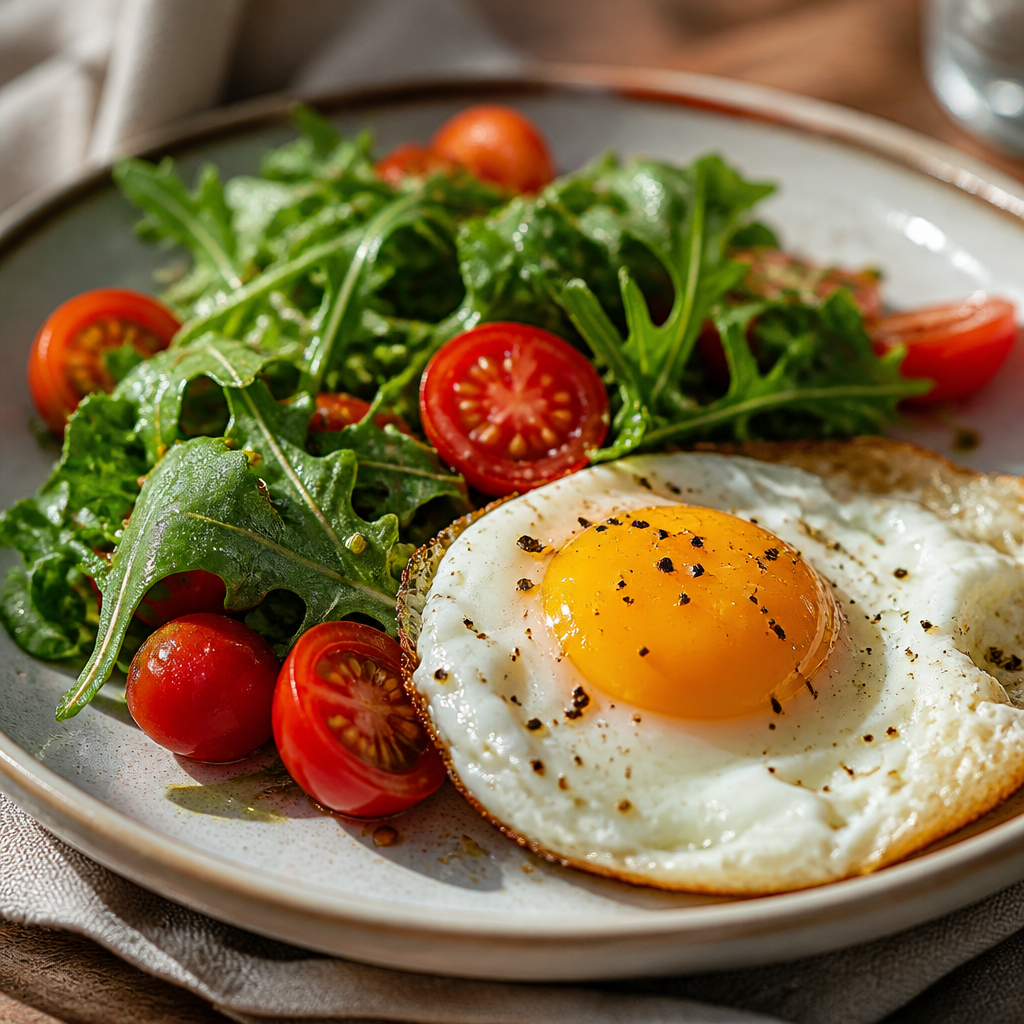 How Many Calories Are in an Egg? A Comprehensive GuideExplore the caloric content of eggs, different cooking methods, and how they fit into a healthy diet while tracking your nutrition goals.
 How Many Calories Are in French Fries? A Portion-by-Portion BreakdownFrench fries can range from a light side dish to a calorie-heavy snack depending on portion size, cooking method, and toppings. Here’s a practical breakdown of calories in french fries.
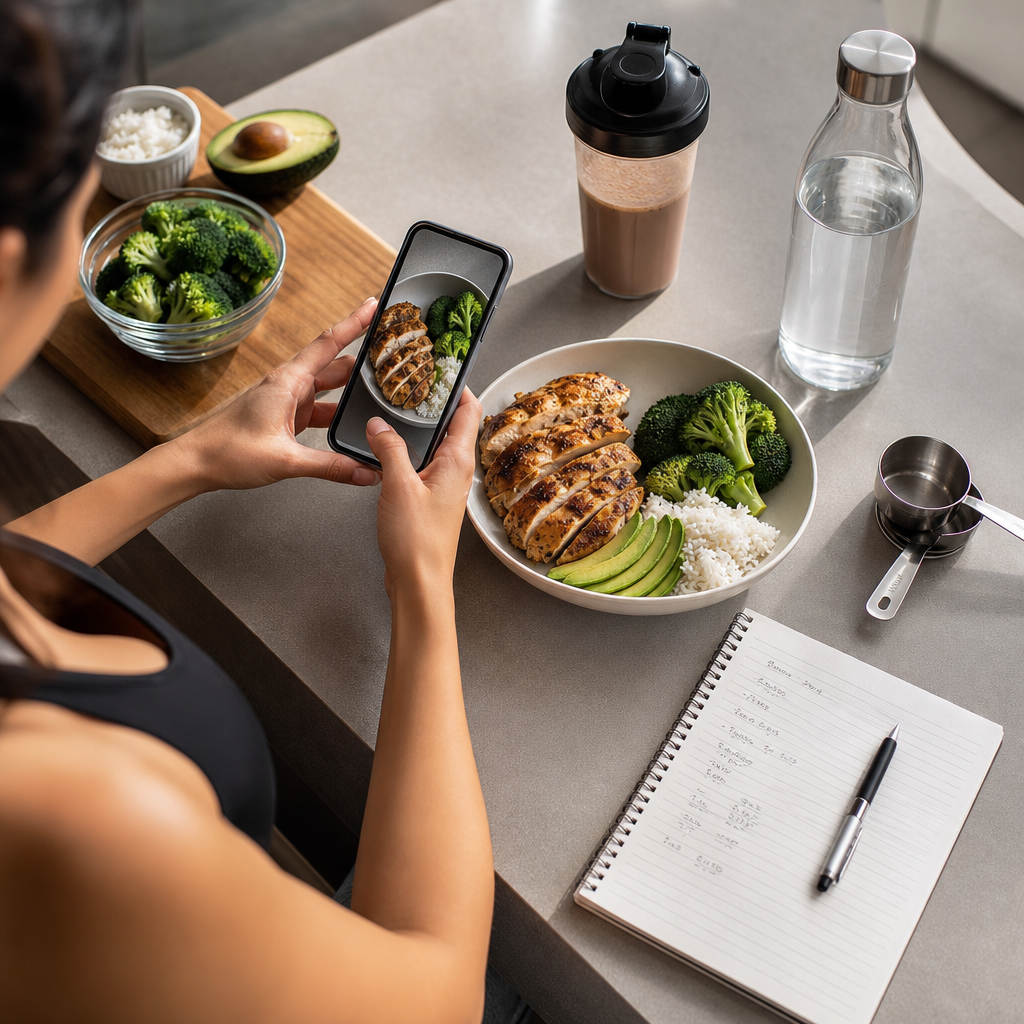 AI vs Manual Calorie Counting: Which Method Fits Your Goals?Compare AI calorie trackers and manual calorie counting for weight loss, muscle gain, and everyday nutrition tracking. See the pros, cons, and real-world use cases.
 How Many Calories Are in Pilaf? A Practical Guide to Calories in PilafPilaf can be a light rice side dish or a rich one-pot meal, depending on the grains, oils, and meats used. Here’s how to estimate calories in pilaf with real serving examples.
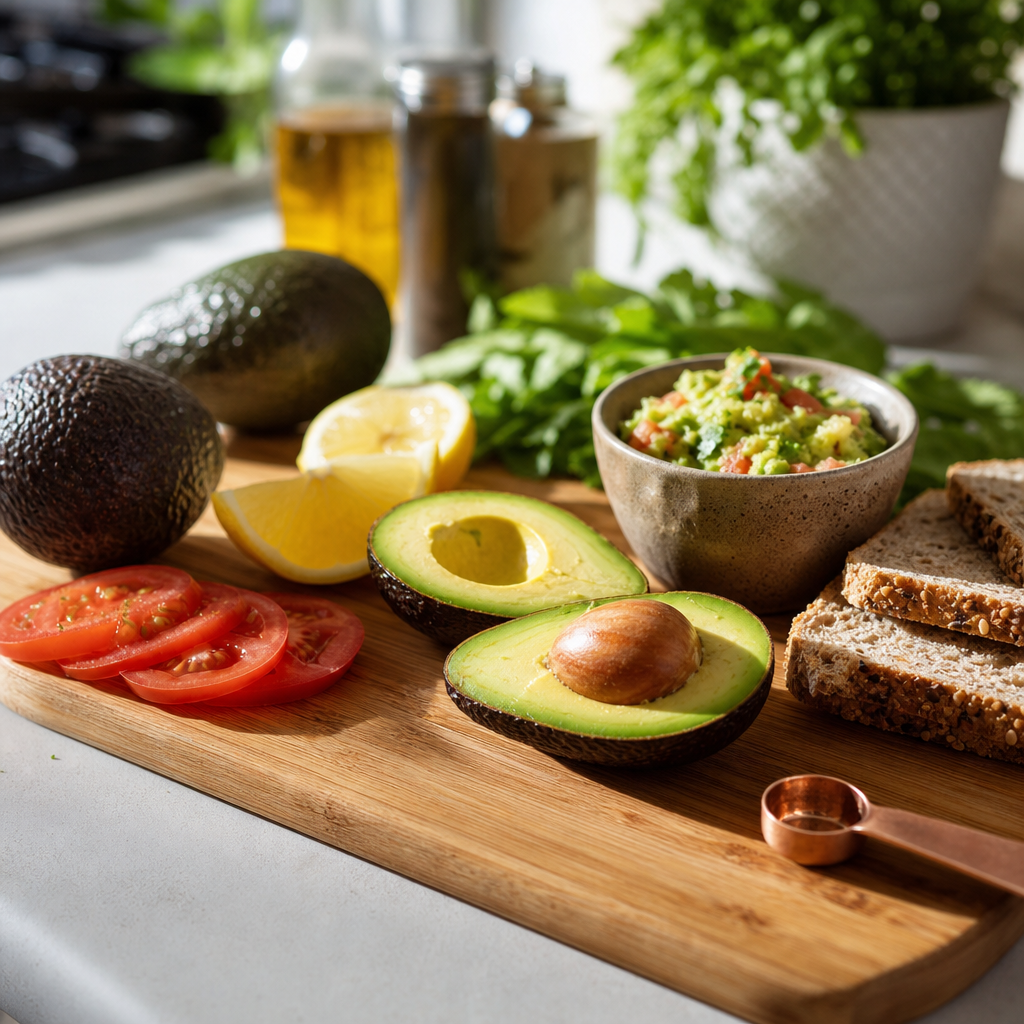 How Many Calories Are in an Avocado?Wondering about calories in avocado? This guide breaks down serving sizes, nutrition facts, health benefits, and easy ways to fit avocado into weight-conscious meals.
 How Many Calories Are in Chocolate? A Practical Guide to Dark, Milk, and White ChocolateWondering how many calories are in chocolate? This guide breaks down calories in chocolate by type, serving size, and cocoa content so you can enjoy it without guessing.
 How Many Calories Are in Cheese? A Practical Guide for Cheese LoversWondering how many calories are in cheese? This guide breaks down calories in cheese by type, serving size, and fat content so you can choose smarter portions without giving up flavor.
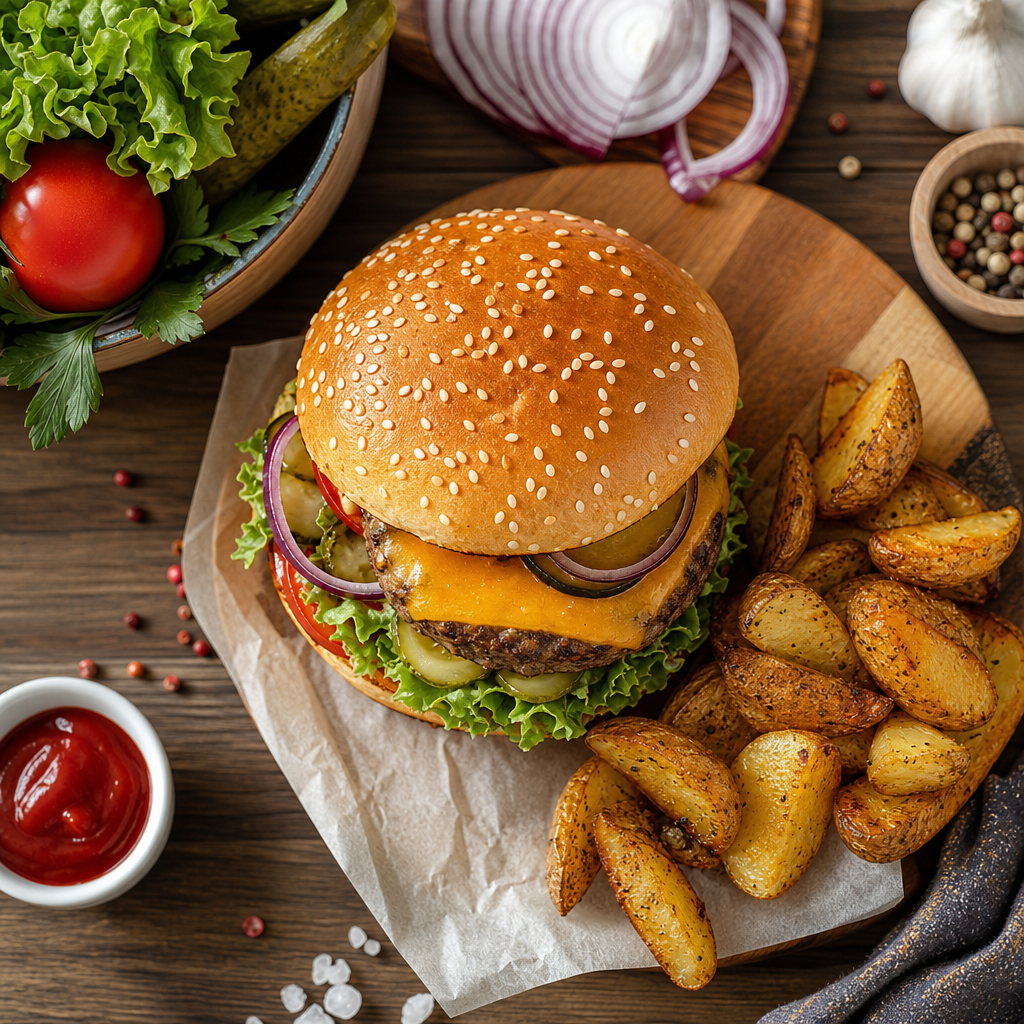 How Many Calories Are in a Burger? A Practical Guide to calories in burger CountsBurger calories can swing wildly depending on patty size, cheese, sauces, and bun choice. Learn the typical calories in burger meals and how to estimate them fast.