How AI Calculates Protein, Fat, and Carbs
Dive into how AI calculates nutrition by analyzing food images to assess macronutrient distribution for better meal planning and nutritional insights.
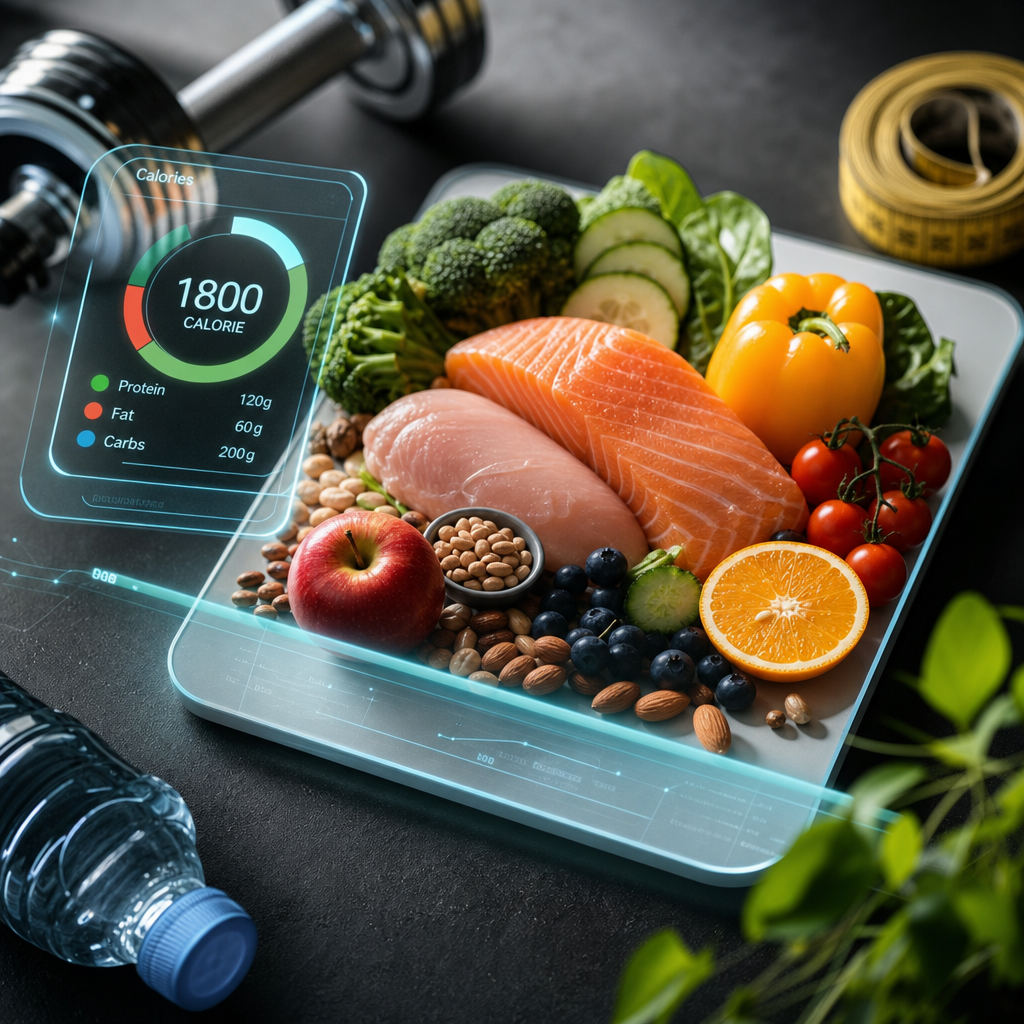
Understanding Macronutrients: The Building Blocks of Nutrition
Macronutrients—proteins, fats, and carbohydrates—serve as the body's primary source of energy. Each nutrient plays a unique role in maintaining health and supporting physical performance. For instance, proteins are essential for muscle repair and growth, fats provide energy and aid in nutrient absorption, and carbohydrates are the body's main fuel source during exercise. Ideally, a balanced diet incorporates all three in proportions that support individual activity levels and dietary goals.
In the quest for optimal nutrition, tracking these macronutrients is vital—especially for fitness enthusiasts looking to maximize their performance. However, determining the exact content of these macronutrients in food can be a daunting task, particularly when dining out or preparing meals without the benefit of nutritional labels.
How AI Analyzes Food Images
AI technology, particularly machine learning and computer vision, has revolutionized the way we can assess nutrition. Through advanced algorithms, AI analyzes food images taken by users on their smartphones. It identifies various foods using pattern recognition, which allows it to classify items into specific categories such as fruits, vegetables, proteins, grains, and fats.
Once the food is recognized, the AI can calculate nutrition by referencing vast databases that include nutritional values for thousands of food items. By weighing the ingredients in a meal based on their visual proportions, the AI estimates the macronutrient distribution. For example, if you photograph a plate containing grilled chicken, steamed broccoli, and a side of quinoa, the AI can analyze the photo to estimate the quantity of each component and provide a breakdown of the protein, fat, and carbohydrates.
Accuracy in AI Macronutrient Calculations
AI calculations are continuously refined through machine learning, which improves accuracy over time. An example of this precision can be seen in apps that utilize AI technology to show users the approximate macronutrient breakdown of their meals. A study indicated that users interacting with AI-powered nutrition apps achieved accuracy rates above 85% in capturing their dietary intake when comparing calculated data to conventional dietary recall methods.
Imagine a user taking a picture of a smoothie bowl. The app recognizes bananas, spinach, yogurt, and seeds. Based on the scanned proportions of each item and their respective macronutrient profiles, the app provides users with estimates—like 10g of protein from the yogurt, 15g of carbohydrates from the banana, and 8g of healthy fats from the seeds. Such detailed analysis helps users make informed choices about their nutrition and track their diet.
Benefits of AI in Meal Planning
Leveraging AI in meal planning simplifies the process for those striving to meet specific dietary goals. The AI calculates nutrition for every meal you document, allowing users to easily adjust meal plans based on their macronutrient needs. For instance, if your goal is a balanced intake of macronutrients, to lose weight, or to build muscle, AI can suggest meal combinations that align with these targets.
Furthermore, with built-in recommendation systems, users can discover new recipes tailored to their preferences while ensuring they meet their desired nutritional levels. Suppose you enter that you need a post-workout meal with high protein. The AI might recommend a chicken stir-fry with brown rice and vegetables, adjusting the portion sizes to fit your protein target—a convenient way to bridge the gap between nutritional theory and practical application.
Real-World Application: Tracking Nutrition Goals
AI’s role in nutrition tracking extends far beyond just calculating macronutrients. For instance, athletes can use AI-based apps to analyze their meals and fine-tune their macronutrient ratios according to their training cycles. A distance runner may require higher carbohydrate intake for energy, while a bodybuilder might focus on protein intake for muscle repair.
In practice, if a user logs meals throughout the week, the AI can summarize their macronutrient intake and highlight trends. For example, reviewing a week’s data may reveal that they exceeded their daily carbohydrate goal repeatedly, prompting users to reassess portion sizes or consider alternative snacks. This nuanced feedback empowers users to adjust their diets with a proactive mindset.
Overcoming Challenges of AI in Nutrition
Despite its impressive capabilities, AI in nutrition tracking does face challenges. Variability in food preparation methods, ingredient brands, and serving sizes can lead to inaccuracies. For example, a homemade salad may have different calorie counts based on the amount of dressing or toppings added versus the standardized values in the database.
Moreover, cultural differences in food preparation and portion sizes create another layer of complexity. AI must be trained on diverse food data representations to improve its adaptability. Nonetheless, as these systems become better educated through user inputs and feedback, they will increasingly provide more accurate macro estimations tailored to broader global cuisine.
Frequently Asked Questions
How does AI calculate nutrition when I take a photo of my food?
AI analyzes the food image using machine learning algorithms to identify different components, then cross-references these with nutrition databases to estimate the macronutrient content.
Can AI-driven apps provide meal recommendations?
Yes, many AI nutrition apps can suggest meal ideas based on your dietary preferences and macronutrient goals, helping you plan meals effectively.
How accurate are AI calculations compared to traditional methods?
AI calculations can achieve over 85% accuracy when users photograph meals, often outperforming traditional dietary recall methods by providing immediate and precise estimates.
What types of foods can AI recognize?
AI can identify a wide range of foods, including vegetables, fruits, meats, grains, and dairy products, making it versatile for various diets.
What challenges does AI face in nutrition calculations?
Challenges include variations in food preparation, ingredient brands, and serving sizes, which can affect accuracy. Continuous learning from user data helps mitigate these issues.
Discover the power of nutrition tracking with Cal AI! Take a photo of your food and instantly estimate calories and macronutrients—protein, carbs, and fat. Analyze meals with AI and easily achieve your nutrition goals.
Share this article
Cal AI
Track meals faster with Cal AI
Scan food, estimate calories, and keep your nutrition log moving without typing every ingredient.
Author
Cal AI Editorial Team
Practical guides on nutrition, calorie tracking, meal planning, and building healthier habits with Cal AI.
Editorial policyFrequently asked questions
How does AI calculate nutrition when I take a photo of my food?
AI analyzes the food image using machine learning algorithms to identify different components, then cross-references these with nutrition databases to estimate the macronutrient content.
Can AI-driven apps provide meal recommendations?
Yes, many AI nutrition apps can suggest meal ideas based on your dietary preferences and macronutrient goals, helping you plan meals effectively.
How accurate are AI calculations compared to traditional methods?
AI calculations can achieve over 85% accuracy when users photograph meals, often outperforming traditional dietary recall methods by providing immediate and precise estimates.
What types of foods can AI recognize?
AI can identify a wide range of foods, including vegetables, fruits, meats, grains, and dairy products, making it versatile for various diets.
What challenges does AI face in nutrition calculations?
Challenges include variations in food preparation, ingredient brands, and serving sizes, which can affect accuracy. Continuous learning from user data helps mitigate these issues.
Related articles
 What Is a Smart Calorie Tracker?Explore the world of smart calorie trackers, options available, and how they can enhance your nutrition tracking and wellness journey.
 Best Apps for Counting Calories From PhotosDiscover the top apps that help you easily count calories from pictures of your food. Support your health goals with technology that fits your lifestyle.
 What Are Macros? A Beginner's Guide to Understanding MacronutrientsDive into the world of macronutrients. Learn about carbs, proteins, and fats and how they contribute to a balanced diet.
 How to Cook Meals for the Entire Week: A Comprehensive GuideStreamline your cooking process with these effective tips and strategies for preparing meals for the entire week.
 Mastering Meal Prep for Effective Calorie TrackingDiscover how meal prep can streamline your calorie tracking journey while delivering delicious, nutritious meals.
 Unlocking Your Weight Loss Journey with AI Calorie TrackersDiscover how AI calorie trackers can significantly aid your weight loss journey through personalized insights and real-time analysis.
 AI Calorie Tracker for Muscle Gain: Maximizing Your Gains with PrecisionDiscover how AI calorie trackers can revolutionize your muscle gain journey by ensuring accurate caloric surplus tracking.
 Best AI Nutrition Apps: Transform Your Dietary HabitsExplore the top AI-powered nutrition apps designed to enhance your dietary choices, making it easier than ever to achieve your health goals.
 Can You Lose Weight With an AI Calorie Tracker?Explore how AI calorie trackers can enhance your weight loss journey by providing precise data, personalized insights, and meal tracking features.
 How Many Calories Are in a Tomato? A Comprehensive BreakdownDiscover the calorie content of tomatoes, their nutritional benefits, and how to incorporate them into your diet for optimal health.
 Why Hydration Matters in a Calorie DeficitDiscover the crucial role hydration plays in your weight loss journey, especially when operating in a calorie deficit.
 How to Calculate Macros for Muscle GainLearn effective strategies for calculating your macronutrients to support muscle growth and achieve your fitness goals.
 AI Calorie Counter: Comprehensive Review of the Top AppsDiscover our in-depth review of popular AI calorie counter apps, evaluating their features, usability, and effectiveness to help you track your nutrition effortlessly.
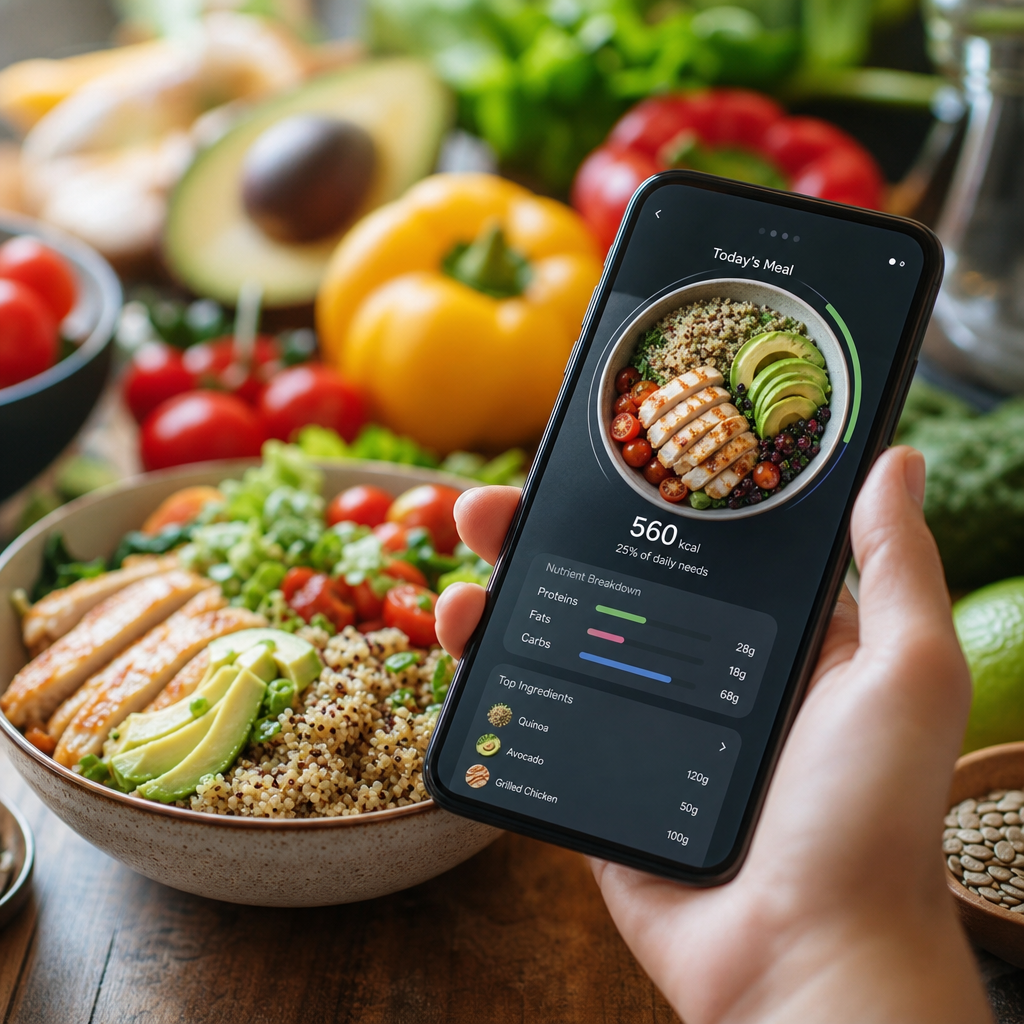 How AI Calorie Counting Works: Unpacking the Technology Behind the AlgorithmDiscover how AI calorie counting apps utilize advanced technology to help you track nutrition and achieve your fitness goals.
 How Many Calories Are in Pizza? A Comprehensive GuideDiscover the calorie counts for different pizza types and toppings. Make informed choices while enjoying your favorite slice!
 Cal AI Review 2026: The Future of Nutritional TrackingExplore a comprehensive review of Cal AI's anticipated features and reliability in 2026 for effective nutritional tracking.
 The Best Macro Ratio for Weight Loss: Optimizing Your IntakeDiscover the best macronutrient ratios for effective weight loss. Learn how to adjust your intake for optimal results while maintaining a healthy lifestyle.
 How Many Calories Are in Chicken Nuggets? A Comprehensive BreakdownDiscover the calorie counts of chicken nuggets from various brands and preparation methods to make informed choices for your family.
 How to Calculate Meal Calories in 5 SecondsMaster quick calorie calculation techniques to keep your meals healthy and on track, especially for busy lifestyles.
 How Many Calories Are in an Egg? A Comprehensive GuideExplore the caloric content of eggs, different cooking methods, and how they fit into a healthy diet while tracking your nutrition goals.
 How Many Calories Are in French Fries? A Portion-by-Portion BreakdownFrench fries can range from a light side dish to a calorie-heavy snack depending on portion size, cooking method, and toppings. Here’s a practical breakdown of calories in french fries.
 AI vs Manual Calorie Counting: Which Method Fits Your Goals?Compare AI calorie trackers and manual calorie counting for weight loss, muscle gain, and everyday nutrition tracking. See the pros, cons, and real-world use cases.
 How Many Calories Are in Pilaf? A Practical Guide to Calories in PilafPilaf can be a light rice side dish or a rich one-pot meal, depending on the grains, oils, and meats used. Here’s how to estimate calories in pilaf with real serving examples.
 How Many Calories Are in an Avocado?Wondering about calories in avocado? This guide breaks down serving sizes, nutrition facts, health benefits, and easy ways to fit avocado into weight-conscious meals.
 How Many Calories Are in Chocolate? A Practical Guide to Dark, Milk, and White ChocolateWondering how many calories are in chocolate? This guide breaks down calories in chocolate by type, serving size, and cocoa content so you can enjoy it without guessing.