Science-Backed Benefits of Scanning Food Photos

In today’s fast-paced world, tracking nutrition effectively is becoming more critical, especially for those pursuing fitness goals or managing dietary restrictions. One emerging trend that is gaining traction is the science of food scanning using photos. This innovative approach combines technology with nutritional science, opening new avenues for accurate calorie tracking and portion management.
The Role of Cal AI Technology in Food Scanning
Cal AI technology has revolutionized food tracking. By harnessing advanced algorithms and image recognition, these tools can analyze food photos, providing users with detailed nutritional information, including calorie counts and macronutrient breakdowns. Researchers have found that AI-assisted food logging significantly reduces the time and effort traditionally required for calorie tracking. This can greatly enhance user adherence to dietary plans, making it easier to stay on track.
Food Tracking Benefits: Evidence-Based Insights
Improved Accuracy: One of the key benefits of scanning food photos is the increased accuracy of calorie counting. A study from the Journal of Nutrition revealed that manual tracking methods often lead to underreporting of calories due to estimation errors. In contrast, food scanning allows for precise measurements, helping individuals to understand their true caloric intake more effectively.
Enhanced Motivation: Research indicates that keeping a visual food diary boosts motivation among individuals seeking weight management. When users can visually document their meals, they engage more deeply with their food choices. This visual element can help identify patterns in eating habits and encourage healthier decisions.
Behavioral Insights: Regularly scanning food photos can provide valuable insights into eating behaviors. An analysis conducted by researchers at the University of California found that individuals who used scanning methods were more likely to report their eating habits accurately, leading to better diet quality over time. Tracking meals visually can help identify triggers for unhealthy eating and make it easier to address these behaviors.
Applying Science in Everyday Life
For students and researchers interested in nutrition and health sciences, understanding the interplay between technology and dietary habits is crucial. By integrating food photo scanning into your daily routine, you can gain firsthand experience of its advantages while contributing to a broader understanding of this innovative approach.
A Practical Example: Meal Mapping
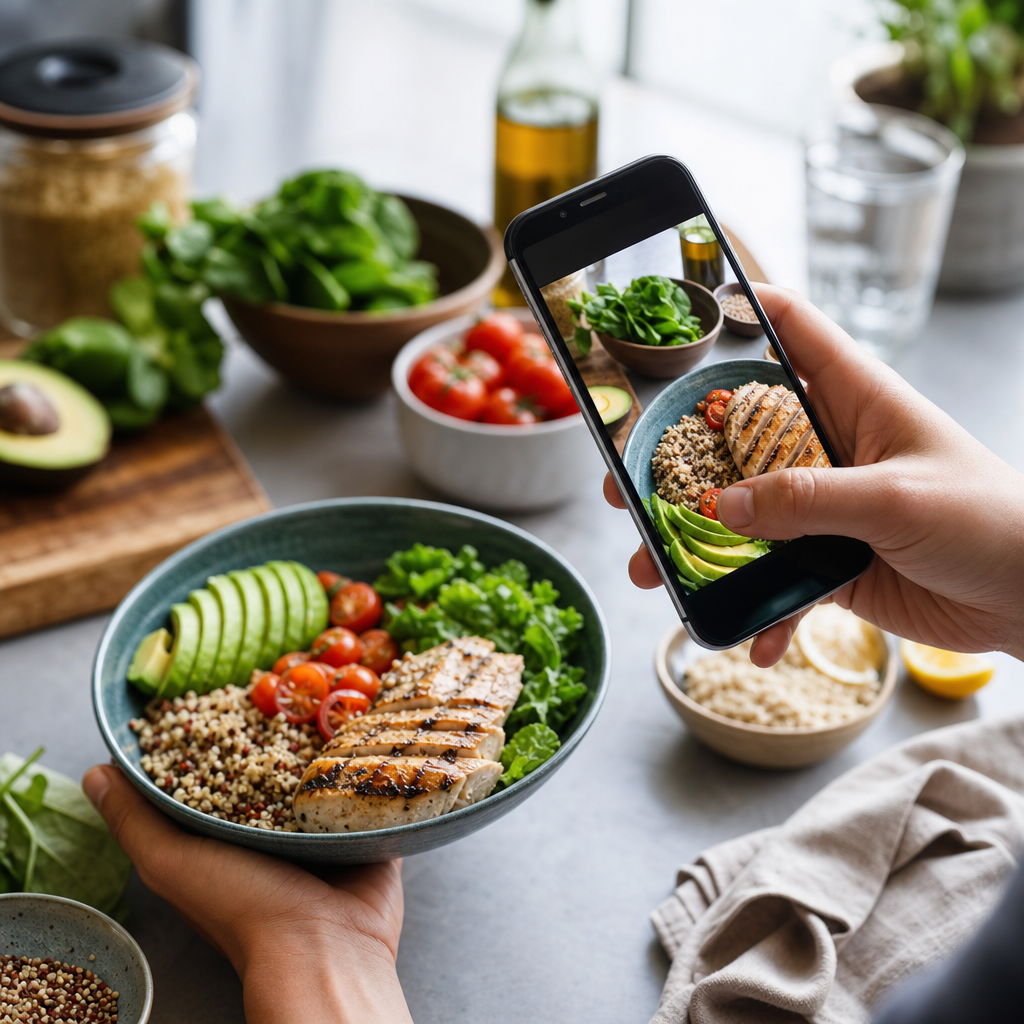
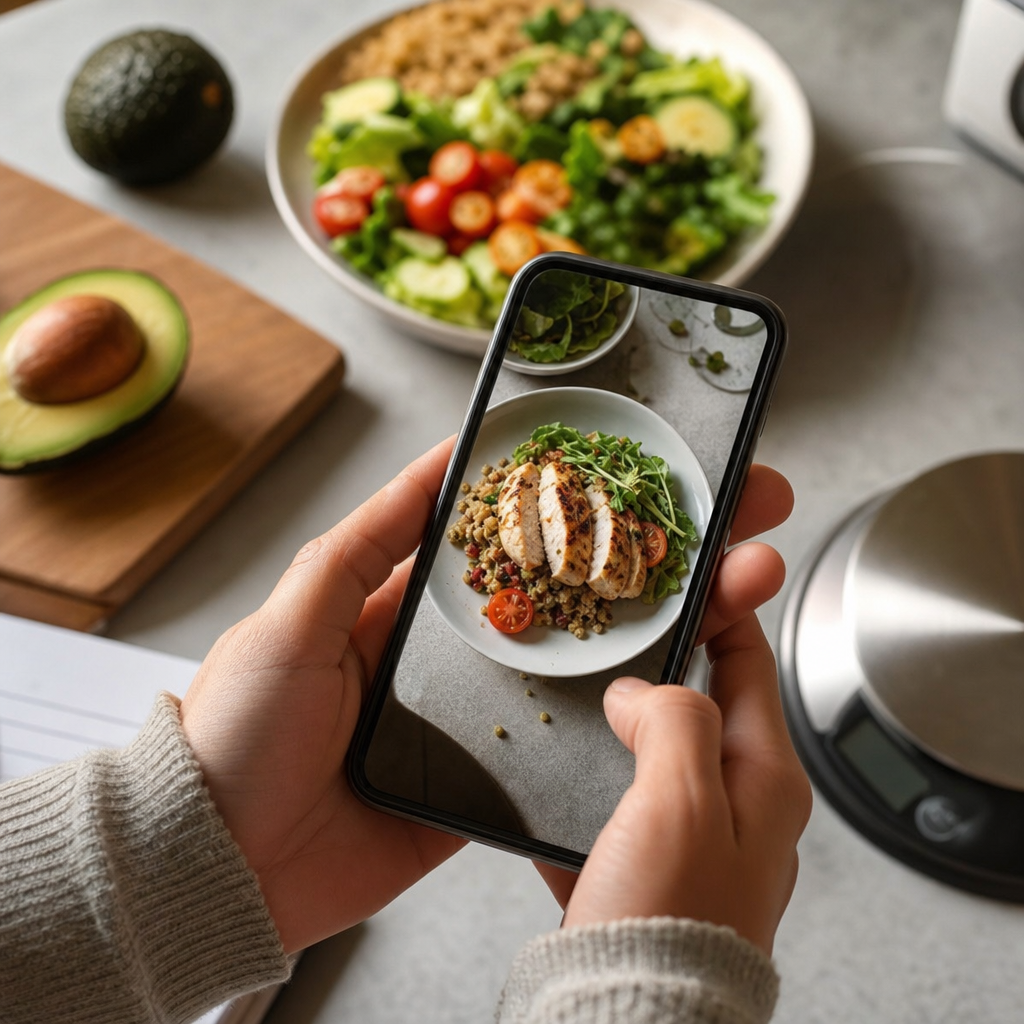
Imagine preparing a healthy lunch and taking a photo before diving in. After uploading it to a food scanning app, you receive instant feedback: 450 calories, 25g protein, and 20g fat. This instant analysis not only supports more informed eating but also allows you to adjust future meals based on your goals, whether it’s muscle gain or weight loss.
Conclusion
The science of food scanning offers students and researchers a promising landscape to explore. As technology evolves, so does our understanding of nutrition and health. For those keen on maximizing their dietary habits, using food photo scanning powered by Cal AI technology is not just an efficient method—it’s a scientifically backed strategy for better nutrition tracking.
Call to Action
Curious to experience the benefits of food photo scanning yourself? Download our app today, upload your meal photos, and let our AI technology help you take control of your nutrition! Gain insights into your calorie intake and macronutrient distribution while simplifying your food tracking journey.
Cal AI
Track meals faster with Cal AI
Scan food, estimate calories, and keep your nutrition log moving without typing every ingredient.
Get the appAuthor
Cal AI Editorial Team
Practical guides on nutrition, calorie tracking, meal planning, and building healthier habits with Cal AI.
Related articles
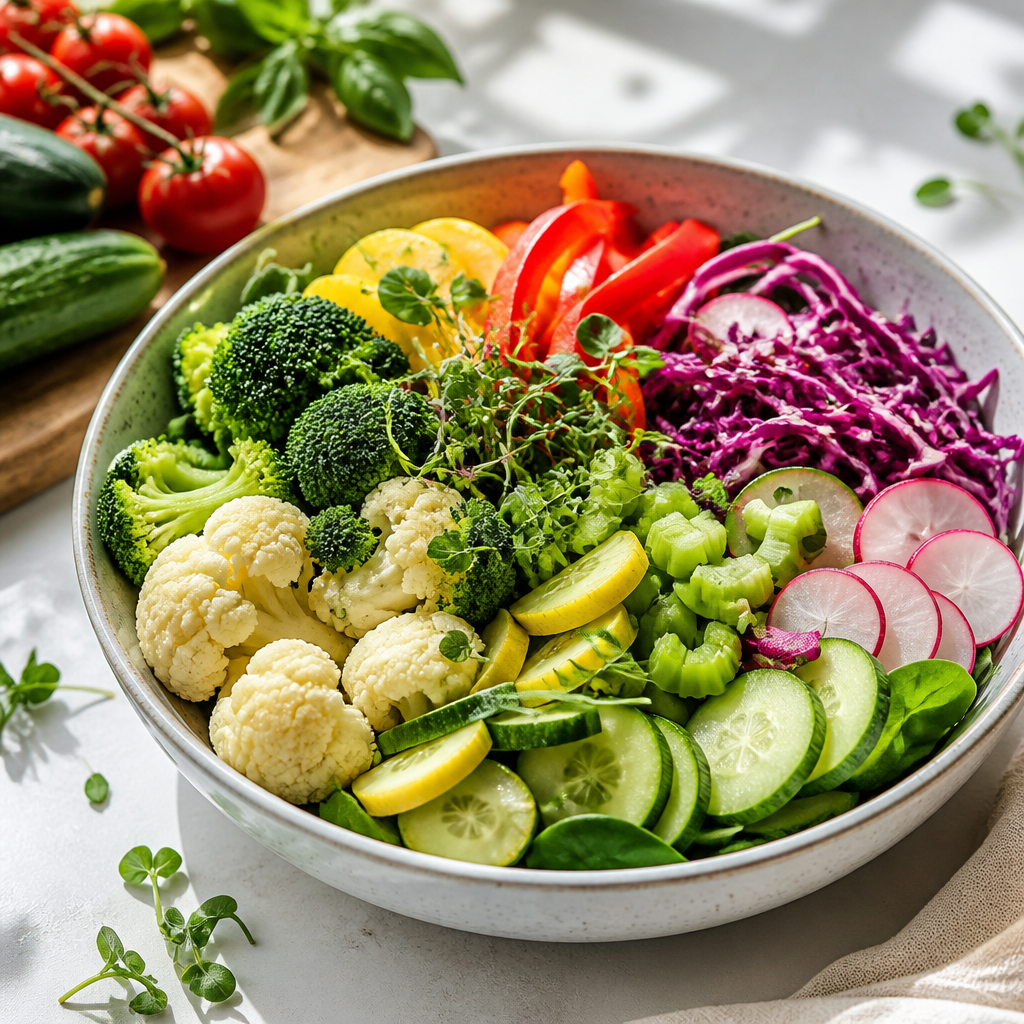 The Lowest-Calorie Vegetables Ranked: Your Guide to Guilt-Free Eating
 Zero-Calorie Vegetables: Myth or Reality?
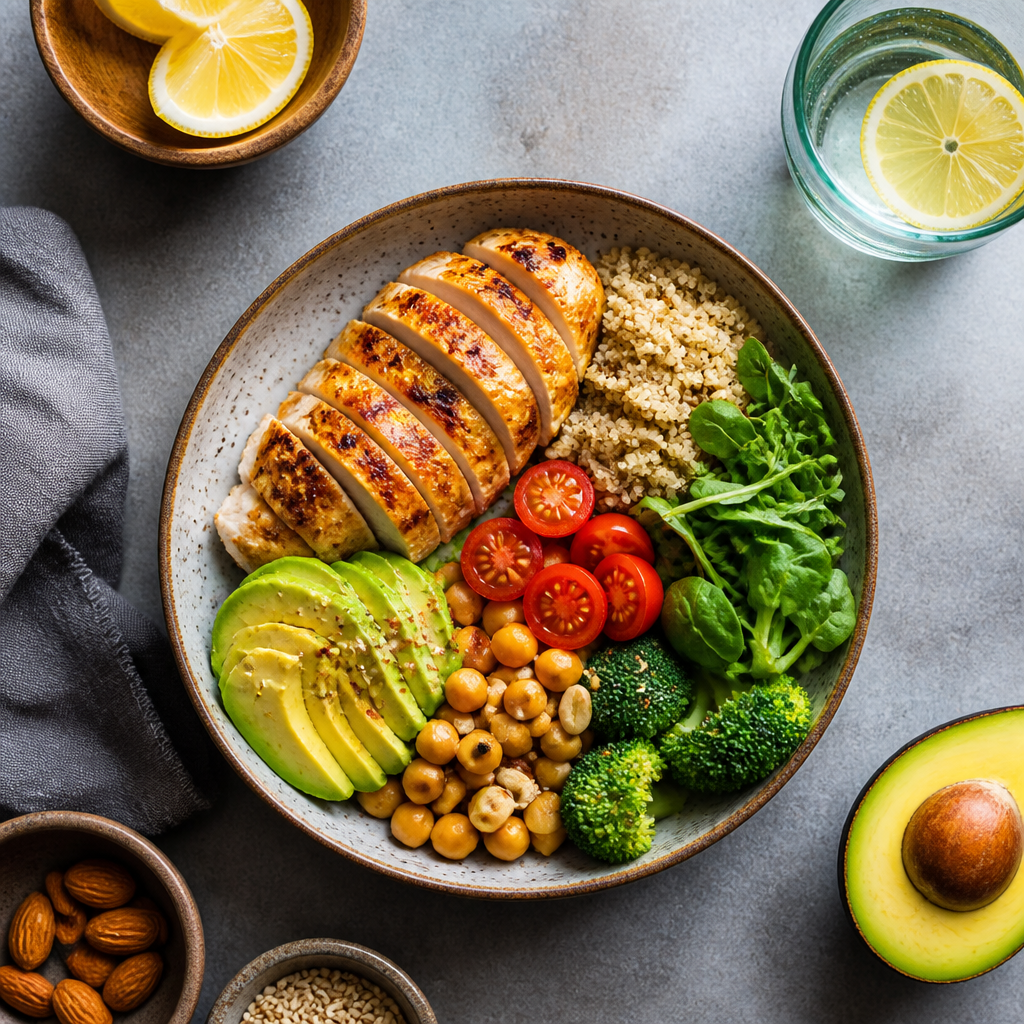 Why Weight Control Starts With Nutrition
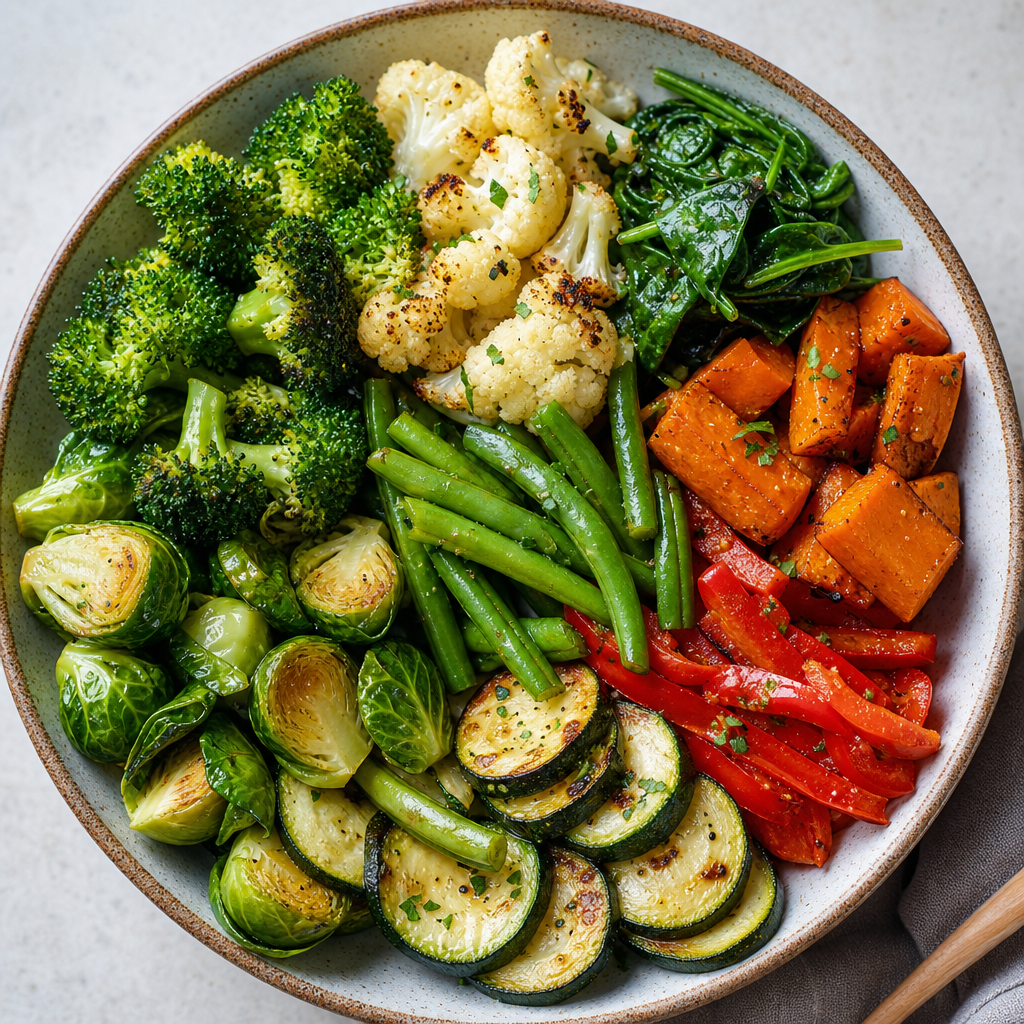 The Most Filling Vegetables for Weight Loss
 Discover the Vegetables With the Fewest Calories: Your Guide to Guilt-Free Eating
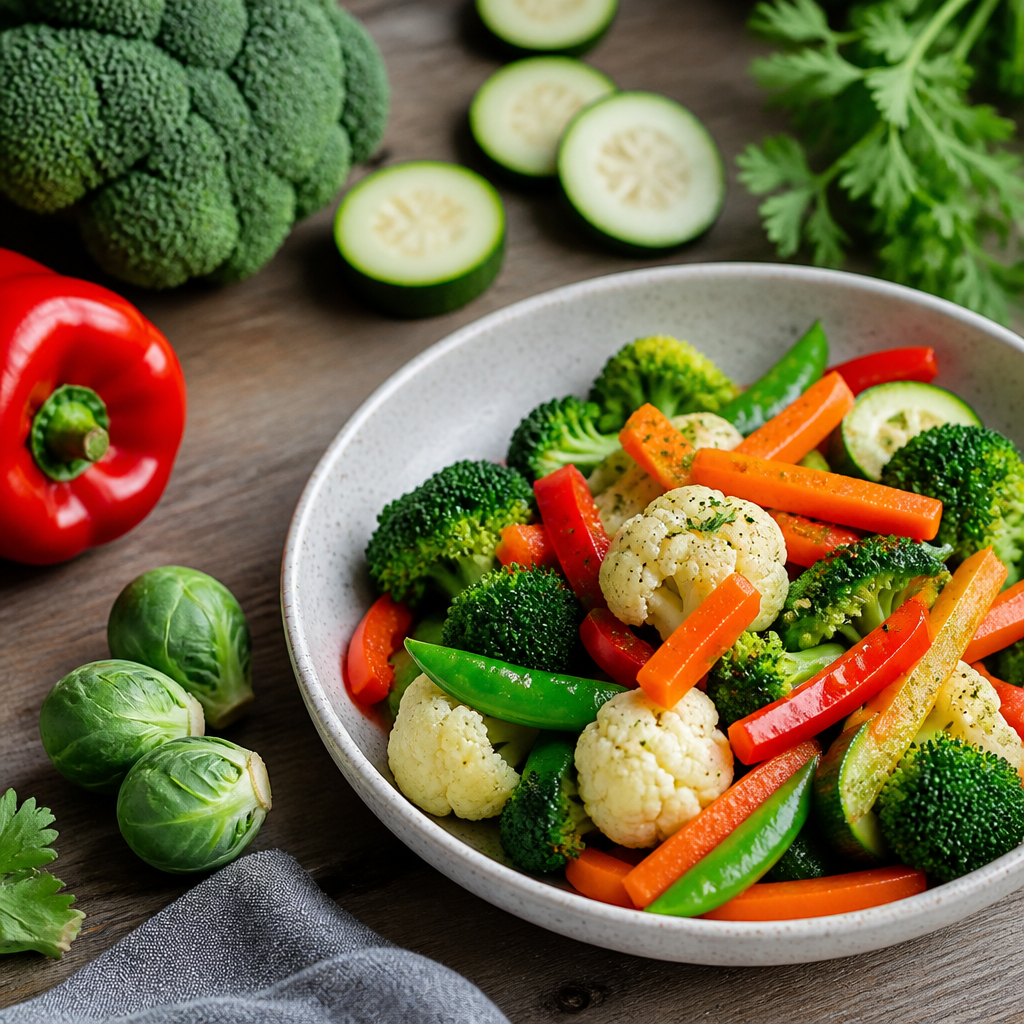 The Best Vegetables for a Calorie Deficit
 Why Strict Diets Don't Work: Understanding the Pitfalls of Extreme Restrictions
 The Best Weight Management Strategies: Proven Tactics for Success
 How to Keep a Weight Journal: Tips for Accountability and Progress Tracking
 How to Lose Weight Without Stress: Embrace a Balanced Approach
 Common Macro Tracking Mistakes: Avoid These Pitfalls for Better Results
 The Best Low-Calorie, Low-Carb Vegetables for Your Healthy Diet
 Sustainable Weight Loss Explained: Your Guide to Long-Term Success
 How to Control Your Weight With Calorie Tracking
 How to Build a Macro-Based Meal Plan: Your Ultimate Guide to Meal Prepping
 How to Track Macros Automatically: A Tech-Savvy Guide
 Macro Tracking for Beginners: Your Ultimate Guide to Nutritional Success
 How Many Calories Are in an Orange?
 Which Vegetables Keep You Full the Longest?
 How Many Calories Are in a Cucumber? Unveiling the Secrets of This Superfood
 How Many Calories Are in a Banana?
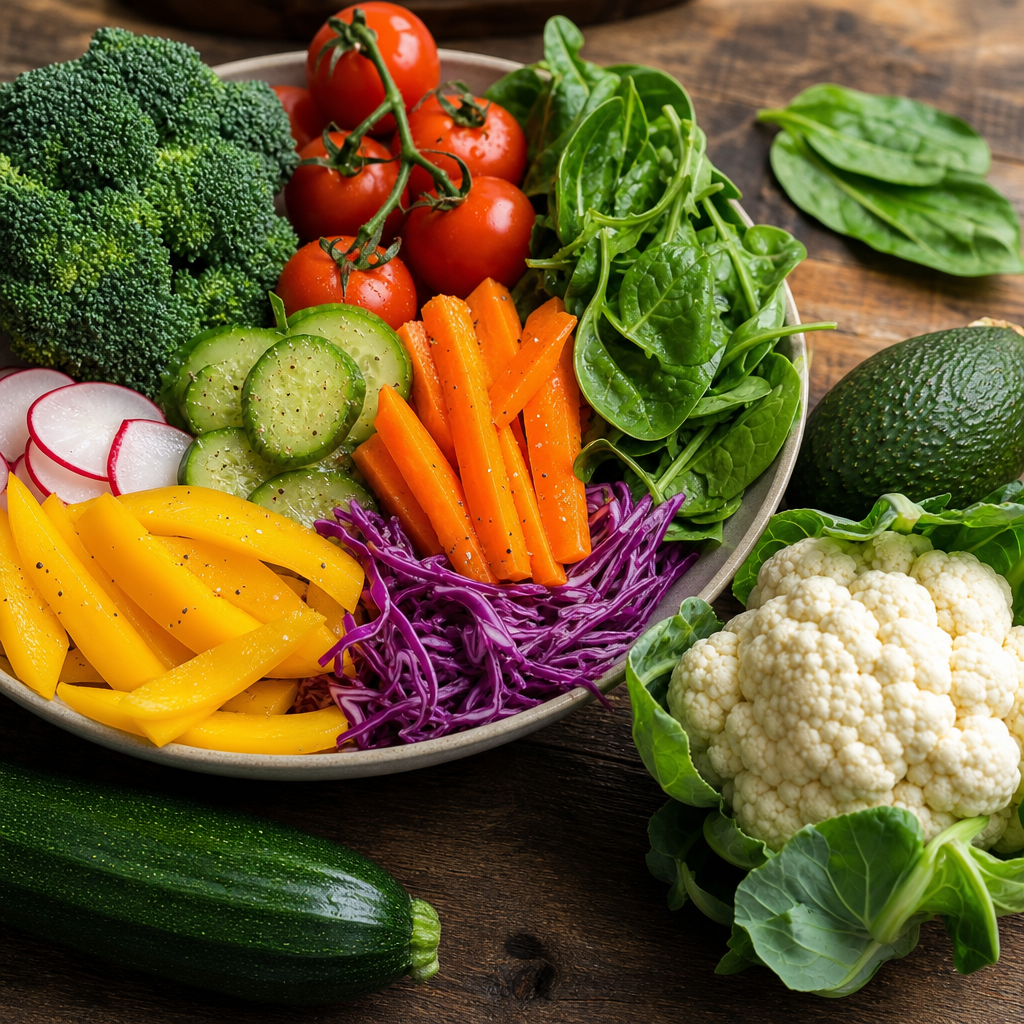 The Healthiest Vegetables for Weight Loss: Your Ultimate Guide
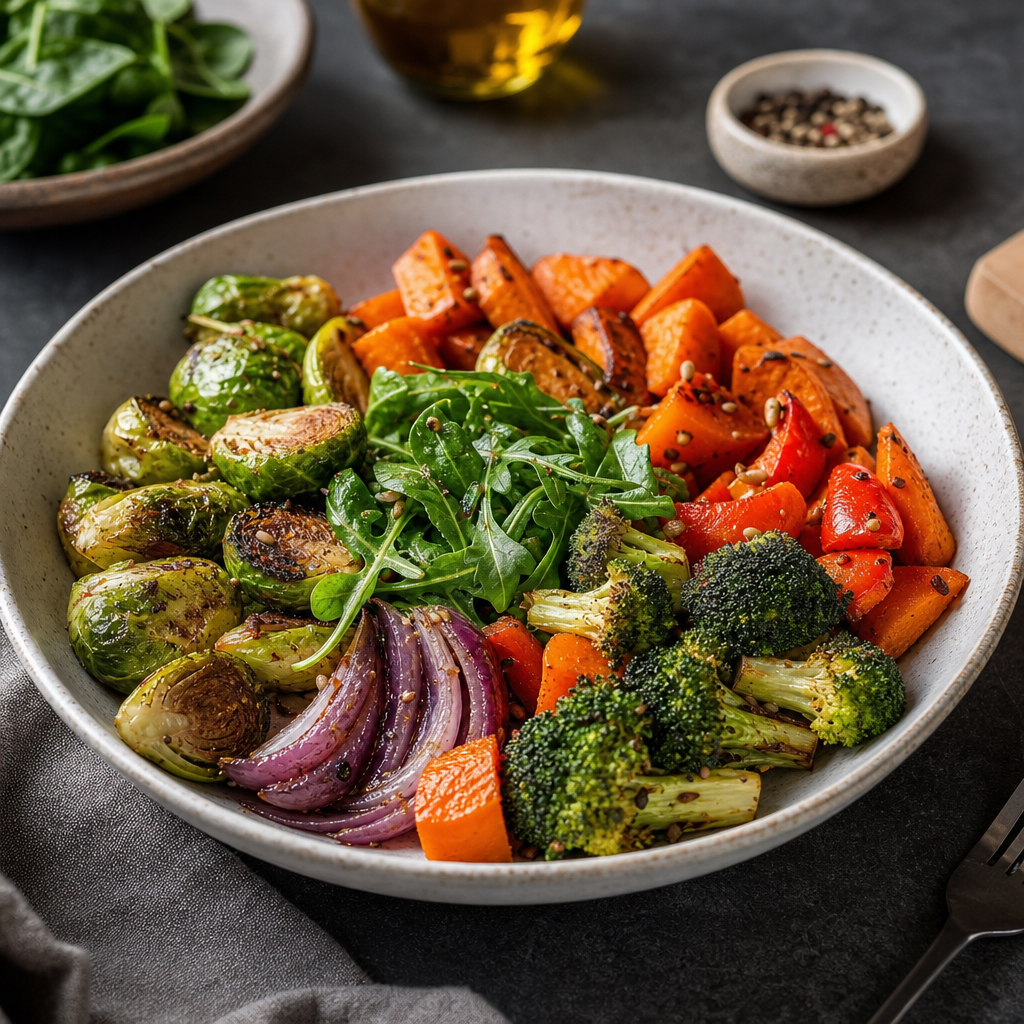 The Best Vegetables for Dinner: Nourishing Your Body While Losing Weight
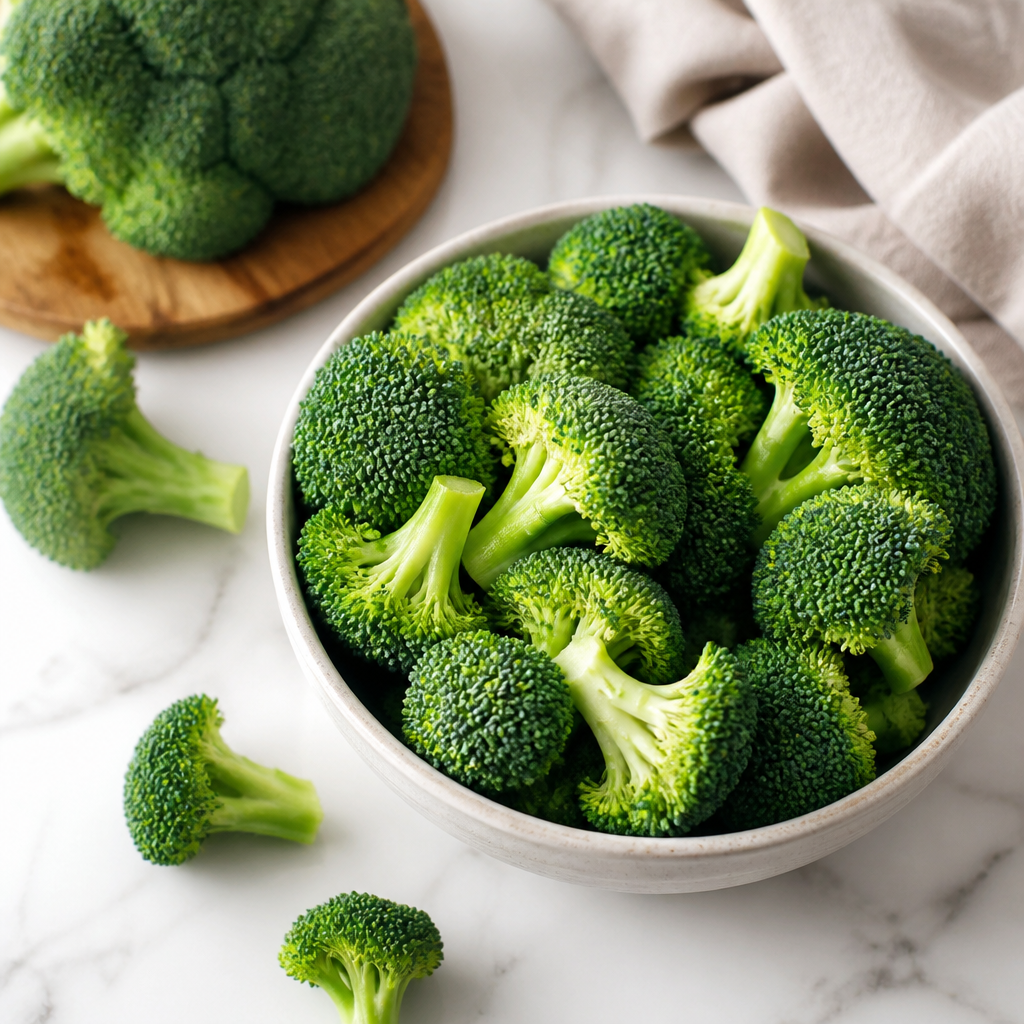 How Many Calories Are in Broccoli? An In-Depth Look
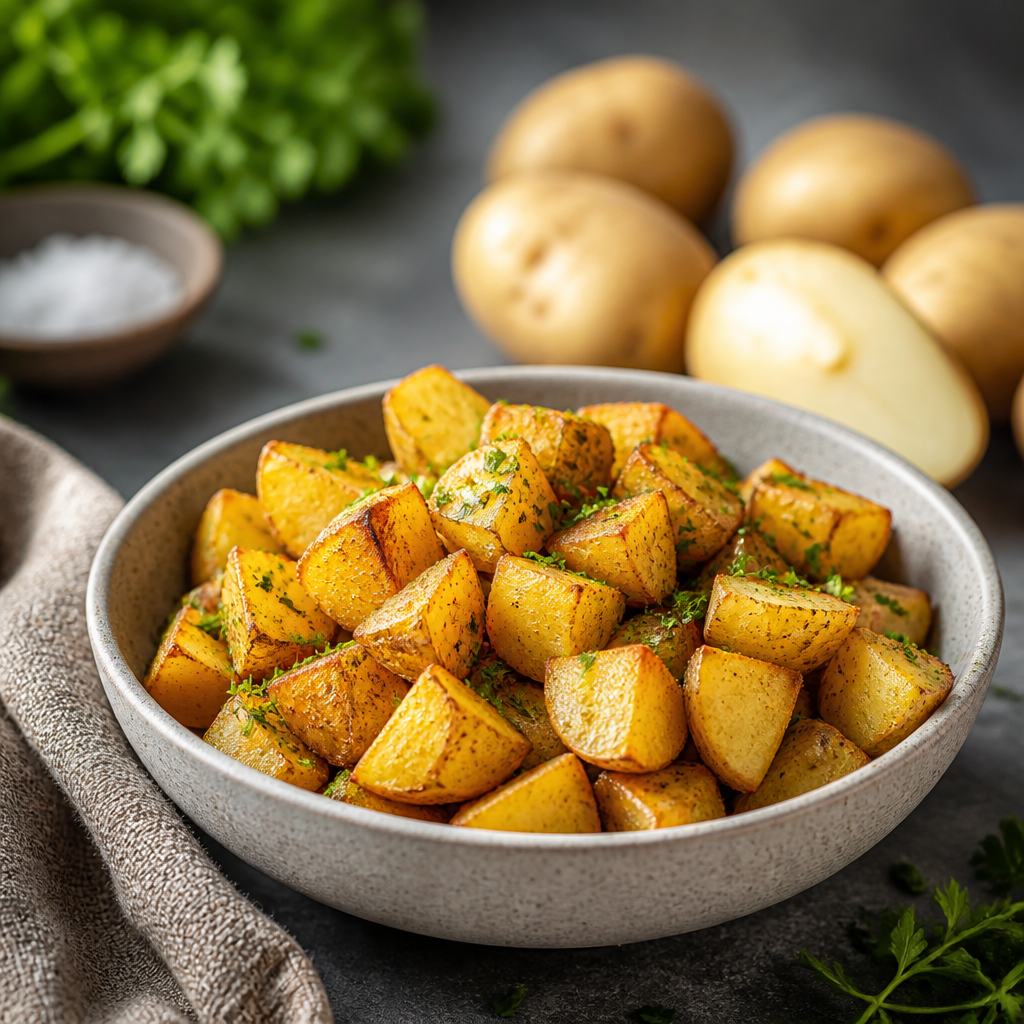 How Many Calories Are in a Potato? Unpacking the Nutritional Value
 How to Estimate Calorie Counts Visually: A Guide for Impromptu Dieters
 Как считать калории в ресторане: Практическое руководство
 Формула Харриса-Бенедикта простыми словами
 Главные ошибки подсчета калорий
 Как считать калории без весов: Практическое руководство для диетчиков