Decoding Nutrition Labels: A Beginner’s Guide
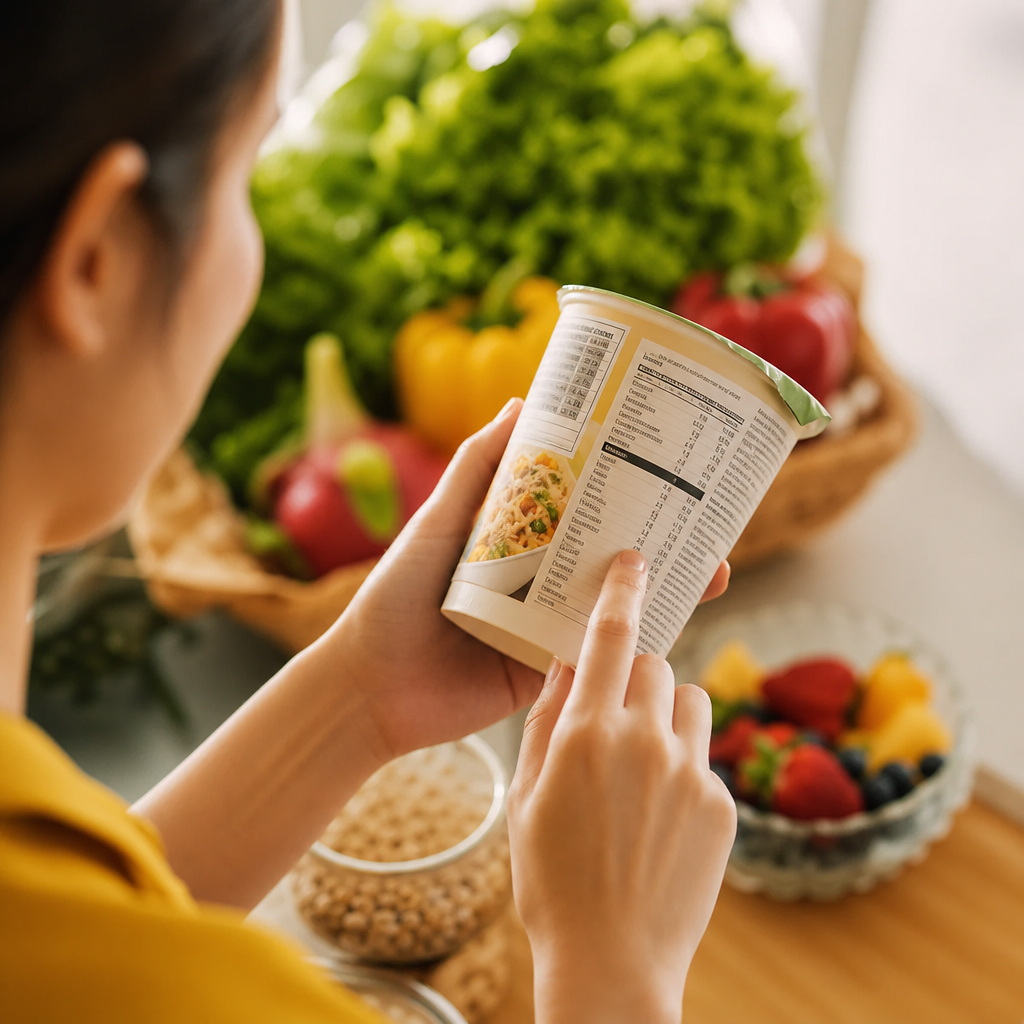
Understanding nutrition labels can be daunting at first, especially if you're trying to make healthier choices. However, these labels are valuable tools that can help you understand what's actually in the food you're consuming. In this guide, we'll break down the essential components of nutrition labels so you can confidently navigate your grocery store and make informed decisions.
What is a Nutrition Label?
A nutrition label is a panel found on packaged foods that provides crucial information about the nutritional content of that food item. This information can help you assess how a product fits into your overall dietary goals, whether you're counting calories, monitoring carbs, or watching your fat intake.
Key Components of Nutrition Labels
Understanding the various components of a nutrition label is key to making healthier choices. Here are the critical elements:
Serving Size: The serving size is listed at the top of the label. It's vital because all the nutrient values listed on the label are based on this measurement. Be sure to compare the serving size to how much you're eating. For example, if the serving size is 1 cup but you consume 2 cups, you'll need to double the calories and nutrients.
Calories: Calories indicate how much energy you'll get from a serving of the food. Monitoring calorie intake is crucial if you’re trying to lose weight. A good rule of thumb is to aim for balanced meals that include a combination of macronutrients while keeping your total caloric intake in check.
Total Fat: This section tells you how many grams of fat are in one serving. Pay attention to saturated fat and trans fat, which can increase your risk of heart disease. A healthy diet typically limits saturated fat to less than 10% of total calories.
Cholesterol and Sodium: High sodium and cholesterol levels can contribute to health problems. Aim for products with less sodium to help manage blood pressure, and keep cholesterol intake low to support heart health.
Carbohydrates: This section will inform you about the amount of carbs in each serving, including sugars and fiber. Look for foods high in fiber, as they can help with digestion and keep you feeling full longer.
Protein: Protein is essential for building and repairing tissues. Depending on your dietary goals, ensure you're consuming enough protein to support your lifestyle.
Vitamins and Minerals: Nutrition labels often include essential vitamins and minerals, like Vitamin D and calcium. These nutrients are crucial for overall health, so look for foods rich in these beneficial elements.
Tips for Reading Nutrition Labels
- Compare Products: When deciding between two similar products, compare their nutrition labels side by side. This can help you make a healthier choice.
- Choose Whole Foods: Prioritize foods with fewer ingredients and minimal processing. Whole foods like fruits, vegetables, and lean meats often have straightforward labels.
- Watch for Claims: Be cautious of health claims like "low-fat" or "sugar-free." These can sometimes be misleading and don't always mean the product is healthy overall.
Conclusion
Reading nutrition labels doesn't have to be complicated. By understanding the key components and knowing what to look for, you can make better food choices and improve your overall health. So next time you’re in the grocery store, take a moment to read the labels before popping items into your cart.
If you're looking for more personalized help with your nutrition, consider using an app that allows you to upload photos of your meals. It can analyze the caloric content, provide macro information, and help you stay on track with your dietary goals!
Cal AI
Track meals faster with Cal AI
Scan food, estimate calories, and keep your nutrition log moving without typing every ingredient.
Get the appAuthor
Cal AI Editorial Team
Practical guides on nutrition, calorie tracking, meal planning, and building healthier habits with Cal AI.
Related articles
 The Lowest-Calorie Vegetables Ranked: Your Guide to Guilt-Free Eating
 Zero-Calorie Vegetables: Myth or Reality?
 Why Weight Control Starts With Nutrition
 The Most Filling Vegetables for Weight Loss
 Discover the Vegetables With the Fewest Calories: Your Guide to Guilt-Free Eating
 The Best Vegetables for a Calorie Deficit
 Why Strict Diets Don't Work: Understanding the Pitfalls of Extreme Restrictions
 The Best Weight Management Strategies: Proven Tactics for Success
 How to Keep a Weight Journal: Tips for Accountability and Progress Tracking
 How to Lose Weight Without Stress: Embrace a Balanced Approach
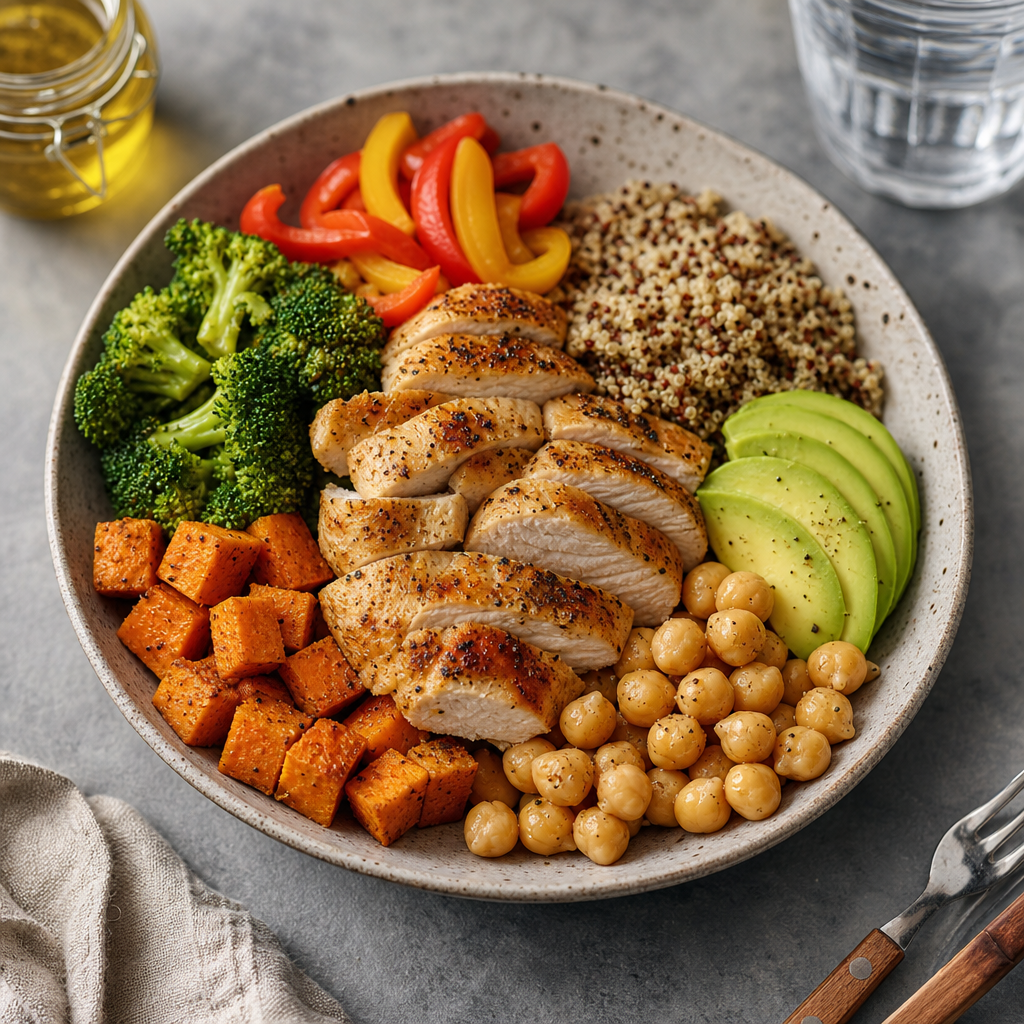 Common Macro Tracking Mistakes: Avoid These Pitfalls for Better Results
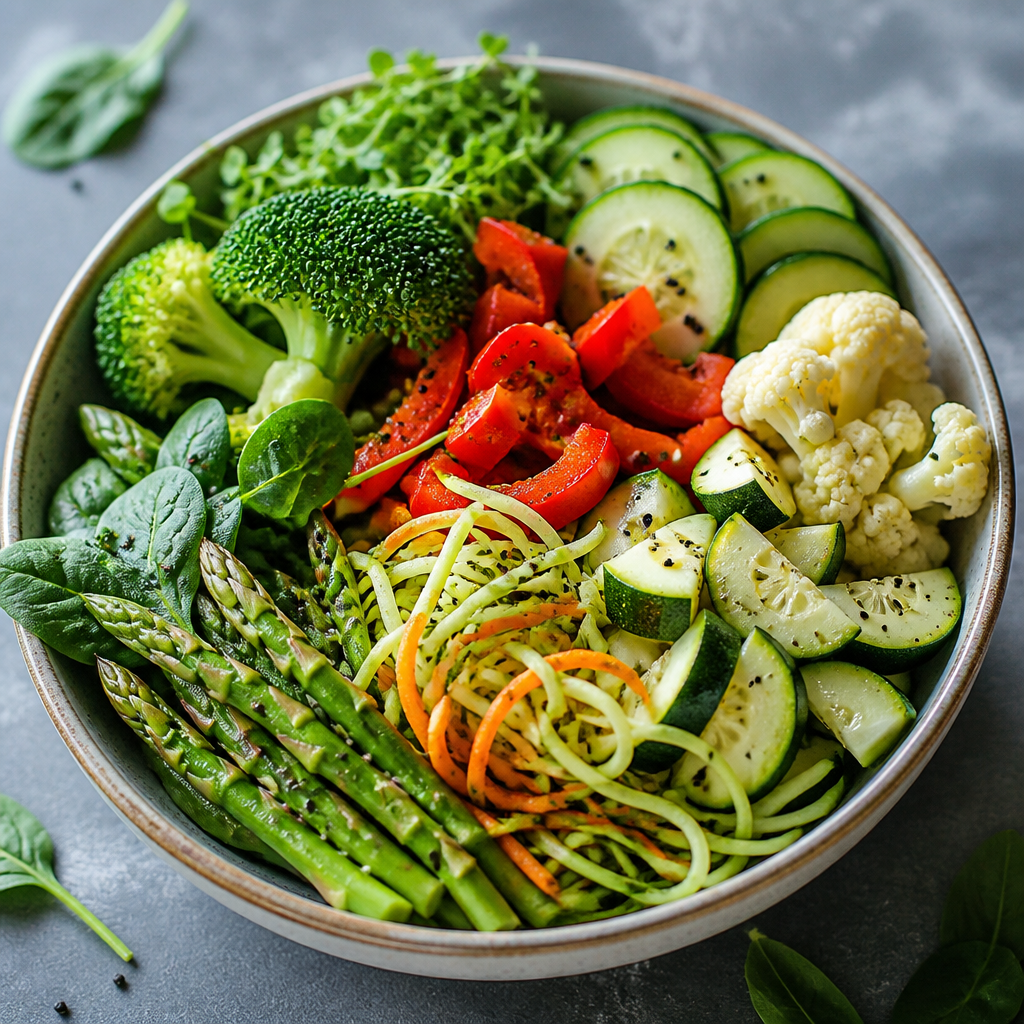 The Best Low-Calorie, Low-Carb Vegetables for Your Healthy Diet
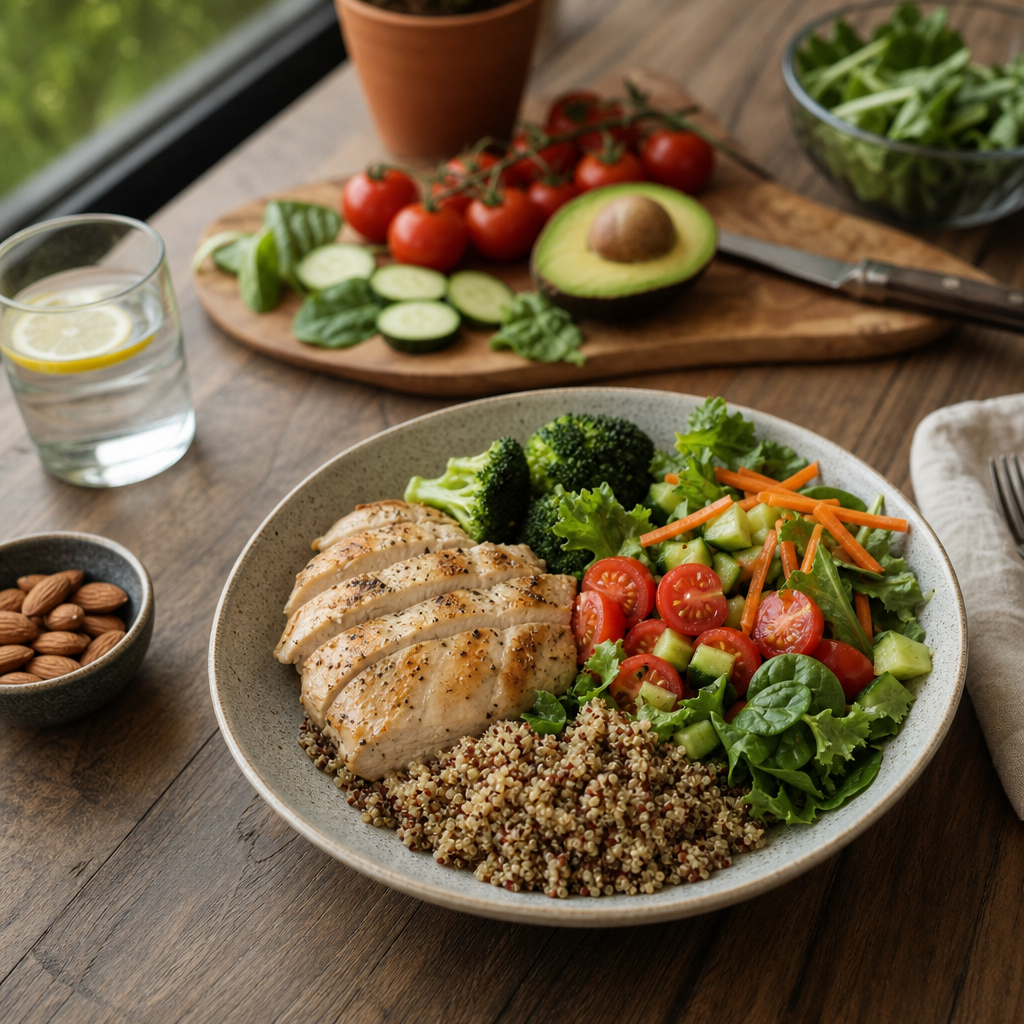 Sustainable Weight Loss Explained: Your Guide to Long-Term Success
 How to Control Your Weight With Calorie Tracking
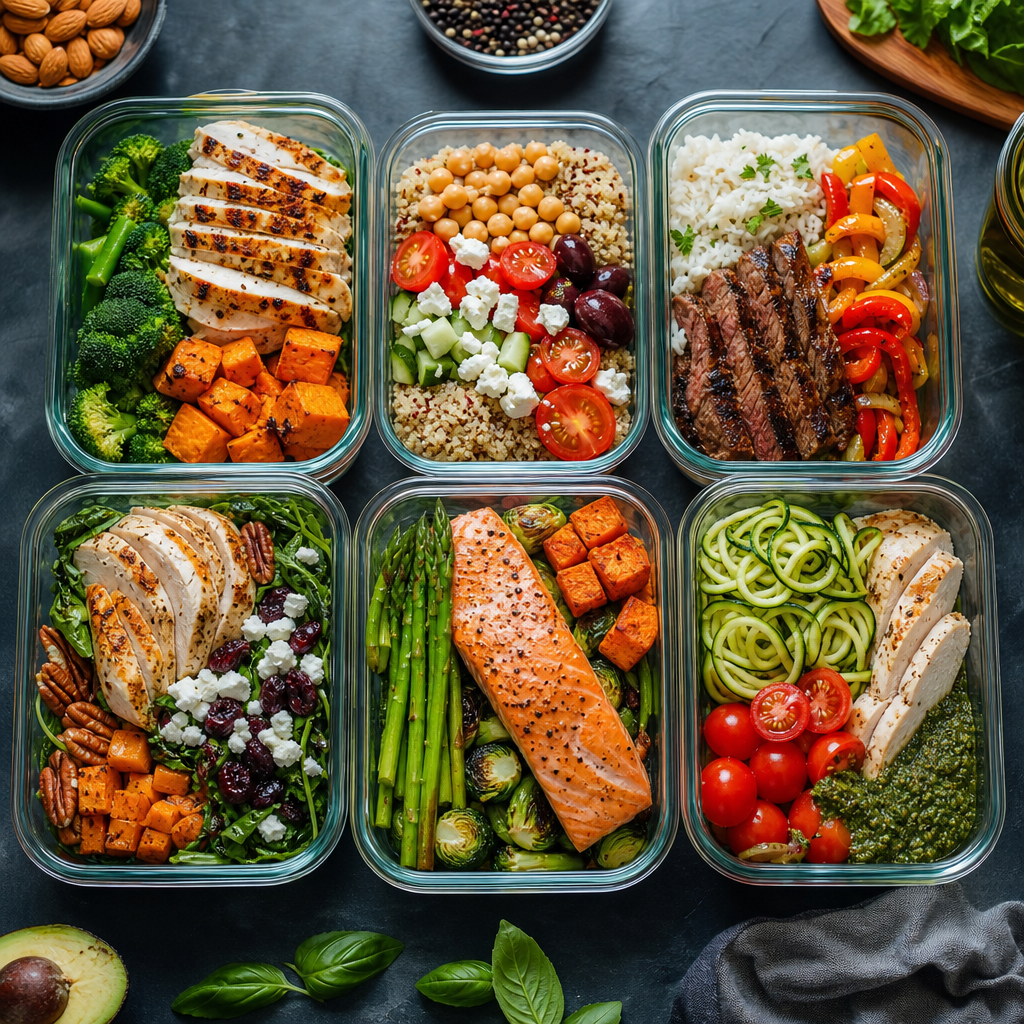 How to Build a Macro-Based Meal Plan: Your Ultimate Guide to Meal Prepping
 How to Track Macros Automatically: A Tech-Savvy Guide
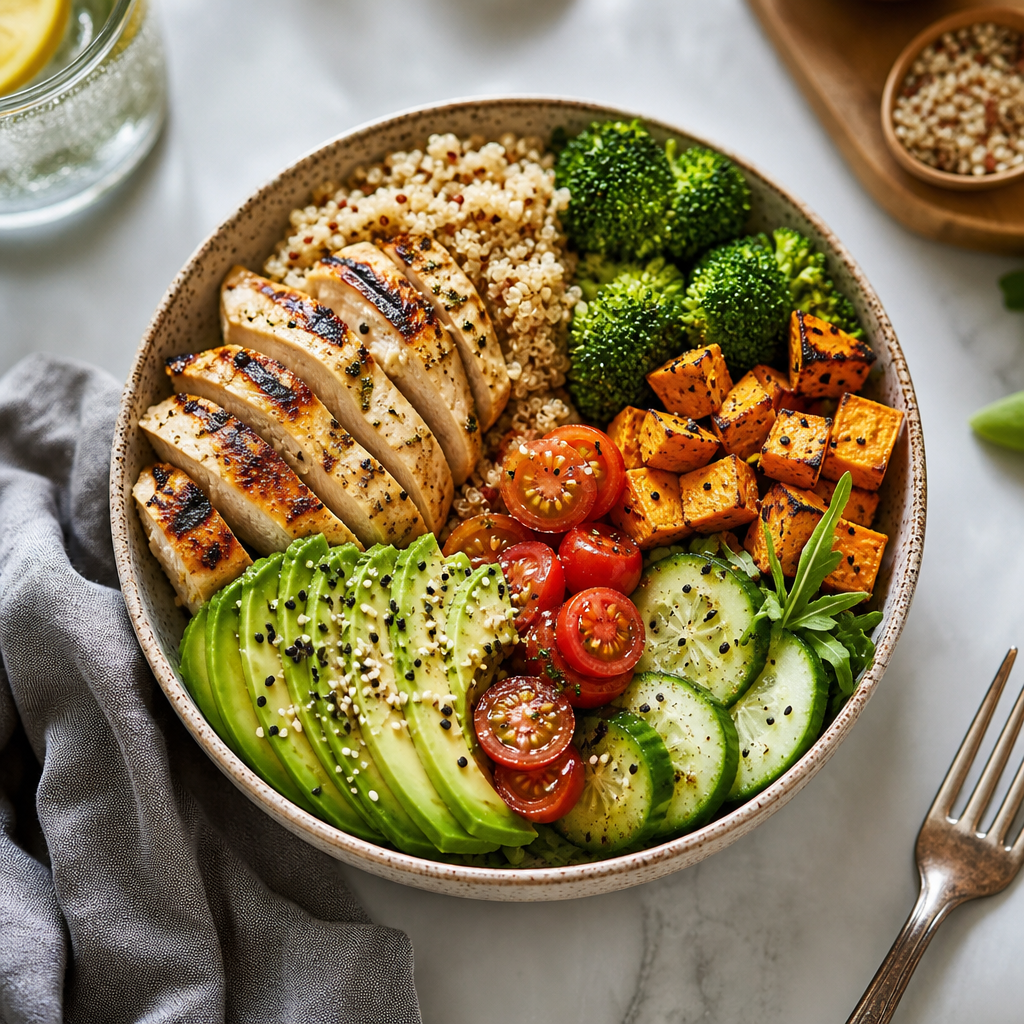 Macro Tracking for Beginners: Your Ultimate Guide to Nutritional Success
 How Many Calories Are in an Orange?
 Which Vegetables Keep You Full the Longest?
 How Many Calories Are in a Cucumber? Unveiling the Secrets of This Superfood
 How Many Calories Are in a Banana?
 The Healthiest Vegetables for Weight Loss: Your Ultimate Guide
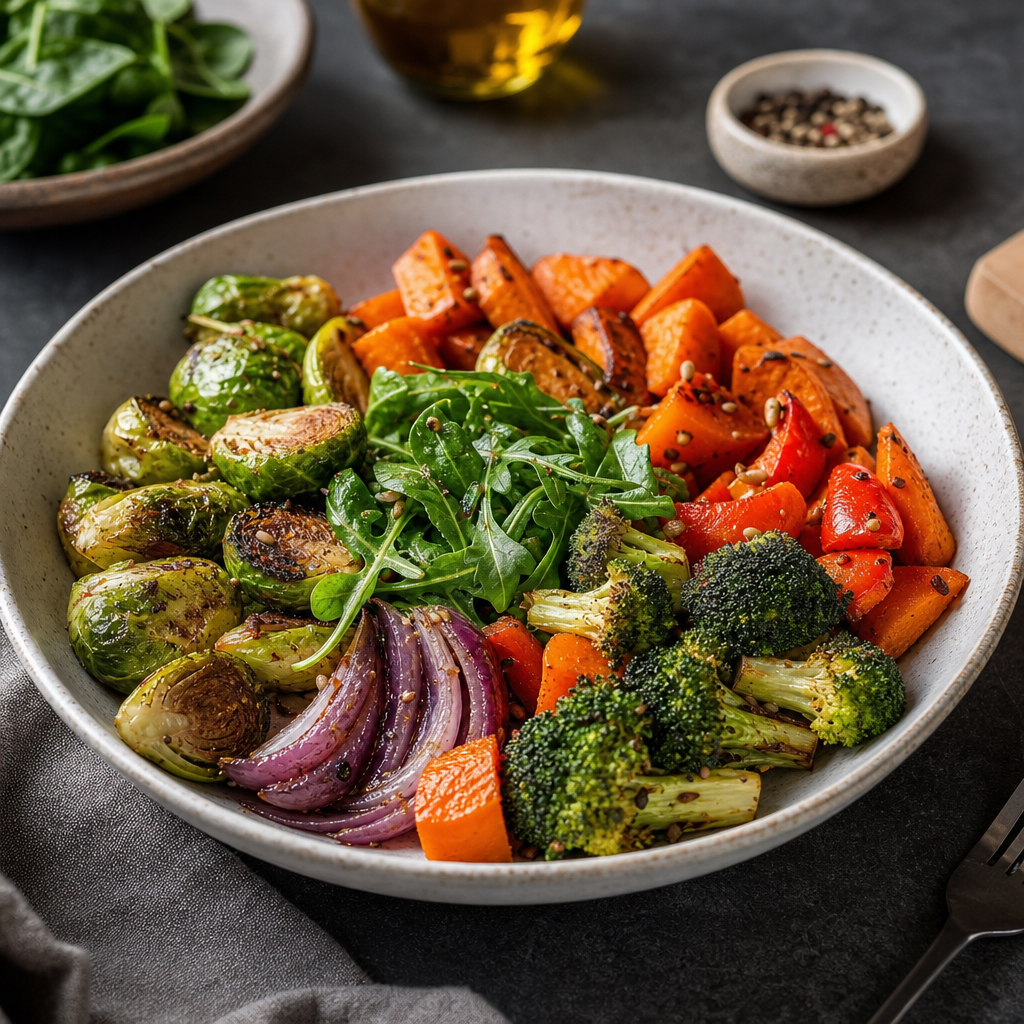 The Best Vegetables for Dinner: Nourishing Your Body While Losing Weight
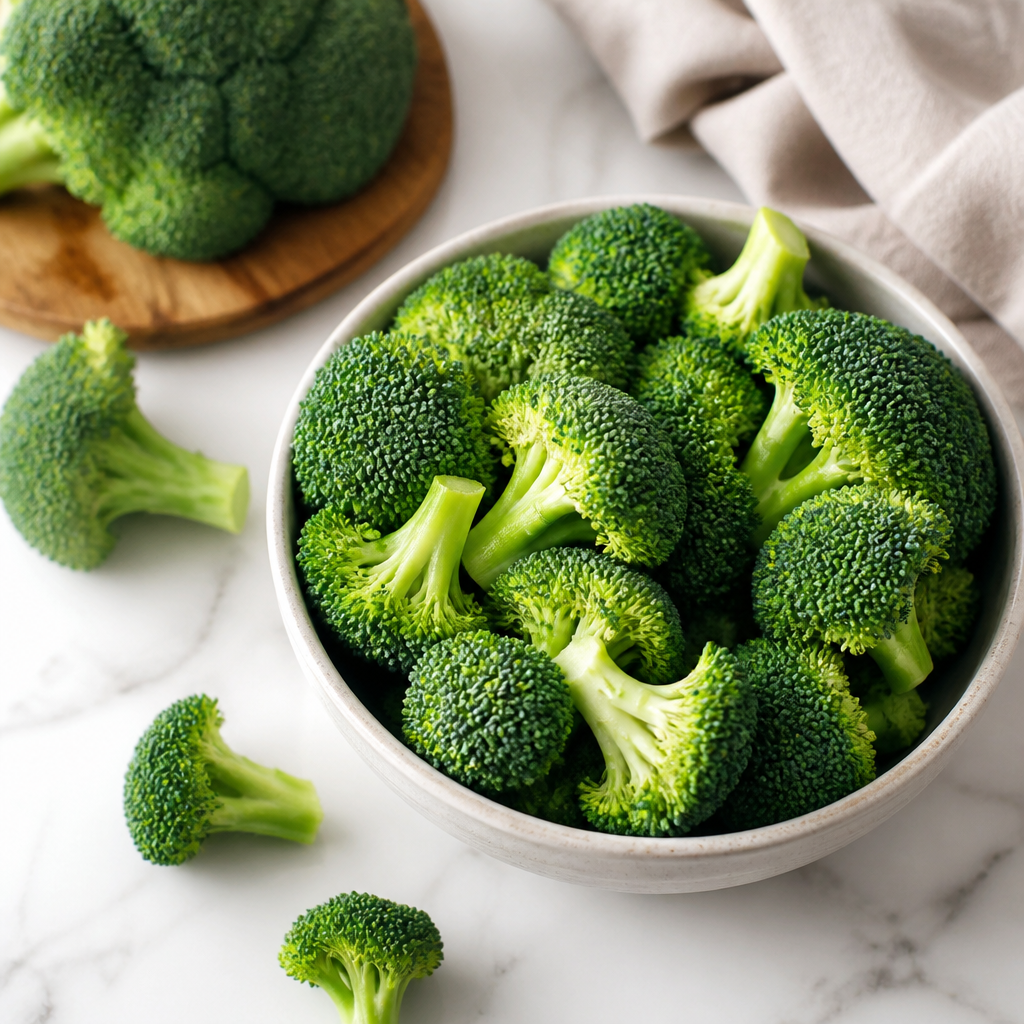 How Many Calories Are in Broccoli? An In-Depth Look
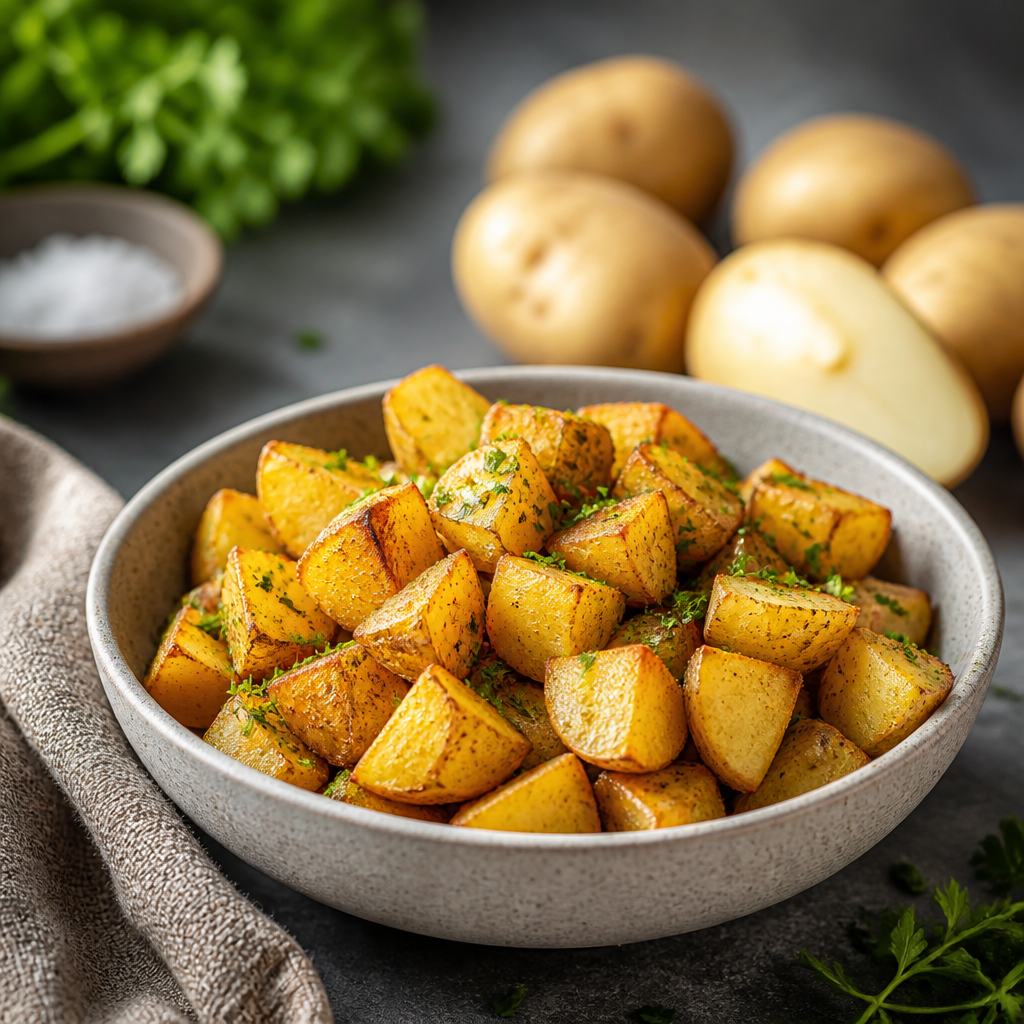 How Many Calories Are in a Potato? Unpacking the Nutritional Value
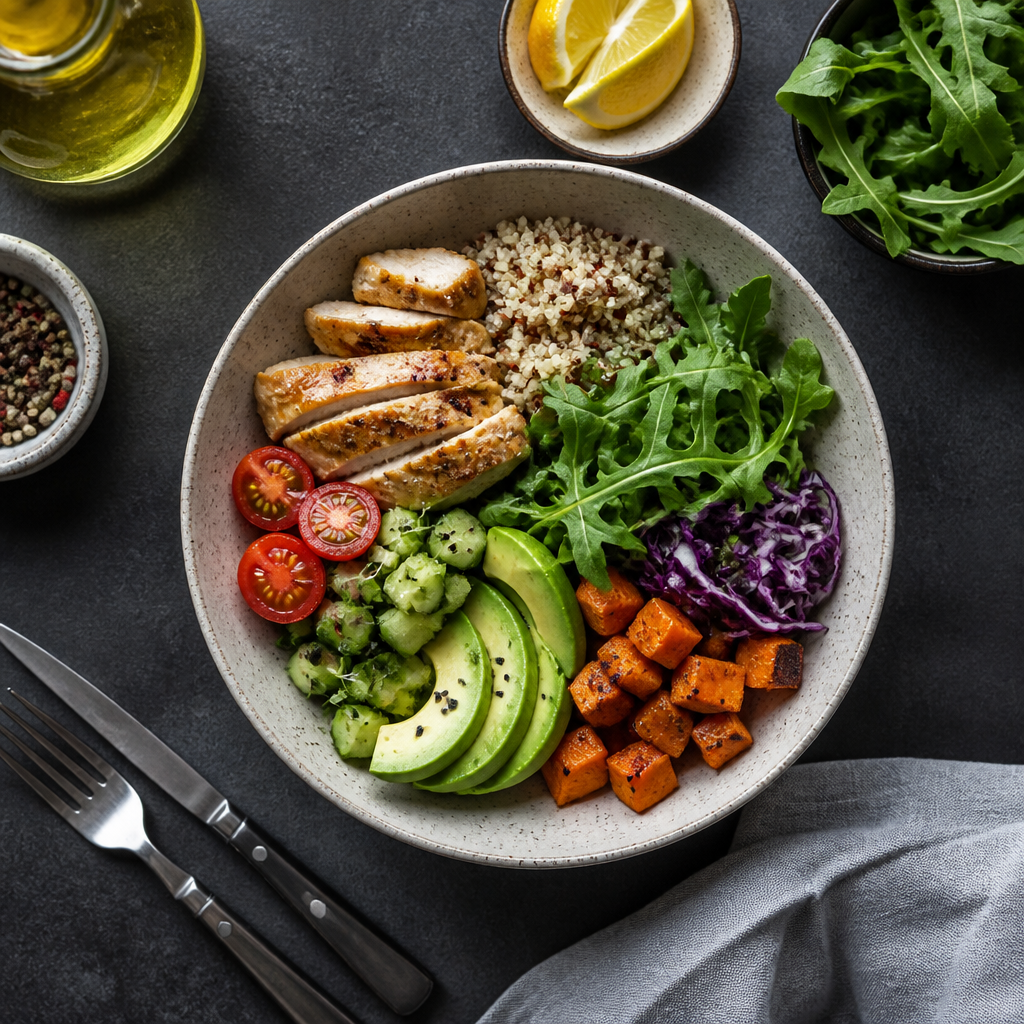 How to Estimate Calorie Counts Visually: A Guide for Impromptu Dieters
 Как считать калории в ресторане: Практическое руководство
 Формула Харриса-Бенедикта простыми словами
 Главные ошибки подсчета калорий
 Как считать калории без весов: Практическое руководство для диетчиков