Mastering Meal Planning: A Busy Professional's Guide to Healthy Eating
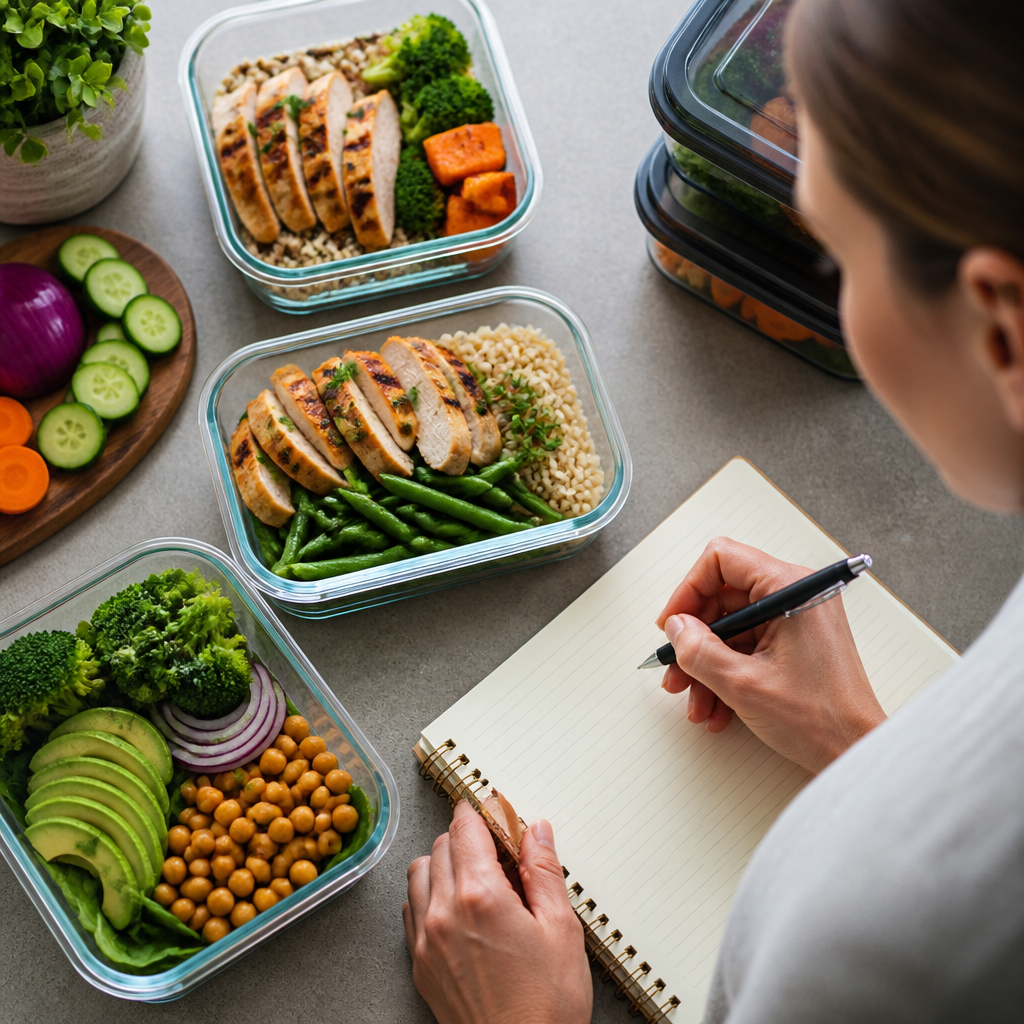
In today's fast-paced world, busy professionals often find it challenging to maintain a balanced diet amid hectic schedules. With meetings to attend, deadlines to meet, and little time for meal preparation, the temptation to grab fast food or skip meals can become overwhelming. However, implementing a meal planning strategy can transform your eating habits, saving both time and stress while ensuring you nourish your body with healthy foods.
Why Meal Planning is Essential
Meal planning is more than just preparing your lunch for the next day; it’s a lifestyle choice that can significantly impact your overall health. Here are a few reasons why you should consider meal planning:
- Saves Time: By planning your meals in advance, you can allocate a specific time each week for grocery shopping and cooking, ultimately streamlining your routine.
- Promotes Healthier Choices: Having healthy meals prepared reduces the risk of impulsively choosing unhealthy options when you’re hungry or short on time.
- Reduces Food Waste: By planning meals around the ingredients you purchase, you can save money and reduce waste.
- Improves Portion Control: Planning meals allows you to control portion sizes better, which can be essential for weight management and overall health.
Steps to Effective Meal Planning
To start a meal planning routine, follow these simple steps:
1. Analyze Your Weekly Schedule
Dedicate a few minutes to assess your week ahead. Identify busy days where you may require pre-prepared meals and consider your schedule for cooking days.
2. Create a Meals List
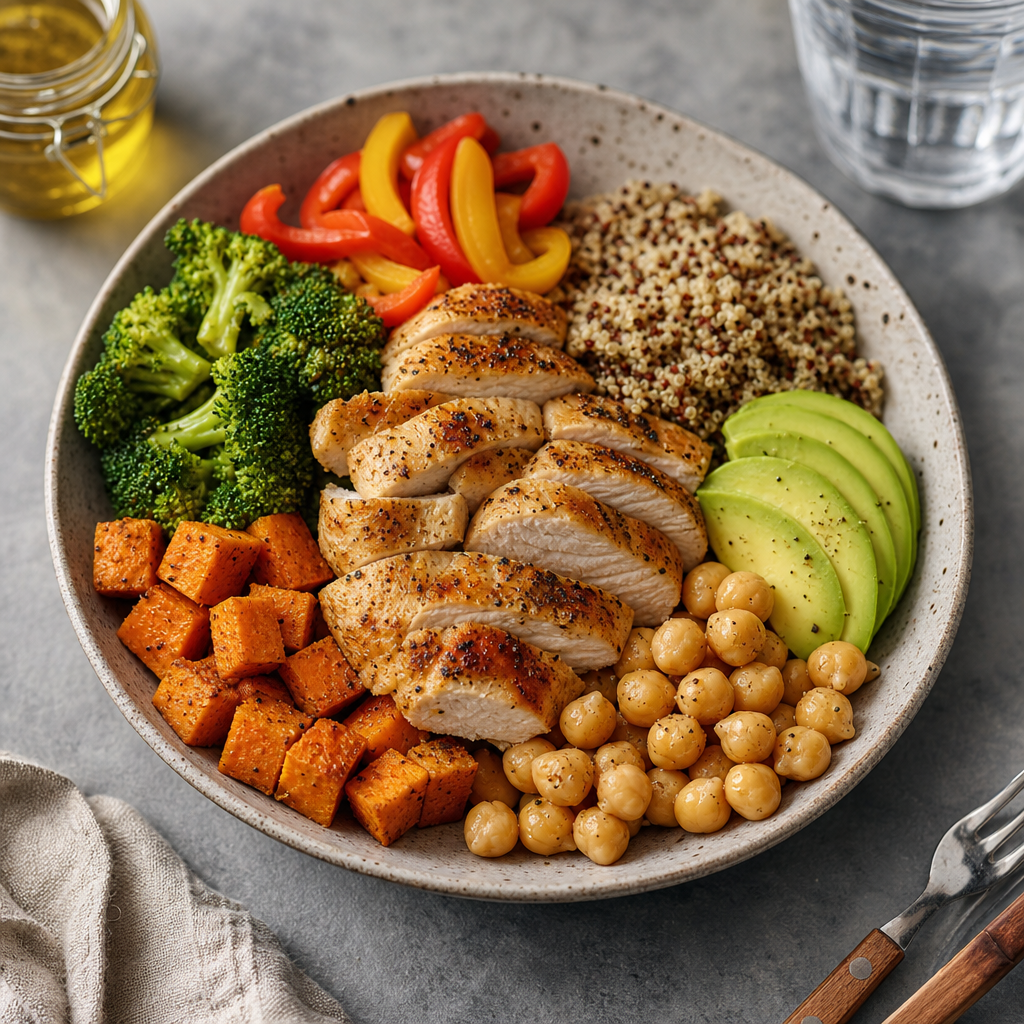
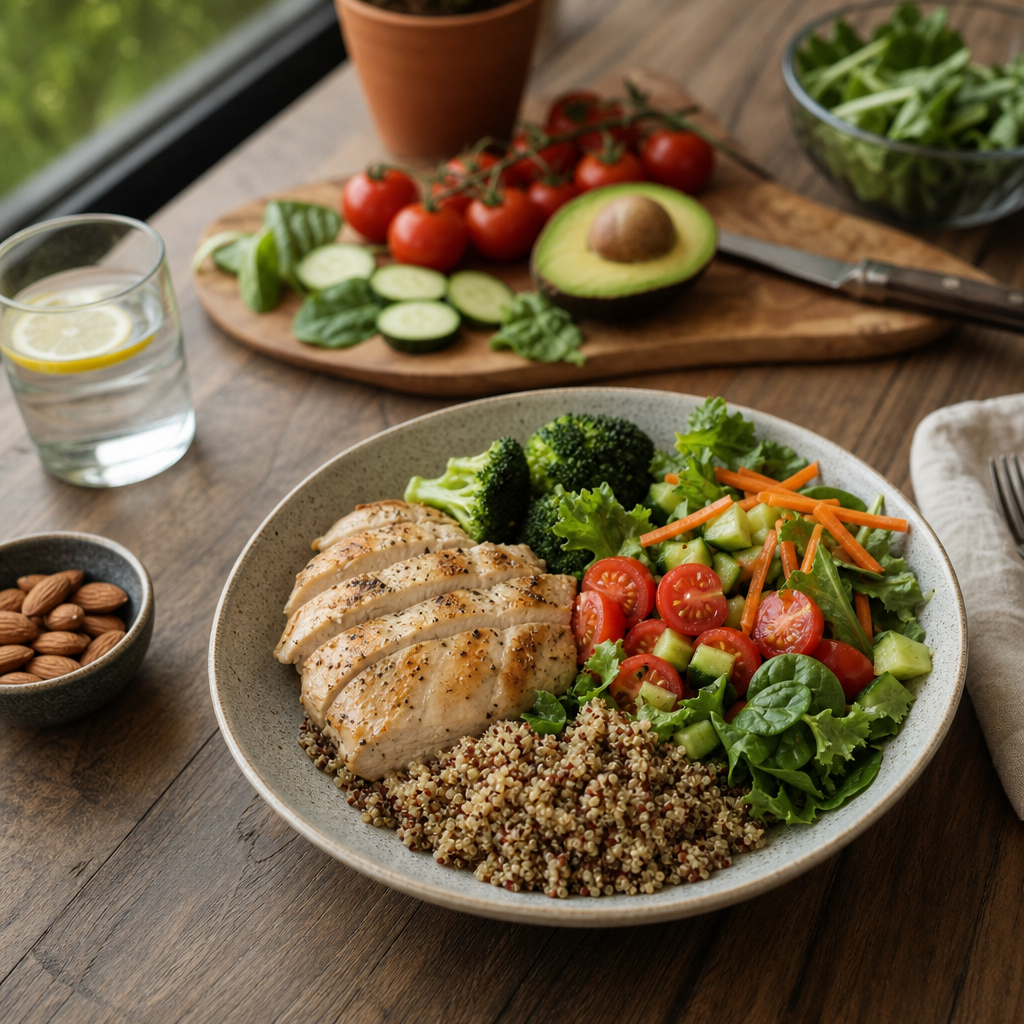
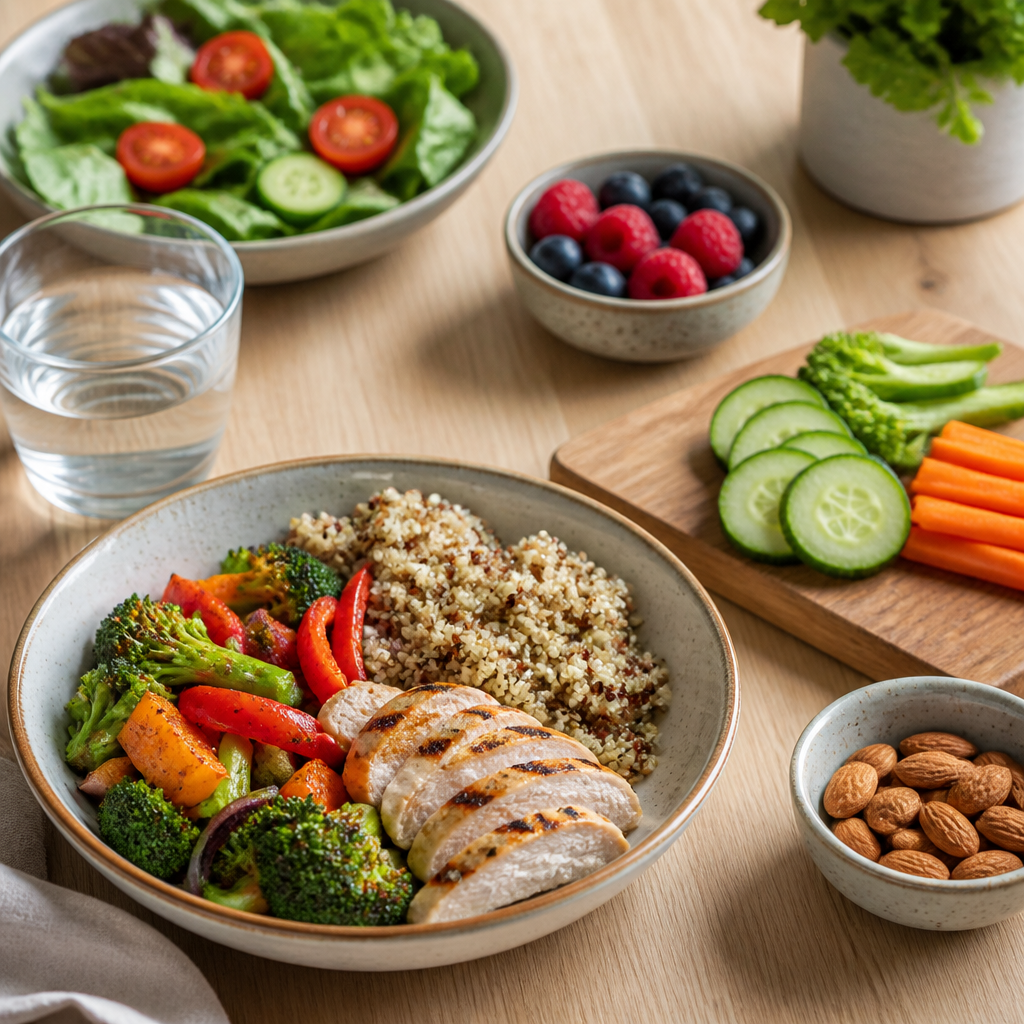
Based on your schedule, create a list of meals you enjoy that can be prepared easily. Aim to include a variety of proteins, whole grains, and colorful vegetables. Here are a few options:
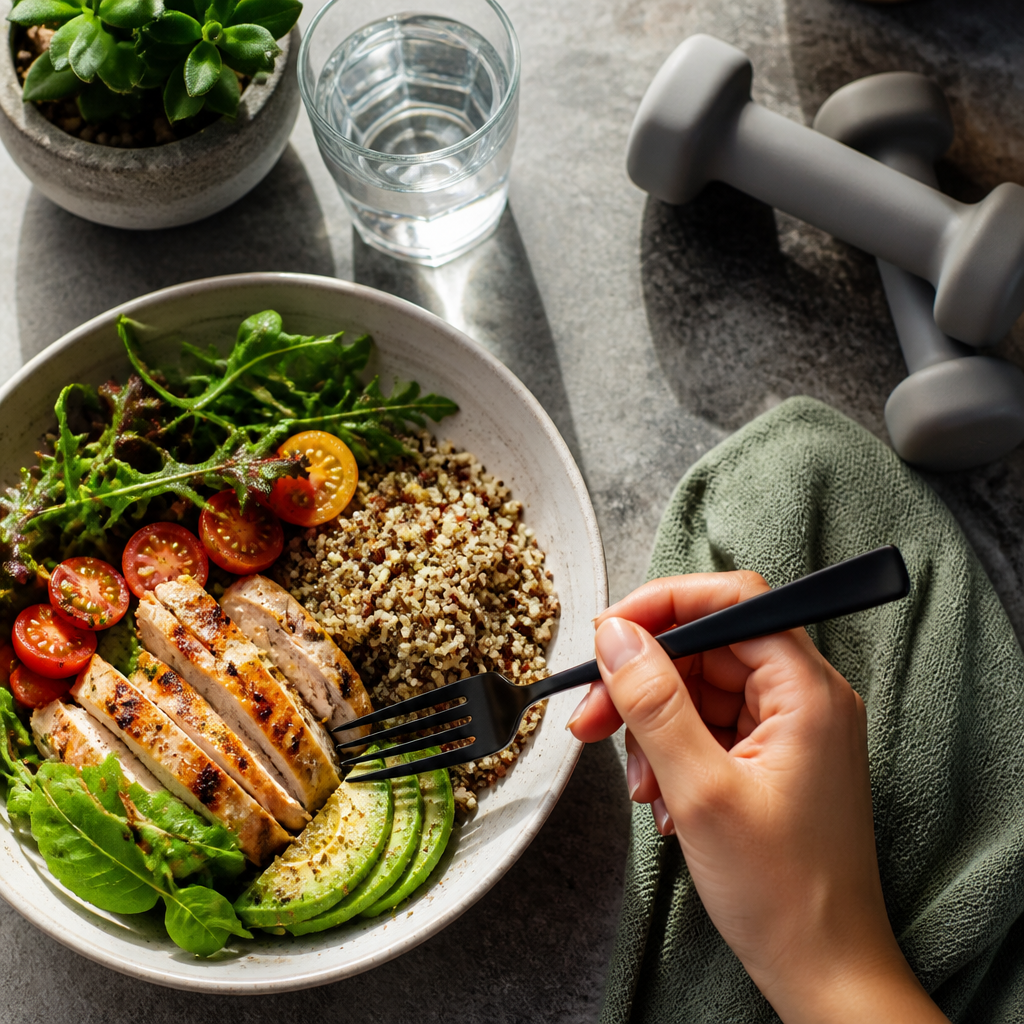
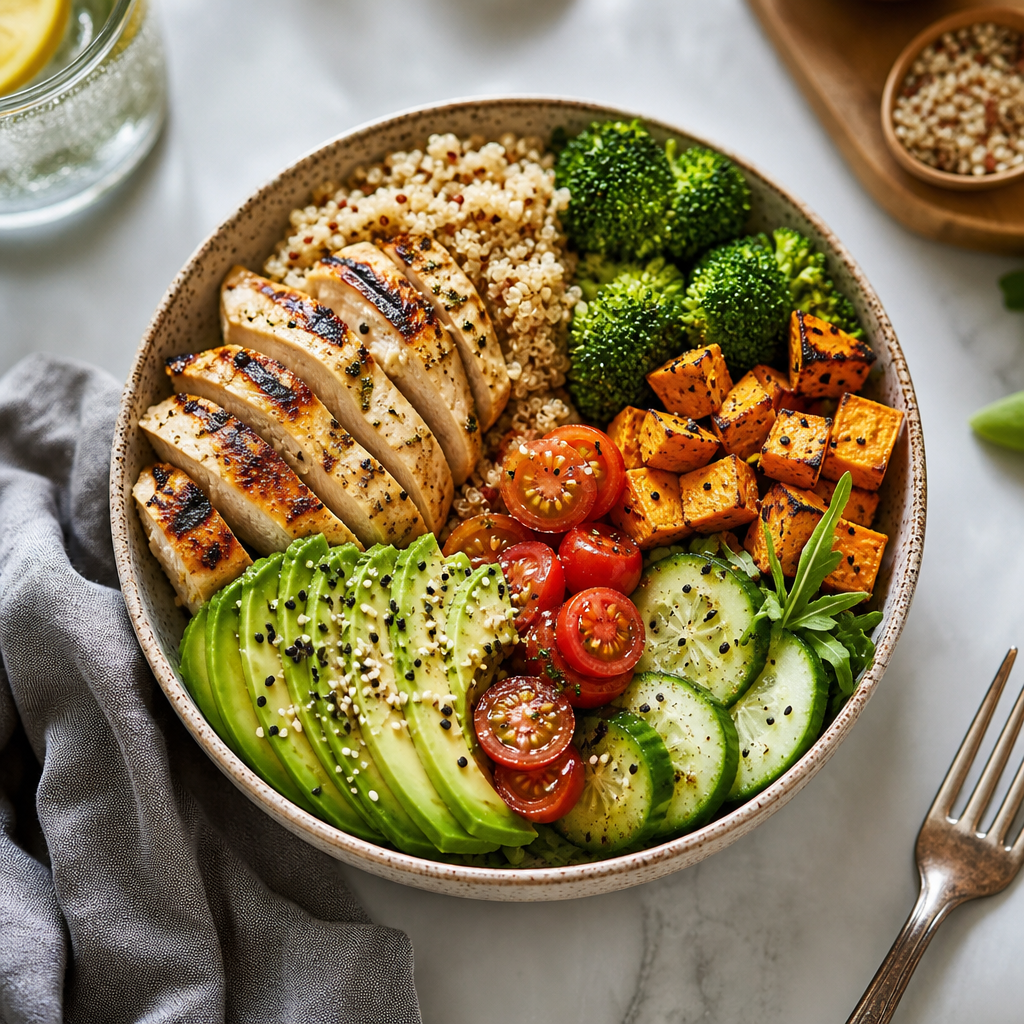
- Grilled Chicken with Quinoa and Spinach
- Vegetable Stir-Fry with Tofu
- Chickpea Salad with Avocado
- Overnight Oats for Breakfast
3. Make a Grocery List
Based on your meal selections, write down all the required ingredients to avoid impulse purchases. Stick to your list to ensure efficiency and save money.
4. Set Aside Prep Time
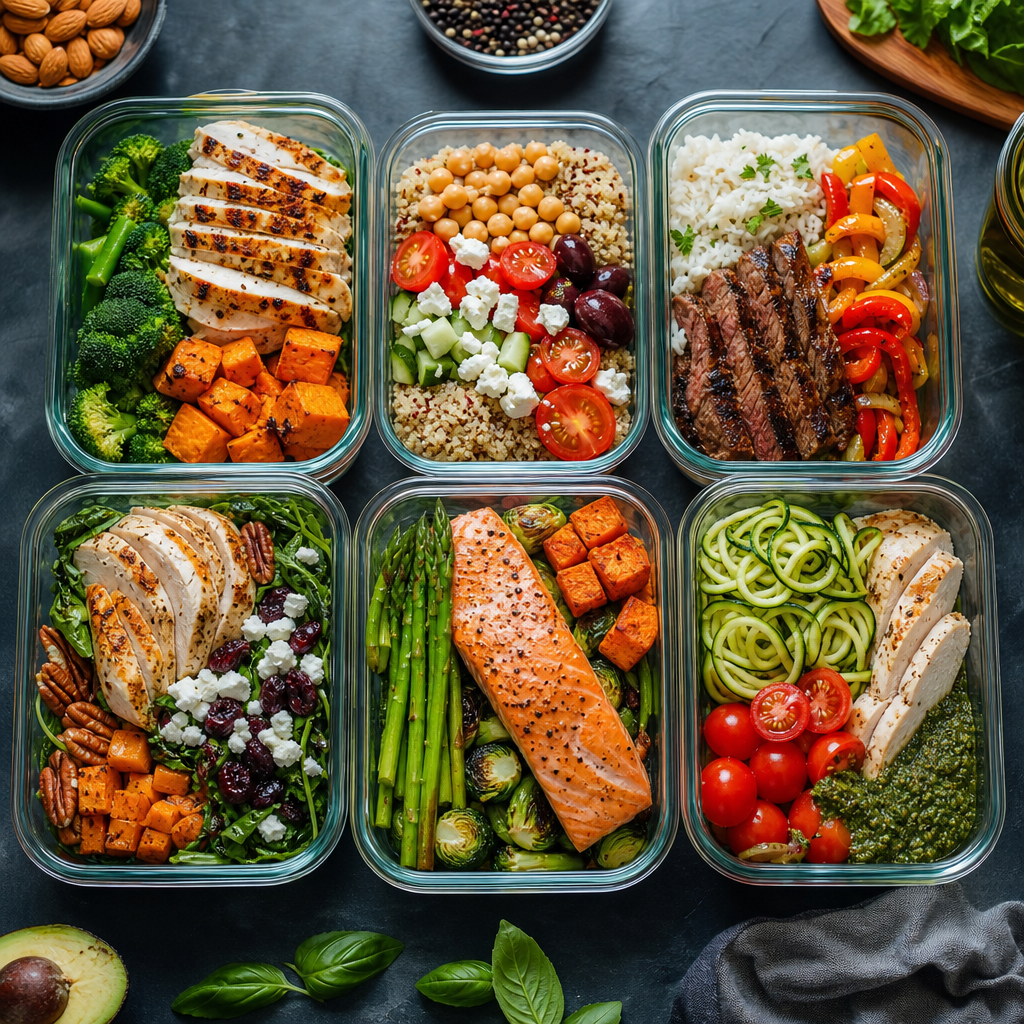
Designate a day for meal prep, like Sunday afternoons. Cook larger batches of proteins, grains, and vegetables to last the week, or prepare entire meals that can be easily reheated.
5. Store Smartly
Use clear, labeled containers to store individual or family-sized portions for easy access during the week. Invest in quality containers that are microwave and dishwasher safe.
Quick Meal Ideas for Busy Professionals
Here are a couple of quick meal options to get you inspired:
- Salad Jars: Layer ingredients such as leafy greens, proteins (e.g., grilled chicken, beans), and toppings (e.g., nuts, cheese) in a jar for a grab-and-go lunch.
- Sheet Pan Dinners: Toss your favorite vegetables and protein on a baking sheet, season, and roast them for a hassle-free dinner.
Tips to Stay on Track
- Be Flexible: If life gets busy, don’t be afraid to swap a meal or reheat leftovers instead of stressing.
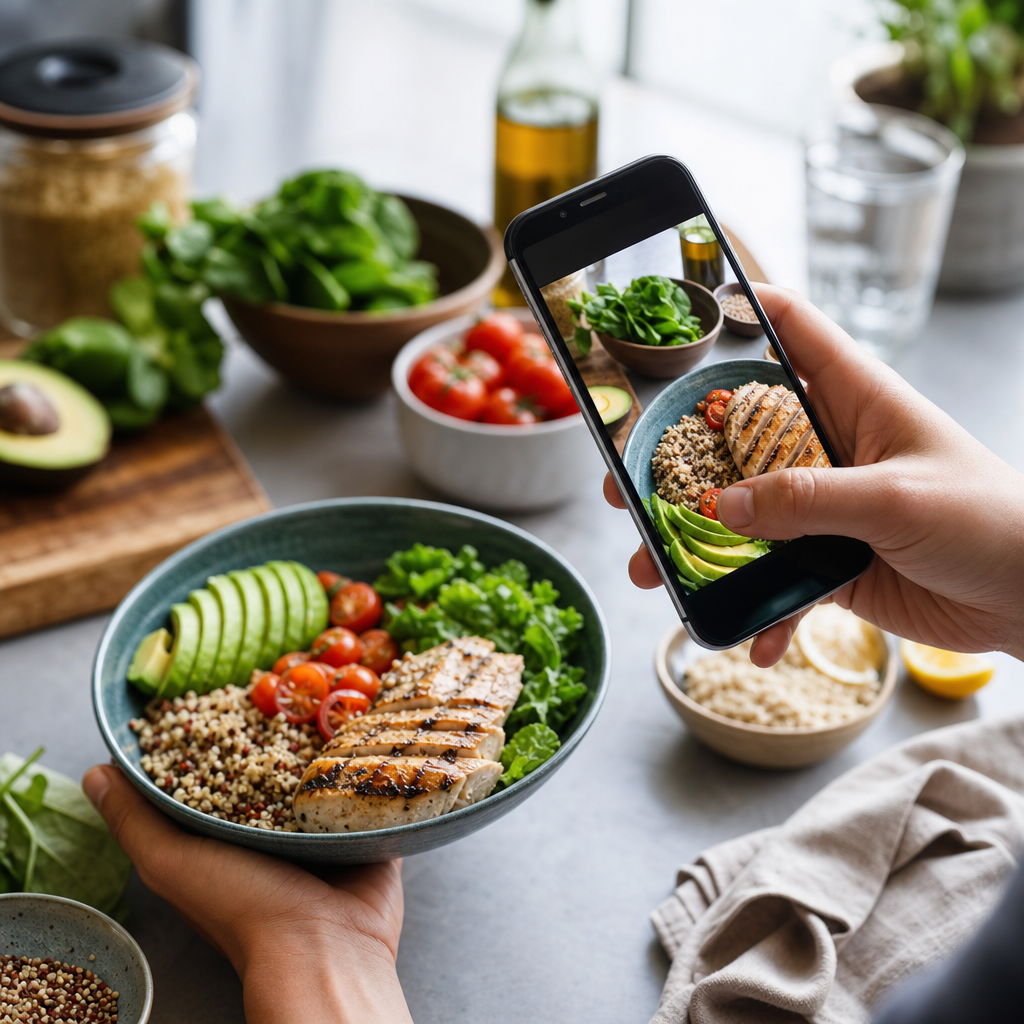
- Use Technology: Meal planning apps can help you track your meals, get recipe suggestions, and maintain your grocery lists.
- Involve Others: If you live with others, include them in planning and prep to make it more enjoyable.
Conclusion
Meal planning doesn’t have to be daunting. By following a structured approach, busy professionals can enjoy nutritious, home-cooked meals without sacrificing time or convenience. So why wait? Start implementing meal planning into your routine today and transform the way you view food!
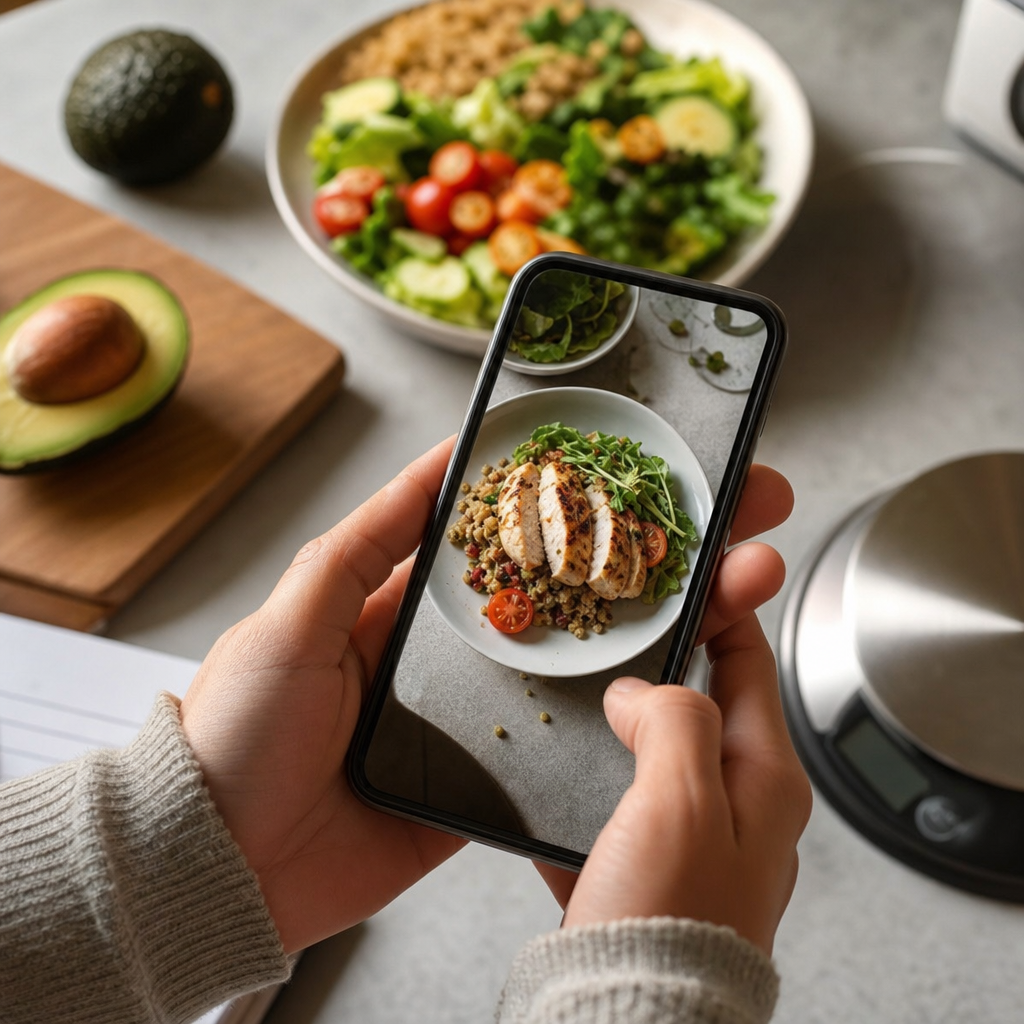
Ready to simplify your meal planning? Upload a photo of your meals, and let our AI determine the calories and nutritional breakdown for you! Take control of your nutrition today!
Cal AI
Track meals faster with Cal AI
Scan food, estimate calories, and keep your nutrition log moving without typing every ingredient.
Get the appAuthor
Cal AI Editorial Team
Practical guides on nutrition, calorie tracking, meal planning, and building healthier habits with Cal AI.
Related articles
 The Lowest-Calorie Vegetables Ranked: Your Guide to Guilt-Free Eating
 Zero-Calorie Vegetables: Myth or Reality?
 Why Weight Control Starts With Nutrition
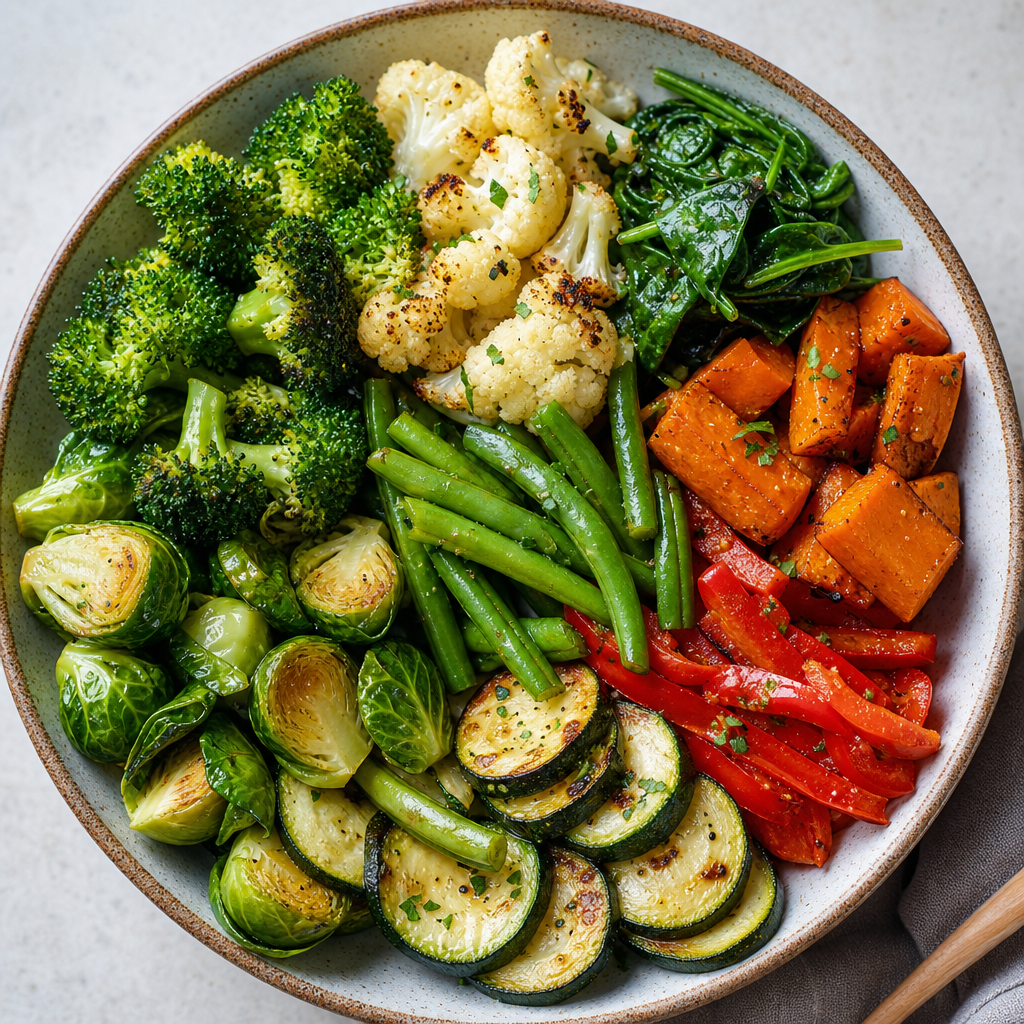 The Most Filling Vegetables for Weight Loss
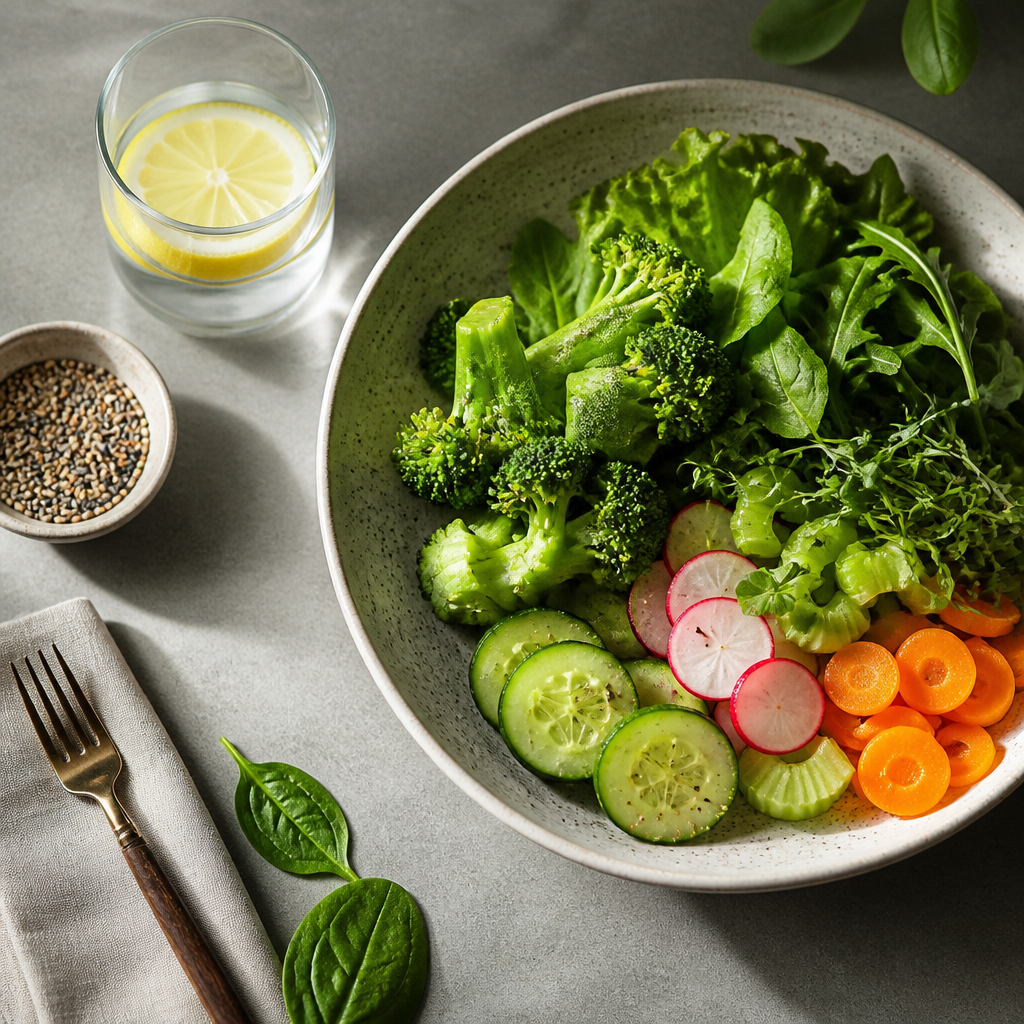 Discover the Vegetables With the Fewest Calories: Your Guide to Guilt-Free Eating
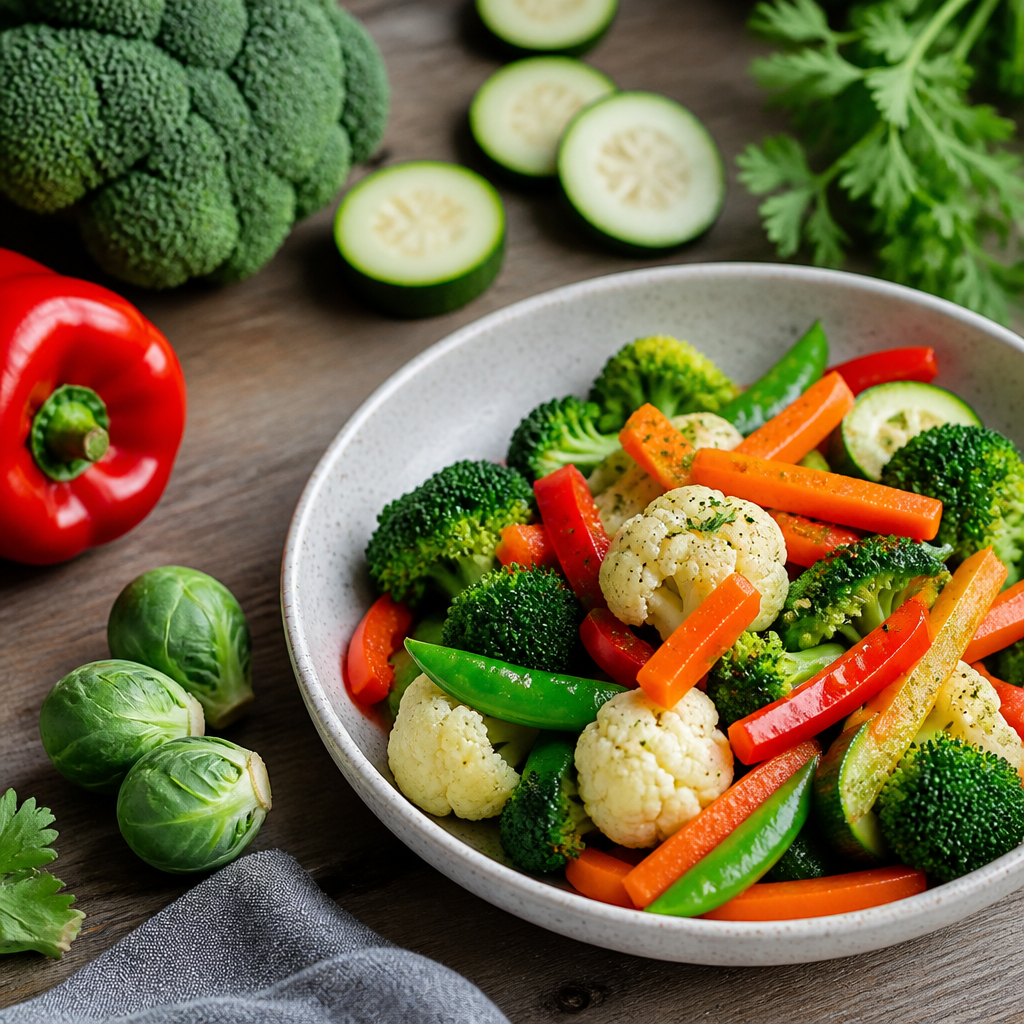 The Best Vegetables for a Calorie Deficit
 Why Strict Diets Don't Work: Understanding the Pitfalls of Extreme Restrictions
 The Best Weight Management Strategies: Proven Tactics for Success
 How to Keep a Weight Journal: Tips for Accountability and Progress Tracking
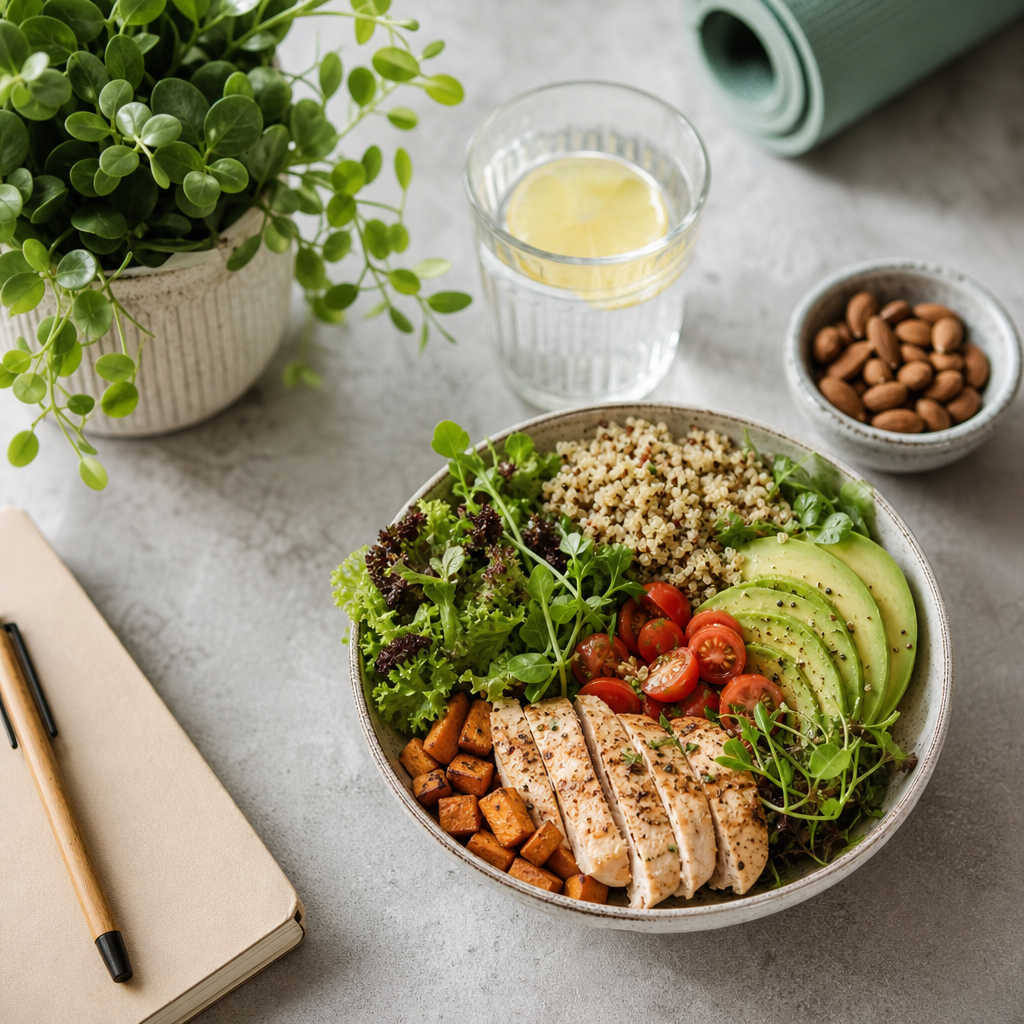 How to Lose Weight Without Stress: Embrace a Balanced Approach
 Common Macro Tracking Mistakes: Avoid These Pitfalls for Better Results
 The Best Low-Calorie, Low-Carb Vegetables for Your Healthy Diet
 Sustainable Weight Loss Explained: Your Guide to Long-Term Success
 How to Control Your Weight With Calorie Tracking
 How to Build a Macro-Based Meal Plan: Your Ultimate Guide to Meal Prepping
 How to Track Macros Automatically: A Tech-Savvy Guide
 Macro Tracking for Beginners: Your Ultimate Guide to Nutritional Success
 How Many Calories Are in an Orange?
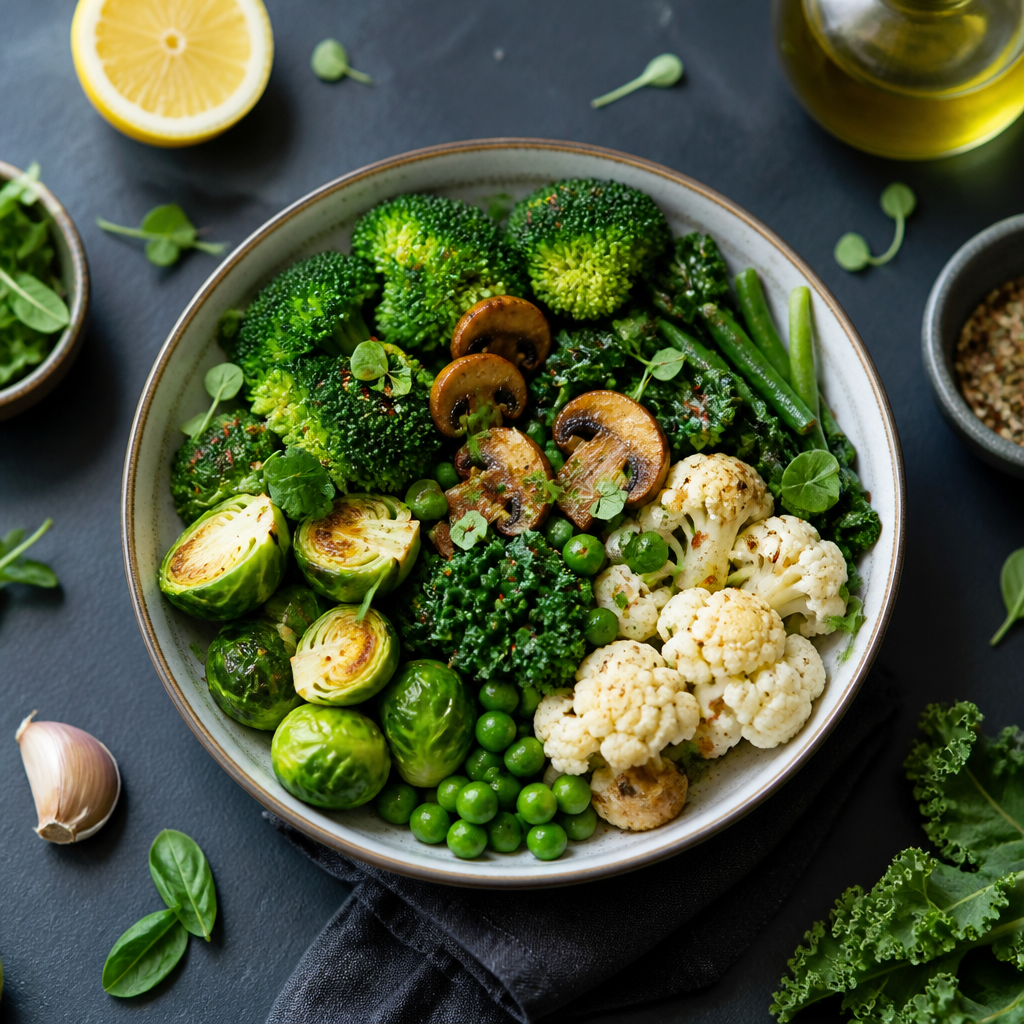 Which Vegetables Keep You Full the Longest?
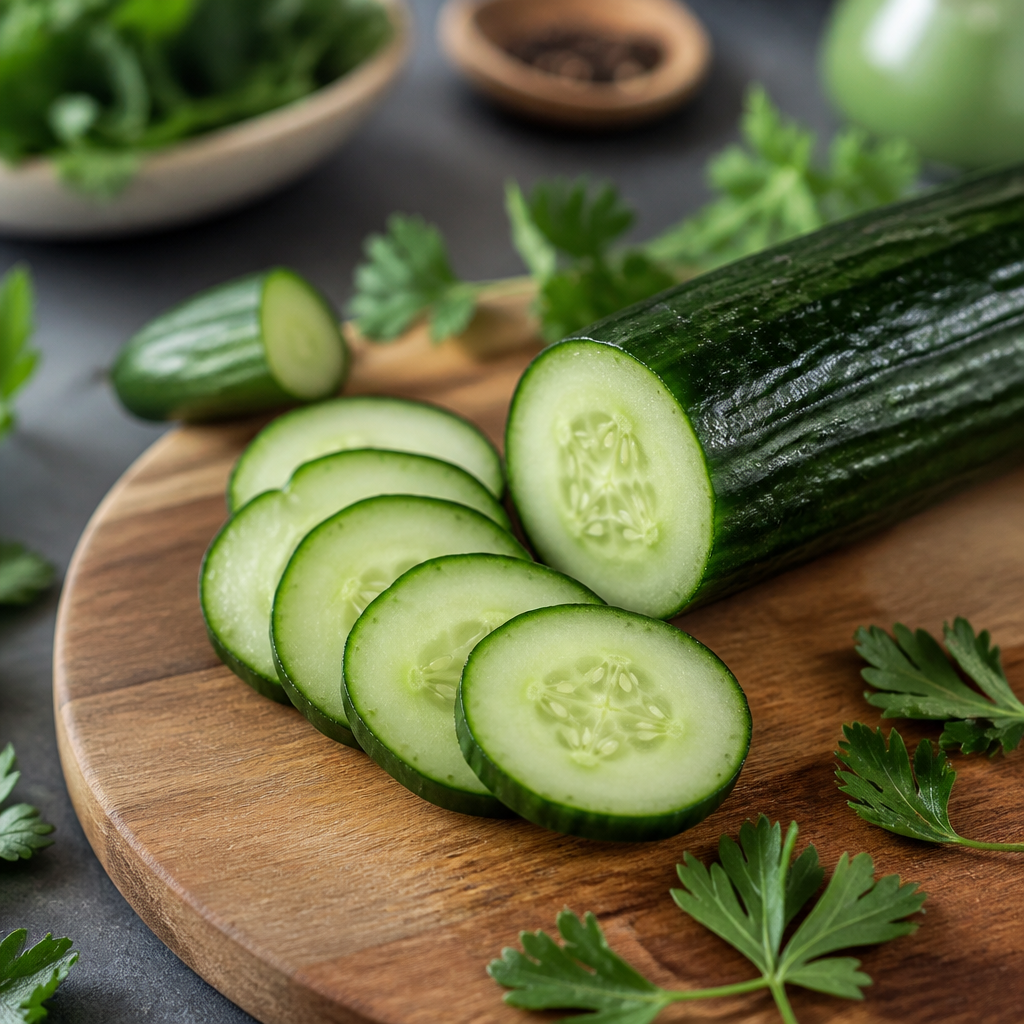 How Many Calories Are in a Cucumber? Unveiling the Secrets of This Superfood
 How Many Calories Are in a Banana?
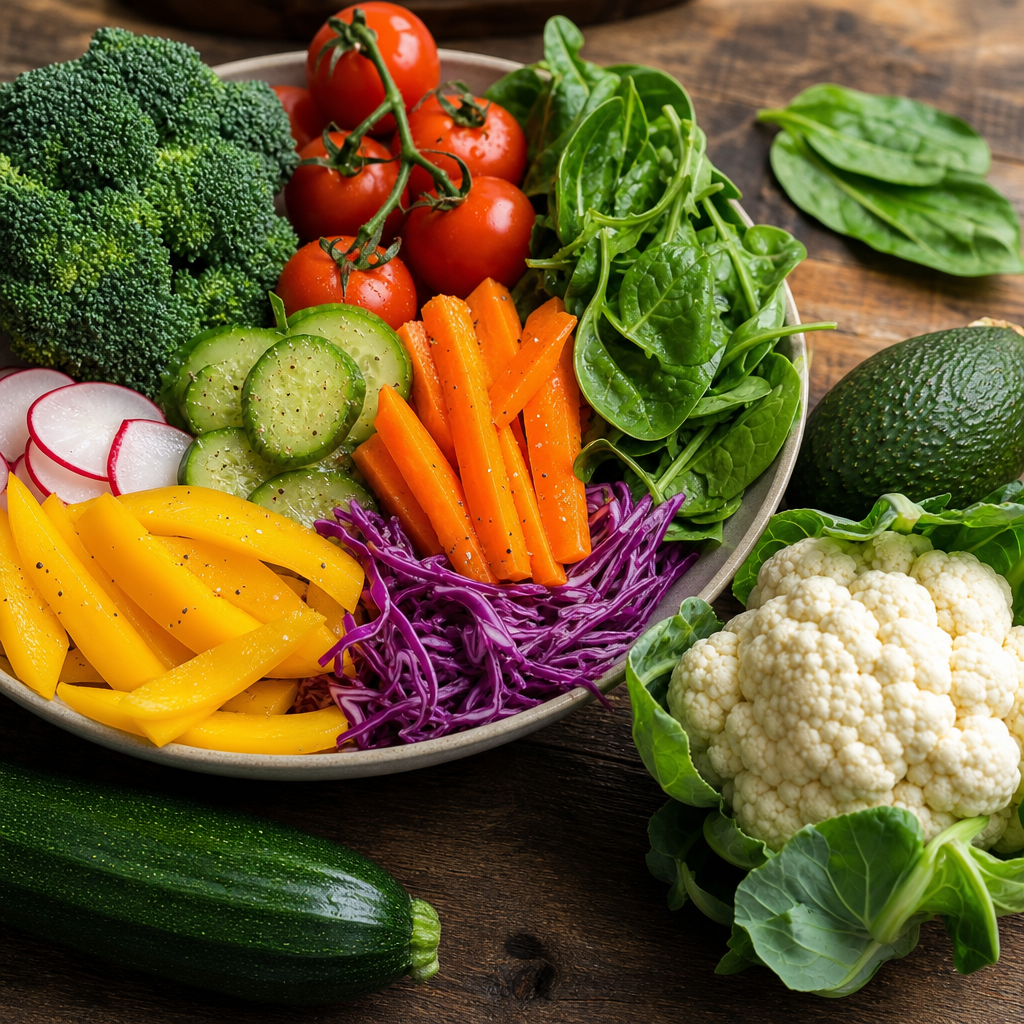 The Healthiest Vegetables for Weight Loss: Your Ultimate Guide
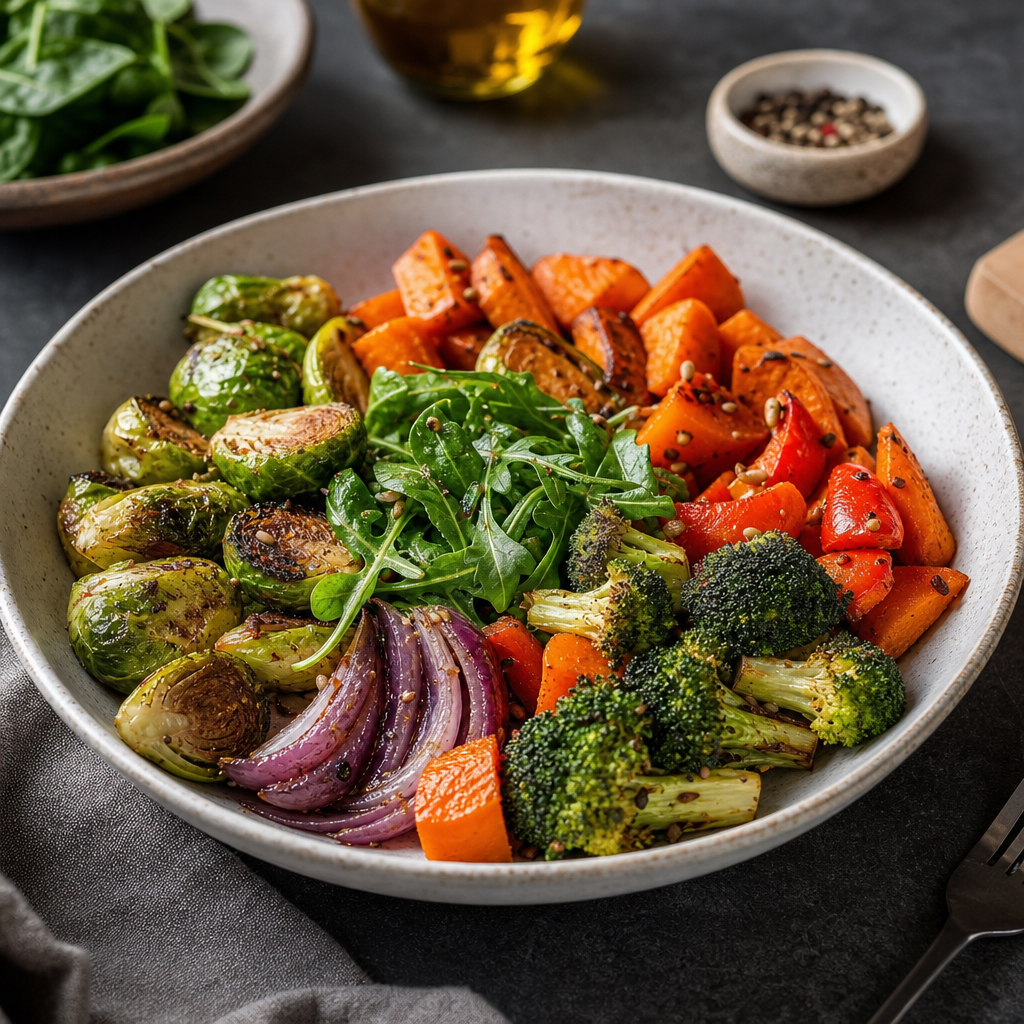 The Best Vegetables for Dinner: Nourishing Your Body While Losing Weight
 How Many Calories Are in Broccoli? An In-Depth Look
 How Many Calories Are in a Potato? Unpacking the Nutritional Value
 How to Estimate Calorie Counts Visually: A Guide for Impromptu Dieters
 Как считать калории в ресторане: Практическое руководство
 Формула Харриса-Бенедикта простыми словами
 Главные ошибки подсчета калорий
 Как считать калории без весов: Практическое руководство для диетчиков