Mastering Meal Planning: A Guide for Busy Professionals
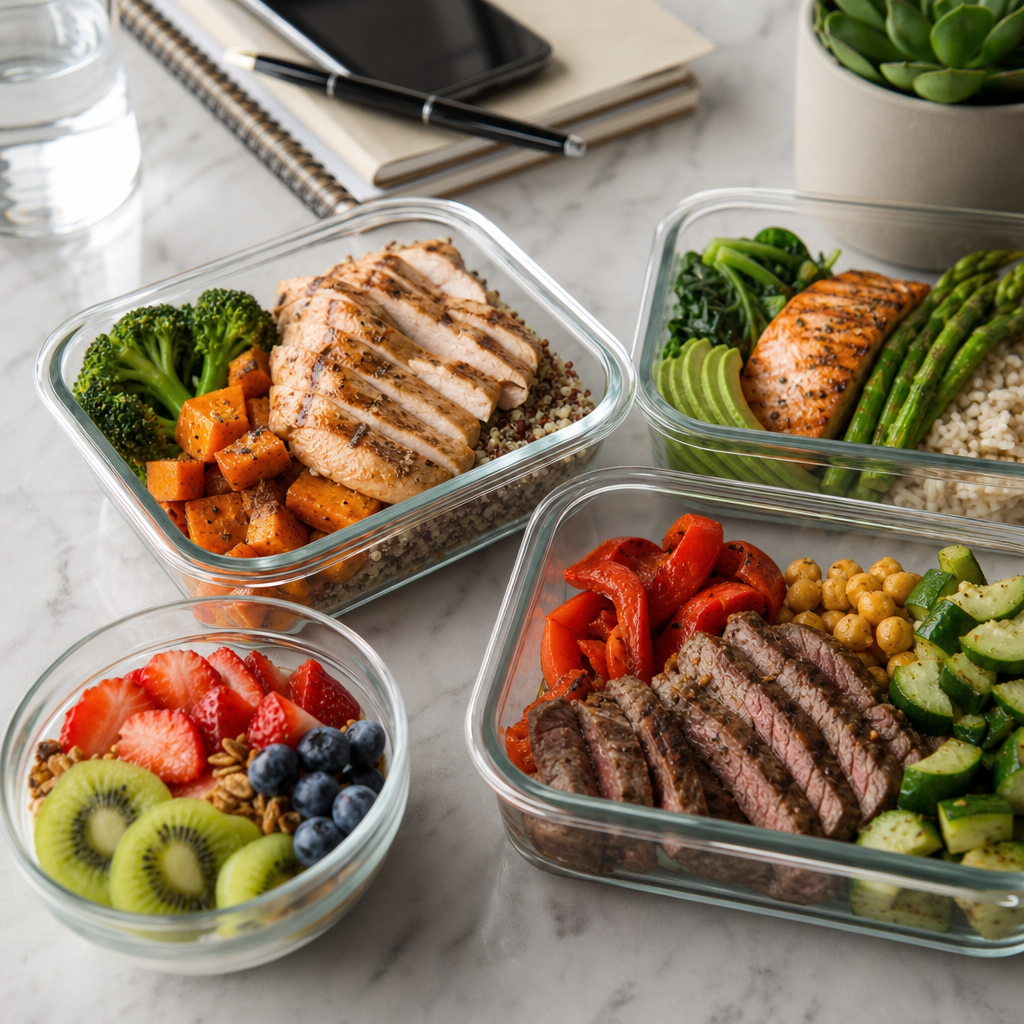
In today's fast-paced world, busy professionals often find it challenging to eat healthy. With exhausting work schedules, meetings, and social obligations, meal planning can seem like an impossible task. However, having a solid meal plan can be your secret weapon to maintain a nutritious diet while saving time and reducing stress. Let's explore effective meal planning strategies tailored for busy lifestyles.
Why Meal Planning Matters
Meal planning allows you to take control of your diet by making informed choices about what you eat during the week. It helps avoid last-minute unhealthy meal decisions and can significantly reduce your food costs. Planning saves time, as you can prep meals in bulk and reduce the frequency of those stressful grocery runs.
Steps to Effective Meal Planning
Assess Your Schedule: Before you start planning your meals, take a look at your calendar for the week ahead. Identify busy days when you might need quick meals or leftovers. For instance, if you have back-to-back meetings on Wednesday, you might want to plan for a simple stir-fry or a smoothie that you can make ahead of time.
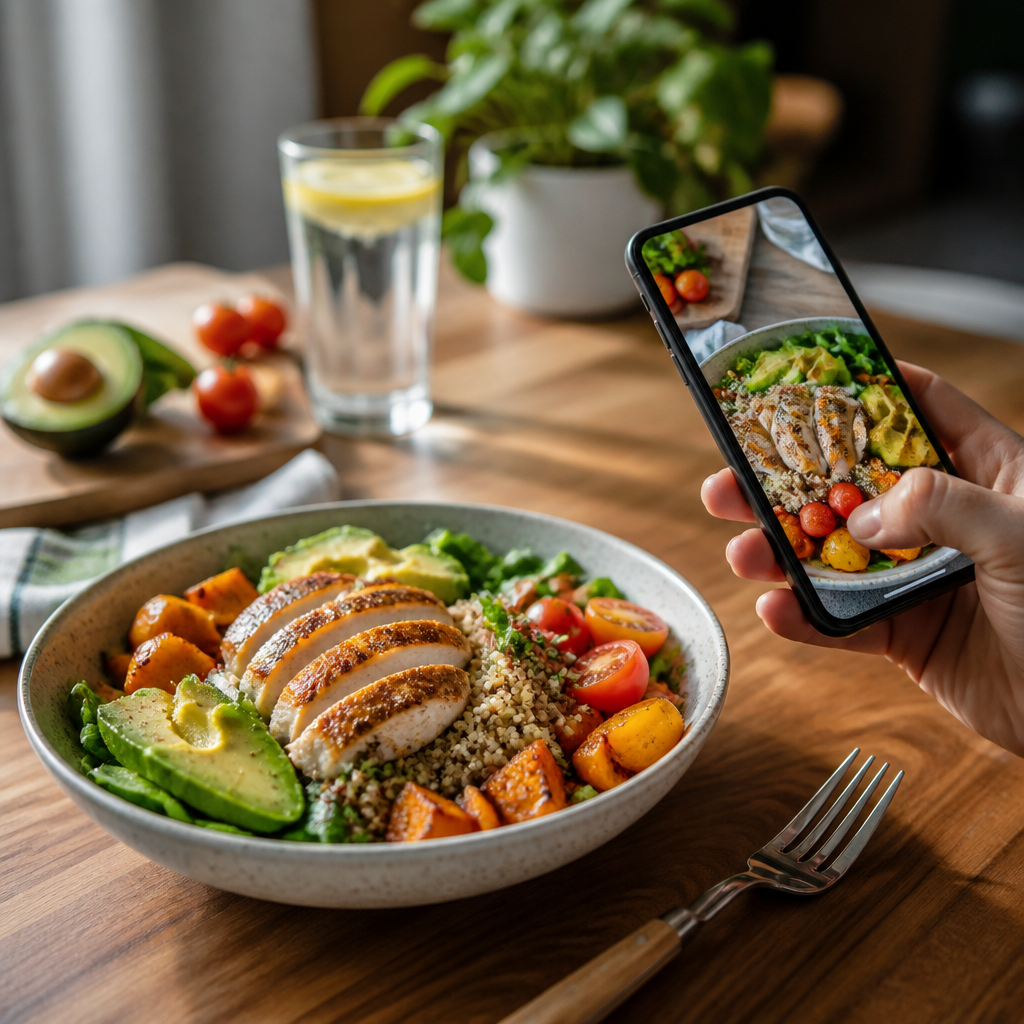
Choose Balanced Meals: A well-balanced meal should include protein, healthy fats, and carbohydrates. Consider preparing meals like grilled chicken with quinoa and steamed broccoli, or a hearty chickpea salad packed with veggies.
Create a Food Inventory: Check your pantry and refrigerator for items you already have. This can save you from buying unnecessary ingredients while also prompting creativity in your meal choices.
Make a Grocery List: Based on your meal plan, create a list of everything you'll need for the week. This not only helps you focus while shopping but also helps you avoid impulse purchases.
Prep in Batches: Set aside a few hours on the weekend for meal prep. Chop vegetables, cook grains, and portion out meals. For example, you could batch-cook quinoa, roast a mix of vegetables, and portion out servings of chicken or tofu to use in various recipes throughout the week.
Meal Ideas for Busy Weeks
- Overnight Oats: A quick breakfast option that you can prep the night before with oats, Greek yogurt, fruits, and nuts.
- Soups and Stews: Cook large batches that can easily be reheated for lunches or dinners. Try a lentil soup or chicken noodle stew.
- Mason Jar Salads: Layer fresh veggies, proteins, and dressings in jars for ready-to-go lunches.
Tips to Stick to Your Meal Plan
- Use Technology: Utilize meal planning apps to help organize yourMeal plans and streamline grocery shopping.
- Keep it Simple: Don’t over-complicate your meals. Simple, quick recipes can still be nutritious and satisfying.
- Be Flexible: Life is unpredictable. If a planned meal doesn’t happen, don’t stress! Have a backup plan using shelf-stable foods like canned beans or frozen veggies that can be easily integrated into meals.
Conclusion
By taking time to prepare meals ahead of time, busy professionals can significantly improve their dietary habits and overall well-being. Meal planning minimizes stress while promoting healthier choices. No more scrambling for food at lunchtime or resorting to unhealthy snacks at the end of a hectic day.
Ready to transform your eating habits? Download our app, upload a photo of your meal, and let our AI help you analyze the calories, macronutrients, and portion sizes – making meal planning a breeze!
Share this article
Cal AI
Track meals faster with Cal AI
Scan food, estimate calories, and keep your nutrition log moving without typing every ingredient.
Author
Cal AI Editorial Team
Practical guides on nutrition, calorie tracking, meal planning, and building healthier habits with Cal AI.
Editorial policyRelated articles
 Dehydration Loss of Appetite: How Not Drinking Enough Can Mute Hunger SignalsDehydration loss of appetite is more common than many people realize. Learn how fluid balance affects hunger, digestion, and practical ways to tell thirst from true appetite.
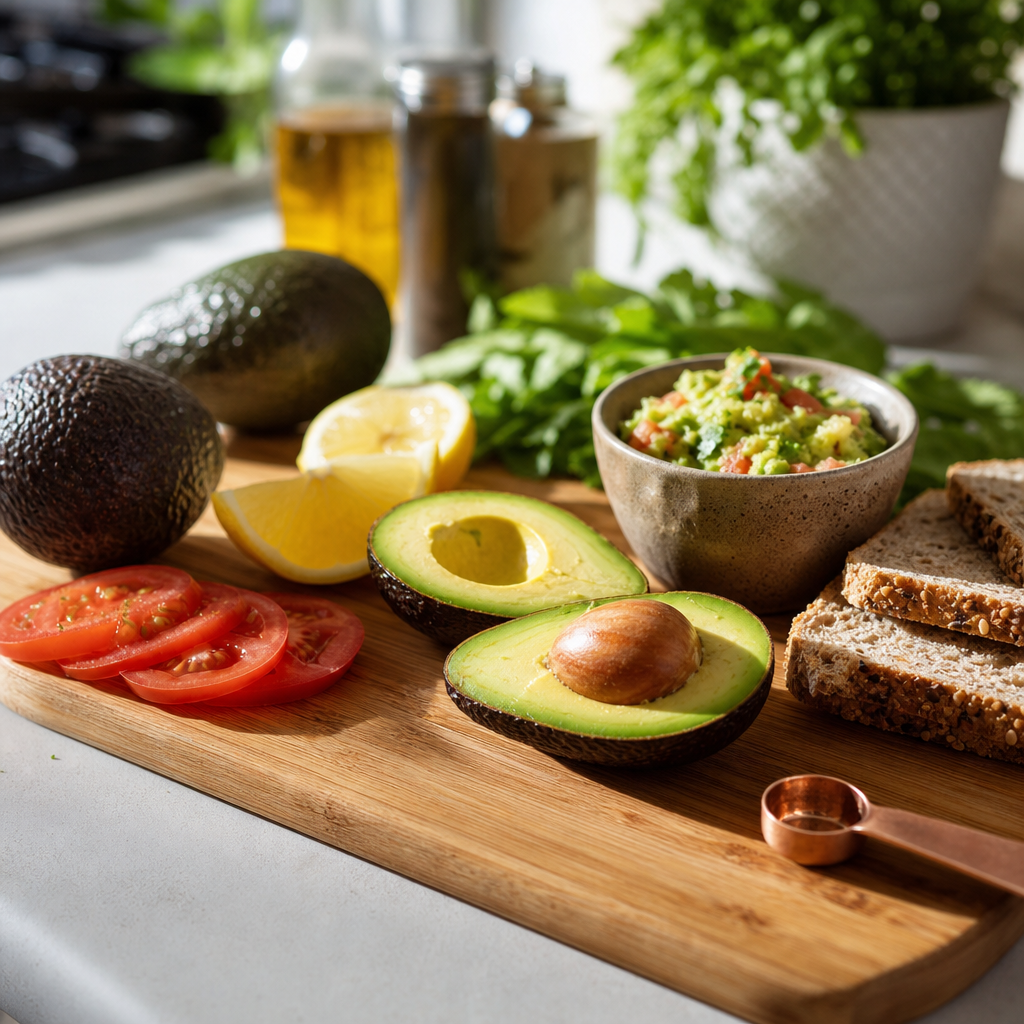 How Many Calories Are in an Avocado?Wondering about calories in avocado? This guide breaks down serving sizes, nutrition facts, health benefits, and easy ways to fit avocado into weight-conscious meals.
 How Many Calories Are in Chocolate? A Practical Guide to Dark, Milk, and White ChocolateWondering how many calories are in chocolate? This guide breaks down calories in chocolate by type, serving size, and cocoa content so you can enjoy it without guessing.
 How Many Calories Are in Cheese? A Practical Guide for Cheese LoversWondering how many calories are in cheese? This guide breaks down calories in cheese by type, serving size, and fat content so you can choose smarter portions without giving up flavor.
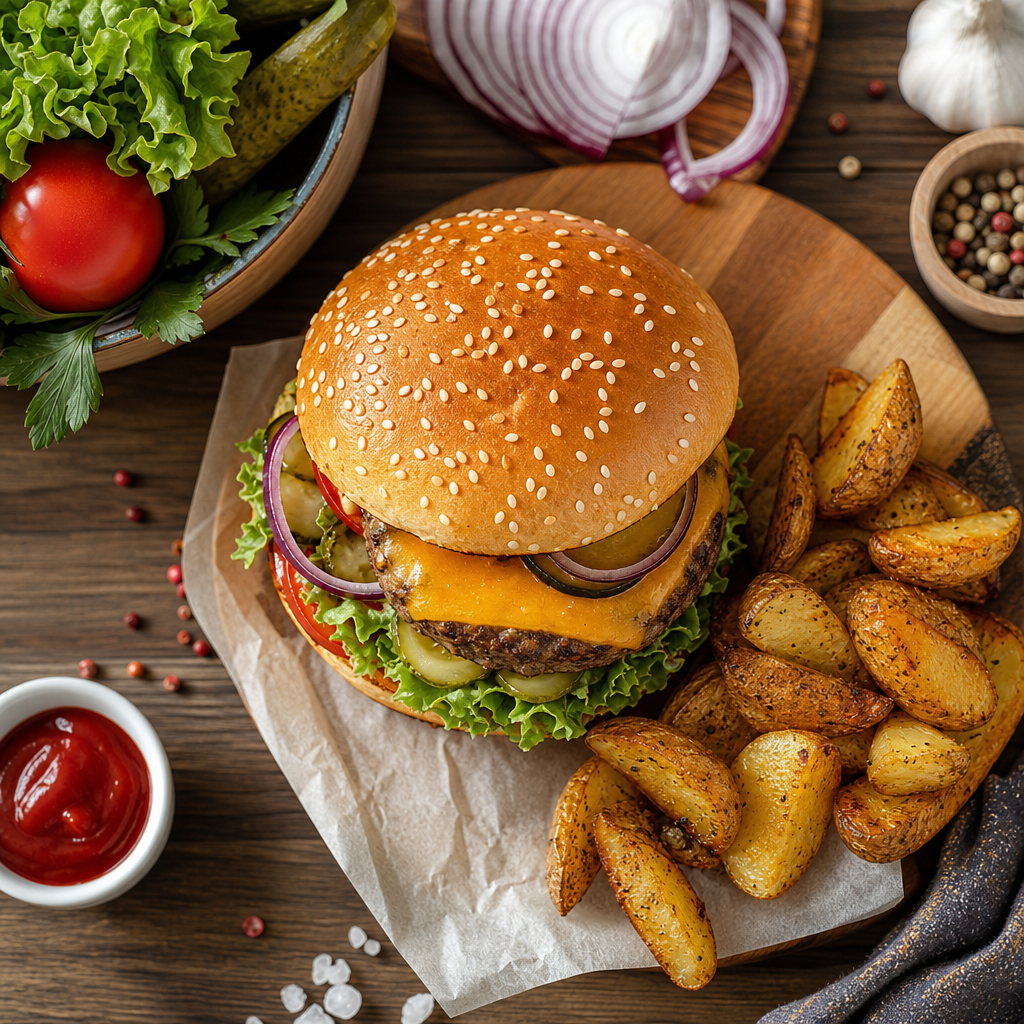 How Many Calories Are in a Burger? A Practical Guide to calories in burger CountsBurger calories can swing wildly depending on patty size, cheese, sauces, and bun choice. Learn the typical calories in burger meals and how to estimate them fast.
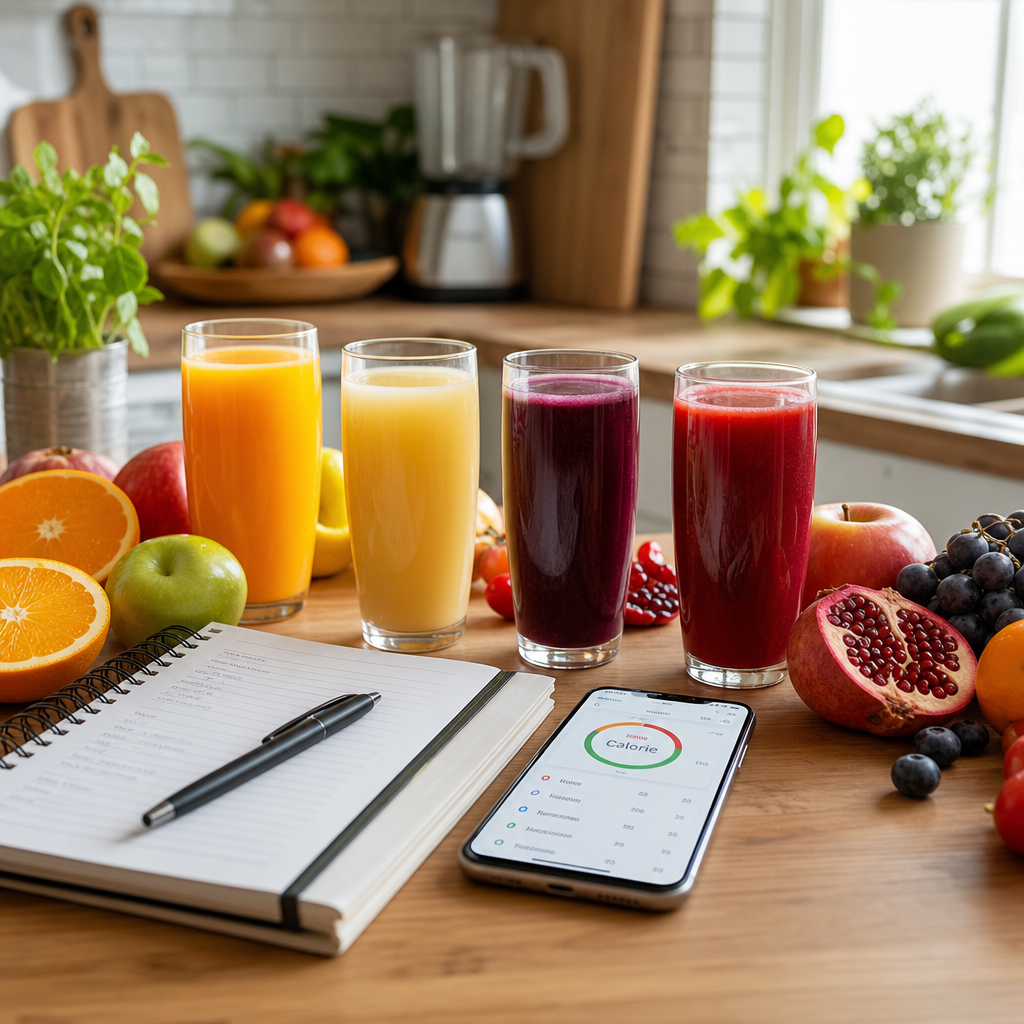 How Many Calories Are in Juice? A Practical Guide to Calories in JuiceJuice can look healthy, but the calorie count changes fast depending on the fruit, serving size, and whether sugar has been added. Here’s how to compare popular juices and make smarter choices.
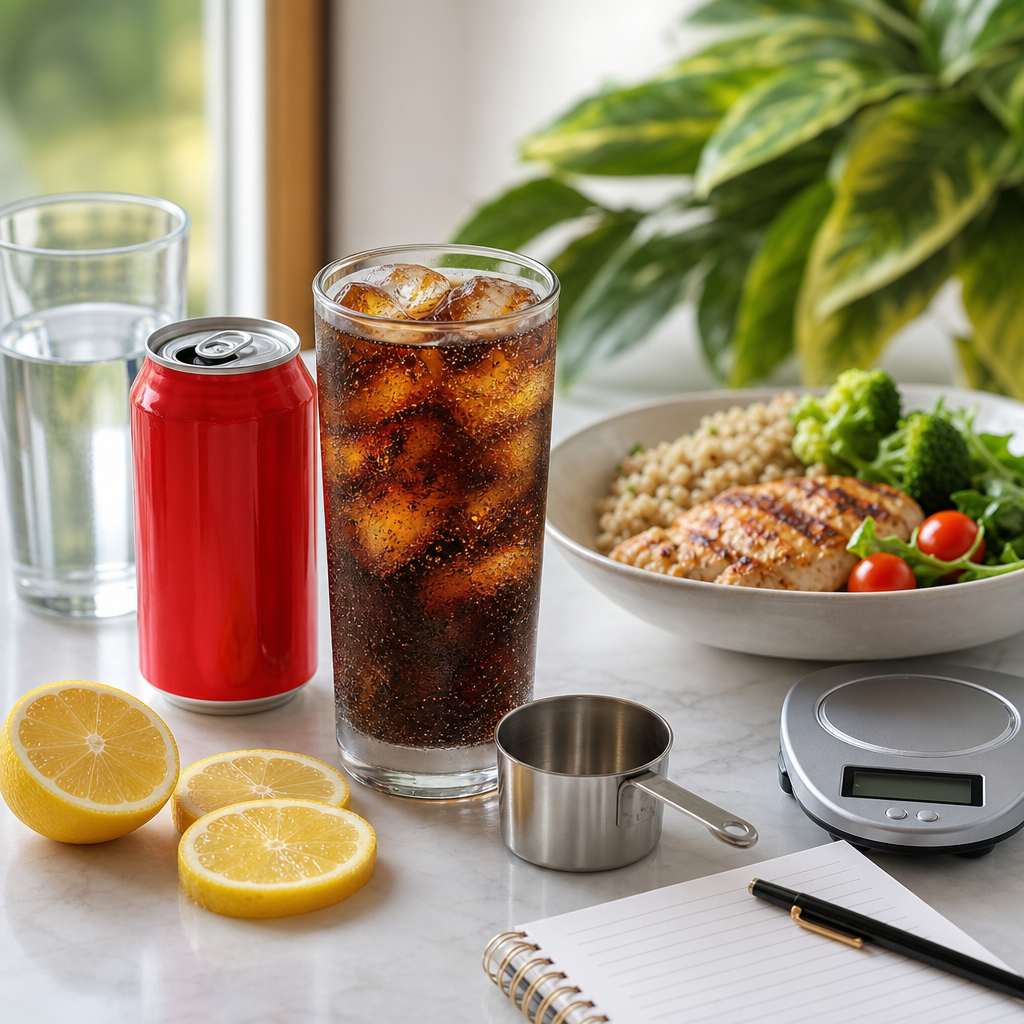 How Many Calories Are in Coca-Cola? A Practical Guide to Calories in Coca-ColaCoca-Cola’s calorie count is easy to underestimate, especially when portions get larger. Here’s a clear breakdown of calories in Coca-Cola, plus sugar, serving sizes, and better ways to fit soda into your day.
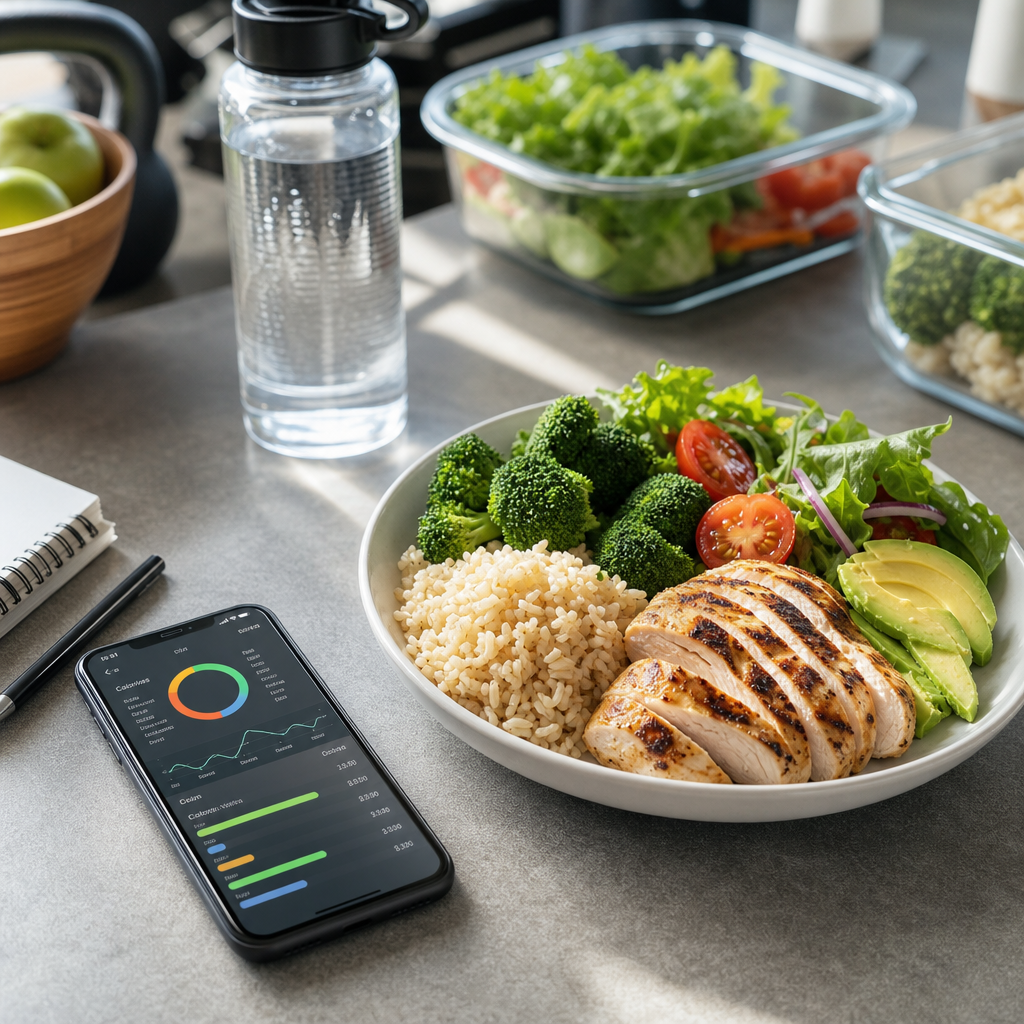 Cal AI Free vs Premium: Which Version Fits Your Budget and Goals?A clear breakdown of Cal AI free vs premium, including features, limits, and real-life use cases so you can decide if the upgrade is worth it.
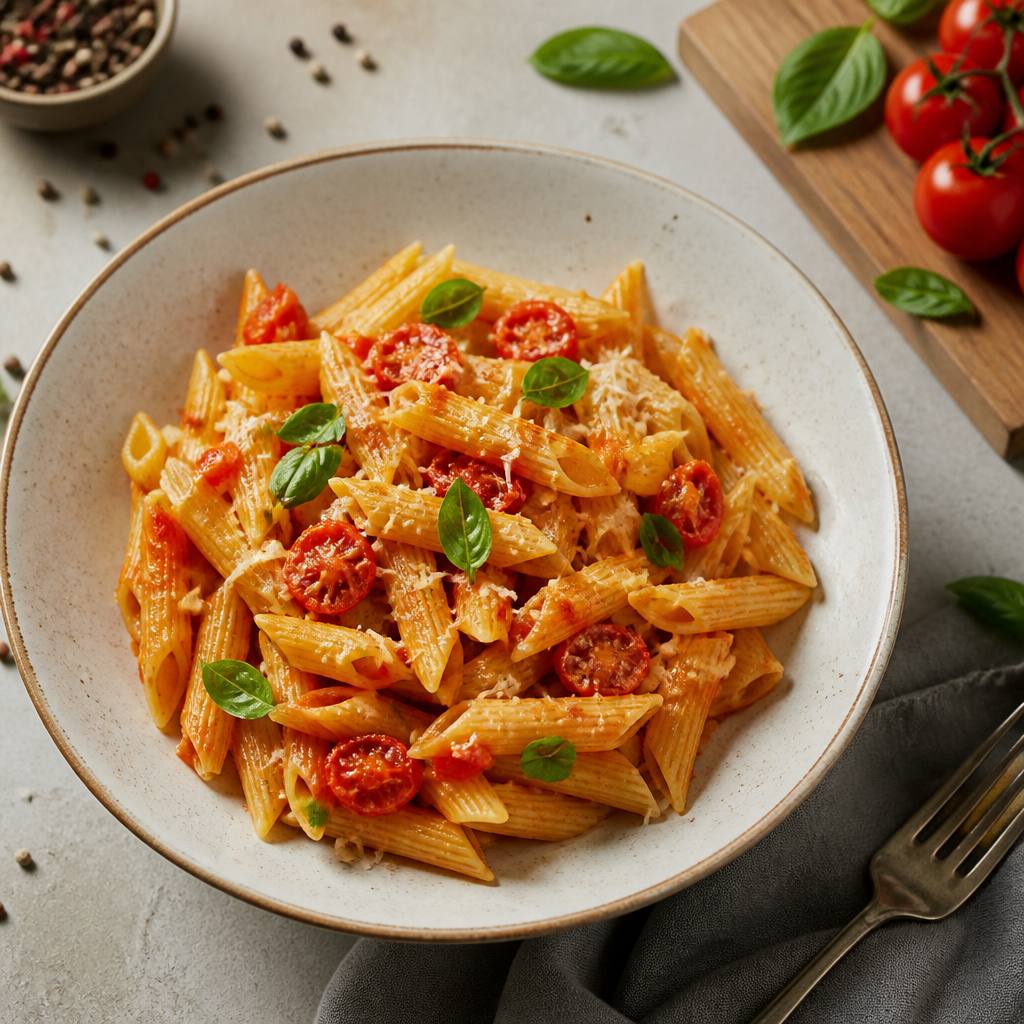 How Many Calories Are in Pasta? A Comprehensive Guide for Pasta Lovers and Dieters
 How Many Calories Are in an Iced Latte? Your Guide to Summer Coffee Indulgence
 How Many Calories Are in Coca-Cola Zero?
 How Many Calories Are in an Energy Drink?
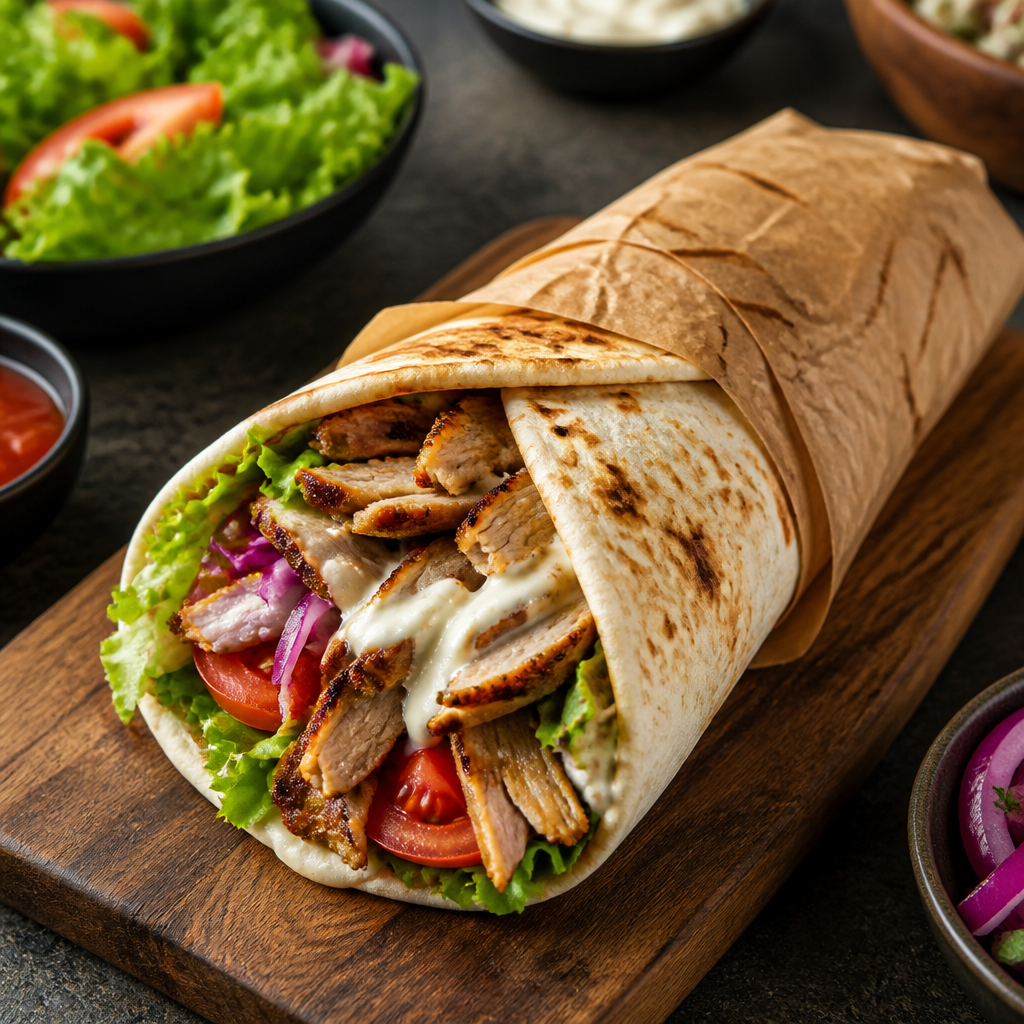 How Many Calories Are in Shawarma?
 How Many Calories Are in a Latte? A Deep Dive into Your Favorite Coffee Treat
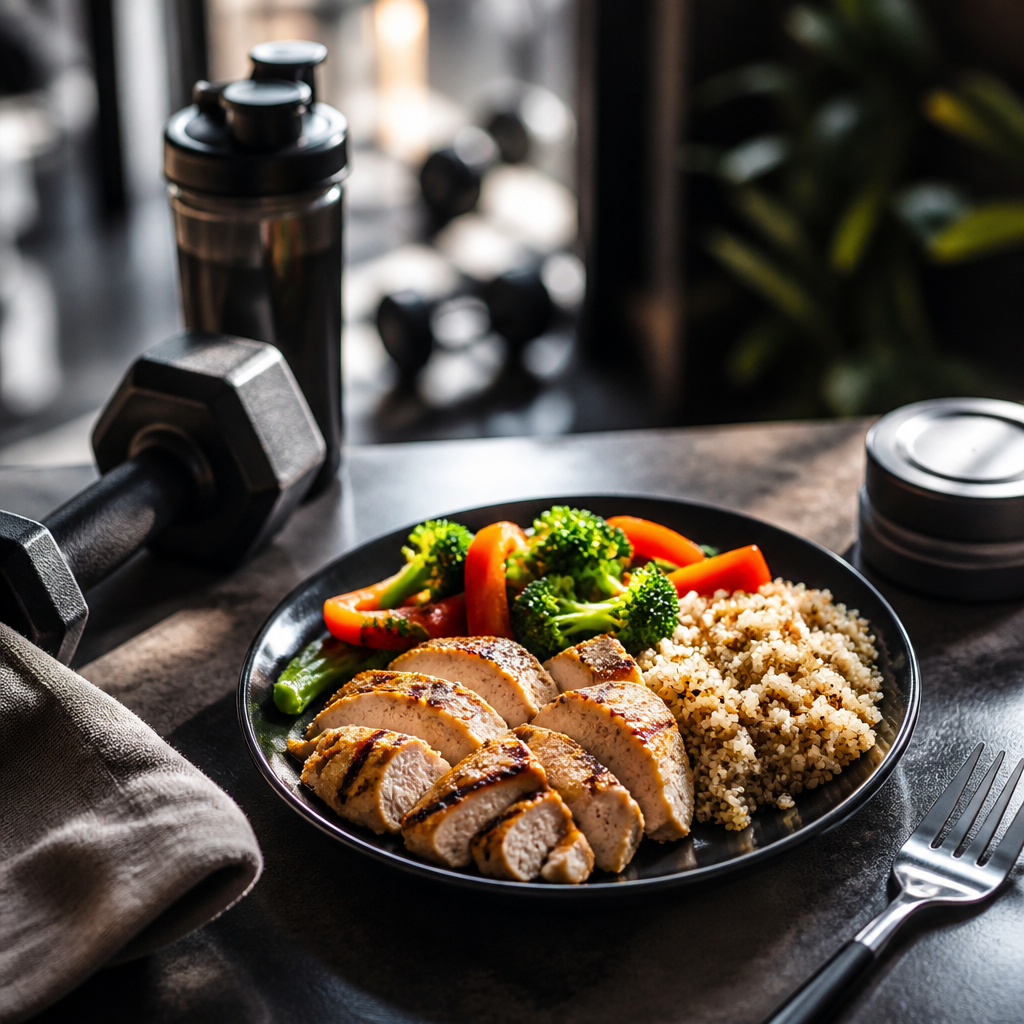 Maximize Your Gains: How Cal AI Supports Muscle Growth
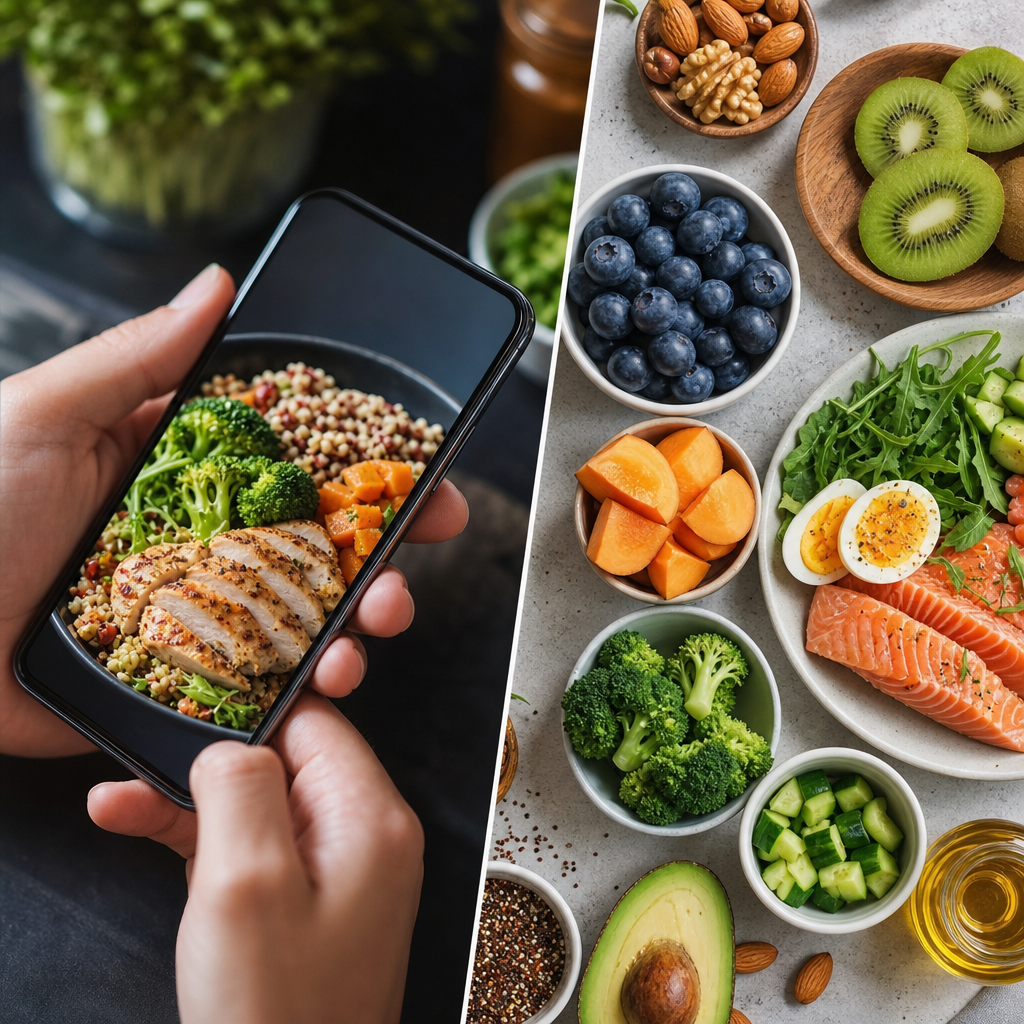 Cal AI vs FatSecret: Which Nutrition Tracking App Reigns Supreme?
 How Much Does Cal AI Cost? Understanding the Pricing Structure
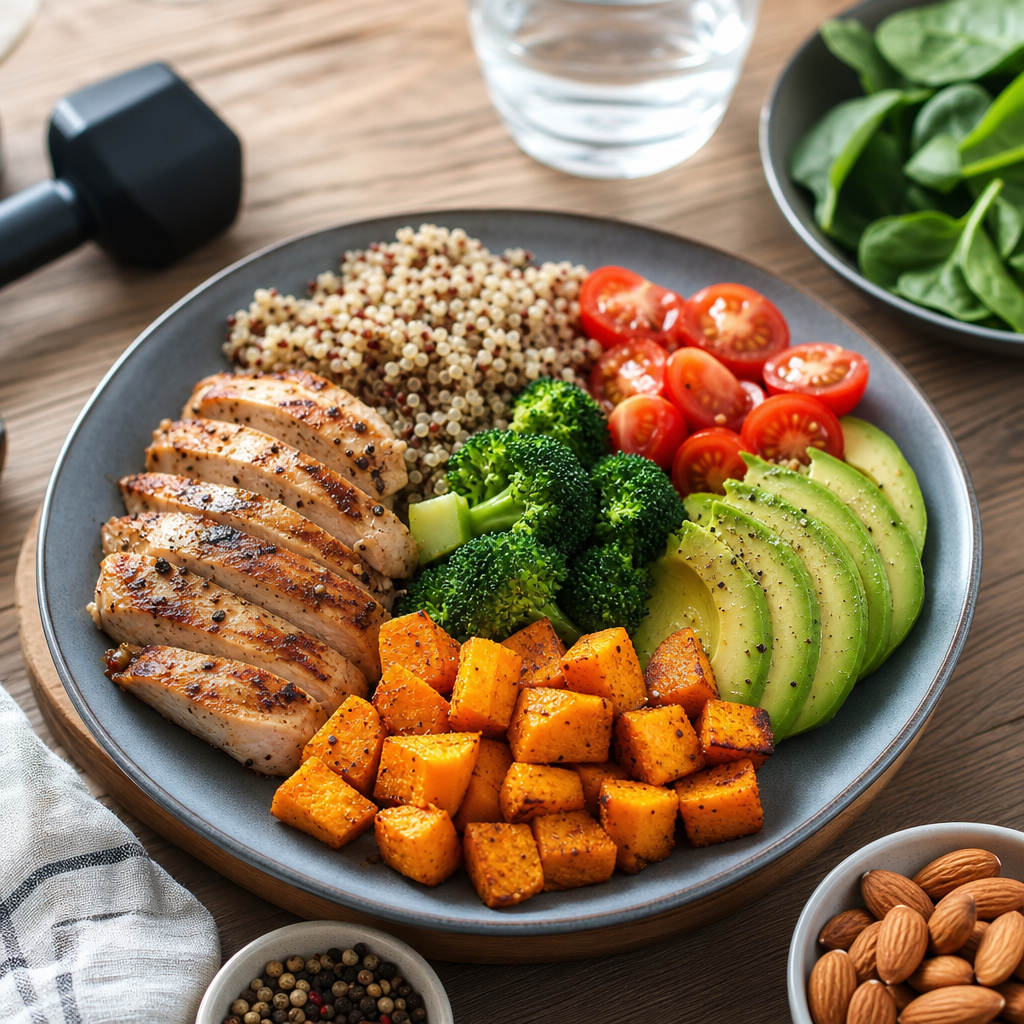 How to Count Macronutrients: Your Essential Guide to Diet Management
 How Artificial Intelligence Helps You Lose Weight
 Cal AI Calorie Counter Review: A Comprehensive Analysis of Its Functionality
 Is the Cal AI App Free? Everything You Need to Know
 Is Cal AI Free? Exploring Costs and Features
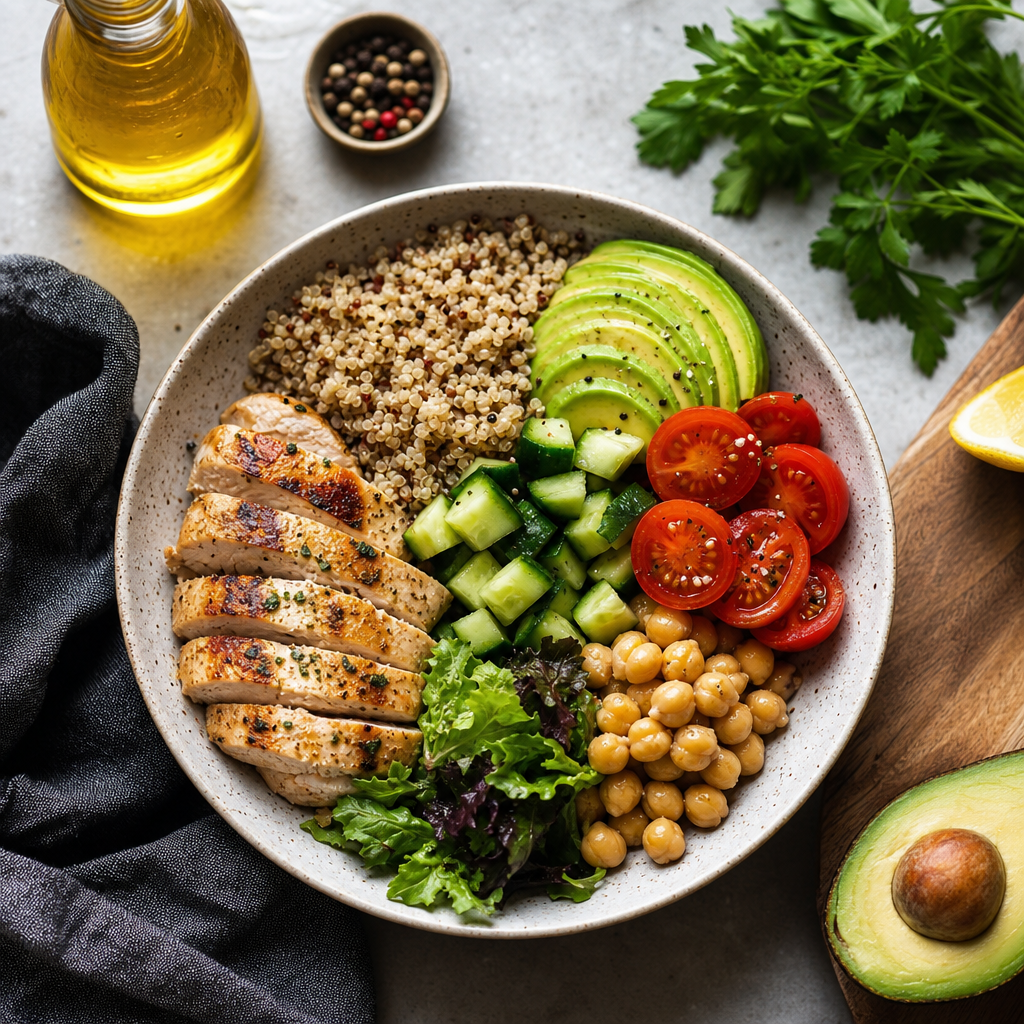 How to Calculate Macros for Weight Loss: Your Ultimate Guide
 Cal AI vs Yazio: Which Nutrition App Reigns Supreme for Fitness Enthusiasts?
 How Does Cal AI Calculate Calories?
 Top 25 Vegetables for Weight Loss
 Why Your Weight Stopped Changing: Understanding Weight Maintenance Issues
 Which Vegetables Help You Lose Weight?
 How to Track Weight Changes Correctly
 How Many Carbs Do You Need Per Day? A Practical Guide to Daily Carb Requirements